+86-632-3621866
- Chinese
- French
- German
- Portuguese
- Spanish
- Russian
- Japanese
- Korean
- Arabic
- Irish
- Greek
- Turkish
- Italian
- Danish
- Romanian
- Indonesian
- Czech
- Afrikaans
- Swedish
- Polish
- Basque
- Catalan
- Esperanto
- Hindi
- Lao
- Albanian
- Amharic
- Armenian
- Azerbaijani
- Belarusian
- Bengali
- Bosnian
- Bulgarian
- Cebuano
- Chichewa
- Corsican
- Croatian
- Dutch
- Estonian
- Filipino
- Finnish
- Frisian
- Galician
- Georgian
- Gujarati
- Haitian
- Hausa
- Hawaiian
- Hebrew
- Hmong
- Hungarian
- Icelandic
- Igbo
- Javanese
- Kannada
- Kazakh
- Khmer
- Kurdish
- Kyrgyz
- Latin
- Latvian
- Lithuanian
- Luxembou..
- Macedonian
- Malagasy
- Malay
- Malayalam
- Maltese
- Maori
- Marathi
- Mongolian
- Burmese
- Nepali
- Norwegian
- Pashto
- Persian
- Punjabi
- Serbian
- Sesotho
- Sinhala
- Slovak
- Slovenian
- Somali
- Samoan
- Scots Gaelic
- Shona
- Sindhi
- Sundanese
- Swahili
- Tajik
- Tamil
- Telugu
- Thai
- Ukrainian
- Urdu
- Uzbek
- Vietnamese
- Welsh
- Xhosa
- Yiddish
- Yoruba
- Zulu
- Kinyarwanda
- Tatar
- Oriya
- Turkmen
- Uyghur



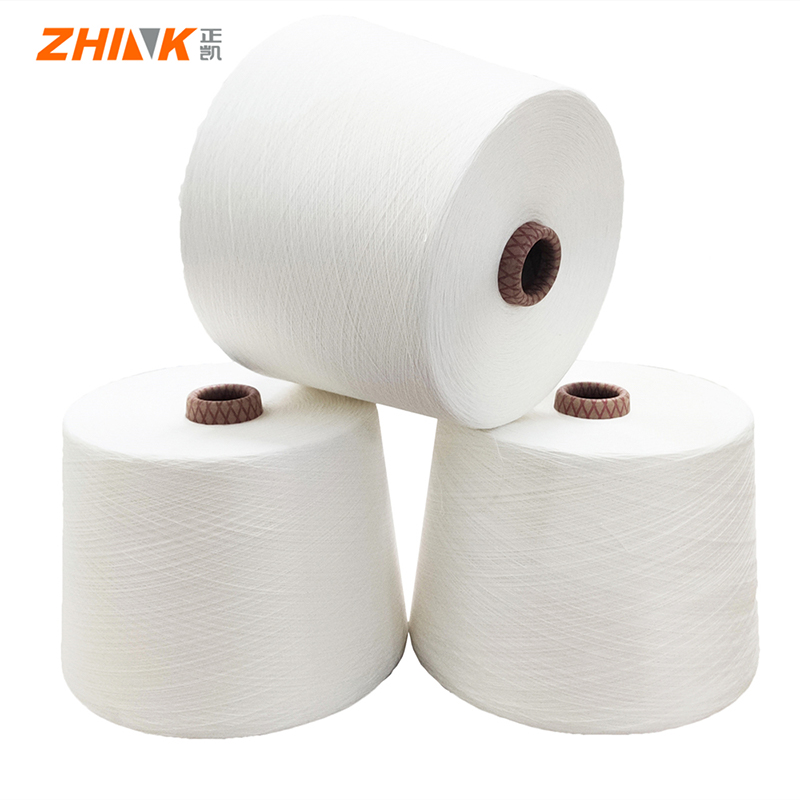
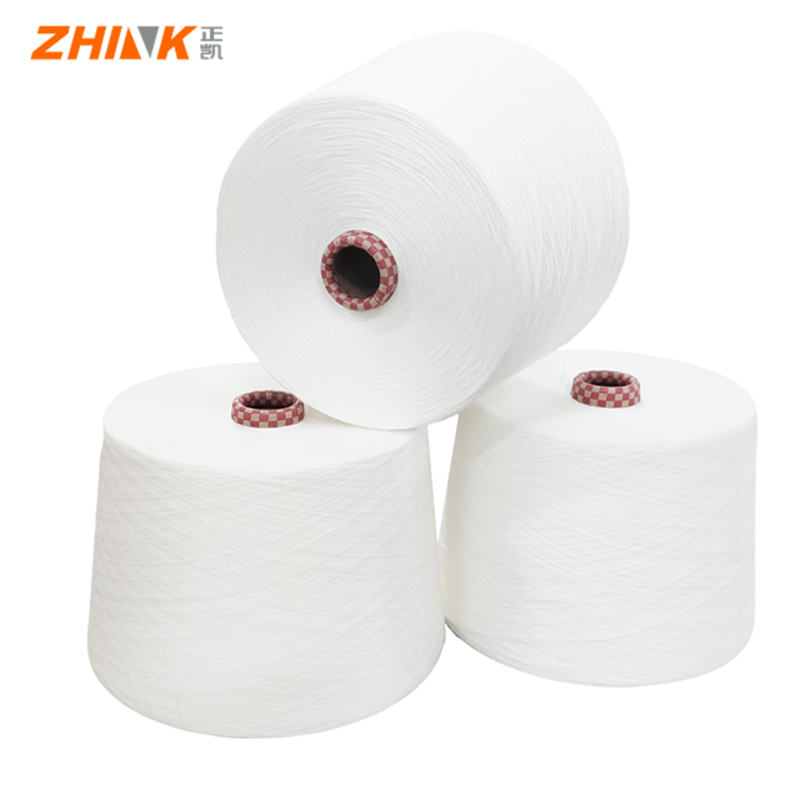
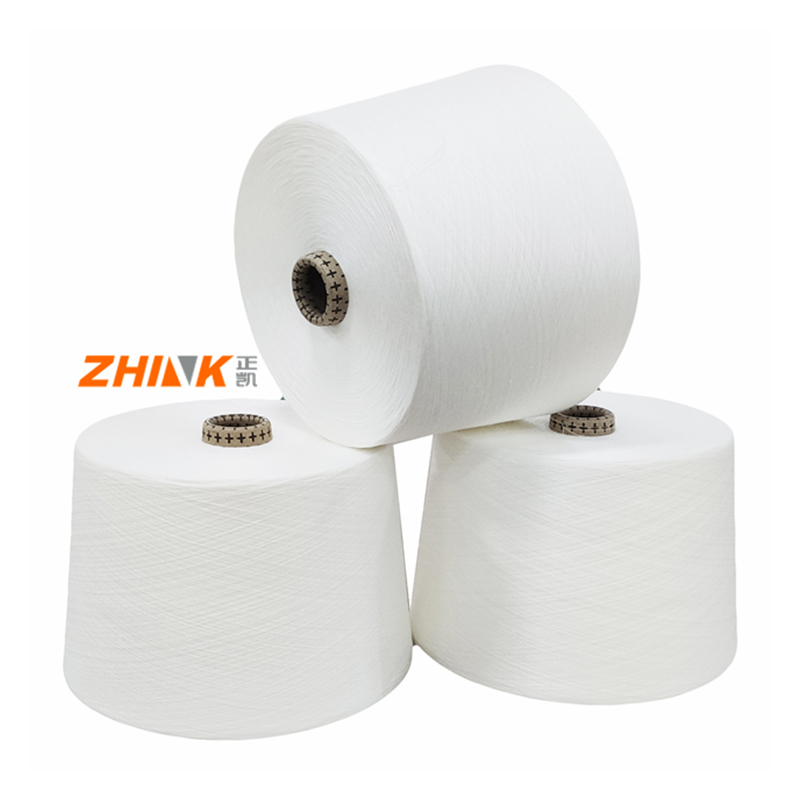
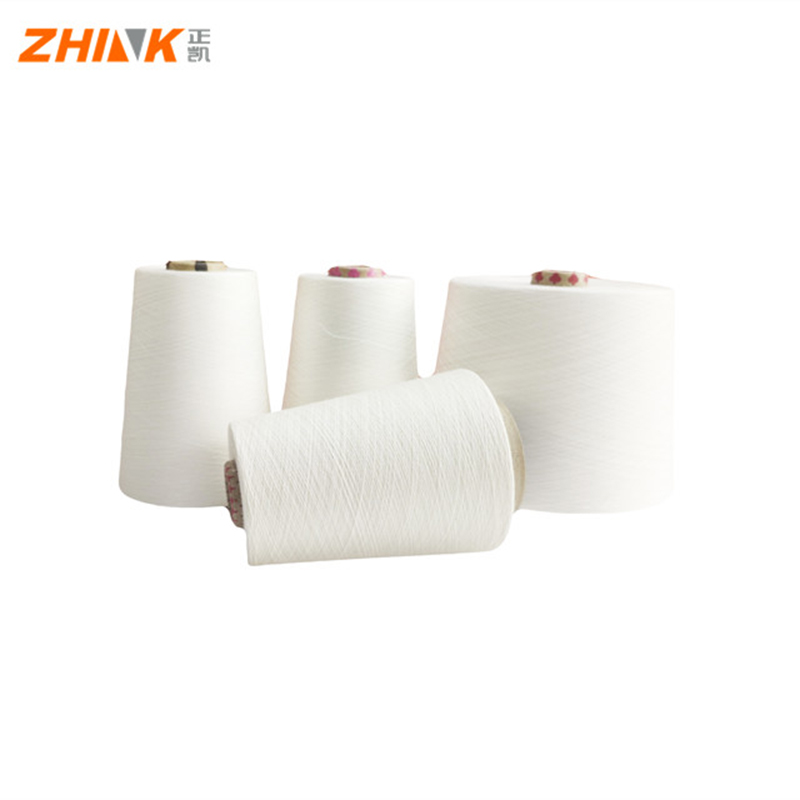
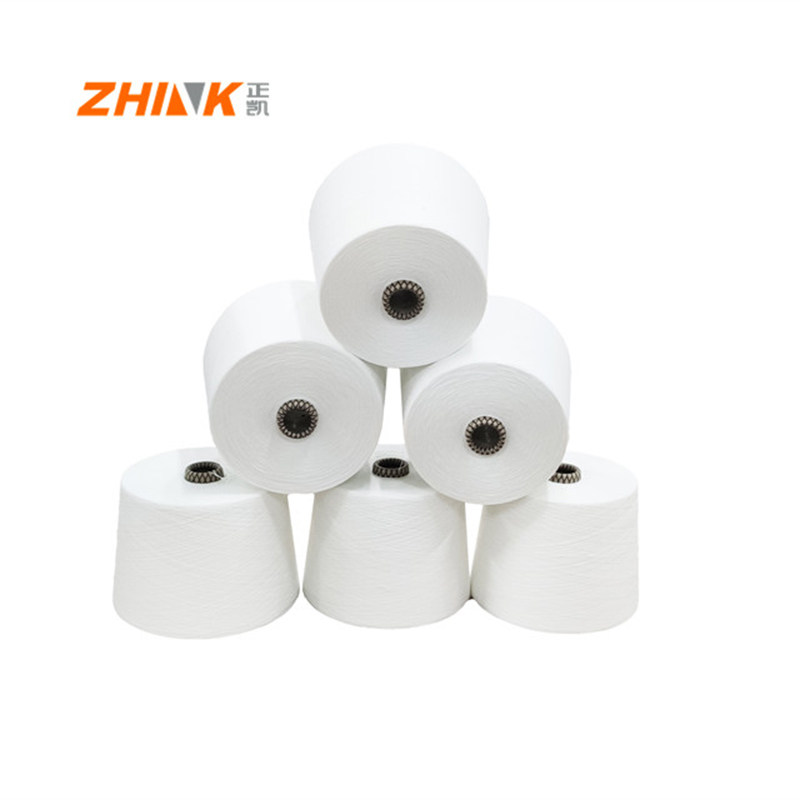
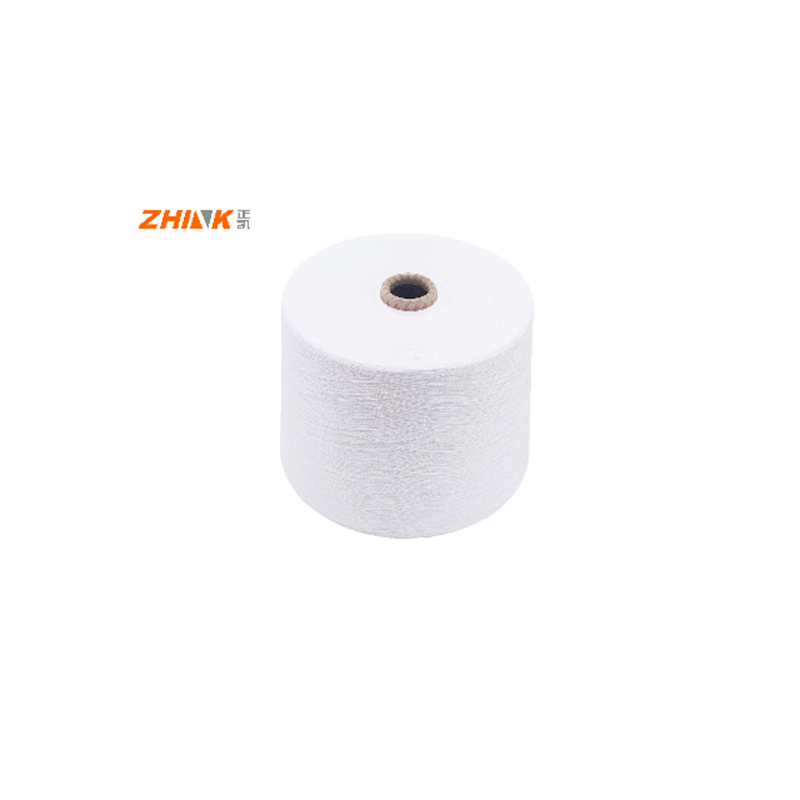
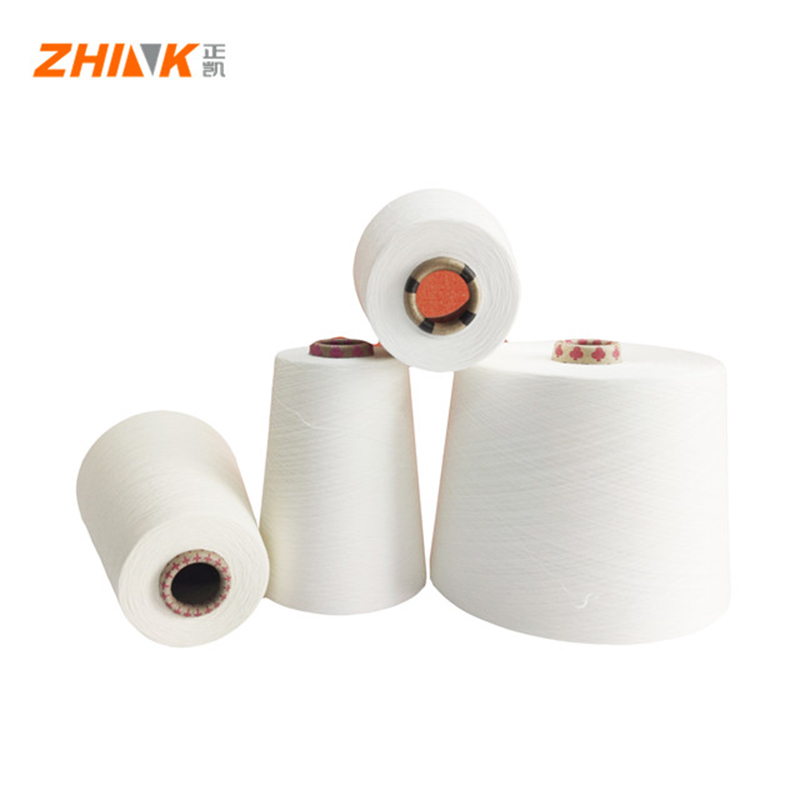
Cationic polyester short fiber yarn
Understanding Cationic Polyester Short Fiber Yarn
Cationic polyester short fiber yarn seems straightforward, but there’s more complexity beneath the surface. Many new to the textile industry might think it's just another polyester yarn; however, its unique properties create substantial advantages—and some challenges—that can significantly impact production and end-use applications.
The Unique Properties of Cationic Polyester
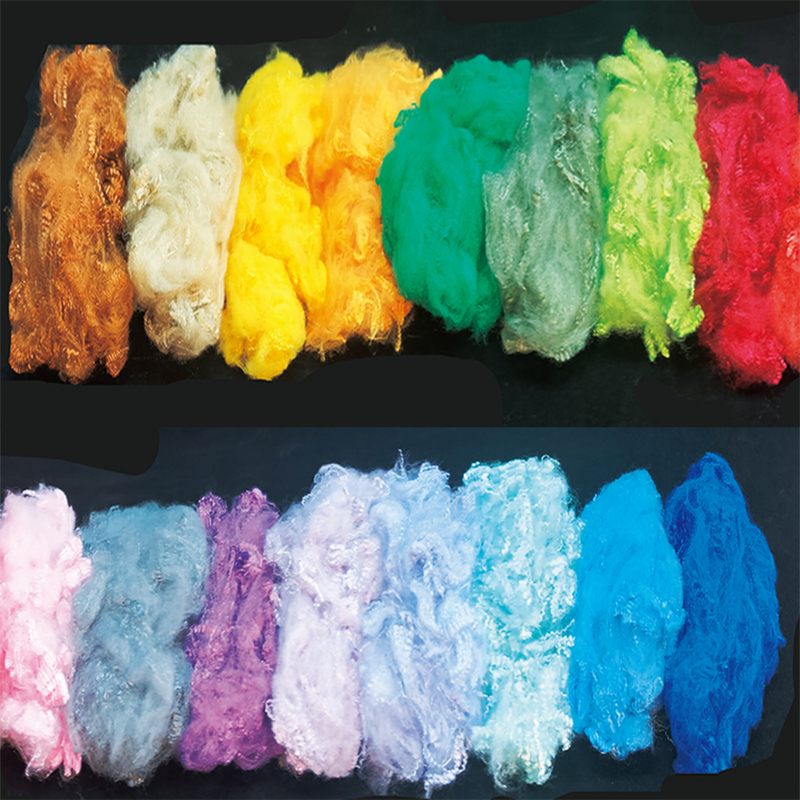
What sets cationic polyester short fiber yarn apart is its ability to be dyed at lower temperatures while maintaining excellent colorfastness. This trait makes it ideal for vibrant colors without sacrificing durability. But understanding this in theory is one thing; in practice, achieving consistent results can be another.
Take a typical day in a textile mill. You’ve got your batch of cationic polyester ready, but the dyeing process demands more attention to temperature control compared to conventional fibers. This is where many, especially newcomers, stumble. An oversight here could lead to uneven coloring, an expensive mistake in mass production.
Working with such yarns requires a detailed understanding of their behavior under different conditions, a skill honed only through experience. Whether you're involved in large-scale manufacturing or custom textile design, these fibers can bring an edge with their enhanced dyeability.
Challenges in Production
While the advantages are clear, producing cationic polyester short fiber yarn isn't devoid of challenges. During my time with SHANDONG ZHINK NEW MATERIAL CO., LTD, whose expertise is detailed on their site here, I’ve observed firsthand some of these production quirks.
Our team tackled issues with fiber consistency, primarily during the blending process. The fibers can exhibit varying degrees of absorption, meaning that even slight inconsistencies in batch quality can lead to significant variations in the final product.
Tackling such problems means emphasizing strict quality control and precise calibrations during manufacturing. Sometimes, bringing in innovative machinery or tweaking existing ones can make a difference—but again, experience is the best teacher here.
Market Applications and Trends
Cationic polyester short fiber yarn is increasingly popular for creating activewear and high-performance textiles. Its low-temperature dyeability and robust color retention make it a go-to for fashion designers looking to push boundaries with colors and finishing techniques that traditional polyesters cannot handle.
During our recent development projects at Zhink New Material, we’ve seen a surge in interest from brands looking to blend style with function. These fibers contribute to textiles that are both visually striking and physically comfortable, boasting benefits that consumers value highly.
This growing trend underscores the importance of staying up-to-date with textile developments. Often, the key to innovation lies in leveraging these niche materials creatively.
Practical Insights from the Field
In actual production environments, utilizing these yarns involves an intricate balance of technology and manual oversight. Machines handle the bulk of production, yet skilled technicians play a critical role. It's their eye for detail that catches discrepancies that computers might miss.
Another real-life challenge involves waste management. When things don’t go as planned—and they sometimes don’t—the resulting waste can become a logistical headache. Efficient ways to repurpose or recycle this waste are often overlooked but can be crucial for maintaining a sustainable operation.
Addressing these practicalities is essential, not just for maximizing efficiency but also for innovating within the constraints of cationic polyester production.
Future of Cationic Polyester Yarns
Looking forward, the future of cationic polyester short fiber yarn seems promising, driven by continuous improvements in technology and evolving market demands. Companies like SHANDONG ZHINK NEW MATERIAL CO., LTD are at the forefront, refining production techniques while exploring new applications for these versatile fibers.
Collaborative efforts in R&D, perhaps integrating with more advanced dyeing techniques or sustainable practices, represent a potential area for growth. The textile industry’s shift toward responsible production processes aligns well with the increasing versatility of cationic fibers.
Ultimately, cationic polyester short fiber yarn represents a piece of the larger puzzle in the textile sector, marrying innovation with practical applications. As we continue to understand and refine its use, it could redefine standards in textile production. The journey, undoubtedly, is as dynamic as the yarn itself.
Related Products
Related Products