+86-632-3621866
- Chinese
- French
- German
- Portuguese
- Spanish
- Russian
- Japanese
- Korean
- Arabic
- Irish
- Greek
- Turkish
- Italian
- Danish
- Romanian
- Indonesian
- Czech
- Afrikaans
- Swedish
- Polish
- Basque
- Catalan
- Esperanto
- Hindi
- Lao
- Albanian
- Amharic
- Armenian
- Azerbaijani
- Belarusian
- Bengali
- Bosnian
- Bulgarian
- Cebuano
- Chichewa
- Corsican
- Croatian
- Dutch
- Estonian
- Filipino
- Finnish
- Frisian
- Galician
- Georgian
- Gujarati
- Haitian
- Hausa
- Hawaiian
- Hebrew
- Hmong
- Hungarian
- Icelandic
- Igbo
- Javanese
- Kannada
- Kazakh
- Khmer
- Kurdish
- Kyrgyz
- Latin
- Latvian
- Lithuanian
- Luxembou..
- Macedonian
- Malagasy
- Malay
- Malayalam
- Maltese
- Maori
- Marathi
- Mongolian
- Burmese
- Nepali
- Norwegian
- Pashto
- Persian
- Punjabi
- Serbian
- Sesotho
- Sinhala
- Slovak
- Slovenian
- Somali
- Samoan
- Scots Gaelic
- Shona
- Sindhi
- Sundanese
- Swahili
- Tajik
- Tamil
- Telugu
- Thai
- Ukrainian
- Urdu
- Uzbek
- Vietnamese
- Welsh
- Xhosa
- Yiddish
- Yoruba
- Zulu
- Kinyarwanda
- Tatar
- Oriya
- Turkmen
- Uyghur



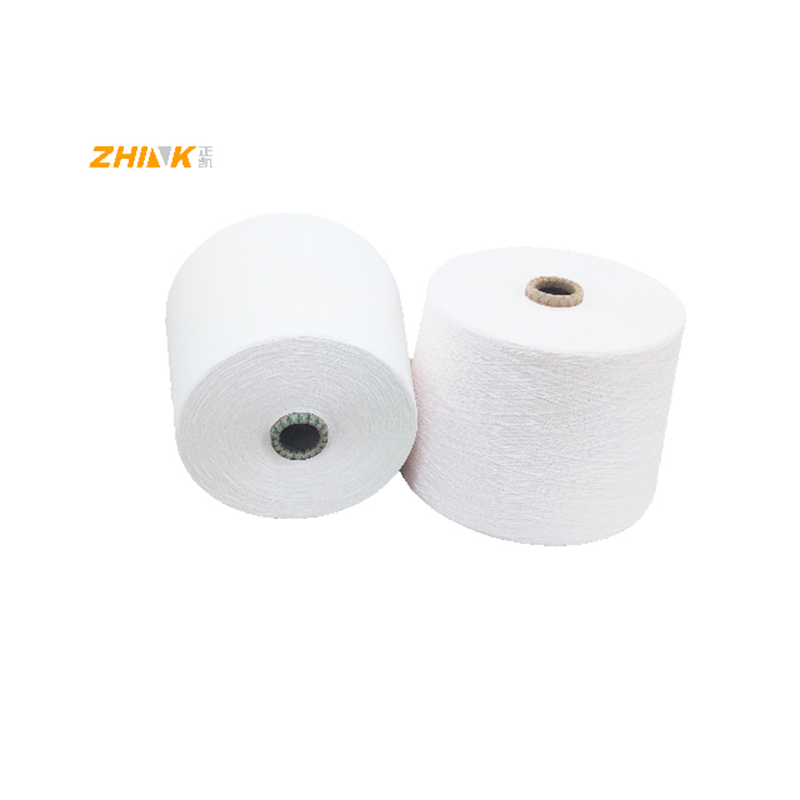
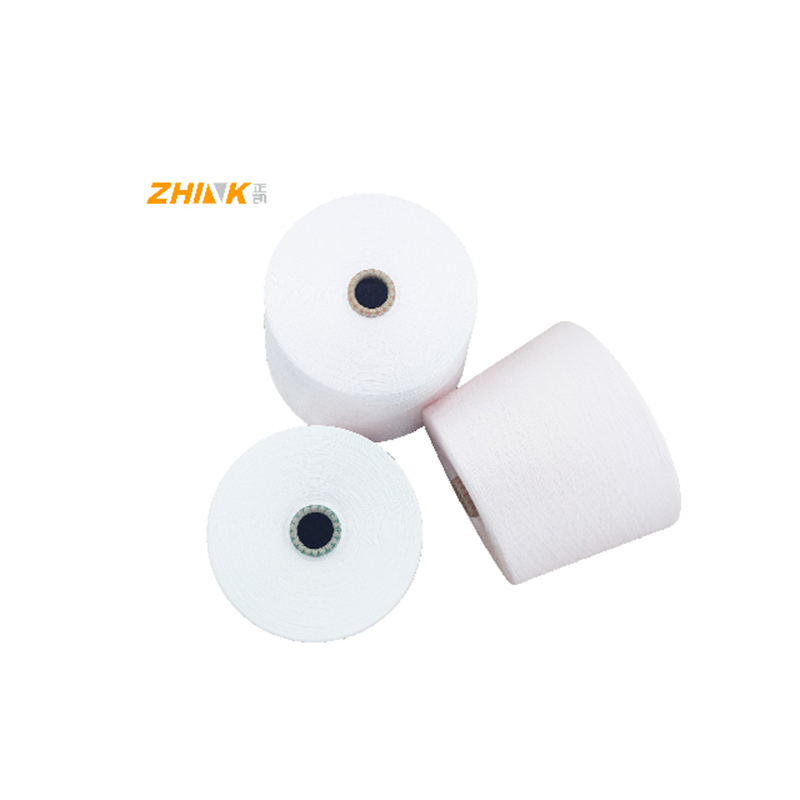
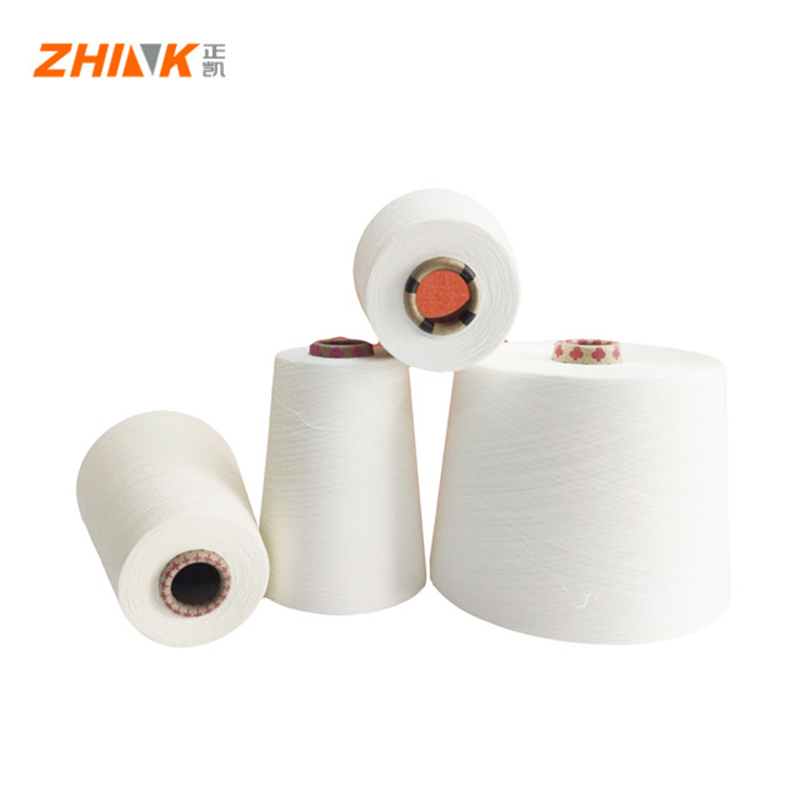
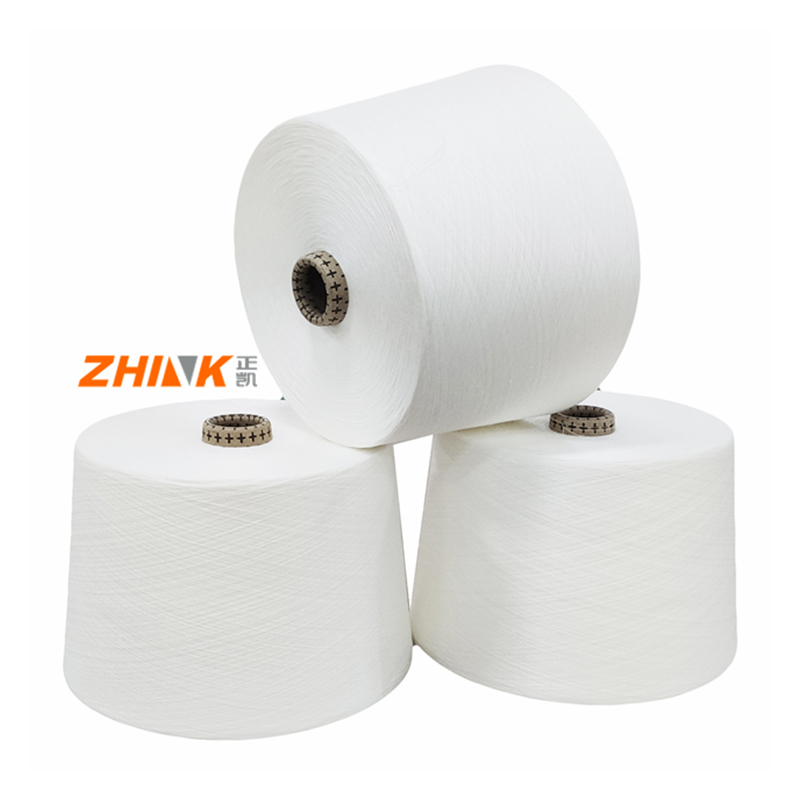
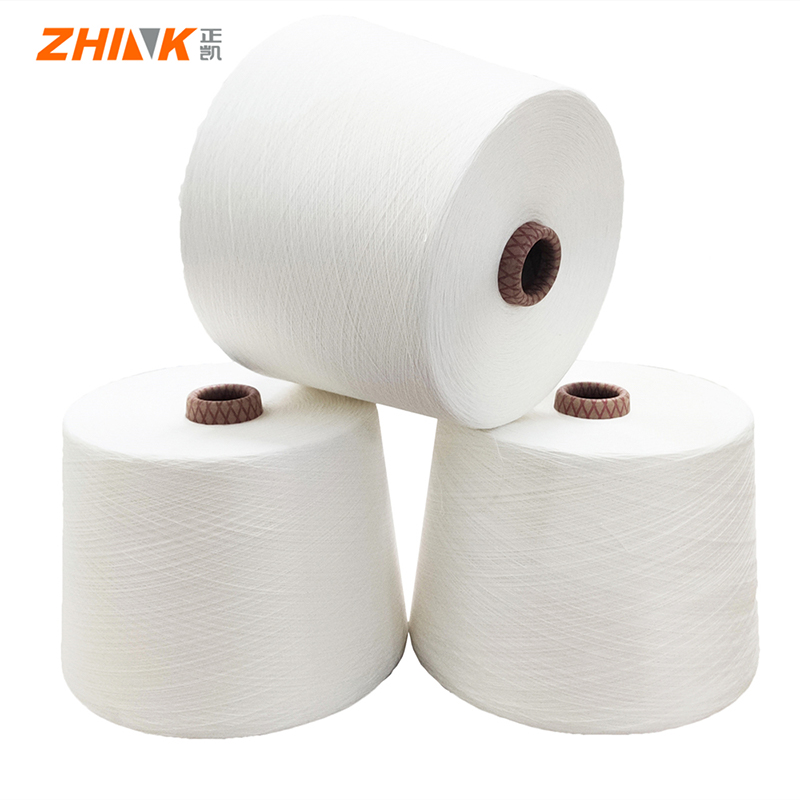
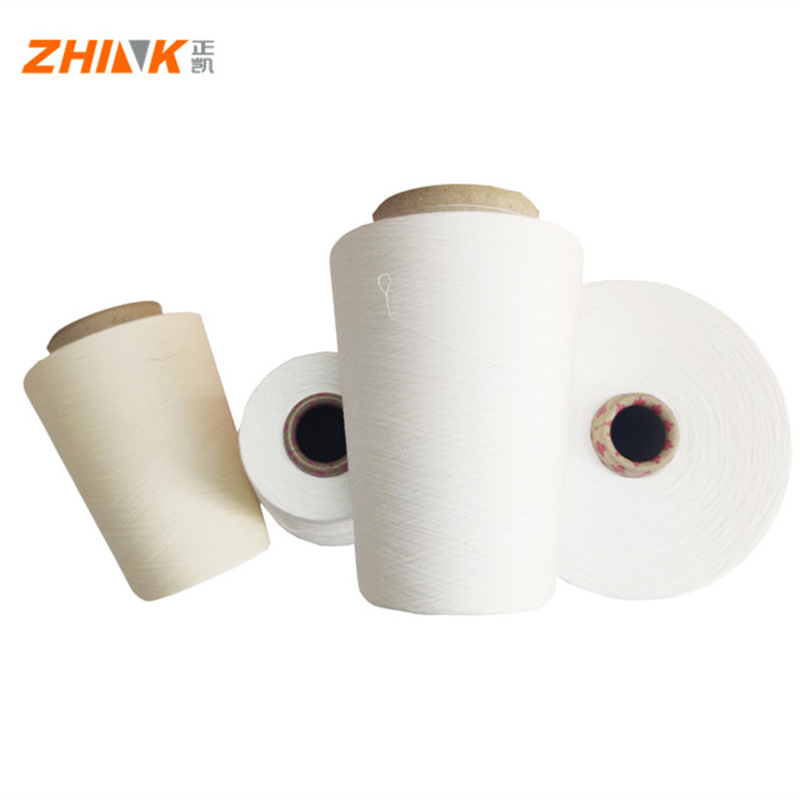
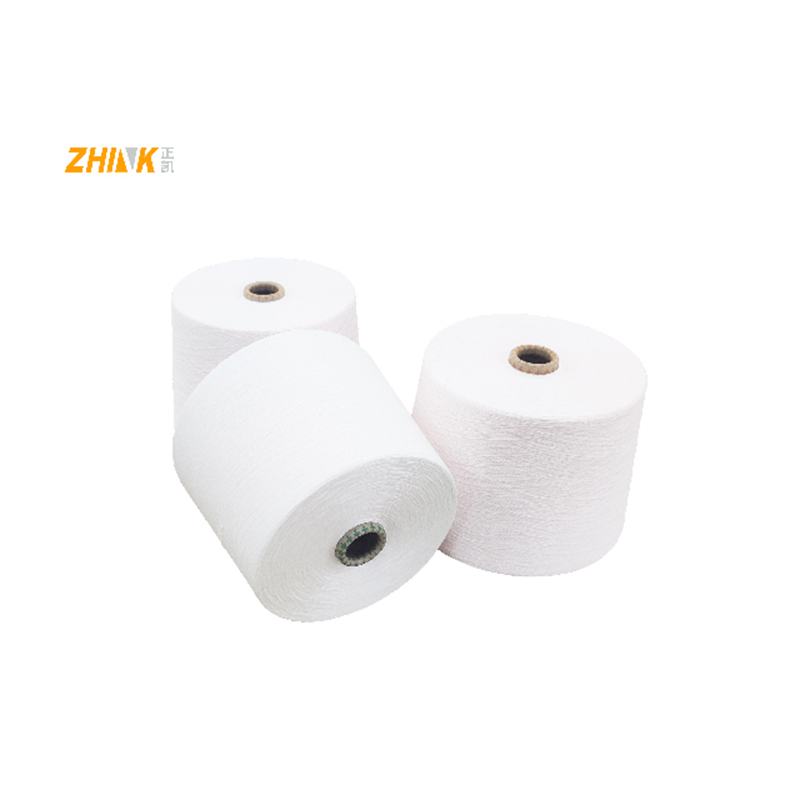
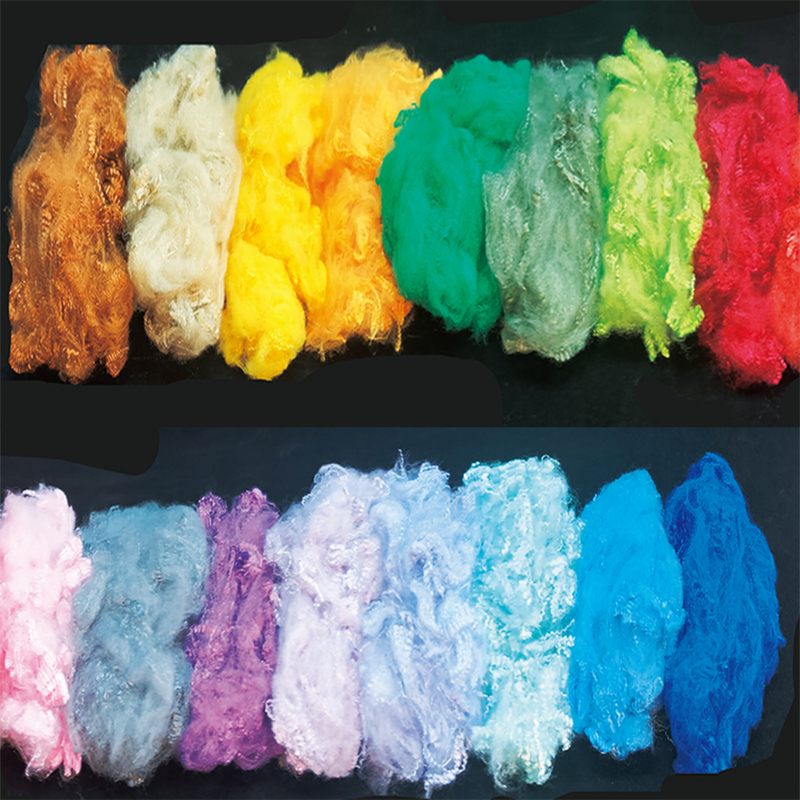
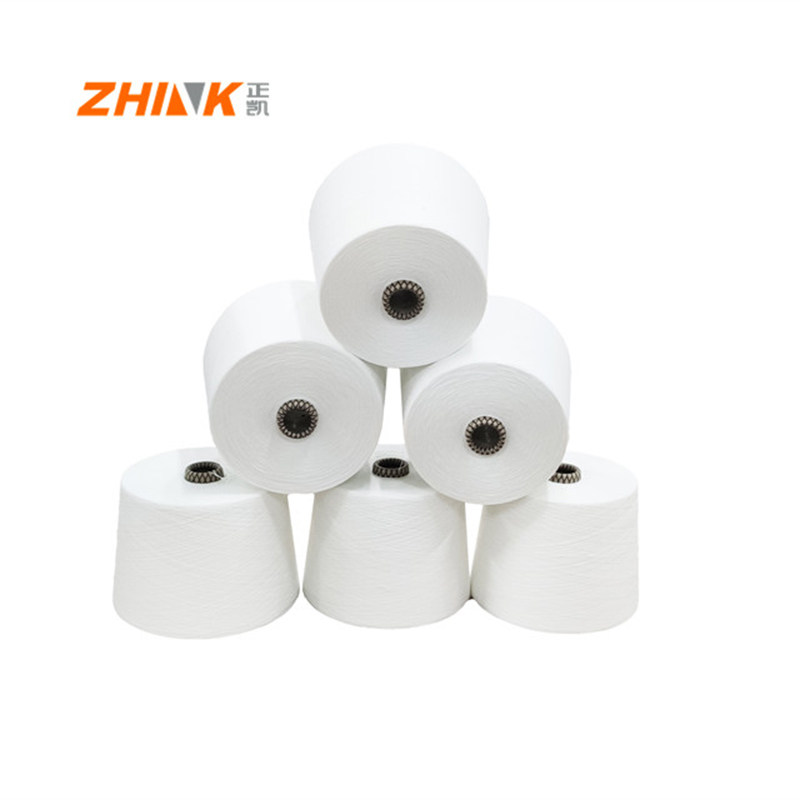
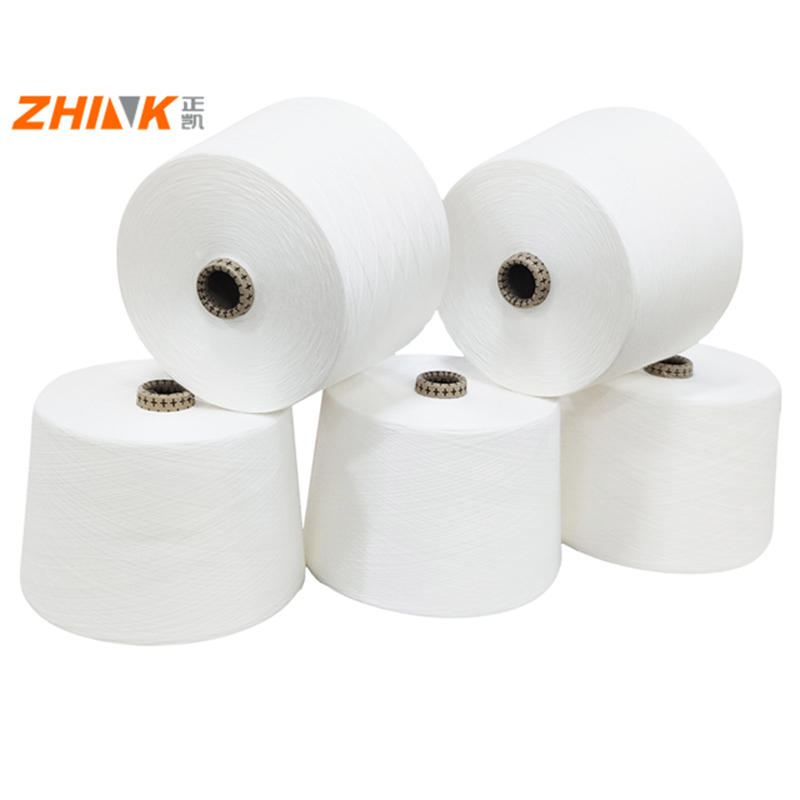
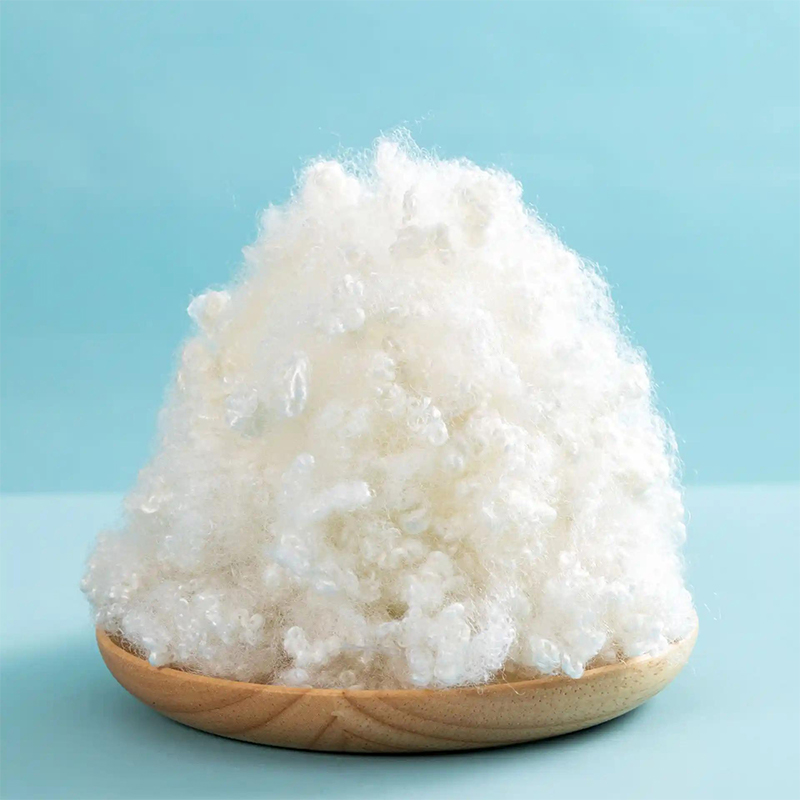
Cationic polyester staple fiber yarn
Understanding Cationic Polyester Staple Fiber Yarn
Cationic polyester staple fiber yarn is not just another textile buzzword but a breakthrough in textile engineering. Some mistakenly believe it’s only about vibrant colors, yet its impact on fabric properties and dyeing processes is truly transformative.
The Basics of Cationic Polyester
At its core, cationic polyester staple fiber yarn offers unique dyeability. Unlike conventional polyesters, it incorporates cationic dye sites. This allows for deeper, more vibrant colors without requiring high temperatures or metallic dyes. You can trace this back to modified polymer structures, giving us a fabric that's more adjustable on the molecular level.
Years in the industry revealed to me that working with standard polyester fibers can feel limiting. They are durable but non-reactive, often demanding costly dyeing methods and still ending up with dull finishes. The engineered cationic fibers changed the game. By tweaking molecular components, manufacturers like SHANDONG ZHINK NEW MATERIAL CO., LTD found new avenues for achieving color depth and richness of shades.
On visiting their facilities, it's clear they focus heavily on innovation and precision. Their website, Zhink New Material, showcases their dedication to redefining textile norms through new materials like cationic polyester.
Advantages in Textile Manufacturing
But why the fuss? Simply put, when blending cationic fibers with regular polyester or even natural fibers, you achieve striking effects. It’s this blendability that enhances fabric performance. Less water, less energy—substantial environmental benefits. Textile mills appreciate how predictable and consistent the results are.
There was this one time I tested a batch from Zhink. The fabric absorbed dye at lower temperatures, leading to efficient production cycles. Reduced energy costs don’t just help the environment—profit margins improve too. It's a win-win for everyone involved in the textile supply chain.
Yet, it hasn’t all been smooth sailing. Initially, in small dye houses, adapting processes for these novel fibers was a challenge. Intuitive equipment calibration and staff training were necessary. It took trial and error, patience, mistakes, and eventually success to establish these fibers as reliable and profitable.
Applications in Fashion and Beyond
Beyond the gaudy hues, how do we use them? Fashion designers are now leaning towards eco-friendlier options without sacrificing aesthetics. The vivid, resistant colors withstand washes, keeping garments lively for longer. In sportswear, this is particularly critical, where aesthetic appeal meets functional requirement.
I've also seen exciting developments outside fashion. Home textiles—think curtains and furniture—are benefitting from these durable, bright fibers. They’ve got what it takes to revolutionize decorative textiles due to their colorfastness and robust structures.
Each application typically demands a unique approach. What holds true in home textiles doesn't necessarily apply to athletic wear. The fabric's expected stretch, strength, and color performance often alter the production strategy.
Working with SHANDONG ZHINK NEW MATERIAL CO., LTD
Partnerships with leading innovators like SHANDONG ZHINK NEW MATERIAL CO., LTD have been pivotal in elevating cationic polyester’s role. By visiting their site, Zhink New Material, we see a commitment echoed in their diverse portfolio.
Their R&D exemplifies how dedication turns a niche product into an industry standard. Behind every successful textile shift, there’s rigorous testing and adaptation. Seeing this first-hand here was enlightening. Watching lab work transition to market-ready textiles is indeed fascinating.
After technology is developed, you witness firsthand its implications—from prototype to widespread application. Each step relies heavily on cross-collaboration between designers and material scientists.
Facing Challenges and Embracing Innovation
Real world applications often test fiber resilience. Resilience, however, is what Zhink thrives on. Industry demand shifts rapidly, yet they consistently deliver.
I remember a project where unexpected issues in blending arose. The room buzzed with engineers and textile experts pinpointing the problem, swiftly moving from discussion to resolution. It only stressed further the importance of thorough development phases and responsive adaptation.
This isn’t just about innovation but pragmatism. Meeting client needs requires revisiting research and acknowledging challenges, a mantra seemingly embraced by SHANDONG ZHINK NEW MATERIAL CO., LTD through their approach.
The Path Forward
So, where do we head from here with cationic polyester staple fiber yarn? Sustainable solutions are increasingly imperative. While the fibers themselves aren’t the sole answer to textile’s environmental challenges, they’re instrumental in shaping less resource-intensive processes.
Color, durability, and sustainability—a trifecta difficult to achieve in textiles without compromise. As more companies explore this potential and more users come to define reliability through innovations from industry leaders like Zhink, we’re likely to see further transformations.
Ultimately, the blending of new material capabilities with traditional industry wisdom promises exciting developments. Staying engaged with these shifts isn’t just beneficial—it is essential for anyone invested in the textile domain.
Related Products
Related Products