+86-632-3621866
- Chinese
- French
- German
- Portuguese
- Spanish
- Russian
- Japanese
- Korean
- Arabic
- Irish
- Greek
- Turkish
- Italian
- Danish
- Romanian
- Indonesian
- Czech
- Afrikaans
- Swedish
- Polish
- Basque
- Catalan
- Esperanto
- Hindi
- Lao
- Albanian
- Amharic
- Armenian
- Azerbaijani
- Belarusian
- Bengali
- Bosnian
- Bulgarian
- Cebuano
- Chichewa
- Corsican
- Croatian
- Dutch
- Estonian
- Filipino
- Finnish
- Frisian
- Galician
- Georgian
- Gujarati
- Haitian
- Hausa
- Hawaiian
- Hebrew
- Hmong
- Hungarian
- Icelandic
- Igbo
- Javanese
- Kannada
- Kazakh
- Khmer
- Kurdish
- Kyrgyz
- Latin
- Latvian
- Lithuanian
- Luxembou..
- Macedonian
- Malagasy
- Malay
- Malayalam
- Maltese
- Maori
- Marathi
- Mongolian
- Burmese
- Nepali
- Norwegian
- Pashto
- Persian
- Punjabi
- Serbian
- Sesotho
- Sinhala
- Slovak
- Slovenian
- Somali
- Samoan
- Scots Gaelic
- Shona
- Sindhi
- Sundanese
- Swahili
- Tajik
- Tamil
- Telugu
- Thai
- Ukrainian
- Urdu
- Uzbek
- Vietnamese
- Welsh
- Xhosa
- Yiddish
- Yoruba
- Zulu
- Kinyarwanda
- Tatar
- Oriya
- Turkmen
- Uyghur


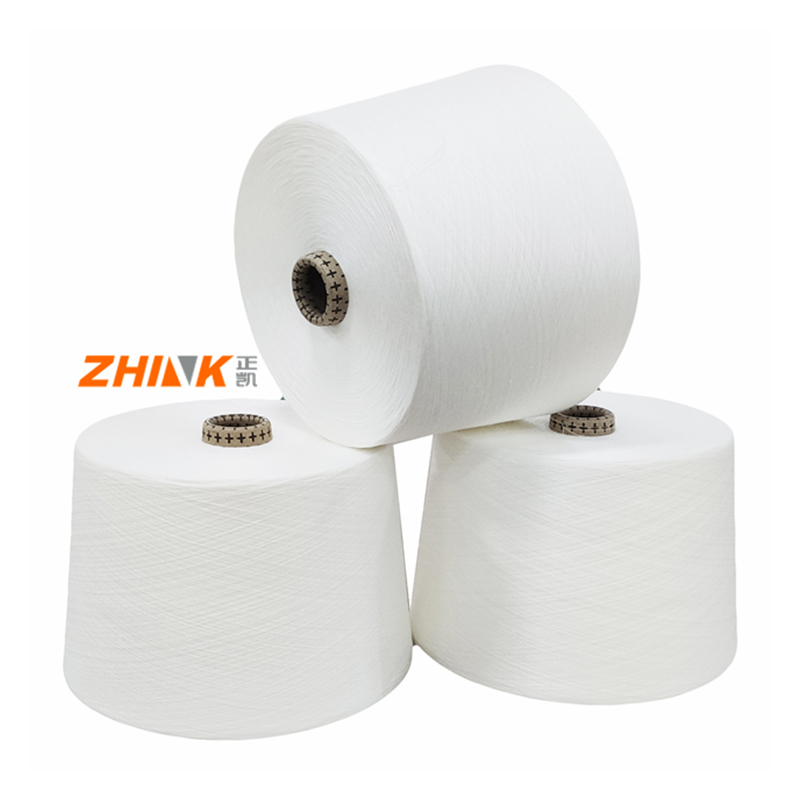
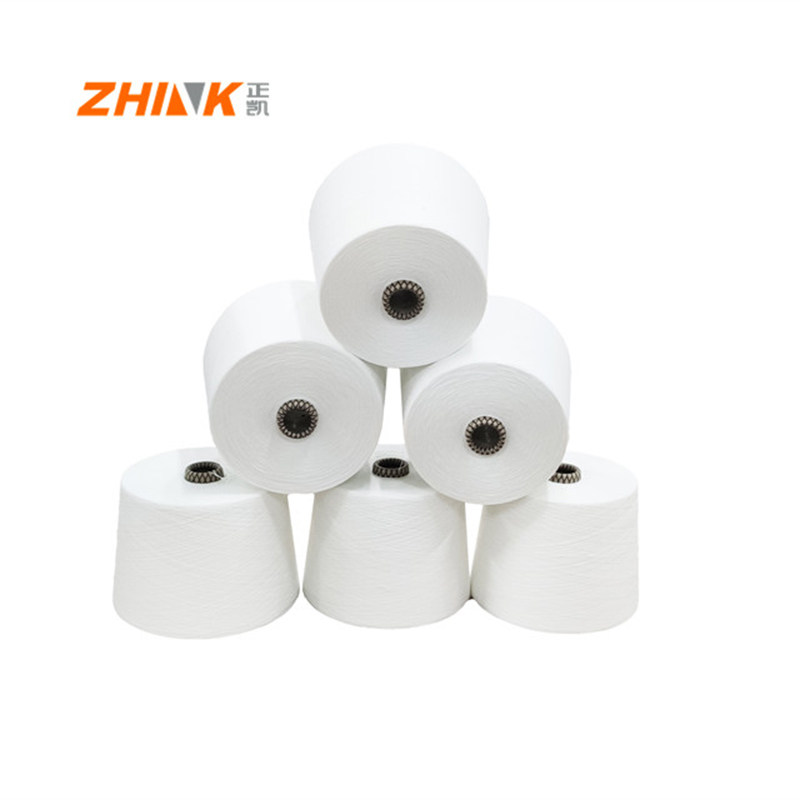
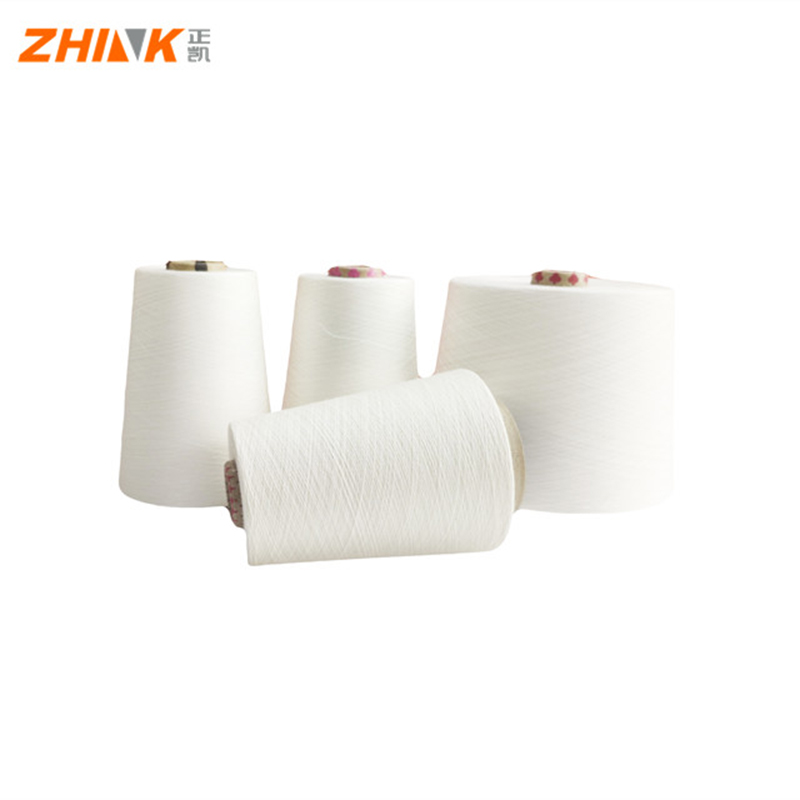
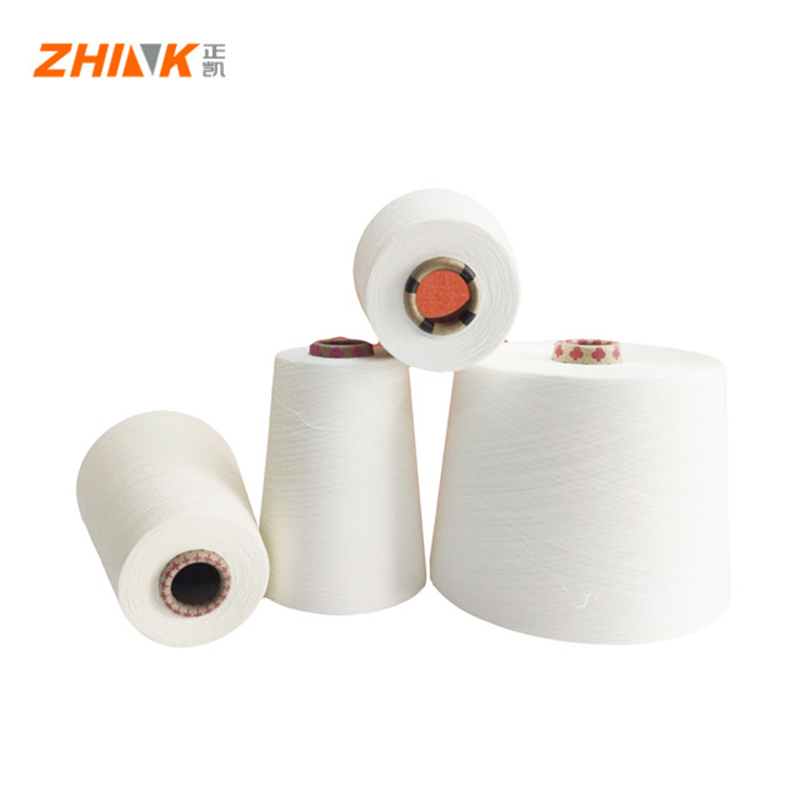
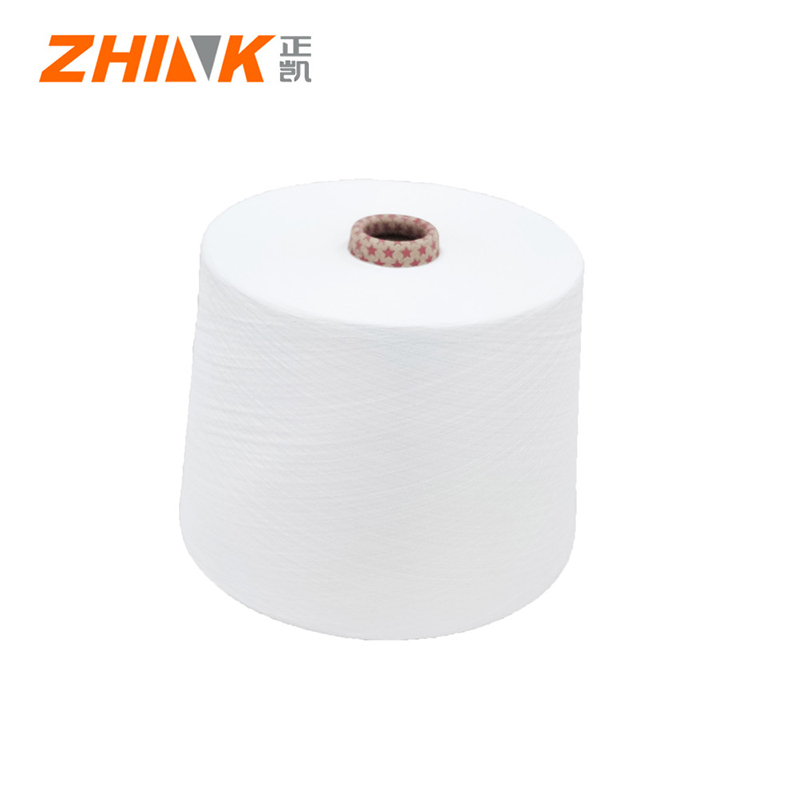
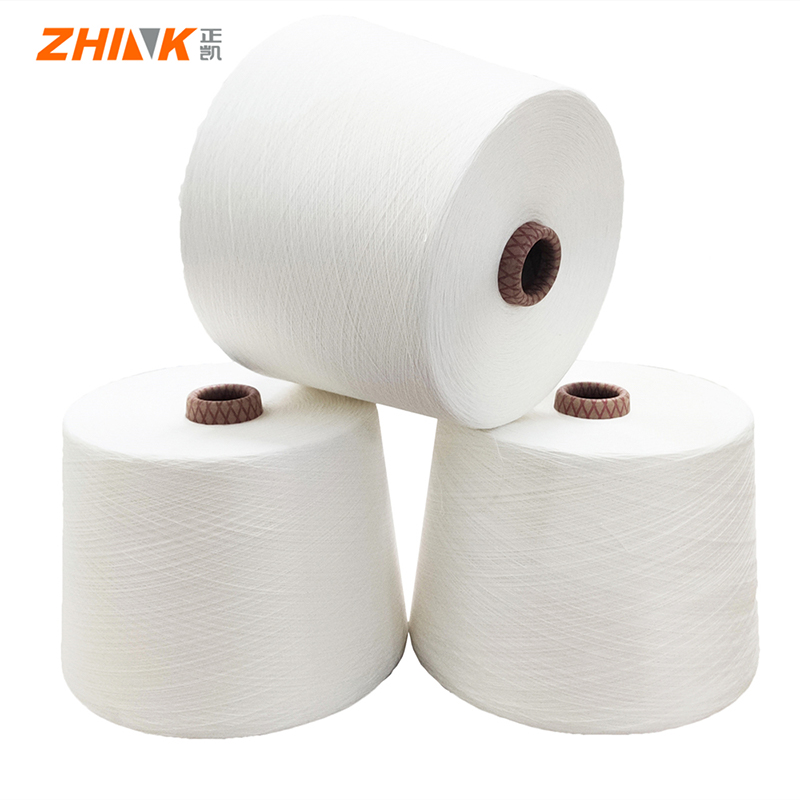
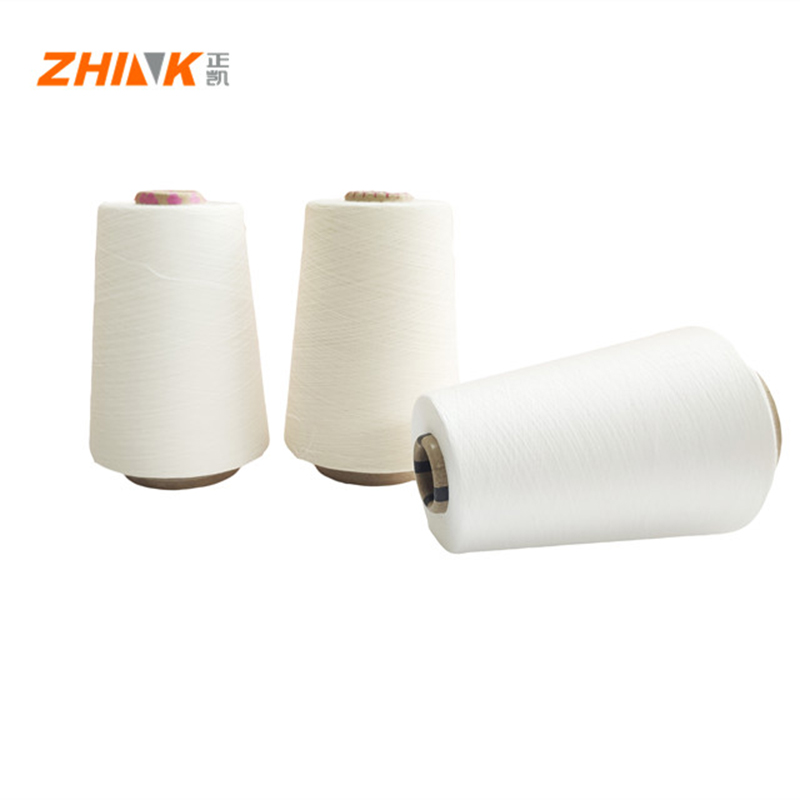
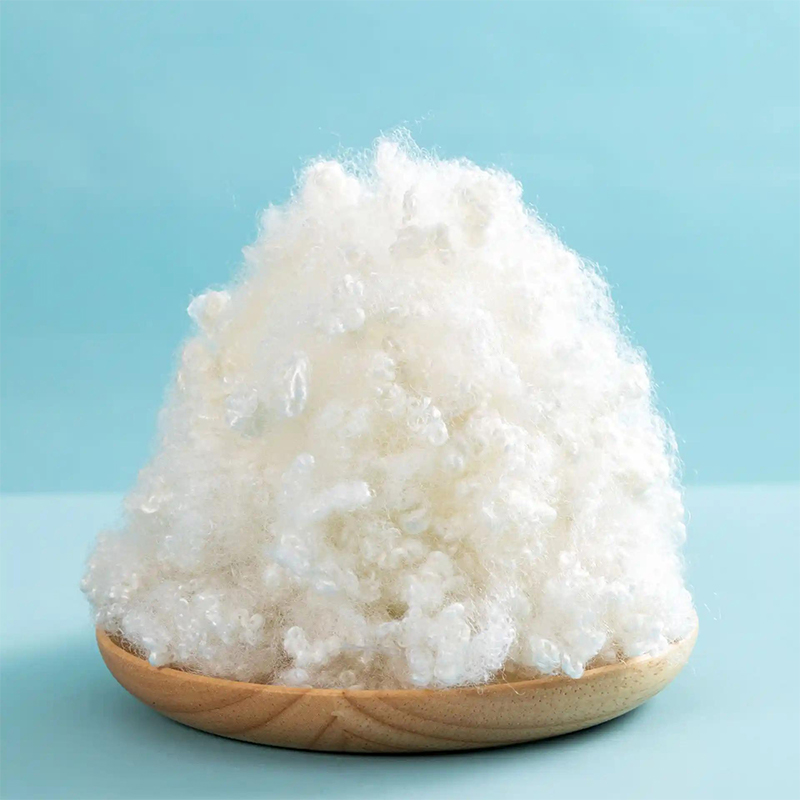
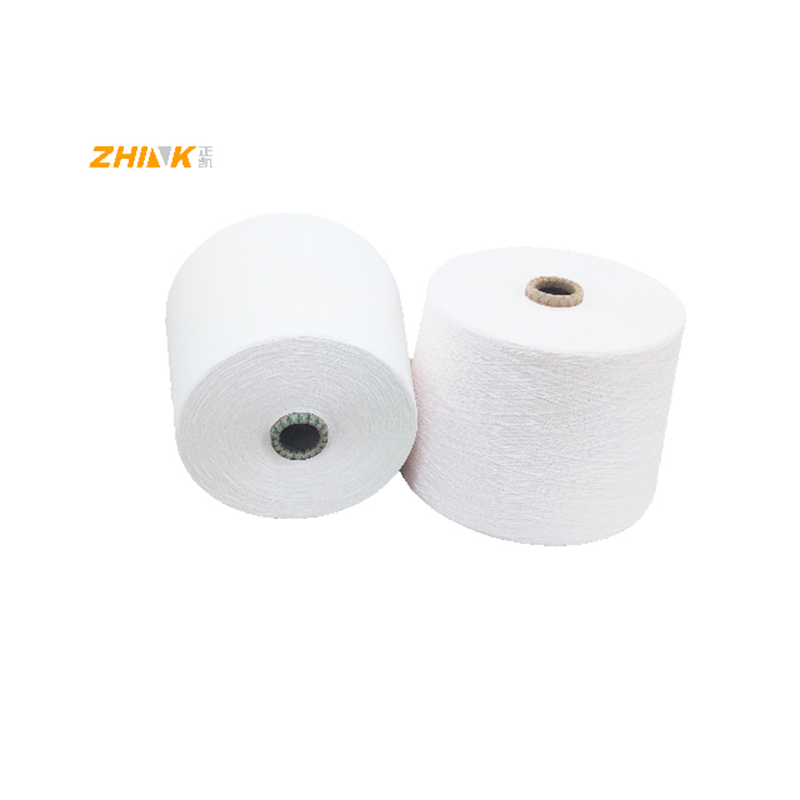
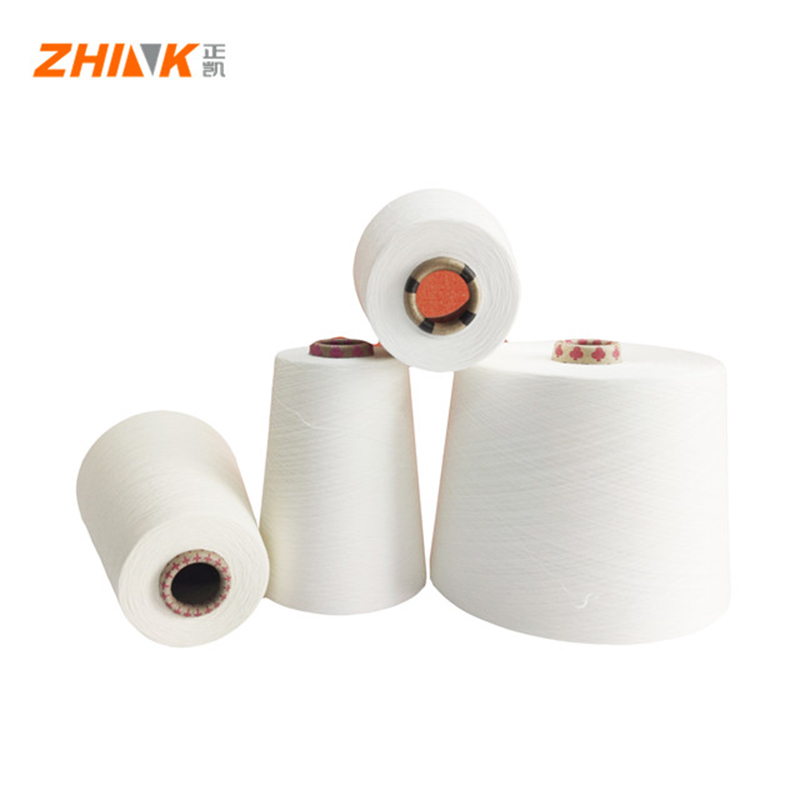
Cationic polyester/ viscose 65/35 yarn
Understanding Cationic Polyester/Viscose 65/35 Yarn
The combination of cationic polyester/viscose 65/35 yarn often raises eyebrows in textile circles. A blend that holds promise, yet is surrounded by common misconceptions. Is it really as versatile as claimed, or are there limitations that get glossed over in the name of innovation?
The Appeal of Cationic Blends
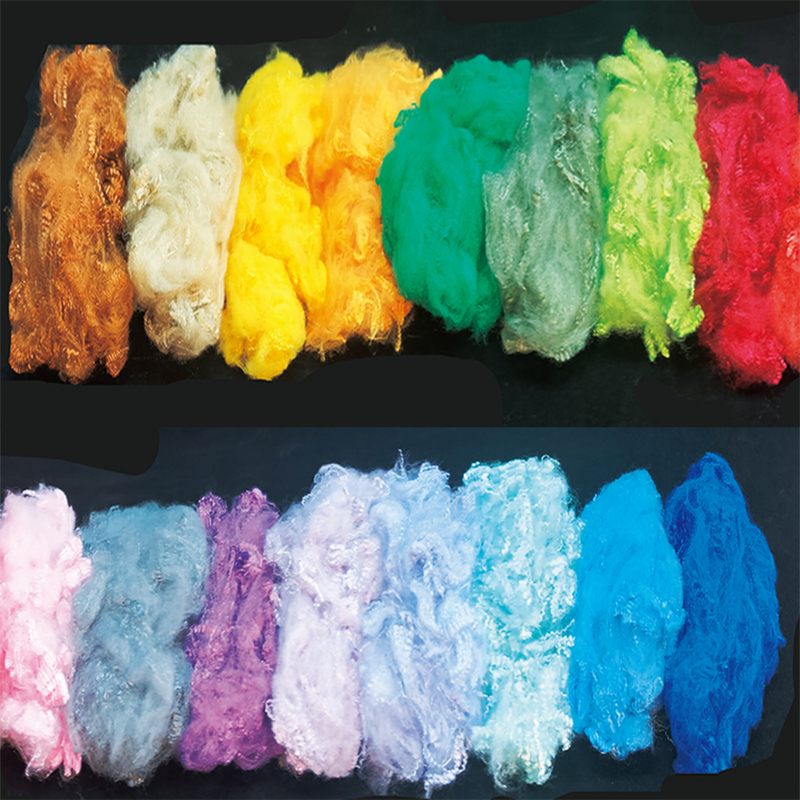
The excitement around cationic polyester primarily stems from its dyeability. Regular polyester can be a challenge in terms of color uptake, but cationic variants offer a different story. This yarn is designed for easy dyeing without the harsh chemicals typically required, making it a darling for eco-conscious manufacturers.
However, the role of viscose in this blend shouldn't be underestimated. Known for its breathability and softness, viscose adds a natural feel, counteracting polyester's synthetic nature. But balancing these two isn't as straightforward as it sounds. Achieving the right texture involves precise manufacturing processes that often involve trial and error.
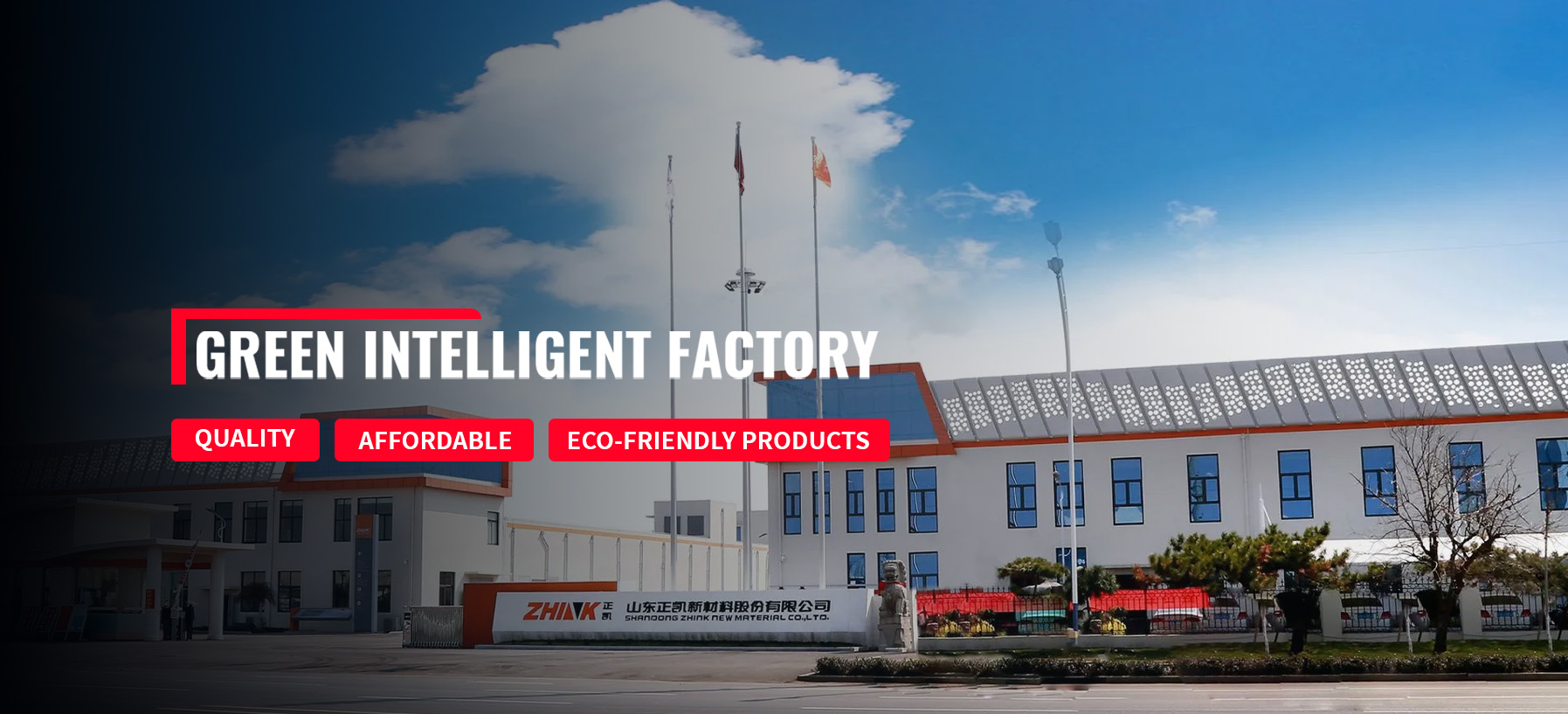
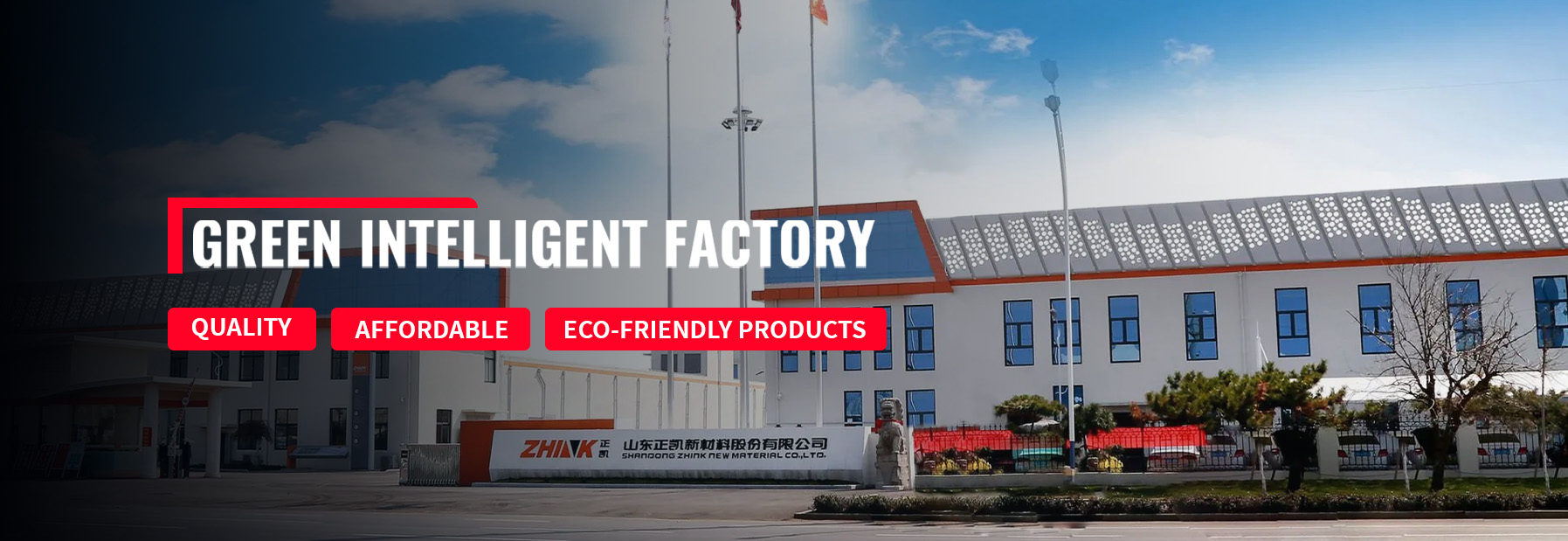
I've spent substantial time in facilities experimenting with these blends. The real struggle isn't just about performance but about meeting expectations in quality and sustainability. Companies like SHANDONG ZHINK NEW MATERIAL CO., LTD are at the forefront, pushing boundaries in this domain.
Challenges in Production
During the development process, several problems can crop up. One might imagine the texture turning out perfectly, thanks to meticulous planning. Yet, often the placement of viscose fibers can lead to inconsistent texture. It takes a skilled hand to ensure even distribution.
Moreover, cationic polyester fibers sometimes clash with certain dye types, leading to unexpected outcomes. Not every dye formula is compatible, requiring a nuanced understanding of chemistry. This was a realization that didn't come easy, learned through a series of less-than-ideal fabric batches.
Manufacturers like Zhink specialize in overcoming these hurdles with advanced research methodologies—they focus on fine-tuning compositions to the minutest detail, which reflects in the end product available on platforms like Zhink's website.
Practical Applications and Market Influence
Despite production challenges, the cationic polyester/viscose 65/35 yarn finds its way into numerous applications. From athletic wear to luxury textiles, its adaptability is impressive. However, applying this blend into different textile branches necessitates understanding consumer needs as much as fiber properties.
In practice, it's often the designers and end-users who decide a yarn's adaptability. Whether they prioritize breathability, colorfastness, or cost, the blend must meet diverse expectations. The insights from field use often circle back to the producers, sparking new innovations.
The market landscape is competitive, but with players like SHANDONG ZHINK NEW MATERIAL CO., LTD driving R&D efforts, we see continuous evolution, balancing traditional handicraft with modern demands.
Quality Assurance and R&D
Quality assurance isn’t just a buzzword but a core industry principle. Yarn undergoes rigorous testing protocols to meet international standards. I've witnessed firsthand the labs and tests involved, ranging from stress tests to environmental exposure.
Developments within R&D are relentless. Even small tweaks in the molecular structure of polyester can radically alter outcomes. It's a meticulous process, often like threading a needle in the dark. Yet, the advances made are undeniable.
Pioneering research done by organizations such as Zhink collectively pushes the entire textile sector forward. They address both efficiency and sustainability, proving that eco-friendly solutions can coexist with industrial scalability.
The Road Ahead for Textile Innovations
Looking to the future, the cationic polyester/viscose 65/35 yarn is bound to play a pivotal role, possibly revolutionizing how we perceive textile manufacturing. The push for sustainable textiles is gaining momentum, forcing a reevaluation of what is possible and necessary.
Collectively, the industry must grapple with new regulatory environments and consumer expectations. It’s a dynamic dance of adaptation, where yesterday’s triumph can quickly become tomorrow’s baseline.
As we move forward, companies like SHANDONG ZHINK NEW MATERIAL CO., LTD will likely continue to set industry standards. Their commitment to innovation not only shapes their business trajectory but also influences global trends. With every passing product cycle, the gap between potential and realization narrows.
Related Products
Related Products