+86-632-3621866
- Chinese
- French
- German
- Portuguese
- Spanish
- Russian
- Japanese
- Korean
- Arabic
- Irish
- Greek
- Turkish
- Italian
- Danish
- Romanian
- Indonesian
- Czech
- Afrikaans
- Swedish
- Polish
- Basque
- Catalan
- Esperanto
- Hindi
- Lao
- Albanian
- Amharic
- Armenian
- Azerbaijani
- Belarusian
- Bengali
- Bosnian
- Bulgarian
- Cebuano
- Chichewa
- Corsican
- Croatian
- Dutch
- Estonian
- Filipino
- Finnish
- Frisian
- Galician
- Georgian
- Gujarati
- Haitian
- Hausa
- Hawaiian
- Hebrew
- Hmong
- Hungarian
- Icelandic
- Igbo
- Javanese
- Kannada
- Kazakh
- Khmer
- Kurdish
- Kyrgyz
- Latin
- Latvian
- Lithuanian
- Luxembou..
- Macedonian
- Malagasy
- Malay
- Malayalam
- Maltese
- Maori
- Marathi
- Mongolian
- Burmese
- Nepali
- Norwegian
- Pashto
- Persian
- Punjabi
- Serbian
- Sesotho
- Sinhala
- Slovak
- Slovenian
- Somali
- Samoan
- Scots Gaelic
- Shona
- Sindhi
- Sundanese
- Swahili
- Tajik
- Tamil
- Telugu
- Thai
- Ukrainian
- Urdu
- Uzbek
- Vietnamese
- Welsh
- Xhosa
- Yiddish
- Yoruba
- Zulu
- Kinyarwanda
- Tatar
- Oriya
- Turkmen
- Uyghur



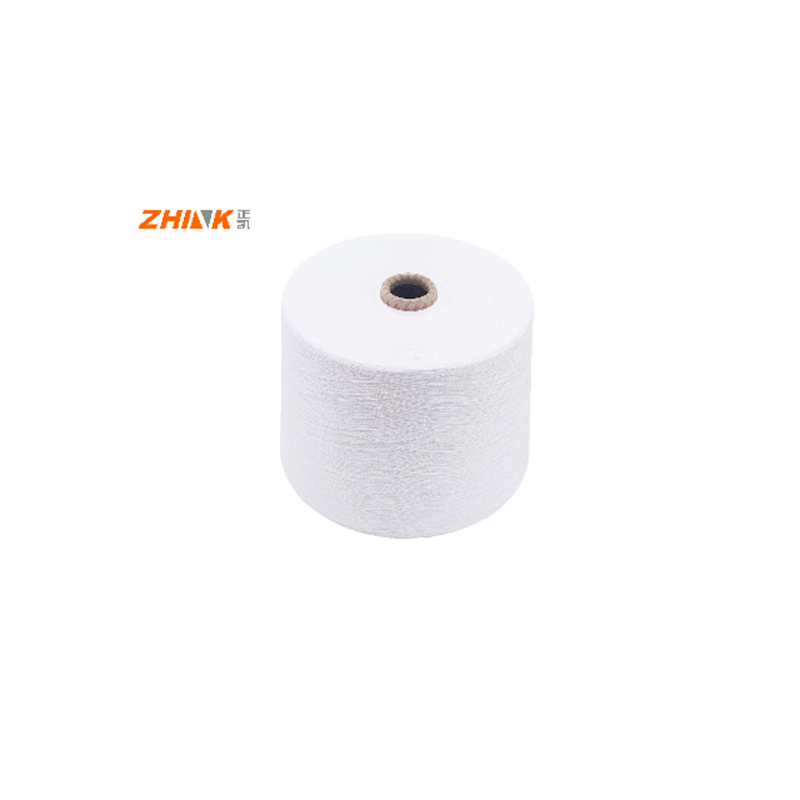
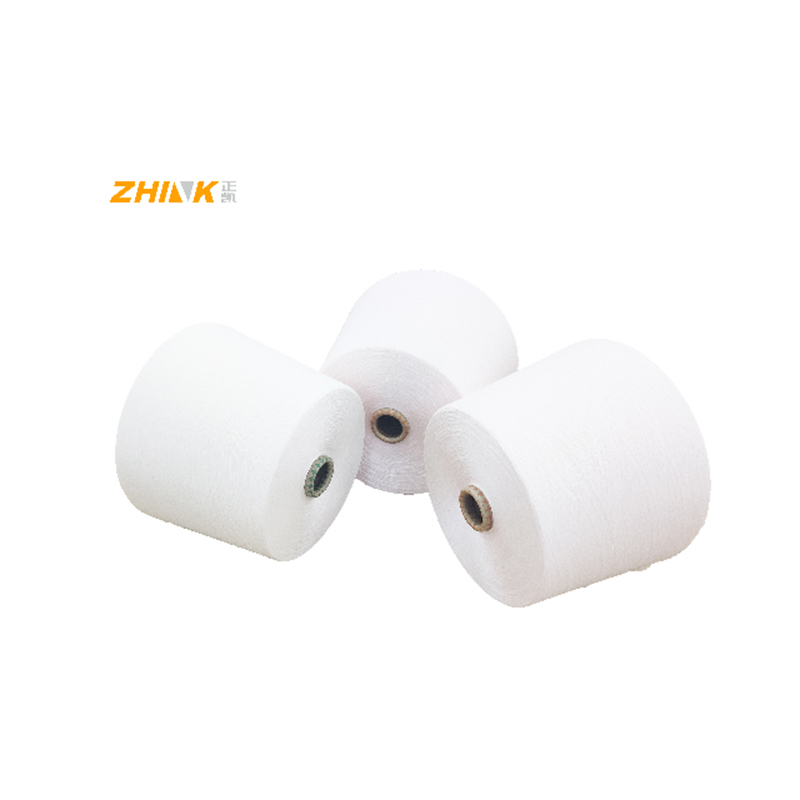
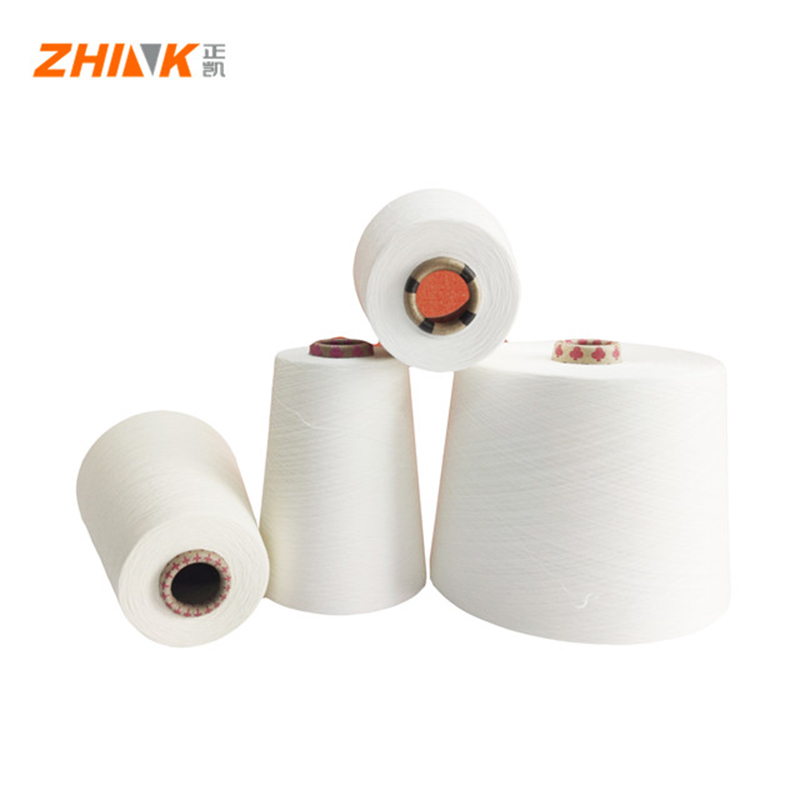
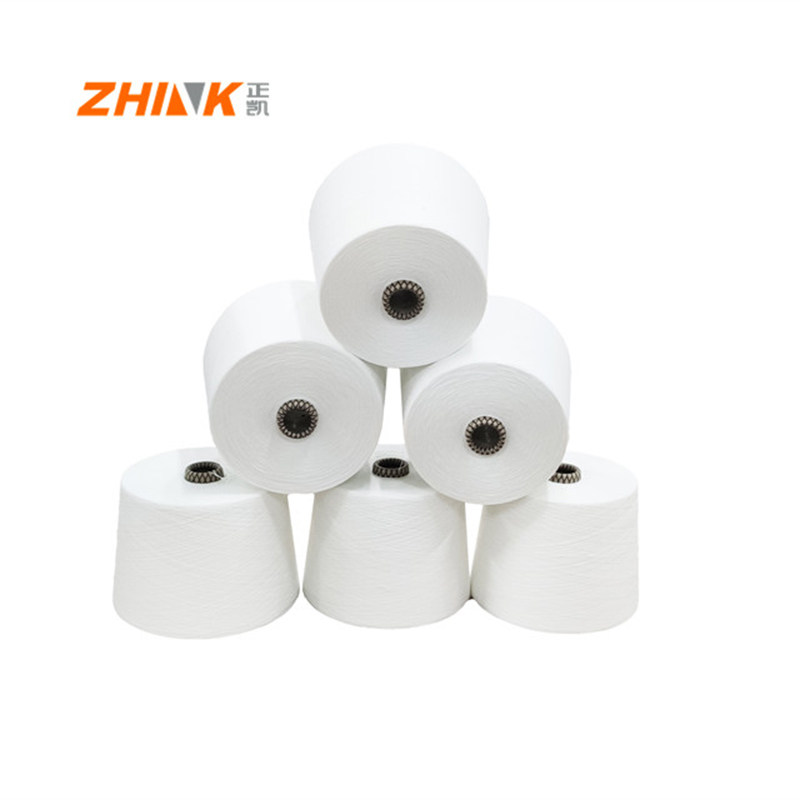
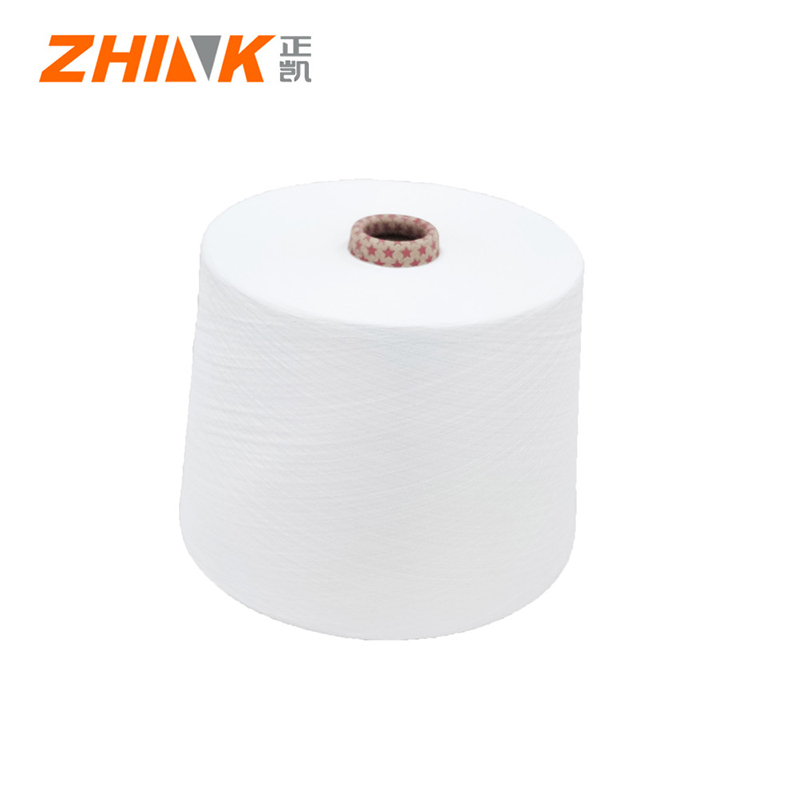
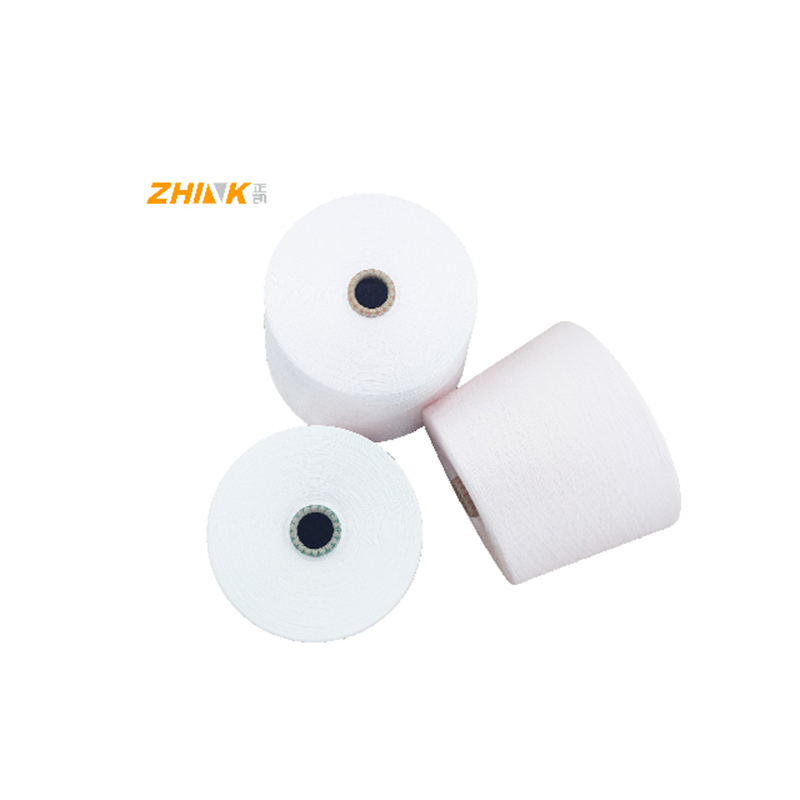
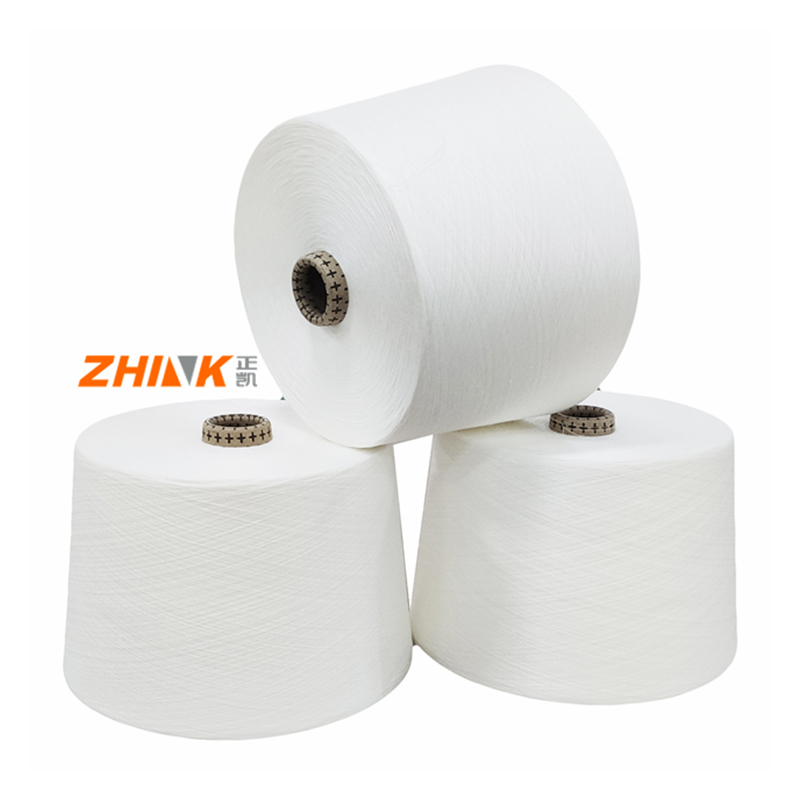
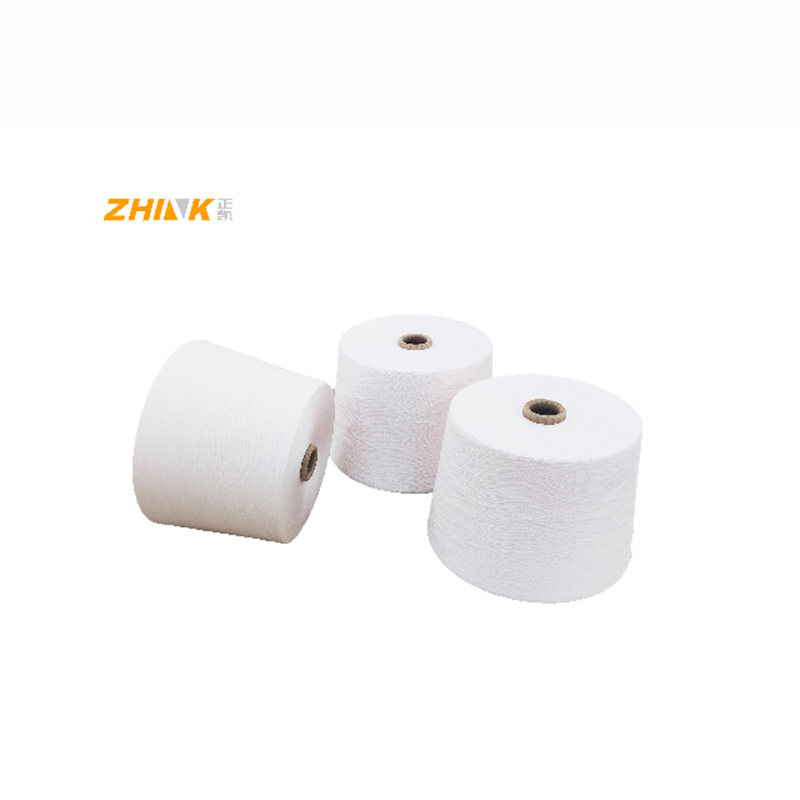
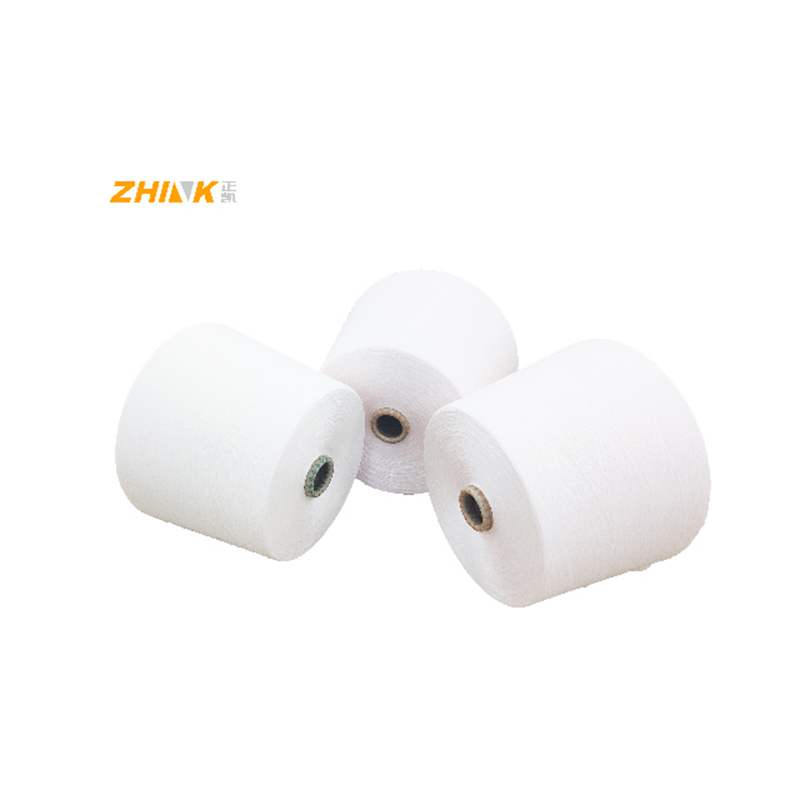
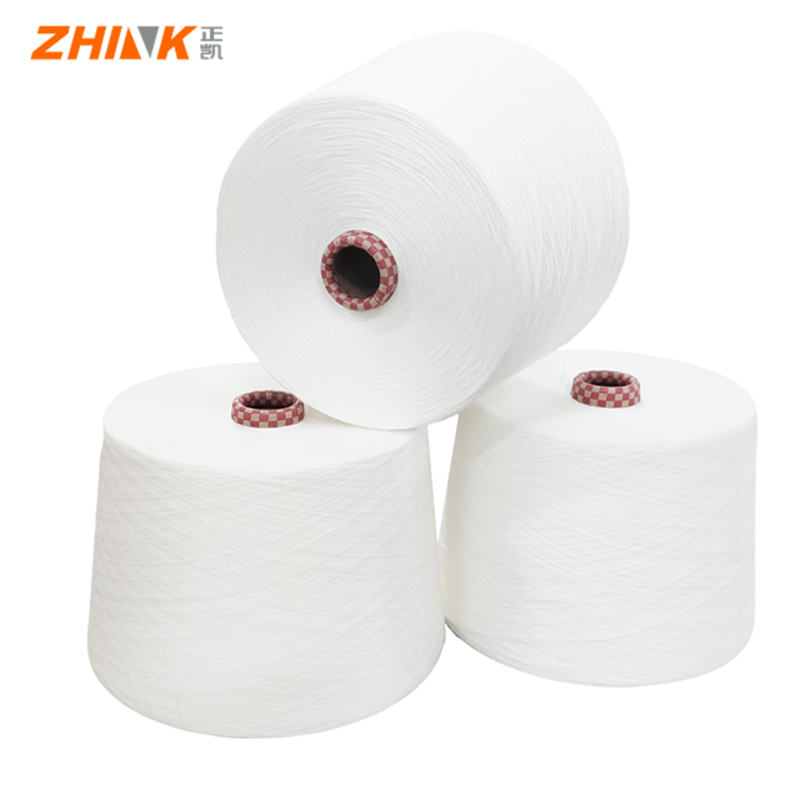
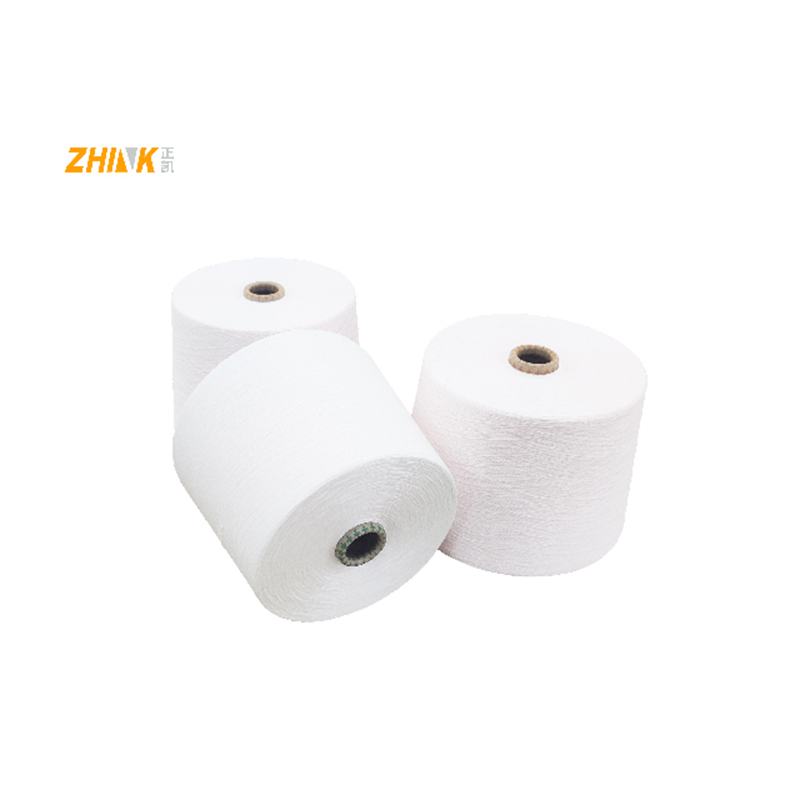
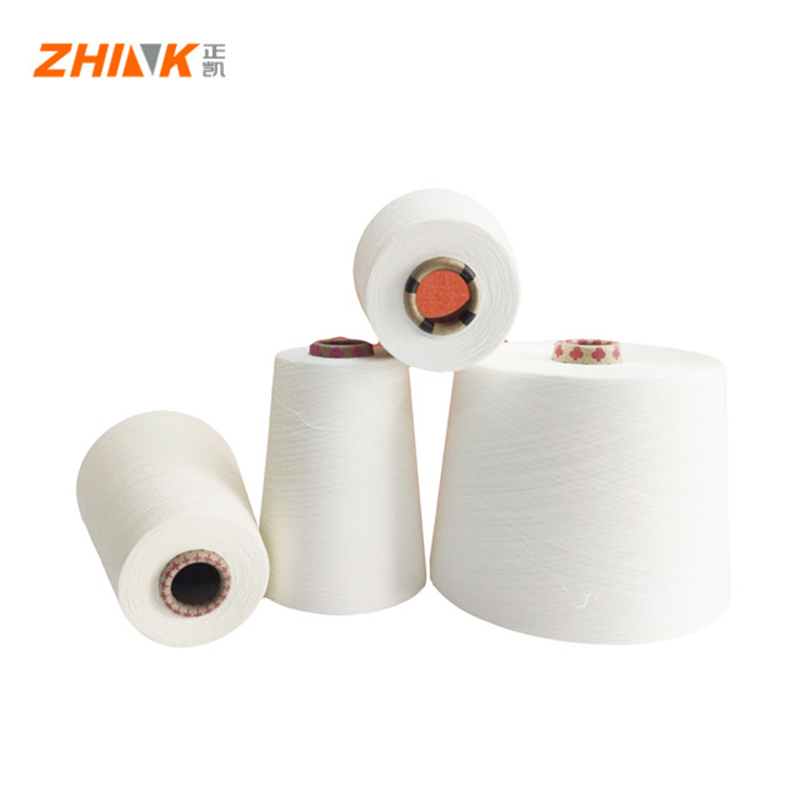
Cationic polyester/ viscose 70/30 yarn
Cationic Polyester/Viscose 70/30 Yarn: A Closer Look
The combination of cationic polyester and viscose in a 70/30 yarn blend has sparked conversations among textile experts and fabric manufacturers. This blend offers a unique set of properties that render it noteworthy, but it's not without its complexities. Let's unpack these features and see how they play out in real-world applications.
The Blend Breakdown
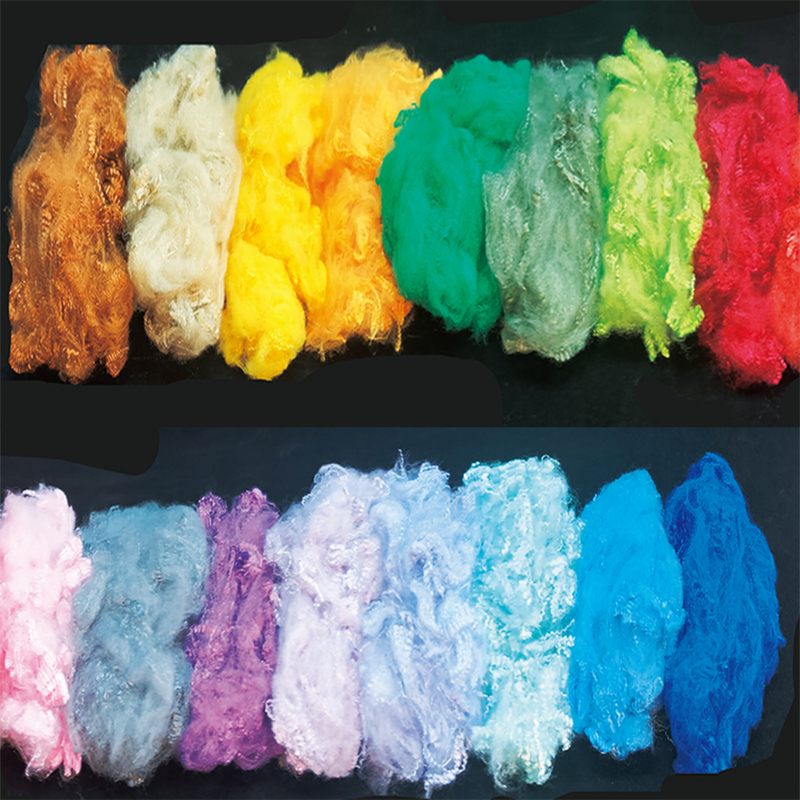
The blend of 70% cationic polyester and 30% viscose has a significant impact on the yarn's behavior and applications. Cationic polyester is known for its ability to achieve vibrant colors due to its unique dyeing capabilities. When combined with viscose, which offers softness and breathability, you get a yarn that's both vivid and comfortable against the skin. But there's more to it than just the sum of its parts.
Professionals in the field have observed that the balance between these two materials can affect not just aesthetics, but also functionality. For instance, the addition of viscose softens the hand of the fabric, making it suitable for a range of apparel applications where drape and texture are critical.
One common issue, however, is ensuring that the dyeing process maintains consistency across different batches. Even slight variations in the blend or processing conditions can lead to noticeable changes in the final product. This underscores the importance of precise control in manufacturing, something companies like SHANDONG ZHINK NEW MATERIAL CO., LTD, emphasize in their production processes.
Application in the Industry
The blend of cationic polyester/viscose 70/30 yarn finds its place prominently in fashion and home textiles. One of the main reasons for its popularity is its adaptability. Fashion designers often leverage the vibrant colors achievable with cationic polyester for striking prints or solids that make a statement.
In practical terms, maintaining the quality and colorfastness of garments made from this blend is critical. This is where detailed finishing processes come into play. Handling this yarn requires knowledge and experience, considering the different properties each component brings to the table.
Companies like Zhink New Material, with their expertise in new textile materials, are continuously fine-tuning their processes to harness the best qualities of this blend. Their website, zhinkyarn.com, offers more insights into how these materials are developed and the rigorous standards upheld in their production.
Challenges in Manufacturing
The journey from fiber to fabric isn't always smooth, and the cationic polyester/viscose 70/30 yarn blend presents its own set of challenges. Manufacturing such yarns demands precision at every step, from selecting raw materials to the final quality checks.
One of the notable challenges is managing shrinkage behavior, given the different responses of polyester and viscose under various conditions. Careful management in the weaving and finishing processes can mitigate potential issues. Real-time adjustments and monitoring prove to be invaluable in maintaining product quality.
Moreover, optimizing costs while ensuring superior quality remains an ongoing battle. The balance between innovative design and practical functionality is delicate. Successfully navigating this landscape requires a nuanced understanding of both market demands and material science.
Case Studies and Insights
Practically speaking, some of the most successful implementations of this yarn blend have been in high-performance textiles. Companies that have pushed the envelope with this blend often share valuable insights into the nuances of handling such materials.
Interestingly, feedback from end-users has identified the blend's comfort level as a standout feature, especially in clothing designed for all-day wear. Consumers increasingly seek materials that offer both aesthetic appeal and comfort, making this a promising area for future exploration.
In terms of real-world learnings, companies like SHANDONG ZHINK NEW MATERIAL CO., LTD play an integral role as industry leaders, sharing not only successes but also the hurdles they've overcome. This transparency enriches industry knowledge and fosters innovation.
Future Directions
Looking forward, the field of textile materials is brimming with potential. The evolution of cationic polyester/viscose 70/30 yarn is just one part of a larger tapestry of innovation. Exploring new combinations and applications remains a vibrant area of research and development.
Industry leaders are keeping a close eye on sustainability trends, as the demand for environmentally friendly and responsibly made textiles grows. The challenge lies in integrating these factors without compromising on the qualities that have made the blend desirable in the first place.
Understanding and leveraging insights from companies like Zhink New Material, which dedicates itself to the R&D and production of cutting-edge materials, can offer a window into the future of textiles. Engage with them and others in the field to stay ahead of the curve.
Related Products
Related Products