+86-632-3621866
- Chinese
- French
- German
- Portuguese
- Spanish
- Russian
- Japanese
- Korean
- Arabic
- Irish
- Greek
- Turkish
- Italian
- Danish
- Romanian
- Indonesian
- Czech
- Afrikaans
- Swedish
- Polish
- Basque
- Catalan
- Esperanto
- Hindi
- Lao
- Albanian
- Amharic
- Armenian
- Azerbaijani
- Belarusian
- Bengali
- Bosnian
- Bulgarian
- Cebuano
- Chichewa
- Corsican
- Croatian
- Dutch
- Estonian
- Filipino
- Finnish
- Frisian
- Galician
- Georgian
- Gujarati
- Haitian
- Hausa
- Hawaiian
- Hebrew
- Hmong
- Hungarian
- Icelandic
- Igbo
- Javanese
- Kannada
- Kazakh
- Khmer
- Kurdish
- Kyrgyz
- Latin
- Latvian
- Lithuanian
- Luxembou..
- Macedonian
- Malagasy
- Malay
- Malayalam
- Maltese
- Maori
- Marathi
- Mongolian
- Burmese
- Nepali
- Norwegian
- Pashto
- Persian
- Punjabi
- Serbian
- Sesotho
- Sinhala
- Slovak
- Slovenian
- Somali
- Samoan
- Scots Gaelic
- Shona
- Sindhi
- Sundanese
- Swahili
- Tajik
- Tamil
- Telugu
- Thai
- Ukrainian
- Urdu
- Uzbek
- Vietnamese
- Welsh
- Xhosa
- Yiddish
- Yoruba
- Zulu
- Kinyarwanda
- Tatar
- Oriya
- Turkmen
- Uyghur


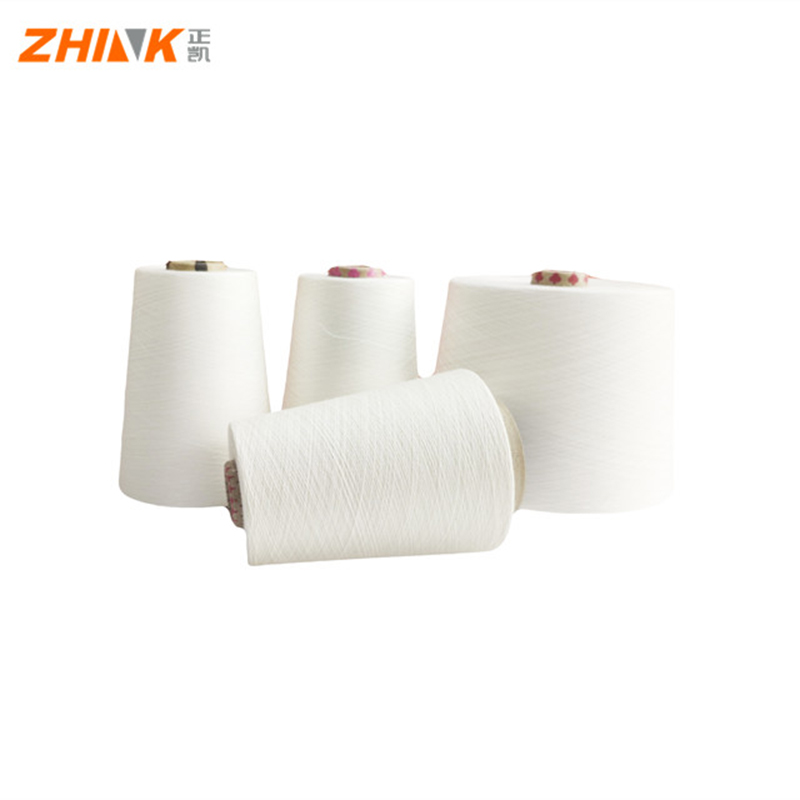
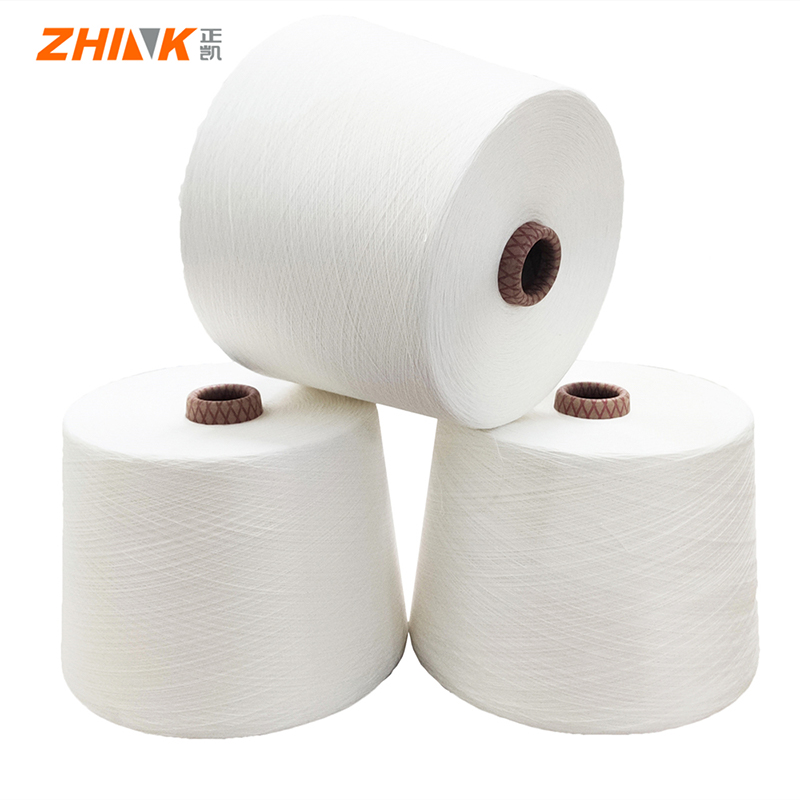
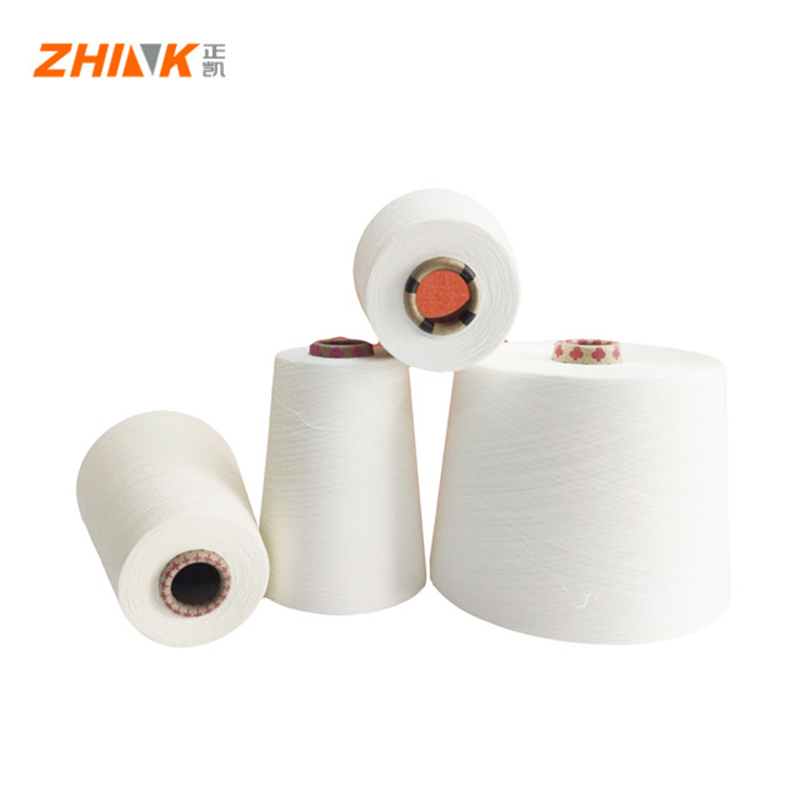
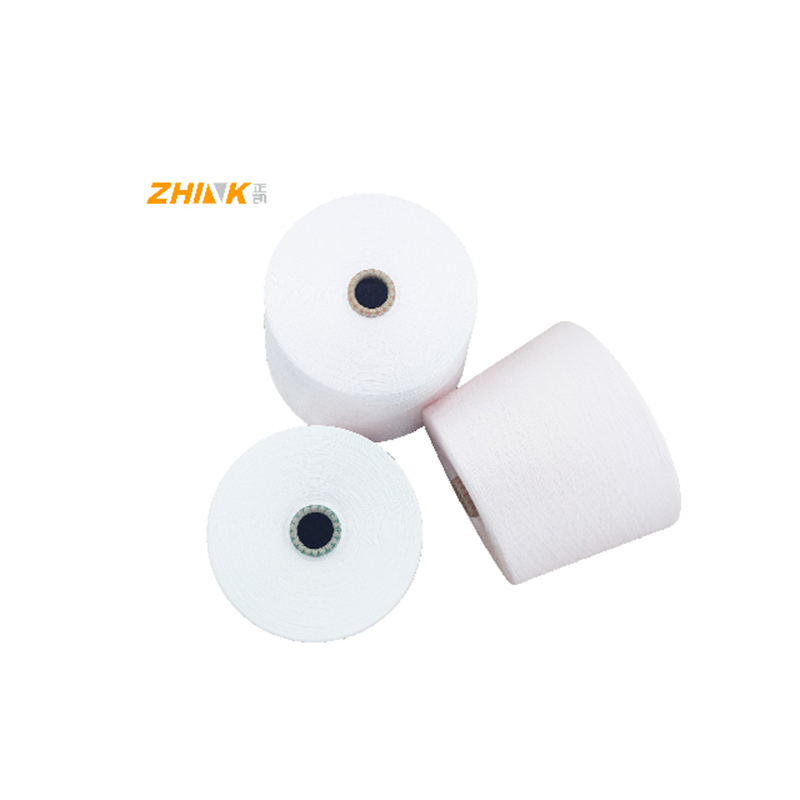
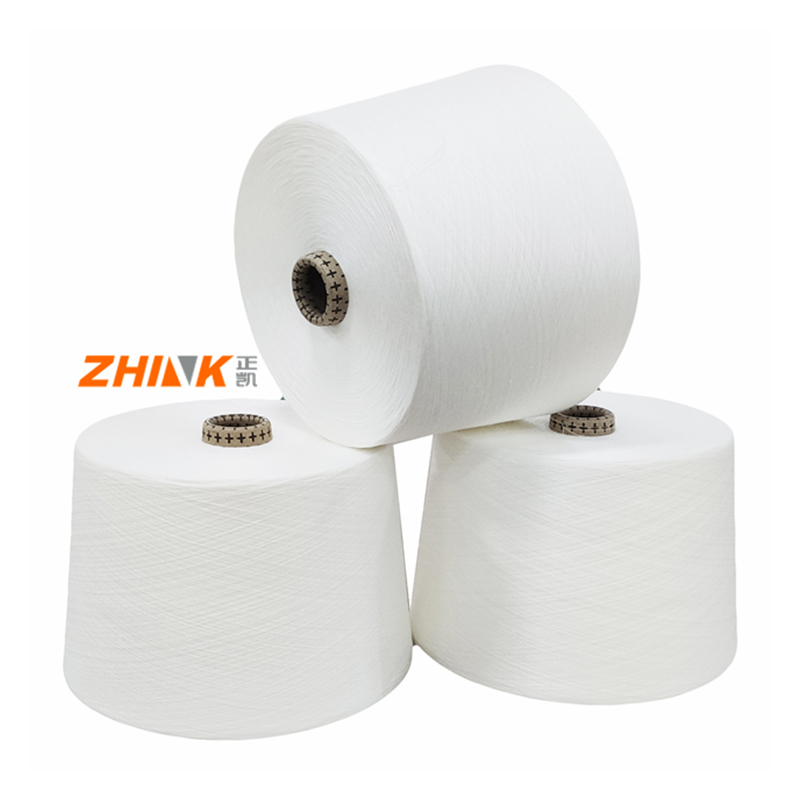
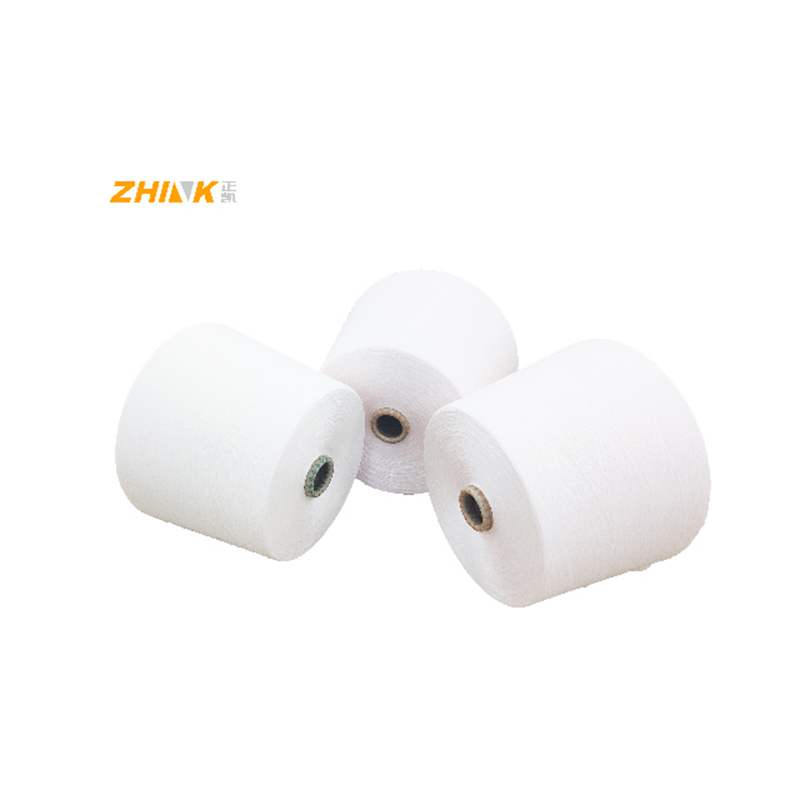
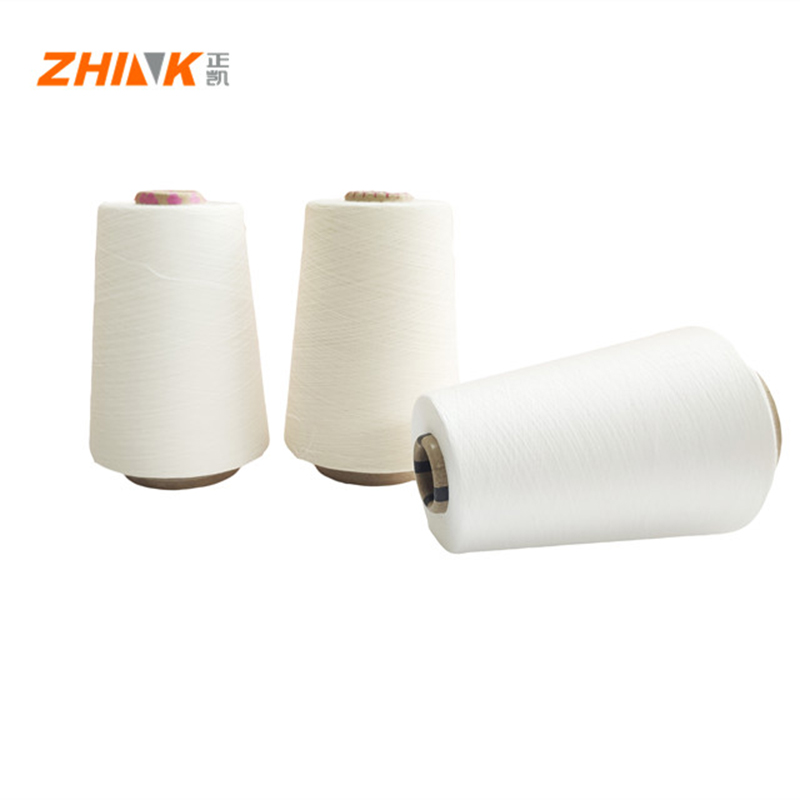
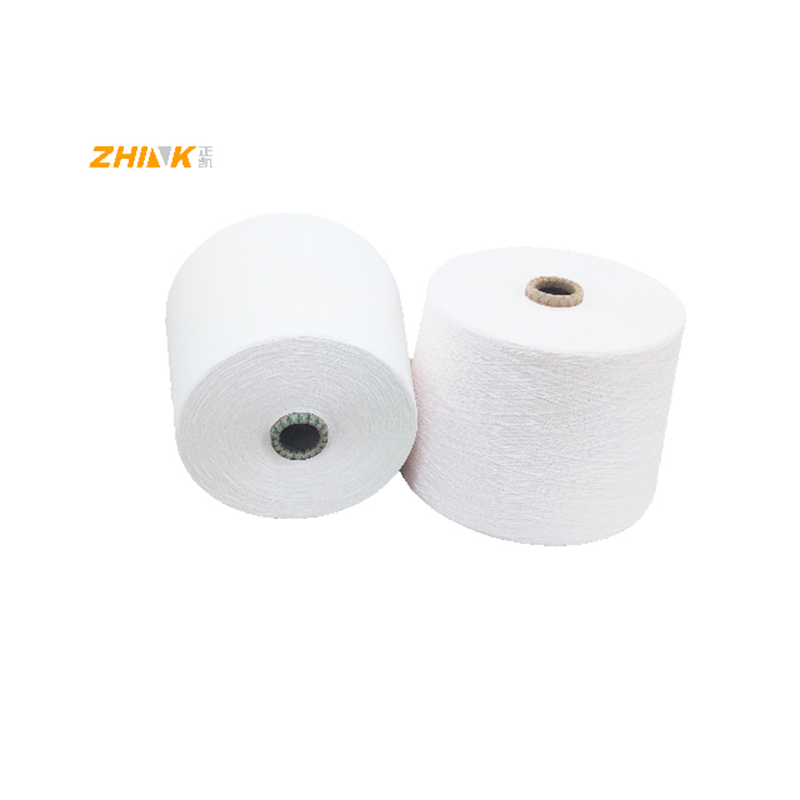
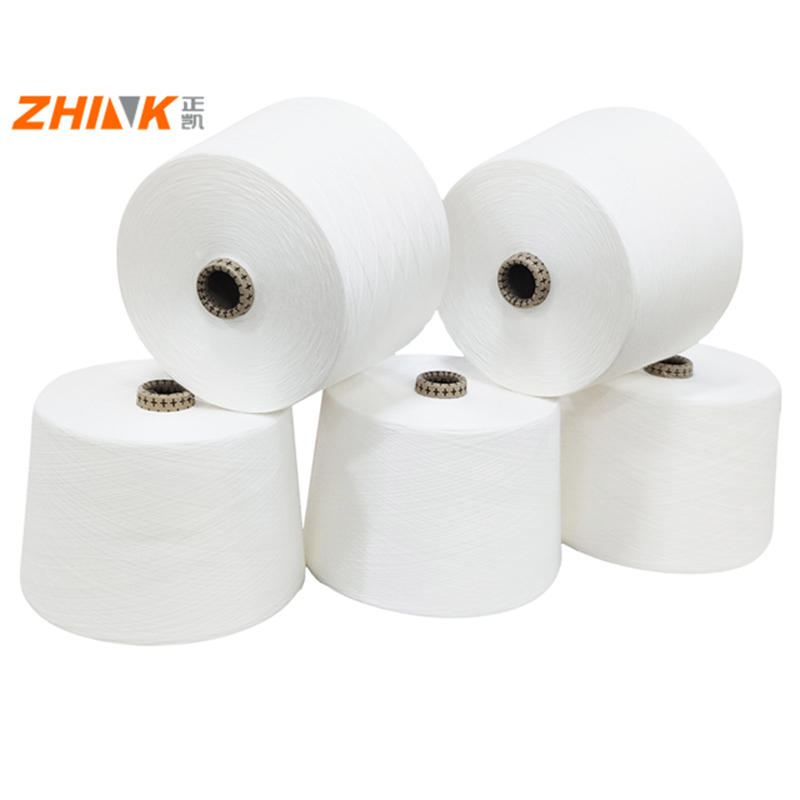
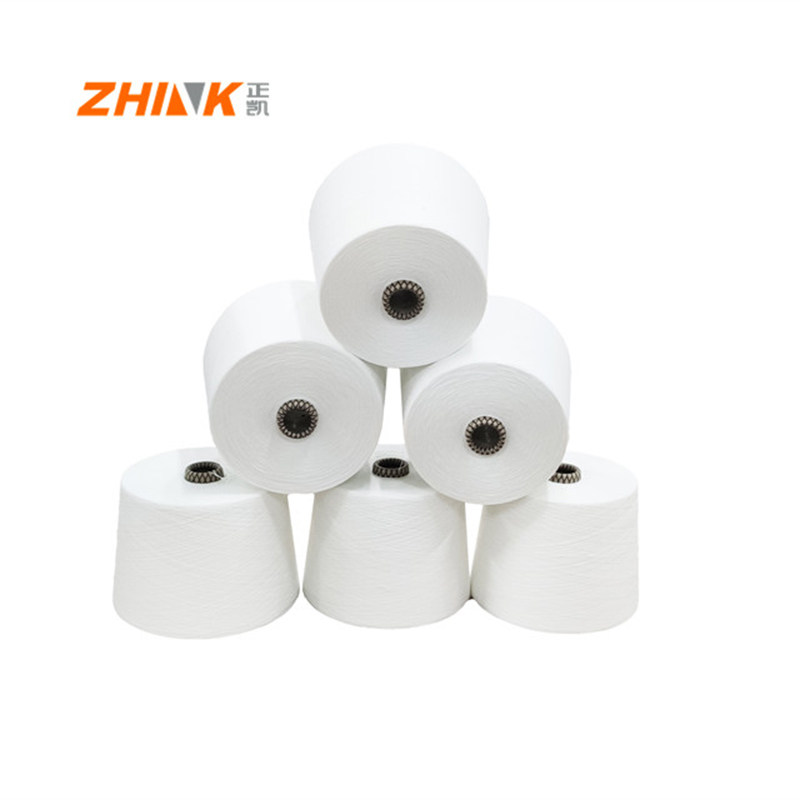
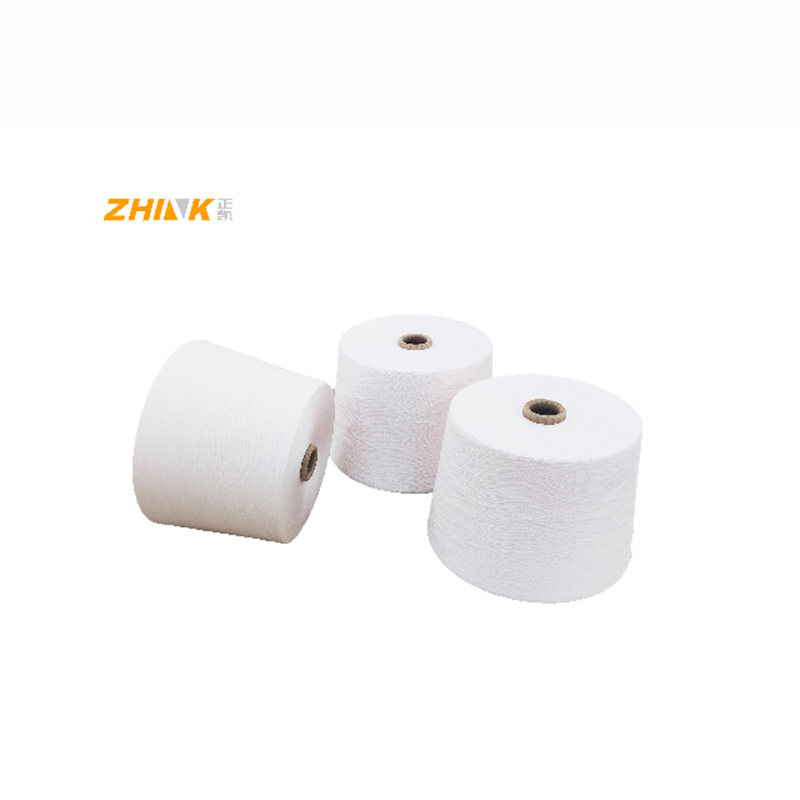
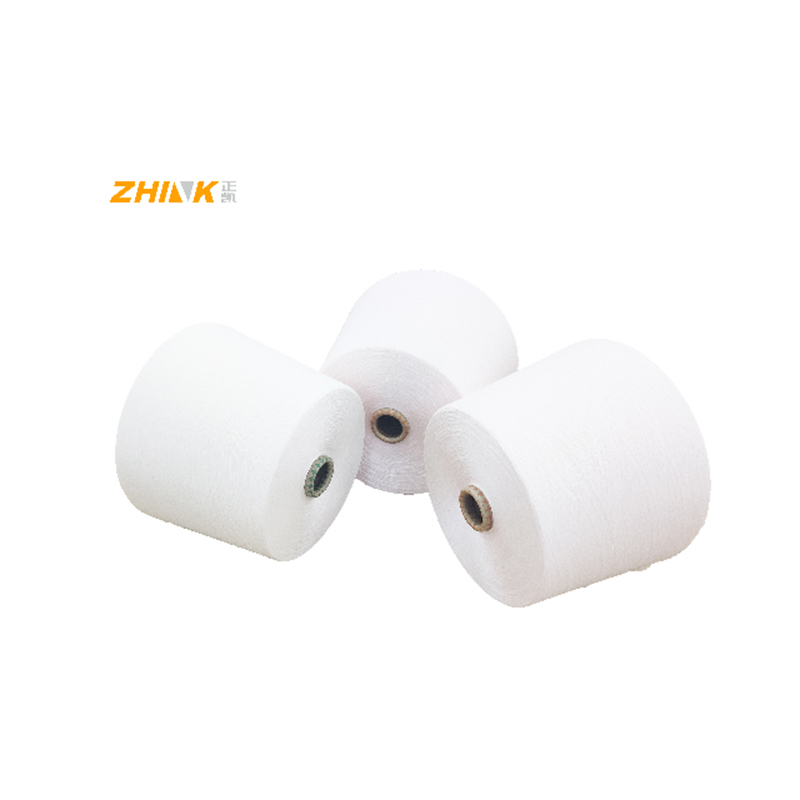
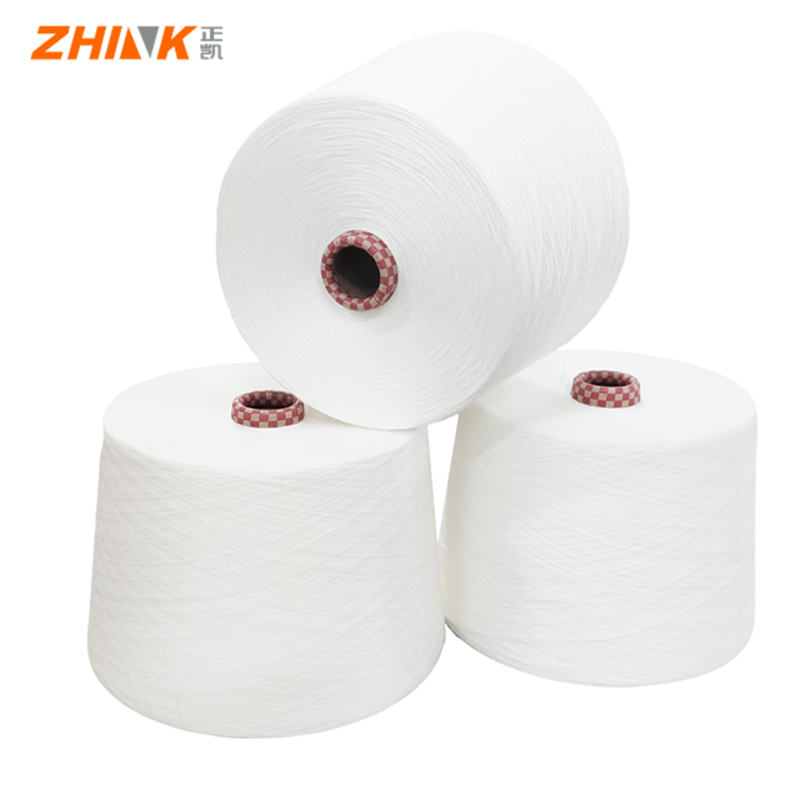
cationic polyester/ viscose core spun yarn
Understanding Cationic Polyester/Viscose Core Spun Yarn
When it comes to innovative textiles, cationic polyester/viscose core spun yarn offers a unique blend of performance and versatility that's hard to ignore. This material is making significant waves in apparel design, yet it remains a bit of a mystery to some. So, let's delve into what makes this yarn so valuable, touching upon common misconceptions and practical insights from the field.
The Basics of Cationic Polyester/Viscose Core Spun Yarn
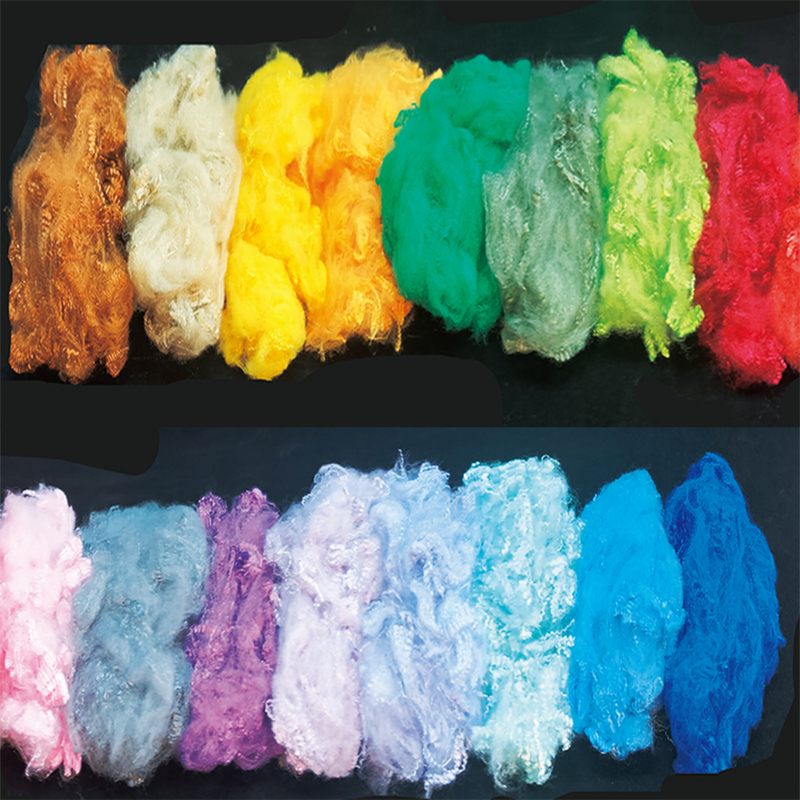
Initially, many might assume that these yarns are just another variant in the vast universe of textile materials. However, the cationic polyester component introduces a dye affinity distinct from regular polyester, leading to brighter and more vibrant colors. Combining this with viscose, known for its comfort and breathability, results in a yarn that is both functional and aesthetically appealing.
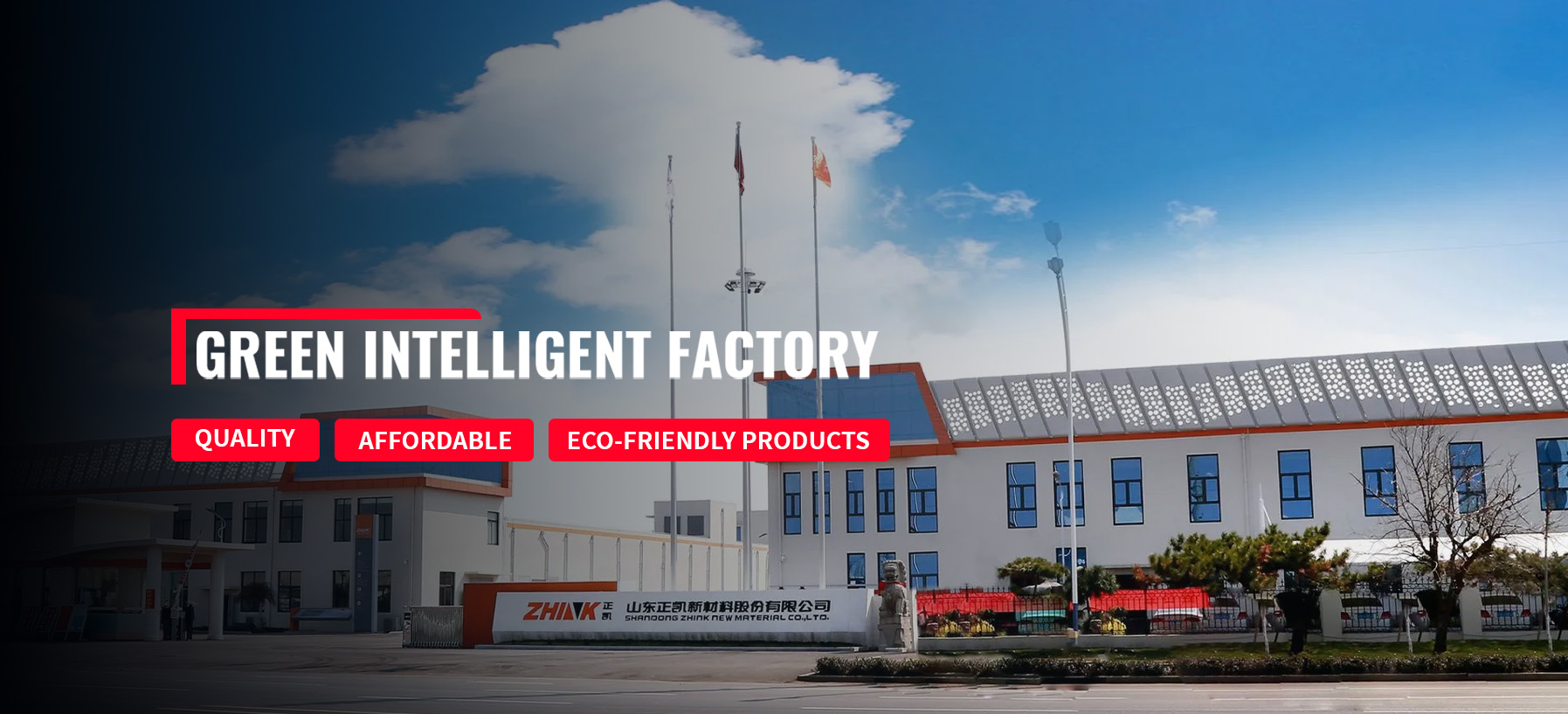
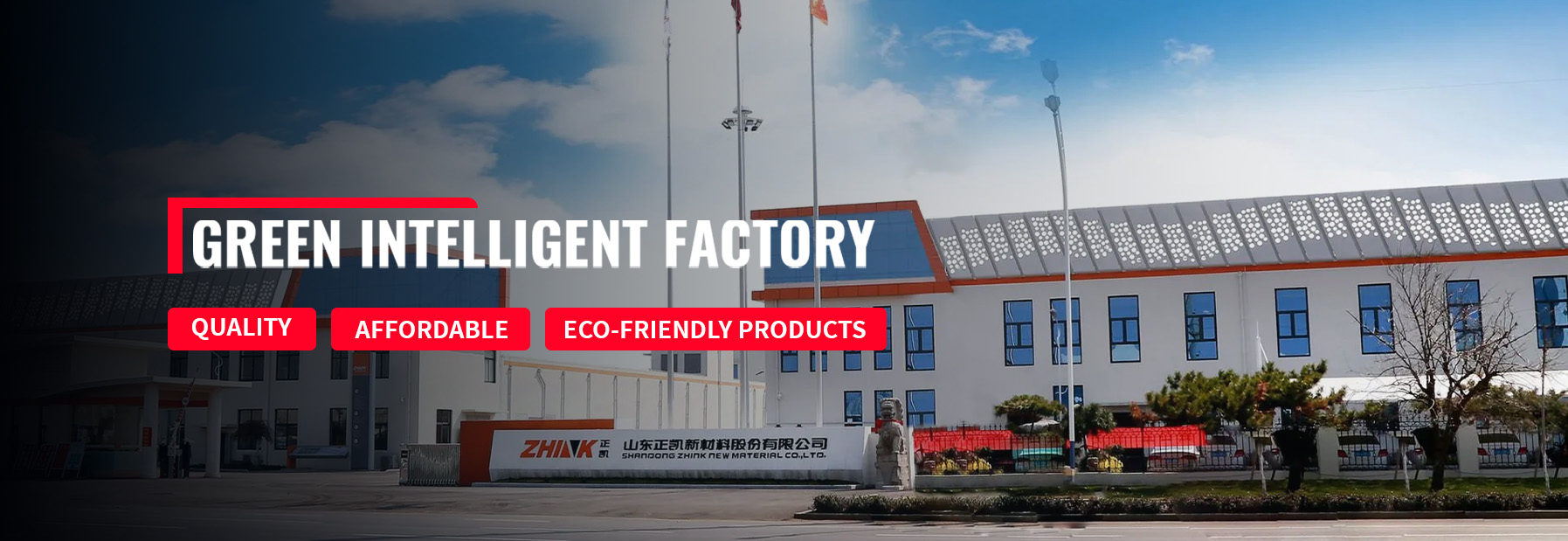
At SHANDONG ZHINK NEW MATERIAL CO., LTD, located at this link, we often face the misconception that hybrid yarns are less durable. Yet, in reality, the core-spun structure of these yarns significantly enhances strength and resilience, without sacrificing the soft feel that viscose provides.
From our practical experience, the critical factor is maintaining the right balance between the components. Too much viscose, and you might compromise on durability; too little, and the fabric loses its natural, comfortable touch. This balance is not just theory but a result of continuous experimentation and feedback from various production runs.
Challenges and Missteps
Even in the hands of seasoned experts, working with cationic polyester/viscose core spun yarn is not without its challenges. One common issue is the inconsistency in dye absorption, which can lead to uneven coloration in the final product. This often occurs when the pre-treatment processes aren't exactly aligned with the specific chemical properties of the cationic polyester.
Our team at Zhink New Material encountered such issues early on. Adjustments in the dyeing process, informed by a meticulous analysis of fiber characteristics, were essential to overcoming this hurdle. It's a reminder that despite extensive industry knowledge, the unique nature of each textile requires tailored solutions.
Moreover, optimizing spinning parameters is crucial. Variations in twist tension can lead to unwanted yarn behavior, affecting the fabric's performance. Continuous monitoring and adjustments based on batch feedback are standard practices embedded in our operations.
Market Applications
So, where do these yarns fit best? Apparel is an obvious choice, given the comfort and vibrant coloration achievable with cationic polyester fibers. However, we've also seen successful applications in home textiles, particularly those requiring a luxurious touch alongside functional performance.
During a project collaboration, our partners found that incorporating this yarn into upholstery fabrics not only enhances aesthetic appeal but also adds a layer of durability. This dual advantage is something we actively promote, showcasing how our materials can elevate product lines across multiple market segments.
Notably, the eco-friendly aspect is increasingly gaining traction. The potential for lower energy consumption in the dyeing process is an attractive feature for manufacturers looking to improve their sustainability profile without compromising on quality.
Practical Advice for Manufacturers
If you're considering incorporating cationic polyester/viscose core spun yarn into your product offerings, begin with a thorough understanding of the end-use requirements. This form of yarn isn't a one-size-fits-all solution, and understanding your market's demands is key to leveraging its benefits effectively.
It's also important to establish a close relationship with your material supplier, like the team at Zhink New Material. Direct communication allows for a better understanding of material capabilities, ensuring that any potential challenges can be proactively addressed.
In practice, this means involving the supplier early in the design phase, allowing for a collaborative approach that maximizes the strengths of the materials used. It’s an approach we foster with our clients, who routinely provide feedback that guides future innovations.
Looking Forward
As the textile industry evolves, the role of new materials like cationic polyester/viscose core spun yarn will only grow. At Zhink New Material, we're committed to not just keeping pace but leading the way in this exciting space. By continually refining our processes and embracing new technologies, we aim to provide solutions that meet the ever-changing needs of our clients.
The journey with such advanced textiles is ongoing, marked by both successes and lessons learned. For those willing to navigate its complexities, the rewards—both in terms of product quality and business growth—are substantial.
Related Products
Related Products