+86-632-3621866
- Chinese
- French
- German
- Portuguese
- Spanish
- Russian
- Japanese
- Korean
- Arabic
- Irish
- Greek
- Turkish
- Italian
- Danish
- Romanian
- Indonesian
- Czech
- Afrikaans
- Swedish
- Polish
- Basque
- Catalan
- Esperanto
- Hindi
- Lao
- Albanian
- Amharic
- Armenian
- Azerbaijani
- Belarusian
- Bengali
- Bosnian
- Bulgarian
- Cebuano
- Chichewa
- Corsican
- Croatian
- Dutch
- Estonian
- Filipino
- Finnish
- Frisian
- Galician
- Georgian
- Gujarati
- Haitian
- Hausa
- Hawaiian
- Hebrew
- Hmong
- Hungarian
- Icelandic
- Igbo
- Javanese
- Kannada
- Kazakh
- Khmer
- Kurdish
- Kyrgyz
- Latin
- Latvian
- Lithuanian
- Luxembou..
- Macedonian
- Malagasy
- Malay
- Malayalam
- Maltese
- Maori
- Marathi
- Mongolian
- Burmese
- Nepali
- Norwegian
- Pashto
- Persian
- Punjabi
- Serbian
- Sesotho
- Sinhala
- Slovak
- Slovenian
- Somali
- Samoan
- Scots Gaelic
- Shona
- Sindhi
- Sundanese
- Swahili
- Tajik
- Tamil
- Telugu
- Thai
- Ukrainian
- Urdu
- Uzbek
- Vietnamese
- Welsh
- Xhosa
- Yiddish
- Yoruba
- Zulu
- Kinyarwanda
- Tatar
- Oriya
- Turkmen
- Uyghur


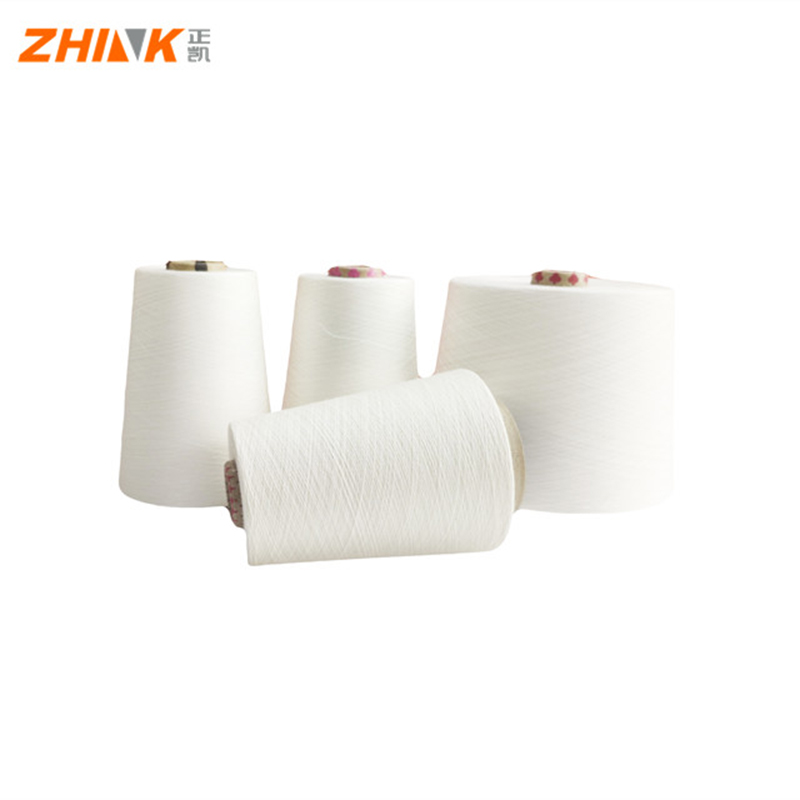
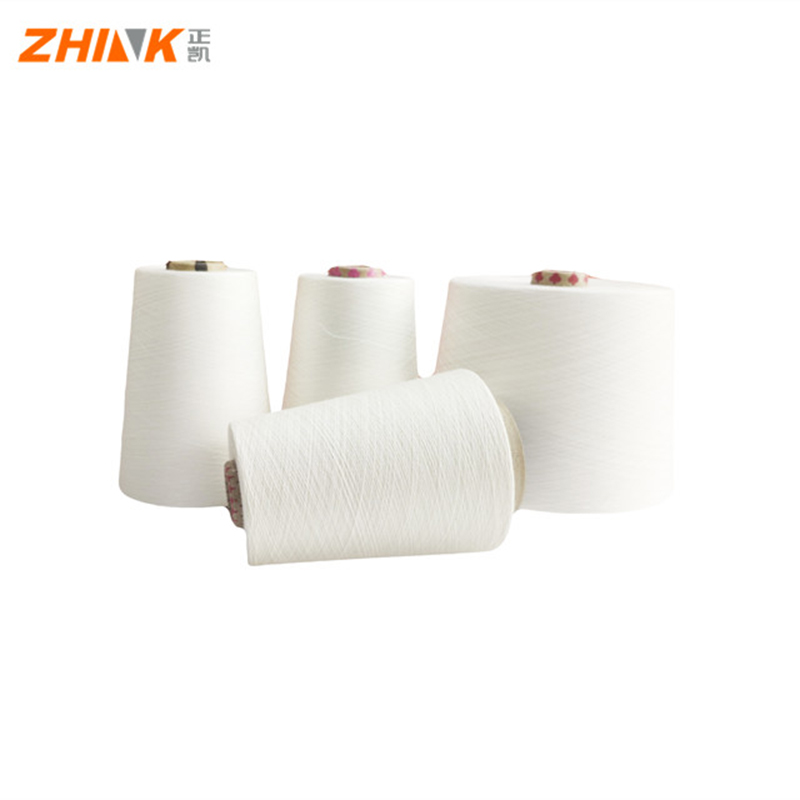
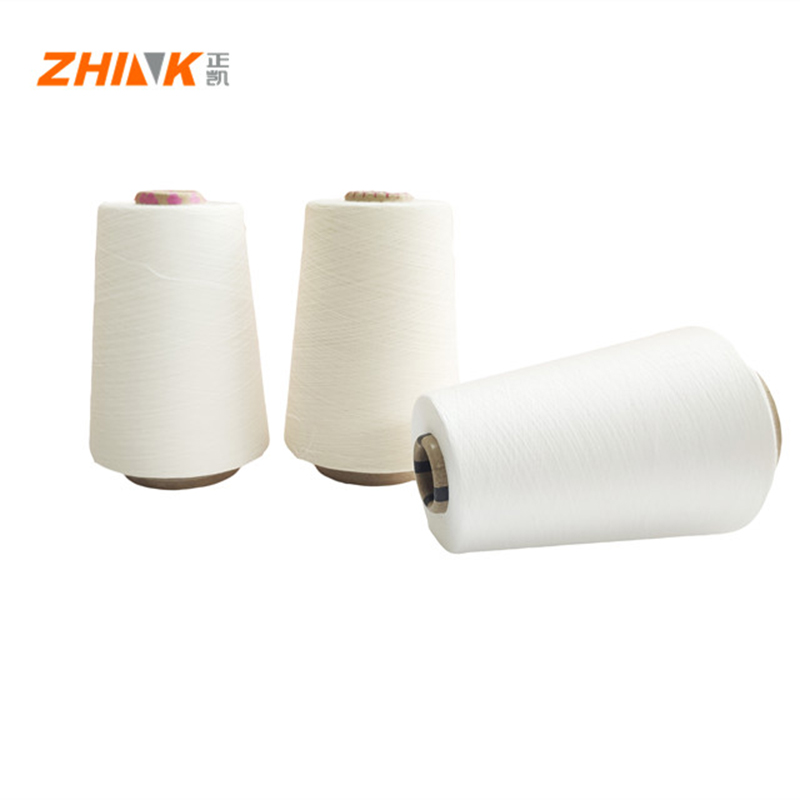
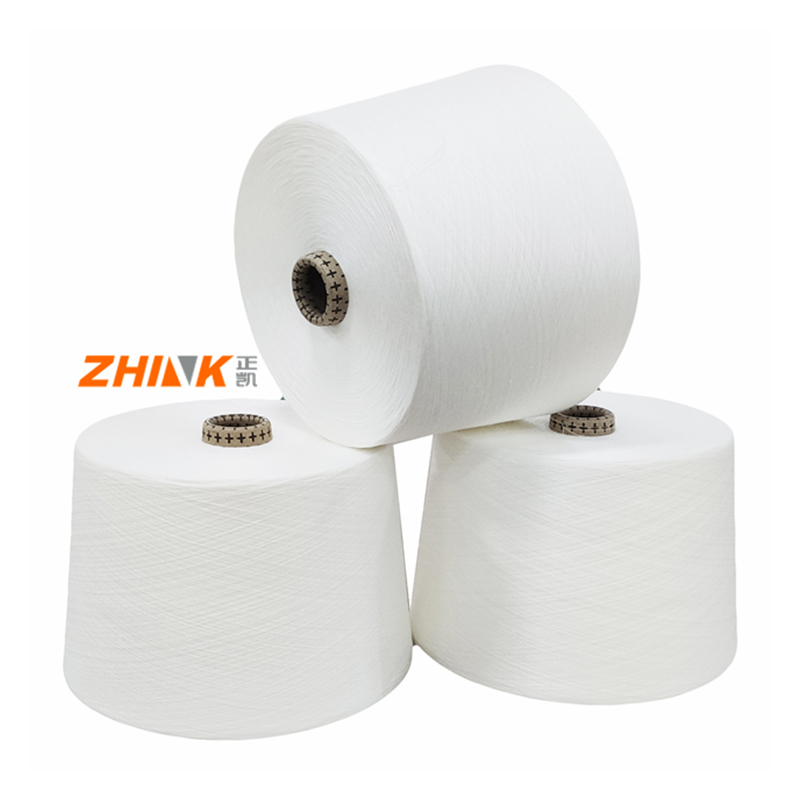
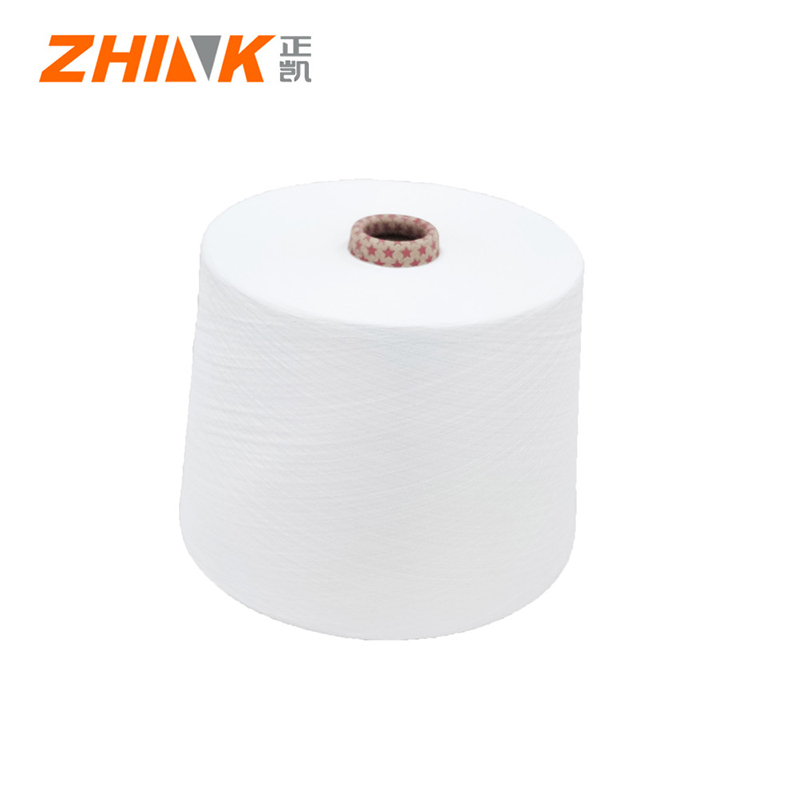
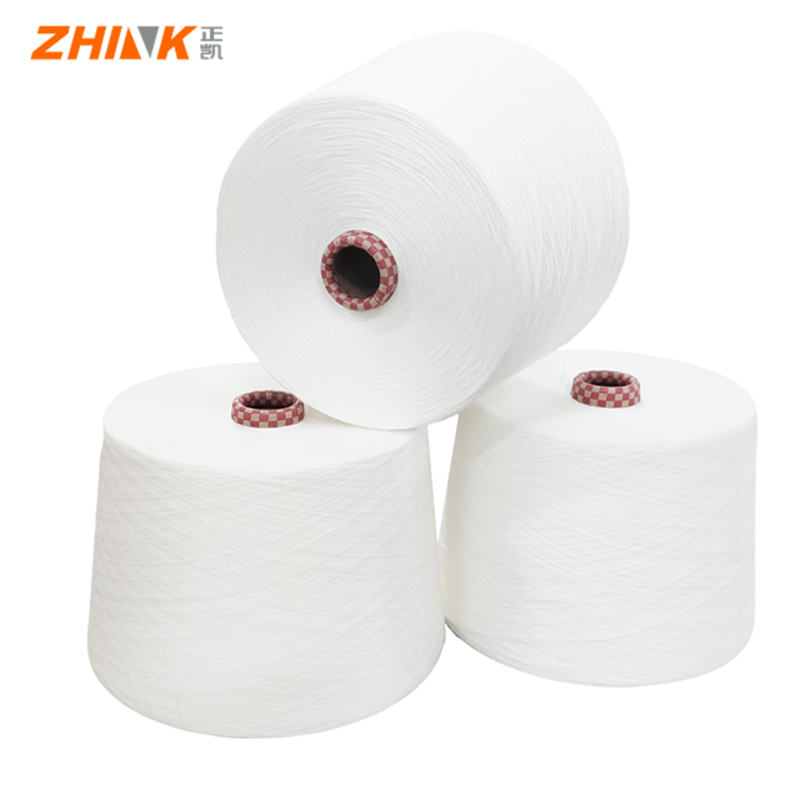
cationic polyester/viscose/linen 65/25/10 25S
Cationic Polyester/Viscose/Linen 65/25/10 25S: Understanding the Blend
Cationic polyester/viscose/linen 65/25/10 25S—a blend that’s gaining momentum in the textile industry. What lies beneath its growing popularity? For many in the field, this combination promises a perfect balance between functionality and comfort, but as always, the devil is in the details.
The Appeal of the Blend
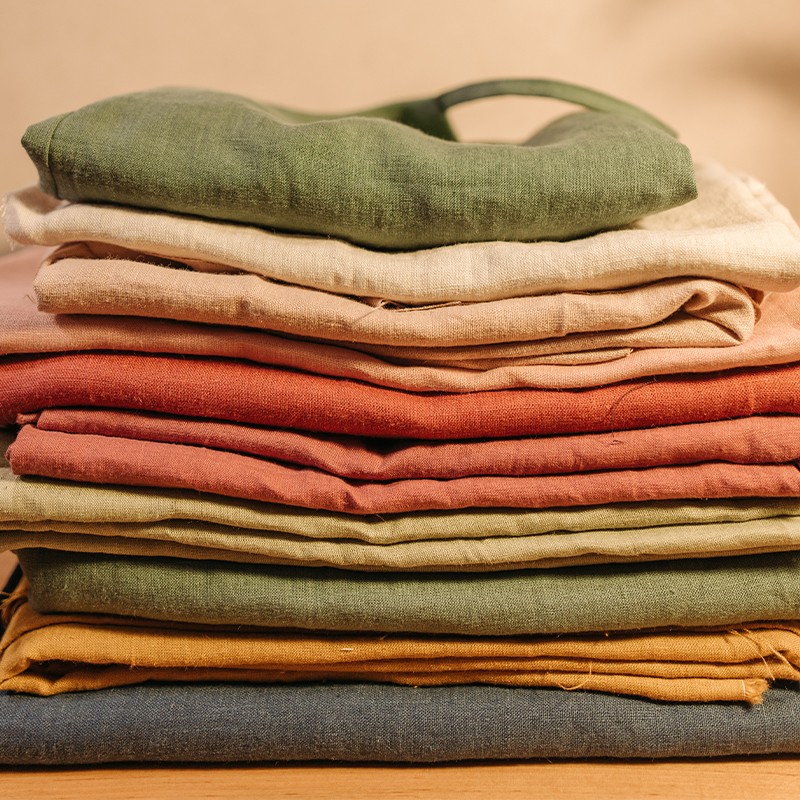
When working with textile blends like cationic polyester/viscose/linen 65/25/10 25S, one can't help but appreciate the functional versatility. The polyester adds durability, viscose brings softness, and linen contributes to breathability. Yet, achieving the right balance can be quite the challenge. I've often seen projects where over-reliance on one component—say polyester for its strength—compromises the tactile feel, which is crucial for consumer satisfaction.
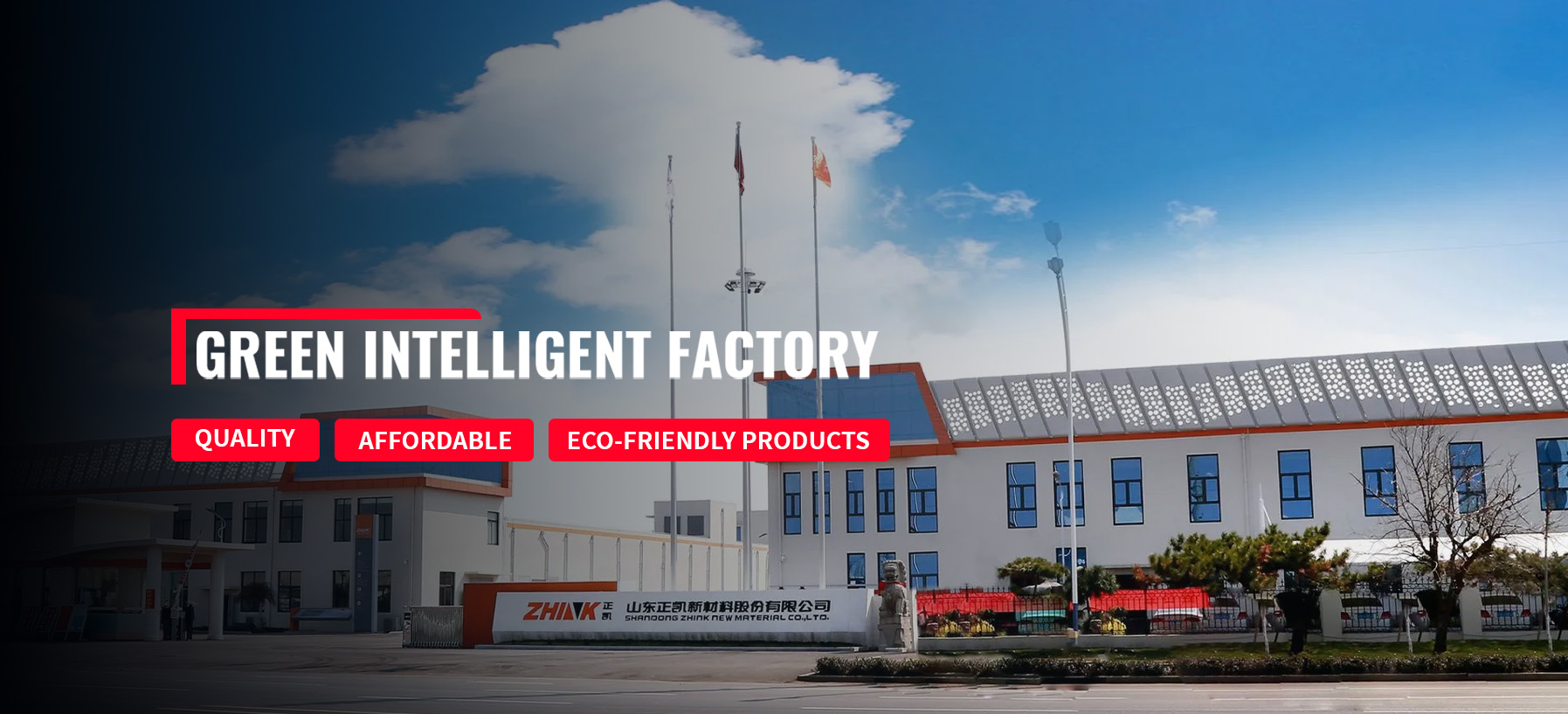
Having spent years in the textile sector, particularly with companies like SHANDONG ZHINK NEW MATERIAL CO., LTD, known for their innovation in new materials (Zhink New Material), I’ve seen firsthand how such blends can transform product quality. Our team continuously experiments with different ratios to nail down the perfect fabric characteristics.
Once, we tried a higher linen percentage for a summer collection, hoping for enhanced breathability. It worked for some items but led to unexpected wear issues after washing. Each blend modification requires testing, validation, and sometimes a fair share of frustration.
Production Challenges
Integrating cationic polyester into the mix involves a nuanced dyeing process, revealing its potential and pitfalls. Cationic dyeable polyesters allow for vibrant colors, crucial for fashion-forward designs. However, this also means a stricter control over dyeing conditions to prevent bleeding or uneven shades. We've had batches go awry when temperatures weren't monitored closely enough.
Implementing these blends in a production line is where it gets tricky. The machinery settings often require adjustments—tension, speed, temperature—all vital to achieving consistency. I remember a project where skipping these tweaks resulted in a lot of waste fabric, underscoring the importance of meticulous attention to detail.
It's worth noting how companies like Zhink contribute to refining these processes, integrating cutting-edge technology to mitigate such risks and enhance fabric performance.
The Market Impact
In today’s market, sustainability is a crucial consideration, and blends like these offer a pathway. Linen is a more sustainable fiber compared to fully synthetic options. The challenge is how to communicate these benefits to consumers without overwhelming them with technical jargon.
A colleague involved in retail once mentioned how educating consumers on materials affected purchase decisions. Simple in-store signage about the strengths of cationic polyester/viscose/linen blends, installed after consultations with SHANDONG ZHINK, led to increased interest and sales in a seasonal line.
Incorporating stories about material benefits, production processes, and sustainable practices into marketing material can provide a more engaging shopping experience, effectively closing the loop between production and consumer expectation.
Consumer Experience and Feedback
Consumers' feedback often circles back to comfort and longevity. While the technical benefits of polyester blends are numerous, at the end of the day, it's the touch and feel that sell the fabric. Listening to feedback and adapting processes accordingly is crucial.
Working closely with consumers provides insights that can be looped back into product development. One client survey highlighted the need for even finer weaves, prompting us to adjust machinery precision at SHANDONG ZHINK’s facilities.
Through iterative testing and engagement, fabric blends such as these can be refined continuously, ensuring they meet evolving consumer needs while maintaining commercial viability.
Looking Ahead
The application of cationic polyester/viscose/linen blends seems only set to grow, opening up a myriad of possibilities. As fibers evolve, so do the complexities in creating balanced textile products. Staying ahead in this field means continuous adaptation and innovation.
Reflecting on industry trends, I predict further enhancements in fiber technology, perhaps through collaborations with textile innovators like Zhink, to push the boundaries of what these blends can achieve. Their role in sustainable fashion and performance textiles presents an exciting frontier.
In the ever-changing tapestry of the textile world, the 65/25/10 25S blend stands out as a testament to ingenuity and adaptation. It’s a space full of challenges, yes, but also rich with potential.
Related Products
Related Products