+86-632-3621866
- Chinese
- French
- German
- Portuguese
- Spanish
- Russian
- Japanese
- Korean
- Arabic
- Irish
- Greek
- Turkish
- Italian
- Danish
- Romanian
- Indonesian
- Czech
- Afrikaans
- Swedish
- Polish
- Basque
- Catalan
- Esperanto
- Hindi
- Lao
- Albanian
- Amharic
- Armenian
- Azerbaijani
- Belarusian
- Bengali
- Bosnian
- Bulgarian
- Cebuano
- Chichewa
- Corsican
- Croatian
- Dutch
- Estonian
- Filipino
- Finnish
- Frisian
- Galician
- Georgian
- Gujarati
- Haitian
- Hausa
- Hawaiian
- Hebrew
- Hmong
- Hungarian
- Icelandic
- Igbo
- Javanese
- Kannada
- Kazakh
- Khmer
- Kurdish
- Kyrgyz
- Latin
- Latvian
- Lithuanian
- Luxembou..
- Macedonian
- Malagasy
- Malay
- Malayalam
- Maltese
- Maori
- Marathi
- Mongolian
- Burmese
- Nepali
- Norwegian
- Pashto
- Persian
- Punjabi
- Serbian
- Sesotho
- Sinhala
- Slovak
- Slovenian
- Somali
- Samoan
- Scots Gaelic
- Shona
- Sindhi
- Sundanese
- Swahili
- Tajik
- Tamil
- Telugu
- Thai
- Ukrainian
- Urdu
- Uzbek
- Vietnamese
- Welsh
- Xhosa
- Yiddish
- Yoruba
- Zulu
- Kinyarwanda
- Tatar
- Oriya
- Turkmen
- Uyghur



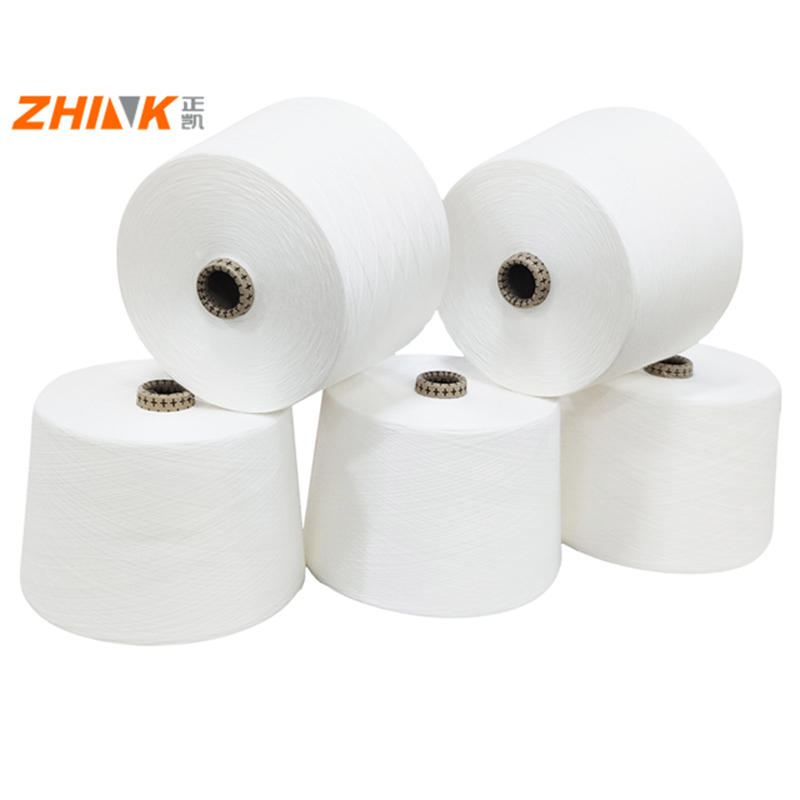
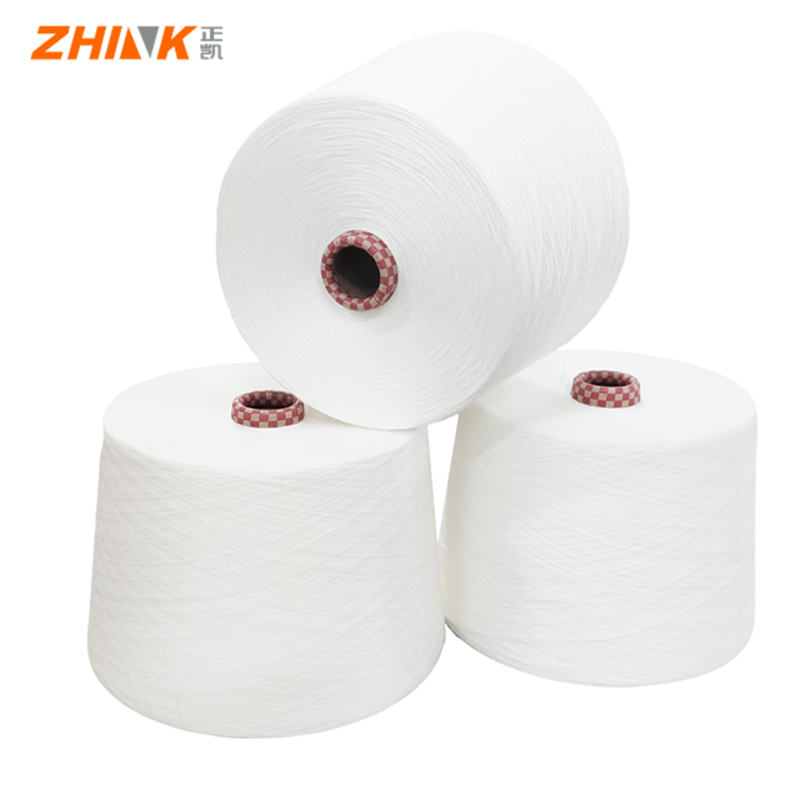
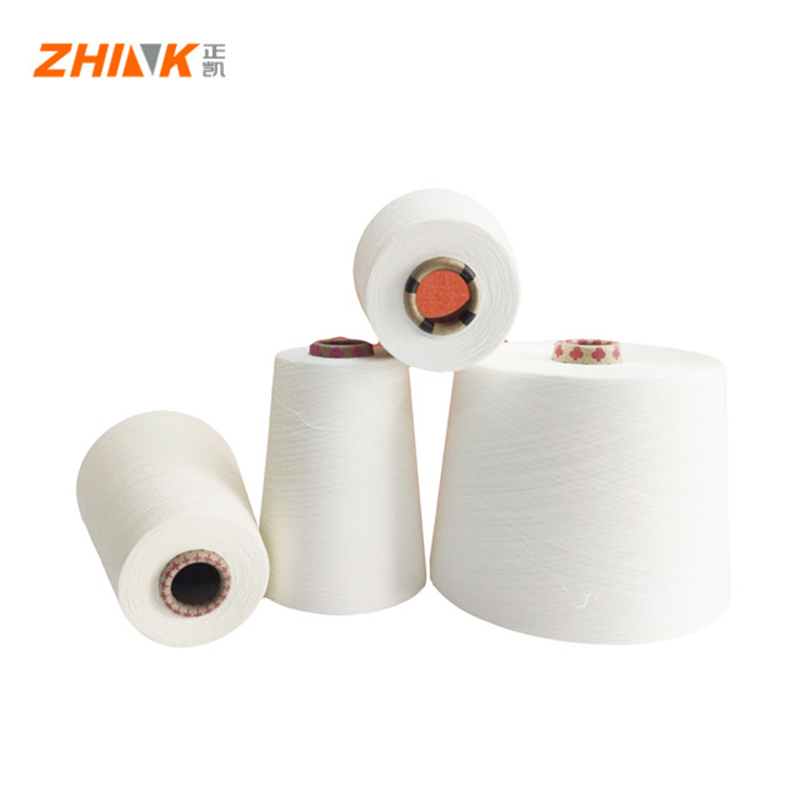
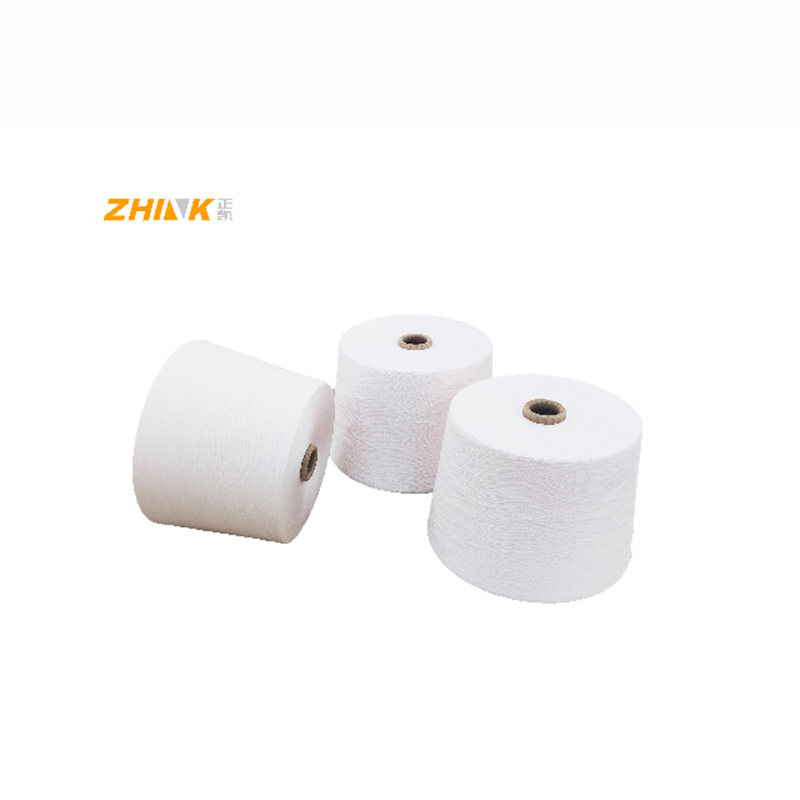
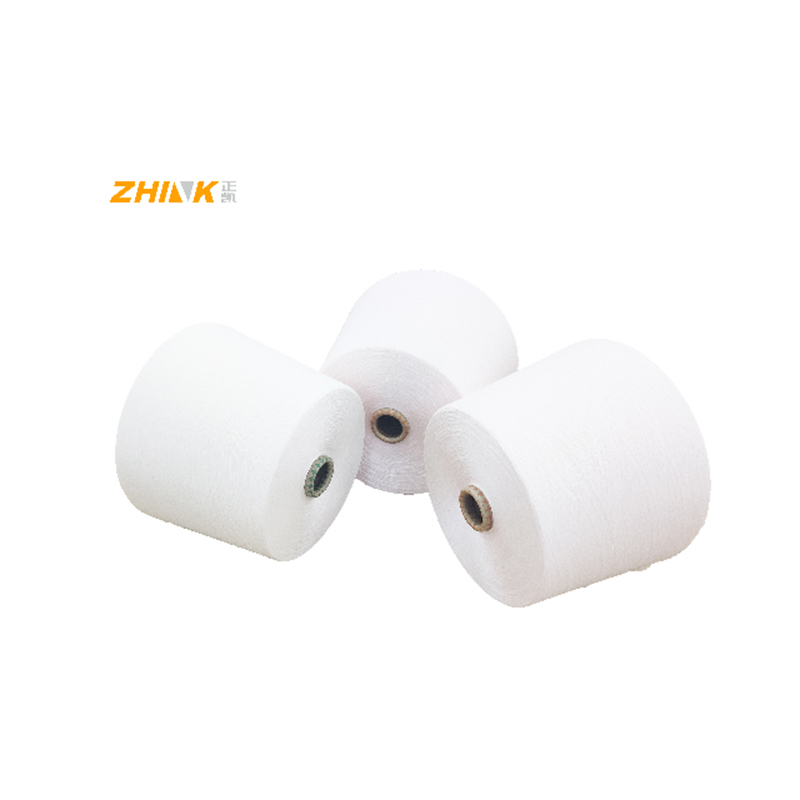
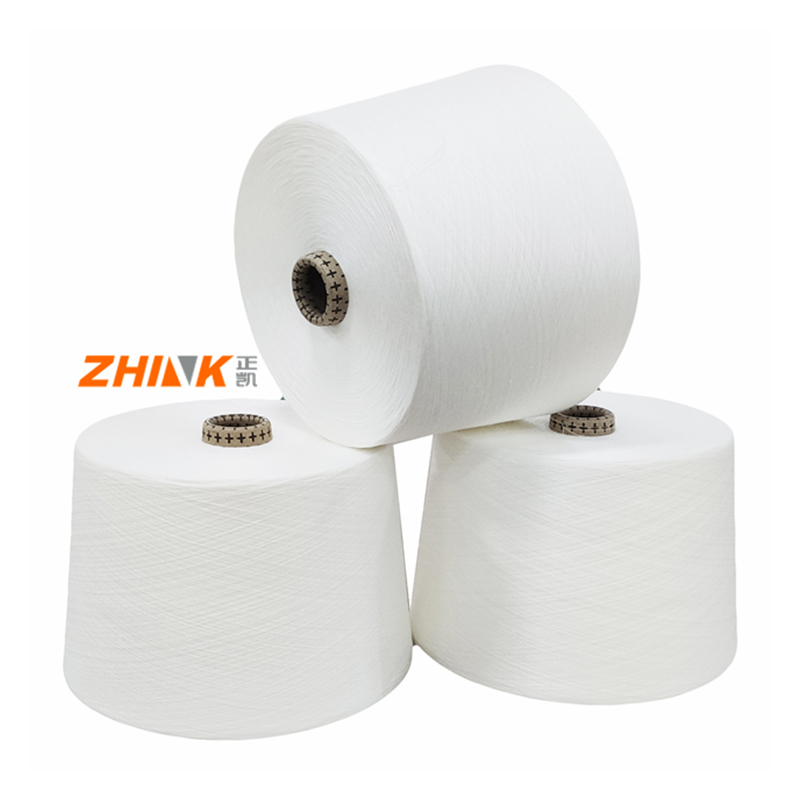
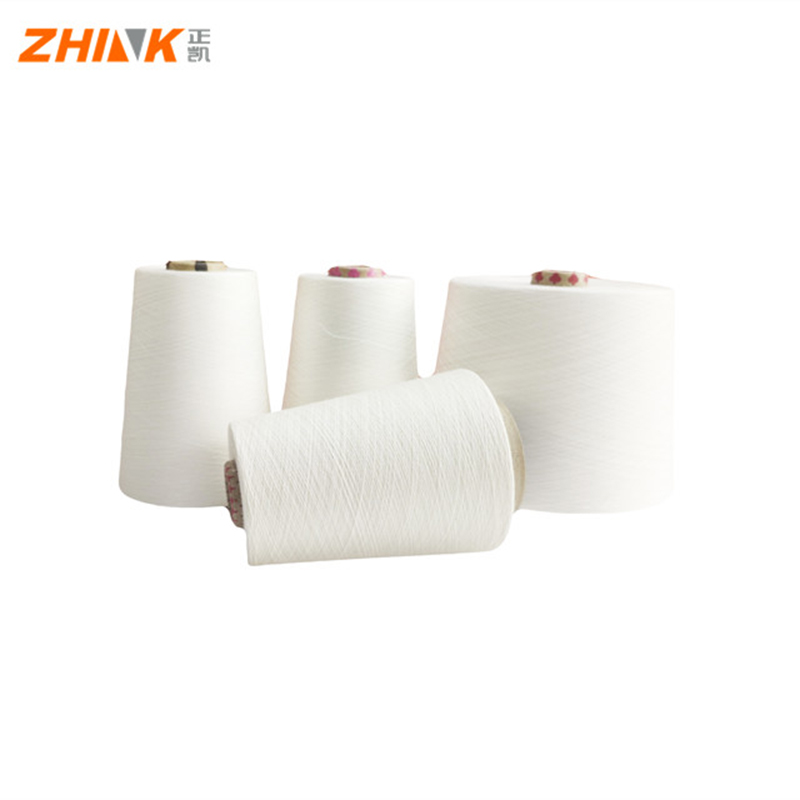
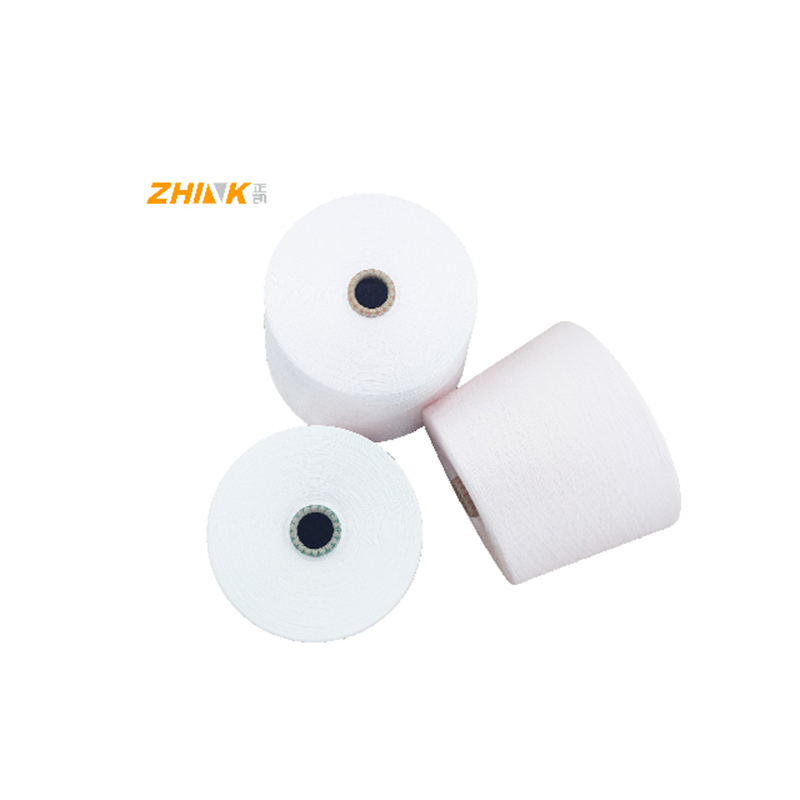
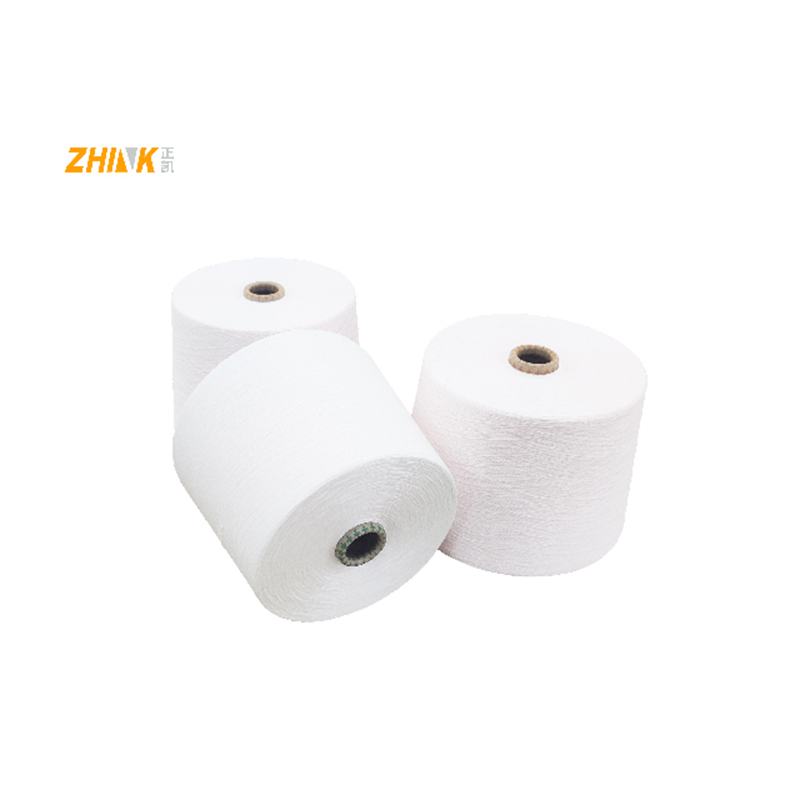
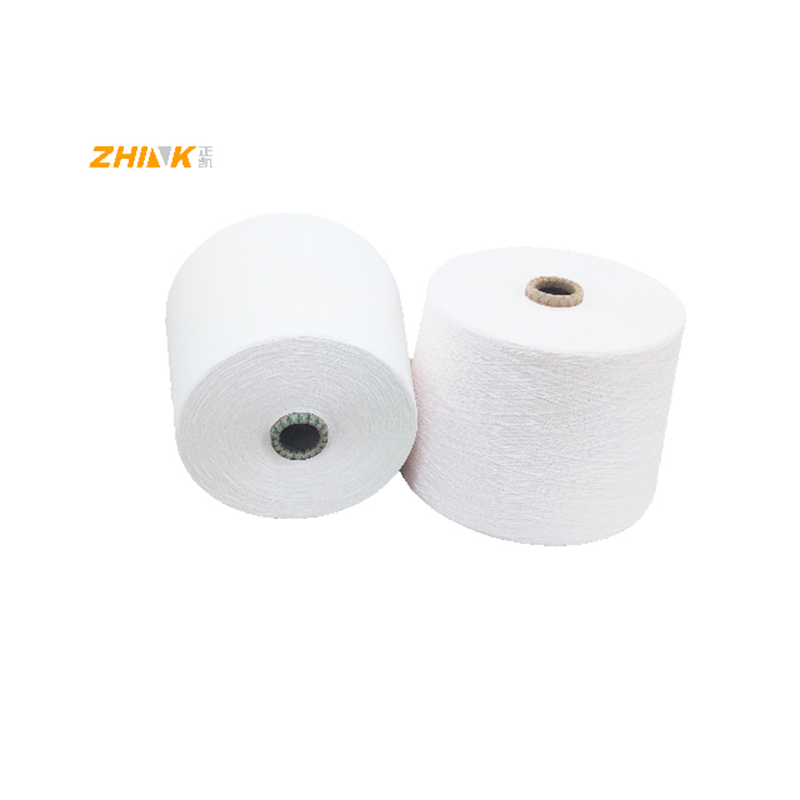
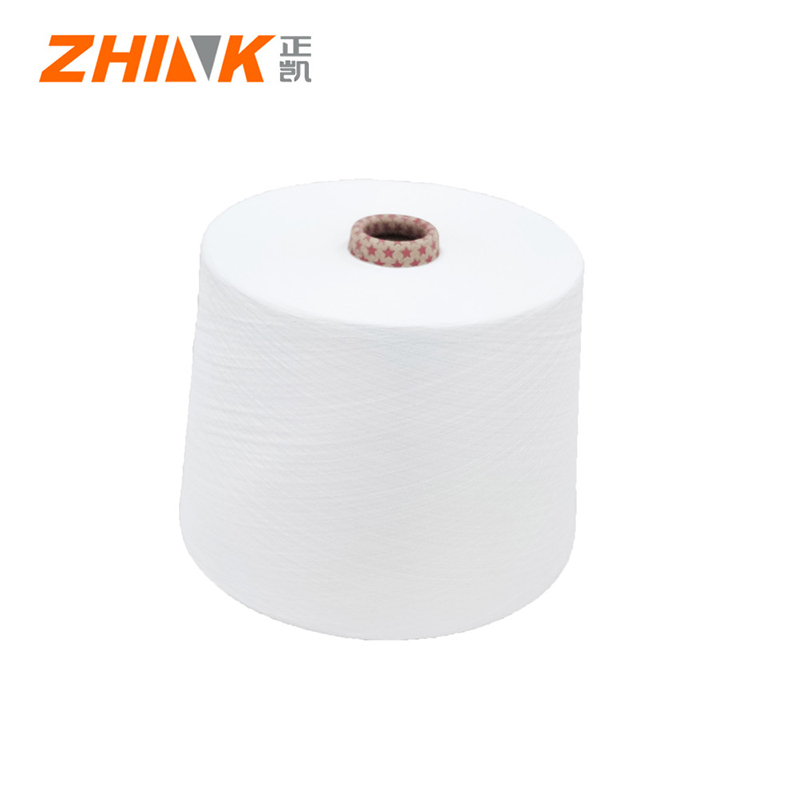
Cationic polyester/ viscose yarn
Cationic Polyester/Viscose Yarn: Industry Insights and Practices
In the realm of textile manufacturing, the blend of cationic polyester/viscose yarn poses both intriguing opportunities and challenges. It's a niche topic but one that comes with significant practical implications. Many might confuse it with ordinary polyester, but there's a subtle sophistication involved, especially when you start considering coloration and fabric behavior.
The Unique Characteristics of Cationic Polyester/Viscose Yarn
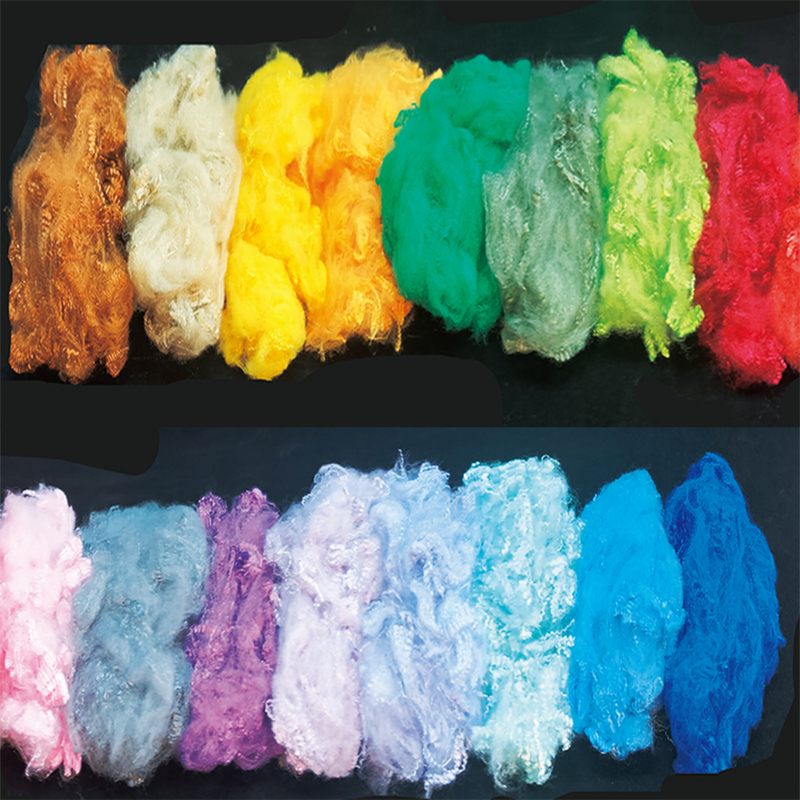
When we talk about this specific blend, it's not just about mixing two fibers—it's about the interaction at a molecular level. Cationic polyester is engineered for enhanced dyeability, granting richer, more vivid shades without the extensive dye baths typically needed for polyester. In combination with viscose, known for its silk-like feel and excellent drape, you get a fabric that's not only visually appealing but also comfortable and luxurious to touch. But, this isn't a straightforward combo; it demands keen attention during processing.
In practical settings, I’ve seen unexpected outcomes with tonal blending. There was an instance where a batch yielded uneven coloration. After revisiting the process, it turned out that the heat setting was slightly off—something easily overlooked. This kind of issue, though seemingly minor, emphasizes the precision required when dealing with this blend.
Moreover, dealing with shrinkage behavior has its learning curve. Especially when you think you’ve got it all figured out, a sudden change in humidity levels during production can throw off your expected results. The resiliency and adaptability of cationic polyester play a role here, but it’s often not given enough attention.
Applications and Trends in the Textile Industry
In my experience, small but growing demand in fashion for more sustainable and versatile fabrics—like those utilizing cationic polyester blends—has pushed manufacturers to innovate. With brands aiming for unique aesthetics without sacrificing sustainability, this blend provides an excellent compromise.
For instance, colorfast properties make this yarn ideal for sportswear, where vibrant and lasting colors are desired. Similarly, the fabric’s breathability and softness find favor in both casual and upmarket fashion lines. In fact, more than a few designers I’ve collaborated with prefer this blend for its feel and finish.
Working closely with various stakeholders revealed an increasing curiosity about customizing fiber blends further. Companies like SHANDONG ZHINK NEW MATERIAL CO., LTD (visit: https://www.zhinkyarn.com) demonstrate through their R&D innovations how new material composites cater to evolving industry requirements.
Challenges Faced During Processing
When processing viscose yarn, its highly absorbent nature can present challenges, especially when combined with a cationic polyester that is less so. This discrepancy often results in differential rates of dye absorption. Controlling the dyeing environment, therefore, becomes crucial—keeping an eye on pH levels, for instance.
There was a time when a batch came out with mottled dye patterns, something not picked up until the final quality check. It led me to reevaluate the dyeing protocol and adjust the levels meticulously to ensure even uptake. This kind of iteration allows pinpointing exact requirements. You learn that every roll is almost like a fresh challenge—keeping you perpetually on your toes.
Additionally, the interplay of yarn tension during weaving cannot be underestimated. Adjustments in loom settings to accommodate slight variations in fiber elasticity often impact quality outcomes. It's not merely a set-and-forget scenario; constant monitoring ensures consistency across fabric batches.
Market Impact and Future Prospects
Textile markets are rapidly evolving, reflecting shifts towards blends like cationic polyester/viscose for their unique properties. Industry forums and trade shows often spotlight innovations in these areas, with companies showcasing advancements in both technology and application methodologies.
I recall an expo where SHANDONG ZHINK NEW MATERIAL CO., LTD presented cutting-edge solutions that garnered significant attention. Their approach towards sustainability and performance textiles displayed clear foresight into market demands.
Looking ahead, the focus might shift even more towards reducing environmental footprints while enhancing functionality. This blend, due to its diverse applicability, will likely play a pivotal role in future textile innovations and sustainability efforts.
Concluding Thoughts
Engaging with cationic polyester/viscose yarn isn't just a technical endeavor—it's a continuous journey of learning and adapting. Balancing the unique properties of each fiber type to achieve a cohesive product requires not just skill, but a bit of artistry. The nuances in processing and application offer endless avenues for exploration.
In the end, it’s about fostering a collaborative approach in developing new techniques and understanding the fabric of these fibers in every conceivable scenario. The evolution of these textiles is not merely driven by technology, but by the people willing to push boundaries—a sentiment that's core to SHANDONG ZHINK NEW MATERIAL CO., LTD's mission as well.
Related Products
Related Products