+86-632-3621866
- Chinese
- French
- German
- Portuguese
- Spanish
- Russian
- Japanese
- Korean
- Arabic
- Irish
- Greek
- Turkish
- Italian
- Danish
- Romanian
- Indonesian
- Czech
- Afrikaans
- Swedish
- Polish
- Basque
- Catalan
- Esperanto
- Hindi
- Lao
- Albanian
- Amharic
- Armenian
- Azerbaijani
- Belarusian
- Bengali
- Bosnian
- Bulgarian
- Cebuano
- Chichewa
- Corsican
- Croatian
- Dutch
- Estonian
- Filipino
- Finnish
- Frisian
- Galician
- Georgian
- Gujarati
- Haitian
- Hausa
- Hawaiian
- Hebrew
- Hmong
- Hungarian
- Icelandic
- Igbo
- Javanese
- Kannada
- Kazakh
- Khmer
- Kurdish
- Kyrgyz
- Latin
- Latvian
- Lithuanian
- Luxembou..
- Macedonian
- Malagasy
- Malay
- Malayalam
- Maltese
- Maori
- Marathi
- Mongolian
- Burmese
- Nepali
- Norwegian
- Pashto
- Persian
- Punjabi
- Serbian
- Sesotho
- Sinhala
- Slovak
- Slovenian
- Somali
- Samoan
- Scots Gaelic
- Shona
- Sindhi
- Sundanese
- Swahili
- Tajik
- Tamil
- Telugu
- Thai
- Ukrainian
- Urdu
- Uzbek
- Vietnamese
- Welsh
- Xhosa
- Yiddish
- Yoruba
- Zulu
- Kinyarwanda
- Tatar
- Oriya
- Turkmen
- Uyghur


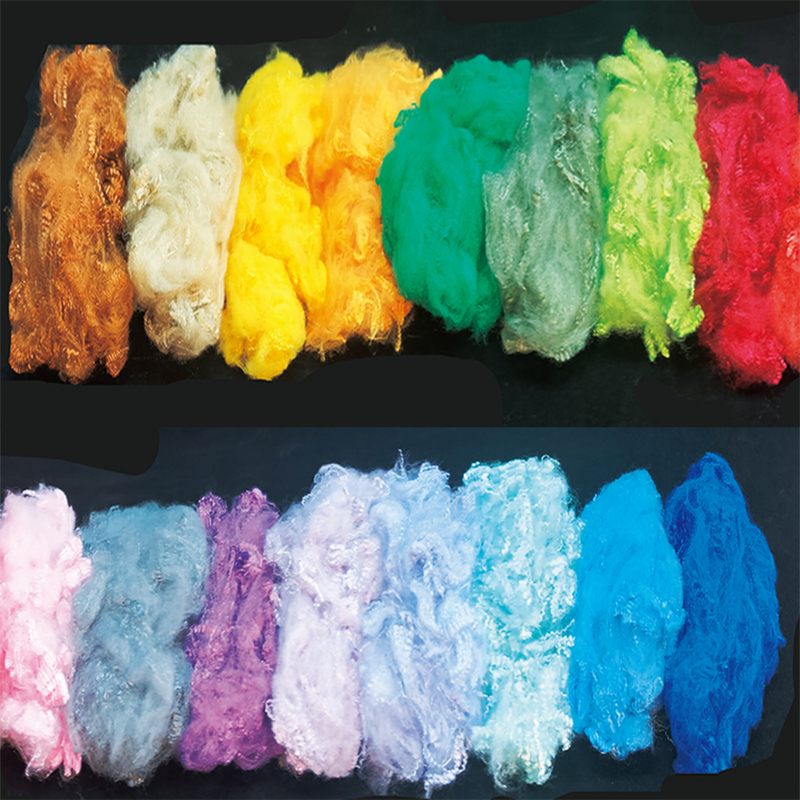
Chestnut brown polyester fiber
Exploring the Versatility of Chestnut Brown Polyester Fiber
Chestnut brown polyester fiber isn’t just another product in the textile industry; it’s a tale of innovation meeting everyday practicality. In an era where sustainability and durability are key, this fiber stands out as a bridge between aesthetic appeal and functional demands.
The Unique Appeal of Chestnut Brown
When it comes to color choice in textiles, chestnut brown offers a subtle sophistication that doesn’t scream for attention, yet demands respect. This hue is versatile, complementing a variety of settings from professional to casual, a perfect blend that many clothing designers seek.
Yet, the color is only one part of the puzzle. The polyester fiber itself offers durability that natural fibers sometimes lack. In my experience, this translates to products that can both withstand daily wear and maintain their color integrity over time. No one wants a fabric that fades after a few washes.
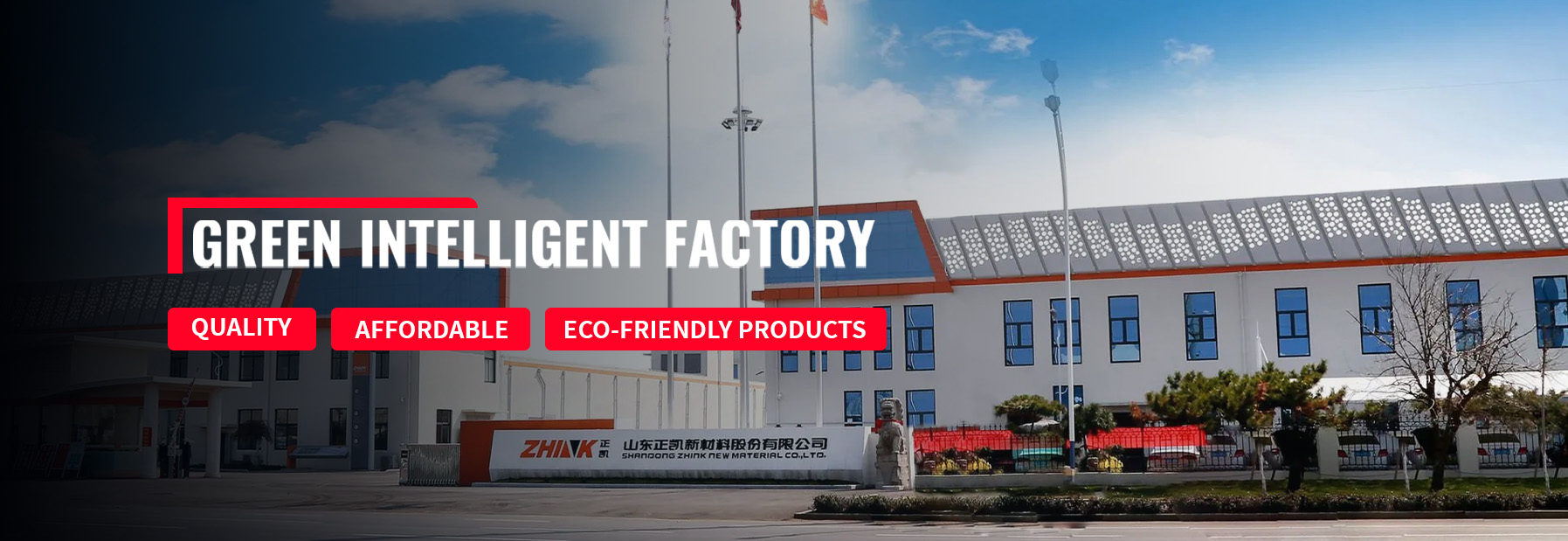
At SHANDONG ZHINK NEW MATERIAL CO., LTD, the emphasis is on crafting fibers that not only look good but also enhance the longevity of the garments they’re part of. The research and development department focuses extensively on this balance, ensuring that beauty does not come at the cost of durability.
Sustainability in Polyester Production
While polyester has sometimes been criticized for its environmental impact, the industry is shifting towards more sustainable practices. Companies like Zhink New Material are at the forefront of this movement, integrating recycled materials into their production lines.
What’s crucial here is understanding the lifecycle of the product—from creation to eventual recycling. In the past, I witnessed a project where improper material choice led to unsatisfactory recycling results. Learning from such experiences, today’s manufacturers leverage technical advances to design polyester fibers with recycling in mind from the very start.
This continual loop is where the industry's future lies—a constant reevaluation of how materials are sourced, used, and reprocessed. The initiative to use chestnut brown polyester in more sustainable formats is proving effective in lowering the overall carbon footprint.
Economies of Scale and Mass Customization
One of the benefits of working with polyester fiber is the ability to scale production efficiently. With the right machinery, it’s possible to produce large quantities without sacrificing quality, a non-negotiable for large retailers.
Yet, mass production has its downsides unless paired with customization options. At Zhink New Material, the customization aspect allows for iterations in texture and finish, something that meets both niche markets and larger demands. This is not as simple as adjusting dye lots; it requires a nuanced understanding of textile engineering.
There was an instance where a customer wanted a slightly different finish that mimicked a more organic look. It took some trial and error, but eventually, a process was developed to deliver that specific requirement, showcasing the potential for innovation even within mass production constraints.
The Textile Industry's Future with Polyester
Looking ahead, the textile industry’s relationship with polyester will likely grow even more intertwined. The advances in polymer science are opening up new pathways, creating fibers that better mimic the properties of natural textiles while offering superior performance.
It’s important to stay ahead of these trends, especially considering consumer demands for both comfort and performance. Here, chininding the balance is key— whether it’s adjusting the fiber blend or exploring new weaving techniques to incorporate chestnut brown polyester more effectively.
Experts in the field are putting a strong emphasis on collaboration between technologists and designers. This synergy is crucial for developing products that meet emerging market demands while remaining cost-effective. With companies like Zhink New Material advancing this dialogue, the future seems promising.
Challenges and Missteps
No exploration of this topic is complete without acknowledging the challenges. Material inconsistency and the learning curve associated with new fiber technology can cause setbacks. In one instance, a shipment was delayed due to unexpected variances that needed immediate resolution.
These hiccups, while frustrating, offer lessons in quality control and process improvement. Building a resilient supply chain that anticipates such issues is essential. Personnel training also plays a role in preventing these glitches from becoming habitual problems.
Overall, while there’s room for mistakes, the real skill lies in managing them efficiently, ensuring they serve as stepping stones rather than obstacles. Constant vigilance and adaptability are the hallmarks of success in this evolving field.
Related Products
Related Products