+86-632-3621866
- Chinese
- French
- German
- Portuguese
- Spanish
- Russian
- Japanese
- Korean
- Arabic
- Irish
- Greek
- Turkish
- Italian
- Danish
- Romanian
- Indonesian
- Czech
- Afrikaans
- Swedish
- Polish
- Basque
- Catalan
- Esperanto
- Hindi
- Lao
- Albanian
- Amharic
- Armenian
- Azerbaijani
- Belarusian
- Bengali
- Bosnian
- Bulgarian
- Cebuano
- Chichewa
- Corsican
- Croatian
- Dutch
- Estonian
- Filipino
- Finnish
- Frisian
- Galician
- Georgian
- Gujarati
- Haitian
- Hausa
- Hawaiian
- Hebrew
- Hmong
- Hungarian
- Icelandic
- Igbo
- Javanese
- Kannada
- Kazakh
- Khmer
- Kurdish
- Kyrgyz
- Latin
- Latvian
- Lithuanian
- Luxembou..
- Macedonian
- Malagasy
- Malay
- Malayalam
- Maltese
- Maori
- Marathi
- Mongolian
- Burmese
- Nepali
- Norwegian
- Pashto
- Persian
- Punjabi
- Serbian
- Sesotho
- Sinhala
- Slovak
- Slovenian
- Somali
- Samoan
- Scots Gaelic
- Shona
- Sindhi
- Sundanese
- Swahili
- Tajik
- Tamil
- Telugu
- Thai
- Ukrainian
- Urdu
- Uzbek
- Vietnamese
- Welsh
- Xhosa
- Yiddish
- Yoruba
- Zulu
- Kinyarwanda
- Tatar
- Oriya
- Turkmen
- Uyghur



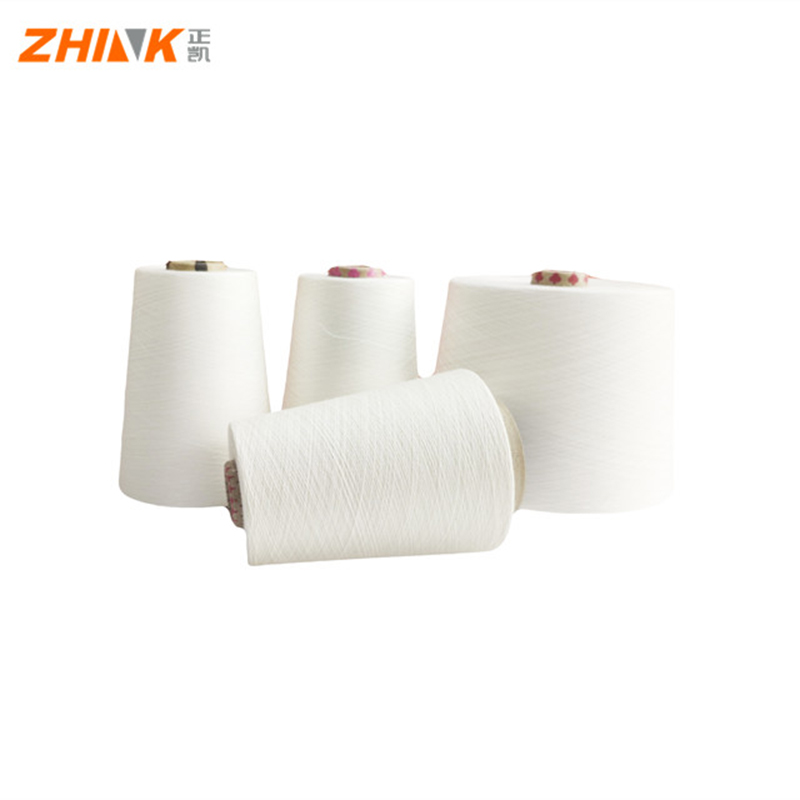
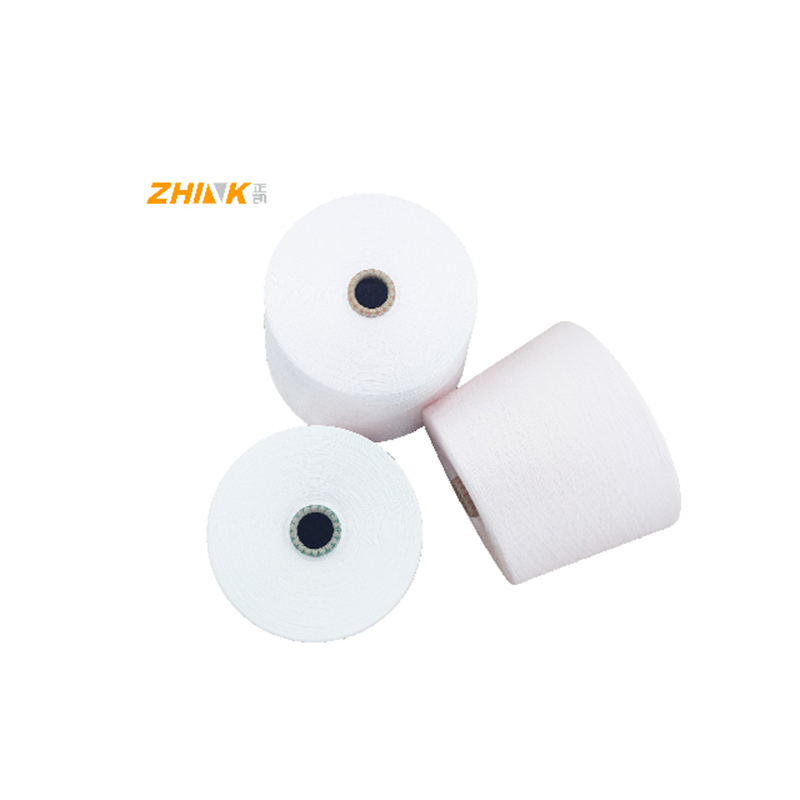
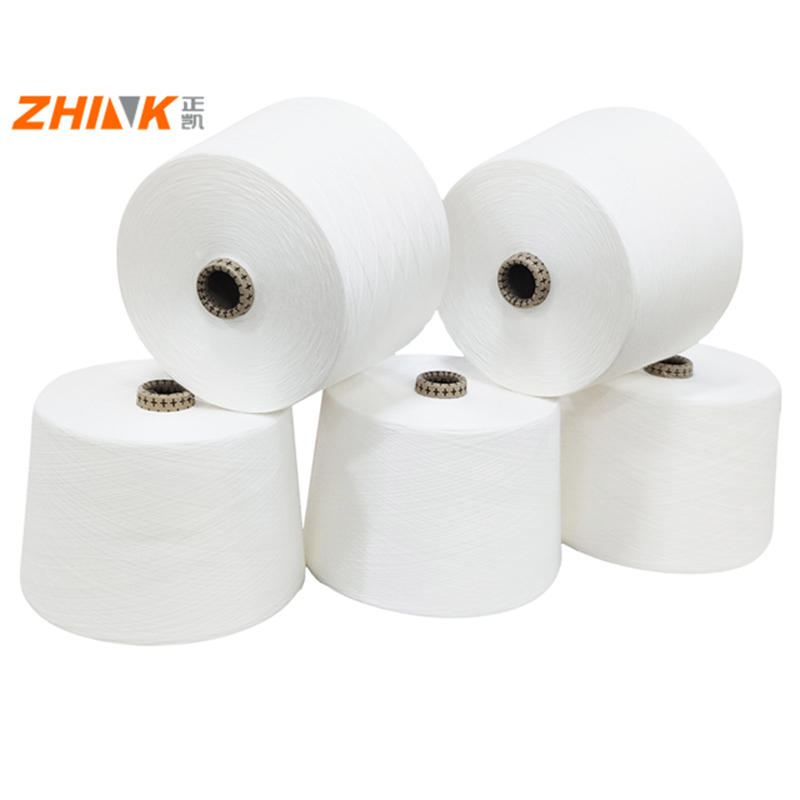
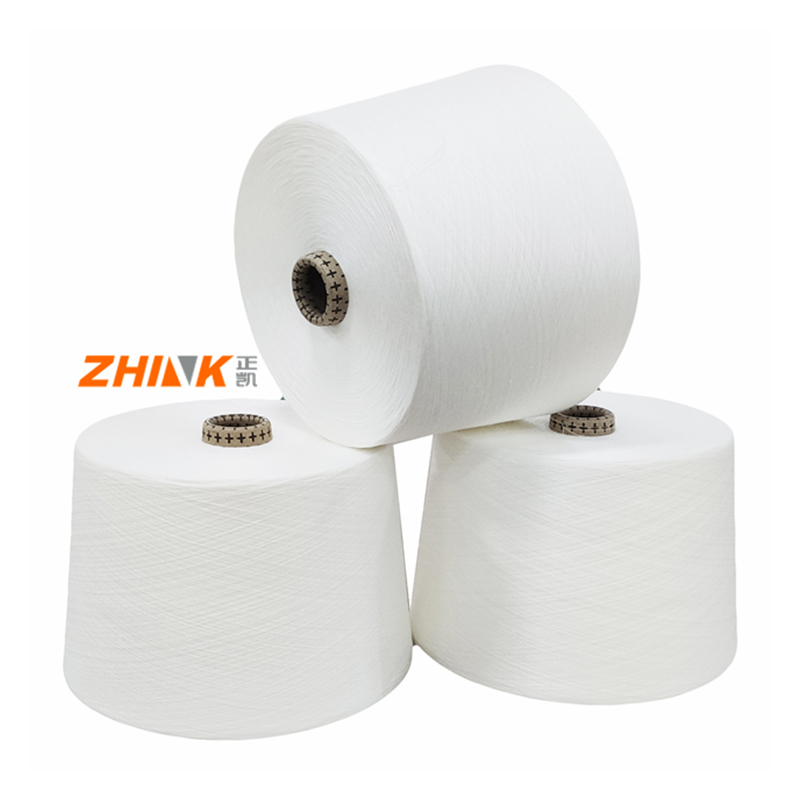
Coffee polyester fiber
The Evolution of Coffee Polyester Fiber in the Textile Industry
In the ever-evolving world of textiles, coffee polyester fiber is making waves. Blending sustainability with functionality, it's reshaping how materials are sourced and utilized. But is it all it’s cracked up to be? Let’s dive in.
Understanding Coffee Polyester Fiber
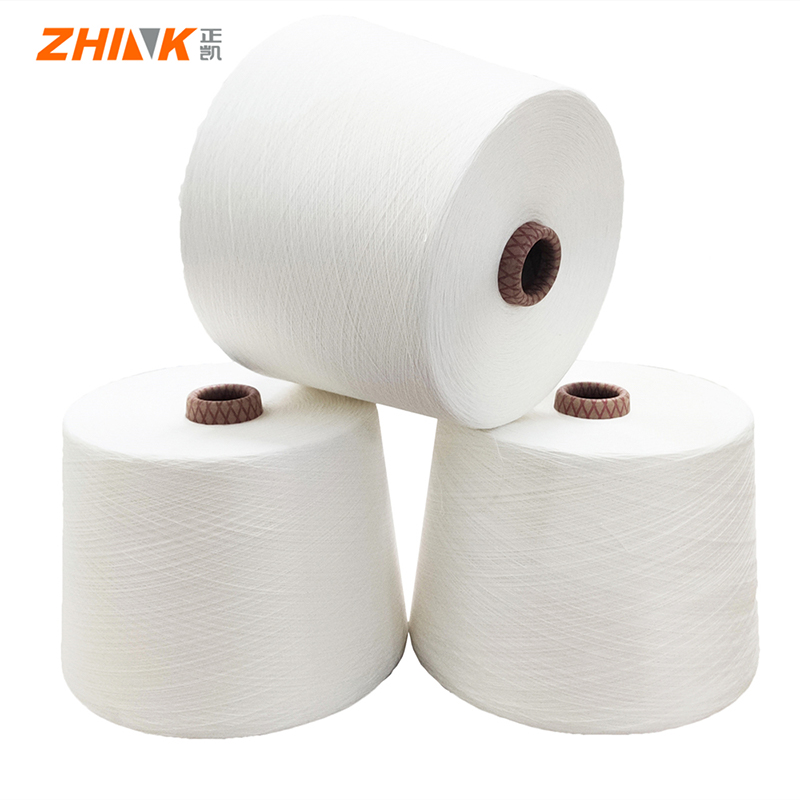
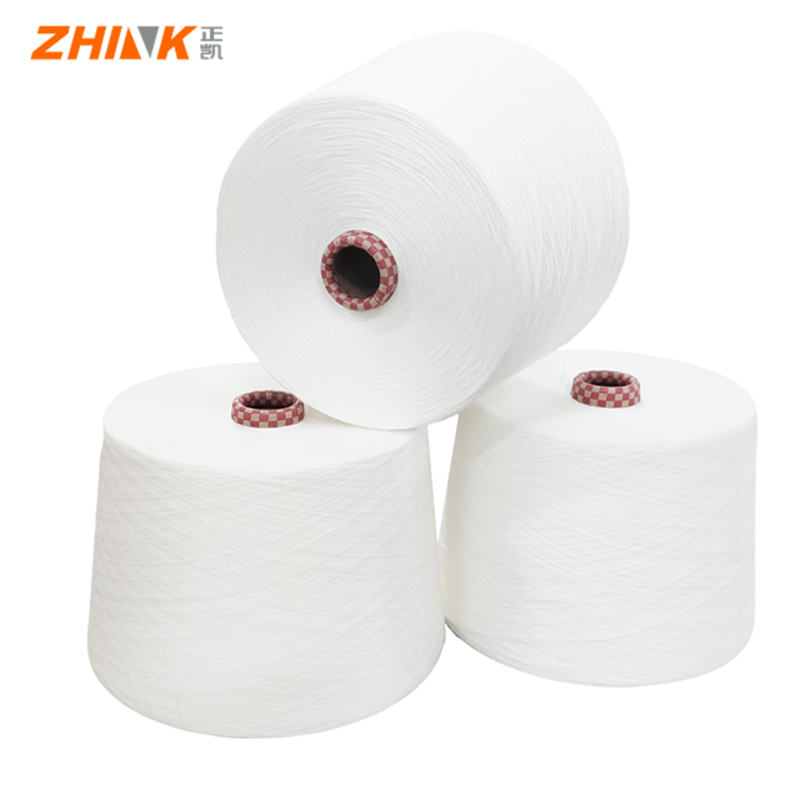
At first glance, coffee polyester fiber sounds like a cup of morning joe transformed into fabric. The reality is less straightforward but no less interesting. The concept repurposes spent coffee grounds into fibers, combining them with recycled polyester. This blend is touted as eco-friendly, offering natural odor control and UV protection — not claims you'd expect from your regular brew.
My first encounter with it was in a demonstration from SHANDONG ZHINK NEW MATERIAL CO., LTD. They showcased samples reflecting the fabric's texture and utility. Zhink is big on innovation, evident from their diverse range of products available on their website, Zhink Yarn. Their pitch was compelling, but does the performance hold up in practice?
In initial tests, I noticed its feel was remarkably soft, yet durable. The added bonus of natural odor mitigation is achievable because coffee grounds possess inherent qualities that neutralize odors. Moreover, the drying rate of these fibers was noticeably superior compared to standard polyesters.
Challenges in Production and Industry Reactions
Adapting coffee polyester fiber to mass production isn’t without hurdles. A significant issue is the consistency of raw material input. Coffee grounds vary greatly depending on the source, affecting the uniformity of the final product. This variability presents a significant production challenge for manufacturers aiming for scale.
Industry skepticism is another challenge. While the environmental benefits are clear—the reuse of waste, reduction in petroleum dependence—skeptics argue about the energy costs in processing and shipping grounds across the globe. The eco-benefit balance is a debate that continues to evolve.
Real-world applications are increasing, yet trust comes slowly in traditional manufacturing sectors. Overcoming hesitation takes time—and continuous proof that the benefits outweigh the uncertainties.
Successful Implementations
Notably, some clothing lines have started integrating these fibers into their offerings, marketing them as a sustainable choice. Early adopters include sportswear brands seeking performance with a story. The natural deodorizing feature is particularly appealing in this segment.
Personal experience working with a sportswear brand illuminated the fabric's effectiveness. A limited-run collection incorporating these fibers met with enthusiastic consumer feedback, highlighting comfort and freshness. It was a perfect fit for the demand for green products without compromising on performance.
SHANDONG ZHINK NEW MATERIAL CO., LTD plays a significant role here, pushing the envelope in integrating cutting-edge technology with sustainable practices at scale. Their products are essential for brands that want to innovate sustainably.
Environmental Impact
There's no denying the pressing need for environmentally friendly textile solutions. The urgent demand to cut waste is driving coffee-based fibers to the forefront of sustainable fashion. The use of waste grounds is a notable step towards reducing landfill mass and utilizing renewable resources.
Realistically though, the impact depends not merely on adoption but on systemic changes in how textile production aligns with circular economy principles. Adoption must be paired with reduced energy consumption and improved recycling of all textile components.
In conclusion, while ZHINK and others pave the way, the industry must continue evaluating lifecycle impacts, ensuring significant reductions in ecological footprints. It’s a journey, not a quick fix.
The Future of Coffee Polyester Fiber
Where do we go from here? The future looks promising but hinges on innovation, policy, and shifting consumer attitudes. Wider adoption could mean infrastructure adjustments, industry-wide collaboration, and public-private partnerships that bolster manufacturing capabilities.
Continued research and development are crucial. SHANDONG ZHINK NEW MATERIAL CO., LTD’s forward-thinking initiatives can serve as a blueprint for success in this space, encouraging further exploration and development of new textile materials.
Ultimately, the true potential of coffee polyester fiber may still be brewing. A sustainable, high-performance textile—one cup at a time.
Related Products
Related Products