+86-632-3621866
- Chinese
- French
- German
- Portuguese
- Spanish
- Russian
- Japanese
- Korean
- Arabic
- Irish
- Greek
- Turkish
- Italian
- Danish
- Romanian
- Indonesian
- Czech
- Afrikaans
- Swedish
- Polish
- Basque
- Catalan
- Esperanto
- Hindi
- Lao
- Albanian
- Amharic
- Armenian
- Azerbaijani
- Belarusian
- Bengali
- Bosnian
- Bulgarian
- Cebuano
- Chichewa
- Corsican
- Croatian
- Dutch
- Estonian
- Filipino
- Finnish
- Frisian
- Galician
- Georgian
- Gujarati
- Haitian
- Hausa
- Hawaiian
- Hebrew
- Hmong
- Hungarian
- Icelandic
- Igbo
- Javanese
- Kannada
- Kazakh
- Khmer
- Kurdish
- Kyrgyz
- Latin
- Latvian
- Lithuanian
- Luxembou..
- Macedonian
- Malagasy
- Malay
- Malayalam
- Maltese
- Maori
- Marathi
- Mongolian
- Burmese
- Nepali
- Norwegian
- Pashto
- Persian
- Punjabi
- Serbian
- Sesotho
- Sinhala
- Slovak
- Slovenian
- Somali
- Samoan
- Scots Gaelic
- Shona
- Sindhi
- Sundanese
- Swahili
- Tajik
- Tamil
- Telugu
- Thai
- Ukrainian
- Urdu
- Uzbek
- Vietnamese
- Welsh
- Xhosa
- Yiddish
- Yoruba
- Zulu
- Kinyarwanda
- Tatar
- Oriya
- Turkmen
- Uyghur



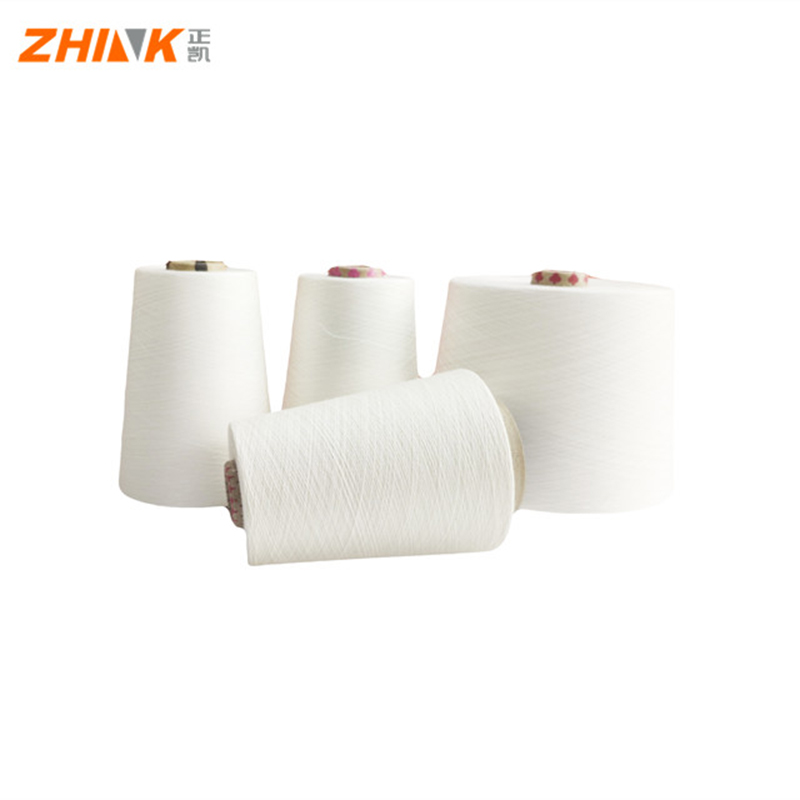
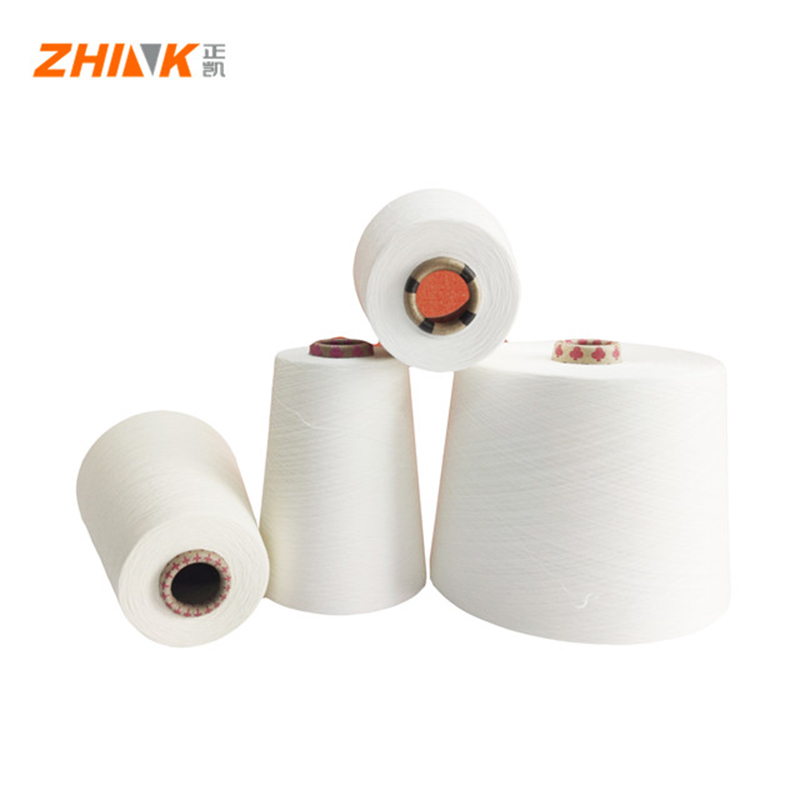
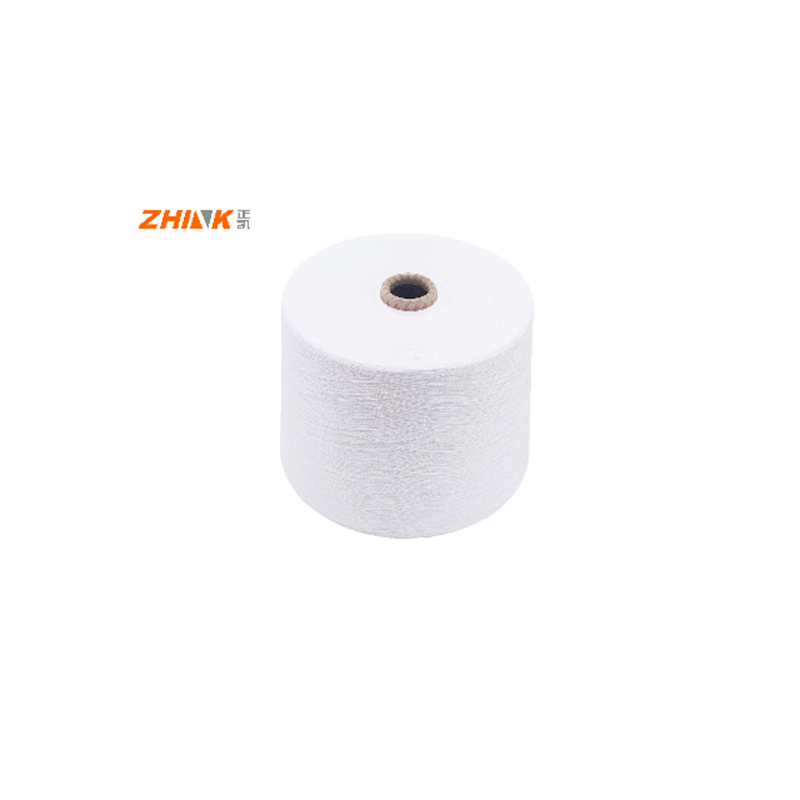
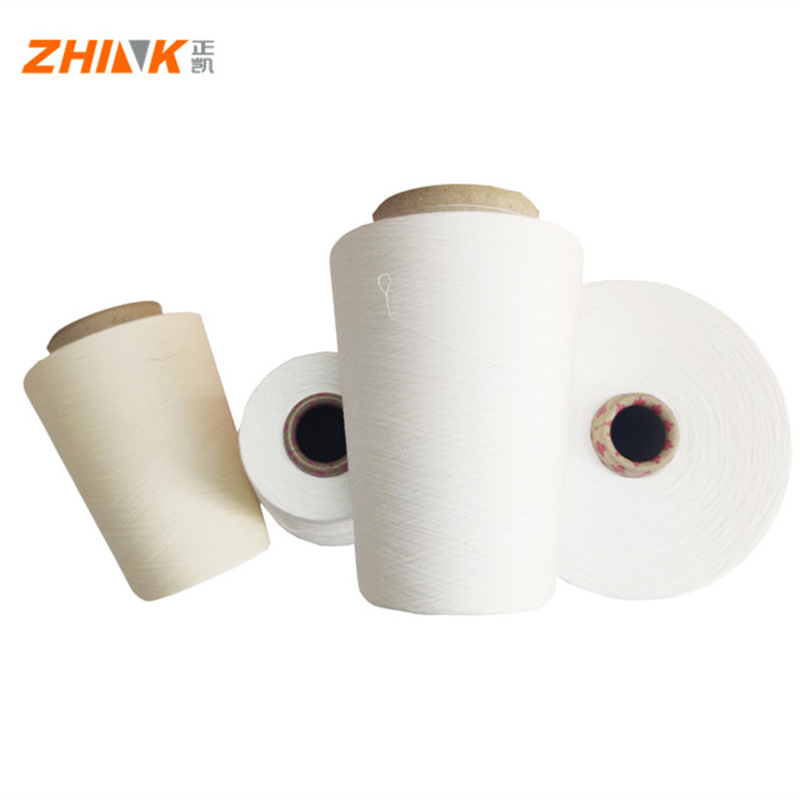
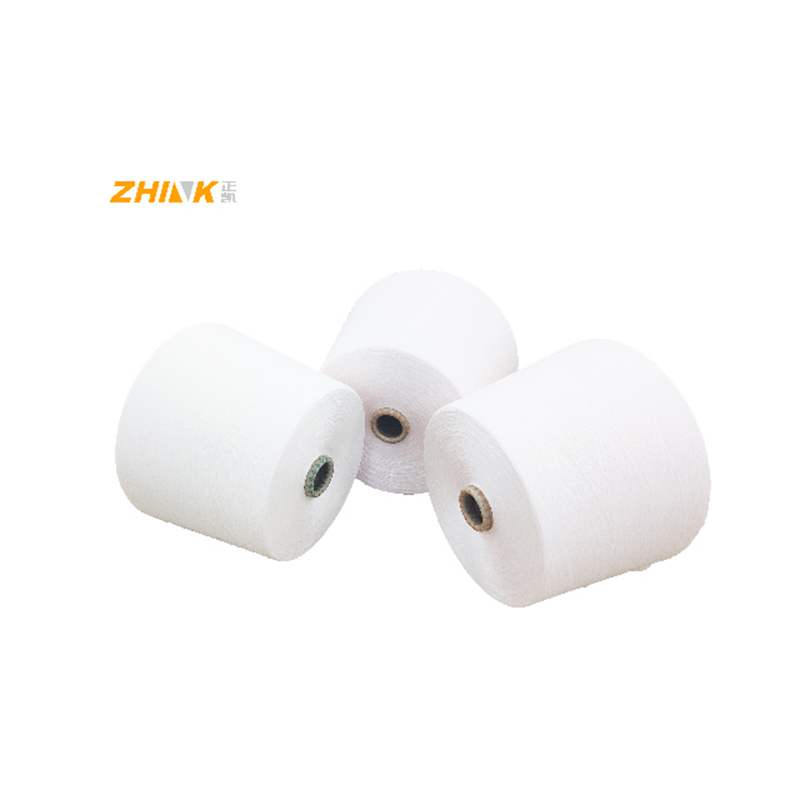
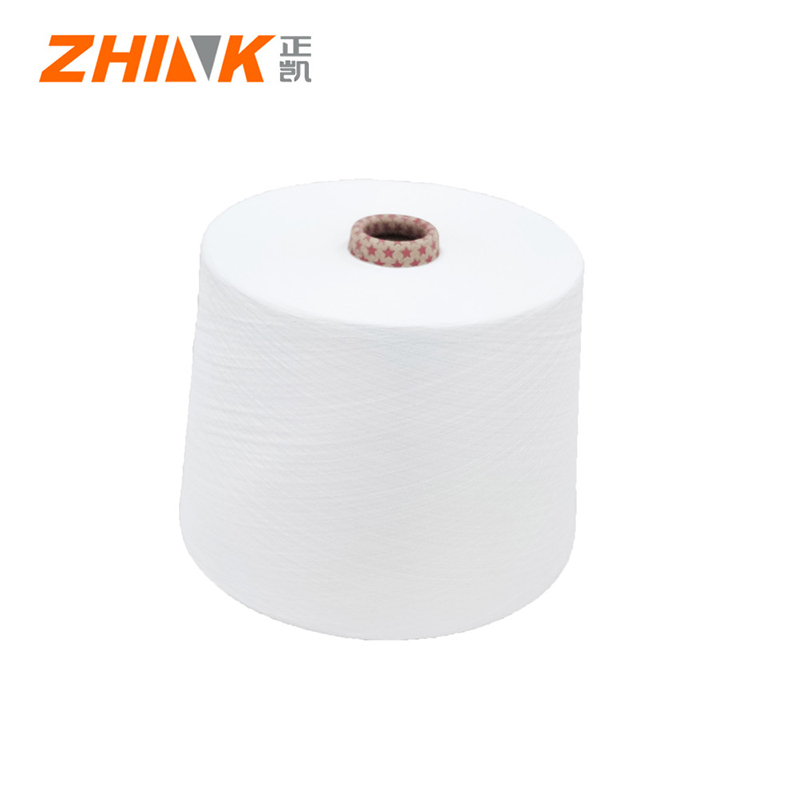
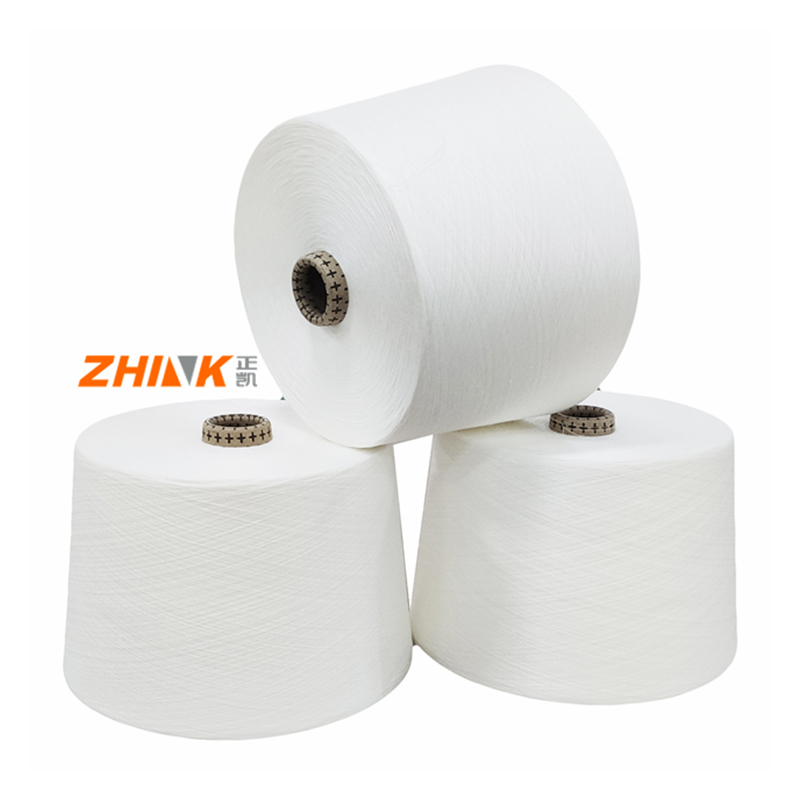
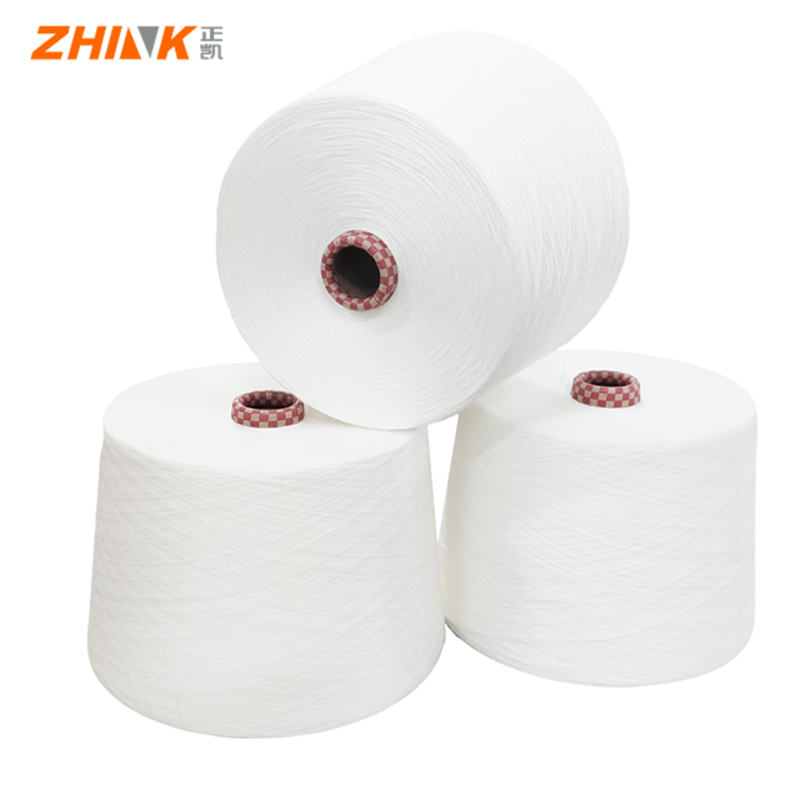
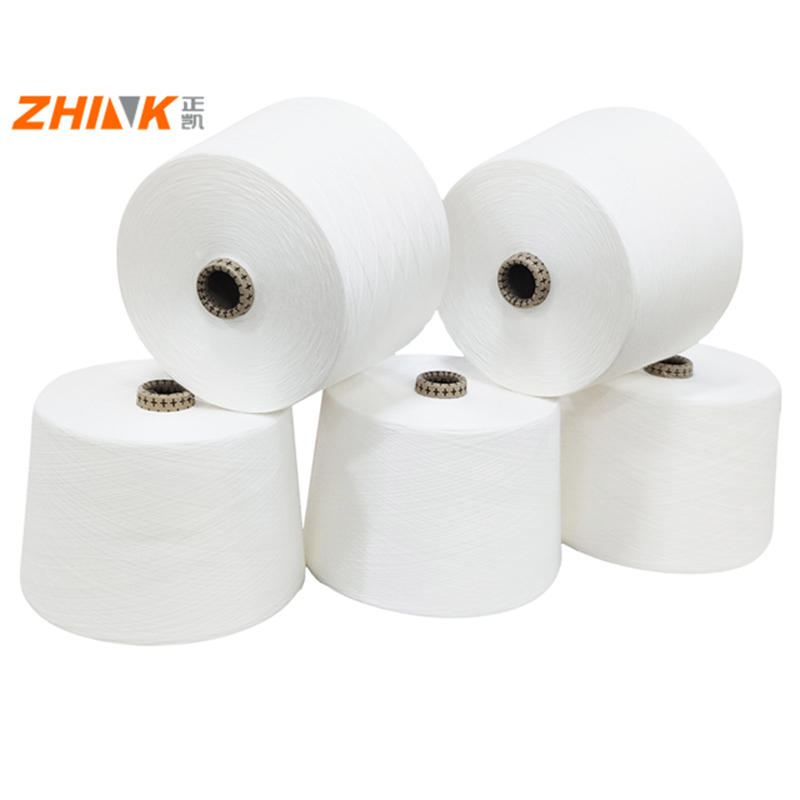
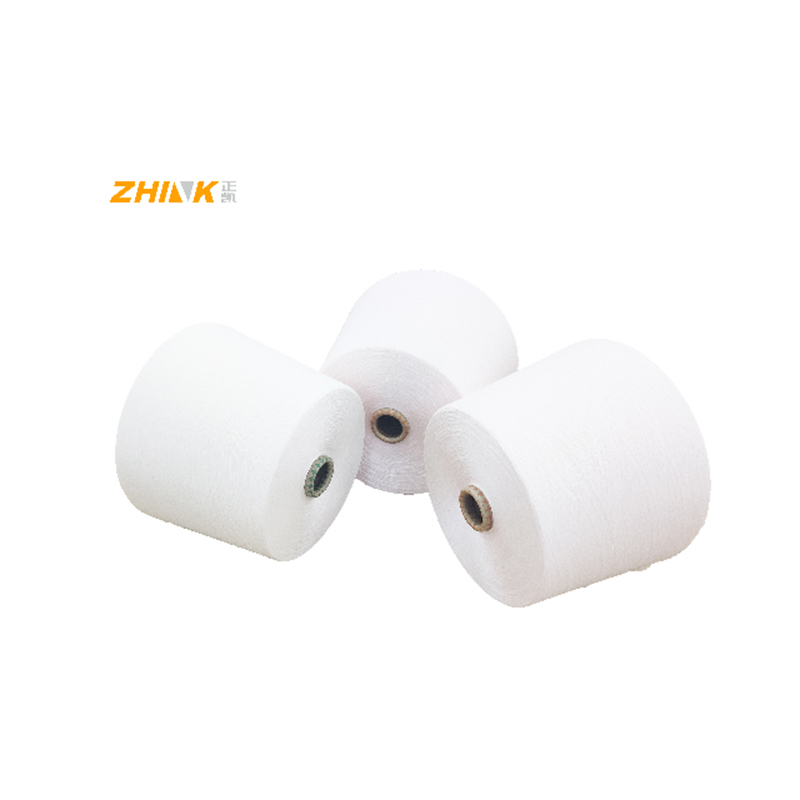
Combed cotton blended yarn for knitting
Exploring the Intricacies of Combed Cotton Blended Yarn for Knitting
Combed cotton blended yarn is revolutionizing the knitting industry. This type of yarn, with its versatility and enhanced properties, caters to both novices and seasoned professionals. But what really makes this yarn a game-changer?
The Basics and Common Misunderstandings
Combed cotton blended yarn is often misunderstood by those new to knitting. The term combed might suggest a mere surface treatment. In reality, it's a process that removes impurities and short fibers, resulting in a smoother and stronger yarn. When blended with other fibers, it gains added strength or elasticity depending on the blend, be it polyester, wool, or even viscose.
A common mistake is assuming combined yarns behave exactly like 100% cotton. This isn't true. Each blend leads to variations in weight, ease of care, and effect. For instance, a cotton-acrylic blend might resist pilling better than pure cotton, but often at the cost of breathability.
As someone who's handled countless yarn types, my initial assumption that all cotton blends were the same was quickly dispelled after a project failed due to stretching. It taught me about the importance of understanding the properties and best uses for each type.
The Best Applications for Blended Yarns
The versatility of combed cotton blended yarn makes it suitable for various projects. It's excellent for creating garments meant to be worn in warm climates thanks to its breathability. However, the addition of other fibers can extend its use into colder seasons or for specific functionalities.
One case in point is a lightweight cardigan I once knitted using a cotton-wool blend. It had the ideal warmth without the bulk, perfect for autumn mornings. This blend allowed the cardigan to function across seasons, showcasing how strategic choices in yarn composition can enhance garment utility.
It's worth noting how these blends behave on the needles. Some fibers provide a smoother glide, while others add texture or volume, impacting the overall knitting experience. Experimenting can lead to surprising results, often more rewarding than sticking to conventional choices.
Practical Challenges and How to Address Them
Working with combed cotton blended yarn does come with challenges. Pilling is a common issue, especially in blends with synthetics. To minimize this, choosing a tighter gauge helps, alongside using high-quality yarns.
I've encountered color fading when using cotton-polyester blends, particularly with dark hues. A wash test is advisable before committing to a large project, as it saves frustration later on. This simple step can make or break a garment's longevity.
There are also compatibility issues to consider. If you're mixing yarns from different suppliers, subtle differences in thickness and elasticity may cause uneven tension. I learned this during a patchwork project, which taught me the value of making swatches first.
The Role of Research and Development
Companies like SHANDONG ZHINK NEW MATERIAL CO., LTD are at the forefront of innovation in textile materials. Their focus on R&D, as seen on their website Zhink Yarn, supports advancements in combed cotton blended yarn.
Such enterprises are vital in enhancing yarn qualities, from environmental sustainability to colorfastness. This progress is crucial as the industry shifts towards more eco-friendly practices without sacrificing quality.
Being informed about the source and production practices of your yarn not only adds value to your work but also supports a more responsible and informed knitting community.
Final Thoughts on Knitting with Blended Yarns
Ultimately, combed cotton blended yarn offers a world of possibilities and challenges. Embracing its versatility means understanding its limitations and strengths, leading to more satisfying projects.
My journey with these yarns has taught me to always be curious and open to learning. Whether you are a beginner or an expert, exploring this medium can lead to beautiful, functional, and enduring creations.
It's this blend of practice, patience, and exploration that truly elevates knitting from a simple craft to an art form, enriched by the continuous contribution of innovative companies like SHANDONG ZHINK NEW MATERIAL CO., LTD.
Related Products
Related Products