+86-632-3621866
- Chinese
- French
- German
- Portuguese
- Spanish
- Russian
- Japanese
- Korean
- Arabic
- Irish
- Greek
- Turkish
- Italian
- Danish
- Romanian
- Indonesian
- Czech
- Afrikaans
- Swedish
- Polish
- Basque
- Catalan
- Esperanto
- Hindi
- Lao
- Albanian
- Amharic
- Armenian
- Azerbaijani
- Belarusian
- Bengali
- Bosnian
- Bulgarian
- Cebuano
- Chichewa
- Corsican
- Croatian
- Dutch
- Estonian
- Filipino
- Finnish
- Frisian
- Galician
- Georgian
- Gujarati
- Haitian
- Hausa
- Hawaiian
- Hebrew
- Hmong
- Hungarian
- Icelandic
- Igbo
- Javanese
- Kannada
- Kazakh
- Khmer
- Kurdish
- Kyrgyz
- Latin
- Latvian
- Lithuanian
- Luxembou..
- Macedonian
- Malagasy
- Malay
- Malayalam
- Maltese
- Maori
- Marathi
- Mongolian
- Burmese
- Nepali
- Norwegian
- Pashto
- Persian
- Punjabi
- Serbian
- Sesotho
- Sinhala
- Slovak
- Slovenian
- Somali
- Samoan
- Scots Gaelic
- Shona
- Sindhi
- Sundanese
- Swahili
- Tajik
- Tamil
- Telugu
- Thai
- Ukrainian
- Urdu
- Uzbek
- Vietnamese
- Welsh
- Xhosa
- Yiddish
- Yoruba
- Zulu
- Kinyarwanda
- Tatar
- Oriya
- Turkmen
- Uyghur



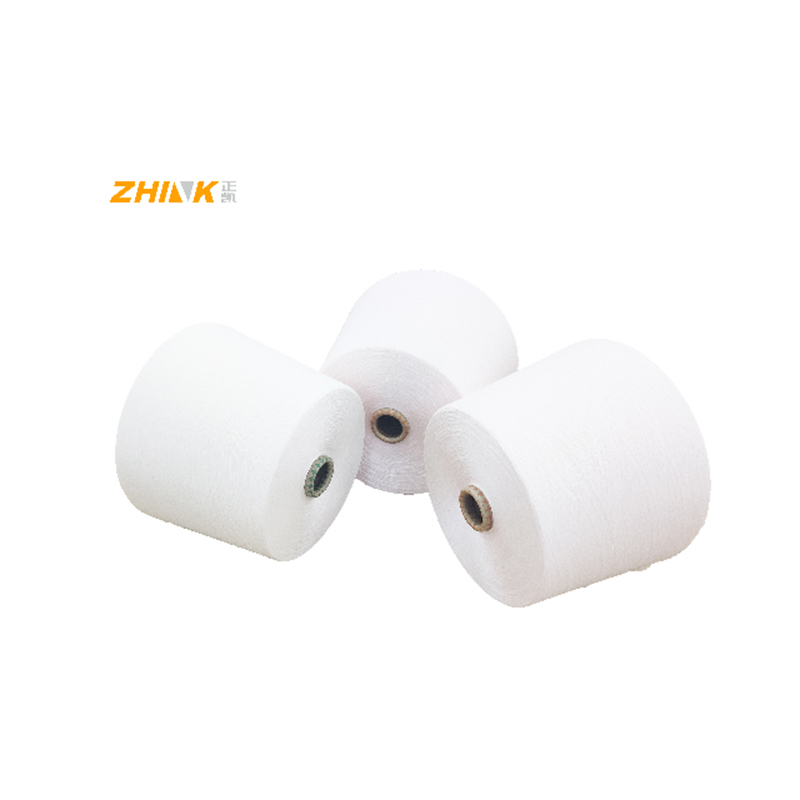
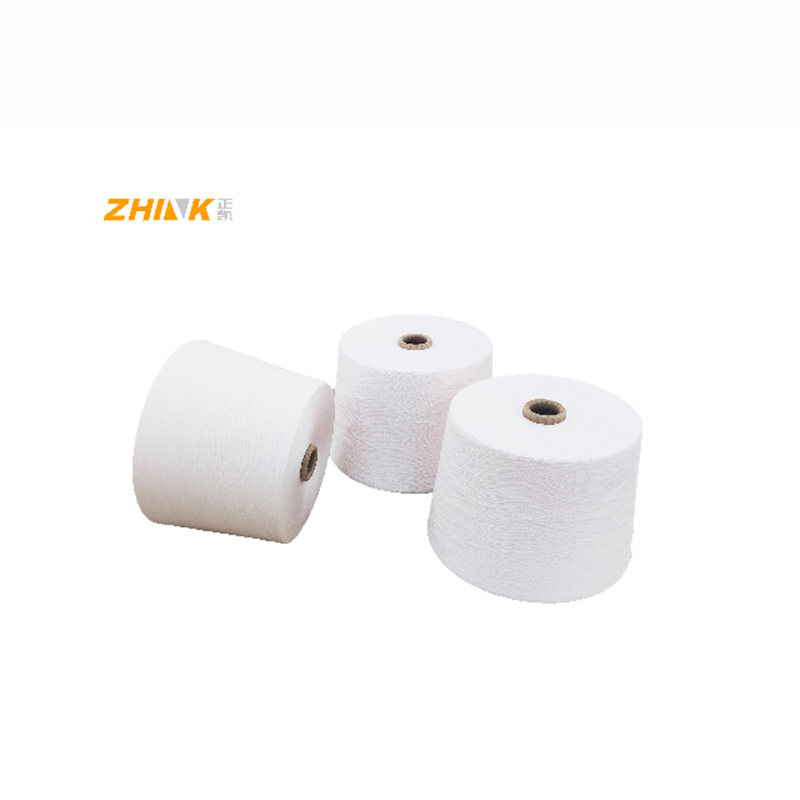
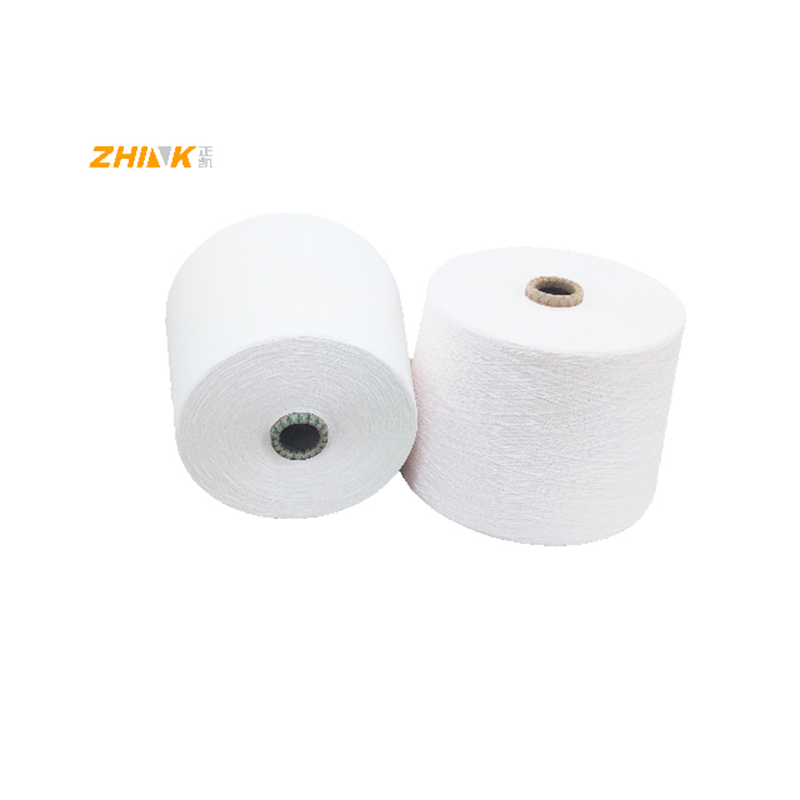
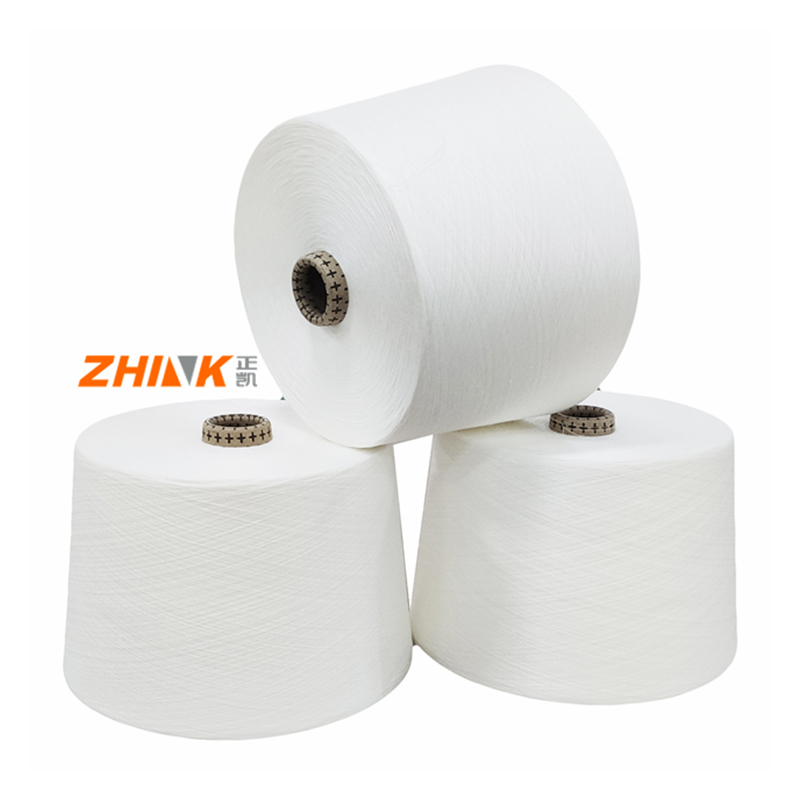
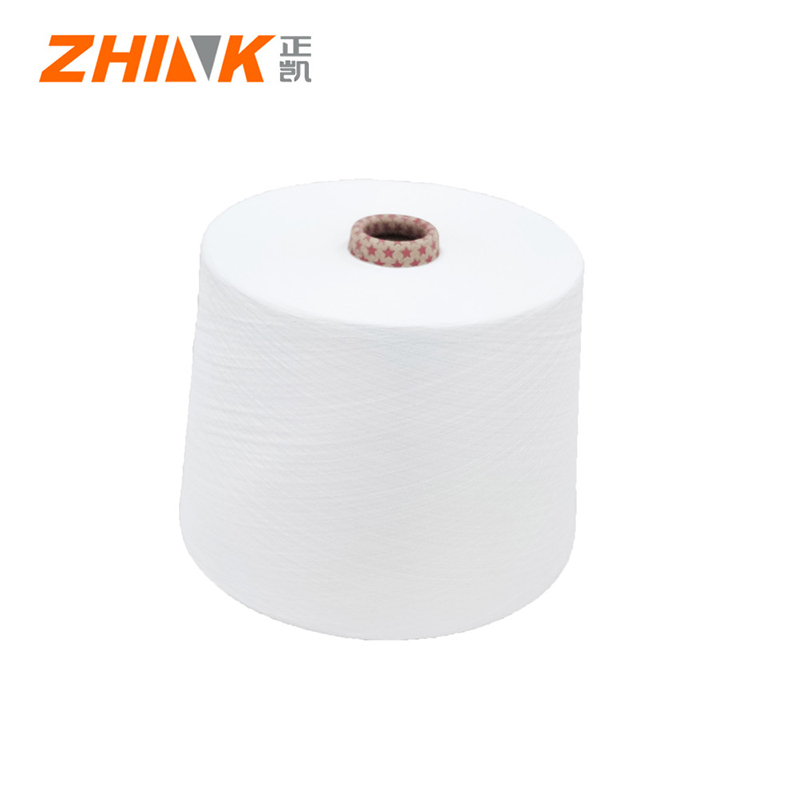
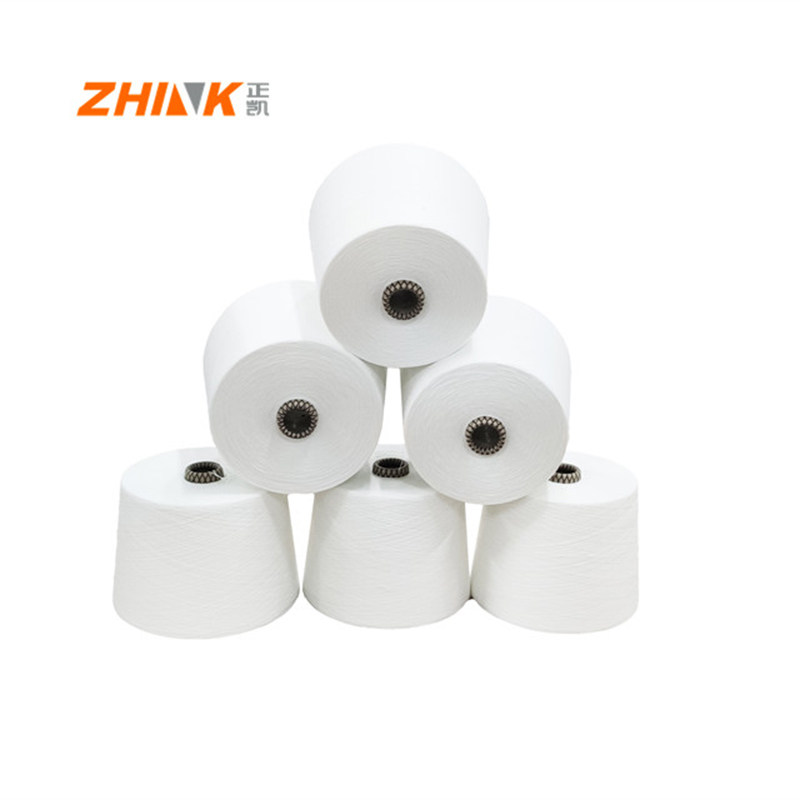
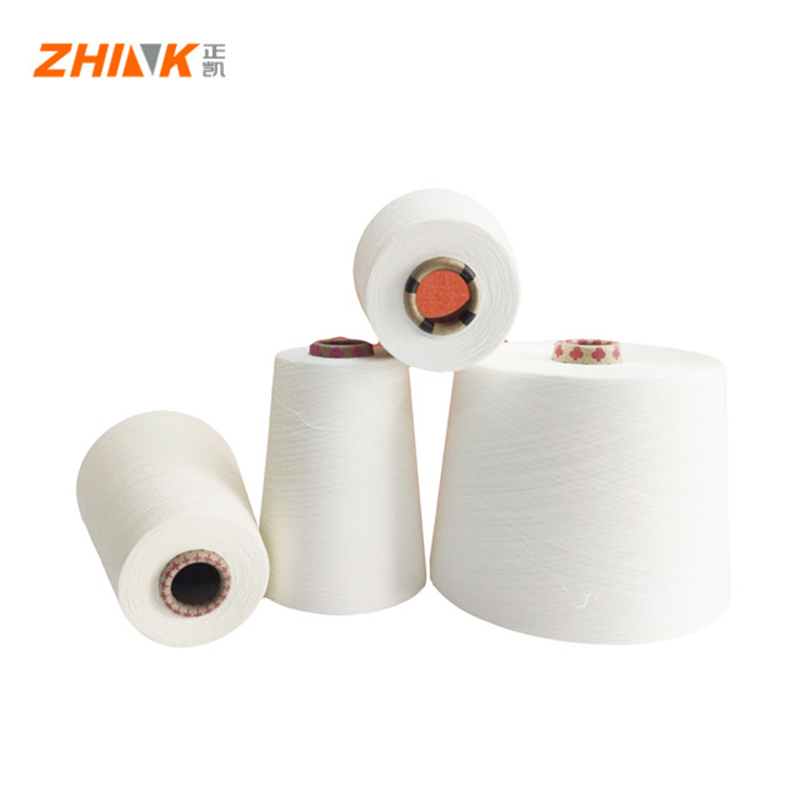
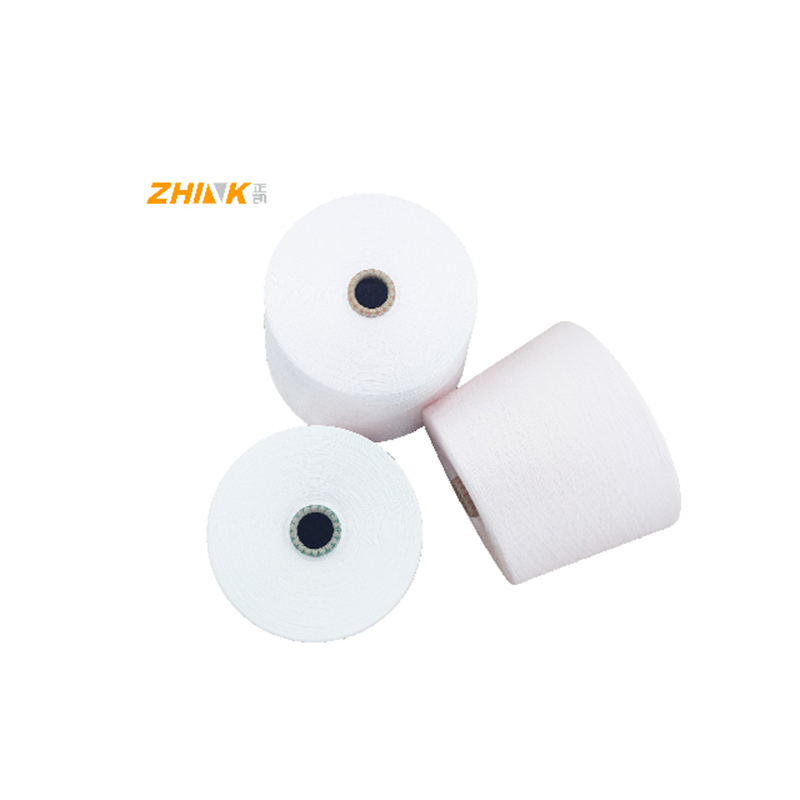
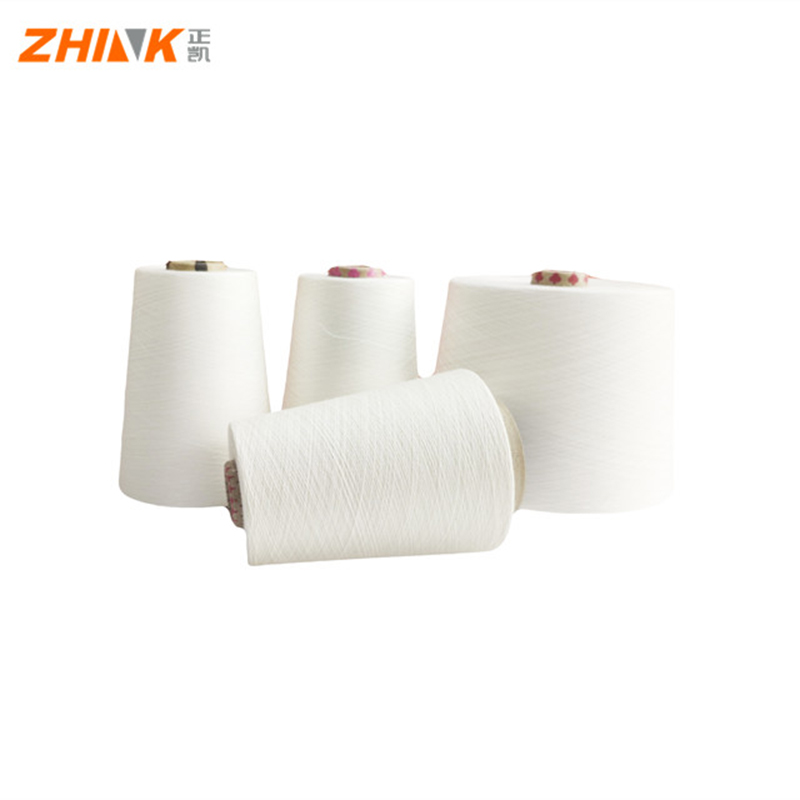
Combed cotton blended yarn for weaving
The Significance of Combed Cotton Blended Yarn in Weaving
Combed cotton blended yarn stands out in the weaving industry for its enhanced quality and texture. While often misunderstood, its distinct properties provide substantial benefits for both producers and consumers. Let's delve into what makes this material a valuable component in textile manufacturing.
Understanding Combed Cotton Blended Yarn
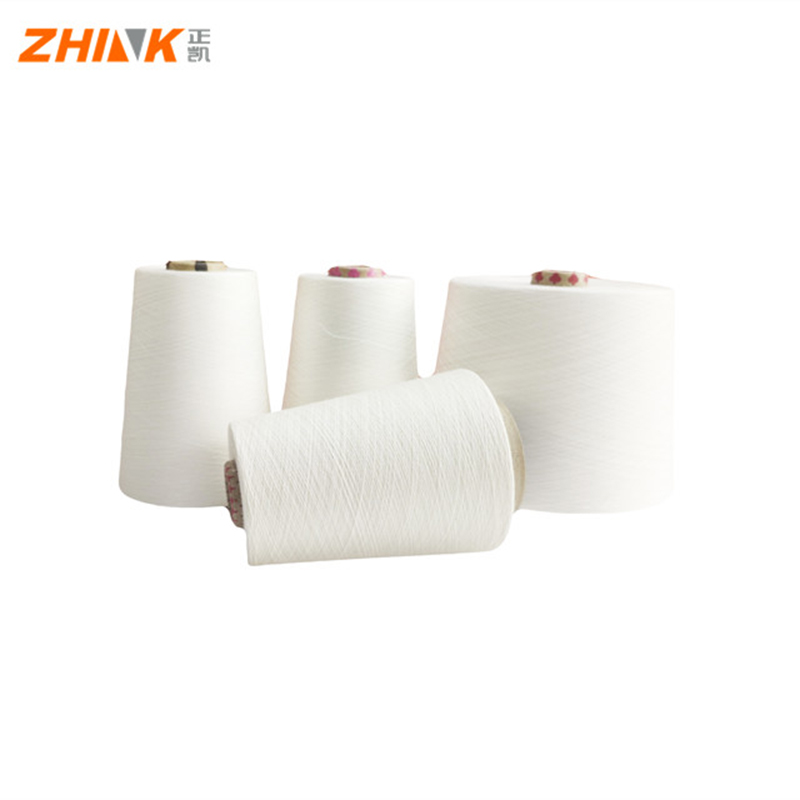
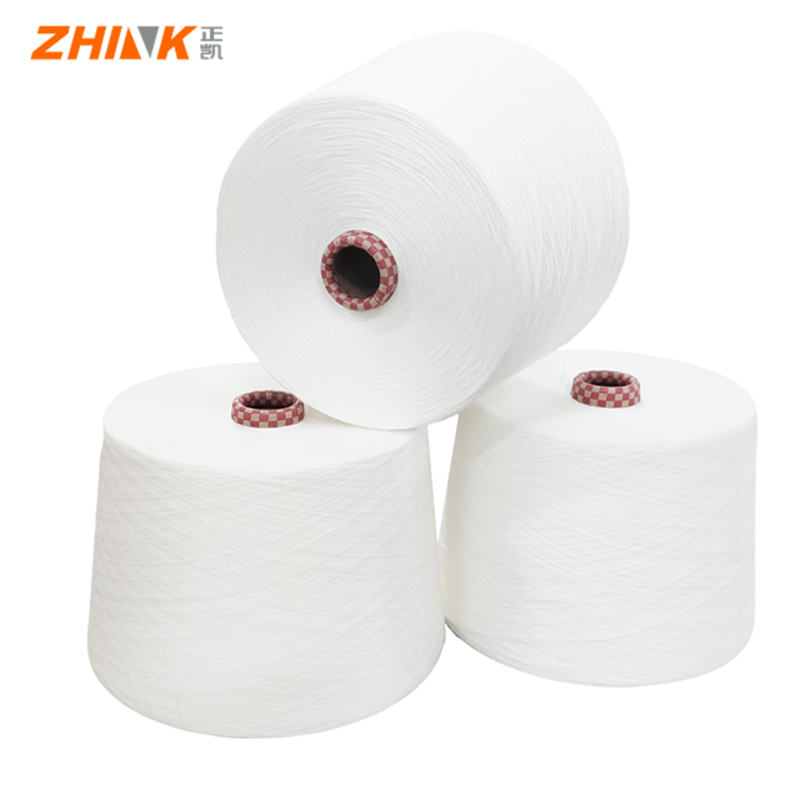
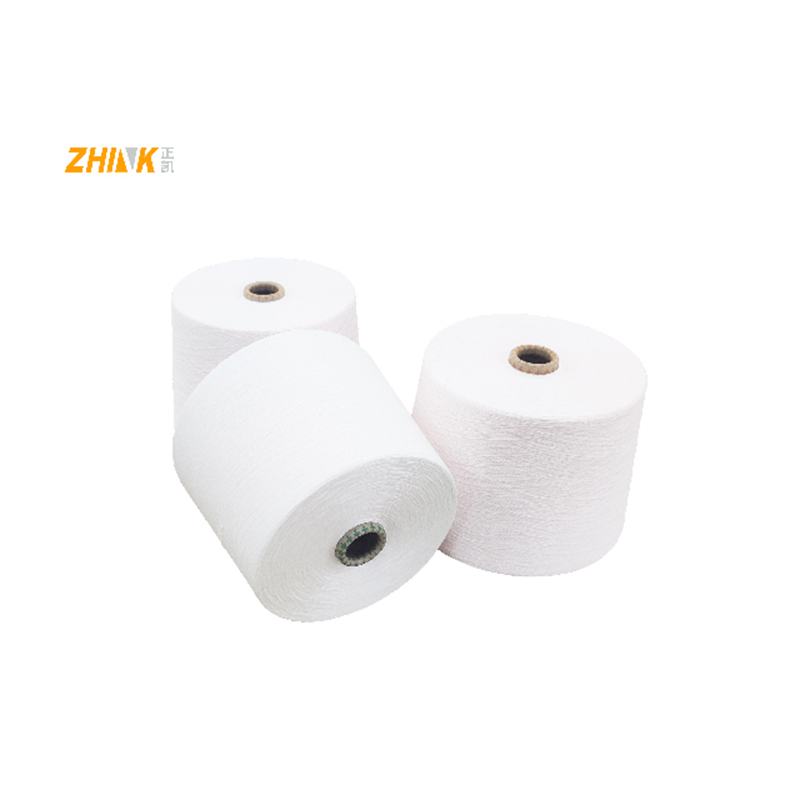
When we talk about combed cotton blended yarn, we’re referring to a refined cotton yarn that's been meticulously processed to remove impurities and shorter fibers. This results in yarn that is smoother and more robust, the ideal candidate for weaving high-quality fabrics. A common misconception among some newcomers is expecting combed cotton to be extremely coarse due to the term combed, but the reality is quite the opposite. The combed yarn is famously soft and durable.
My early experience with this material bears out its utility. In my first project at SHANDONG ZHINK NEW MATERIAL CO., LTD, where we specialize in innovative textile solutions, I witnessed firsthand how blended yarns performed in a variety of settings. The softer texture and consistency in diameter proved to be advantageous in creating a fabric that not only looks good but lasts longer.
The blending process typically combines cotton with other fibers to enhance these properties further or introduce new attributes. For instance, blending with synthetics can improve elasticity or moisture-wicking capabilities, making it particularly appealing in the production of sportswear.
The Production Process: A Closer Look
It might surprise some to learn how meticulous the production process can be. At Zhink New Material, we ensure precise control over every stage, from selecting the right raw cotton to the blending of fibers. The use of state-of-the-art technology in spinning and blending helps create yarns with the desired characteristics. However, there are always challenges.
One notable hurdle is achieving the perfect blend ratio. Getting the balance just right can be tricky and may require several trials. On one occasion, we experimented with a new material combination, expecting improved performance but found it lacked the expected tensile strength. It was a clear reminder that innovation requires willingness to adapt and learn.
Another focus area is sustainability. The industry is increasingly leaning towards eco-friendly practices, and combed cotton blended yarn offers a path forward. By choosing sustainable fibers and optimizing production techniques, we at Zhink contribute to reducing environmental impact while continuing to innovate.
Applications in Different Fabrics
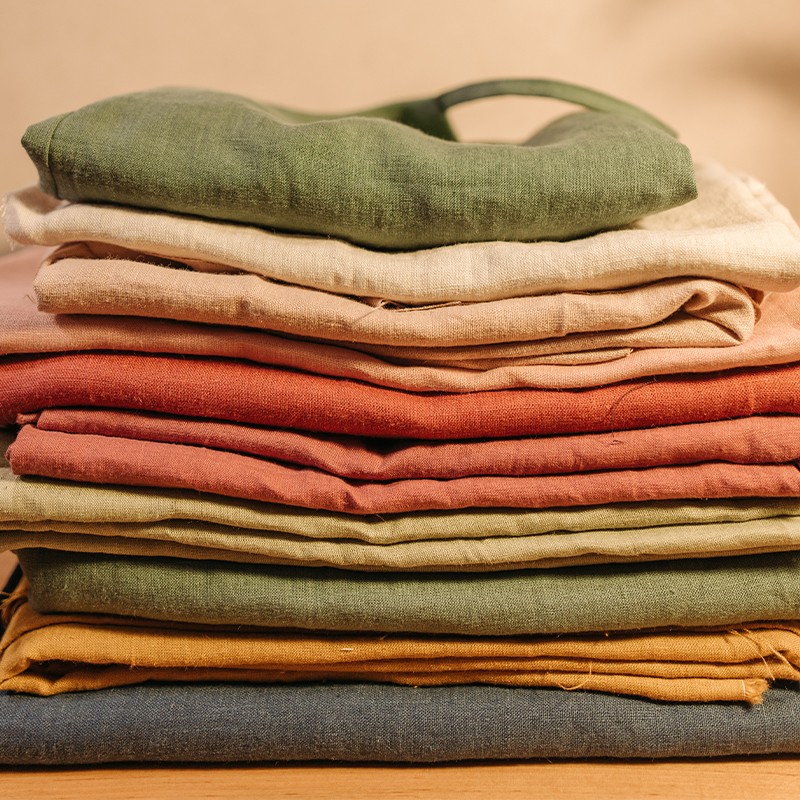
The use of combed cotton blended yarn isn't limited to one type of product. Its versatility allows it to fit comfortably into various categories of textiles. From luxurious bed linens to everyday wear, this yarn offers comfort and longevity.
In weaving, attention to detail is everything. The choice of yarn determines the texture and function of the final product. I’ve seen how our clients at Zhink appreciate the quality of combed cotton blends, particularly in home textiles. The feel of a fabric woven from superior yarn is noticeably different, offering the end-user a sensory experience that's difficult to match with less refined materials.
We also cater to niche markets. For instance, the demand for hypoallergenic fabrics leads us to craft specialty yarns that cater to specific needs. The combination of cotton with certain synthetic materials can offer properties like enhanced breathability and allergen resistance.
Challenges in the Weaving Industry
While the qualities of combed cotton blended yarn are evident, the weaving industry itself faces numerous challenges. From fluctuating raw material prices to evolving consumer expectations, producers must navigate a complex landscape.
For example, maintaining yarn consistency when scaling production can be quite challenging. There have been instances when a sudden spike in demand led to temporary compromises in quality, a situation that requires careful management and attention to quality control protocols.
Then there's the question of cost. Combed cotton blended yarn can be more expensive to produce than other types of yarn, but the benefits often justify the higher price. It's a fine balance of quality and affordability that every manufacturer needs to consider.
Looking Ahead: The Future of Textile Innovation
The future seems promising for combed cotton blended yarn. With ongoing research and advancements in textile technology, like that pursued at Zhink, new blends and applications are constantly being explored. There's potential for innovation that can redefine what we understand about textile materials.
Emerging technologies like smart textiles present new opportunities. Imagine a fabric that not only feels great but can also perform functions like temperature regulation or health monitoring. The integration of such features could very well be around the corner, revolutionizing how we think about clothing and fabrics.
As we at SHANDONG ZHINK NEW MATERIAL CO., LTD continue to explore these possibilities, the role of combed cotton blended yarn is set to expand. The pursuit of quality, versatility, and sustainability will guide future developments, cementing its place in the ever-evolving world of textiles. For more on our initiatives, check out our website at Zhink New Material.
Related Products
Related Products