+86-632-3621866
- Chinese
- French
- German
- Portuguese
- Spanish
- Russian
- Japanese
- Korean
- Arabic
- Irish
- Greek
- Turkish
- Italian
- Danish
- Romanian
- Indonesian
- Czech
- Afrikaans
- Swedish
- Polish
- Basque
- Catalan
- Esperanto
- Hindi
- Lao
- Albanian
- Amharic
- Armenian
- Azerbaijani
- Belarusian
- Bengali
- Bosnian
- Bulgarian
- Cebuano
- Chichewa
- Corsican
- Croatian
- Dutch
- Estonian
- Filipino
- Finnish
- Frisian
- Galician
- Georgian
- Gujarati
- Haitian
- Hausa
- Hawaiian
- Hebrew
- Hmong
- Hungarian
- Icelandic
- Igbo
- Javanese
- Kannada
- Kazakh
- Khmer
- Kurdish
- Kyrgyz
- Latin
- Latvian
- Lithuanian
- Luxembou..
- Macedonian
- Malagasy
- Malay
- Malayalam
- Maltese
- Maori
- Marathi
- Mongolian
- Burmese
- Nepali
- Norwegian
- Pashto
- Persian
- Punjabi
- Serbian
- Sesotho
- Sinhala
- Slovak
- Slovenian
- Somali
- Samoan
- Scots Gaelic
- Shona
- Sindhi
- Sundanese
- Swahili
- Tajik
- Tamil
- Telugu
- Thai
- Ukrainian
- Urdu
- Uzbek
- Vietnamese
- Welsh
- Xhosa
- Yiddish
- Yoruba
- Zulu
- Kinyarwanda
- Tatar
- Oriya
- Turkmen
- Uyghur


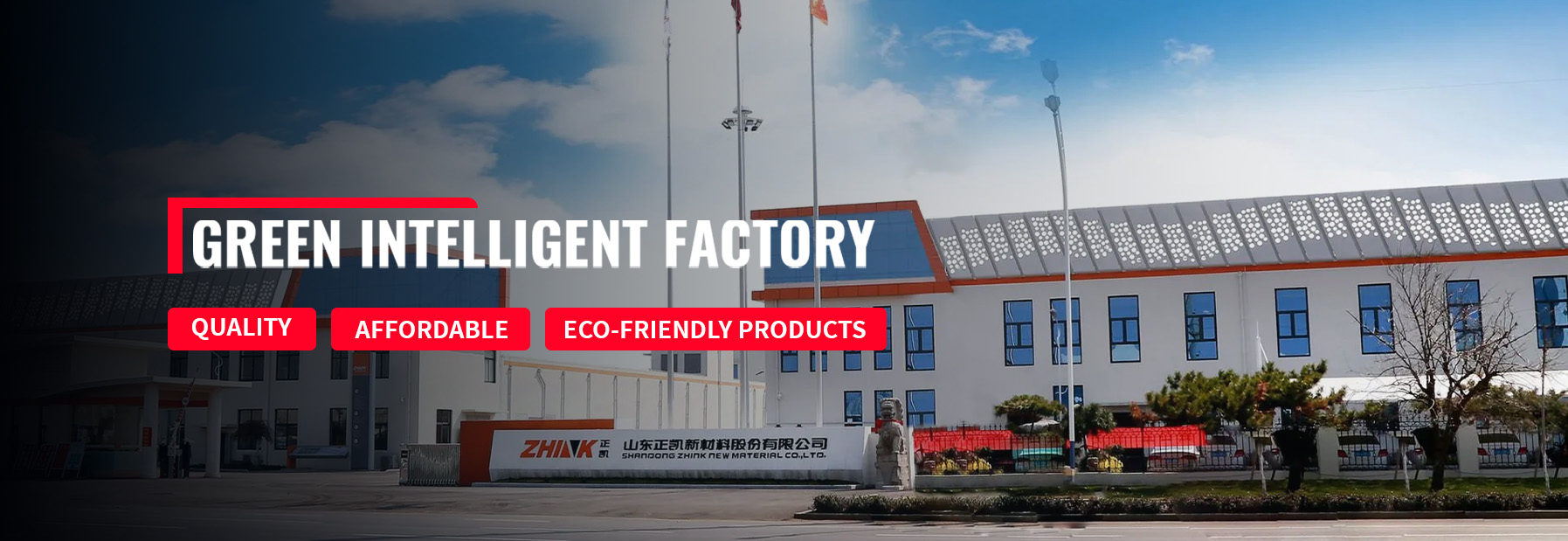
Cool and Quick Drying PSF
Exploring the Benefits of Cool and Quick Drying PSF in Textiles
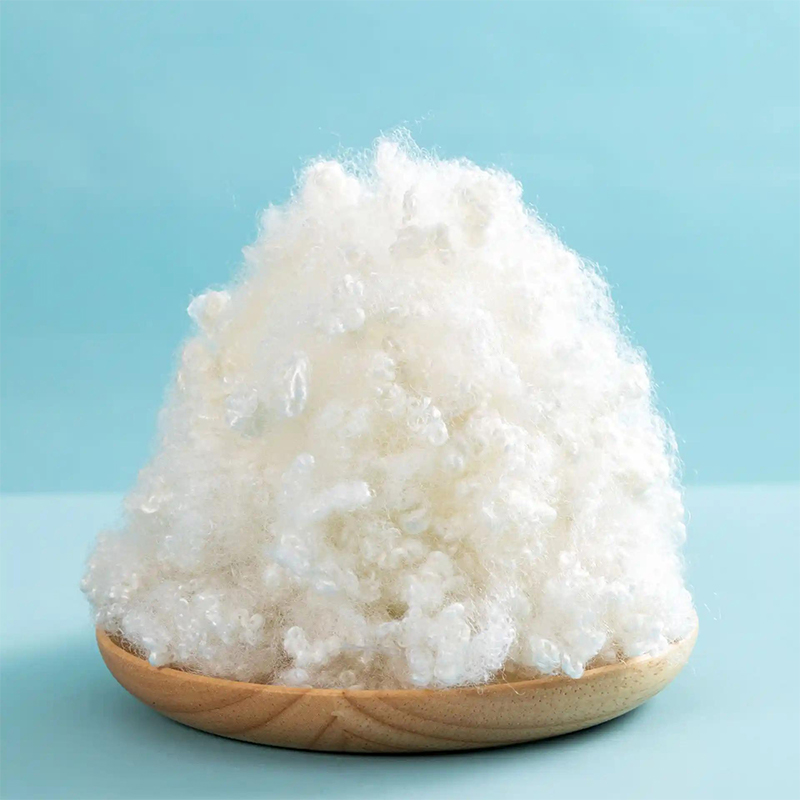
Cool and Quick Drying PSF (Polyester Staple Fiber) promises revolutionary advances in comfort and performance. Understanding its impact on both end users and manufacturers reveals intriguing insights into its transformative potential in the textile industry.
Understanding Cool and Quick Drying PSF
Having been involved with new textile materials for a while, I've seen many buzzwords come and go. But there's something about Cool and Quick Drying PSF that feels different. It's not just marketing fluff; it truly offers a tangible difference, particularly in athletic and casual wear. The engineering behind these fibers focuses on moisture management, essentially enhancing breathability and promoting rapid evaporation.
But what does it mean practically? Imagine a long hiking day where the humidity makes even advanced fabrics feel inadequate. Luckily, this new generation of PSF steps up by dispersing moisture swiftly, leading to evaporative cooling and general comfort. It's a subtle but significant game-changer for clothing manufacturers aiming to offer premium quality at a consumer-friendly price.
Yet, there's always a catch with innovation. Integrating these advanced fibers into existing production lines can bring unexpected challenges—from calibrating machines to ensuring fiber compatibility in blends. It requires meticulous planning and often a bit of recalibration in workflow, something that companies like SHANDONG ZHINK NEW MATERIAL CO., LTD, known for their expertise in textile material research, consistently manage well.
The Manufacturing Perspective
At an operational level, the efficiency of Cool and Quick Drying PSF can also translate into savings. The faster drying times not only appeal to consumers but also streamline manufacturing processes. Reduced energy consumption in drying facilities is a direct benefit, leading to lower production costs and a smaller carbon footprint.
There are, of course, technical details to master. Ensuring fiber uniformity is one challenge, as any inconsistency can lead to fabric defects or uneven coloration during dyeing. But with robust quality controls, these hurdles are navigable. Involvement in R&D, much like what Zhink New Material excels at, becomes indispensable to hone these processes continuously.
I've seen firsthand how varied applications can be. From activewear to home textiles, each end-use presents unique requirements, demanding specific tweaks in the polymer chemistry or filament structure. Each variant serves a purpose, driven by consumer feedback and market trends.
Real-world Application and Testing
It's vital to recognize that while lab results are promising and necessary, they don't always mirror real-world wear. Testing under actual conditions is crucial. In my experience, field tests and consumer trials reveal surprising insights that can significantly influence subsequent production batches.
For instance, a recent collaboration with a sports apparel brand showed fascinating results. While lab tests highlighted great moisture-wicking performance, field trials helped refine fiber blends to optimize skin feel during high-intensity activities.
Observing how consumers interact with materials helps identify potential improvements that aren't visible at first glance. Feedback loops with design teams and end-users become a valuable asset, sparking innovation and practical adjustments.
Quality Assurance in Production
One can't overstate the importance of quality assurance in this domain. However minor it might seem, any oversight in the material's inherent properties can affect product reception. On-site inspections and rigorous testing protocols ensure product consistency and reliability.
Zhink New Material emphasizes precision in its production line, maintaining strict quality standards that many smaller operations struggle to replicate. This meticulous attention serves as a benchmark in today's competitive landscape, helping maintain market trust.
Another overlooked detail is recyclability. Some manufacturers focus solely on the immediate benefits without considering end-of-life management. Ensuring that Cool and Quick Drying PSF products can be recycled or responsibly disposed of is an ethical responsibility that forward-thinking companies are beginning to adopt.
Future Prospects and Developments
As consumer awareness grows, so does the demand for sustainable innovation. The path forward for Cool and Quick Drying PSF lies in its weaving into smart textiles, potentially integrating with IoT devices for real-time health monitoring and feedback.
Can we envision a future where our clothing not only wicks moisture but also adapts to our body's temperature autonomously? The possibilities are endless, and with stakeholders like SHANDONG ZHINK NEW MATERIAL CO., LTD at the forefront, exciting developments should be on the horizon.
It's clear that in this era of rapidly advancing technology, investing in material science will continue to pay dividends. The journey of integrating innovative fibers into everyday textiles is both challenging and rewarding, ensuring a blend of practicality and futuristic promise.
Related Products
Related Products