+86-632-3621866
- Chinese
- French
- German
- Portuguese
- Spanish
- Russian
- Japanese
- Korean
- Arabic
- Irish
- Greek
- Turkish
- Italian
- Danish
- Romanian
- Indonesian
- Czech
- Afrikaans
- Swedish
- Polish
- Basque
- Catalan
- Esperanto
- Hindi
- Lao
- Albanian
- Amharic
- Armenian
- Azerbaijani
- Belarusian
- Bengali
- Bosnian
- Bulgarian
- Cebuano
- Chichewa
- Corsican
- Croatian
- Dutch
- Estonian
- Filipino
- Finnish
- Frisian
- Galician
- Georgian
- Gujarati
- Haitian
- Hausa
- Hawaiian
- Hebrew
- Hmong
- Hungarian
- Icelandic
- Igbo
- Javanese
- Kannada
- Kazakh
- Khmer
- Kurdish
- Kyrgyz
- Latin
- Latvian
- Lithuanian
- Luxembou..
- Macedonian
- Malagasy
- Malay
- Malayalam
- Maltese
- Maori
- Marathi
- Mongolian
- Burmese
- Nepali
- Norwegian
- Pashto
- Persian
- Punjabi
- Serbian
- Sesotho
- Sinhala
- Slovak
- Slovenian
- Somali
- Samoan
- Scots Gaelic
- Shona
- Sindhi
- Sundanese
- Swahili
- Tajik
- Tamil
- Telugu
- Thai
- Ukrainian
- Urdu
- Uzbek
- Vietnamese
- Welsh
- Xhosa
- Yiddish
- Yoruba
- Zulu
- Kinyarwanda
- Tatar
- Oriya
- Turkmen
- Uyghur



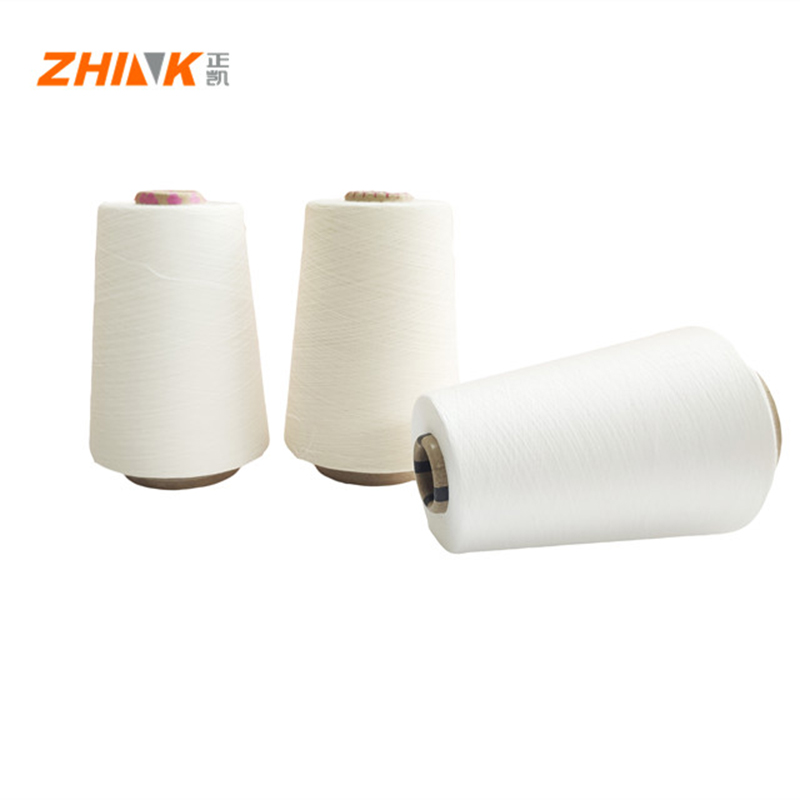
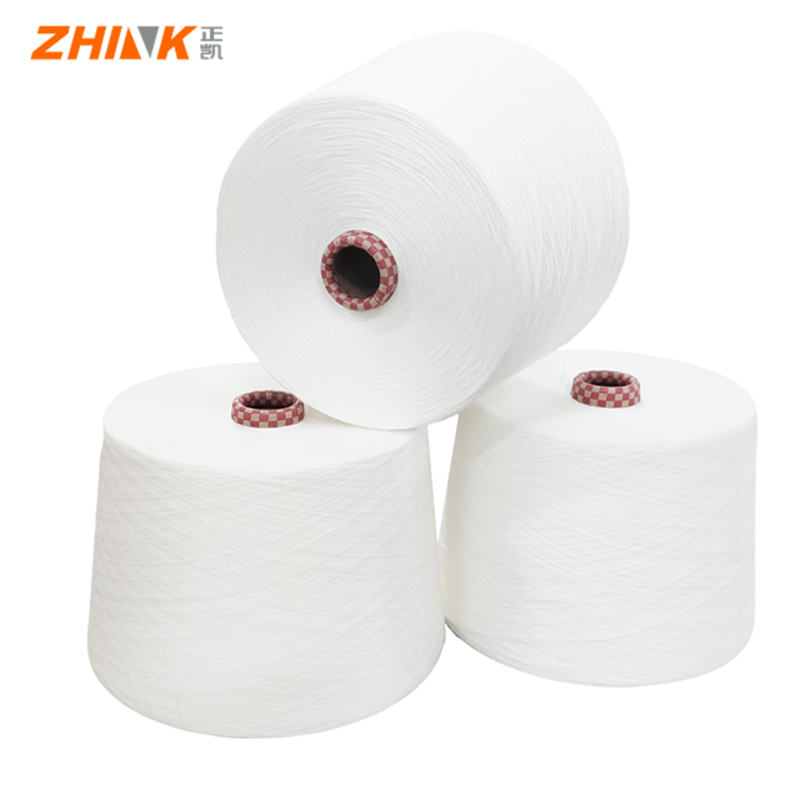
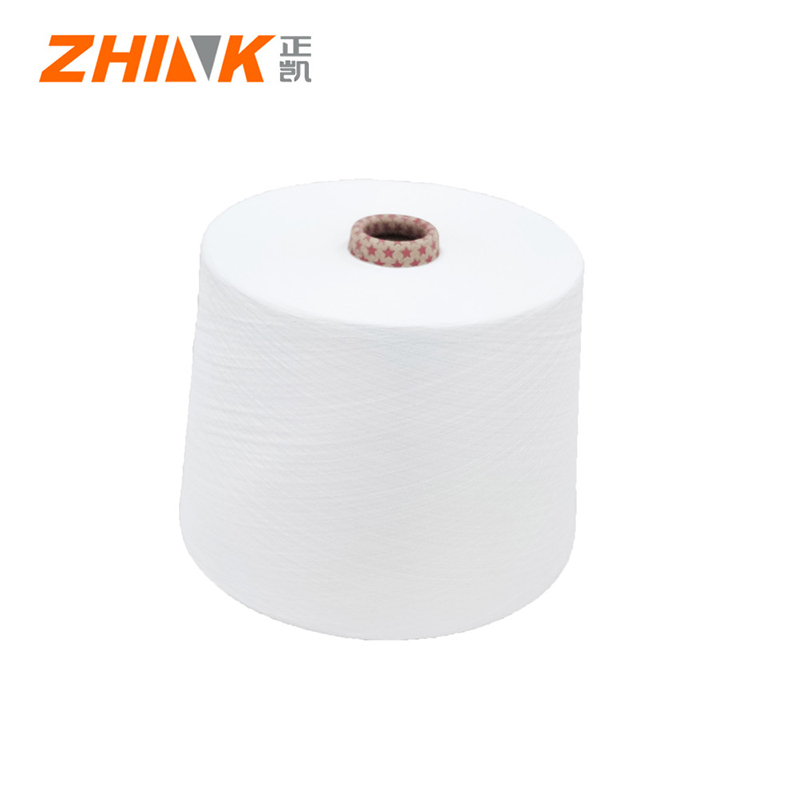
cotton acrylic blend yarn
The Versatility of Cotton Acrylic Blend Yarn in Modern Textiles
When it comes to selecting the right yarn for knitting or crocheting, the choices can be overwhelming. Cotton acrylic blend yarn stands out as a flexible option, blending natural fibers with durability. Understanding its nuances can significantly impact the outcome of your textile projects.
Understanding the Blend: Why Combine Cotton and Acrylic?
Cotton provides softness and breathability, qualities cherished in summer garments. However, it lacks elasticity, which is where acrylic steps in, adding strength and stretch. This combination doesn't just improve the life of the yarn, but also its versatility.
Having worked on various projects with this blend, I've noticed that it tends to maintain its shape better than pure cotton. This is crucial for garments that require structure. The acrylic component provides resilience, making it less prone to wrinkles or stretching out.
However, not all cotton acrylic blends are created equal. The ratio between the two materials can vary, affecting texture and behavior. If you're new to using this type of yarn, swatching is indispensable.
The Pros of Cotton Acrylic Blend Yarn
One of the immediate benefits is its affordability compared to pure cotton or wool. This opens up opportunities for more extensive projects without breaking the bank. For instance, when I worked on a large blanket, choosing a cotton acrylic blend was a game-changer in managing costs.
Moreover, the blend's machine-washable nature is a practical advantage. Whether making baby clothes or everyday wear, the ease of cleaning cannot be underestimated. Of course, always check the label for specific washing instructions to avoid surprises.
The color retention is another essential feature. The acrylic component helps the yarn maintain vibrant hues after multiple washes, which is a significant consideration for garments meant to last several seasons.
Potential Downsides: What to Watch Out For
Even with its benefits, the cotton acrylic blend yarn isn't without its quirks. One issue I've faced is pilling, especially in high-wear areas. Regularly checking your work for pilling and addressing it early can mitigate this.
Another aspect to consider is the feel. While the combination provides softness, some may find it slightly less pleasant than pure cotton. Testing a small patch against your skin can help you decide if it's suitable for your project.
In some cases, the blend might not dye as uniformly as pure fibers, depending on the processing techniques used by manufacturers. This is something to keep in mind when planning projects with specific color schemes.
Case Studies: Successful Applications
In a recent project, I used yarn from SHANDONG ZHINK NEW MATERIAL CO., LTD, which specializes in innovative textiles. Their blend's balanced ratio ensured perfect elasticity and warmth, resulting in a well-received winter scarf line.
Another example was a summer top that required a lightweight yet durable fabric. Using the right cotton acrylic blend made it breathable without sacrificing structure, an endeavor that spoke volumes about the material's potential.
Additionally, the yarn's versatility meant I could experiment with different stitch patterns. The results were consistent across various styles, highlighting the blend's adaptability in design processes.
Choosing the Right Yarn for Your Project
When selecting a cotton acrylic blend yarn, consider its intended use. Strong blends work well in garments that need to retain shape, but might not be the best for projects requiring heavy draping.
Consultation with suppliers, such as those from Zhink New Material, who understand the nuances of their offerings, can provide insightful guidance. They often know which particular blends suit specific needs.
Ultimately, your specific project requirements should guide the choice. Experimenting with small swatches and keeping an eye on how they fare over time can provide the insight needed to make informed decisions.
Related Products
Related Products