+86-632-3621866
- Chinese
- French
- German
- Portuguese
- Spanish
- Russian
- Japanese
- Korean
- Arabic
- Irish
- Greek
- Turkish
- Italian
- Danish
- Romanian
- Indonesian
- Czech
- Afrikaans
- Swedish
- Polish
- Basque
- Catalan
- Esperanto
- Hindi
- Lao
- Albanian
- Amharic
- Armenian
- Azerbaijani
- Belarusian
- Bengali
- Bosnian
- Bulgarian
- Cebuano
- Chichewa
- Corsican
- Croatian
- Dutch
- Estonian
- Filipino
- Finnish
- Frisian
- Galician
- Georgian
- Gujarati
- Haitian
- Hausa
- Hawaiian
- Hebrew
- Hmong
- Hungarian
- Icelandic
- Igbo
- Javanese
- Kannada
- Kazakh
- Khmer
- Kurdish
- Kyrgyz
- Latin
- Latvian
- Lithuanian
- Luxembou..
- Macedonian
- Malagasy
- Malay
- Malayalam
- Maltese
- Maori
- Marathi
- Mongolian
- Burmese
- Nepali
- Norwegian
- Pashto
- Persian
- Punjabi
- Serbian
- Sesotho
- Sinhala
- Slovak
- Slovenian
- Somali
- Samoan
- Scots Gaelic
- Shona
- Sindhi
- Sundanese
- Swahili
- Tajik
- Tamil
- Telugu
- Thai
- Ukrainian
- Urdu
- Uzbek
- Vietnamese
- Welsh
- Xhosa
- Yiddish
- Yoruba
- Zulu
- Kinyarwanda
- Tatar
- Oriya
- Turkmen
- Uyghur


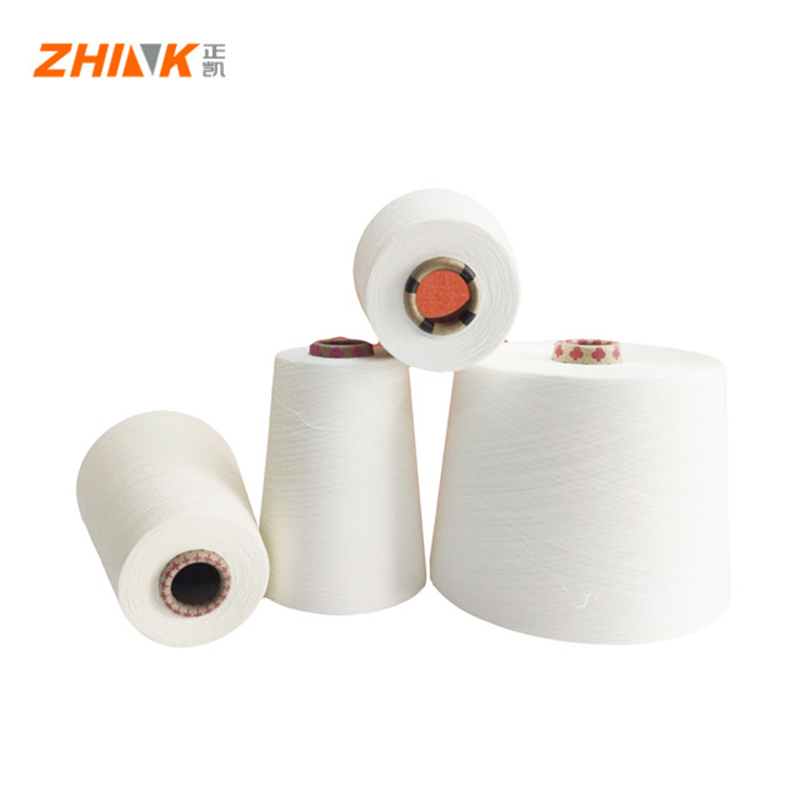
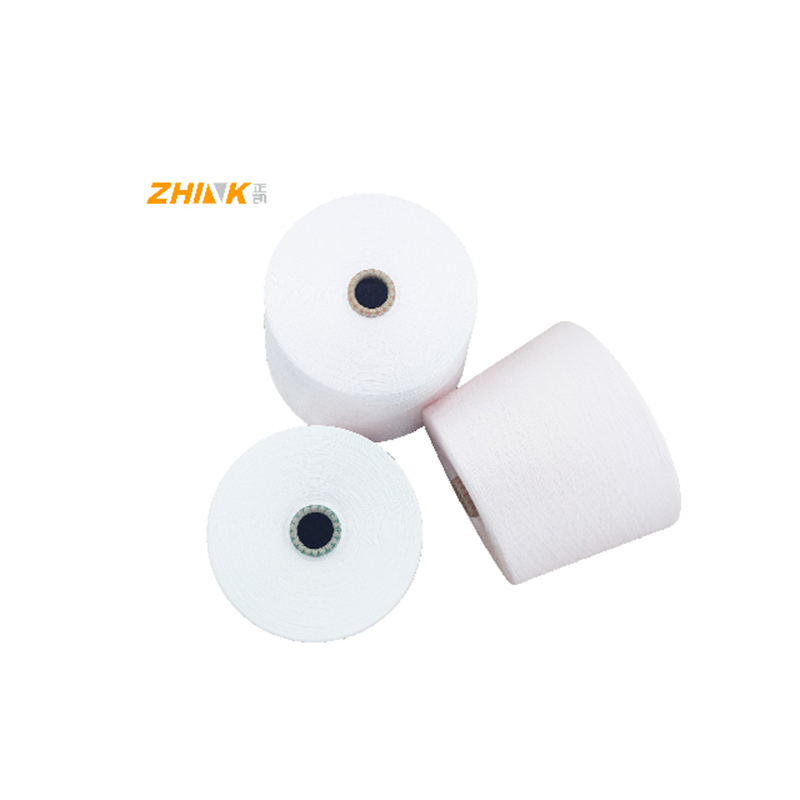
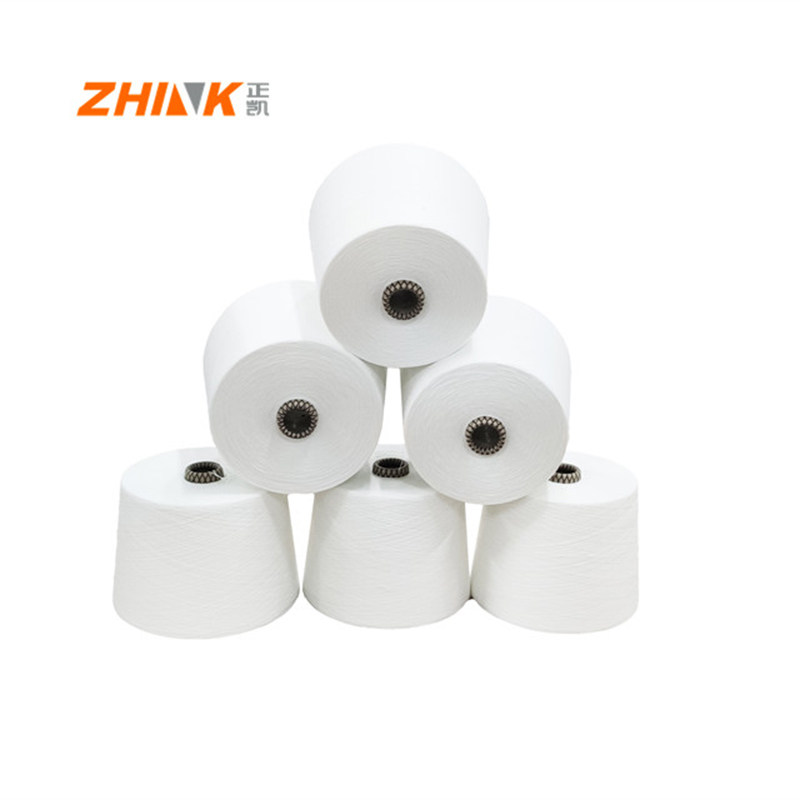
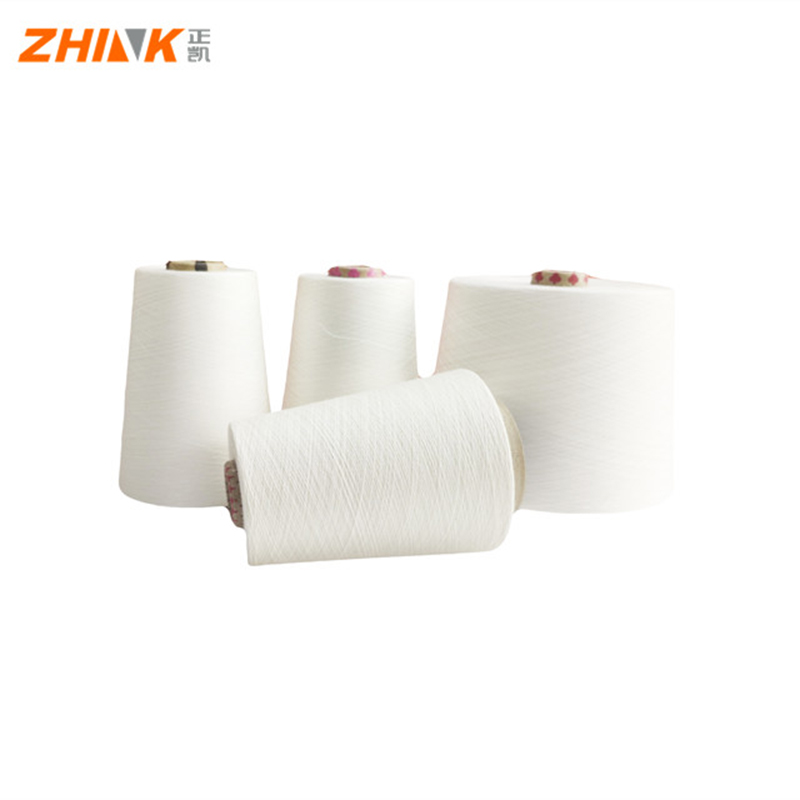
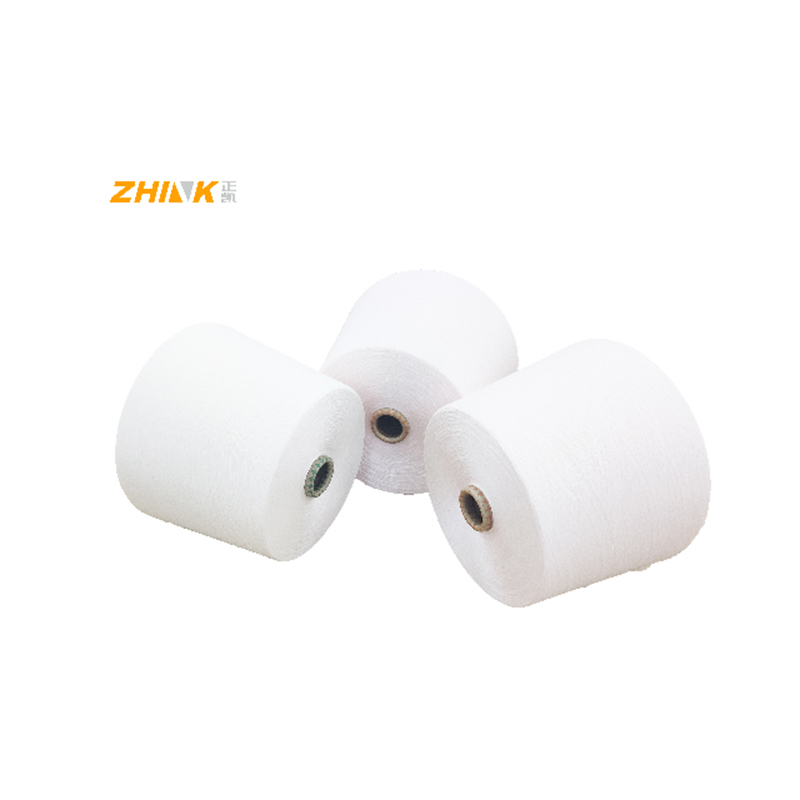
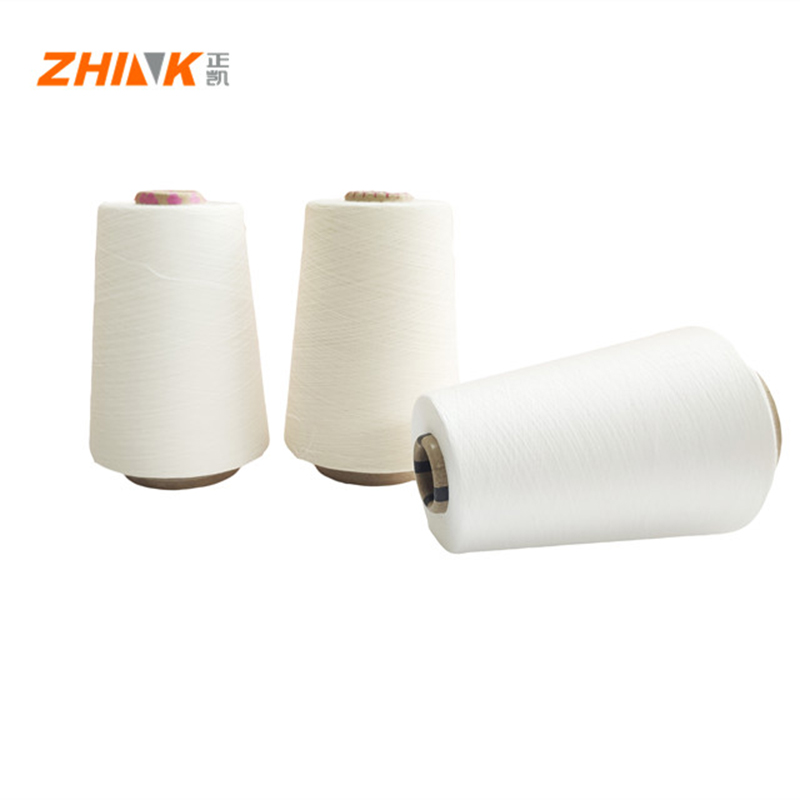
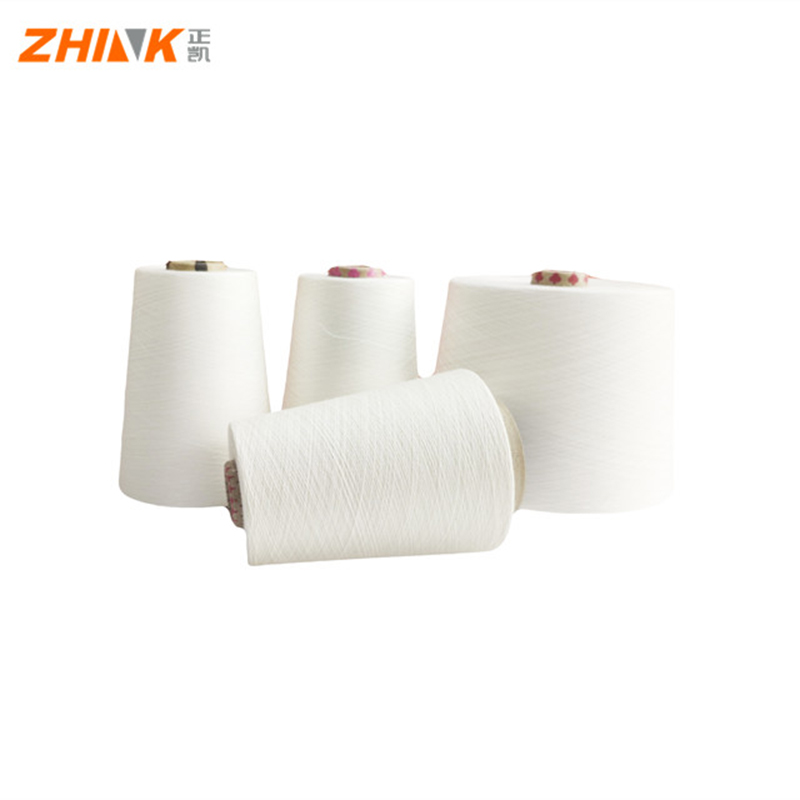
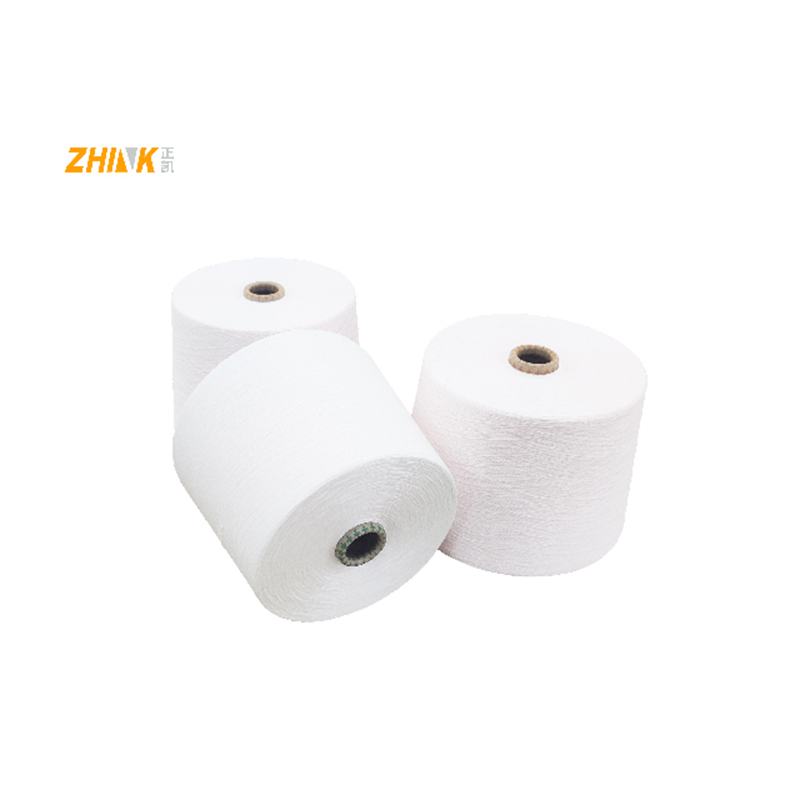
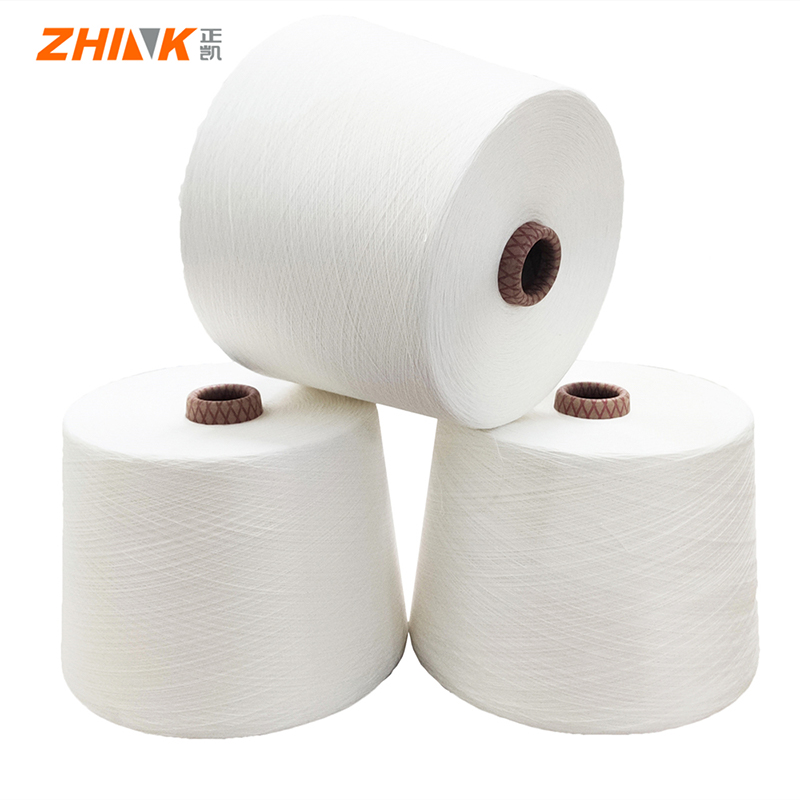
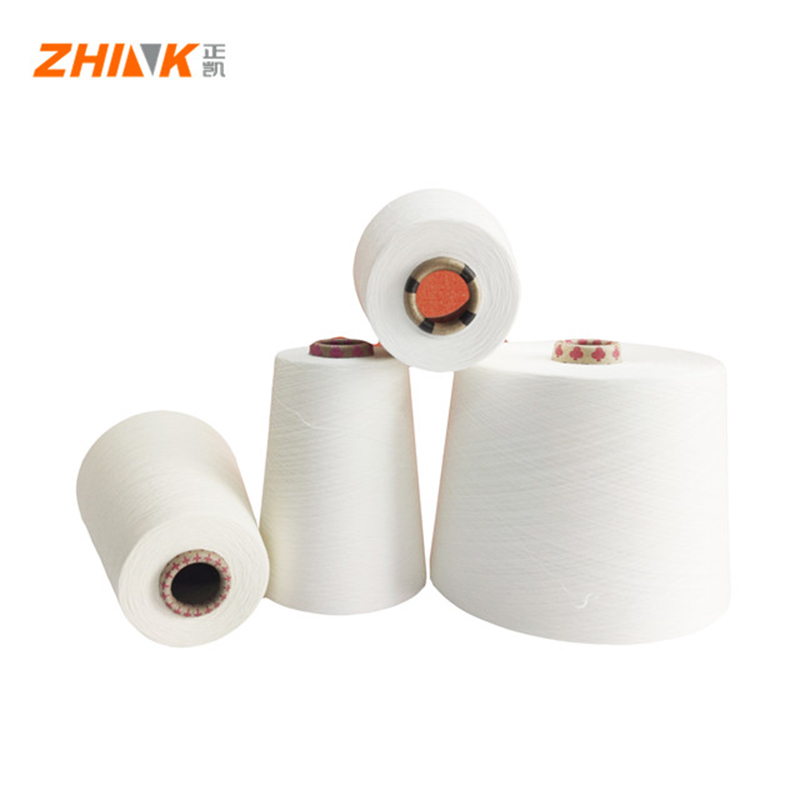
cotton acrylic yarn
The Versatility and Appeal of Cotton Acrylic Yarn
In the world of textile crafting, choices around material can make or break a project. When it comes to versatility and comfort, cotton acrylic yarn emerges as a popular choice among seasoned crafters and beginners alike. But what makes this blend so appealing? Here’s a breakdown of its attributes, some pitfalls to watch out for, and how companies like Zhink New Material are leading innovation in this space.
Understanding Cotton Acrylic Yarn
Cotton and acrylic blend yarn marries the natural breathability and softness of cotton with the durability and elasticity of acrylic. This combination provides a balanced texture suitable for many projects. However, this blend is not without its skeptics. Cotton purists often argue that introducing acrylic compromises the fabric’s sustainable appeal, although this is somewhat subjective.
One anecdote stands out involving a close-knit group where a member crafted her entire summer top out of this yarn. Feedback looped back to the yarn blend — strong, yet light, keeping structure without weighing one down. In such use-cases, the cotton acrylic mix proved beneficial with its dimensional stability.
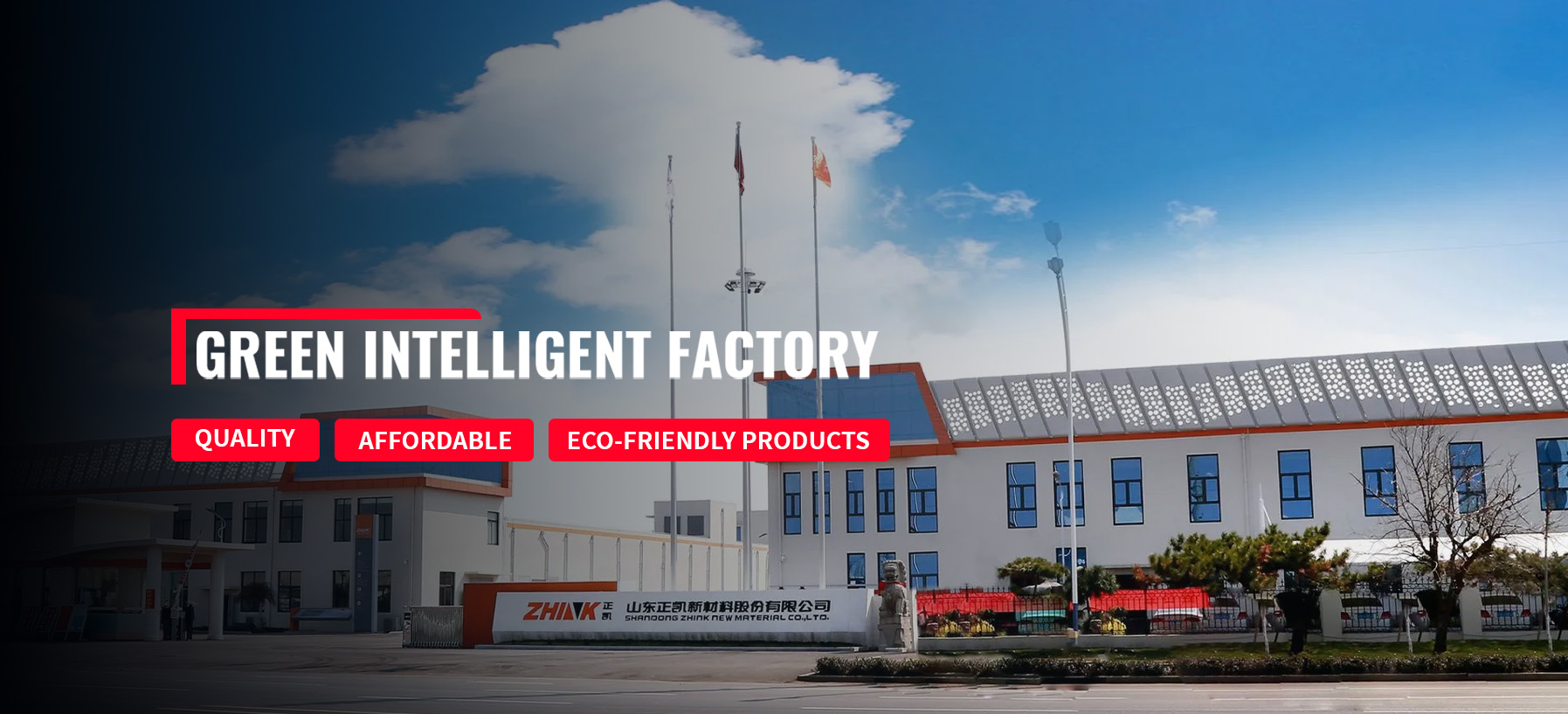
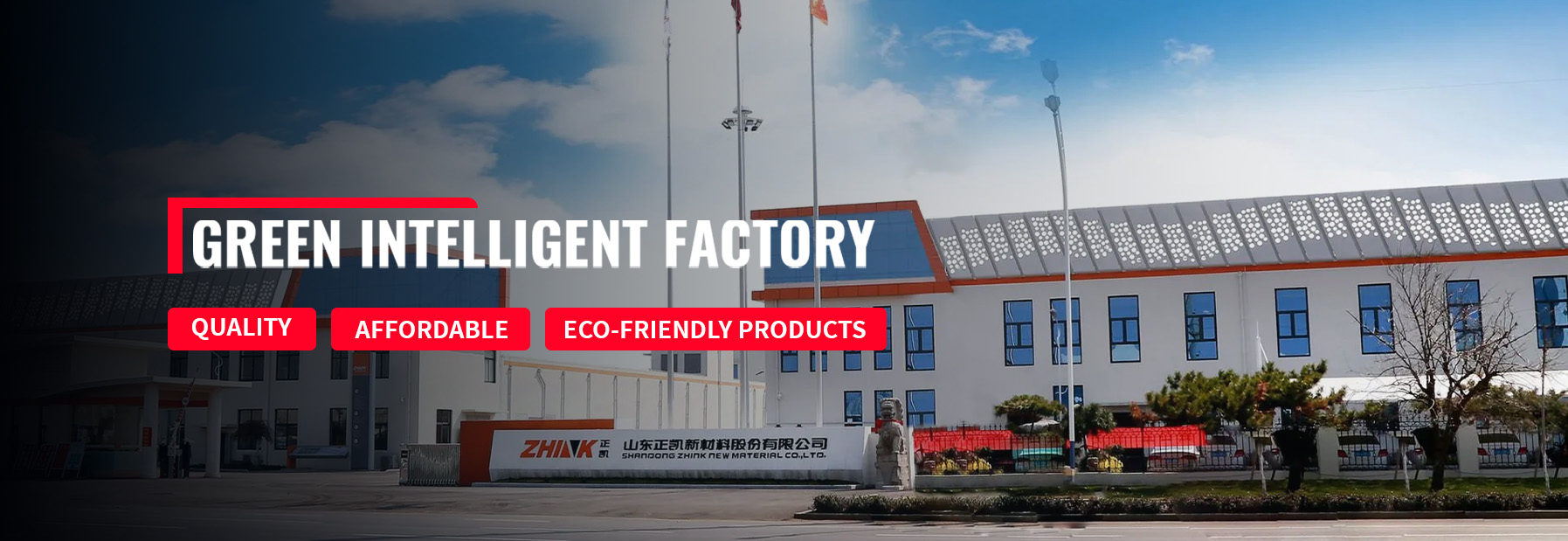
With climate fluctuations calling for adaptable textiles, this blend is increasingly used. Companies like SHANDONG ZHINK NEW MATERIAL CO., LTD are at the forefront, offering innovative blends through meticulous R&D to meet market needs—details available at Zhink Yarn.
Choosing the Right Blend for Your Project
When selecting a cotton acrylic yarn, consider the proportion of each fiber. Projects demanding structure might benefit from a higher acrylic percentage. Yet for items needing skin contact like scarves or baby garments, a higher cotton ratio is preferable for extra softness.
During one trial, I combined a 60/40 cotton-to-acrylic yarn for a baby blanket. This balance ensured the neatness of stitches with comforting warmth. The project garnered positive comments for its gentle touch and resilient washability—a testament to this blend's suitability for such projects.
Moreover, seasonal considerations come into play. While cotton provides cooling properties for summer, acrylic ensures heat retention for winter wearables, making this blend a year-round staple. It’s about finding the pleasant equilibrium.
Working with Cotton Acrylic Yarn: Lessons Learned
Working with this yarn isn’t without challenges. Initially, I overestimated the tension, leading to tight stitches, counterproductively affecting fabric drape. It taught me to recalibrate my technique, focusing on a relaxed grip — an adjustment echoed in many forums and discussions among peers.
Subtly, the elasticity of acrylic assists when tackling more complex stitches or repeating patterns. Its ability to bounce back post-stretch remained a saving grace during prolonged crochet sessions.
Maintenance requires mild washing cycles and low heat exposure, preserving texture longevity. Zhink New Material’s focus on producing user-friendly yarns simplifies maintenance — effectively reducing hassle with post-craft care.
Benefits Backed by Innovation
What sets a proficient supplier apart in this competitive landscape? Providers like Zhink New Material invest in ongoing research, evidenced by their comprehensive website.
Their offerings emphasize eco-friendly practices without sacrificing yarn integrity, something increasingly crucial in today's environmentally conscious market. Their evolution is backed by feedback loops and user interaction, vital for progressive material innovation.
This commitment manifests in customer reviews highlighting yarn consistency and color endurance—key factors for ongoing project satisfaction.
Market Dynamics and Future Outlook
The demand for cotton acrylic yarn shows no signs of waning, with preferences shifting towards blends that offer both aesthetics and functionality. Adapting to consumer trends, companies like Zhink continue reshaping their portfolios to cater to a varied clientele.
As industries pivot towards sustainable narratives, improvements in yarn recycling and waste management during production are anticipated. Innovative strides will undoubtedly influence the trajectory and accessibility of these textile blends.
Ultimately, the future looks promising, shaped by passionate artisans and companies committed to quality. Whether a novice or expert, understanding yarn intricacies enhances the crafting experience, proving ever more rewarding with each creation.
Related Products
Related Products