+86-632-3621866
- Chinese
- French
- German
- Portuguese
- Spanish
- Russian
- Japanese
- Korean
- Arabic
- Irish
- Greek
- Turkish
- Italian
- Danish
- Romanian
- Indonesian
- Czech
- Afrikaans
- Swedish
- Polish
- Basque
- Catalan
- Esperanto
- Hindi
- Lao
- Albanian
- Amharic
- Armenian
- Azerbaijani
- Belarusian
- Bengali
- Bosnian
- Bulgarian
- Cebuano
- Chichewa
- Corsican
- Croatian
- Dutch
- Estonian
- Filipino
- Finnish
- Frisian
- Galician
- Georgian
- Gujarati
- Haitian
- Hausa
- Hawaiian
- Hebrew
- Hmong
- Hungarian
- Icelandic
- Igbo
- Javanese
- Kannada
- Kazakh
- Khmer
- Kurdish
- Kyrgyz
- Latin
- Latvian
- Lithuanian
- Luxembou..
- Macedonian
- Malagasy
- Malay
- Malayalam
- Maltese
- Maori
- Marathi
- Mongolian
- Burmese
- Nepali
- Norwegian
- Pashto
- Persian
- Punjabi
- Serbian
- Sesotho
- Sinhala
- Slovak
- Slovenian
- Somali
- Samoan
- Scots Gaelic
- Shona
- Sindhi
- Sundanese
- Swahili
- Tajik
- Tamil
- Telugu
- Thai
- Ukrainian
- Urdu
- Uzbek
- Vietnamese
- Welsh
- Xhosa
- Yiddish
- Yoruba
- Zulu
- Kinyarwanda
- Tatar
- Oriya
- Turkmen
- Uyghur



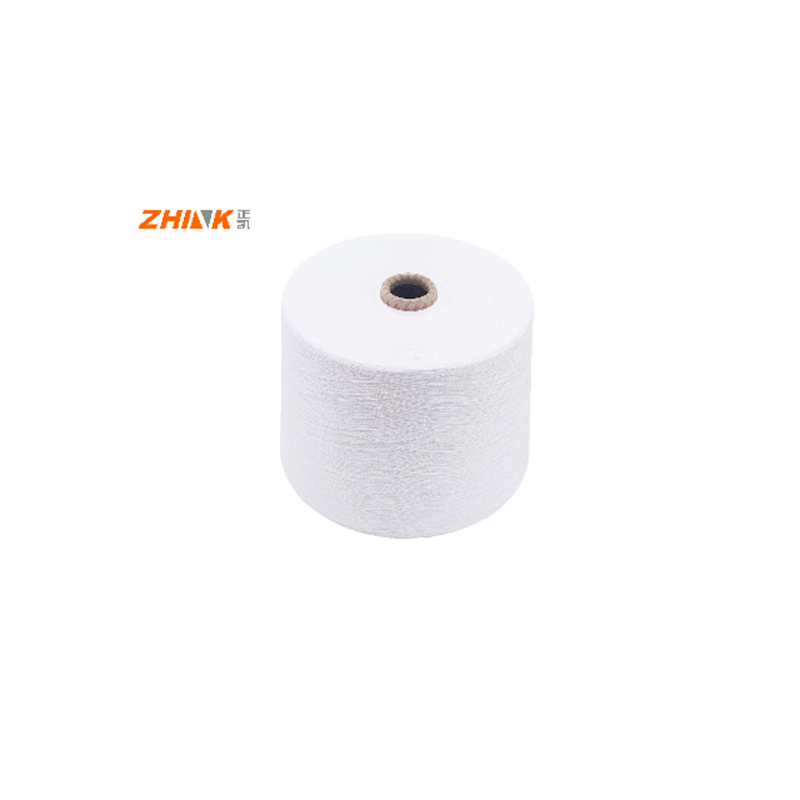
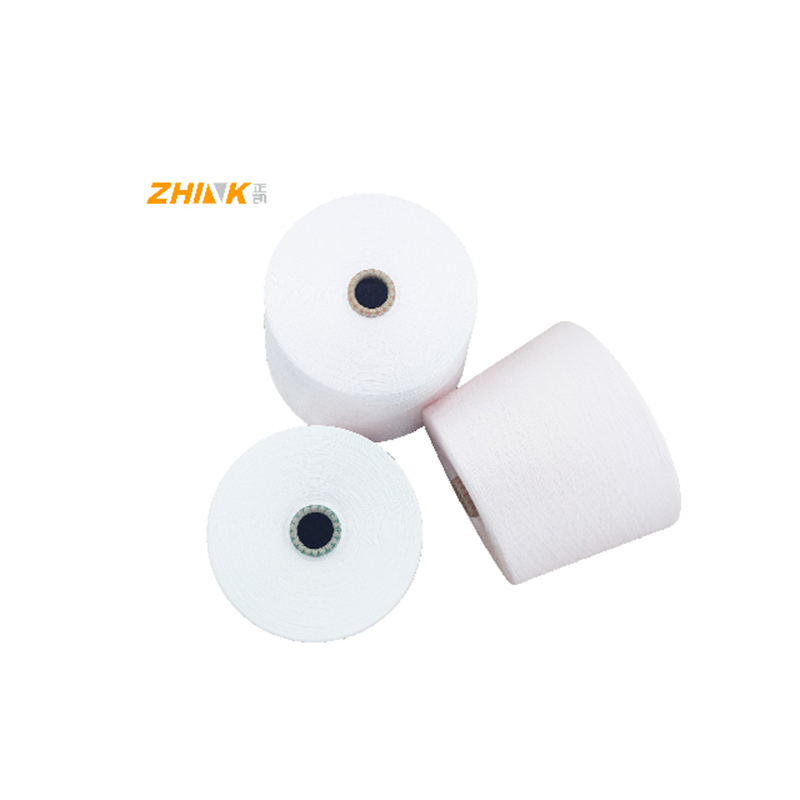
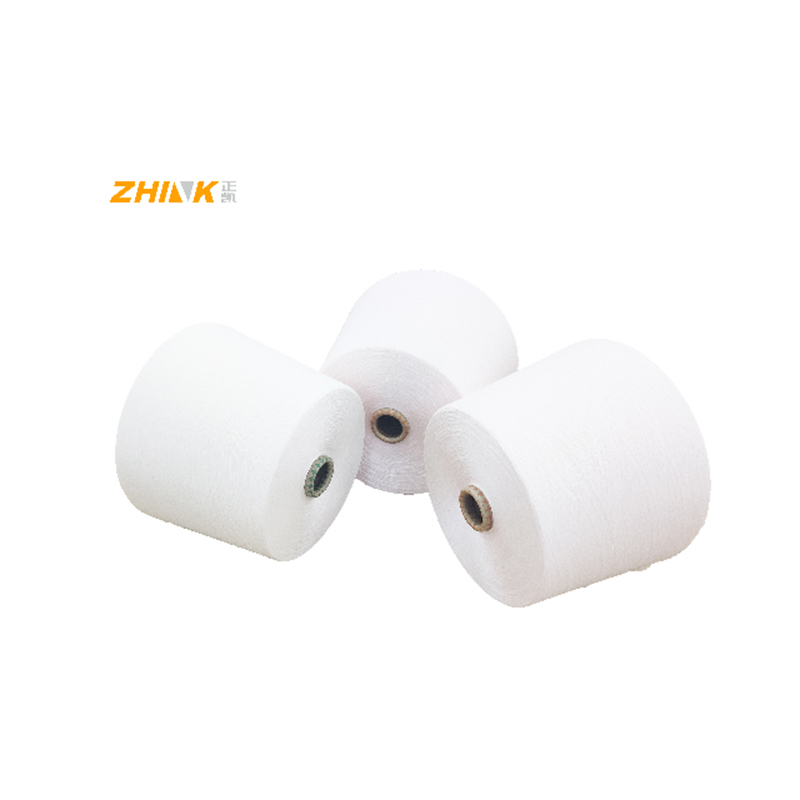
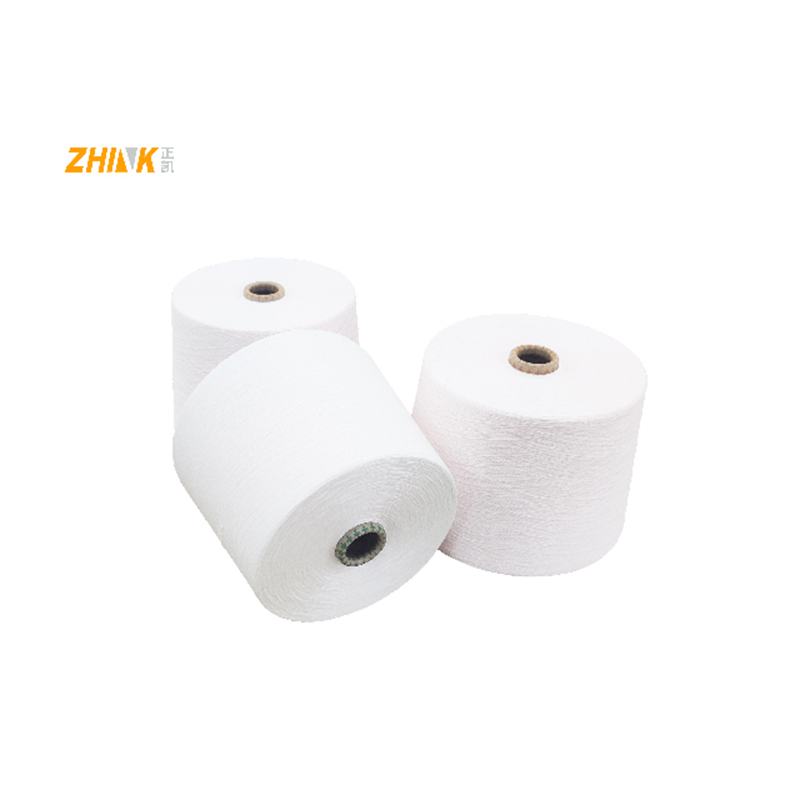
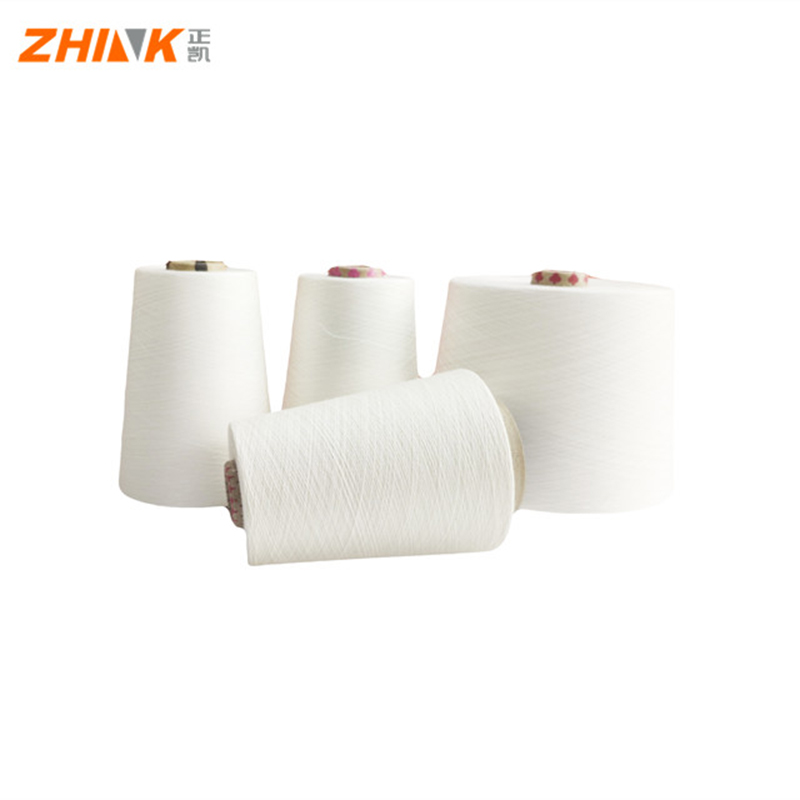
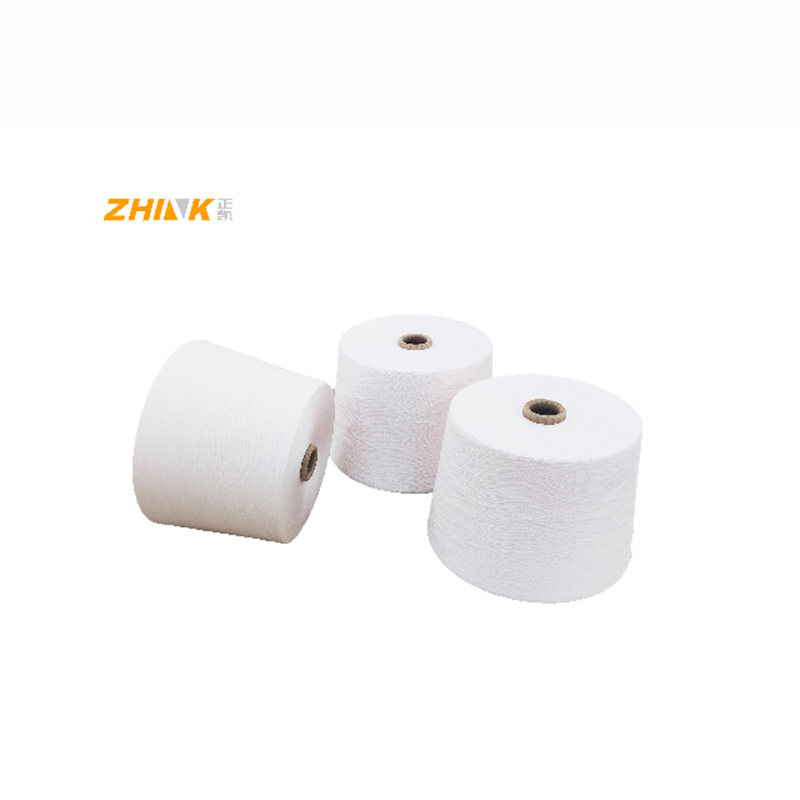
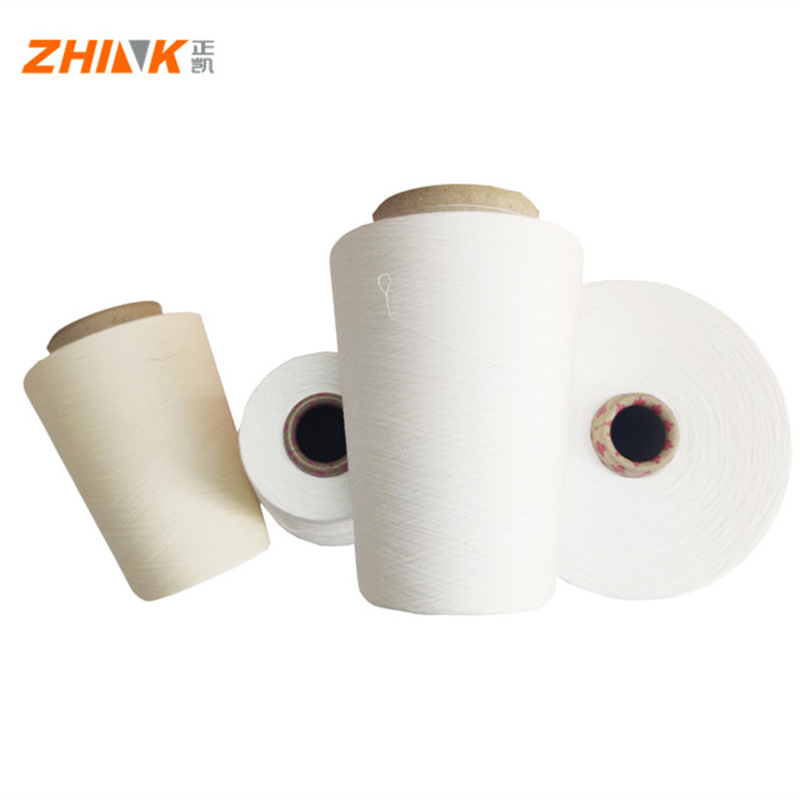
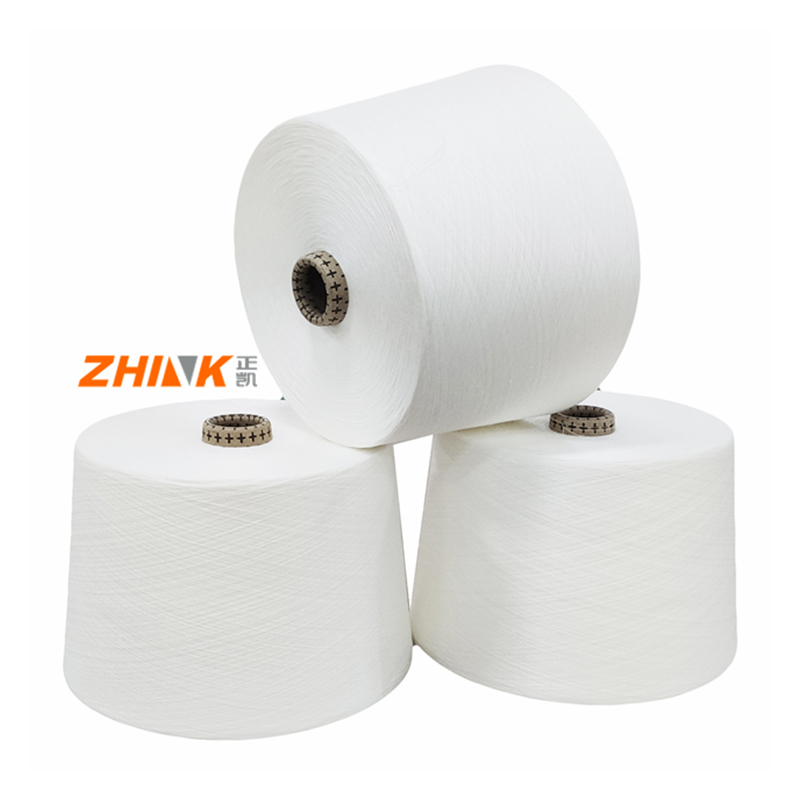
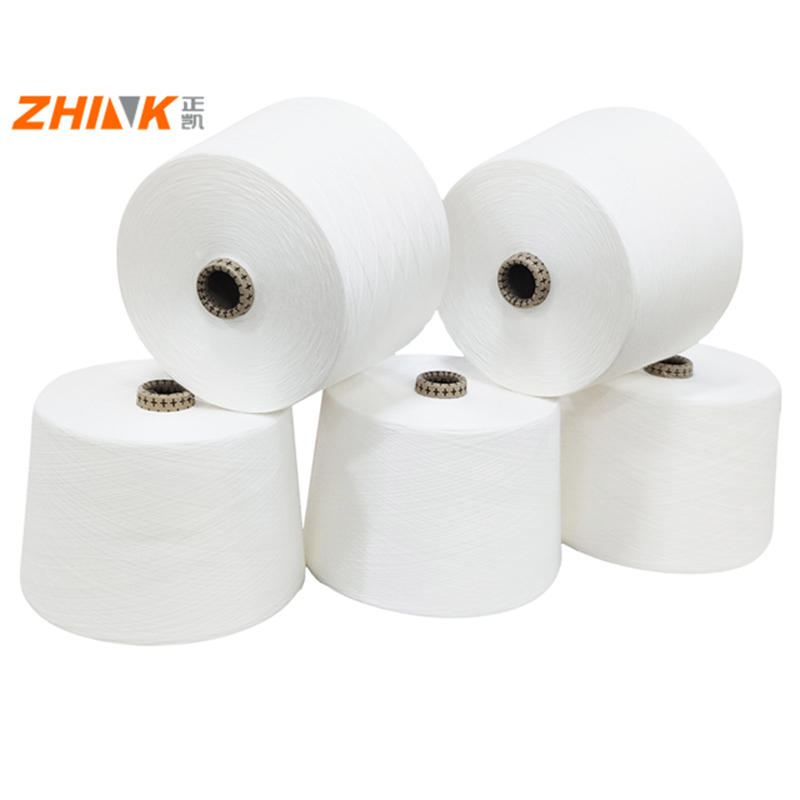
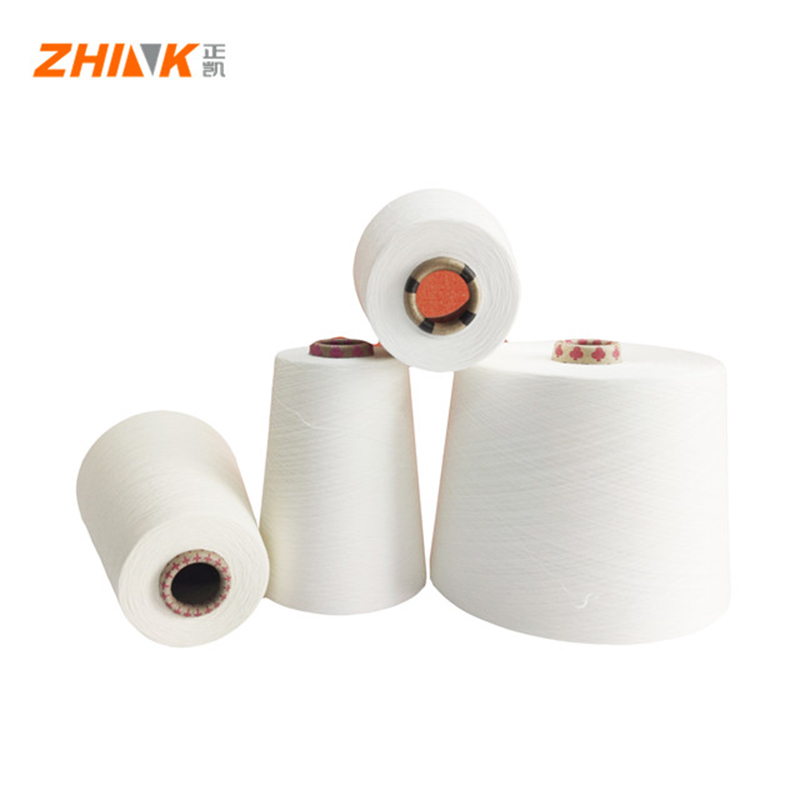
cotton and acrylic blend yarn
Cotton and Acrylic Blend Yarn: Balancing Comfort and Durability
In the textile world, finding the right balance between softness and strength can be challenging. Enter cotton and acrylic blend yarn—a versatile material that many in the industry appreciate for its unique qualities. But what makes it truly special? Let’s dive into the specifics.
Understanding the Blend
When we talk about cotton and acrylic blend yarn, we're referring to a material that combines the natural softness of cotton with the durability and resilience of acrylic. This blend offers a best-of-both-worlds scenario. Cotton provides breathability and comfort, which is why it's been a go-to for textiles. On the flip side, acrylic contributes resistance to wear and tear, and importantly, it also helps in retaining colors over time.
Many beginners think of this yarn as purely a compromise, favoring pure cotton for luxury or acrylic for durability. But that’s a simplistic view. In practical terms, this blend yarn serves a wide range of uses. For instance, I've seen it frequently utilized in making everyday wearables where both aesthetics and endurance are essential.
Consider a sweater. Using pure cotton might lead it to sag and lose shape over washes. Pure acrylic might not breathe as well, compounding discomfort. By mixing, you achieve a happy medium, maintaining form and comfort simultaneously.
The Manufacturing Perspective
From a manufacturing standpoint, working with a cotton and acrylic blend yarn requires a specific understanding of the material properties. Companies like SHANDONG ZHINK NEW MATERIAL CO., LTD, for instance, have made significant strides in this area. Their expertise, detailed on their website, Zhink New Material, focuses on enhancing the qualities of these blends.
Production involves merging the cotton’s natural fibers with synthetic acrylic fibers. The ratio can vary, often leaning towards a 50-50 blend, but it can shift depending on intended use. This ratio dance is crucial; too much acrylic might lead to a plastic-like feel, while too much cotton can negate durability advantages.
Even the dyeing process plays a role—acrylic takes dye well, giving vibrant colors, which is a big plus for trendy clothing lines. This capability for bold, lasting color is why many brands lean into this yarn for seasonal collections.
Applications and Practicality
In practical terms, the cotton and acrylic blend yarn is a staple. From casual wear to household items like blankets and throws, the blend is everywhere. One memorable project I worked on involved creating a line of baby clothes. Parents loved the pieces for their soft touch and durability, a testament to the blend’s family-friendly nature.
One hitch we faced, though, was the perception issue. Some consumers were skeptical about the ‘acrylic’ component, equating it with lower quality synthetics. It took samples to change minds—letting them feel firsthand the blend’s unique texture and warmth.
This tangible testing proved key. It showcased the blend's capacity for comfort without sacrificing practicality. Those skeptical of synthetic content soon saw the benefits, especially appreciated in items bound to experience frequent washing.
Market Perceptions
The market perception of cotton and acrylic blend yarn has shifted over time. Initially, blends were seen as cheaper alternatives. But perspectives are changing, driven by informed choices and the love of tactile experience. Historically, blends were second choices, for budget restrictions or perhaps due to mere habit.
I recall working with a small boutique that specialized in eco-friendly fashion. They were reluctant to incorporate blends, fearing a compromise on their ‘natural’ promise. However, upon reviewing the lifecycle, energy input, and sustainability angles, they found blends could offer a balanced option.
Now, more designers are embracing these materials not just for cost, but for their environmental benefits as well. Acrylic components can be recycled, contributing to a more sustainable cycle when paired with responsible manufacturing.
Future Trends and Innovations
Looking ahead, the use of cotton and acrylic blend yarn is set to increase. Innovations are ongoing—textile experts are tweaking the ratios, experimenting with new processes to enhance characteristics. SHANDONG ZHINK NEW MATERIAL CO., LTD, for instance, is continuously researching better ways to optimize yarn quality through new production techniques.
These innovations could lead to more environmentally friendly options, blending recycled materials without losing any quality in the final product. It’s an exciting time for the industry, as consumers are increasingly informed and conscious of their choices.
In summary, the blend of cotton and acrylic is not just a mere mix but a thoughtful union of two complementary materials. For those seeking the balance of softness and durability, this yarn offers a compelling case, much beyond the confines of traditional textile choices.
Related Products
Related Products