+86-632-3621866
- Chinese
- French
- German
- Portuguese
- Spanish
- Russian
- Japanese
- Korean
- Arabic
- Irish
- Greek
- Turkish
- Italian
- Danish
- Romanian
- Indonesian
- Czech
- Afrikaans
- Swedish
- Polish
- Basque
- Catalan
- Esperanto
- Hindi
- Lao
- Albanian
- Amharic
- Armenian
- Azerbaijani
- Belarusian
- Bengali
- Bosnian
- Bulgarian
- Cebuano
- Chichewa
- Corsican
- Croatian
- Dutch
- Estonian
- Filipino
- Finnish
- Frisian
- Galician
- Georgian
- Gujarati
- Haitian
- Hausa
- Hawaiian
- Hebrew
- Hmong
- Hungarian
- Icelandic
- Igbo
- Javanese
- Kannada
- Kazakh
- Khmer
- Kurdish
- Kyrgyz
- Latin
- Latvian
- Lithuanian
- Luxembou..
- Macedonian
- Malagasy
- Malay
- Malayalam
- Maltese
- Maori
- Marathi
- Mongolian
- Burmese
- Nepali
- Norwegian
- Pashto
- Persian
- Punjabi
- Serbian
- Sesotho
- Sinhala
- Slovak
- Slovenian
- Somali
- Samoan
- Scots Gaelic
- Shona
- Sindhi
- Sundanese
- Swahili
- Tajik
- Tamil
- Telugu
- Thai
- Ukrainian
- Urdu
- Uzbek
- Vietnamese
- Welsh
- Xhosa
- Yiddish
- Yoruba
- Zulu
- Kinyarwanda
- Tatar
- Oriya
- Turkmen
- Uyghur



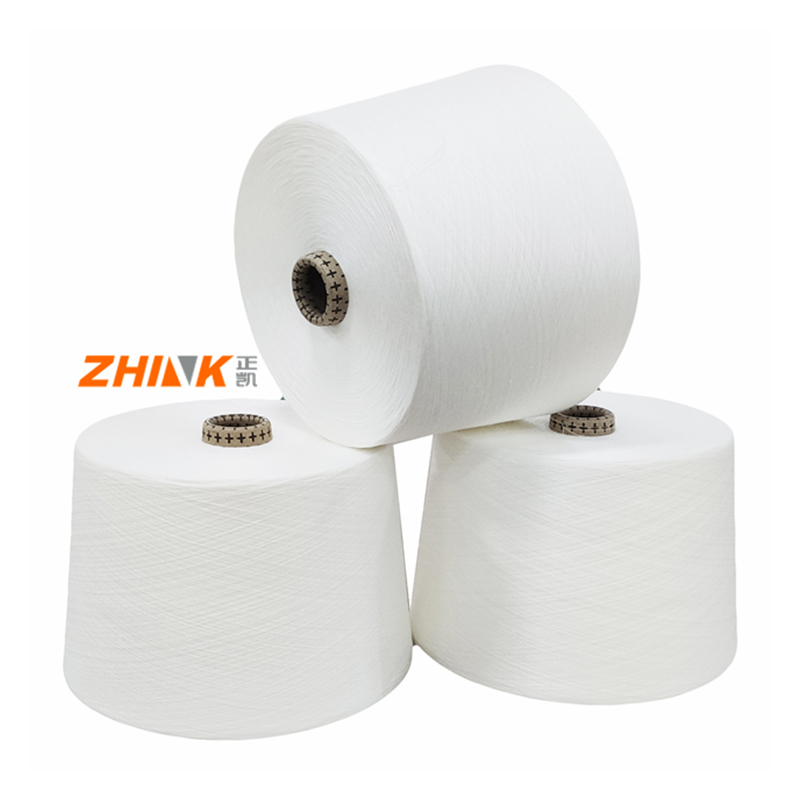
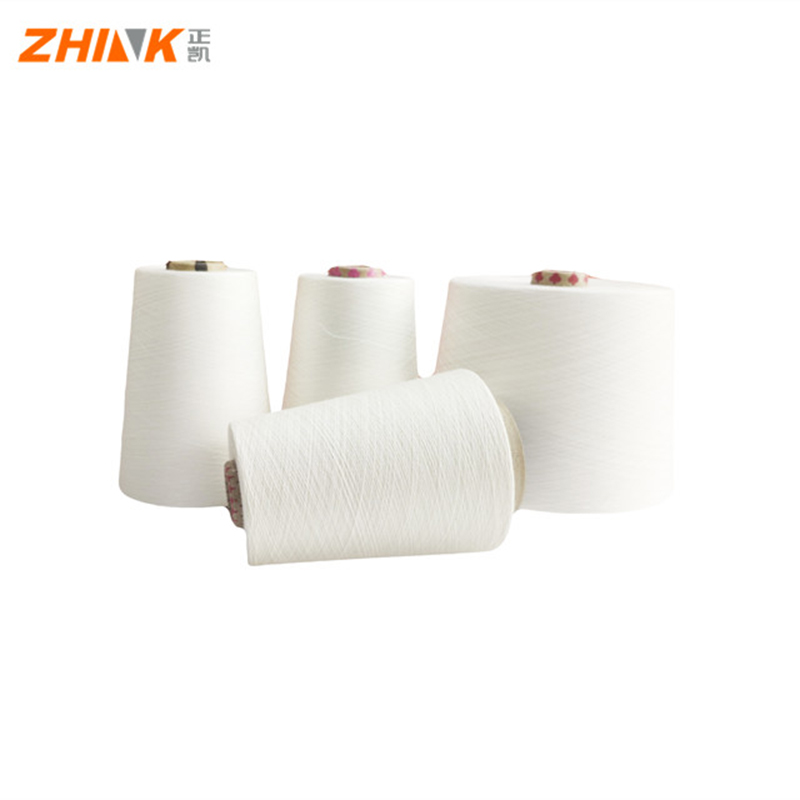
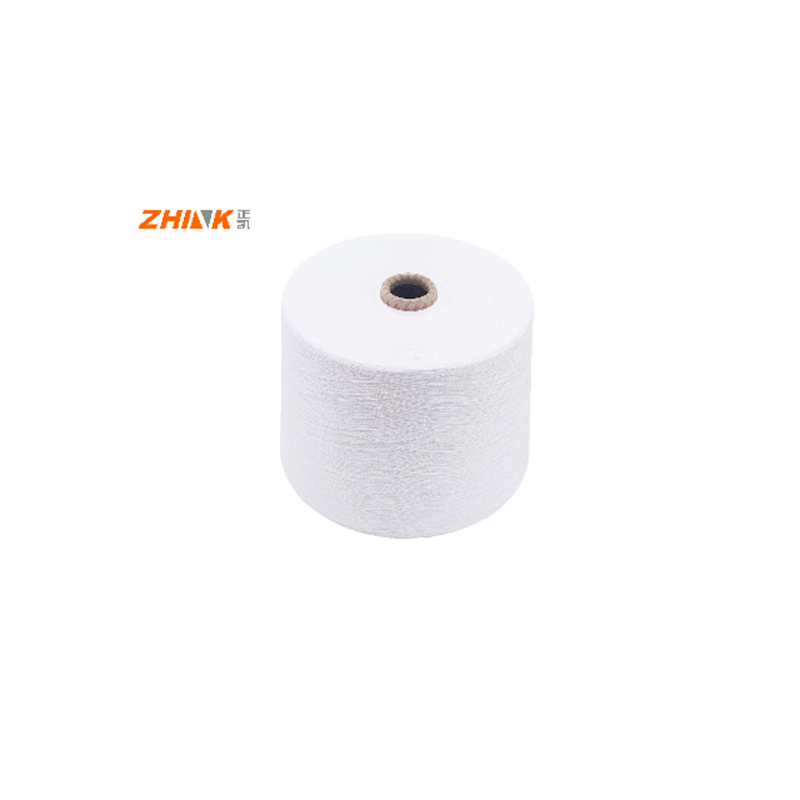
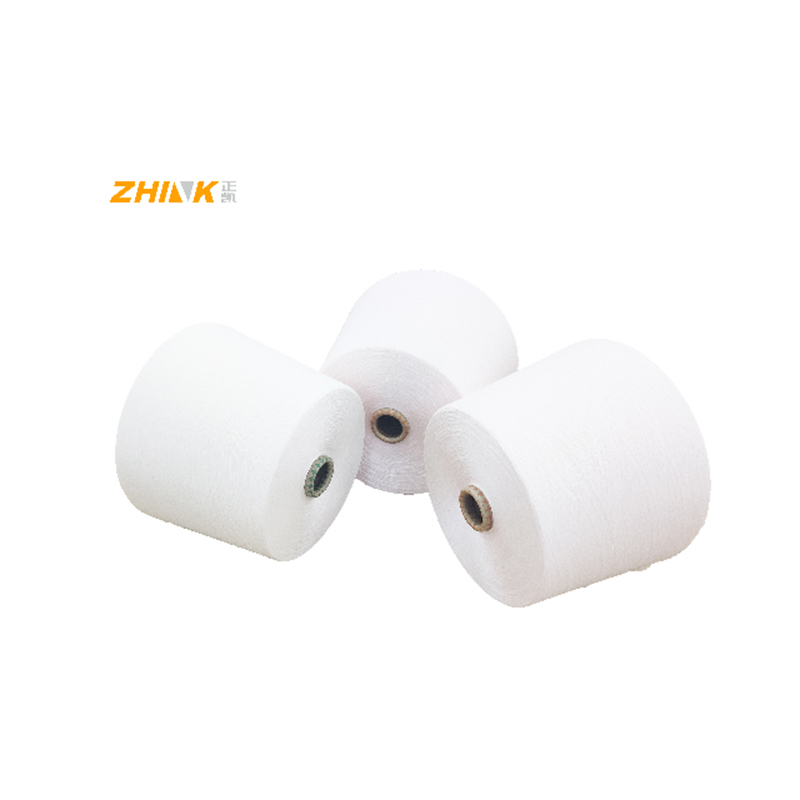
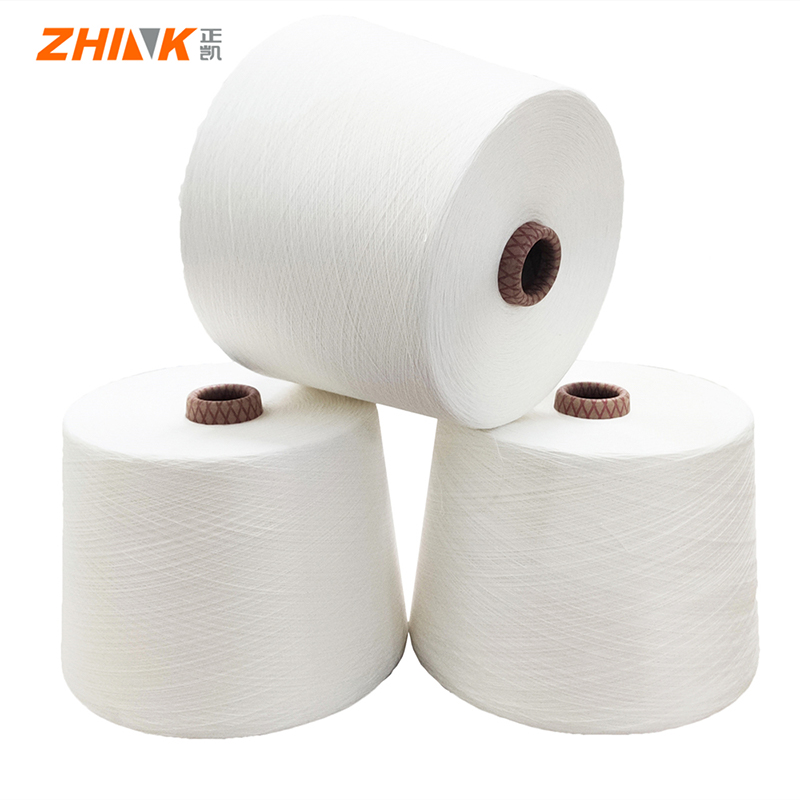
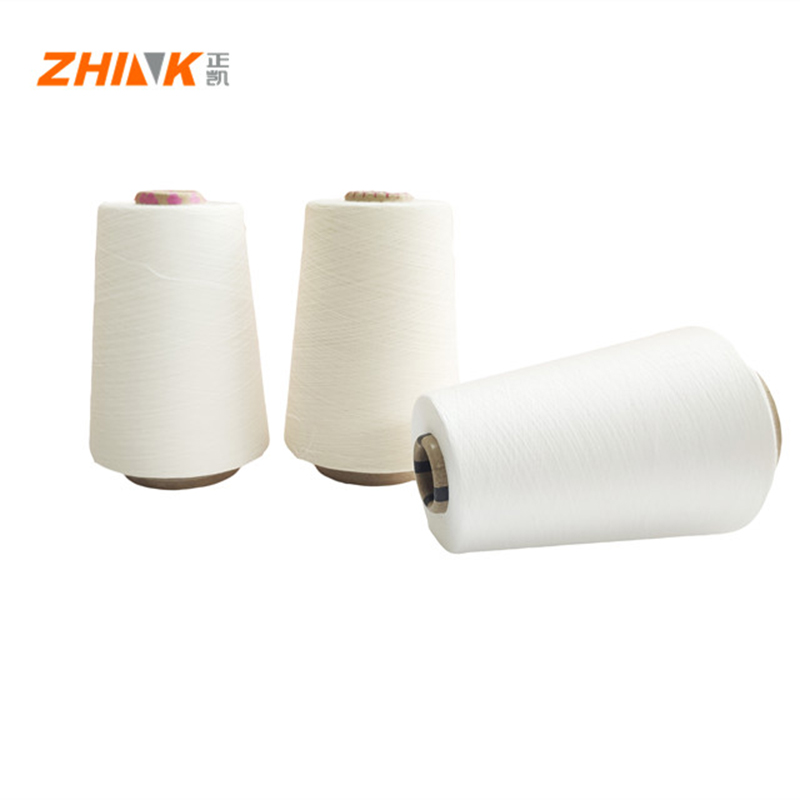
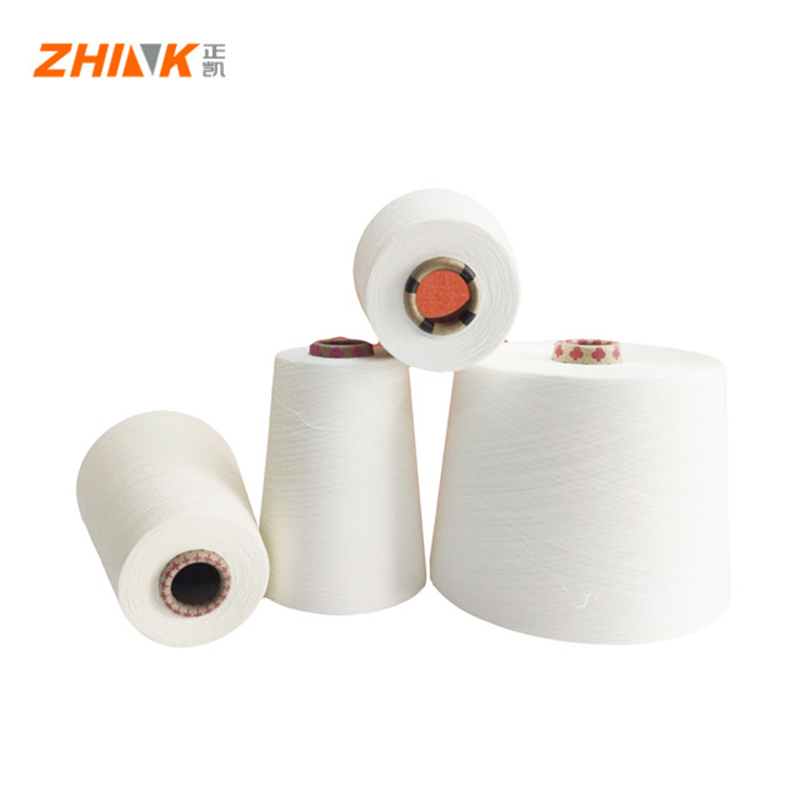
cotton and acrylic yarn
The Intricate World of Cotton and Acrylic Yarn
Combining cotton and acrylic yarn is more art than science. What's the allure behind these fibers, and where do pitfalls commonly occur? Let's untangle the threads of this fascinating blend.
Understanding the Basics
In the realm of textiles, cotton and acrylic yarn each play distinct roles. Cotton is known for its natural breathability and softness, making it ideal for garments that sit close to the skin. Acrylic, on the other hand, often serves as a cost-effective alternative to wool, offering warmth without heft.
Combining these two fibers can be both inspiring and challenging. The resulted blend can take advantage of soft touch and resilience. Yet, achieving the right balance in manufacturing isn't without its hurdles. It's not merely a question of mixing fibers; various factors, such as dye uptake and twist consistency, demand attention.
There was a time I experimented with ratios, aiming for a blend that could withstand regular washing without sacrificing comfort. The outcome wasn't as predictable as formulas suggested. Consistency across batches took several trials to perfect.
Practical Insights from the Field
From the factory floors to boutique production lines, the story of cotton and acrylic yarn evolves. In some settings, like those by the SHANDONG ZHINK NEW MATERIAL CO., LTD, insights are born from both traditional techniques and modern innovation. Check more insights on their website: Zhink New Material.
Poor blending often leads to a yarn that pills quickly or feels scratchy. Once, a client project demanded red and blue hues, and the dyeing process revealed just how differently cotton and acrylic react to pigments. Ensuring vibrant, consistent colors proved complex.
Lessons learned the hard way often include costs and time, but they deepen our understanding of these materials. The journey is iterative—each misstep is a step towards mastery.
Factors Influencing Yarn Quality
When crafting cotton and acrylic yarn, several considerations can affect quality. Temperature, humidity, and even machinery play crucial roles. Acrylic's melting point is significantly lower than cotton, requiring precise control during processing.
Quality checks are critical. A single faulty spool can disrupt a large batch. In one instance, oversight caused a lot to retain too much moisture, which warped the fiber once cooled. Regular checks and adjustments are non-negotiable.
This experience underscores the importance of meticulous attention to details, a staple requirement in textile manufacturing that separates good yarn from great yarn.
Environmental and Economic Considerations
The environmental impact of producing cotton and acrylic yarn can't be ignored. Cotton cultivation typically requires significant water and chemical use. Acrylic production, meanwhile, depends on petrochemical resources.
Efforts are ongoing to mitigate these impacts. Companies like SHANDONG ZHINK NEW MATERIAL CO., LTD are exploring sustainable practices, including recycling acrylic and using organic cotton sources.
Being cost-effective while sustainable remains a significant challenge. Prices of raw materials fluctuate with global markets, influencing business decisions daily.
Final Thoughts and Observations
In the tight-knit world of textiles, cotton and acrylic yarn provide both opportunities and challenges. Their potential is vast, yet realizing it demands nuanced understanding and adaptability.
The journey through yarn blends is as complex as it is rewarding. Patience, experimentation, and a willingness to learn from mistakes are the craftsperson's allies. As technology and tradition continue to entwine, the future of yarn holds exciting prospects.
Ultimately, whether for hobbyists or large factories, the dance between cotton and acrylic is one of discovery. It's about embracing both triumphs and setbacks, staying curious, and letting yarns tell their stories.
Related Products
Related Products