+86-632-3621866
- Chinese
- French
- German
- Portuguese
- Spanish
- Russian
- Japanese
- Korean
- Arabic
- Irish
- Greek
- Turkish
- Italian
- Danish
- Romanian
- Indonesian
- Czech
- Afrikaans
- Swedish
- Polish
- Basque
- Catalan
- Esperanto
- Hindi
- Lao
- Albanian
- Amharic
- Armenian
- Azerbaijani
- Belarusian
- Bengali
- Bosnian
- Bulgarian
- Cebuano
- Chichewa
- Corsican
- Croatian
- Dutch
- Estonian
- Filipino
- Finnish
- Frisian
- Galician
- Georgian
- Gujarati
- Haitian
- Hausa
- Hawaiian
- Hebrew
- Hmong
- Hungarian
- Icelandic
- Igbo
- Javanese
- Kannada
- Kazakh
- Khmer
- Kurdish
- Kyrgyz
- Latin
- Latvian
- Lithuanian
- Luxembou..
- Macedonian
- Malagasy
- Malay
- Malayalam
- Maltese
- Maori
- Marathi
- Mongolian
- Burmese
- Nepali
- Norwegian
- Pashto
- Persian
- Punjabi
- Serbian
- Sesotho
- Sinhala
- Slovak
- Slovenian
- Somali
- Samoan
- Scots Gaelic
- Shona
- Sindhi
- Sundanese
- Swahili
- Tajik
- Tamil
- Telugu
- Thai
- Ukrainian
- Urdu
- Uzbek
- Vietnamese
- Welsh
- Xhosa
- Yiddish
- Yoruba
- Zulu
- Kinyarwanda
- Tatar
- Oriya
- Turkmen
- Uyghur



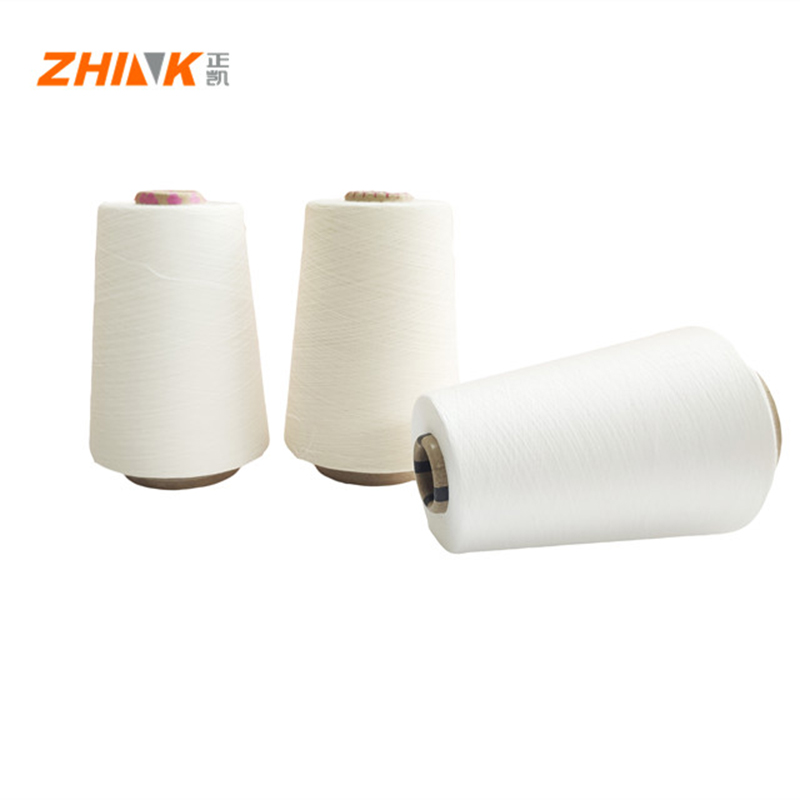
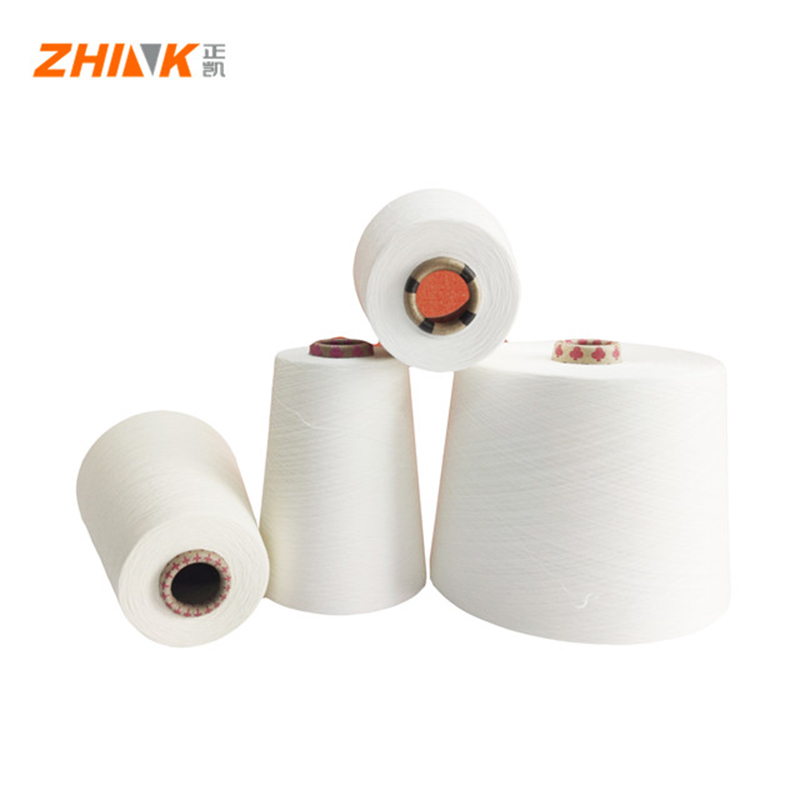
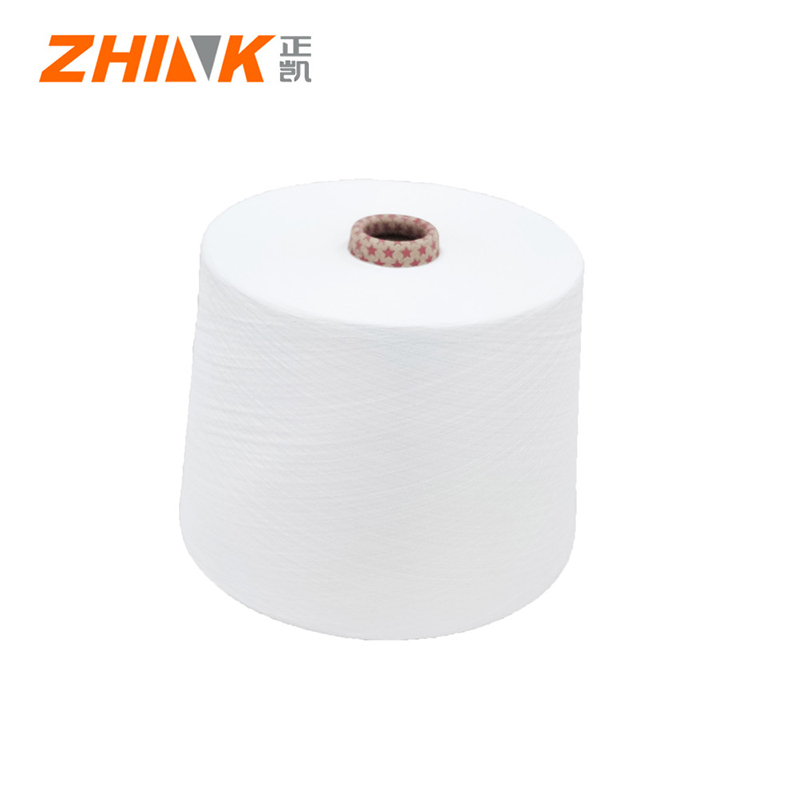
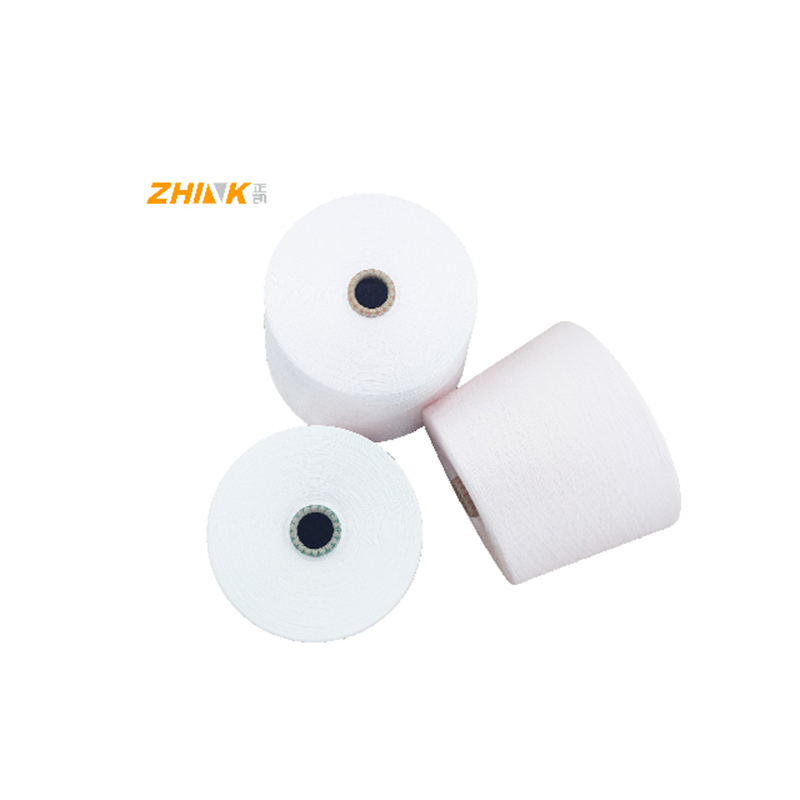
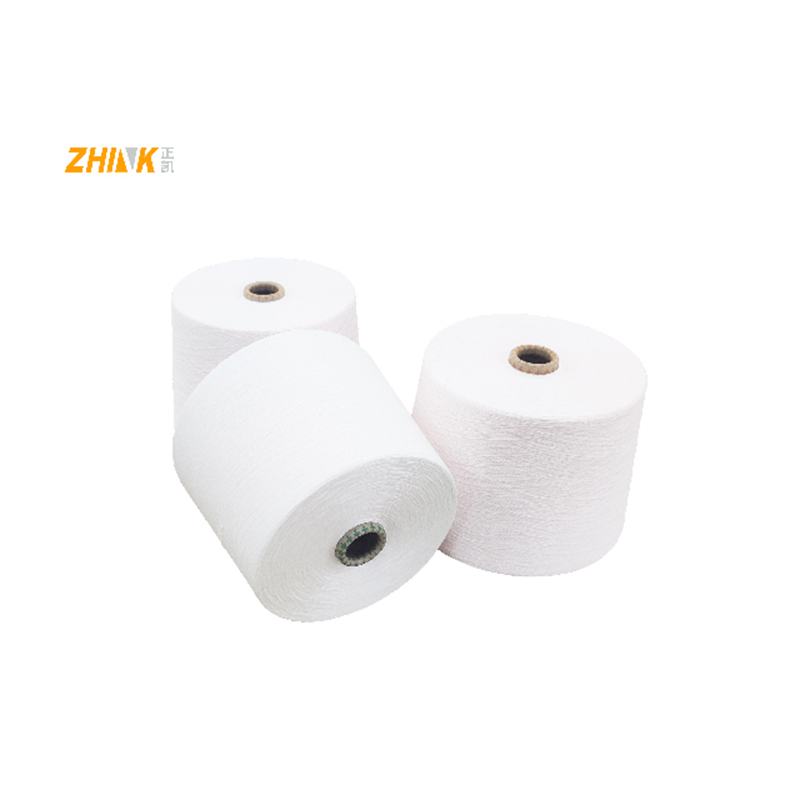
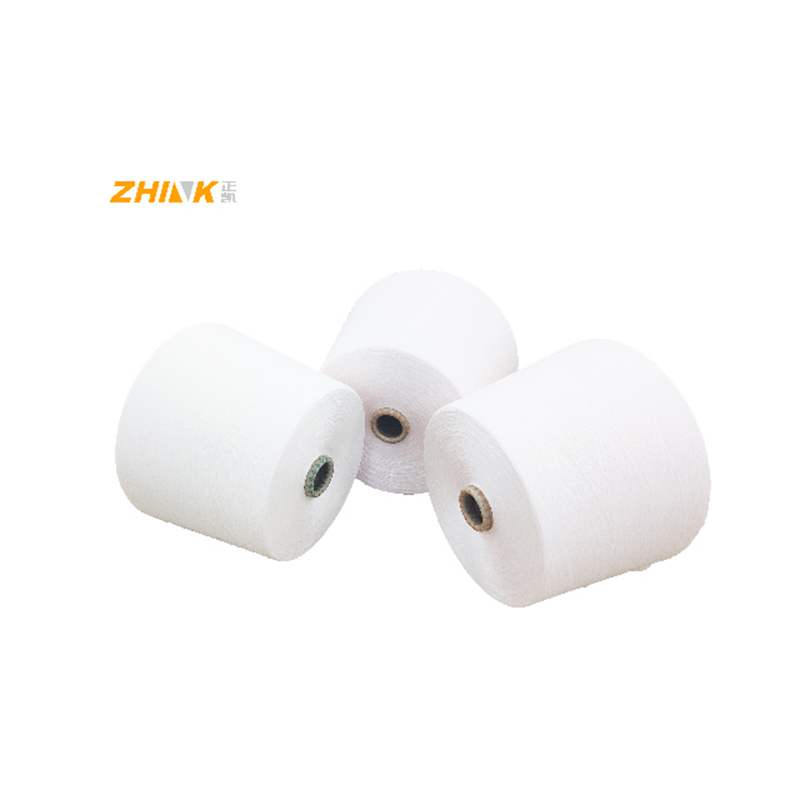
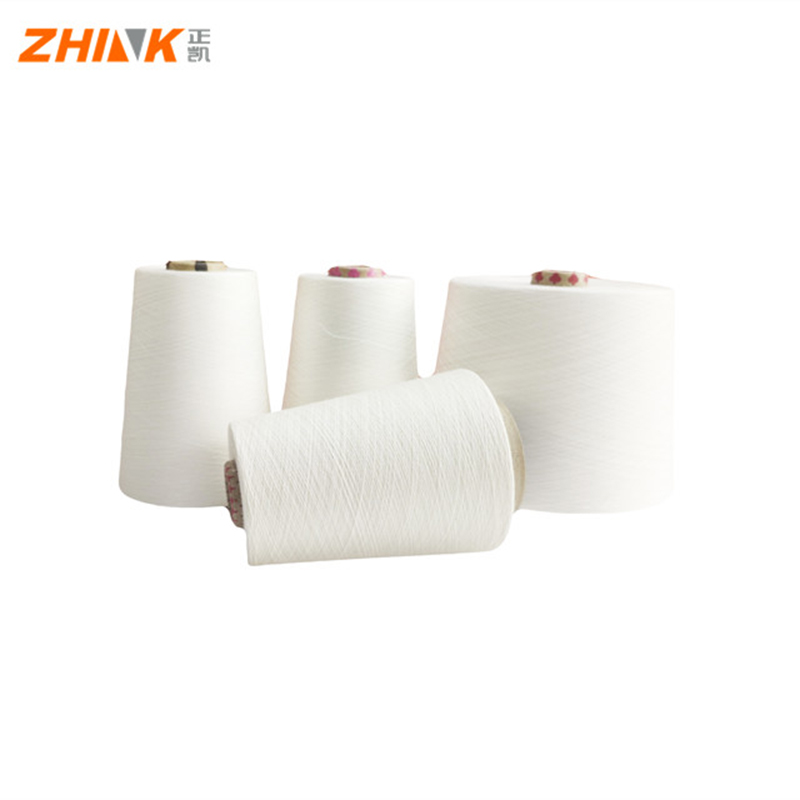
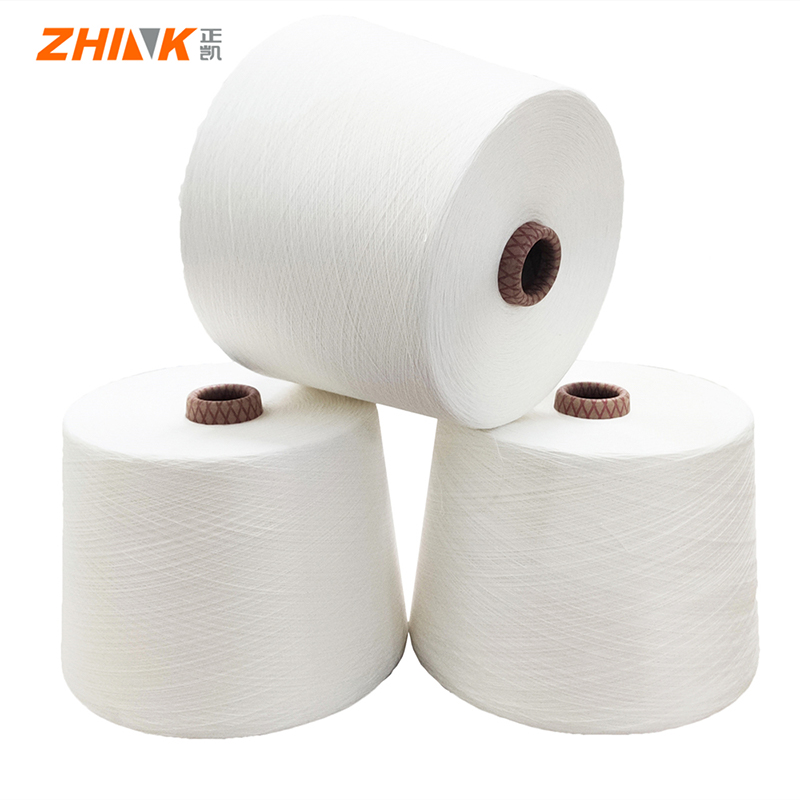
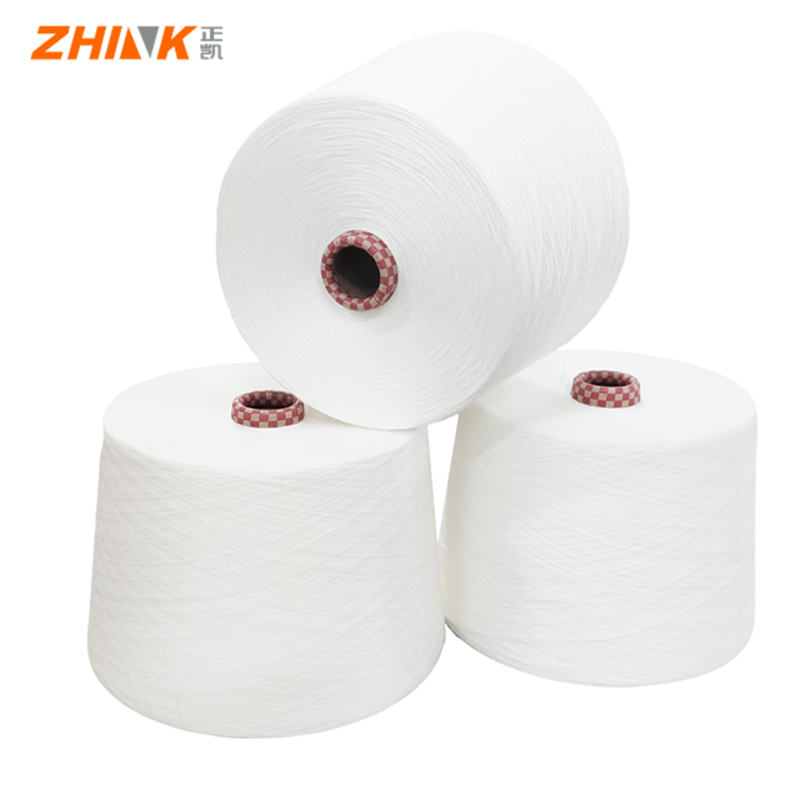
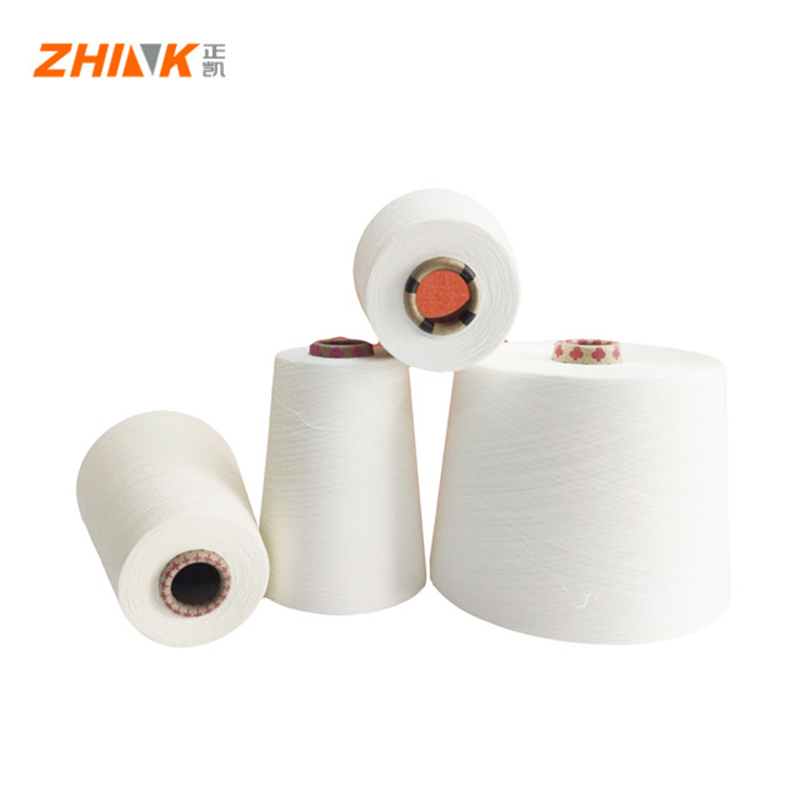
cotton and linen yarn
The Art and Craft of Cotton and Linen Yarn
When you first dive into the world of textile materials, the terms cotton and linen yarn float around quite commonly. They might seem straightforward, but these fibers hold a lot of intricacies. There's an evolving market of consumers demanding both quality and sustainability, leading us to re-examine how we handle these traditional materials.
The Beauty of Cotton and Linen
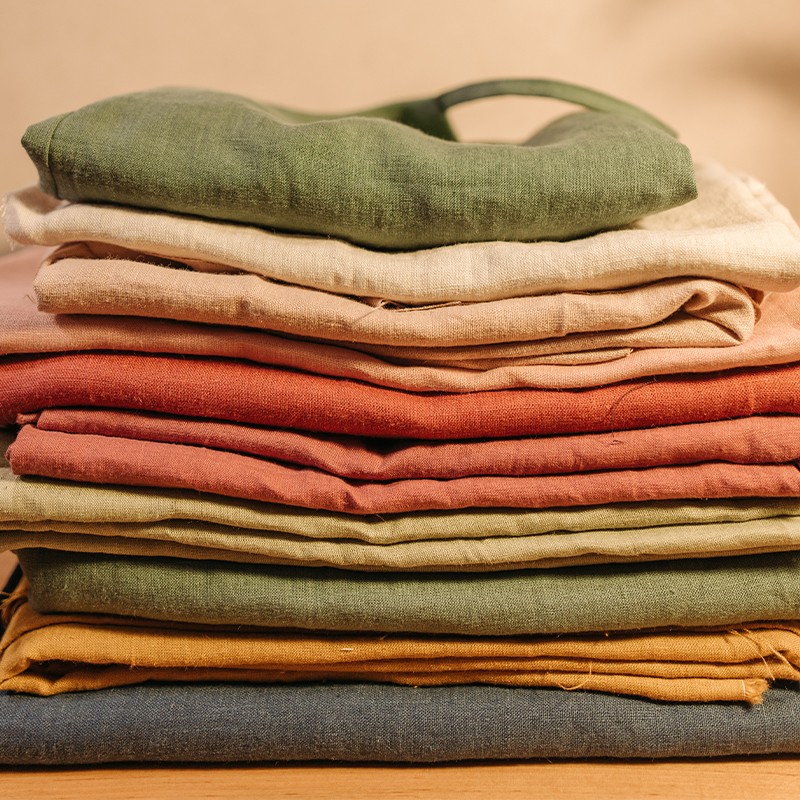
You might ask, what makes cotton and linen yarn so special? Both fibers have unique qualities: cotton offers softness and breathability, while linen provides durability and a distinct texture. However, blending them isn't merely mixing A with B. There's an art to balancing softness with strength, often requiring nuanced understanding and trial and error. Zhink New Material, for example, focuses on optimizing these natural fibers, using advanced techniques to meet modern demands.
One might think it's all about the right machinery, but hand-feel, or handle, as we say in the industry, is an equally crucial consideration. The texture must appeal not just visually but tactilely. Customers increasingly tilt towards textiles that promise a tangible connection with nature. This requires skilled blending and spinning processes—a realm where experience reigns supreme.
Interestingly enough, I recall a project where overzealous enthusiasm for linen resulted in a surprisingly coarse texture. Sometimes, it's about knowing when to hold back rather than dive headfirst. A delicate dance of proportion and process.
Challenges and Innovations
Handling these fibers requires more than knowledge—it demands adaptability. The market changes; sustainability becomes not just a bonus but a requirement. In my experience, incorporating eco-friendly production methods doesn't only satisfy regulatory demands but aligns with conscious consumers. SHANDONG ZHINK NEW MATERIAL CO., LTD, accessible at their website, exemplifies this shift by anchoring their innovation in sustainability without sacrificing quality.
Sometimes, achieving the perfect blend involves using traditional dyes that don't compromise the environment but still provide vibrant outcomes. Challenges like these are what push companies towards constant innovation. It's no longer acceptable to merely replicate bygone methods.
One vivid memory involves experimenting with natural dyes. The initial results were unsatisfactory, with uneven coloration. But persistence, and a few extra steps in the processing line, led to a breakthrough—resulting in both a beautiful finish and a story to tell consumers.
Understanding Consumer Trends
The demand for cotton and linen yarn is closely tied to shifting consumer trends. Nowadays, simplicity rules, but with a twist—people crave authenticity, a story behind the label. They want assurances of fair production practices and ecological mindfulness. It's no longer just about the end product but the journey it took to get there.
For companies like Zhink New Material, there's a continual effort to balance tradition and innovation. The industry’s shift necessitates staying informed about global weaving trends and market demands.
I remember a conference where industry experts debated the potential effects of digital tools on traditional textile methods. There are benefits to hybridity, they concluded, but the heart of yarn production must not be lost—maintaining the soul of craftsmanship was emphasized repeatedly.
The Intersection of Craft and Technology
Being in the field of cotton and linen yarn is about embracing both the simplicity of age-old techniques and the complexity of modern tech. Companies that manage this balance can thrive. Utilizing technology doesn’t mean we abandon traditional skills. Rather, it's about enhancing them.
For instance, using tech to monitor humidity and temperature during the spinning process can dramatically improve quality, something that might have taken years of manual observation before. Implementing such smart solutions allows for precision, leading to consistent quality.
In my years of experience, I've found that marrying these approaches not only satisfies a consistent market demand but also inspires the next generation of artisans to respect both craft and innovation. It’s a journey, not a destination.
The Future of Cotton and Linen Yarn
Looking ahead, I see a bright future steeped in innovation. Companies like SHANDONG ZHINK NEW MATERIAL CO., LTD are carving a path by investing in research and development that never loses sight of consumer values. By maintaining a commitment to quality, every thread and fabric tells a story of tradition meeting tomorrow.
There's a persistent challenge to educate consumers—not just about the benefits but the care of these textiles. Proper maintenance extends longevity and enhances the experience, an often-overlooked aspect. Transparency plays a critical role in ensuring that consumers understand what they’re purchasing beyond the price tag.
Overall, in cotton and linen yarn lies a world of opportunity—one where sustainability, tradition, and technology intertwine. Embrace it, and you embrace a legacy of craftsmanship, screened through the lens of modern innovation.
Related Products
Related Products