+86-632-3621866
- Chinese
- French
- German
- Portuguese
- Spanish
- Russian
- Japanese
- Korean
- Arabic
- Irish
- Greek
- Turkish
- Italian
- Danish
- Romanian
- Indonesian
- Czech
- Afrikaans
- Swedish
- Polish
- Basque
- Catalan
- Esperanto
- Hindi
- Lao
- Albanian
- Amharic
- Armenian
- Azerbaijani
- Belarusian
- Bengali
- Bosnian
- Bulgarian
- Cebuano
- Chichewa
- Corsican
- Croatian
- Dutch
- Estonian
- Filipino
- Finnish
- Frisian
- Galician
- Georgian
- Gujarati
- Haitian
- Hausa
- Hawaiian
- Hebrew
- Hmong
- Hungarian
- Icelandic
- Igbo
- Javanese
- Kannada
- Kazakh
- Khmer
- Kurdish
- Kyrgyz
- Latin
- Latvian
- Lithuanian
- Luxembou..
- Macedonian
- Malagasy
- Malay
- Malayalam
- Maltese
- Maori
- Marathi
- Mongolian
- Burmese
- Nepali
- Norwegian
- Pashto
- Persian
- Punjabi
- Serbian
- Sesotho
- Sinhala
- Slovak
- Slovenian
- Somali
- Samoan
- Scots Gaelic
- Shona
- Sindhi
- Sundanese
- Swahili
- Tajik
- Tamil
- Telugu
- Thai
- Ukrainian
- Urdu
- Uzbek
- Vietnamese
- Welsh
- Xhosa
- Yiddish
- Yoruba
- Zulu
- Kinyarwanda
- Tatar
- Oriya
- Turkmen
- Uyghur


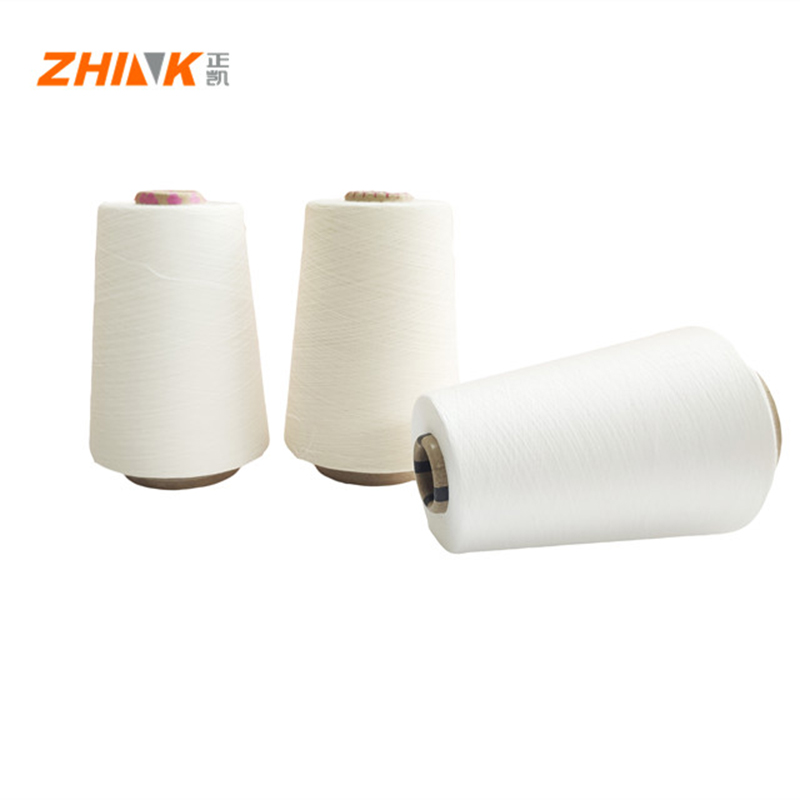
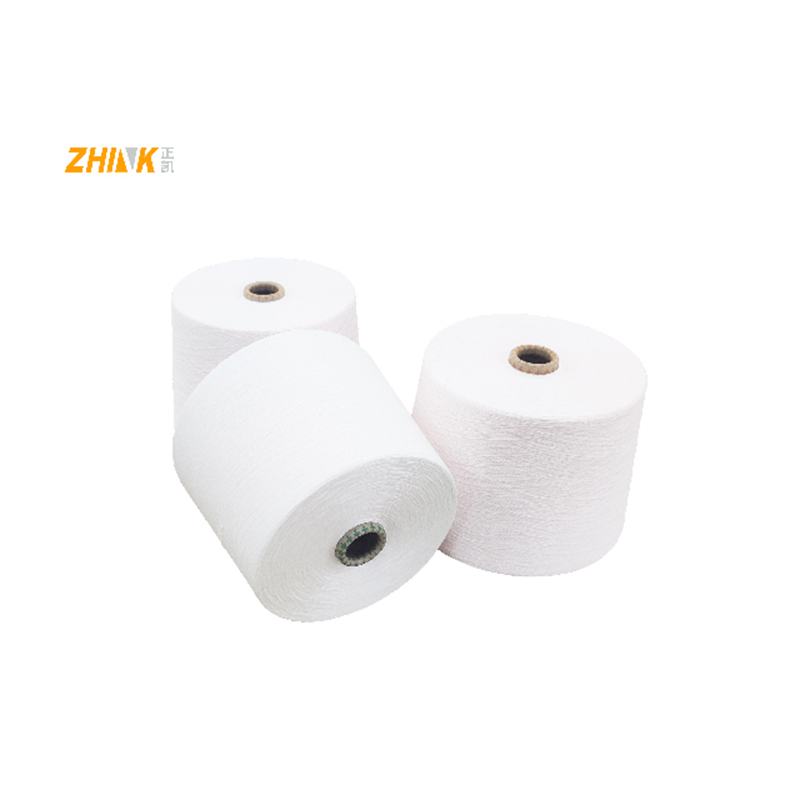
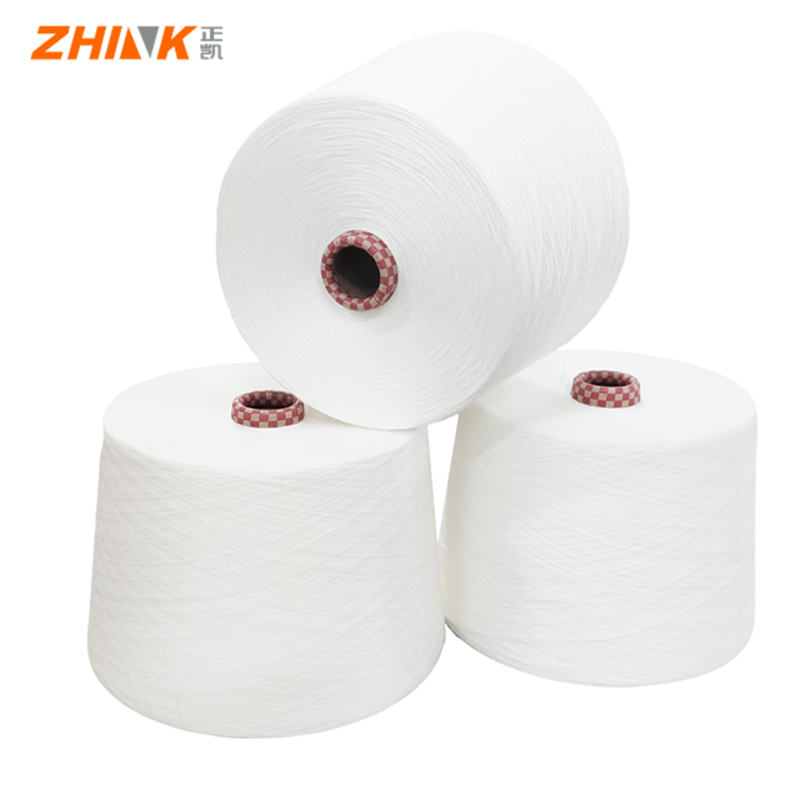
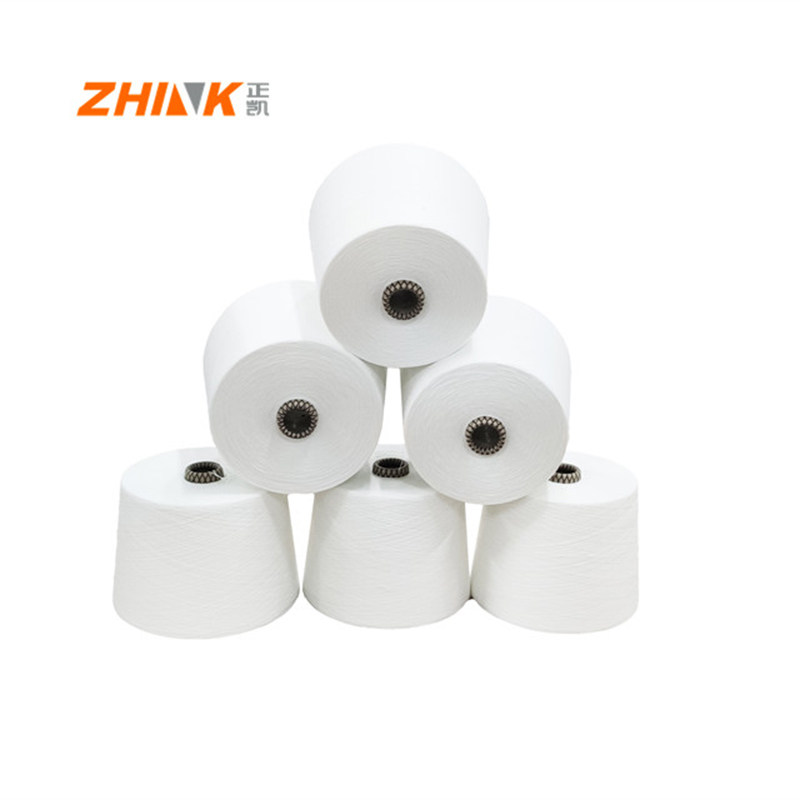
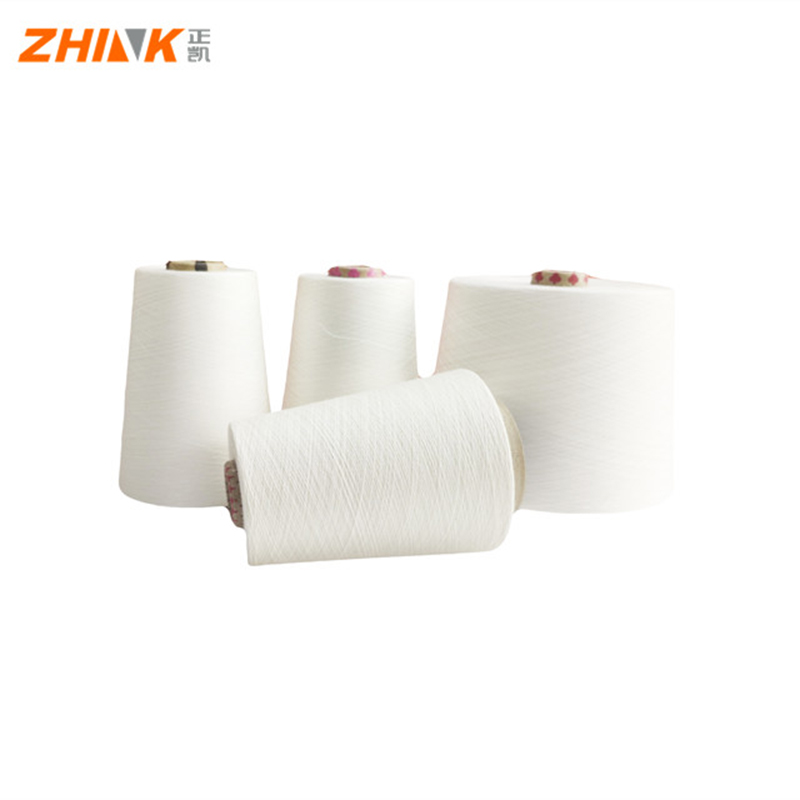
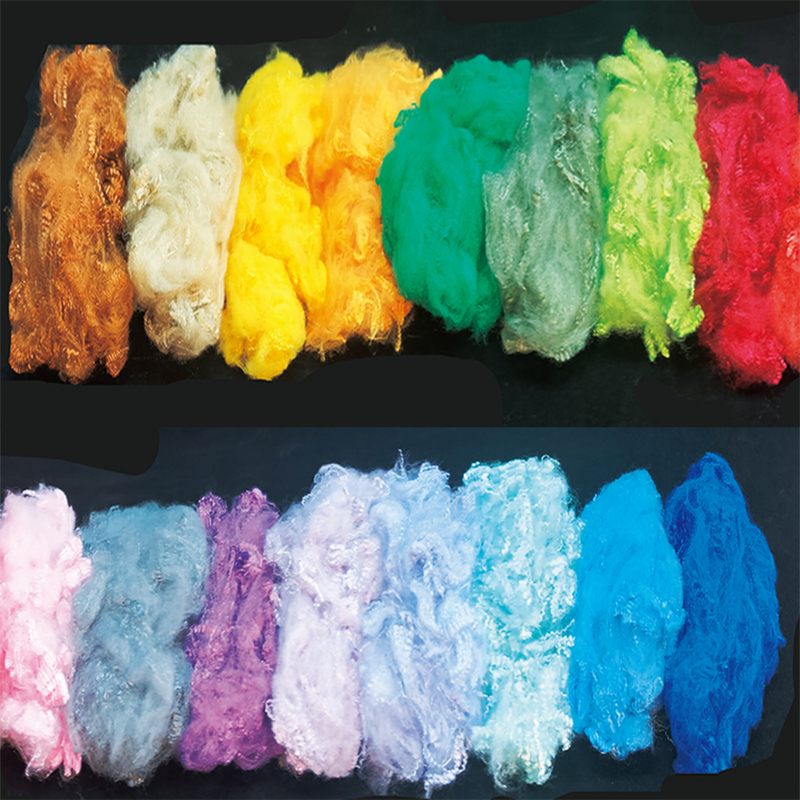
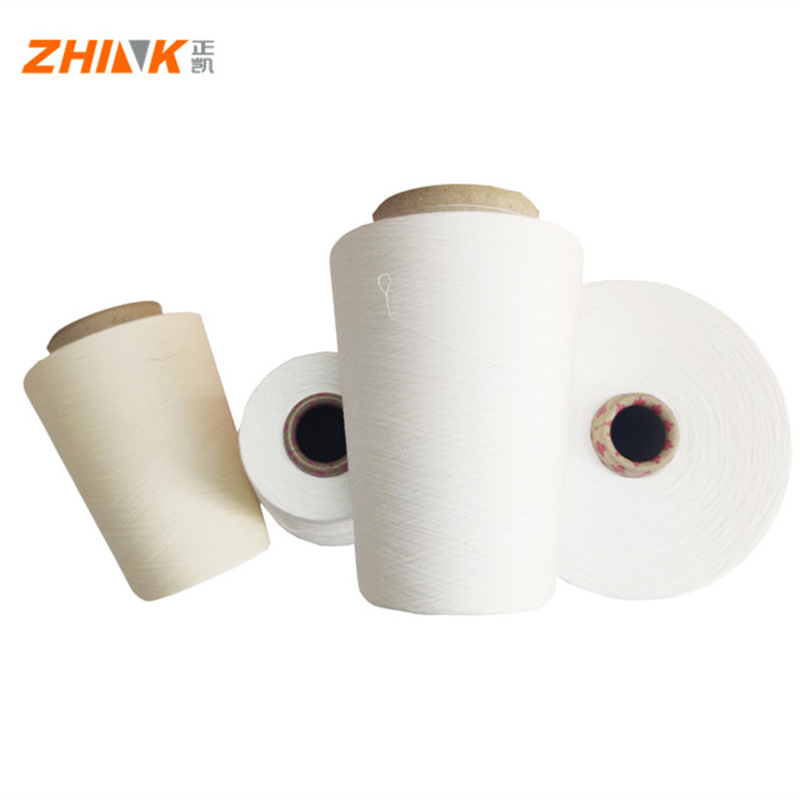
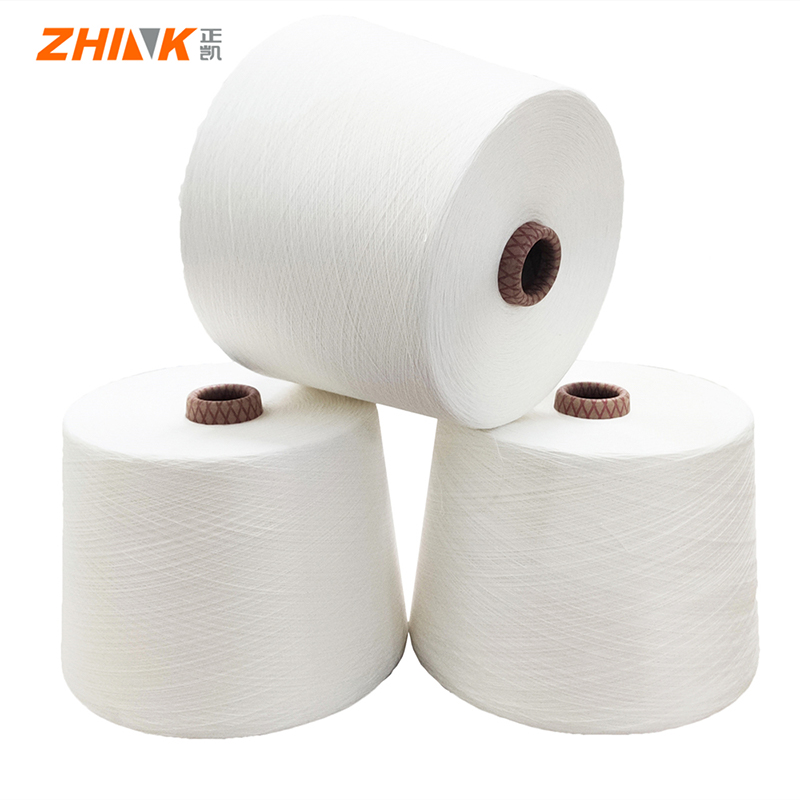
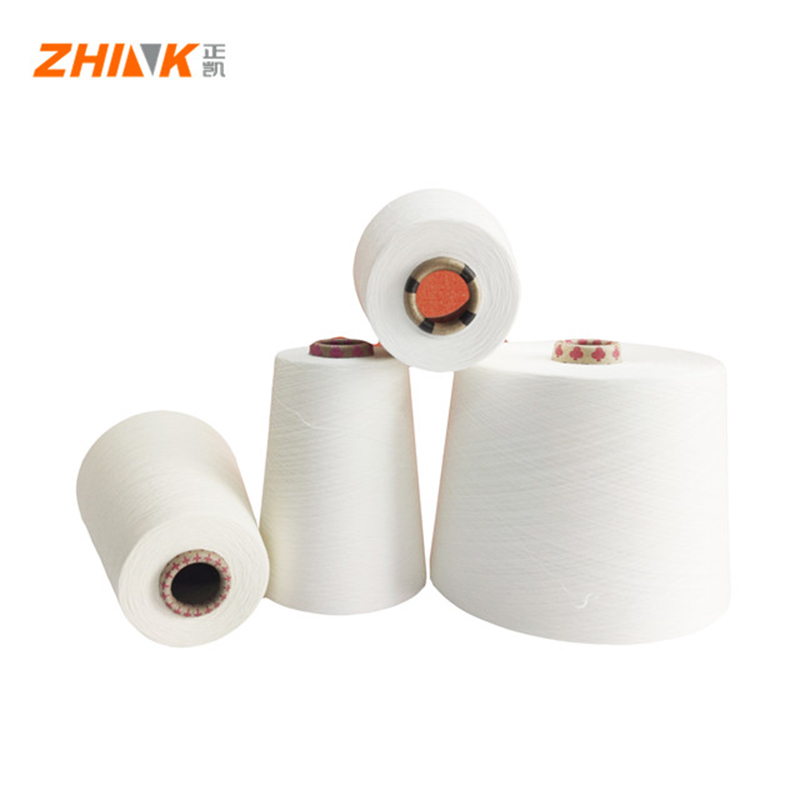
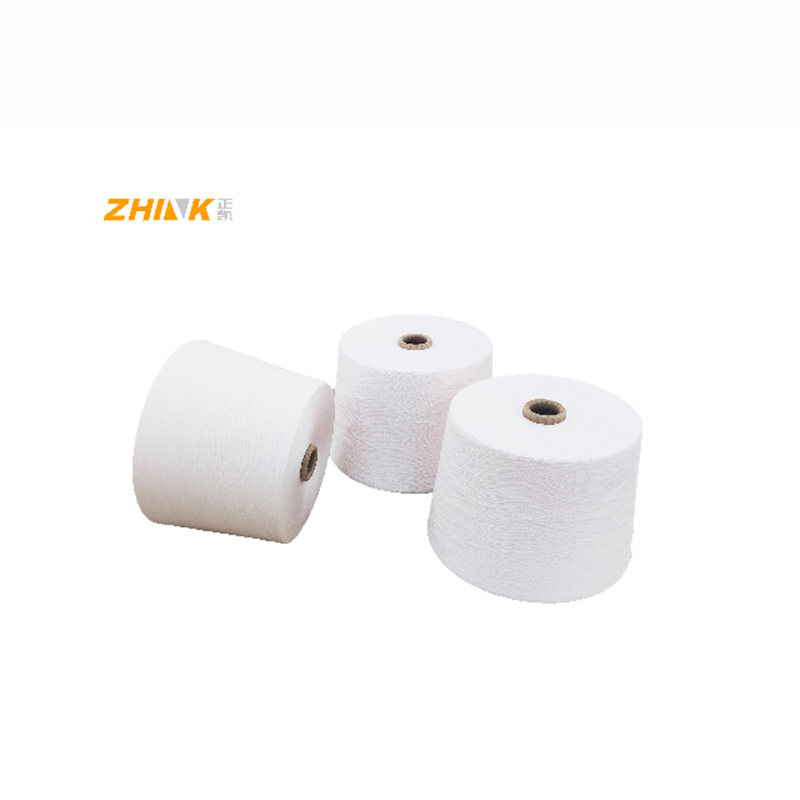
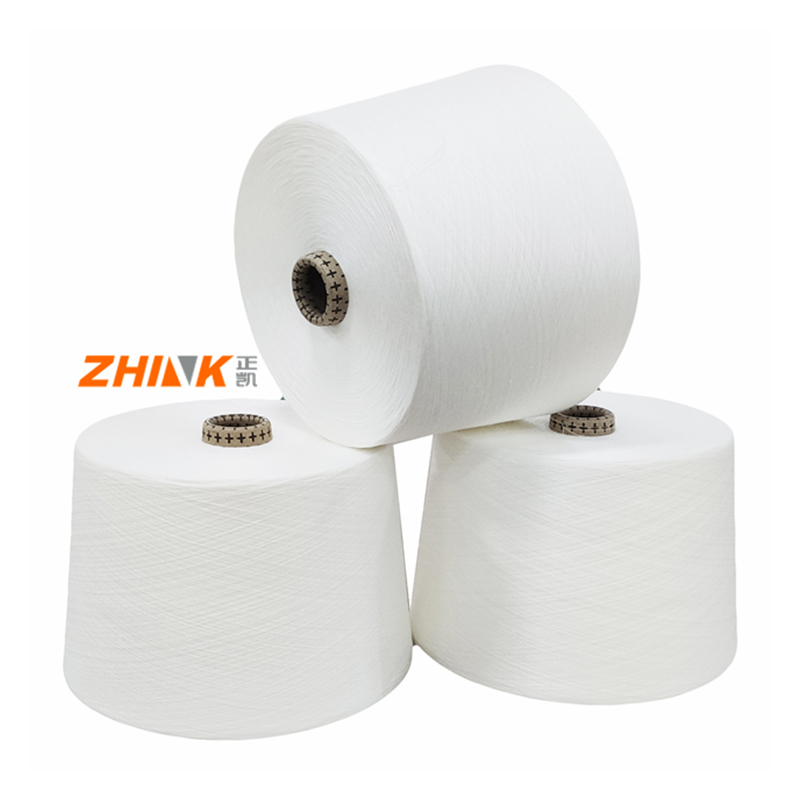
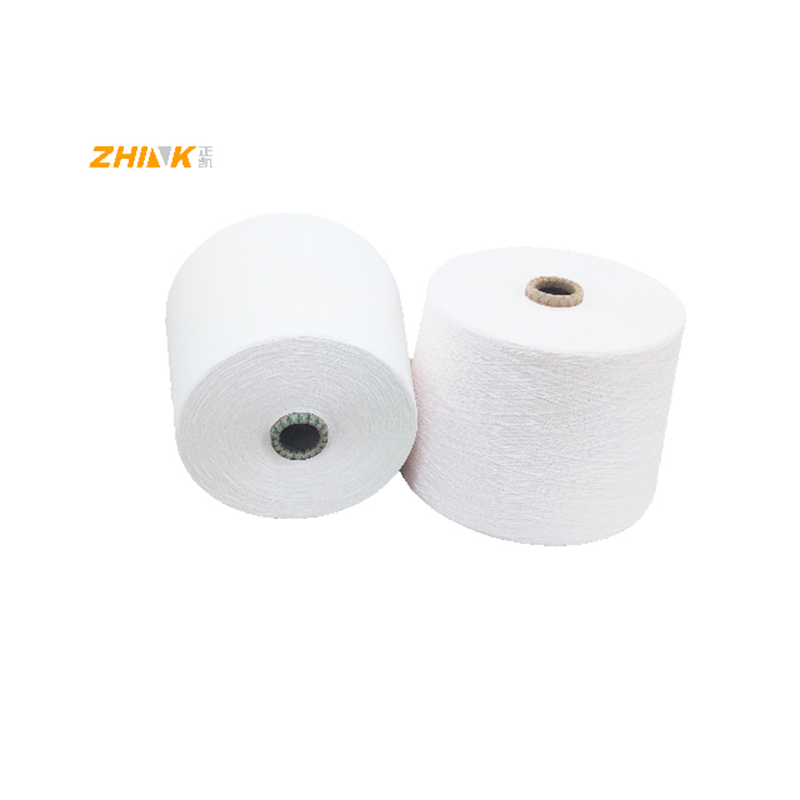
cotton and polyester yarn
Exploring the World of Cotton and Polyester Yarn
The interplay of cotton and polyester yarn in the textile industry often stirs debate among seasoned professionals. While both have their champions, understanding their unique characteristics and how they blend can transform the quality and functionality of textile products. Yet, choosing the right mix is seldom as straightforward as it seems.
The Basics of Cotton and Polyester Yarn
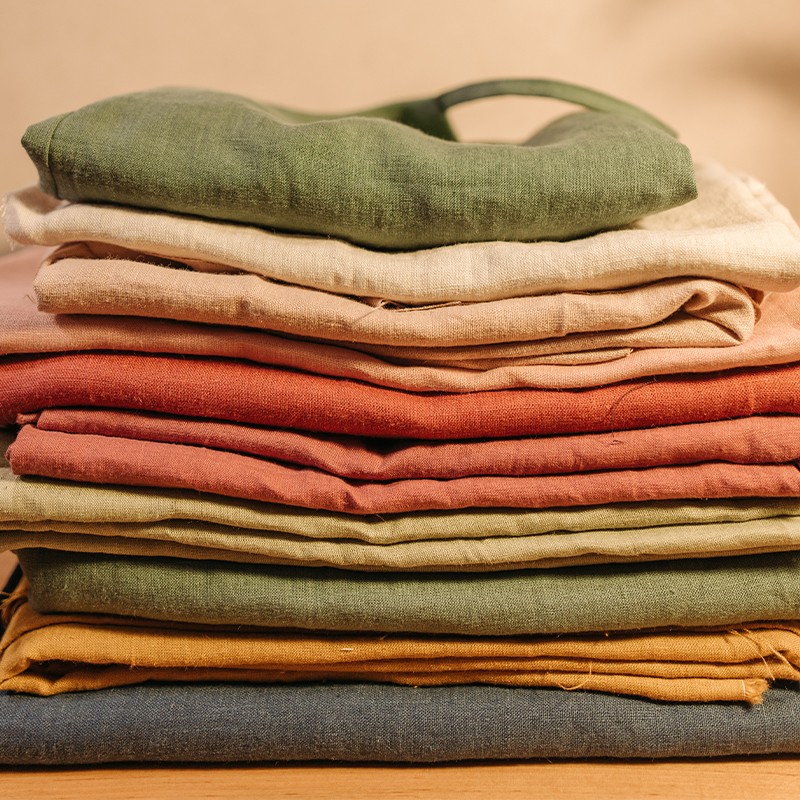
At the outset, cotton yarn is renowned for its softness and breathability. It's hailed for creating garments that feel natural and comfortable against the skin. Polyester yarn, on the other hand, offers strength and versatility. It's used for its durability and resistance to wrinkles and shrinkage. But there's more to the story than just their individual attributes.
One prevailing misconception is that polyester compromises comfort. While it’s true that polyester alone might lack the plush feel of cotton, when blended, the resulting fabric often inherits the breathability of cotton while retaining polyester's durability. This fusion is why you'll often find mixes like 60% cotton and 40% polyester touted in retail descriptions.
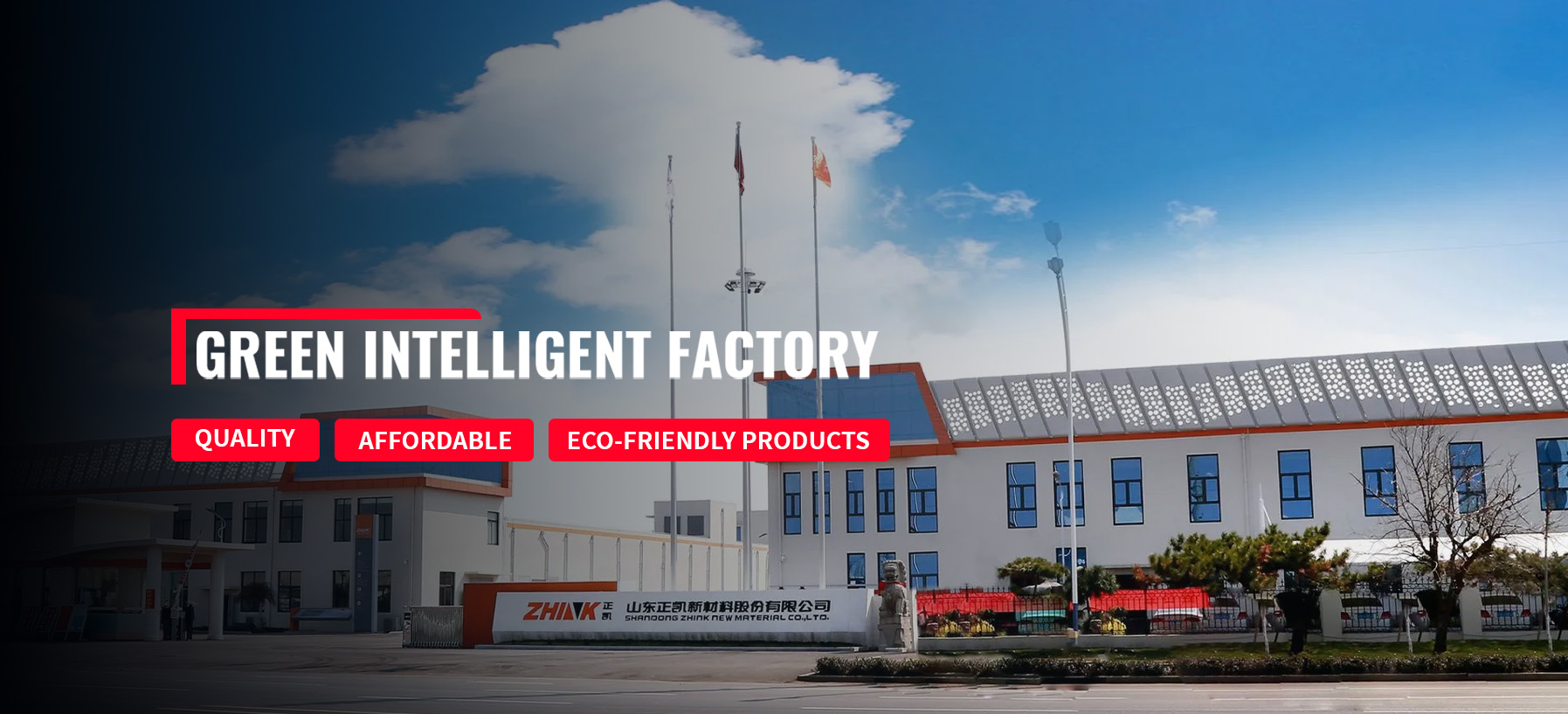
Consider Zhink New Material, a company dedicated to the advancement of textile blends. They approach these combinations with a focus on innovation, creating materials that challenge traditional assumptions about fabric comfort and functionality. Their website, ZHINK New Material Co., Ltd, offers insights into these cutting-edge developments.
Practical Applications and Challenges
On the production floor, the decision to use a cotton-polyester mix isn’t just theoretical. Each batch requires careful consideration of the intended use. For instance, in activewear, the moisture-wicking properties of polyester are invaluable, but in casualwear, the comfort of cotton might take precedence.
I've seen firsthand how varying humidity levels during production can affect the final yarn quality. Cotton tends to absorb moisture, which can disrupt production. Temperature and process adjustments are often necessary to maintain a consistent product. It's almost an art form, fine-tuning these conditions to ensure the quality isn't compromised.
Moreover, while working with blends, setting the right spinning parameters is crucial. Too much tension in the process can lead to breakage, while too little can result in uneven textures. It’s often a process of trial and error to find that sweet spot, and experience becomes your best guide.
The Influence of Innovation
The landscape is evolving, with manufacturers like Zhink New Material leading the way in sustainable practices. The push for eco-friendly textiles means that new technologies in spinning and dyeing are being developed to reduce environmental impact without sacrificing quality.
One promising area is the recycling of polyester yarn, incorporating post-consumer materials into new blends. This not only reduces waste but also capitalizes on polyester's inherent recyclability. It's exciting to see how these efforts will shape future market offerings.
Innovative blends are always emerging, like incorporating elastane to enhance stretchability. This opens up new possibilities for garments that require more stretch, like athletic wear, while maintaining the softness provided by cotton. It's a dynamic field, always presenting new challenges and opportunities.
Market Trends and Consumer Preferences
Consumer demand is another driving factor. The contemporary buyer is increasingly informed and eco-conscious, pushing for materials that strike a balance between quality and sustainability. This trend trickles down to how cotton and polyester yarn are used, from production practices to end-product offerings.
Zhink New Material has responded to these shifts by emphasizing transparent production processes and sustainable sourcing. Their website offers comprehensive details about their practices, presenting a case study in how companies can align with changing consumer values.
Ultimately, the challenge lies in anticipating these trends while maintaining adaptability. Working closely with marketing teams ensures that new product lines resonate with consumer interests. It's an ongoing dialogue between innovation and market demands, setting the stage for continual evolution.
Conclusion: The Journey Ahead
The journey of cotton and polyester yarn is one of continuous discovery and adaptation. For professionals in the field, it demands a balance of practical expertise and openness to novel ideas. It’s not just about using the right materials but understanding their subtle interactions.
The lessons learned from both successes and failures enrich the process, guiding future explorations in textile manufacturing. Through companies like Zhink New Material, the industry witnesses how progressive blends can redefine what we wear and how we live. Each thread tells a story of ingenuity and persistence.
If you're interested in the latest in textile innovation, SHANDONG ZHINK NEW MATERIAL CO., LTD is a valuable resource, with their insights available at zhinkyarn.com.
Related Products
Related Products