+86-632-3621866
- Chinese
- French
- German
- Portuguese
- Spanish
- Russian
- Japanese
- Korean
- Arabic
- Irish
- Greek
- Turkish
- Italian
- Danish
- Romanian
- Indonesian
- Czech
- Afrikaans
- Swedish
- Polish
- Basque
- Catalan
- Esperanto
- Hindi
- Lao
- Albanian
- Amharic
- Armenian
- Azerbaijani
- Belarusian
- Bengali
- Bosnian
- Bulgarian
- Cebuano
- Chichewa
- Corsican
- Croatian
- Dutch
- Estonian
- Filipino
- Finnish
- Frisian
- Galician
- Georgian
- Gujarati
- Haitian
- Hausa
- Hawaiian
- Hebrew
- Hmong
- Hungarian
- Icelandic
- Igbo
- Javanese
- Kannada
- Kazakh
- Khmer
- Kurdish
- Kyrgyz
- Latin
- Latvian
- Lithuanian
- Luxembou..
- Macedonian
- Malagasy
- Malay
- Malayalam
- Maltese
- Maori
- Marathi
- Mongolian
- Burmese
- Nepali
- Norwegian
- Pashto
- Persian
- Punjabi
- Serbian
- Sesotho
- Sinhala
- Slovak
- Slovenian
- Somali
- Samoan
- Scots Gaelic
- Shona
- Sindhi
- Sundanese
- Swahili
- Tajik
- Tamil
- Telugu
- Thai
- Ukrainian
- Urdu
- Uzbek
- Vietnamese
- Welsh
- Xhosa
- Yiddish
- Yoruba
- Zulu
- Kinyarwanda
- Tatar
- Oriya
- Turkmen
- Uyghur



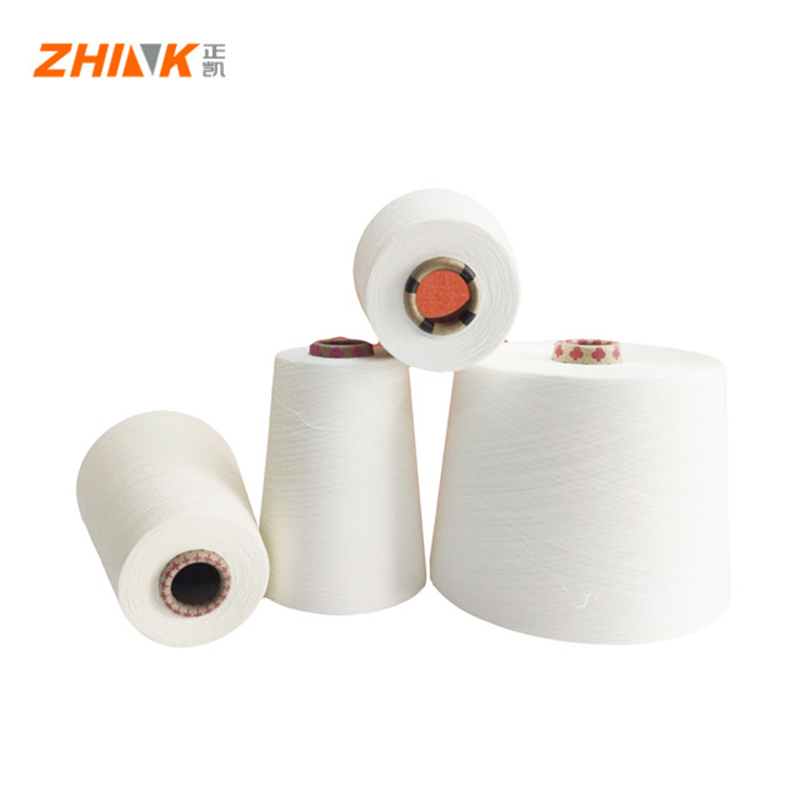
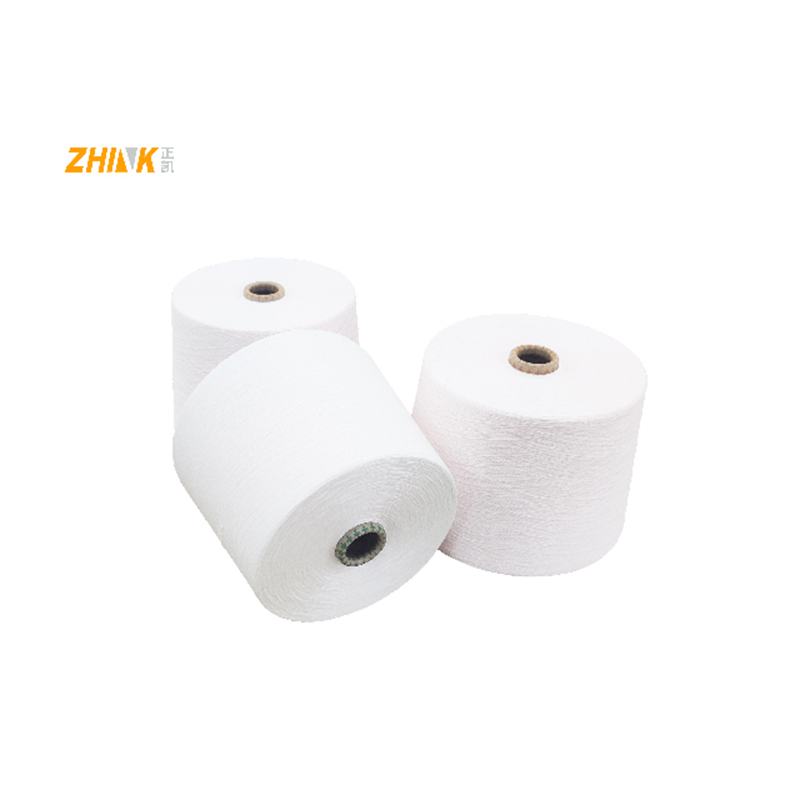
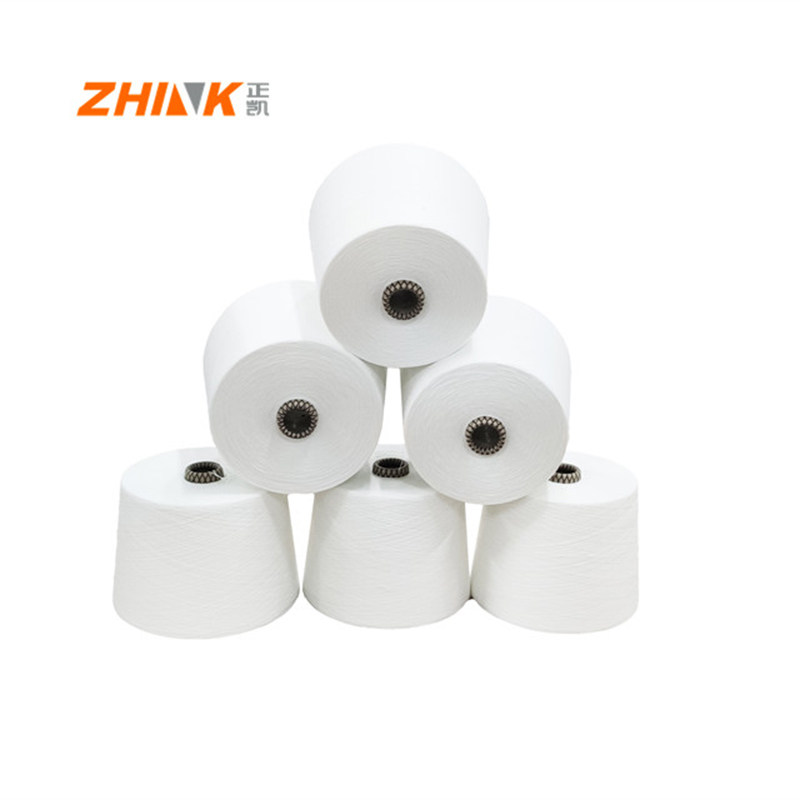
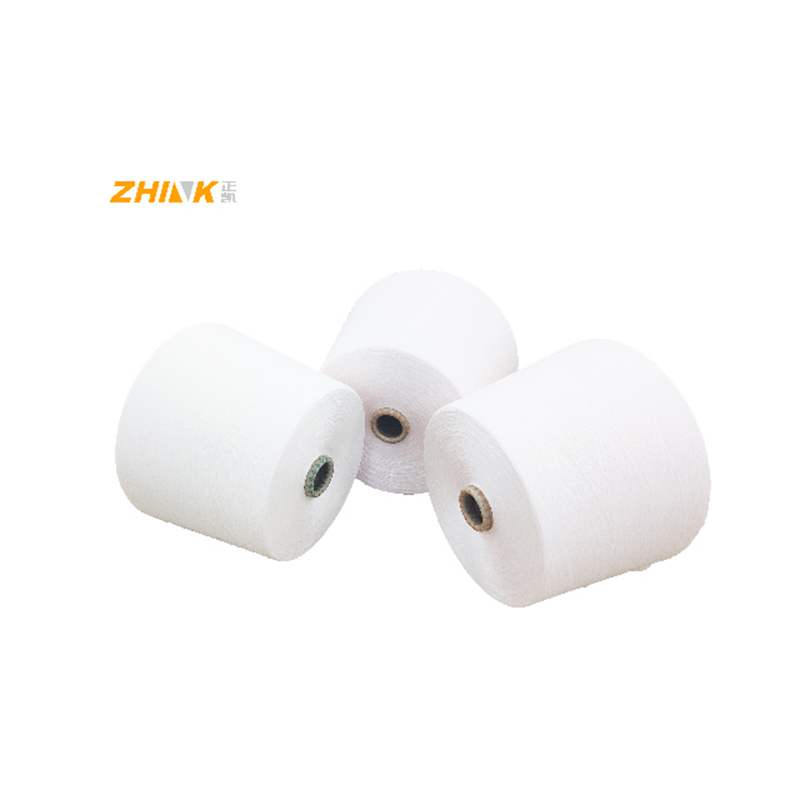
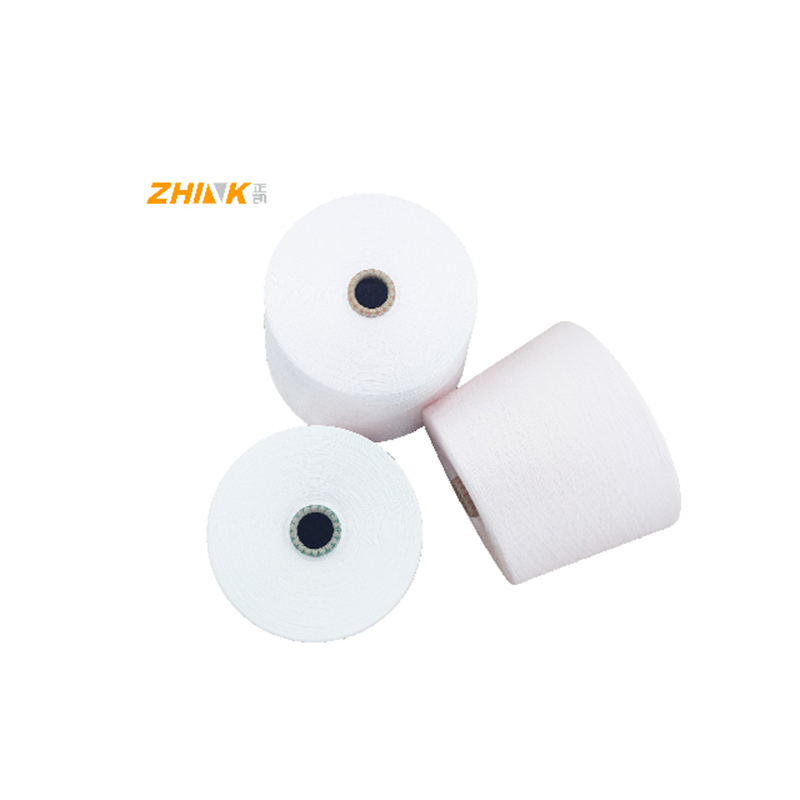
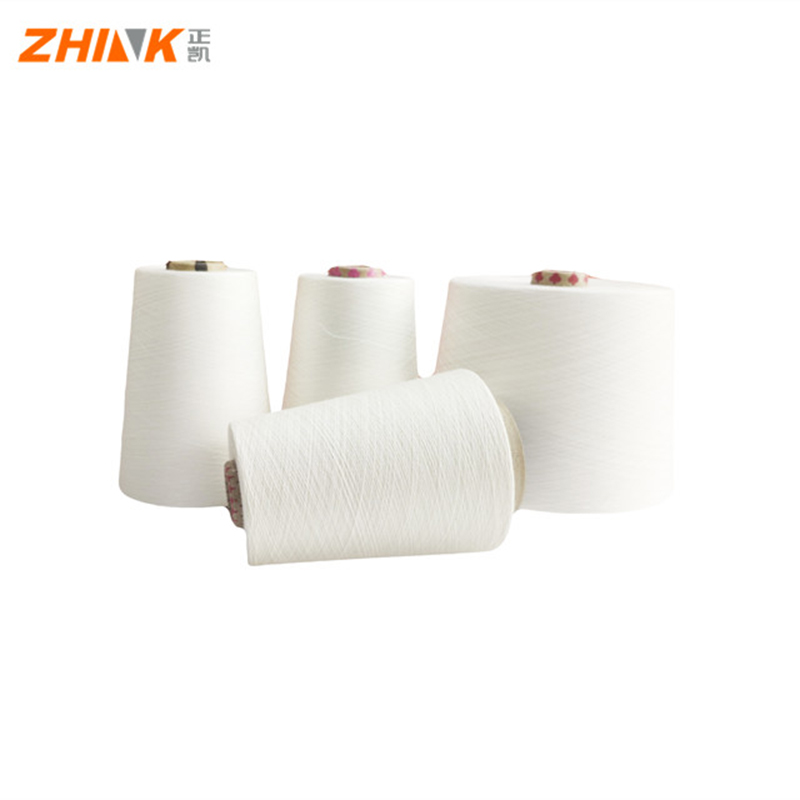
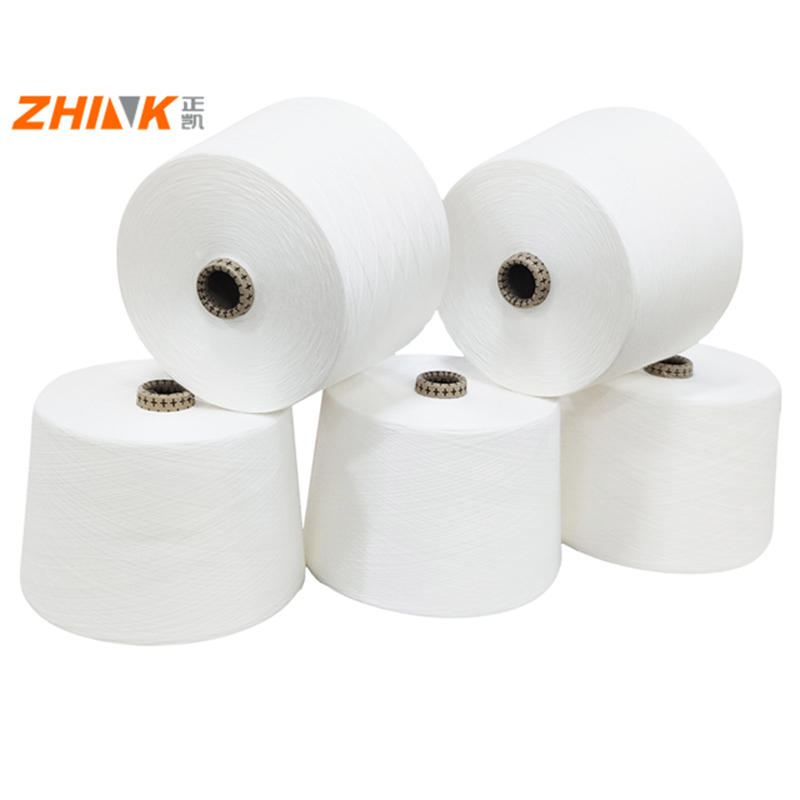
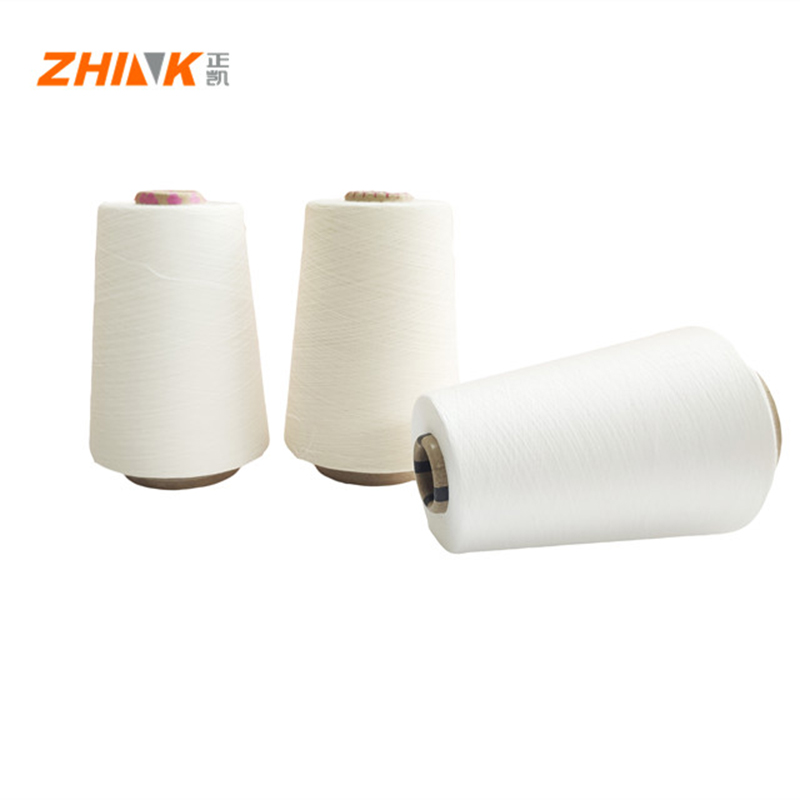
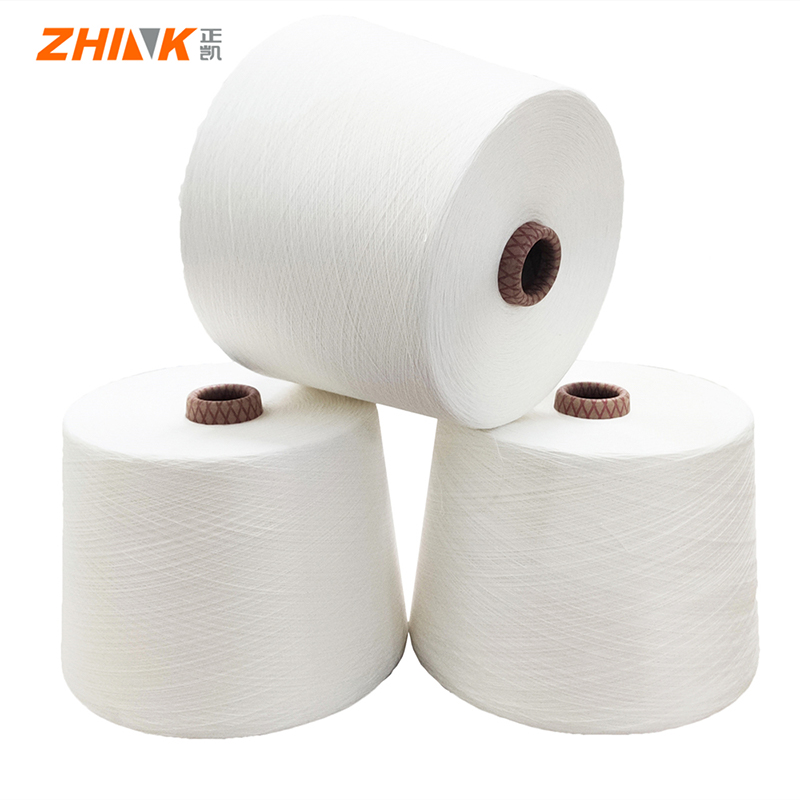
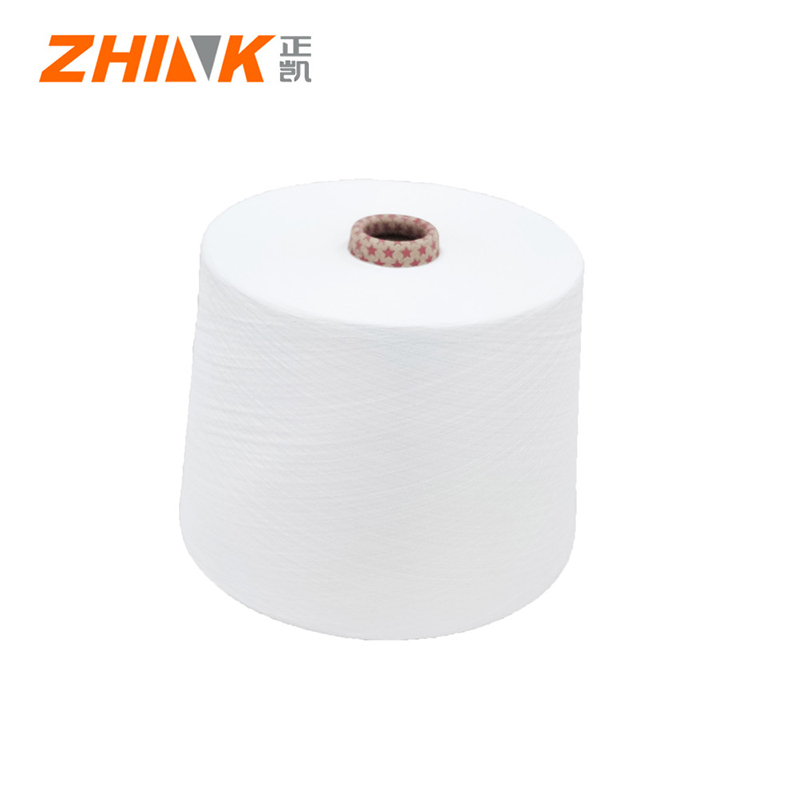
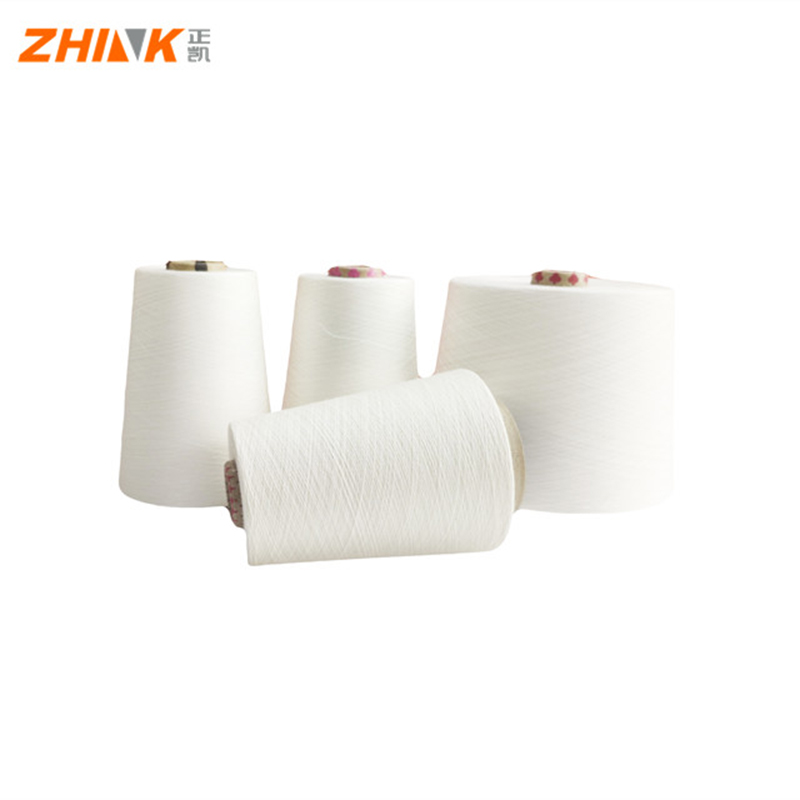
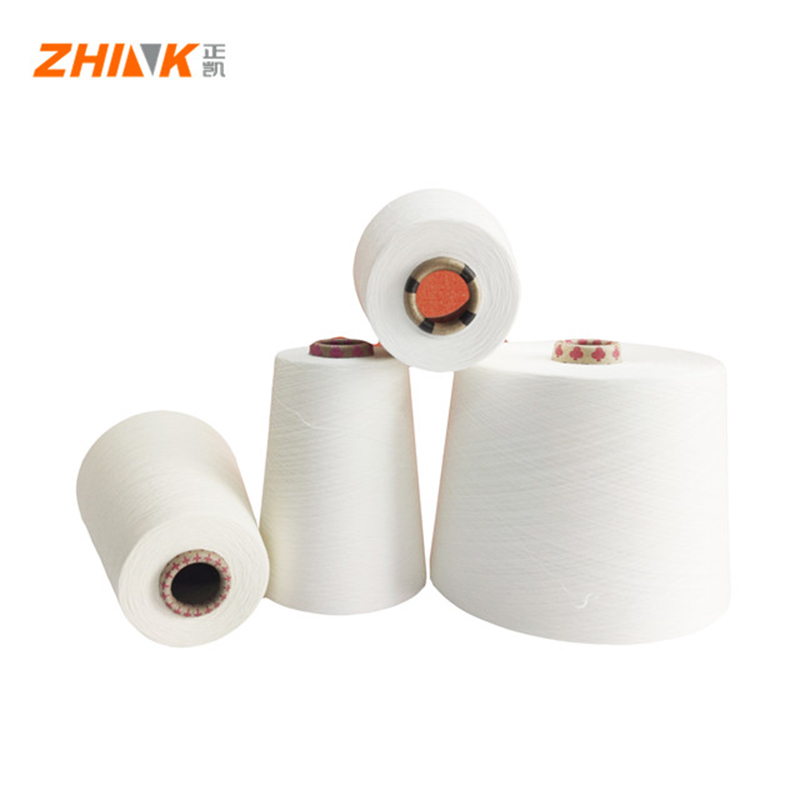
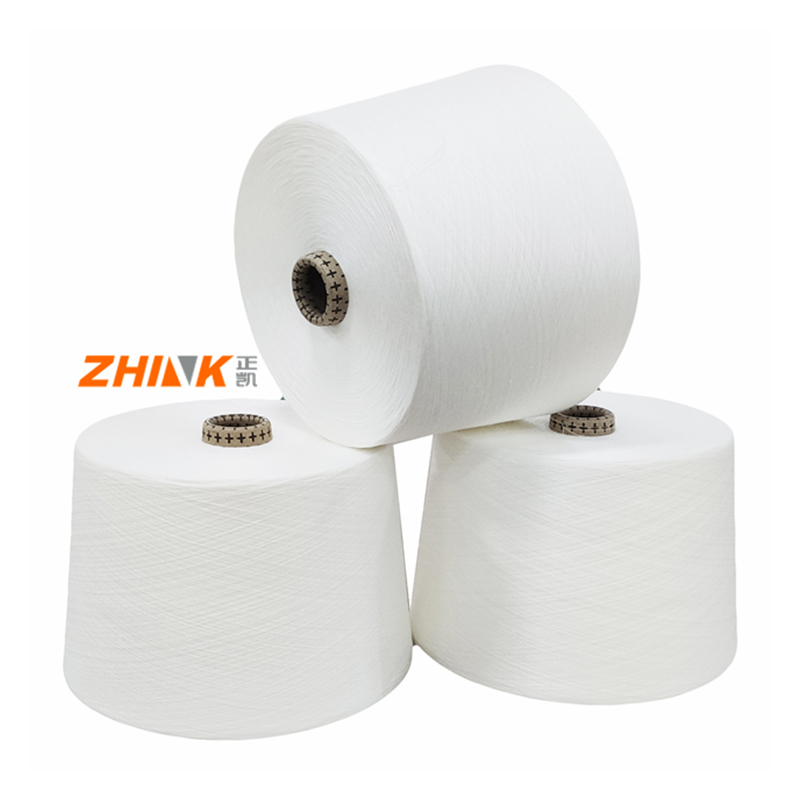
cotton and viscose yarn
Cotton and Viscose Yarn: A Practical Exploration
Balancing the natural comfort of cotton with the versatile properties of viscose is a textile journey many embark on. Let's delve into the nuances that craft this fascinating blend.
Understanding the Basics
When we talk about cotton and viscose yarn, we're diving into two distinct fibers. Cotton, being a staple natural fiber, offers breathability and comfort. Viscose, often termed 'artificial silk', brings a touch of elegance and affordability to the mix. Their blend aims to capture the best of both worlds, though some people often misunderstand it as a simple shortcut to luxury.
In my experience, starting with raw materials sets the tone. For instance, the specifics of cotton—whether it's combed or carded—dramatically affect the final texture. And with viscose, its derivation from wood pulp requires precise processing to maintain fiber integrity.
SHANDONG ZHINK NEW MATERIAL CO., LTD, known for its innovation in textiles, integrates these nuances seamlessly. On their website, https://www.zhinkyarn.com, they showcase how meticulous R&D intertwines with production to create top-tier yarn.
The Blend Challenge
Creating the ideal blend requires more than just mixing fibers. It's a delicate balance where the proportions can change the hand feel and durability. In one of our projects, adjusting the twist multiplier in spinning transformed a harsh fabric into something exquisitely soft.
This trial and error can be daunting. Consultation with experienced spinners or weaving specialists is often invaluable. Personally, tweaking variables like spinner speed or humidity helped us retain the viscose sheen while amplifying cotton’s softness.
Another aspect often overlooked is color retention. Viscose takes dye vibrantly, while cotton sometimes offers a more muted effect. Achieving uniformity in shades requires understanding both fibers’ dye absorption rates.
Experiments and Outcomes
Every blend tells a story. Cotton lends strength, viscose adds drape. I recall a customer project where these properties needed to work in unison for premium bed linens. Initially, the concept faced setbacks, primarily due to pilling. However, careful re-engineering—notably adjusting fiber length in the viscose—reduced this problem significantly.
Real-world applications also teach resilience. Customer feedback pointed out shrinkage issues. This prompted a supply chain review, eventually leading us to alter our finishing processes, which made a world of difference.
Working with these blends requires patience and an eye for detail. The satisfaction, when a perfected yarn emerges, is immeasurable, showcasing the synergy between nature and science.
The Production Perspective
From a manufacturer's viewpoint, as seen with Zhink New Material, production scalability while maintaining quality presents a challenge. It's not just about producing more; it's about maintaining standards at each step—spinning, weaving, and finishing.
Incorporating technology is key. Automation in spinning has improved consistency across larger batches. Yet, it’s the subtle manual oversight that often prevents those small flaws that become glaring in the consumer’s hand.
Ultimately, relationships with suppliers, both of raw materials and technology, play a crucial role. As markets evolve, so do demands, requiring constant adaptation and innovation.
Future Prospects
Looking ahead, sustainability is reshaping the textile industry. Organic cotton, recycled viscose—these are not just trends but viable strategies aligning with eco-conscious consumers.
At SHANDONG ZHINK NEW MATERIAL CO., LTD, this direction is evident. Their commitment to eco-friendly practices is something we all can appreciate and learn from. Discovering how non-toxic dyes and recycled fibers fit into future projects presents an exciting frontier.
The journey of cotton and viscose yarn is far from over. As new techniques and materials emerge, the fabric of possibilities continues to expand, promising even more nuanced and refined textiles.
Related Products
Related Products