+86-632-3621866
- Chinese
- French
- German
- Portuguese
- Spanish
- Russian
- Japanese
- Korean
- Arabic
- Irish
- Greek
- Turkish
- Italian
- Danish
- Romanian
- Indonesian
- Czech
- Afrikaans
- Swedish
- Polish
- Basque
- Catalan
- Esperanto
- Hindi
- Lao
- Albanian
- Amharic
- Armenian
- Azerbaijani
- Belarusian
- Bengali
- Bosnian
- Bulgarian
- Cebuano
- Chichewa
- Corsican
- Croatian
- Dutch
- Estonian
- Filipino
- Finnish
- Frisian
- Galician
- Georgian
- Gujarati
- Haitian
- Hausa
- Hawaiian
- Hebrew
- Hmong
- Hungarian
- Icelandic
- Igbo
- Javanese
- Kannada
- Kazakh
- Khmer
- Kurdish
- Kyrgyz
- Latin
- Latvian
- Lithuanian
- Luxembou..
- Macedonian
- Malagasy
- Malay
- Malayalam
- Maltese
- Maori
- Marathi
- Mongolian
- Burmese
- Nepali
- Norwegian
- Pashto
- Persian
- Punjabi
- Serbian
- Sesotho
- Sinhala
- Slovak
- Slovenian
- Somali
- Samoan
- Scots Gaelic
- Shona
- Sindhi
- Sundanese
- Swahili
- Tajik
- Tamil
- Telugu
- Thai
- Ukrainian
- Urdu
- Uzbek
- Vietnamese
- Welsh
- Xhosa
- Yiddish
- Yoruba
- Zulu
- Kinyarwanda
- Tatar
- Oriya
- Turkmen
- Uyghur



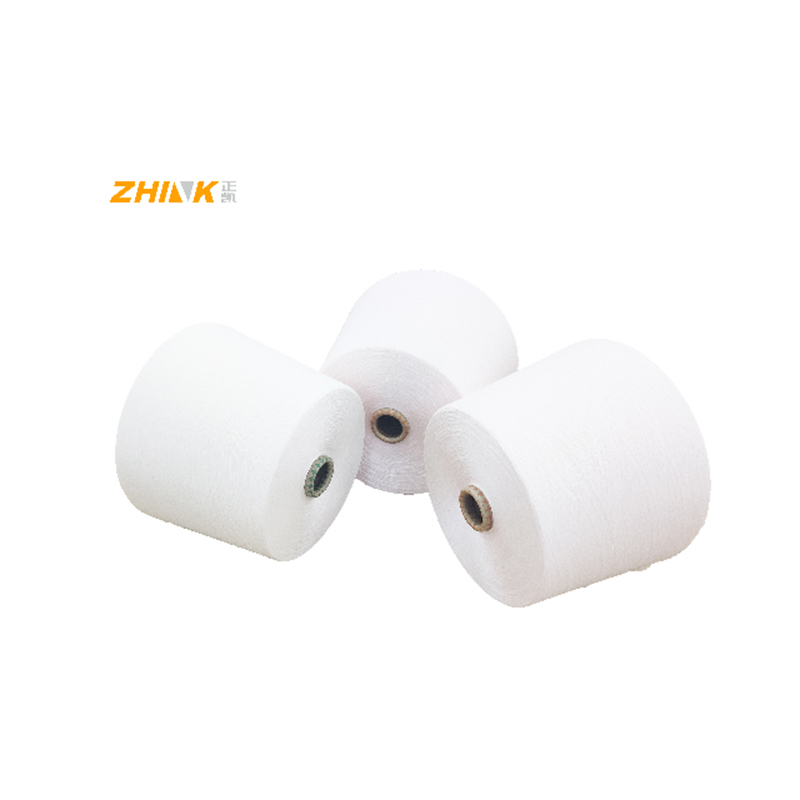
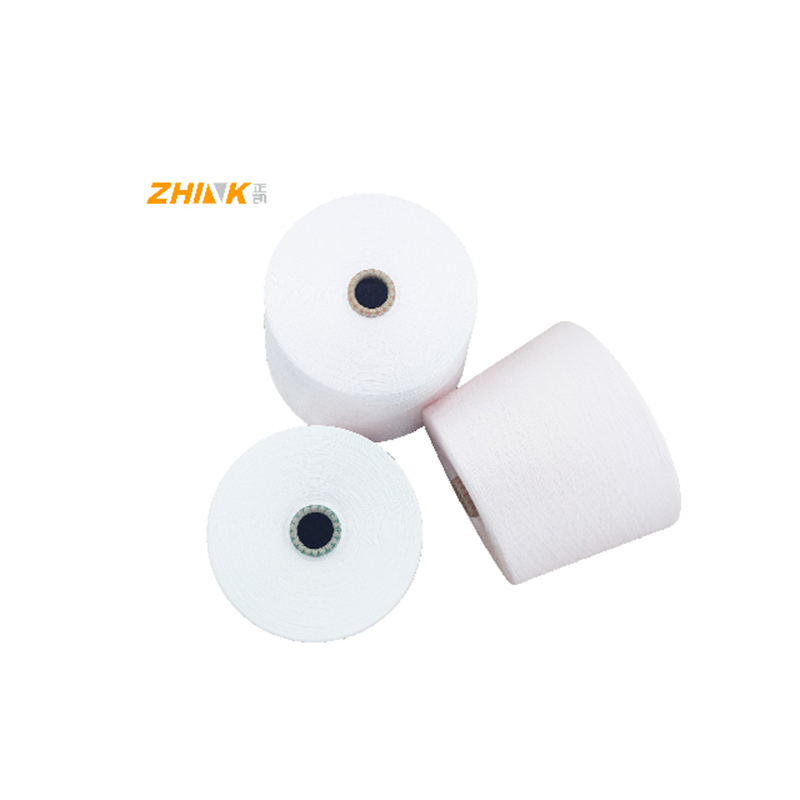
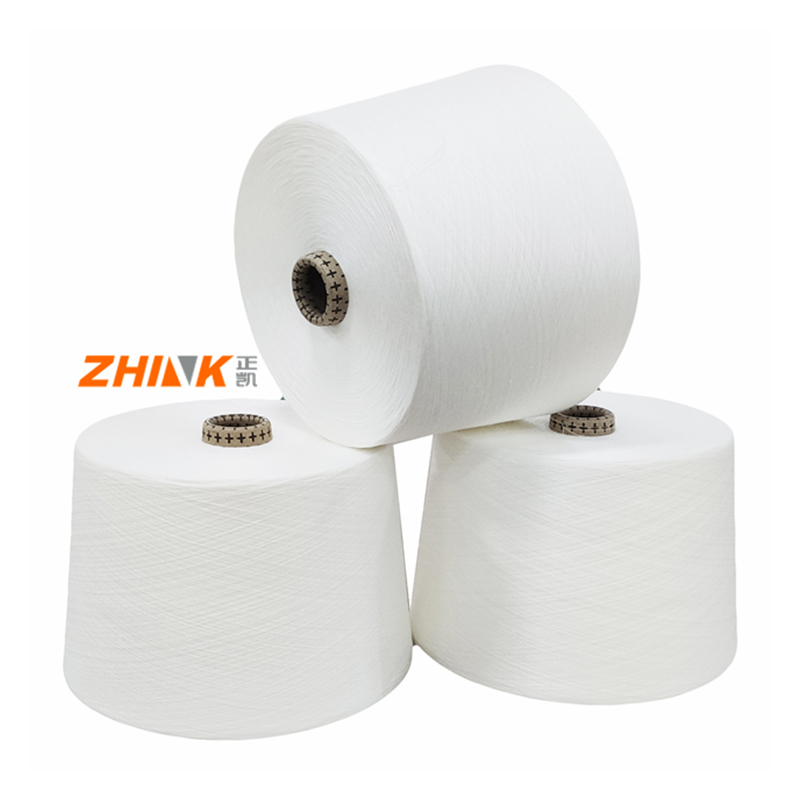
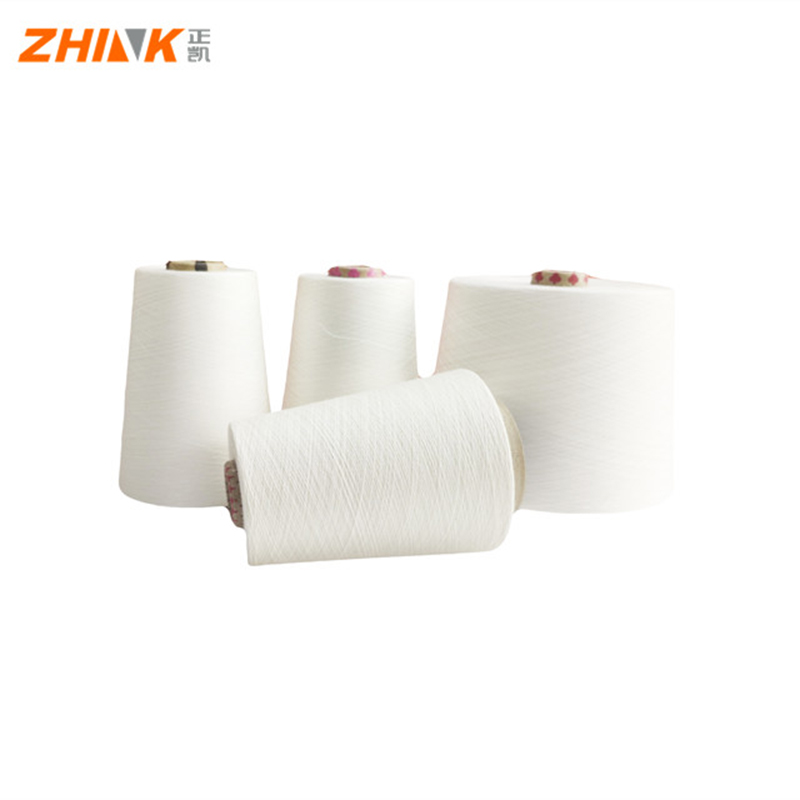
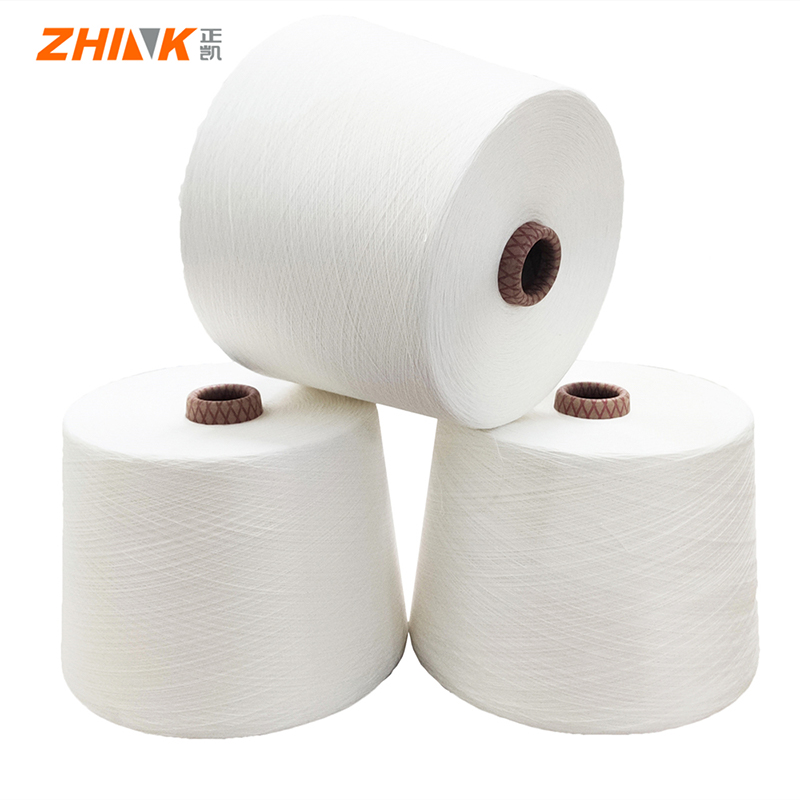
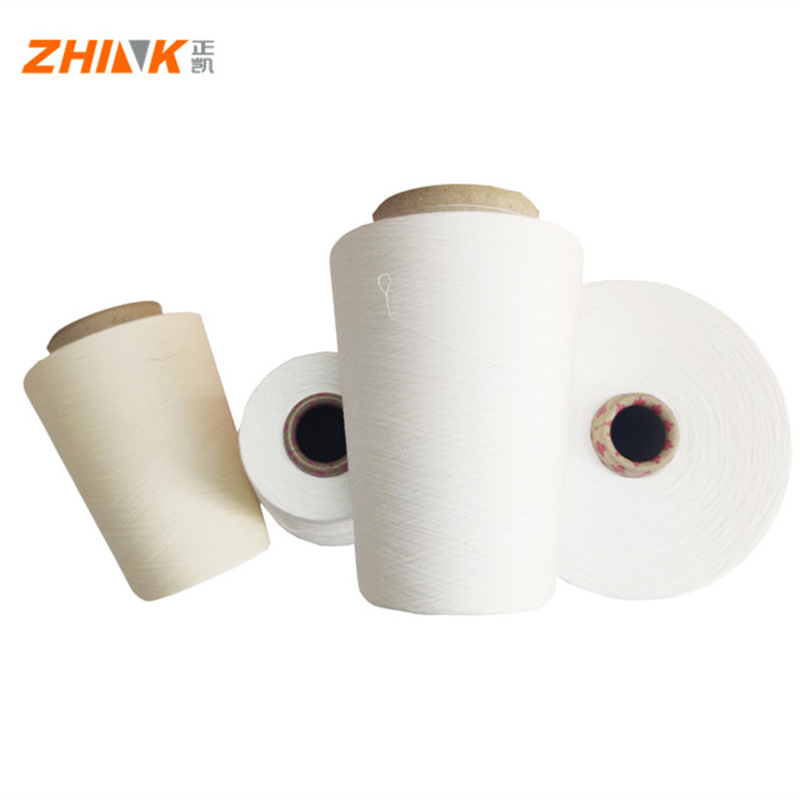
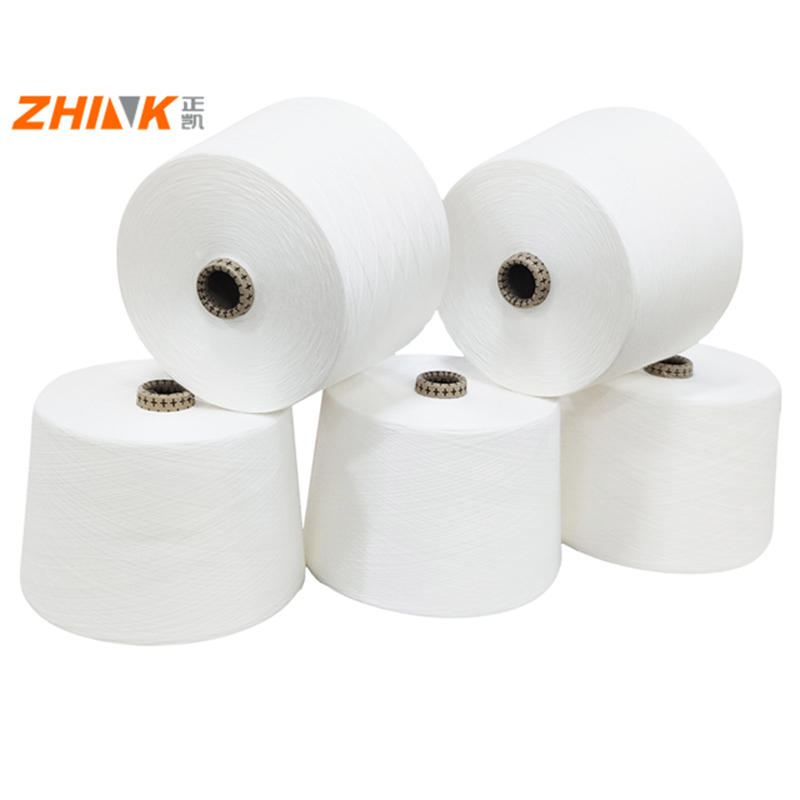
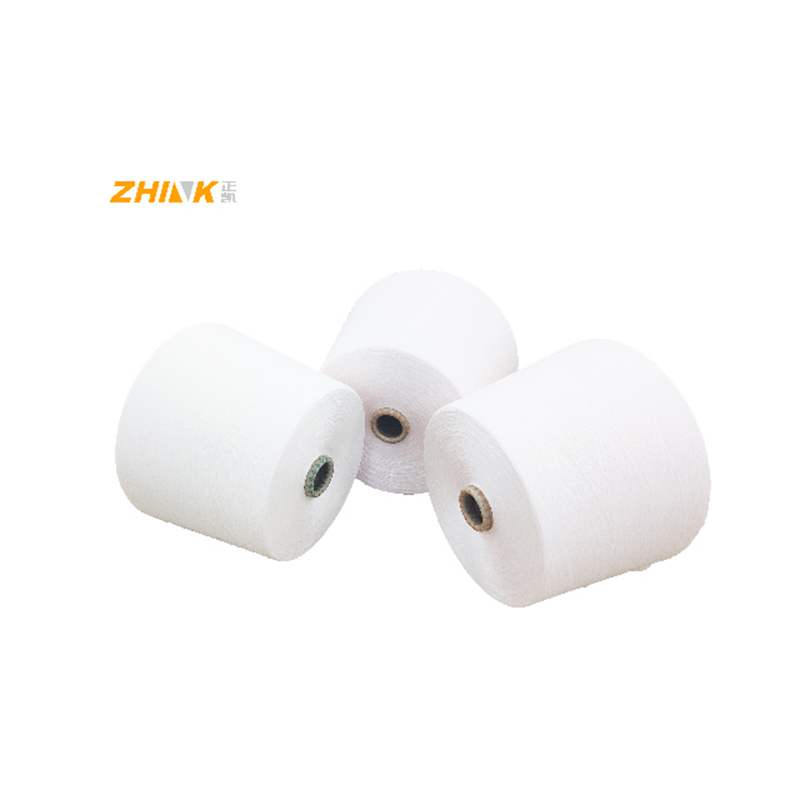
cotton blend yarn
The Art and Science of Cotton Blend Yarn
Delving into the nuances of cotton blend yarn can feel akin to navigating both art and science. For those who've tread this path, the discovery process is layered with texture, composition, and a myriad of possibilities.
Understanding Cotton Blends
When considering cotton blend yarn, it's about finding the sweet spot between natural and synthetic fibers. Often, people mistakenly assume any blend dilutes the purity of cotton. But from my experience, blends can actually enhance the fabric’s performance.
For instance, adding polyester often increases durability and elasticity. This can be a game-changer, especially in textile applications subjected to wear and tear. You don't just feel these differences; you see them over time, as garments resist fading and maintain shape better.
Companies like SHANDONG ZHINK NEW MATERIAL CO., LTD are at the forefront of these innovations. They leverage their deep-rooted expertise to tailor blends that cater to both aesthetic and functional needs.
The Practical Side of Blending
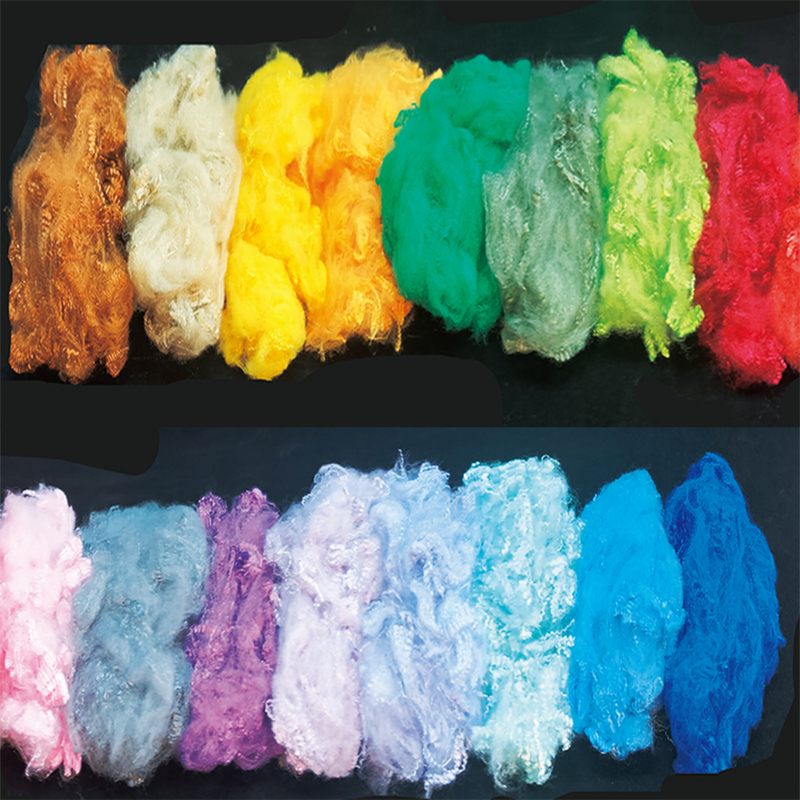
From a production perspective, blending isn't merely about combining fibers. It's about understanding the behavior of each component. A typical challenge is managing the dyeing process, where varying fibers can absorb colors unevenly, leading to unexpected hues.
I recall a specific project where our attempt at a cotton-polyester blend initially led to a mismatch in color vibrancy. Through trial, error, and expert consultation, we learned to adjust our processes, resulting in consistent and appealing outcomes.
It's not always straightforward and requires precision and patience. This is especially true at facilities like Zhink New Material’s, where innovation meets tradition in crafting groundbreaking textile solutions.
Designing with Blends
Designers often underestimate the potential of cotton blend yarn. They might focus solely on pure fibers for their visual appeal, missing out on the creative versatility that blends offer.
In practice, these yarns can dramatically alter the drape and feel of the fabric. A cotton-viscose blend, for instance, adds a silky touch, transforming ordinary garments into luxury pieces.
Integrating these materials allows designers at places linked with Zhink New Material to explore new creative territories, pushing the boundaries of traditional textile applications.
Challenges in Blending
No examination of cotton blend yarn is complete without discussing the inevitable hurdles. One common issue is pilling, often occurring in softer blends. This can ruin the textile's appearance if not addressed early in the design phase.
Solutions often involve adjusting the fiber mix or altering the spinning technique. It's here that knowledge is as much about solving problems as it is about preventing them in the first place.
For SHANDONG ZHINK NEW MATERIAL CO., LTD, staying ahead means constantly evolving these techniques, supported by their strong R&D background.
Sustainable Blending Practices
In today’s environmentally conscious market, sustainable practices in creating cotton blend yarn cannot be overlooked. The goal is to retain the benefits of synthetic fibers while minimizing environmental impact.
Producers are increasingly looking at low-impact dyes and responsibly sourced fibers, areas where Zhink New Material excels. Their commitment to sustainable solutions aligns with a global shift towards eco-friendly textile production.
These practices not only meet consumer demand but also contribute to a more sustainable future, allowing companies to weave innovation with responsibility.
Related Products
Related Products