
+86-632-3621866
- Chinese
- French
- German
- Portuguese
- Spanish
- Russian
- Japanese
- Korean
- Arabic
- Irish
- Greek
- Turkish
- Italian
- Danish
- Romanian
- Indonesian
- Czech
- Afrikaans
- Swedish
- Polish
- Basque
- Catalan
- Esperanto
- Hindi
- Lao
- Albanian
- Amharic
- Armenian
- Azerbaijani
- Belarusian
- Bengali
- Bosnian
- Bulgarian
- Cebuano
- Chichewa
- Corsican
- Croatian
- Dutch
- Estonian
- Filipino
- Finnish
- Frisian
- Galician
- Georgian
- Gujarati
- Haitian
- Hausa
- Hawaiian
- Hebrew
- Hmong
- Hungarian
- Icelandic
- Igbo
- Javanese
- Kannada
- Kazakh
- Khmer
- Kurdish
- Kyrgyz
- Latin
- Latvian
- Lithuanian
- Luxembou..
- Macedonian
- Malagasy
- Malay
- Malayalam
- Maltese
- Maori
- Marathi
- Mongolian
- Burmese
- Nepali
- Norwegian
- Pashto
- Persian
- Punjabi
- Serbian
- Sesotho
- Sinhala
- Slovak
- Slovenian
- Somali
- Samoan
- Scots Gaelic
- Shona
- Sindhi
- Sundanese
- Swahili
- Tajik
- Tamil
- Telugu
- Thai
- Ukrainian
- Urdu
- Uzbek
- Vietnamese
- Welsh
- Xhosa
- Yiddish
- Yoruba
- Zulu
- Kinyarwanda
- Tatar
- Oriya
- Turkmen
- Uyghur



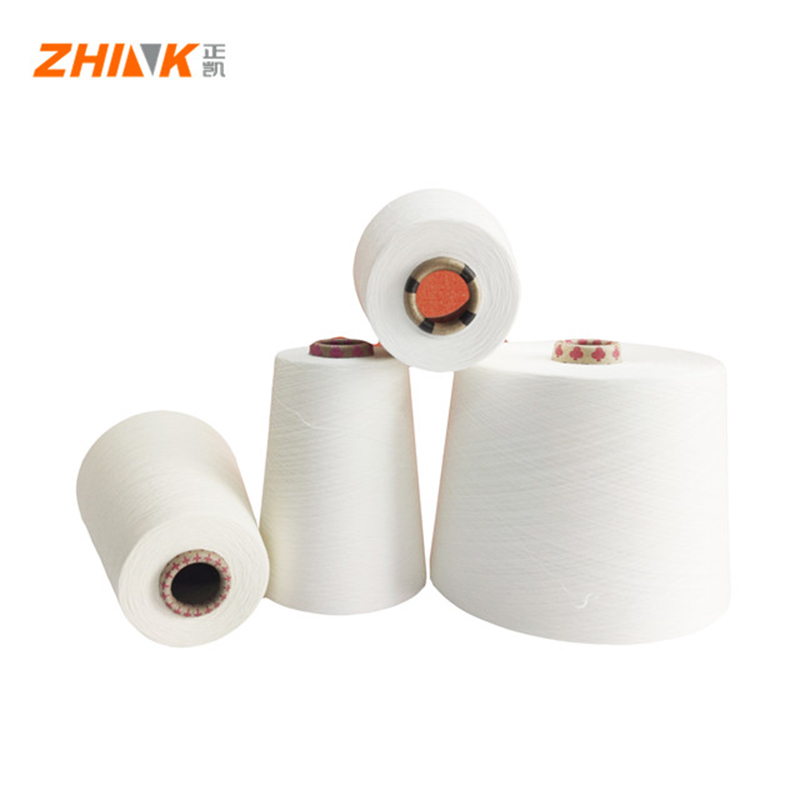
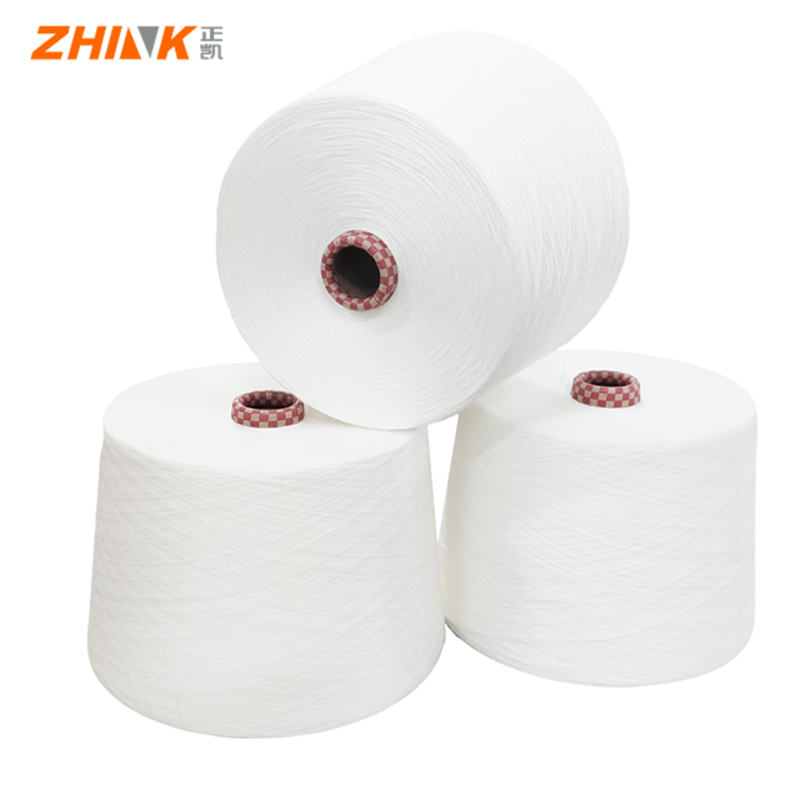
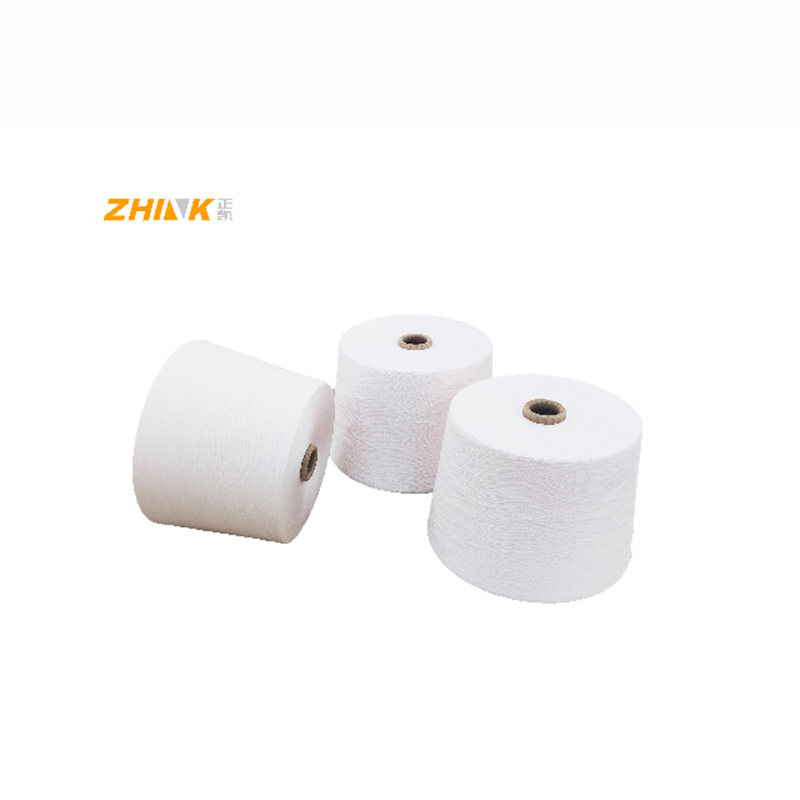
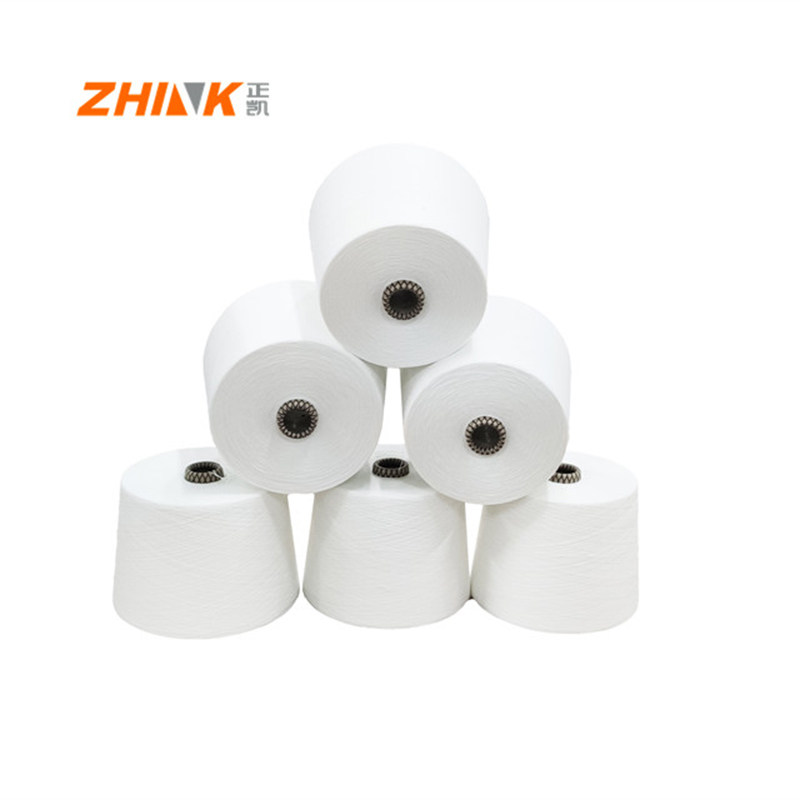
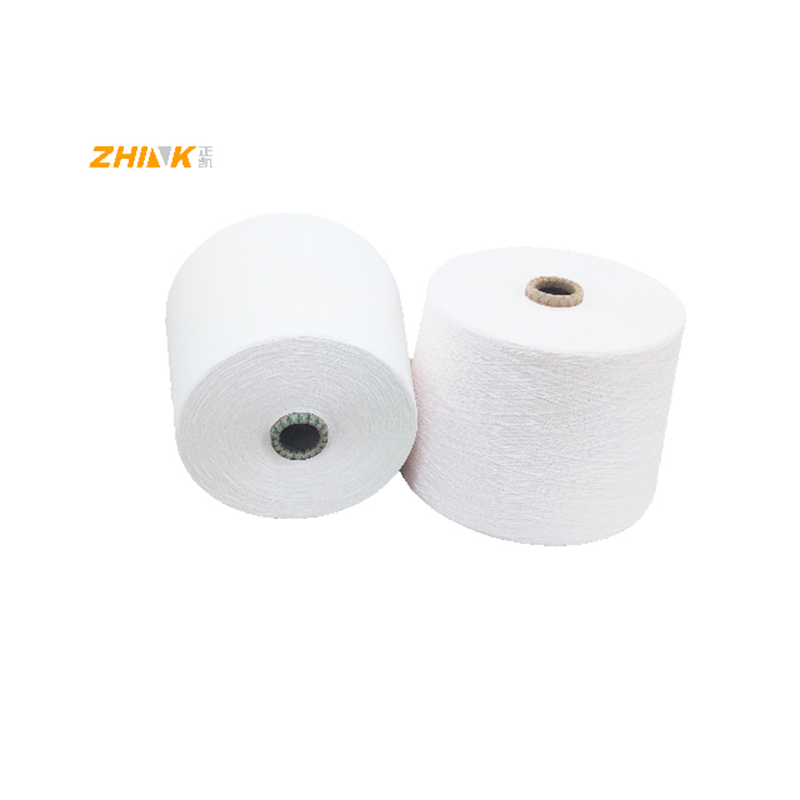
cotton linen blend yarn
The Versatility of Cotton Linen Blend Yarn
When it comes to choosing the right yarn for your textile projects, the blend of comfort and durability offered by cotton linen blend yarn is hard to beat. This unique combination leverages the best of both materials, providing practical and aesthetic benefits that appeal to both hobbyists and professional designers. Let’s unpack what makes this blend so special and explore some real-world applications.
The Perfect Balance
From my experience, blending cotton and linen creates a fabric that is not only breathable but also has a certain structural integrity. Cotton is soft and absorbent, while linen adds strength and a slight crispness. This mix results in a versatile yarn that is ideal for a range of uses, from clothing to home décor.
One common misconception is that linen is always stiff. In fact, when blended with cotton, the stiffness is toned down, resulting in a softer and more manageable texture. This is particularly useful if you are looking for drapery in garments without losing that quintessential linen aesthetic.
Working with cotton linen blend yarn can initially be challenging, especially for those accustomed to pure cotton. The blend behaves differently during knitting or weaving, so it's crucial to test your tension and gauge. I had a project where I underestimated this difference and ended up with a fit that was far too loose for a summer top.
Applications and Benefits
Given its properties, this yarn is perfect for summer clothing. It's breathable and light, keeping the wearer cool. I’ve seen how well it works in making elegant yet casual shirts and dresses. The fabric’s longevity ensures that garments made from it endure frequent use and washing.
Additionally, this blend is fantastic for home textiles like tablecloths and curtains. The subtle sheen introduced by the linen component adds an understated elegance, which I find particularly pleasing in minimalistic and natural interior design themes.
Notably, I’ve observed that products made from cotton linen blends tend to perform better in terms of color retention compared to pure cotton. This is likely due to the linen stabilizing the dye within the fiber. This quality is indispensable for items that are frequently exposed to sunlight.
Challenges and Solutions
While working with this yarn, one of the main challenges is its reaction to washing. Linen can shrink significantly if not pre-washed or handled properly during the first few washes. I learned this the hard way with a beautiful woven scarf that ended up much smaller after laundering. It's essential to account for shrinkage during the design phase.
Moreover, the blend can occasionally be more expensive than standard cotton or synthetic yarns. The cost, however, is often offset by its durability and aesthetic qualities. For those looking to justify the price, consider the longer lifespan and higher quality finish.
An additional tip: always use a mild detergent and avoid wringing out your cotton linen blend yarn products. Gentle handling retains the fabric’s texture and longevity.
Industry Insights
At SHANDONG ZHINK NEW MATERIAL CO., LTD, where the focus is on cutting-edge textile materials, the evolution of cotton linen blend yarn is paramount. As detailed on their website, Zhink New Material continuously experiments with blend ratios to optimize both performance and feel.
One exciting development in this area is the incorporation of sustainable practices. Consumers today are more environmentally conscious and are leaning towards fibers that have a lower ecological impact. Zhink New Material’s research shows a commitment to sustainability, which is attracting significant interest from eco-friendly brands.
As an industry practitioner, I see Zhink's emphasis on innovation as a positive force that aligns with the demand for quality and sustainability in textile production. Their approach to R&D is setting new standards in the industry, as they focus not just on product creation, but also on the practical applications and future impacts.
Final Thoughts
Choosing cotton linen blend yarn opens up a realm of possibilities that other yarns simply cannot match. From its blend of durability and comfort to its aesthetic versatility, it is an excellent choice for a myriad of projects. Whether you are crafting garments or home goods, understanding the nuances of this material can significantly impact your work’s success. I personally recommend experimenting with small projects and gradually scaling up as you get a feel for the yarn.
Ultimately, it's the balance of properties that makes this blend so compelling. The innovative work being done by companies like SHANDONG ZHINK NEW MATERIAL CO., LTD ensures that we will continue to see exciting developments in this field.
Related Products
Related Products

Best Selling Products
Best Selling Products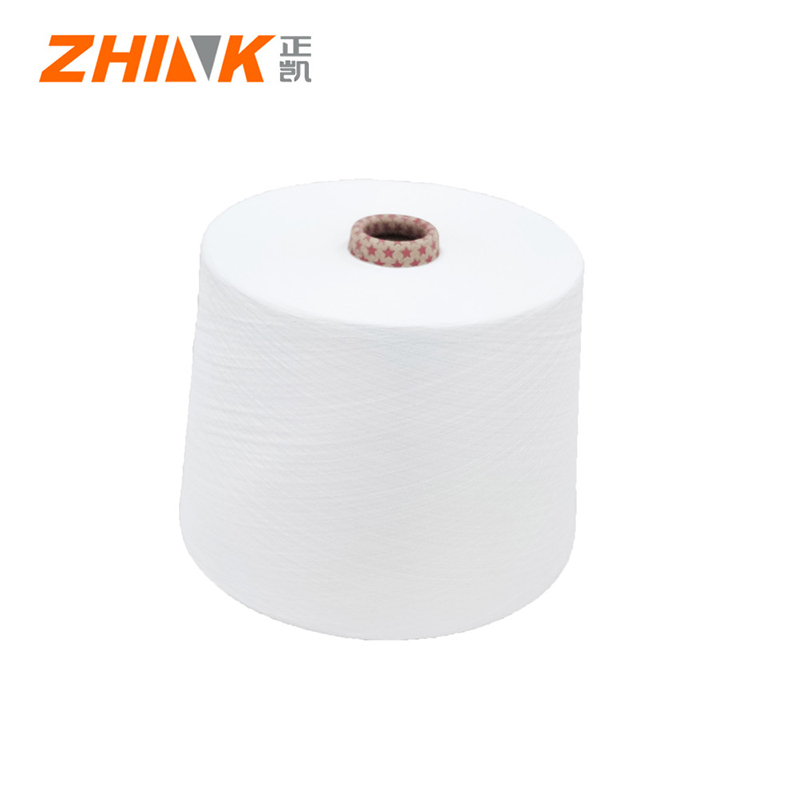
Related Search
Related Search- 100% acrylic yarn for weaving
- Acrylic blended yarn for weaving
- acrylic wool yarn
- Hollow polyester staple fiber yarn
- Recycled polyester spun yarn for knitting
- pima cotton yarn
- Recycled polyester/bamboo 70/30 yarn
- A100/viscose/copper ammonia/linen 50/30/10/10 30S
- Recycled polyester/Modal mvs yarn
- 1.56dtex*38mm