+86-632-3621866
- Chinese
- French
- German
- Portuguese
- Spanish
- Russian
- Japanese
- Korean
- Arabic
- Irish
- Greek
- Turkish
- Italian
- Danish
- Romanian
- Indonesian
- Czech
- Afrikaans
- Swedish
- Polish
- Basque
- Catalan
- Esperanto
- Hindi
- Lao
- Albanian
- Amharic
- Armenian
- Azerbaijani
- Belarusian
- Bengali
- Bosnian
- Bulgarian
- Cebuano
- Chichewa
- Corsican
- Croatian
- Dutch
- Estonian
- Filipino
- Finnish
- Frisian
- Galician
- Georgian
- Gujarati
- Haitian
- Hausa
- Hawaiian
- Hebrew
- Hmong
- Hungarian
- Icelandic
- Igbo
- Javanese
- Kannada
- Kazakh
- Khmer
- Kurdish
- Kyrgyz
- Latin
- Latvian
- Lithuanian
- Luxembou..
- Macedonian
- Malagasy
- Malay
- Malayalam
- Maltese
- Maori
- Marathi
- Mongolian
- Burmese
- Nepali
- Norwegian
- Pashto
- Persian
- Punjabi
- Serbian
- Sesotho
- Sinhala
- Slovak
- Slovenian
- Somali
- Samoan
- Scots Gaelic
- Shona
- Sindhi
- Sundanese
- Swahili
- Tajik
- Tamil
- Telugu
- Thai
- Ukrainian
- Urdu
- Uzbek
- Vietnamese
- Welsh
- Xhosa
- Yiddish
- Yoruba
- Zulu
- Kinyarwanda
- Tatar
- Oriya
- Turkmen
- Uyghur



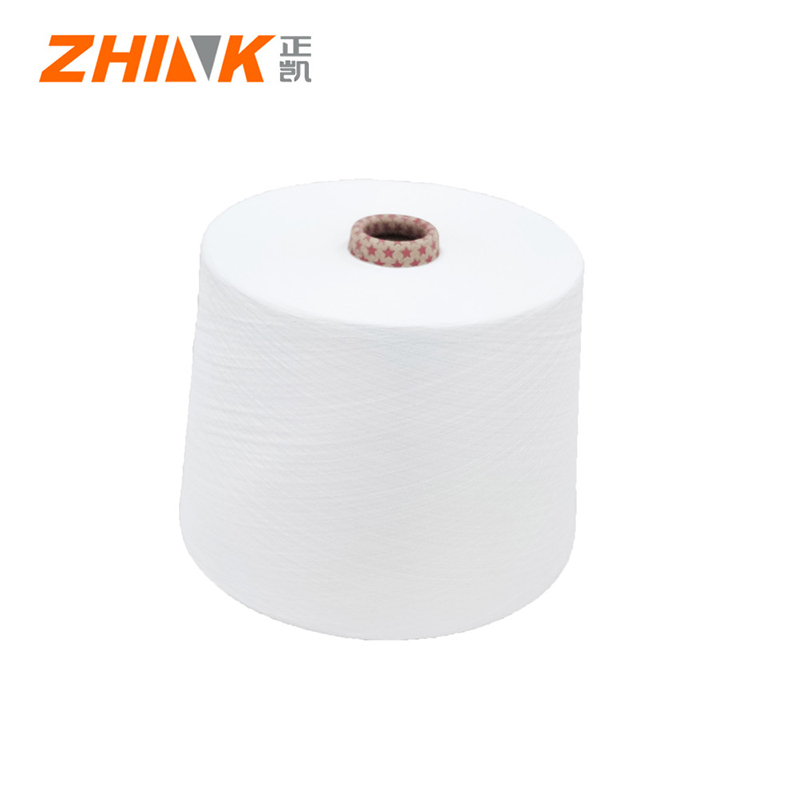
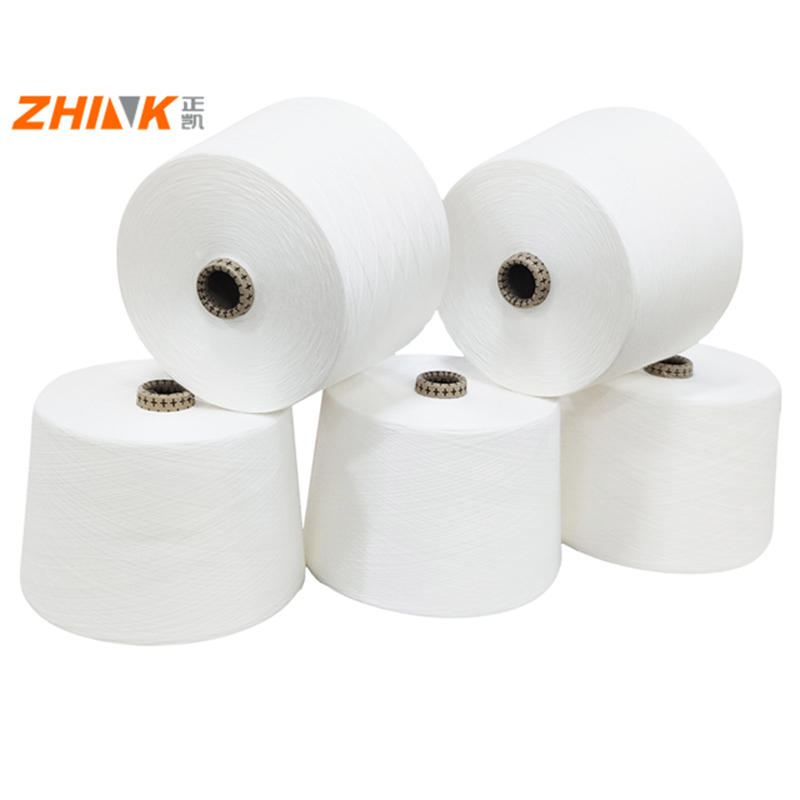
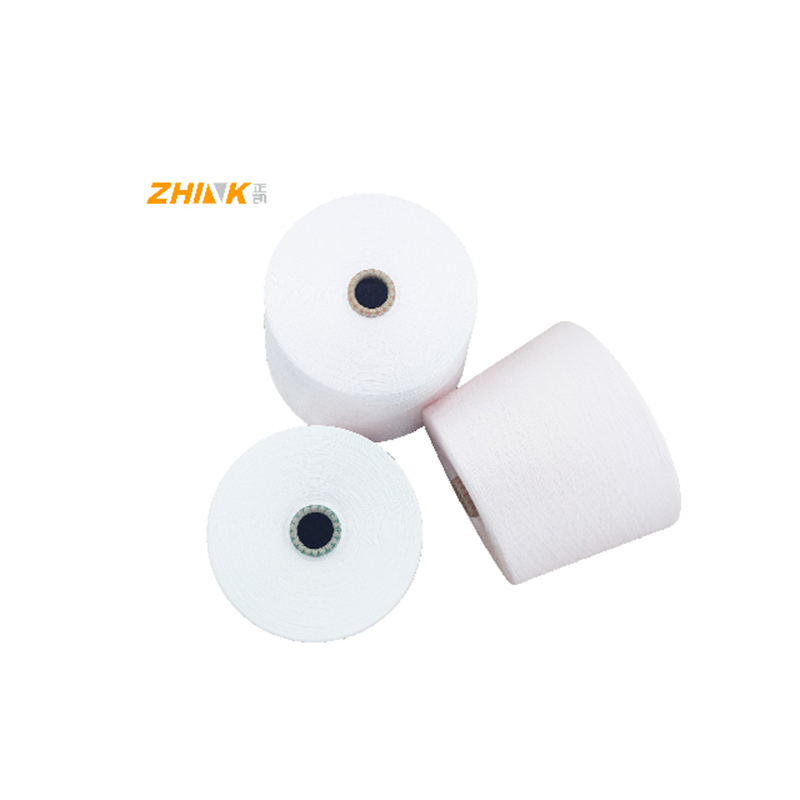
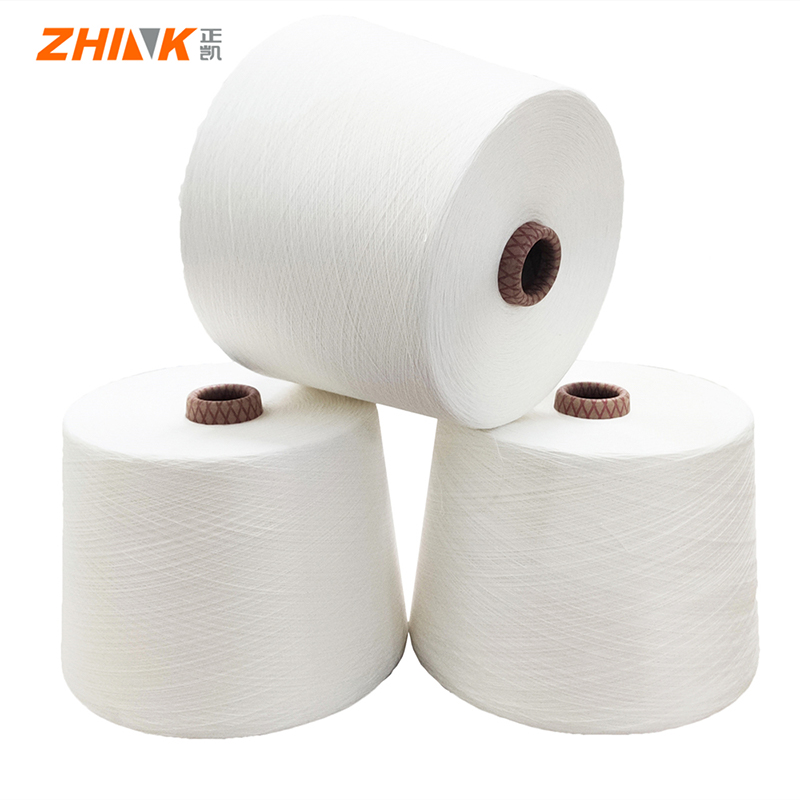
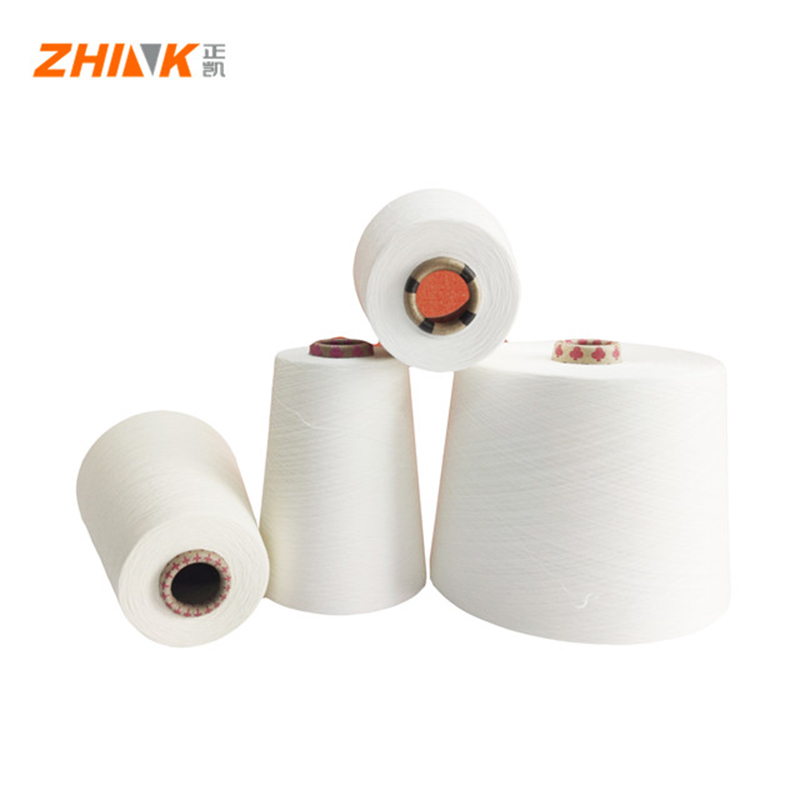
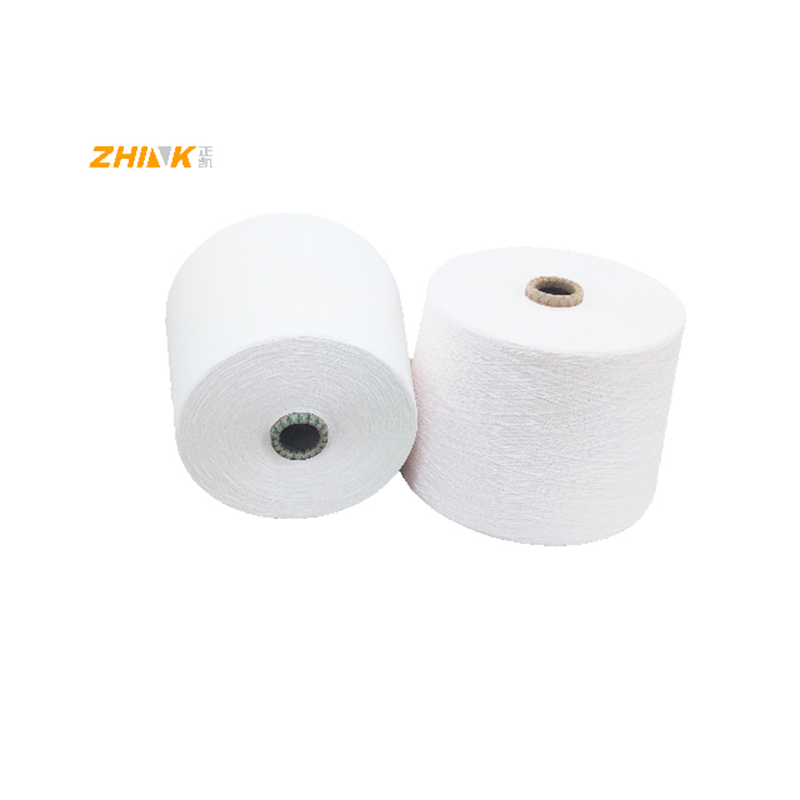
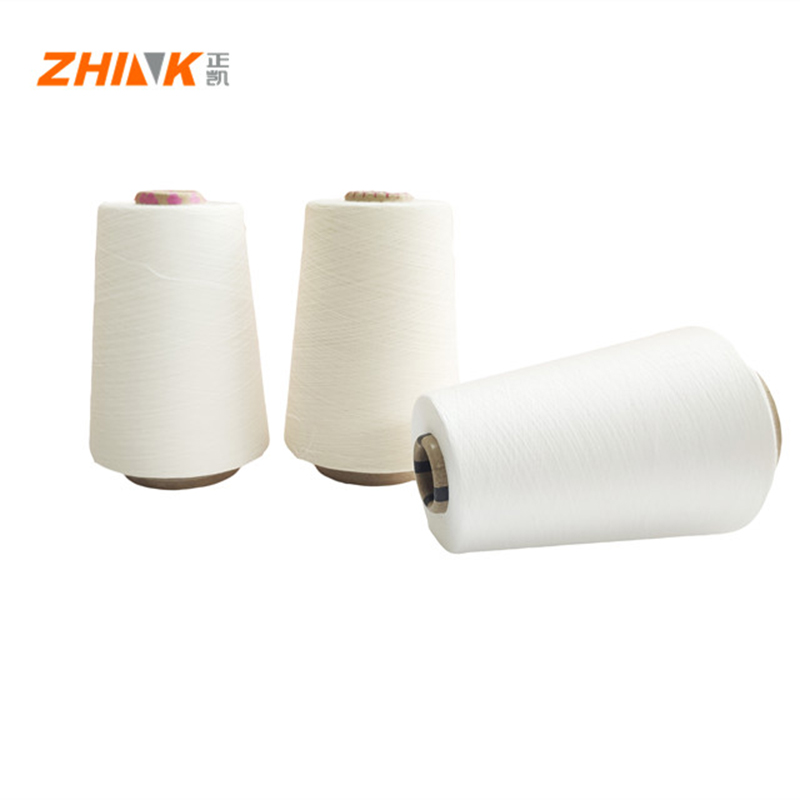
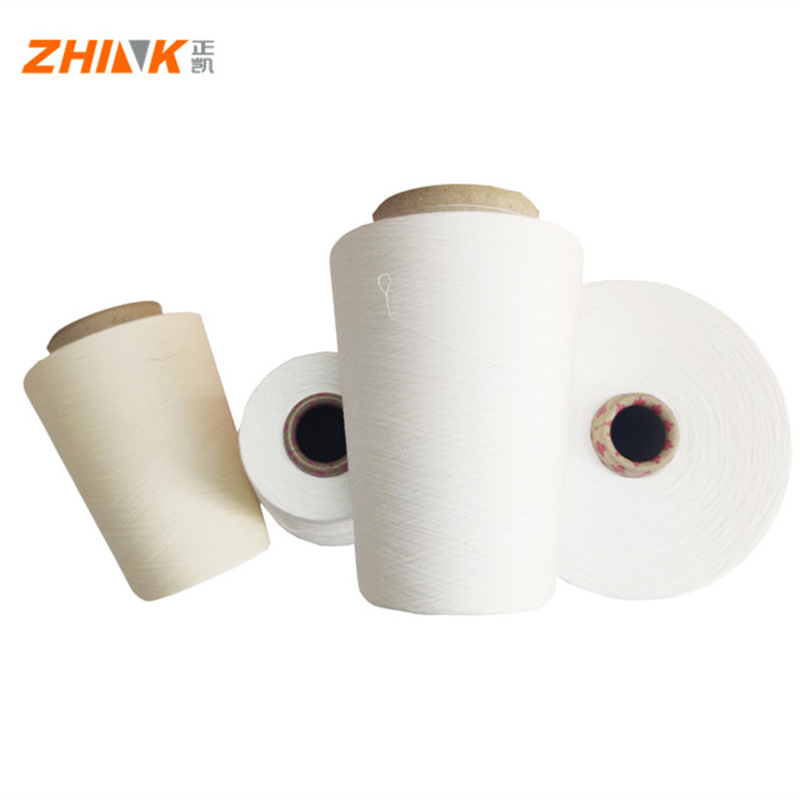
cotton linen yarn
The Versatile Appeal of Cotton Linen Yarn
Understanding the unique blend and characteristics of cotton linen yarn can open up a realm of possibilities for both textile manufacturers and hobbyists alike. Despite its growing popularity, many still have misconceptions about its applications and properties.
Understanding Cotton Linen Yarn
The blend of cotton and linen in one yarn might seem straightforward, but there’s a rich complexity behind it. The moisture-wicking properties of linen complement the soft texture of cotton, making it a favorite for summer garments or breathable home textiles. However, it’s essential to manage expectations; not every blend is the same, and knowing the percentage of each fiber helps in choosing the right application.
One common issue I’ve encountered is the assumption that cotton linen yarn will behave like pure cotton during the dyeing process. Often, the linen component absorbs dye differently, resulting in a rustic, often uneven coloration, which can either be a feature or a flaw, depending on your perspective. Here, the knowledge of fiber behavior becomes crucial.
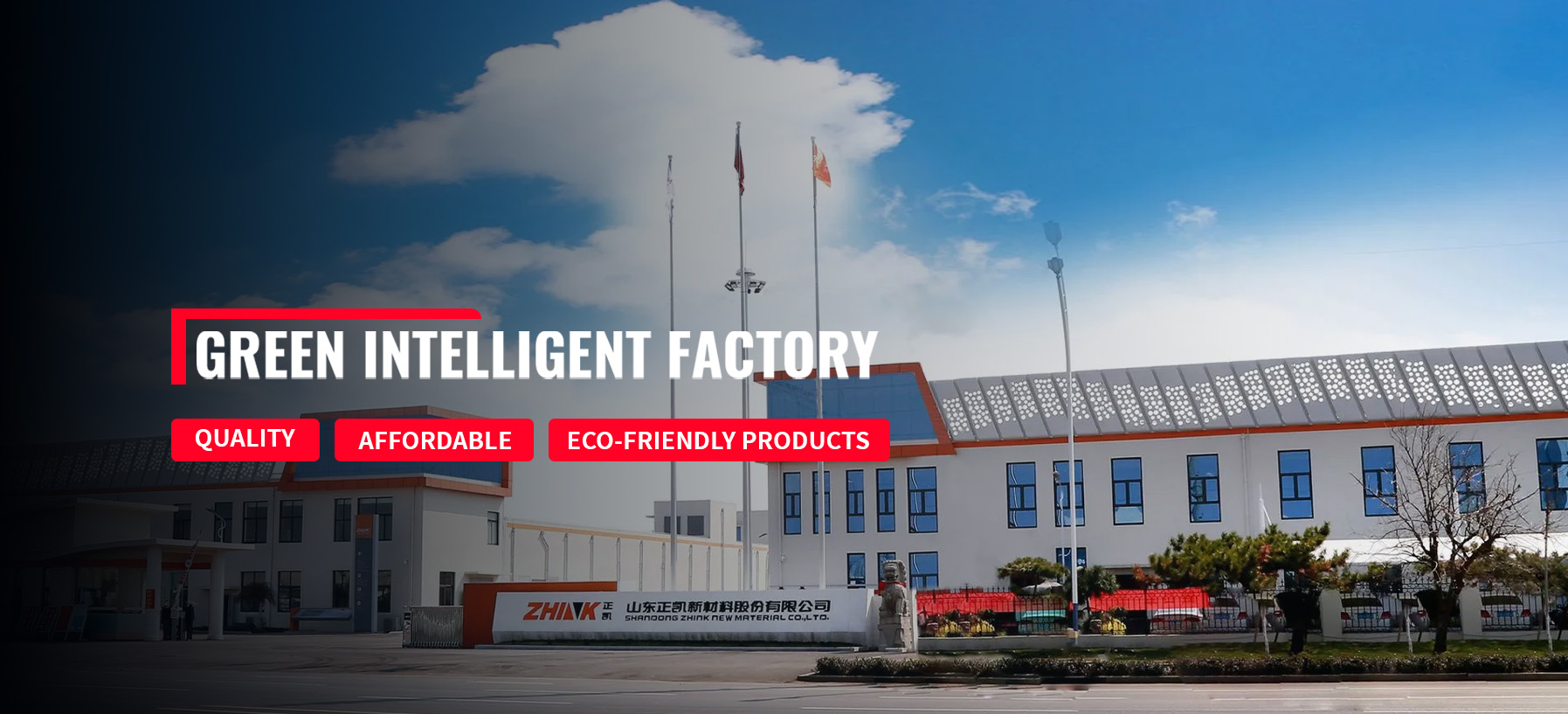
In practical applications, using a reputable supplier is key. Companies like SHANDONG ZHINK NEW MATERIAL CO., LTD, which you can explore at their website, offer detailed fiber compositions that prevent these small surprises, making the process smoother for industrial and personal projects alike.
Applications and Benefits
The lightweight nature of cotton linen yarn makes it perfect for creating garments that are ideal for warm climates. In my experience, its breathability is unmatched, which is why I often recommend it for crafting summer tops or breezy dresses. But beware; the rough texture of linen can be less forgiving on the skin if not woven properly.
Another critical aspect is its strength. The robustness of linen fibers adds durability to the softness of cotton. This blend is especially beneficial in items that endure frequent use, such as cushions or even drapery. Yet, the post-wash care can be a little tricky—controlling shrinkage requires a gentle hand.
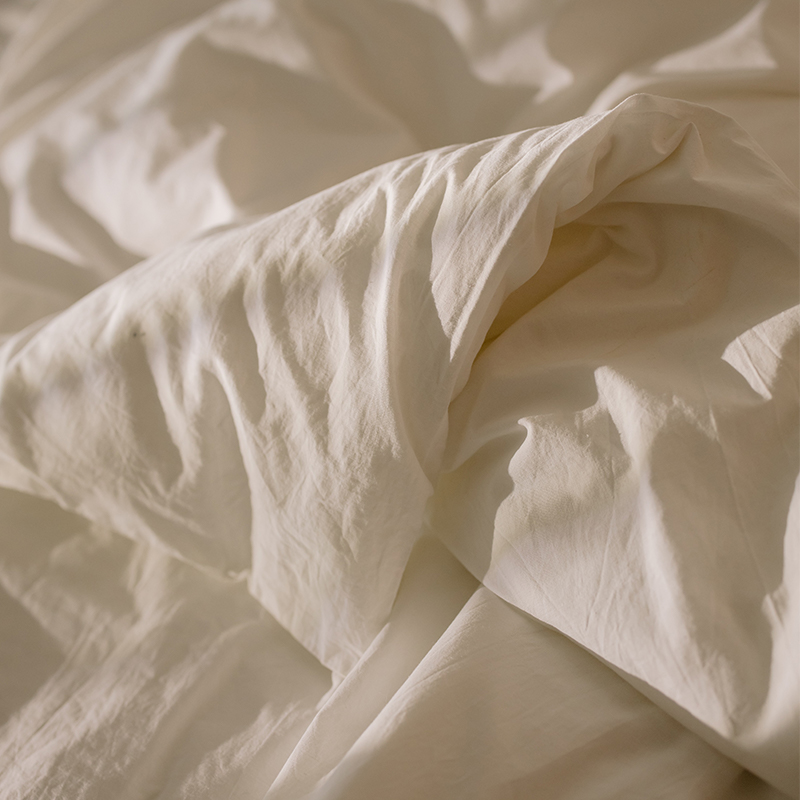
For those involved in home décor, the aesthetic appeal cannot be understated. The yarn’s natural sheen and texture add a touch of elegance to any piece. However, sourcing consistent quality is essential—variance in raw materials can lead to uneven textures. Again, experienced producers like Zhink New Material are valuable allies in maintaining quality.
Challenges in Production
One of the trials in working with cotton linen yarn is its tendency to fray. This is not just a minor inconvenience but can be a significant issue when weaving intricate patterns. Proper tension management on the loom is vital to mitigate this effect. Here, experience is an invaluable teacher.
Thread tension and breaking strength are considerations that those new to the material might overlook. Stronger warp threads compared to weft are recommended, yet too much tension can cause breakage, particularly during long production runs. It's a dance of balances—often requiring small adjustments along the way.
To overcome these hurdles, many turn to thorough testing before committing to full-scale production. Checking for uniform thickness and integrity can save resources and frustration down the line. When in doubt, consulting with manufacturers like those found through Zhink New Material can provide insights drawn from their research and development in textile materials.
Market Trends and Consumer Preferences
With sustainability becoming a pivotal selling point, the environmental appeal of cotton linen yarn is on the rise. Eco-conscious consumers appreciate its biodegradability and the relatively low-impact farming methods of both cotton and linen. These attributes resonate well in marketing campaigns.
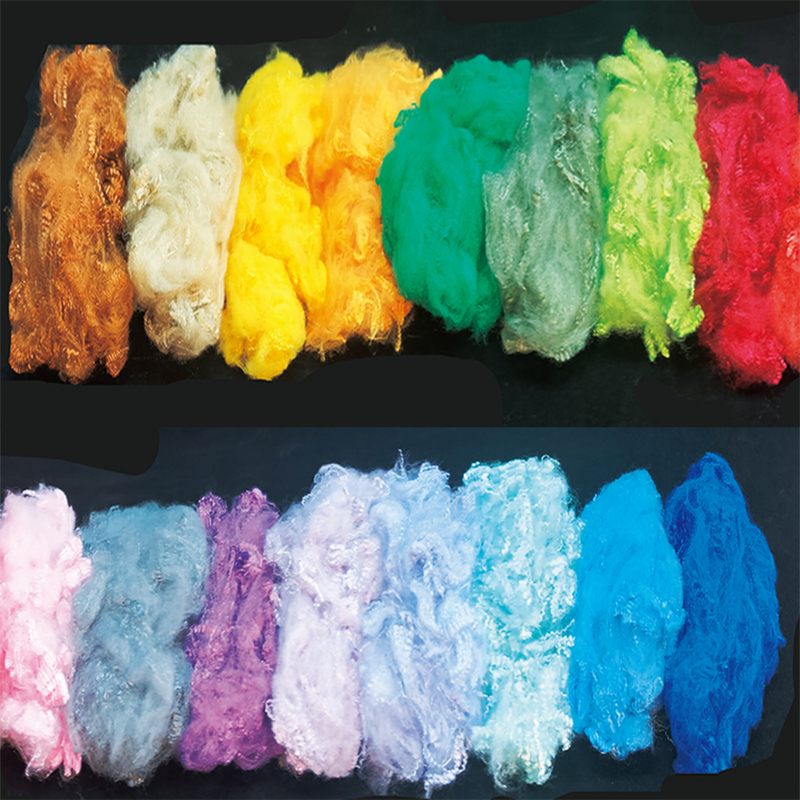
In recent years, I've noticed an upsurge in demand for naturally-dyed materials. The blend of cotton and linen responds well to natural dyes, offering beautiful, earthy tones that are in vogue. However, producing these colors consistently requires expertise and, often, a bit of experimentation.
The aesthetic qualities of this yarn blend speak to a simplicity that is coming back into style. Minimalist designs with a focus on texture rather than color complexity highlight the natural feel of the materials. Consumers are increasingly driven by authenticity, and products made from genuine cotton linen blends fulfill that desire.
Conclusion and Reflections
As appealing as cotton linen yarn is, working with it requires an understanding of both its strengths and limitations. Whether you’re a seasoned manufacturer or a passionate hobbyist, the quality of your source, like those at Zhink New Material, profoundly impacts the end product.
The journey of incorporating cotton linen yarn into projects is as much about exploration as it is about execution. Engaging with the process, from fiber selection to final product, imbues a deeper appreciation for not just the yarn but the craftsmanship involved.
Overall, it’s a fiber blend that rewards patience and attention to detail, promising unique textures and an environmentally friendly profile that stands out in today's textile market.
Related Products
Related Products