+86-632-3621866
- Chinese
- French
- German
- Portuguese
- Spanish
- Russian
- Japanese
- Korean
- Arabic
- Irish
- Greek
- Turkish
- Italian
- Danish
- Romanian
- Indonesian
- Czech
- Afrikaans
- Swedish
- Polish
- Basque
- Catalan
- Esperanto
- Hindi
- Lao
- Albanian
- Amharic
- Armenian
- Azerbaijani
- Belarusian
- Bengali
- Bosnian
- Bulgarian
- Cebuano
- Chichewa
- Corsican
- Croatian
- Dutch
- Estonian
- Filipino
- Finnish
- Frisian
- Galician
- Georgian
- Gujarati
- Haitian
- Hausa
- Hawaiian
- Hebrew
- Hmong
- Hungarian
- Icelandic
- Igbo
- Javanese
- Kannada
- Kazakh
- Khmer
- Kurdish
- Kyrgyz
- Latin
- Latvian
- Lithuanian
- Luxembou..
- Macedonian
- Malagasy
- Malay
- Malayalam
- Maltese
- Maori
- Marathi
- Mongolian
- Burmese
- Nepali
- Norwegian
- Pashto
- Persian
- Punjabi
- Serbian
- Sesotho
- Sinhala
- Slovak
- Slovenian
- Somali
- Samoan
- Scots Gaelic
- Shona
- Sindhi
- Sundanese
- Swahili
- Tajik
- Tamil
- Telugu
- Thai
- Ukrainian
- Urdu
- Uzbek
- Vietnamese
- Welsh
- Xhosa
- Yiddish
- Yoruba
- Zulu
- Kinyarwanda
- Tatar
- Oriya
- Turkmen
- Uyghur



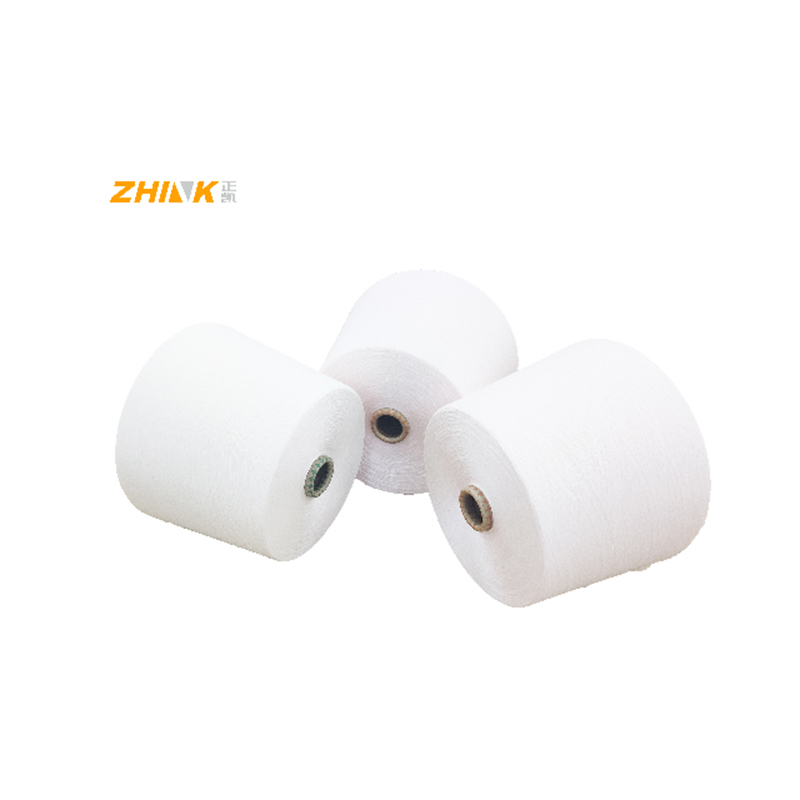
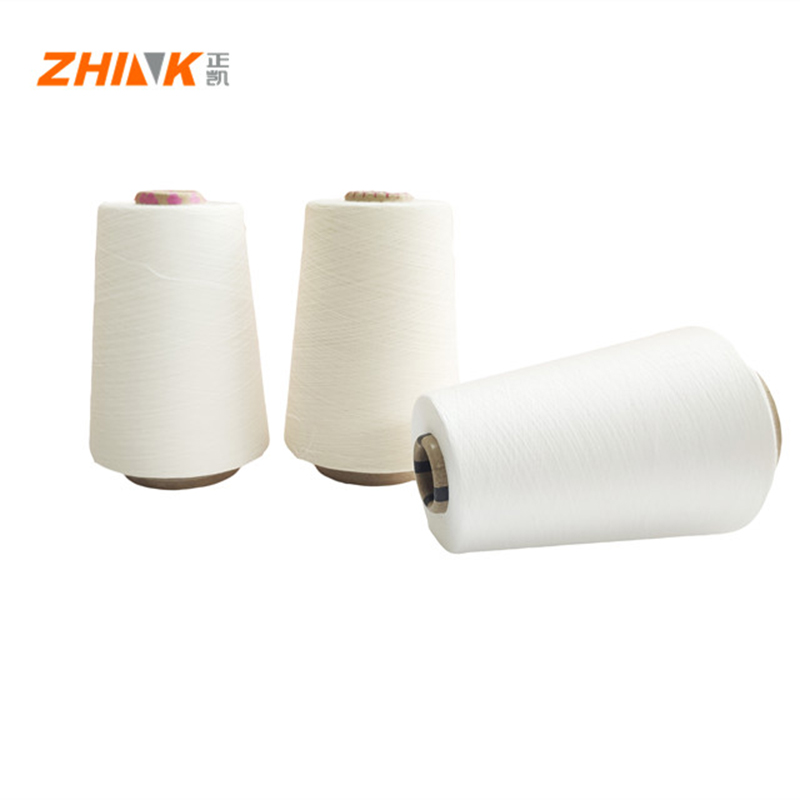
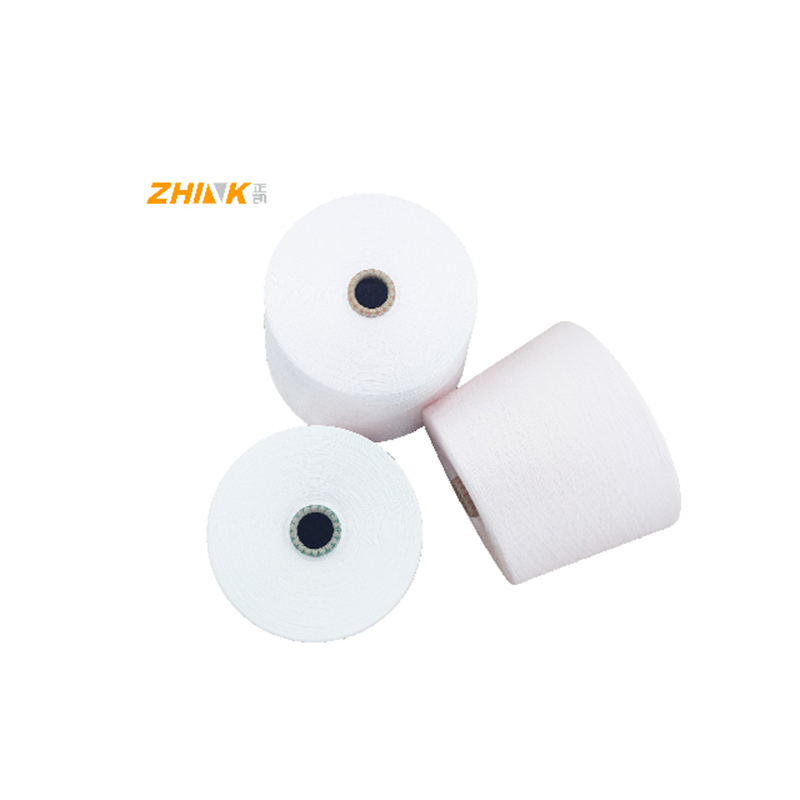
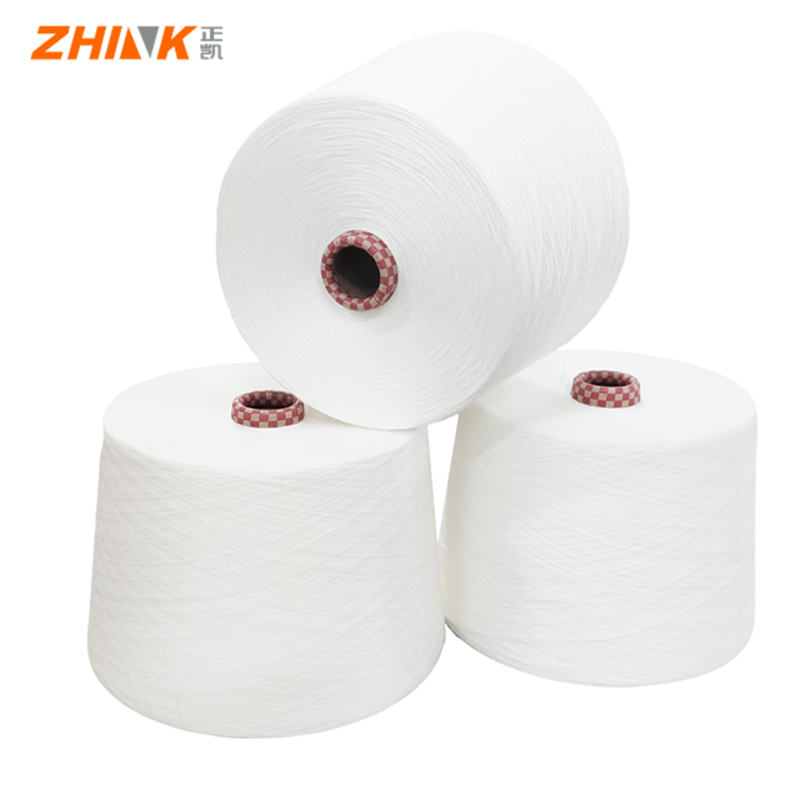
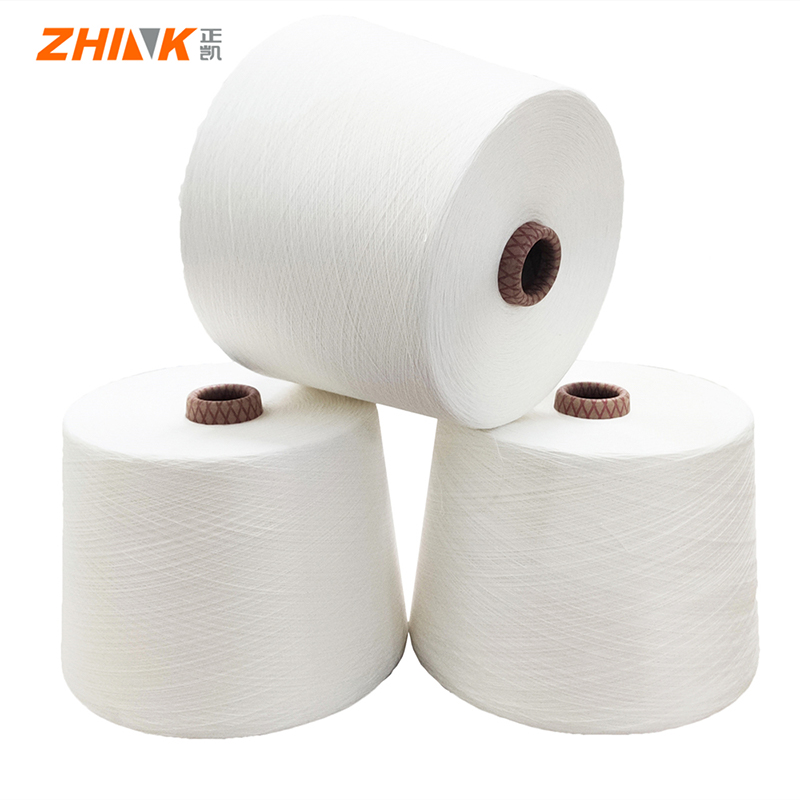
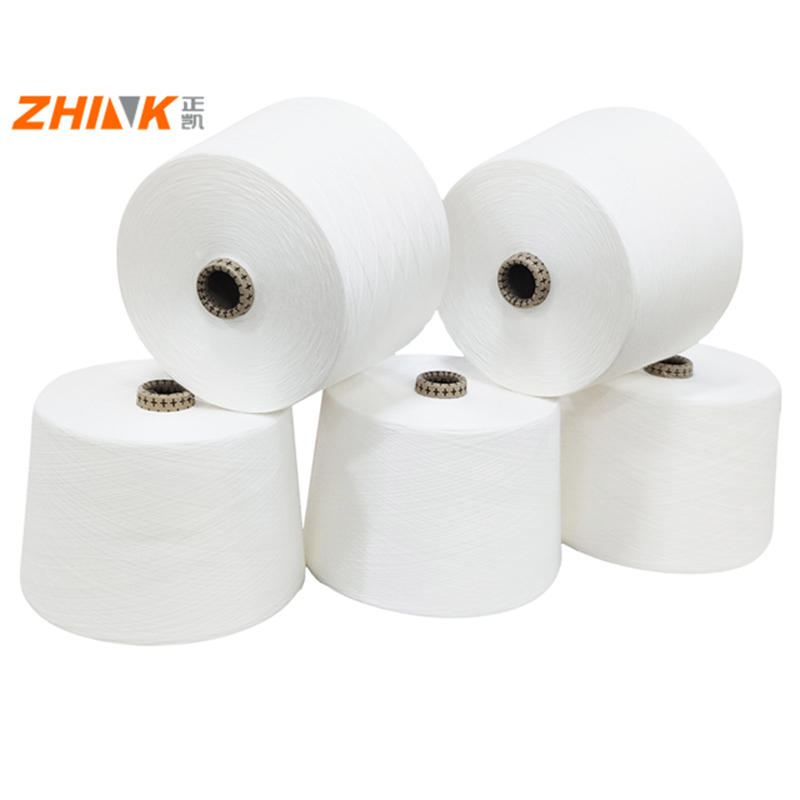
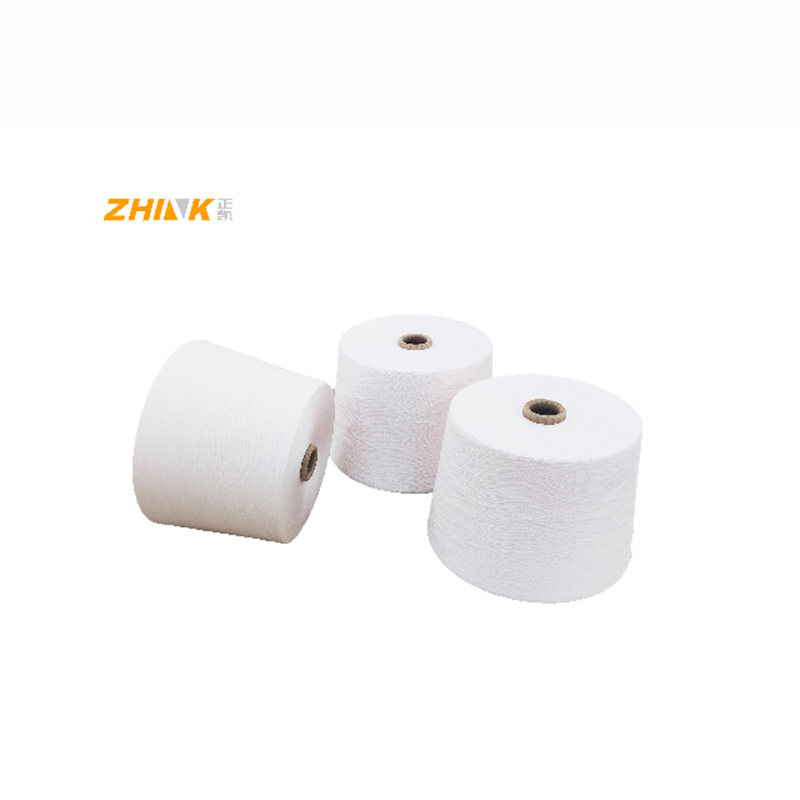
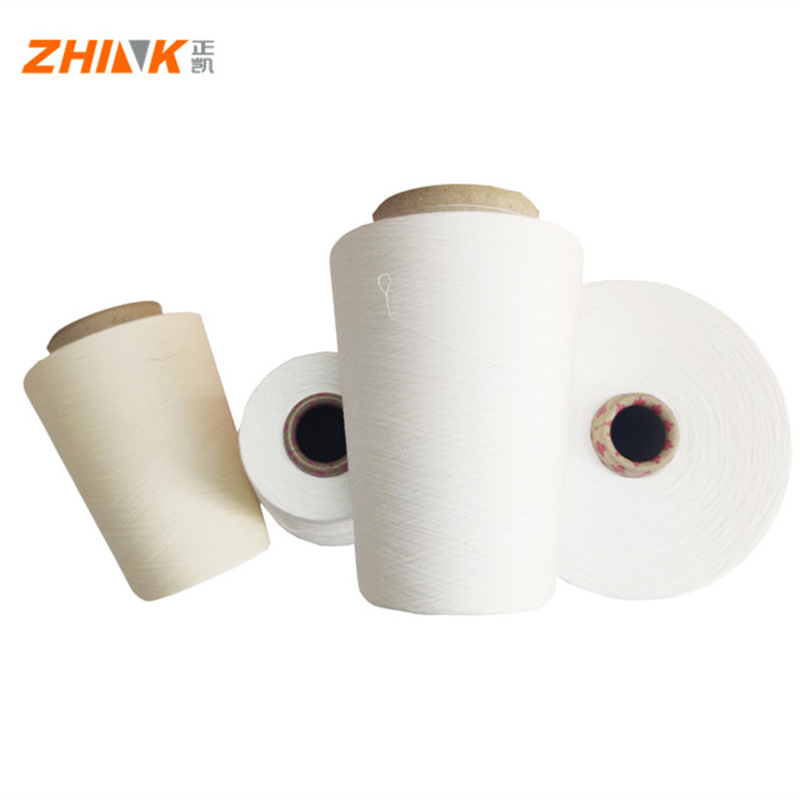
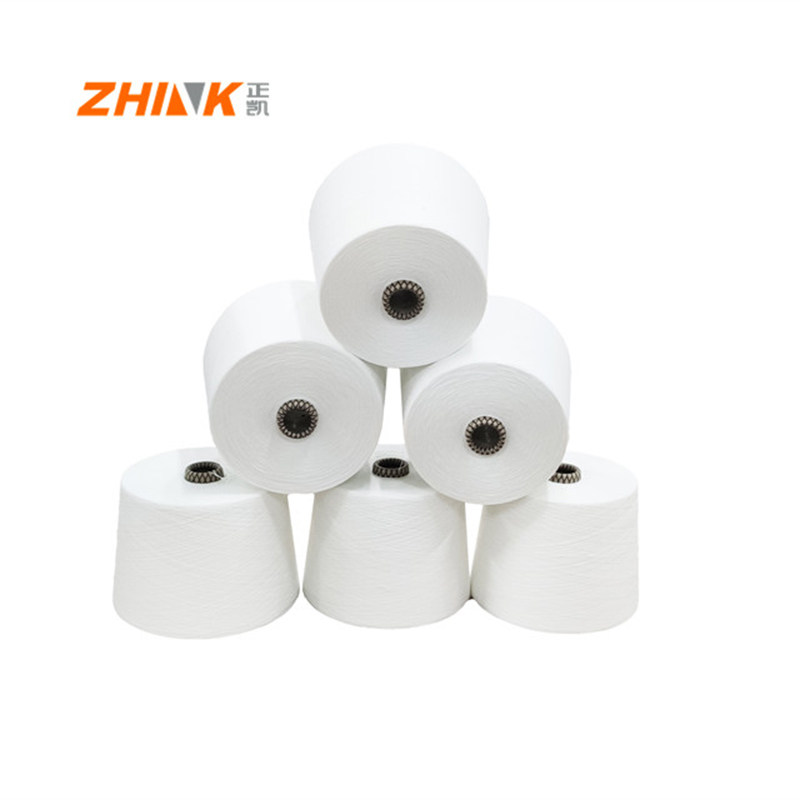
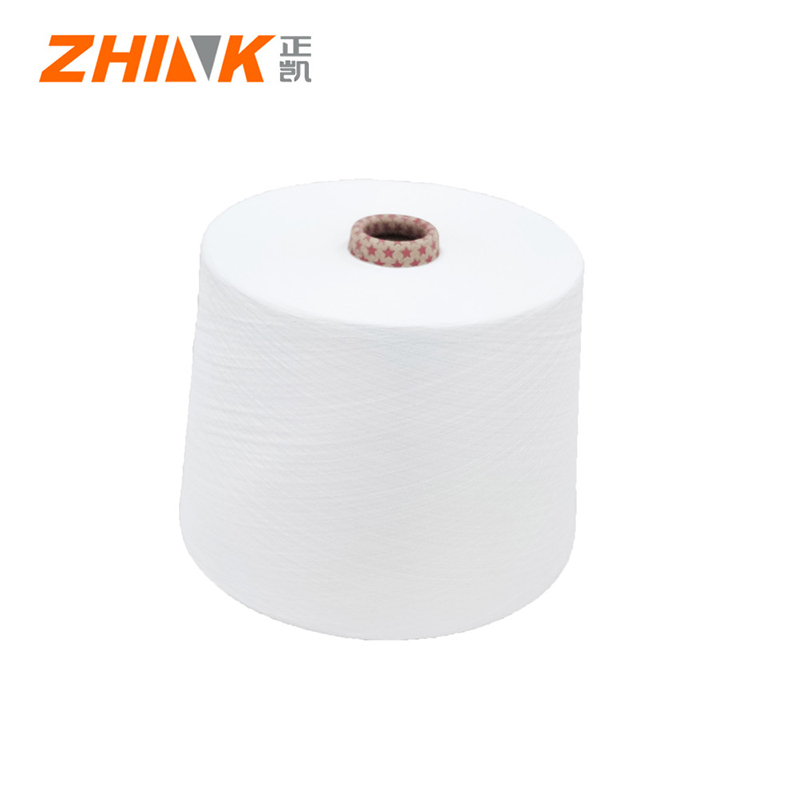
cotton modal yarn
The Versatility and Challenges of Cotton Modal Yarn
Cotton modal yarn blends boast a unique combination of softness and durability, but their application isn't without challenges. Delving into the nuances can reveal why textile manufacturers like SHANDONG ZHINK NEW MATERIAL CO., LTD, accessible at Zhink Yarn, have embraced these qualities in their fabric innovations.
Understanding the Blend
The melding of cotton and modal creates a yarn that's becoming increasingly popular. The natural softness of cotton combined with modal's silky texture results in a fabric that's incredibly soft to touch. However, balancing these fibers isn't straightforward. Cotton, being a natural fiber, brings variability to the blend, influencing how the yarn behaves during spinning and weaving.
Modal, derived from beech trees, offers excellent color retention and stability. But, integrating it with cotton mandates careful consideration of the fiber properties and processing techniques. The unique characteristics of modal enhance the breathability and comfort of the final product, making it a sought-after choice for summer wear.
Working with this blend has its pitfalls. Depending on the proportions used, one might face issues with yarn strength. An imbalance might lead to a fabric that's prone to pilling or doesn't withstand repeated washing well. Thus, striking the right balance is crucial for companies like Zhink New Material, which continually research and develop methods to optimize these blends.
The Production Process
The journey from raw fibers to finished cotton modal yarn begins with selecting high-quality cotton and modal fibers. This initial step can't be understated, as the quality of the fibers plays a pivotal role in the yarn's performance.
Spinning the yarn demands precision. Variability in cotton fibers means constant adjustments during spinning. Modern spinning techniques, often employed by industry leaders like Zhink New Material, aim to align the fibers optimally, reducing excess stress on the yarn. The focus is on consistency and ensuring that the blend ratio adheres to desired standards.
During my years in the textile industry, I've seen firsthand how slight deviations in blending during production can result in obvious differences in the final fabric quality. Regular checks and balances during production are essential to maintain the integrity of the yarn.
Challenges in Dyeing and Finishing
Once the yarn is spun, dyeing presents its own set of challenges. Cotton and modal absorb dyes differently, complicating the process. Modal’s high dye affinity means it takes up color readily, but cotton's unpredictable uptake can lead to uneven shades.
Employing the right dyeing techniques and machinery often makes the difference between a vibrant or lackluster fabric. Companies like Zhink New Material are pioneering innovative dyeing processes to ensure uniform color saturation, a crucial factor for fashion brands seeking consistency.
Finishing too is critical. The right finish can enhance the yarn's inherent qualities, giving it a luxurious feel. However, it's a delicate balance to ensure that the fabric's strengths aren't compromised in the quest for perfection. Too much finishing can weigh down the natural qualities of the fibers.
Market Demand and Applications
The demand for cotton modal yarn is growing, driven by consumer preference for comfort and practicality. The blend is especially popular in high-end clothing due to its soft feel and durability, making it a favorite for innerwear and casual fashion.
Yet, market demand isn’t the only driver. Environmental concerns are pushing manufacturers towards sustainable production methods. Modal, often sourced sustainably, aligns with this trend. SHANDONG ZHINK NEW MATERIAL CO., LTD, among others, is moving towards reducing the environmental impact of their yarn production processes.
In my experience, as consumer awareness around sustainability grows, the real challenge lies in matching these expectations with feasible production methods. Yet, when done right, it not only meets consumer demand but also establishes a brand’s commitment to sustainable practices.
Future Prospects
Looking forward, advancements in textile technology will likely address many of the existing issues with cotton modal yarn. Innovations in fiber treatment and spinning could lead to more resilient yarns. Producers are constantly researching ways to improve the blend ratio, ensuring optimal performance in various garments.
One intriguing development is in the realm of smart textiles, where integrating technology with cotton modal blends could lead to fabrics that respond to environmental changes. While this is still in its infancy, it presents exciting opportunities for future applications.
It's evident that as the textile industry evolves, so too will the methods and materials used. Companies like Zhink New Material are at the forefront, continually pushing the envelope to deliver better textiles for tomorrow’s consumer demands.
Related Products
Related Products