+86-632-3621866
- Chinese
- French
- German
- Portuguese
- Spanish
- Russian
- Japanese
- Korean
- Arabic
- Irish
- Greek
- Turkish
- Italian
- Danish
- Romanian
- Indonesian
- Czech
- Afrikaans
- Swedish
- Polish
- Basque
- Catalan
- Esperanto
- Hindi
- Lao
- Albanian
- Amharic
- Armenian
- Azerbaijani
- Belarusian
- Bengali
- Bosnian
- Bulgarian
- Cebuano
- Chichewa
- Corsican
- Croatian
- Dutch
- Estonian
- Filipino
- Finnish
- Frisian
- Galician
- Georgian
- Gujarati
- Haitian
- Hausa
- Hawaiian
- Hebrew
- Hmong
- Hungarian
- Icelandic
- Igbo
- Javanese
- Kannada
- Kazakh
- Khmer
- Kurdish
- Kyrgyz
- Latin
- Latvian
- Lithuanian
- Luxembou..
- Macedonian
- Malagasy
- Malay
- Malayalam
- Maltese
- Maori
- Marathi
- Mongolian
- Burmese
- Nepali
- Norwegian
- Pashto
- Persian
- Punjabi
- Serbian
- Sesotho
- Sinhala
- Slovak
- Slovenian
- Somali
- Samoan
- Scots Gaelic
- Shona
- Sindhi
- Sundanese
- Swahili
- Tajik
- Tamil
- Telugu
- Thai
- Ukrainian
- Urdu
- Uzbek
- Vietnamese
- Welsh
- Xhosa
- Yiddish
- Yoruba
- Zulu
- Kinyarwanda
- Tatar
- Oriya
- Turkmen
- Uyghur



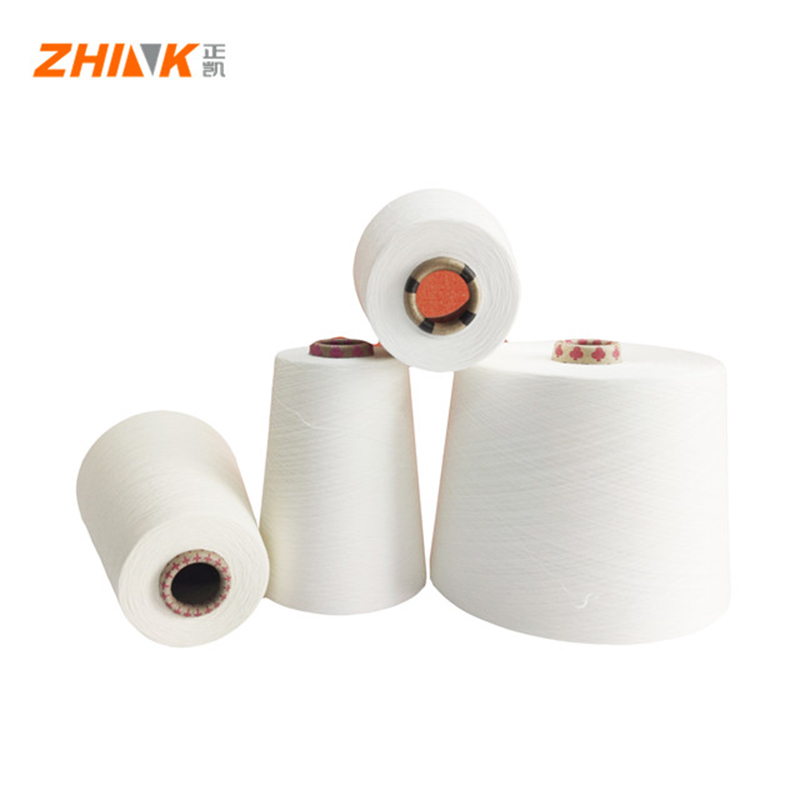
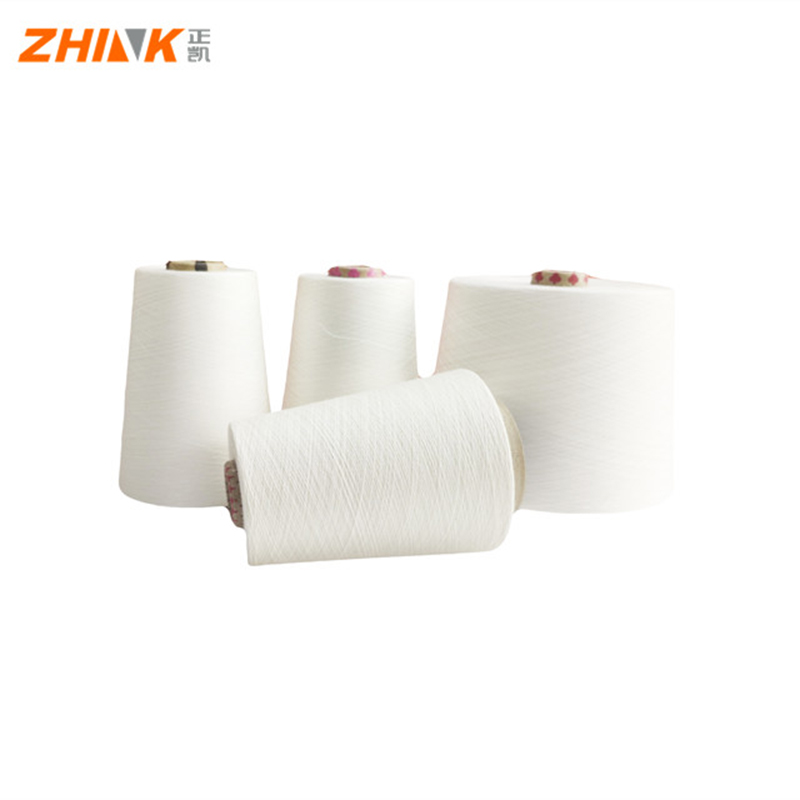
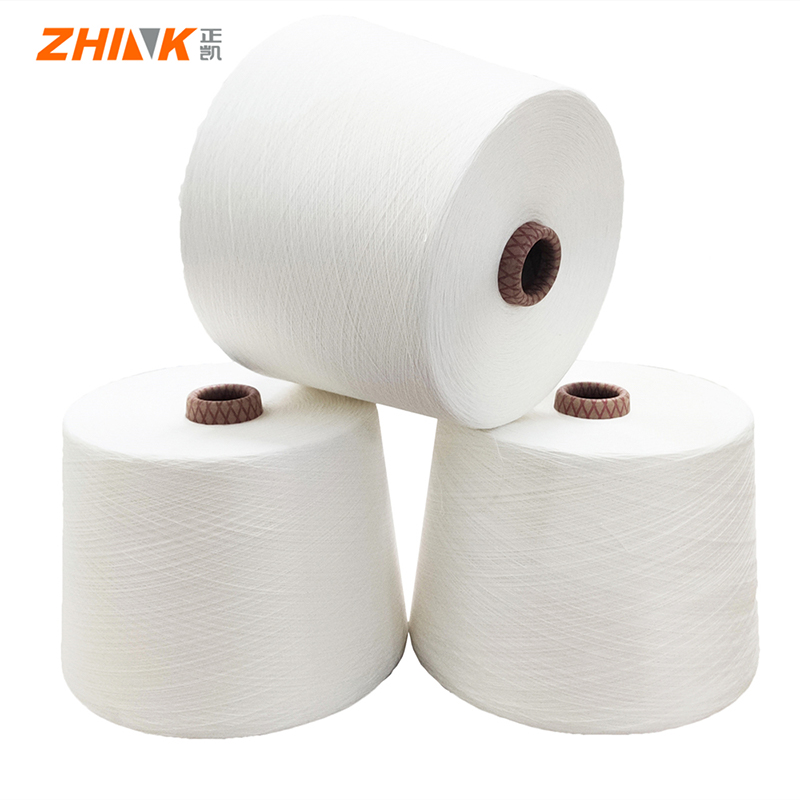
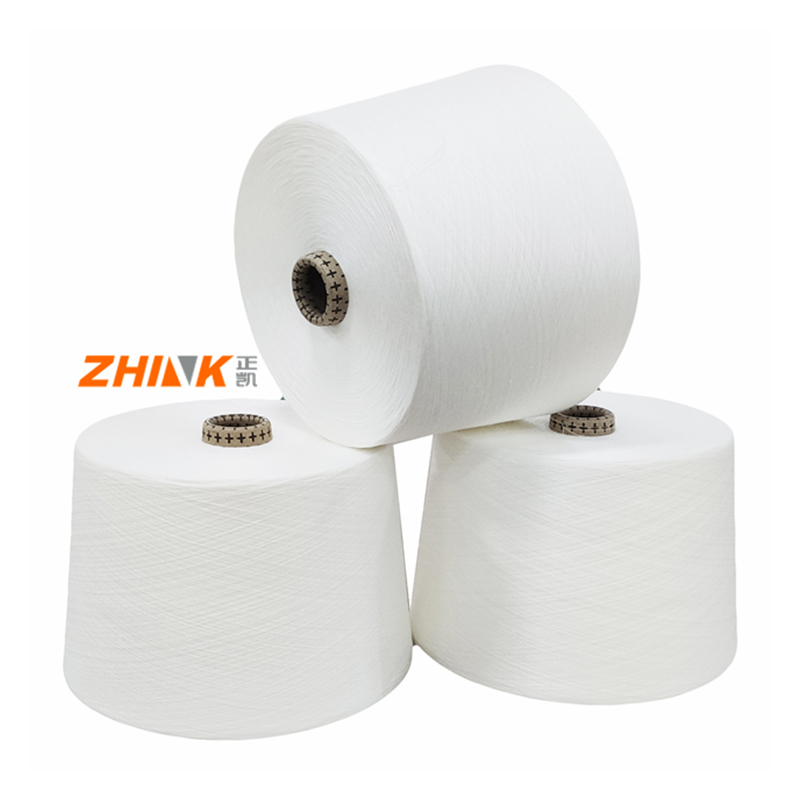
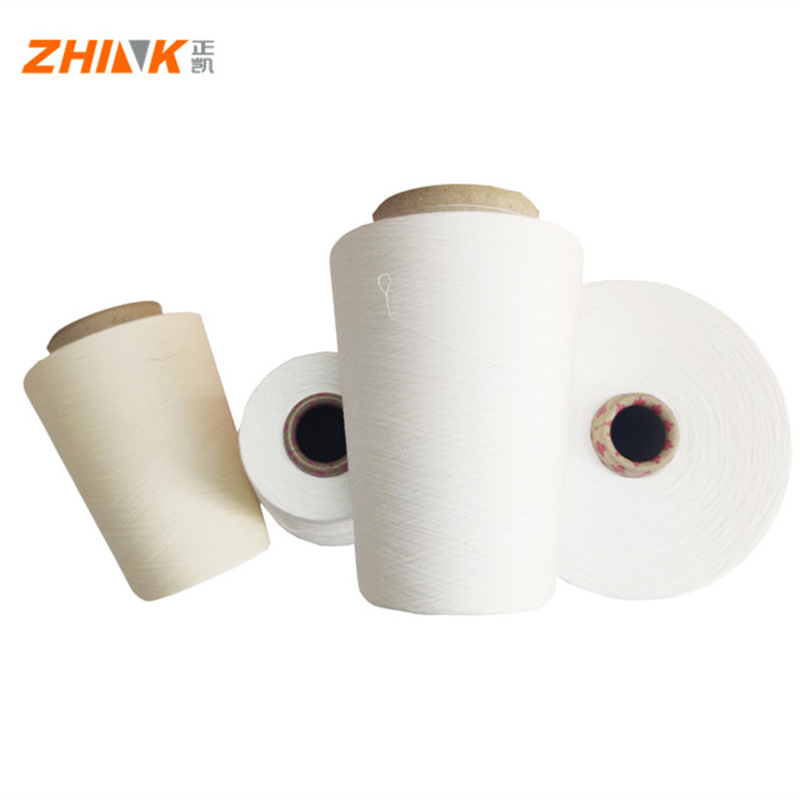
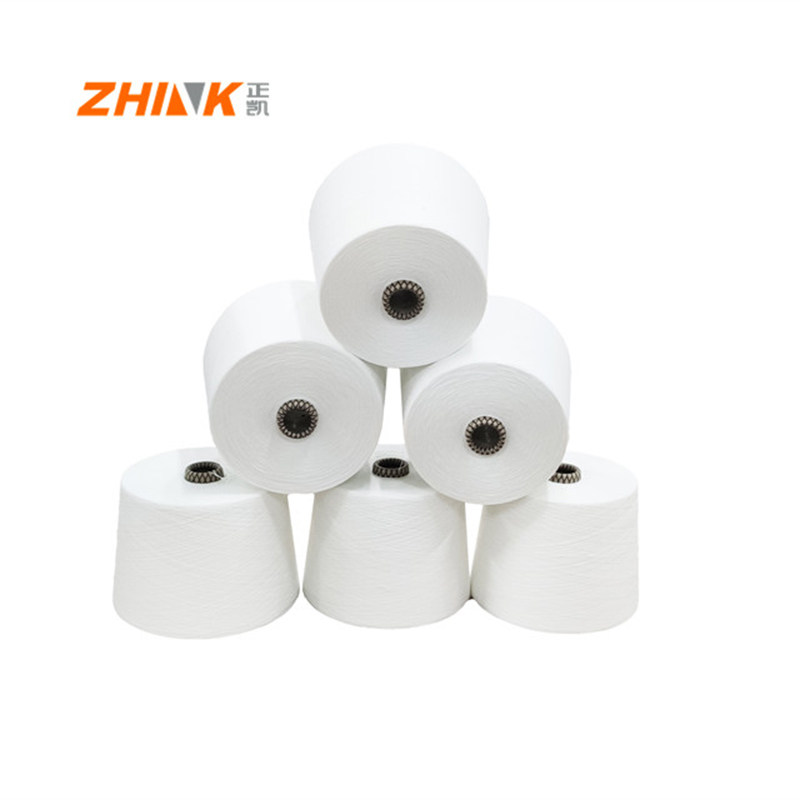
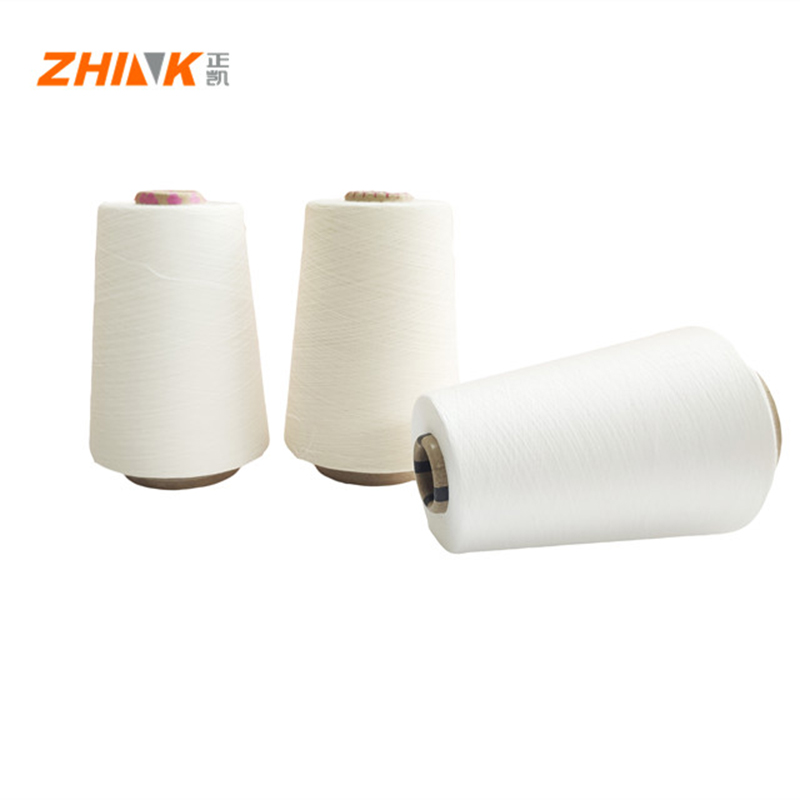
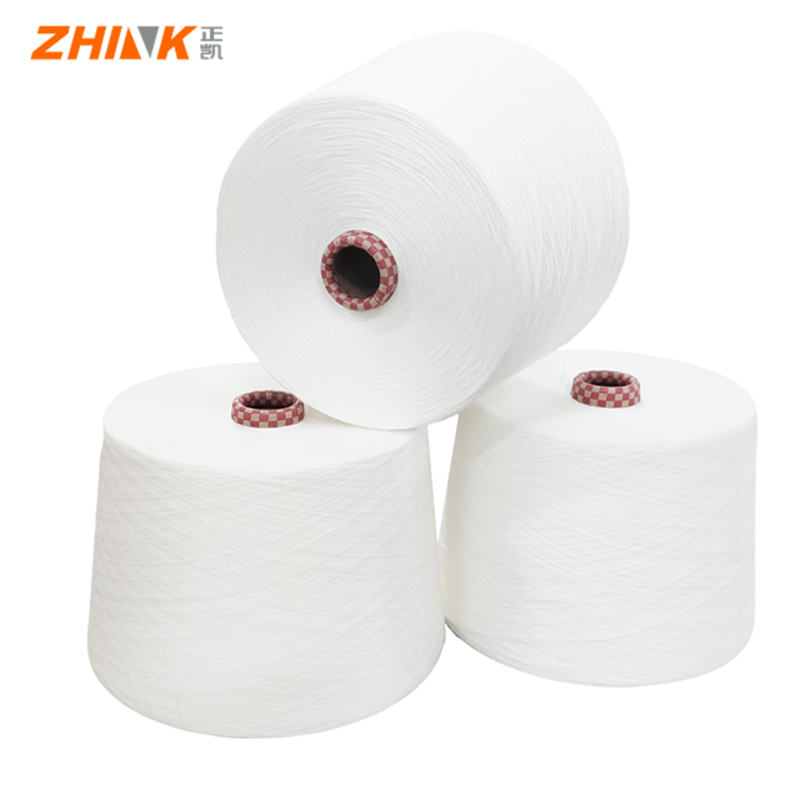
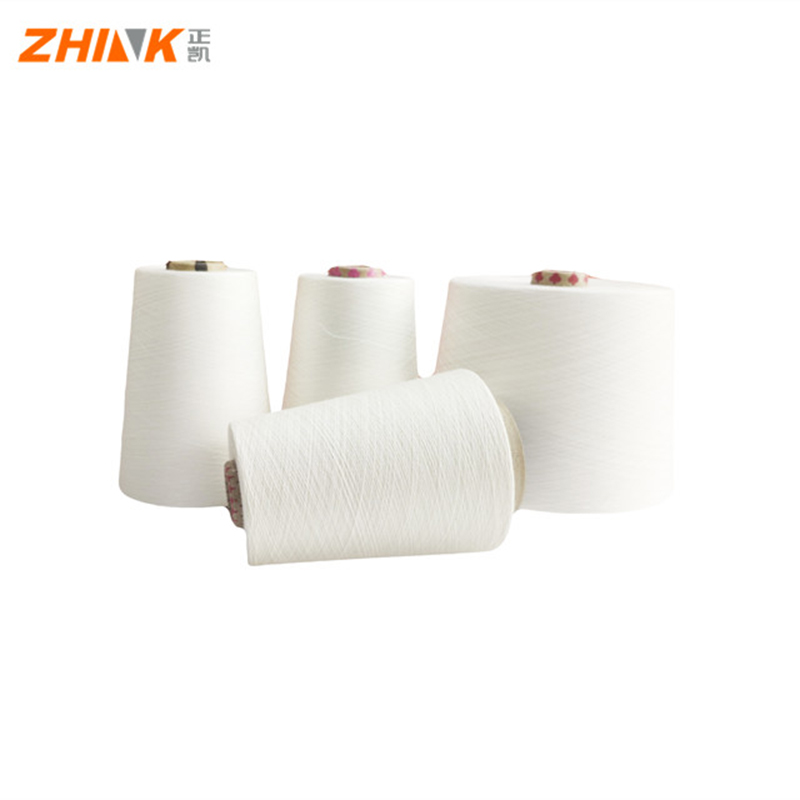
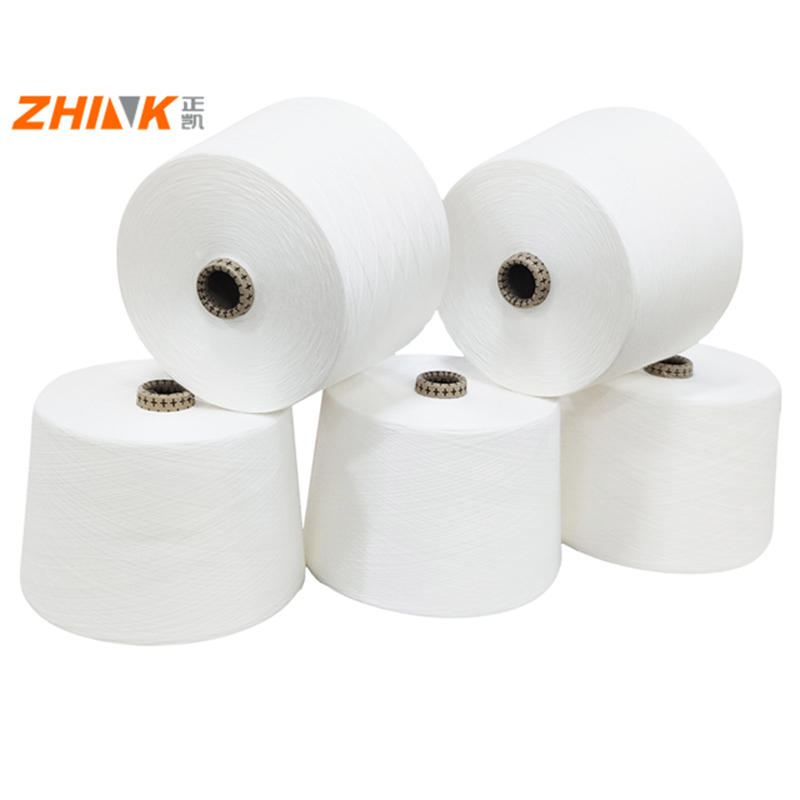
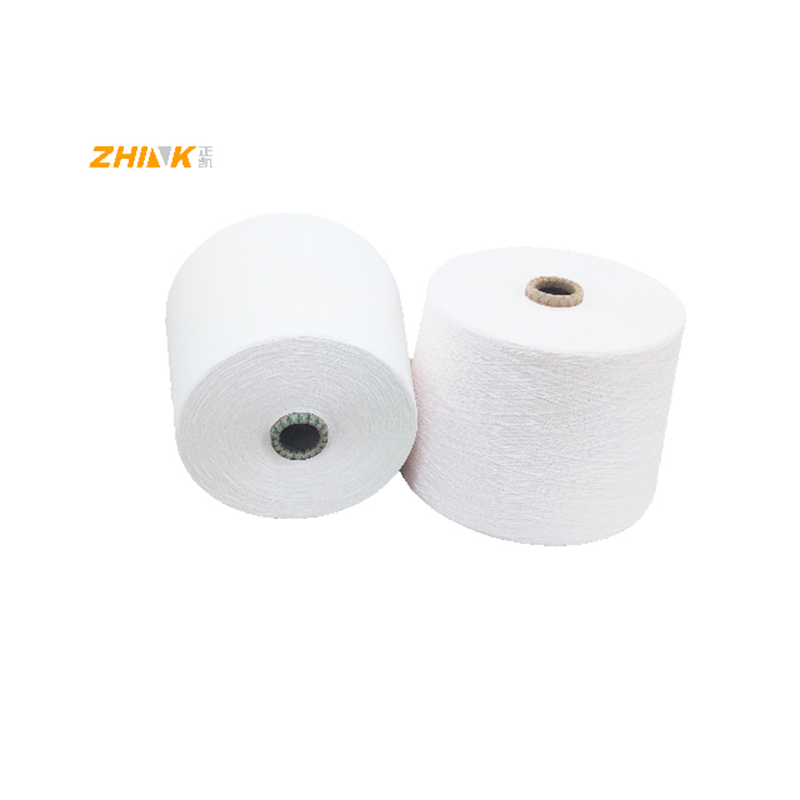
cotton polyester blend yarn
The Intricacies of Cotton Polyester Blend Yarn
The cotton polyester blend yarn is often misunderstood, with many believing it to be a compromise rather than an innovation. This mix offers a balance of the strengths of both materials. For those in the know, it isn't just about feel or durability—it's about the interplay of fibers that creates something unique.
Understanding the Blend
With cotton polyester blend yarn, you're looking at a fascinating combination. Cotton, known for its softness and breathability, and polyester, celebrated for durability and wrinkle resistance. It sounds simple enough, right? But in practice, getting that perfect combination can be tricky.
I've noticed many people assume this blend is purely about cost-cutting. It's not. Ensuring the right ratio between cotton and polyester is an art. The industry's benchmark often hovers around a 65/35 or 50/50 split, but it's rarely gospel. Each percentage change can tweak the yarn's properties significantly.
In my time working with such initiatives at companies like Zhink New Material, I've seen firsthand how even slight variations can affect everything from dye uptake to feel against the skin. This isn't just theoretical; it's a matter of trial and error until that sweet spot is discovered.
The Manufacturing Process
The production of cotton polyester blend yarn at a company like SHANDONG ZHINK NEW MATERIAL CO., LTD involves meticulous attention to detail. The raw fibers need special treatment to ensure they bond correctly. This starts from how fibers are spun together, sometimes wet spun to enhance the blend's integrity.
I've witnessed times when improper spinning led to weak yarn that frayed easily. Those moments can be incredibly frustrating, as they are often discovered only late in the quality control process. Learning from these setbacks is invaluable, pushing companies to refine techniques continually.
A visit to the Zhink facility (https://www.zhinkyarn.com) illustrated the precision required. From ensuring the fibers are clean and free of impurities to fine-tuning machine settings—there's zero room for error.
Performance Under Different Conditions
Think about the climate demands. A cotton polyester blend yarn will behave differently in humid vs. dry environments. Through personal experience in diverse regions, I've observed the multifaceted qualities of this blend.
Take moisture-wicking, for instance. It's a critical factor in sportswear. Pure cotton might breathe, but it doesn't wick moisture away efficiently. By introducing polyester, we enhance this property, making the garment suitable for active use.
In colder climates, this blend retains warmth without sacrificing breathability. These dual capabilities come from countless rounds of testing—sometimes even surprising us with unexpected results, such as discovering the blend's capacity to dry faster than expected.
Challenges with Dyeing
Another intricacy lies in dyeing. Cotton takes dyes easily, but polyester needs high-energy dyes or heat setting. Balancing these is no minor feat.
I've personally overseen projects where we struggled to achieve consistent color across batches—one of those real head-scratchers that make you rethink your entire approach. Adjusting dye formulation is a delicate dance, one that every textile professional knows well.
Companies like Zhink New Material spend significant resources on research to ensure they lead in this domain. Properly dyed blend yarns open more possibilities in fashion and apparel, making them highly coveted.
Environmental Considerations
The environmental aspect cannot be overlooked. While polyester has a larger carbon footprint, balanced against the eco-friendliness of cotton, it manifests a compromise that many eco-conscious manufacturers, including Zhink New Material, strive to master.
Sustainability efforts from companies often focus on reducing waste and improving material recyclability. Once, we tried a line of fully recyclable cotton polyester blend yarn, though it remains challenging, but promising.
In the end, it's these combined efforts towards innovation and sustainability that drive the industry forward. It's a relentless pursuit, ensuring these textiles meet both consumer demands and ecological responsibilities.
Related Products
Related Products