+86-632-3621866
- Chinese
- French
- German
- Portuguese
- Spanish
- Russian
- Japanese
- Korean
- Arabic
- Irish
- Greek
- Turkish
- Italian
- Danish
- Romanian
- Indonesian
- Czech
- Afrikaans
- Swedish
- Polish
- Basque
- Catalan
- Esperanto
- Hindi
- Lao
- Albanian
- Amharic
- Armenian
- Azerbaijani
- Belarusian
- Bengali
- Bosnian
- Bulgarian
- Cebuano
- Chichewa
- Corsican
- Croatian
- Dutch
- Estonian
- Filipino
- Finnish
- Frisian
- Galician
- Georgian
- Gujarati
- Haitian
- Hausa
- Hawaiian
- Hebrew
- Hmong
- Hungarian
- Icelandic
- Igbo
- Javanese
- Kannada
- Kazakh
- Khmer
- Kurdish
- Kyrgyz
- Latin
- Latvian
- Lithuanian
- Luxembou..
- Macedonian
- Malagasy
- Malay
- Malayalam
- Maltese
- Maori
- Marathi
- Mongolian
- Burmese
- Nepali
- Norwegian
- Pashto
- Persian
- Punjabi
- Serbian
- Sesotho
- Sinhala
- Slovak
- Slovenian
- Somali
- Samoan
- Scots Gaelic
- Shona
- Sindhi
- Sundanese
- Swahili
- Tajik
- Tamil
- Telugu
- Thai
- Ukrainian
- Urdu
- Uzbek
- Vietnamese
- Welsh
- Xhosa
- Yiddish
- Yoruba
- Zulu
- Kinyarwanda
- Tatar
- Oriya
- Turkmen
- Uyghur


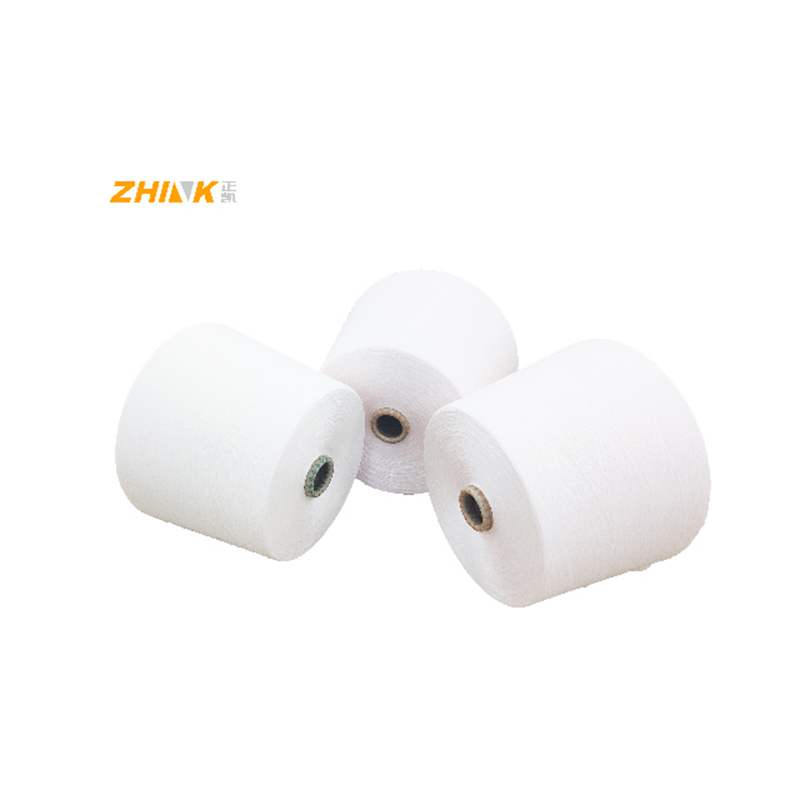
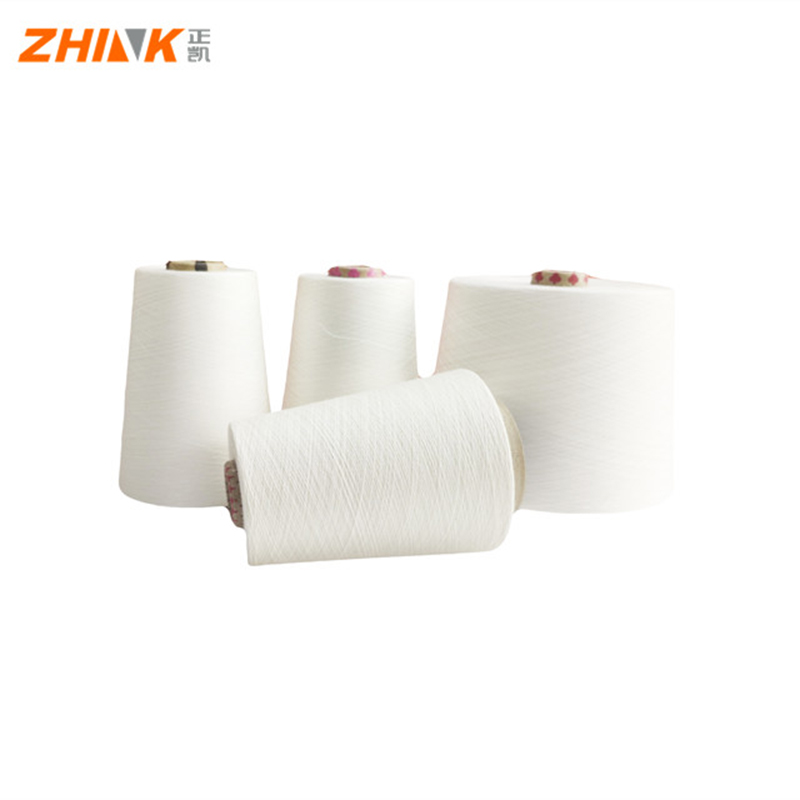
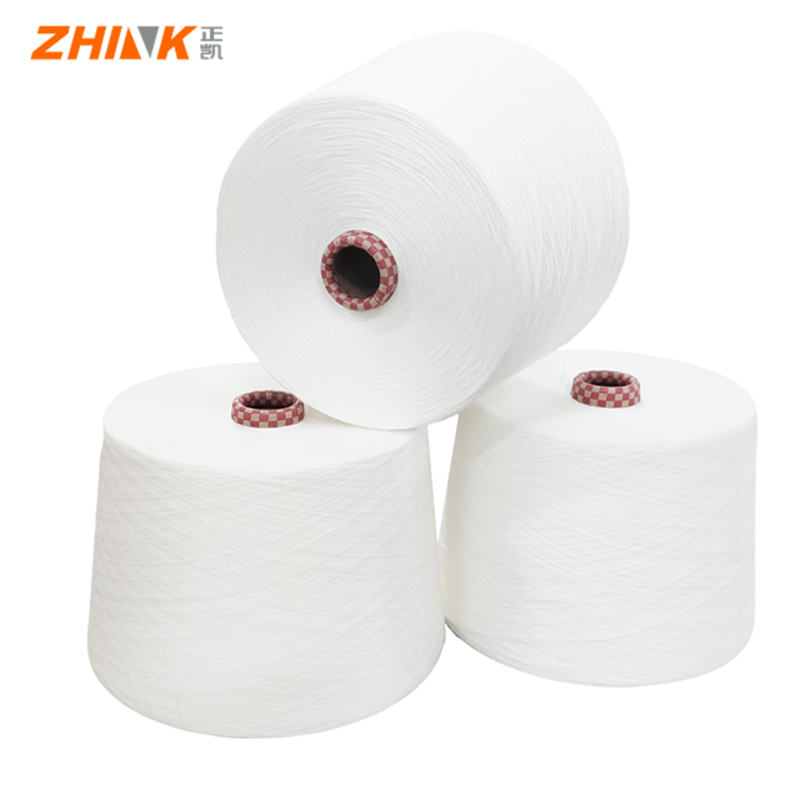
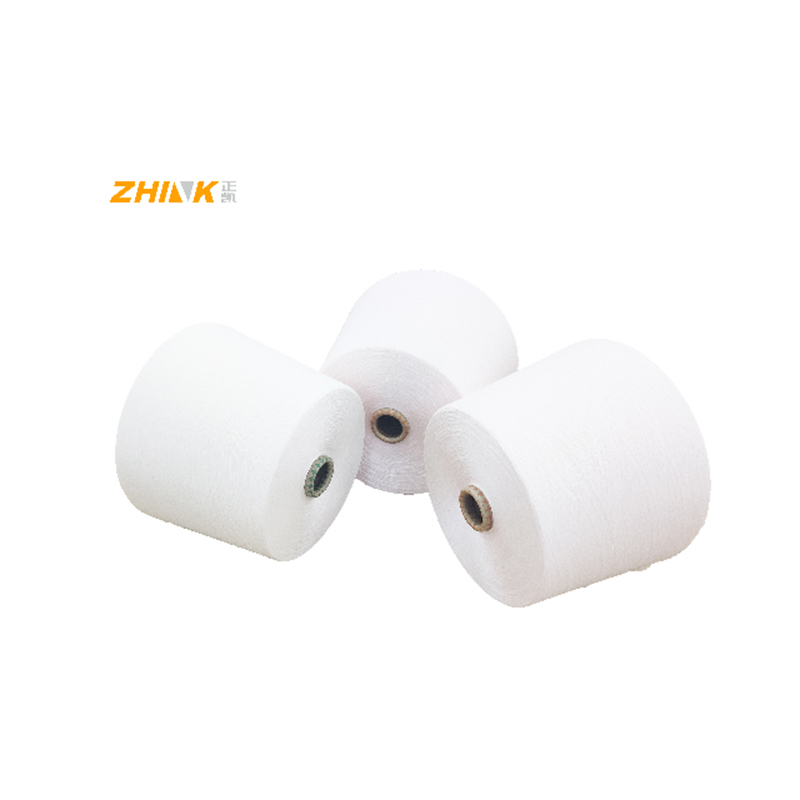
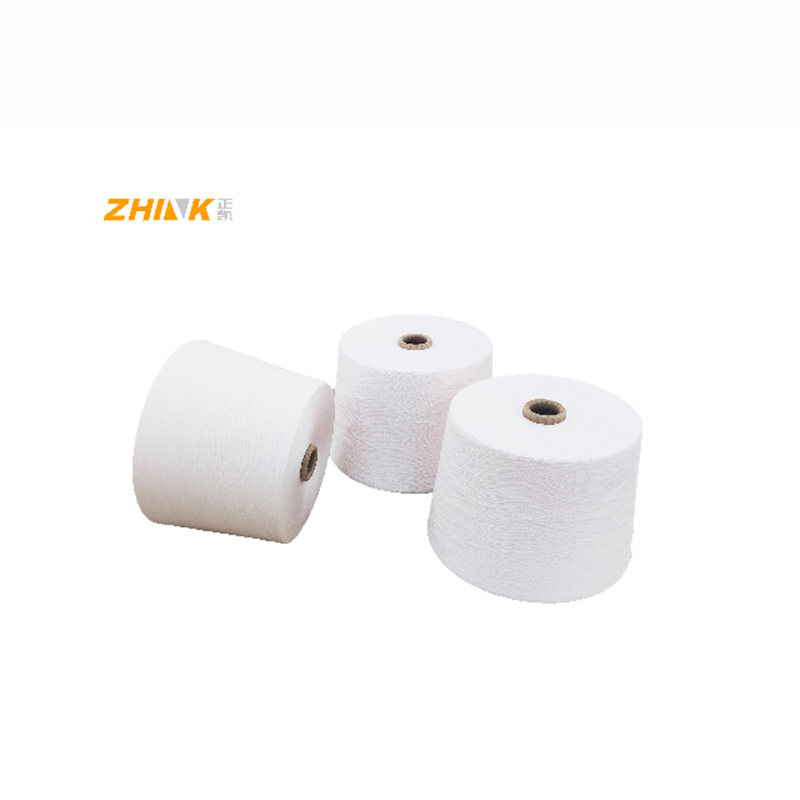
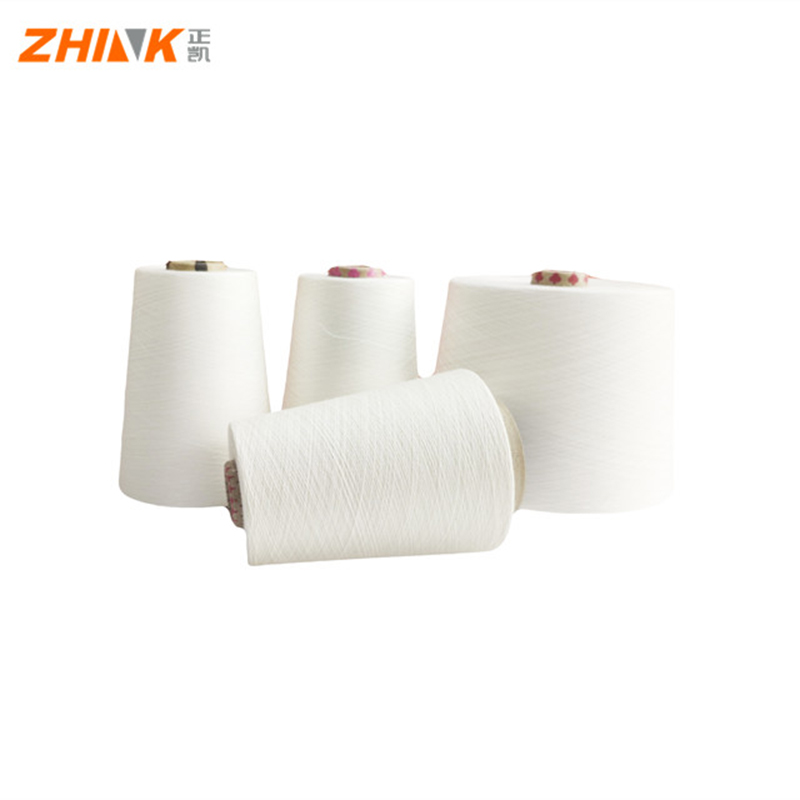
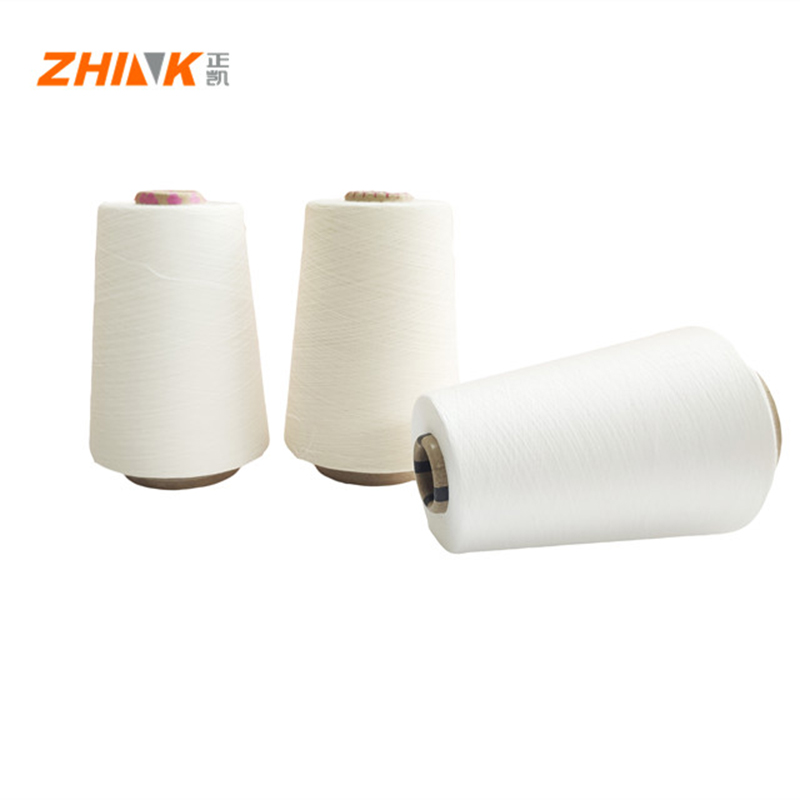
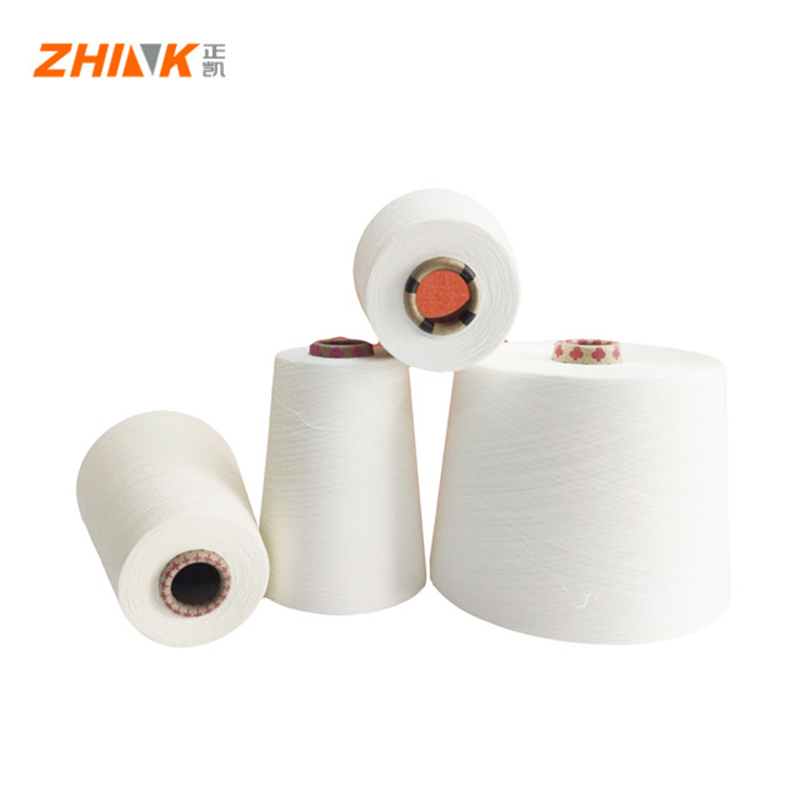
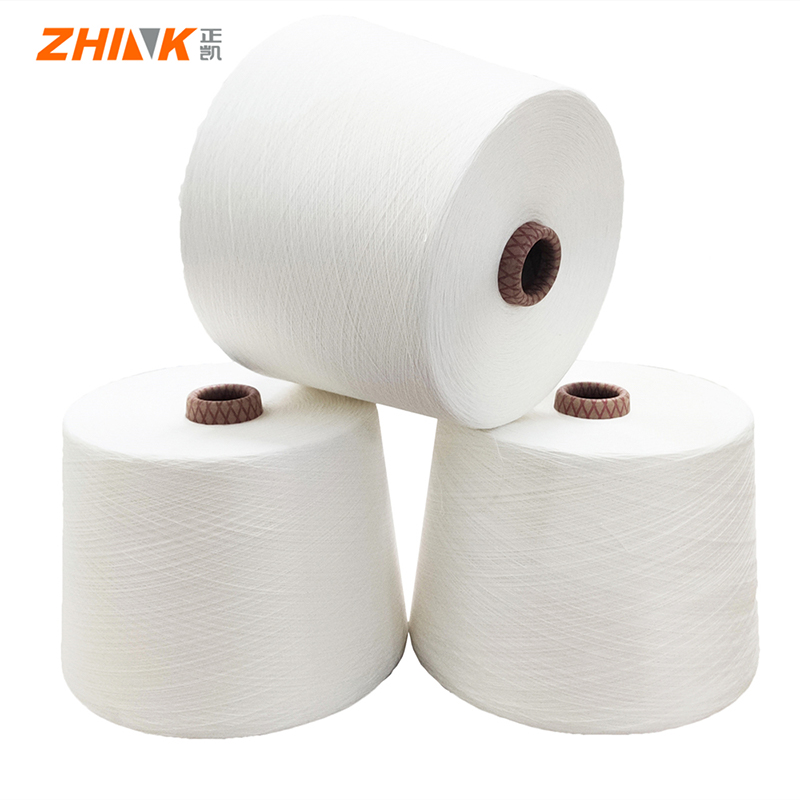
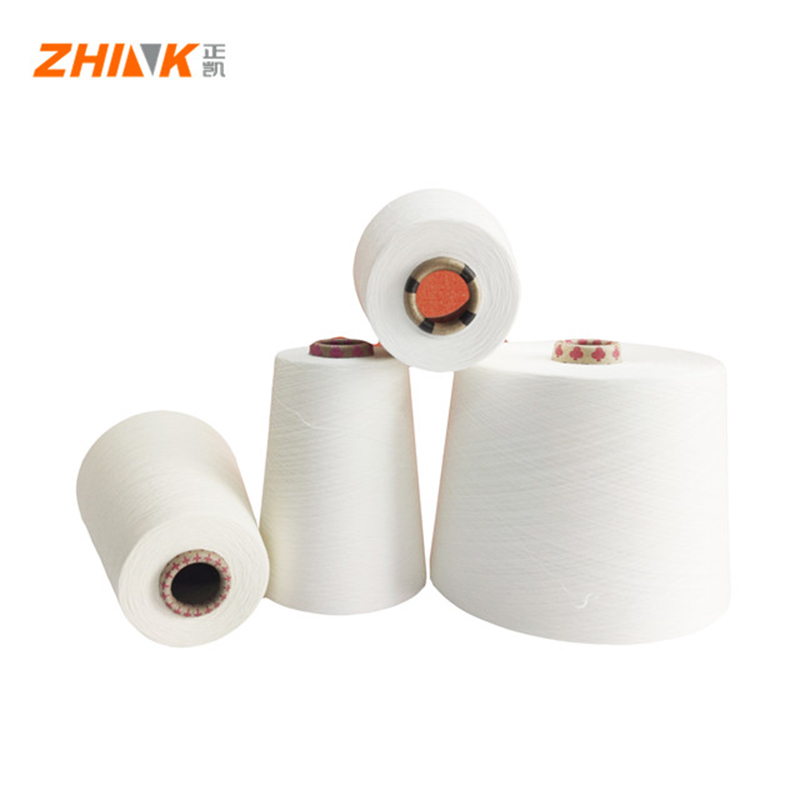
cotton silk blend yarn
The Intricacies of Cotton Silk Blend Yarn
Exploring the world of cotton silk blend yarn reveals a fascinating intersection between natural fibers and modern textile innovation. This article delves into both the practical applications and the nuanced challenges faced by professionals in the field.
The Allure of Cotton Silk Blends
Cotton and silk are fibers that've stood the test of time, each valued for unique characteristics. Cotton silk blend yarn captures the best of both worlds. Perhaps most compelling is how this blend achieves a balance between comfort and luxury—cotton's breathability paired with silk's sheen. But, not every blend is created equal.
Honestly, there can be a bit of trial and error finding the perfect ratio. Too much silk, and you might miss out on durability; too little, and the luxurious feel wanes. While working with SHANDONG ZHINK NEW MATERIAL CO., LTD, I've seen firsthand how crucial it is to experiment with these ratios to meet varying project needs. Their expertise in textile materials often guides these decisions.
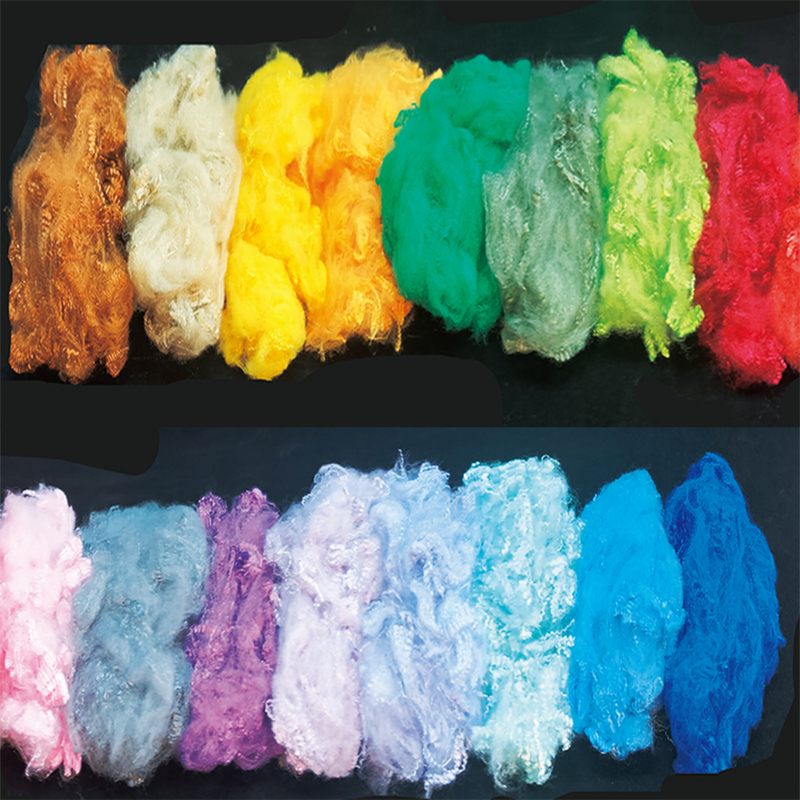
Then there's the yarn's reaction to dyes. Cotton tends to absorb color more readily, whereas silk might resist. This characteristic can introduce unique color variations but requires careful consideration during production. Each batch can surprise you in delightful ways or lead to unexpected results if not properly managed.
Production Challenges
Integrating the spinning processes for cotton and silk isn't straightforward. Cotton likes high-speed spinning, but silk's more delicate nature demands care. This difference can complicate machinery setups, demanding adaptations or completely unique solutions. During one project with Zhink New Material, we had to reengineer part of the process to ensure silk retained its integrity.
Regulating tension during spinning is another critical factor. High tension risks snapping silk fibers, yet low tension can result in an inconsistent weave. Finding that 'sweet spot' is more art than science, often requiring seasoned eyes and hands. Employees at Zhink excel due to their well-honed instincts from years of practice.
Cost management is ever-present too. Silk’s premium price point can inflate the overall cost of raw materials. Wise sourcing and strategic purchasing decisions become vital. Again, Zhink’s relationships with silk producers have often proven invaluable in negotiating fair prices without compromising quality.
Practical Applications and Innovations
When you think about practical applications, the blend is popular in both clothing and home textiles. It’s common to see them in high-end bedding or summer garments—soft, cool, yet with that understated elegance. I recall an instance where we created a range of garments for a summer collection; observing their popularity only reinforced the blend's allure.
Moreover, innovation in this arena continually pushes the envelope. Integration of new technologies into the yarn production process—such as enhanced spinning techniques—has allowed for even softer, stronger blends. The R&D teams at Zhink are always exploring ways to leverage these advancements.
With sustainability becoming a focal point, many in the industry, including Zhink, are exploring eco-friendly options. They're inspecting every aspect, from raw material procurement to dye processes, with an eye toward reducing the carbon footprint, an initiative I find crucial for our industry’s future.
Caring for Cotton Silk Blend Products
Once a product is in consumers’ hands, care plays a critical role in longevity. This type of yarn demands attention—cold water washes, gentle detergents, and air drying are ideal. The wrong wash cycle can spell disaster, shrinking or distorting these delicate fabrics.
Experience speaks volumes here. Revisiting customer feedback at Zhink led us to offer detailed care instructions with each product. Valuable insights often emerge from these interactions, suggesting improvements or adjustments in materials to increase product lifespan.
There's also an educational component for consumers—informing them not just about the 'what' but the 'why' behind care recommendations. Ensuring they understand how to best maintain their garments extends joy and usability, a satisfaction that keeps customers returning.
Future Prospects
Looking forward, the cotton silk blend yarn market continues to hold substantial promise. Predictions about fiber technology and consumer demands suggest a rising trend toward blends that offer both function and style. How manufacturers choose to innovate will determine their standing.
Continued collaboration between textile companies, like Zhink and other innovators, reflects a growing emphasis on quality and sustainability. Building on this, the adoption of smart textiles integrating technology could redefine what we expect from fabrics.
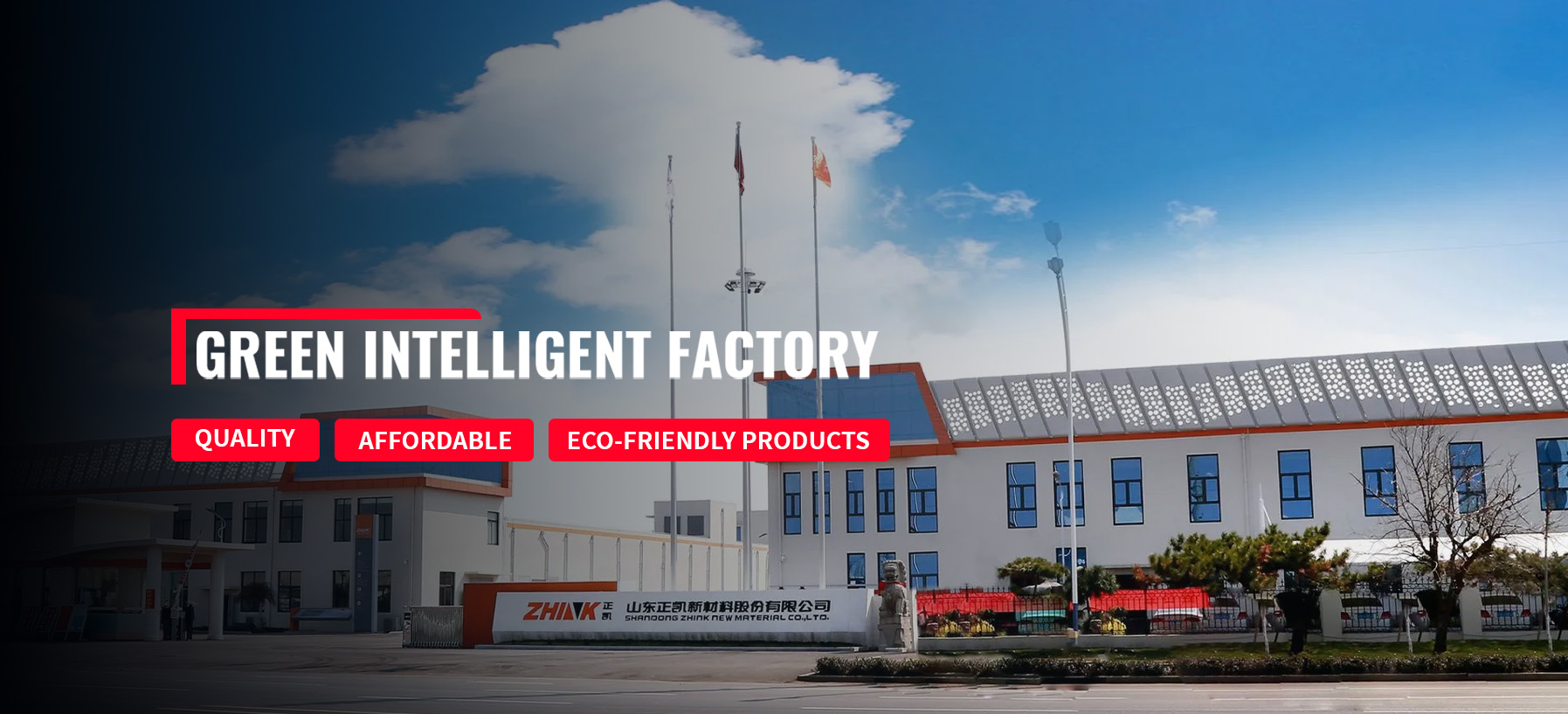
It's an exciting time, with every blend bringing new possibilities. Navigating these waters requires skill, patience, and a bit of creativity—qualities that undoubtedly, those at SHANDONG ZHINK NEW MATERIAL CO., LTD are ready to bring to the forefront.
Related Products
Related Products