+86-632-3621866
- Chinese
- French
- German
- Portuguese
- Spanish
- Russian
- Japanese
- Korean
- Arabic
- Irish
- Greek
- Turkish
- Italian
- Danish
- Romanian
- Indonesian
- Czech
- Afrikaans
- Swedish
- Polish
- Basque
- Catalan
- Esperanto
- Hindi
- Lao
- Albanian
- Amharic
- Armenian
- Azerbaijani
- Belarusian
- Bengali
- Bosnian
- Bulgarian
- Cebuano
- Chichewa
- Corsican
- Croatian
- Dutch
- Estonian
- Filipino
- Finnish
- Frisian
- Galician
- Georgian
- Gujarati
- Haitian
- Hausa
- Hawaiian
- Hebrew
- Hmong
- Hungarian
- Icelandic
- Igbo
- Javanese
- Kannada
- Kazakh
- Khmer
- Kurdish
- Kyrgyz
- Latin
- Latvian
- Lithuanian
- Luxembou..
- Macedonian
- Malagasy
- Malay
- Malayalam
- Maltese
- Maori
- Marathi
- Mongolian
- Burmese
- Nepali
- Norwegian
- Pashto
- Persian
- Punjabi
- Serbian
- Sesotho
- Sinhala
- Slovak
- Slovenian
- Somali
- Samoan
- Scots Gaelic
- Shona
- Sindhi
- Sundanese
- Swahili
- Tajik
- Tamil
- Telugu
- Thai
- Ukrainian
- Urdu
- Uzbek
- Vietnamese
- Welsh
- Xhosa
- Yiddish
- Yoruba
- Zulu
- Kinyarwanda
- Tatar
- Oriya
- Turkmen
- Uyghur



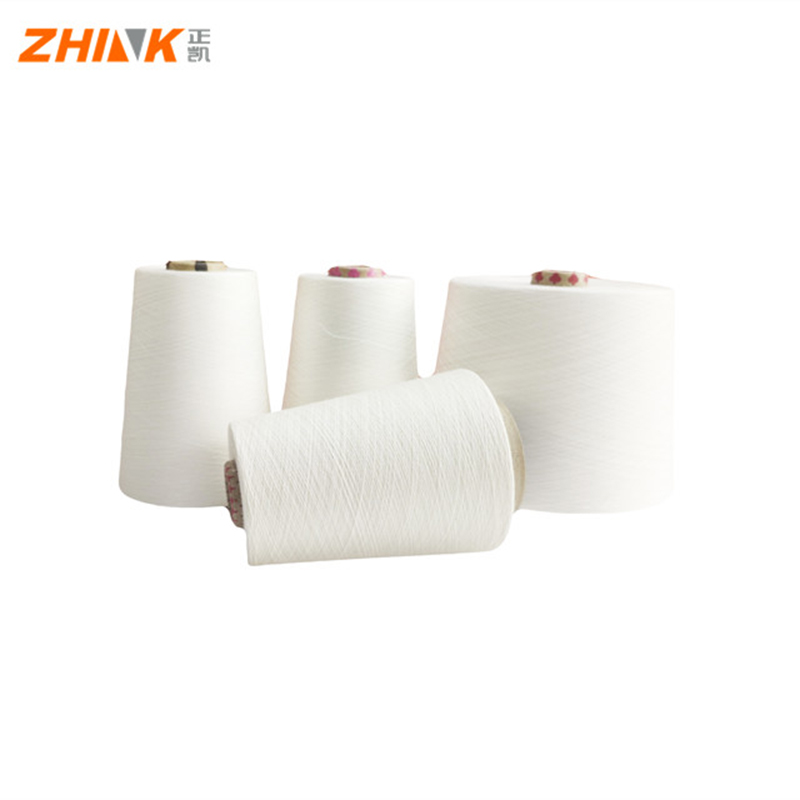
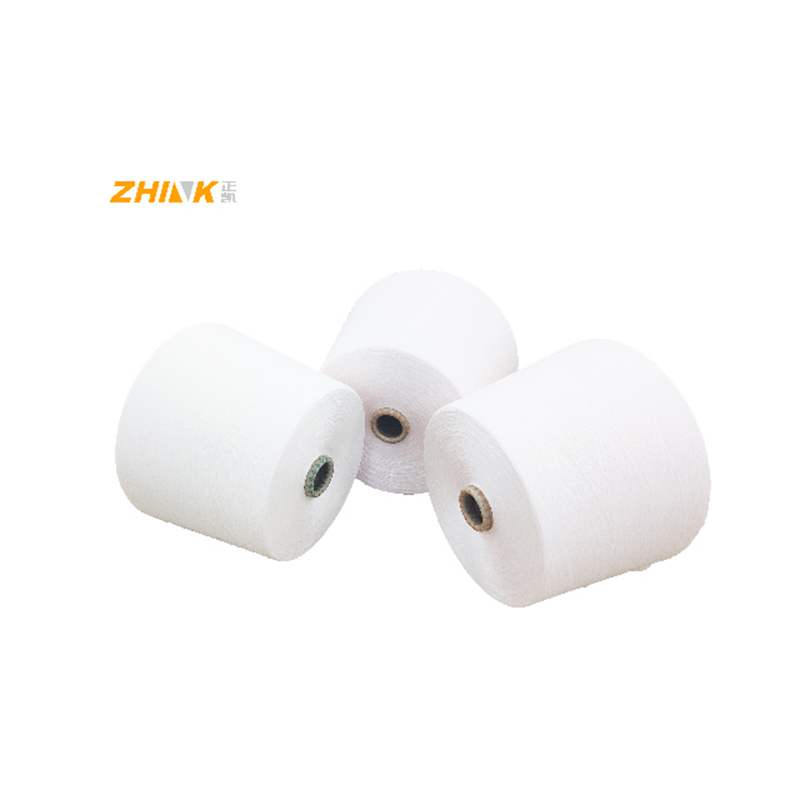
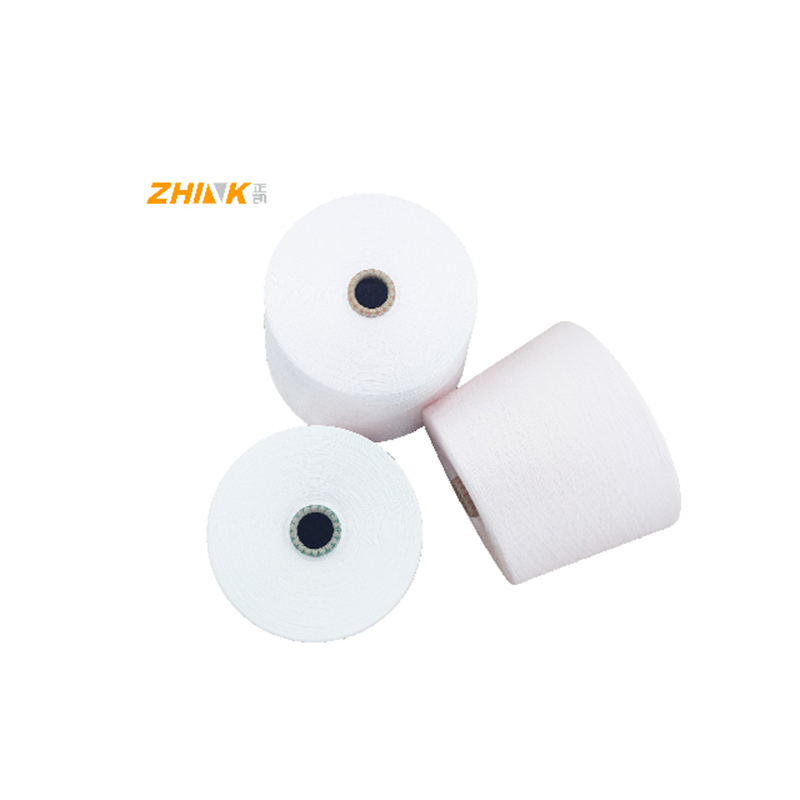
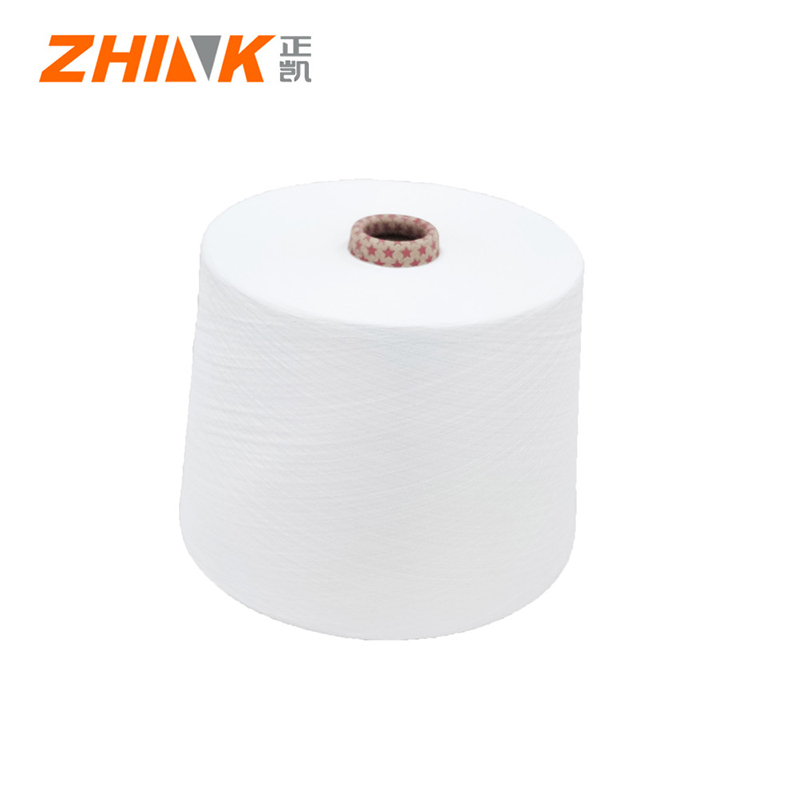
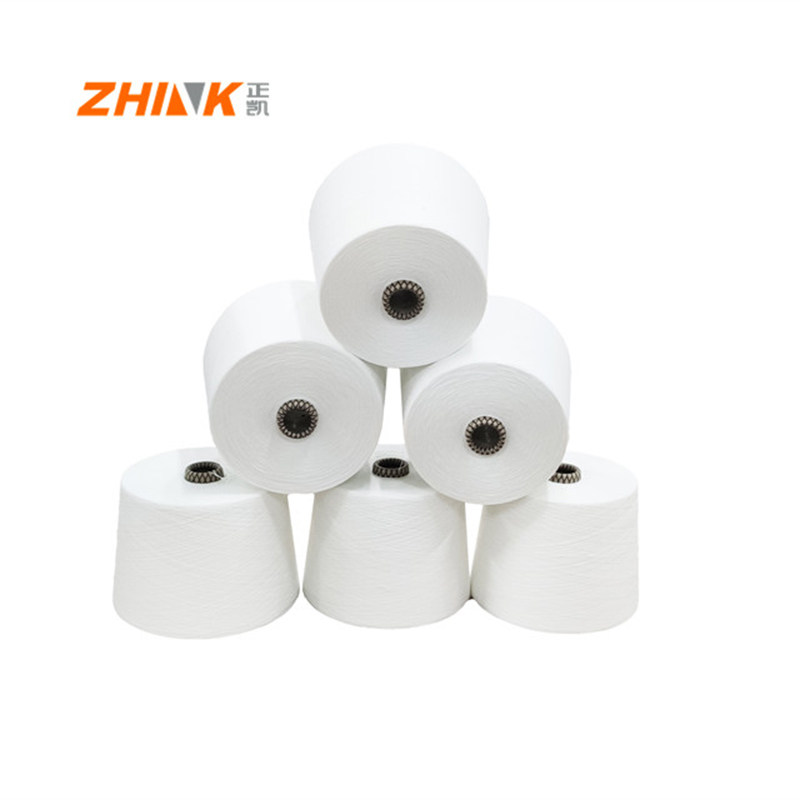
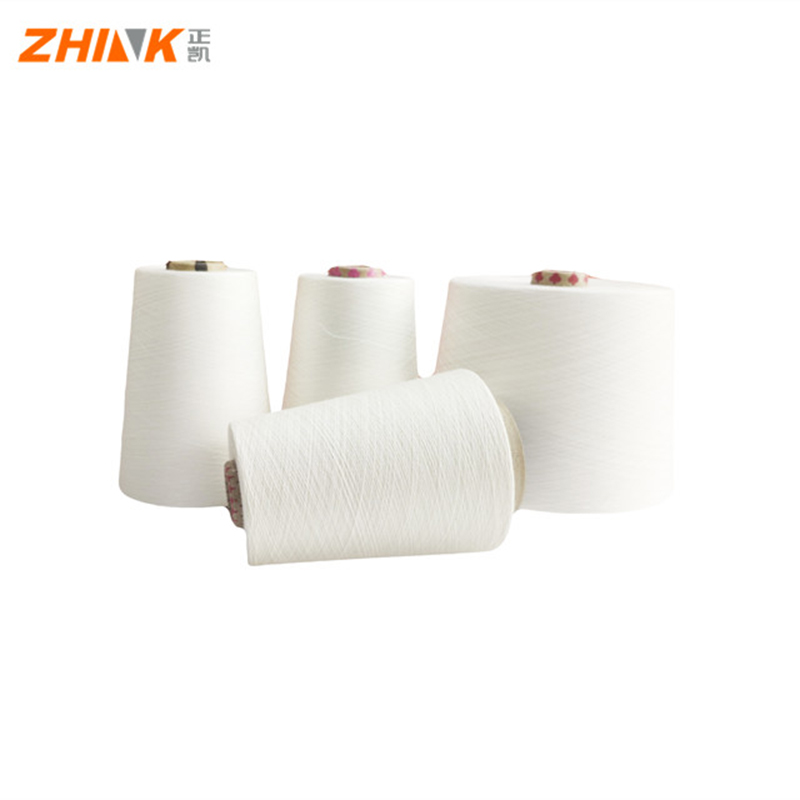
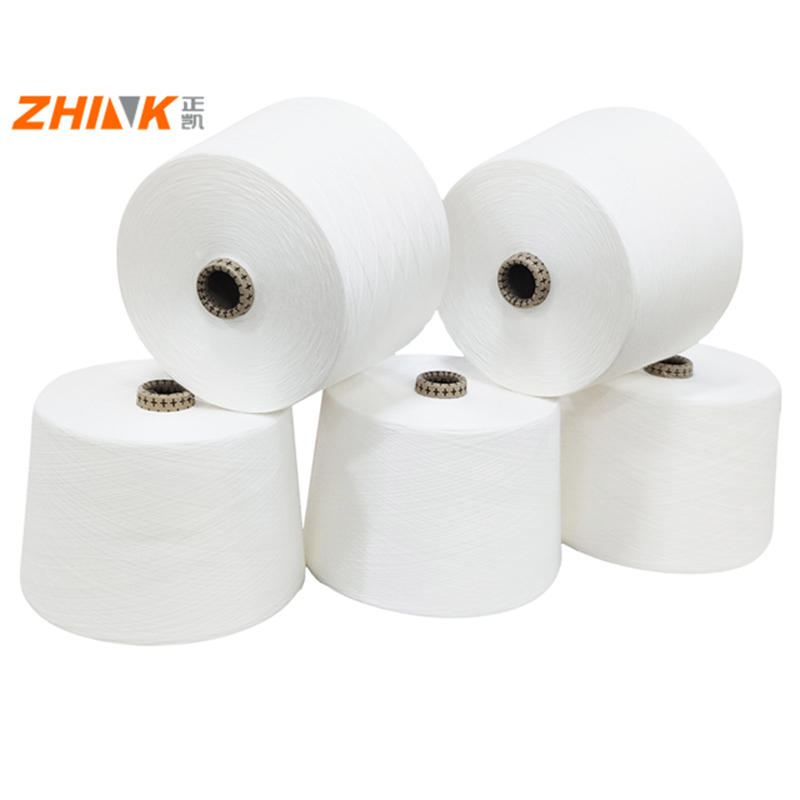
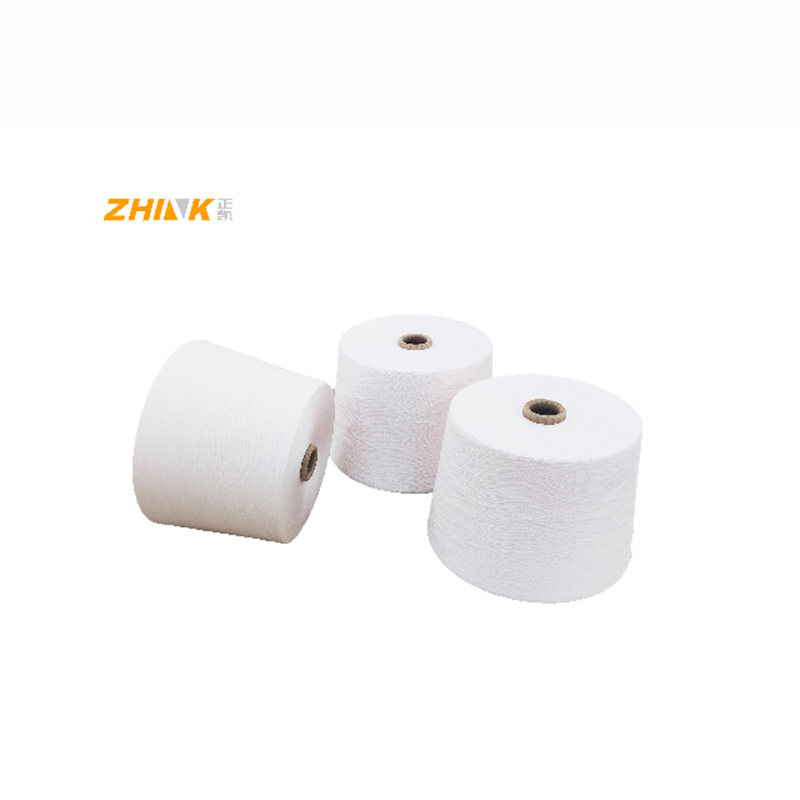
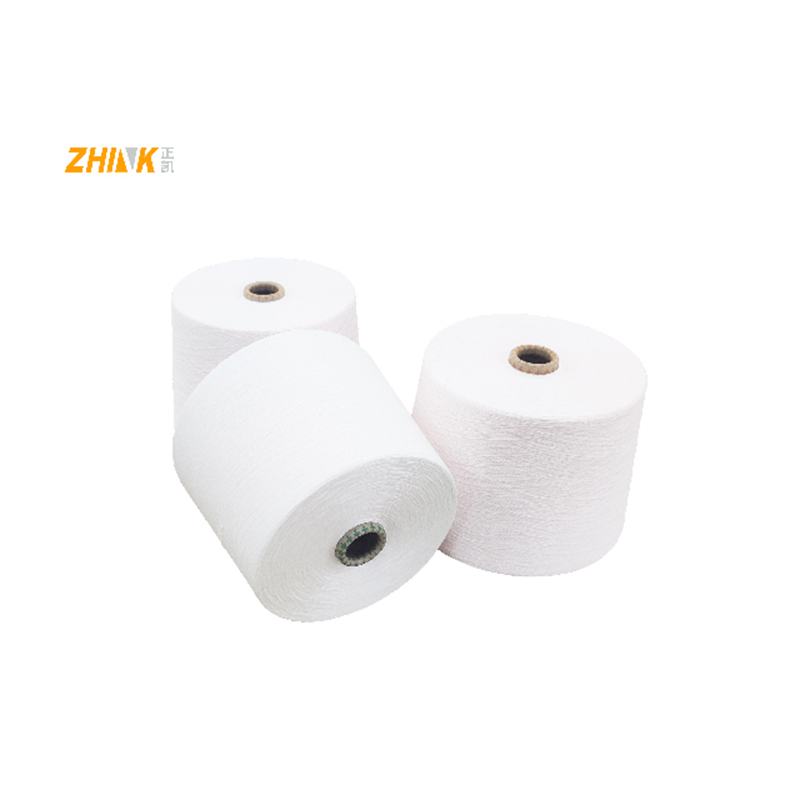
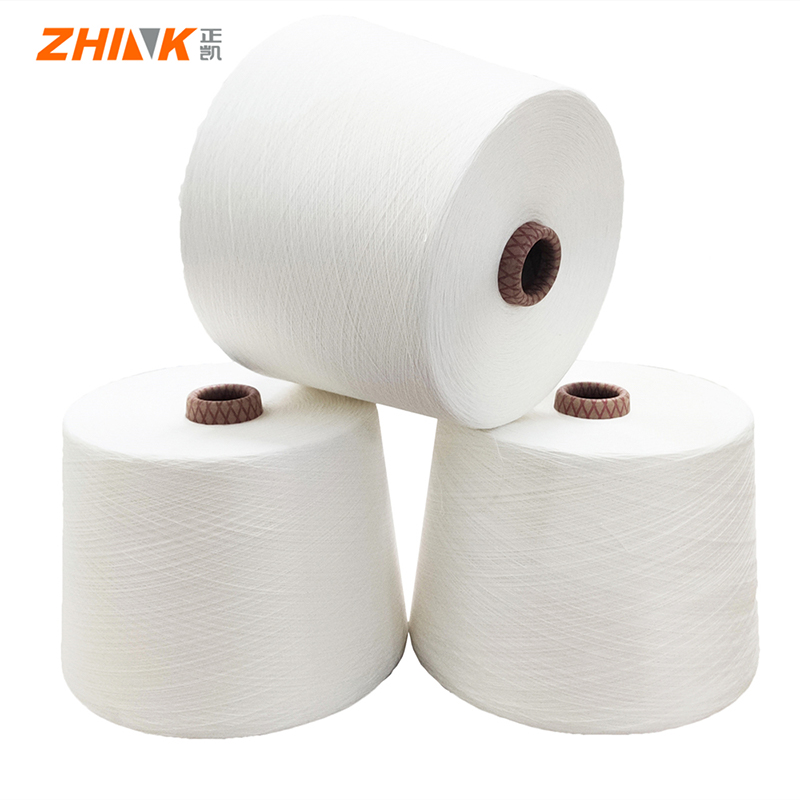
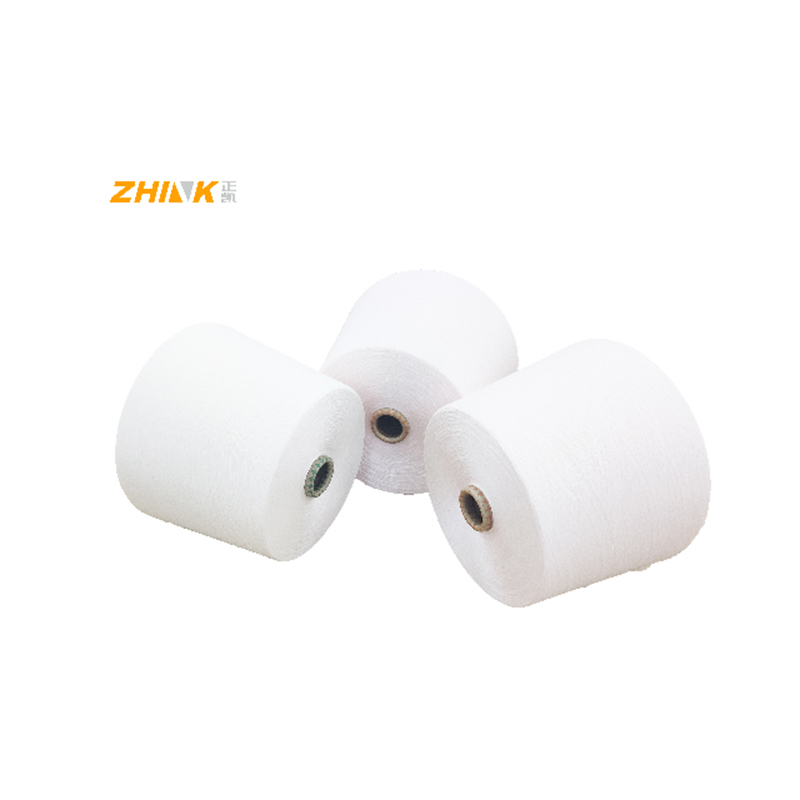
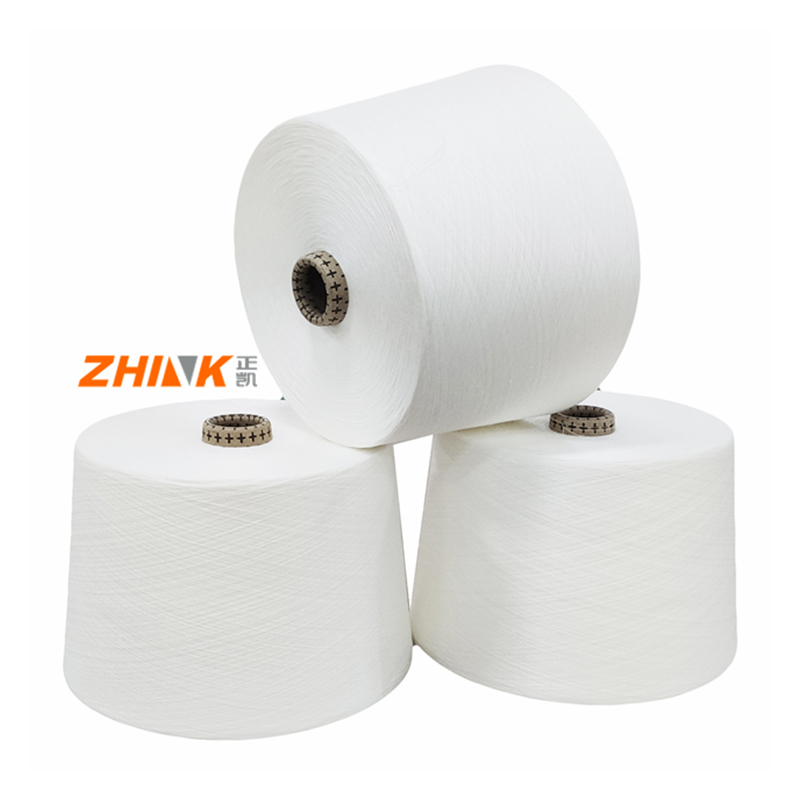
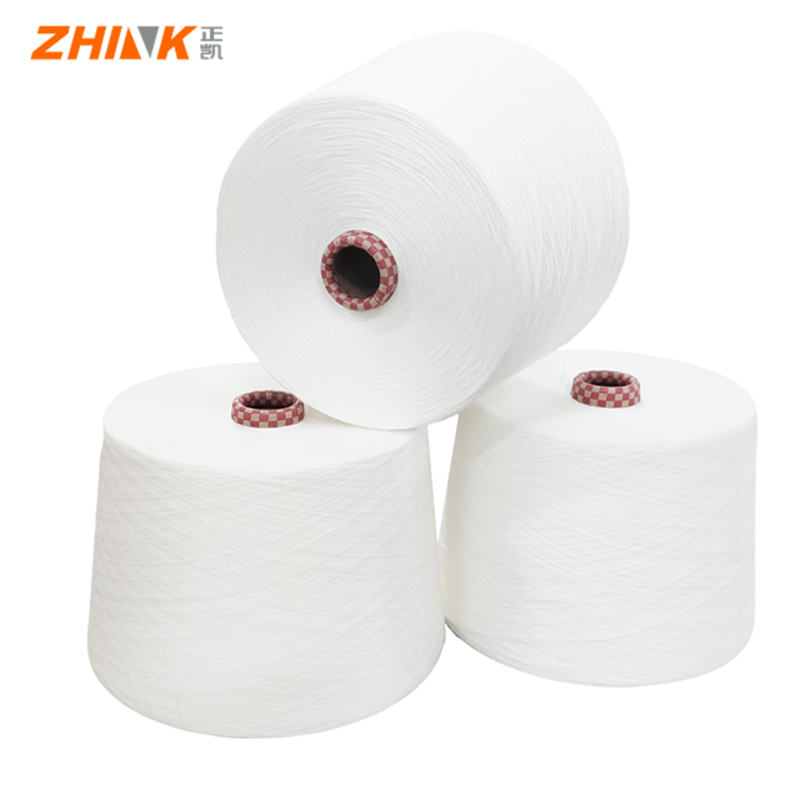
cotton sock yarn
Understanding Cotton Sock Yarn: Insights and Experiences
Cotton sock yarn is a versatile and widely appreciated material in the textile world. Known for its softness and breathability, it's popular for making comfortable and durable socks. However, choosing the right cotton yarn for sock making is not as straightforward as it might seem.
The Basics of Cotton Sock Yarn
The first thing to understand about cotton sock yarn is that not all cottons are created equal. Quality varies depending on the spinning process and the type of cotton used. Combed cotton is often preferred for socks because of its smoothness and reduced piling, which contributes to durability. Blended options, pairing cotton with synthetic fibers like nylon or elastane, often provide elasticity, enhancing the fit and resilience of the sock.
In my experience, grabbing a high-gauge yarn works well when you're looking to create detailed patterns. The tighter weave not only enhances the aesthetic appeal but also helps in maintaining the shape after multiple washes. I've found that a yarn weight of fingering or sport is typically the go-to choice for knitting socks, providing the right balance between thickness and comfort.
When I first started experimenting with cotton sock yarn, I underestimated how important it was to consider shrinkage and dye fastness. Some yarns, particularly those dyed post-spinning, might bleed color or shrink after washing. That's why companies like SHANDONG ZHINK NEW MATERIAL CO., LTD, accessible at www.zhinkyarn.com, put emphasis on producing yarns that minimize these issues through thorough R&D processes.
Choosing the Right Yarn for Your Project
Color plays a significant role in the selection process. Whether you're aiming for bold, vibrant hues or subtle pastels, ensuring the color fastness of your yarn is critical. Natural dye options also offer a unique aesthetic and are worth considering if you're environmentally conscious. I once completed a pair of pastel cotton socks, only to find the color fading significantly after a few washes— it was a valuable learning experience in the importance of yarn quality.
Weight and texture are another crucial consideration. A heavier yarn provides warmth and cushion but might lack the finesse needed for intricate patterns. Texture-wise, mercerized cotton tends to have a silky sheen and resists mold, but it might not be as soft as untreated options.
Remember, the context of the usage matters. If the socks are for hiking, you'll need something durable and moisture-wicking. On the other hand, for lounging around the house, comfort and softness might take precedence.
Practical Considerations in Yarn Handling
Having dealt with numerous yarns over the years, one practical concern is storage. Cotton, prone to absorbing moisture, needs to be kept in a dry place to maintain its integrity. I once left a batch near a slightly open window on a rainy day; the resultant dampness affected the twist and texture. Lesson learned: storage is key.
Another tip is to always keep a swatch. Knitting a small sample before starting the main project helps you understand the behavior of the yarn in terms of gauge and washability. Blocking the swatch—an often-skipped step—reveals how the completed sock might change after washing and stretching.
Swatching especially comes in handy with cotton, which has less elasticity than wool. This characteristic can sometimes lead to socks that fit more loosely over time, but a well-chosen blend can mitigate this issue.
Blends and Innovations in Sock Yarn
Experimenting with blends can yield some of the best results. For instance, combining cotton with bamboo fiber can lend a natural antibacterial property, a useful feature for socks. SHANDONG ZHINK NEW MATERIAL CO., LTD continuously explores such innovations and integrates them into their product lines.
Recently, there’s been a rise in eco-friendly yarn options. Recycled cotton and organic blends are gaining popularity, catering to a growing demand for sustainable products. The challenge, however, lies in balancing eco-friendliness with the practical needs of sock knitters for strength and elasticity.
Ultimately, each project might demand a slightly different composition, and keeping up with industry developments—like those from Zhink New Material—can offer insights into what's possible with the latest yarn technologies.
Conclusion: Making the Right Choice
In the realm of cotton sock yarn, choices abound. The selection process is more than just a decision; it’s a step towards crafting a quality product that meets your needs. It's about understanding the nuances of texture, blend, and application, whether you're knitting for utility, pleasure, or both.
Your best bet is to rely on professional-grade products, such as those from companies like SHANDONG ZHINK NEW MATERIAL CO., LTD. Their attention to detail in the production of new textile materials speaks volumes about their commitment to quality and innovation. Discover more about their offerings at www.zhinkyarn.com.
Finally, never underestimate the learning curve. Each project brings its own set of challenges and delights, shaping not only a pair of socks but also enhancing your understanding of the humble yet complex world of cotton sock yarn.
Related Products
Related Products