
+86-632-3621866
- Chinese
- French
- German
- Portuguese
- Spanish
- Russian
- Japanese
- Korean
- Arabic
- Irish
- Greek
- Turkish
- Italian
- Danish
- Romanian
- Indonesian
- Czech
- Afrikaans
- Swedish
- Polish
- Basque
- Catalan
- Esperanto
- Hindi
- Lao
- Albanian
- Amharic
- Armenian
- Azerbaijani
- Belarusian
- Bengali
- Bosnian
- Bulgarian
- Cebuano
- Chichewa
- Corsican
- Croatian
- Dutch
- Estonian
- Filipino
- Finnish
- Frisian
- Galician
- Georgian
- Gujarati
- Haitian
- Hausa
- Hawaiian
- Hebrew
- Hmong
- Hungarian
- Icelandic
- Igbo
- Javanese
- Kannada
- Kazakh
- Khmer
- Kurdish
- Kyrgyz
- Latin
- Latvian
- Lithuanian
- Luxembou..
- Macedonian
- Malagasy
- Malay
- Malayalam
- Maltese
- Maori
- Marathi
- Mongolian
- Burmese
- Nepali
- Norwegian
- Pashto
- Persian
- Punjabi
- Serbian
- Sesotho
- Sinhala
- Slovak
- Slovenian
- Somali
- Samoan
- Scots Gaelic
- Shona
- Sindhi
- Sundanese
- Swahili
- Tajik
- Tamil
- Telugu
- Thai
- Ukrainian
- Urdu
- Uzbek
- Vietnamese
- Welsh
- Xhosa
- Yiddish
- Yoruba
- Zulu
- Kinyarwanda
- Tatar
- Oriya
- Turkmen
- Uyghur



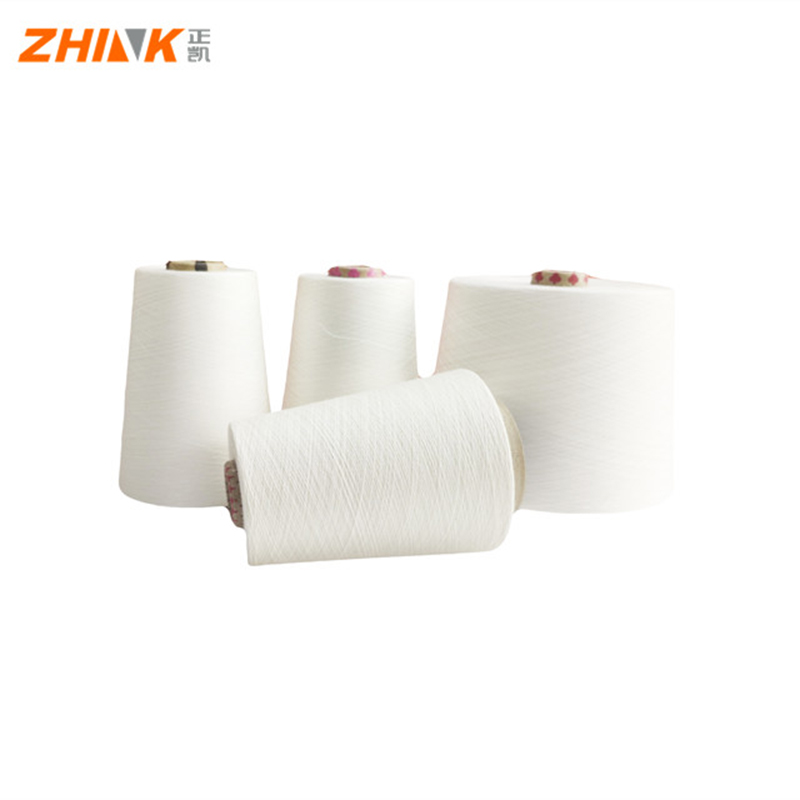
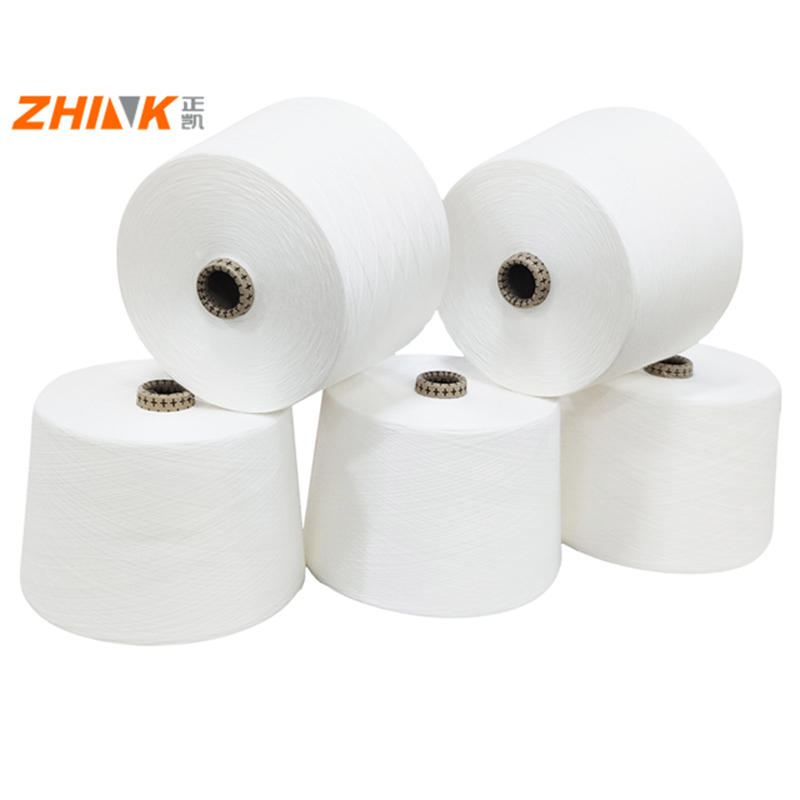
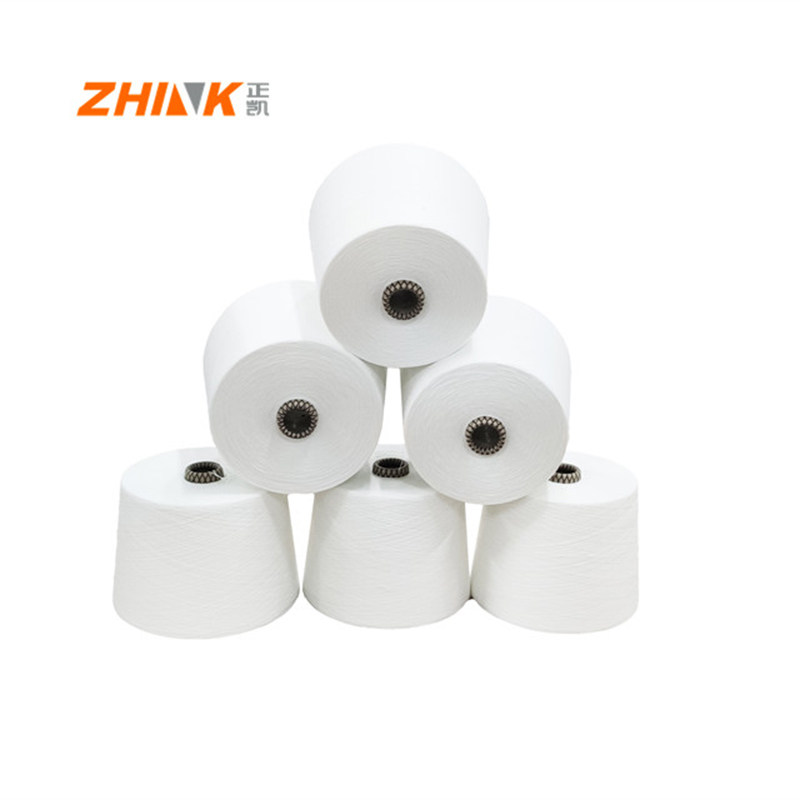
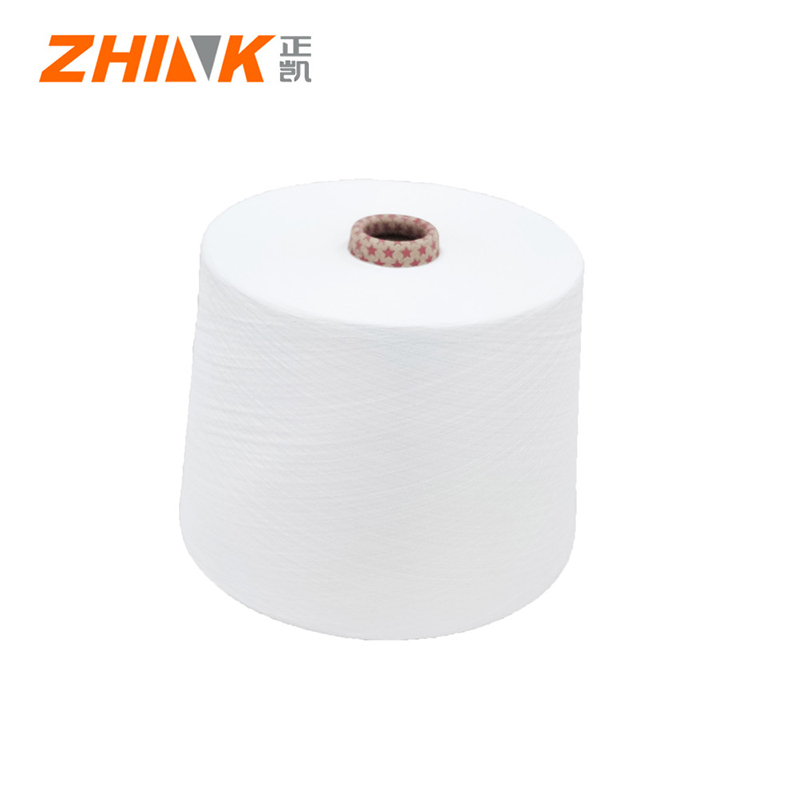
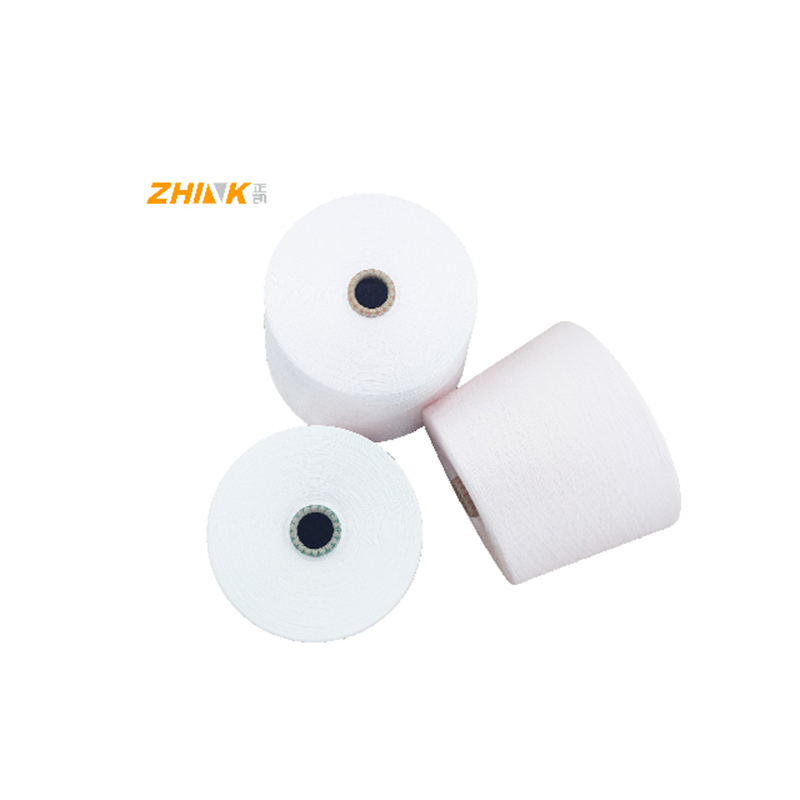
cotton viscose blend yarn
The Craft and Science Behind Cotton Viscose Blend Yarn
Understanding cotton viscose blend yarn requires a blend of art and science—it's not just about weaving fibers, but also crafting an ideal mix that meets various needs. While some might mistake this for a straightforward combination, there's an intricate process behind its creation that textiles professionals understand well.
The Essentials of Cotton Viscose Blend
The magic begins with the raw materials. Combining the natural feel of cotton with the luxurious touch of viscose, the goal here is to capture the best of both worlds. Cotton offers breathability and resilience, while viscose brings softness and a silk-like luster. Striking the right balance isn't always easy. From personal experience, it requires a keen eye and continuous adjustment. When I worked with this blend at SHANDONG ZHINK NEW MATERIAL CO., LTD, consistency was key, and every batch told its own story.
One major factor that comes into play is fiber length and twist. Uniformity can make or break your cotton viscose blend yarn. I recall a particular instance where a slight change in fiber twist significantly impacted the fabric's feel. Being vigilant about such changes is crucial. You always need to be ready to finely tune the production process.
Color absorption and dyeing are another aspect worth mentioning. Viscose dyes well, offering vibrant hues, but when mixed with cotton, the challenge doubles. The shades can turn out unexpectedly if not monitored properly, a lesson I learned firsthand. Often, it requires several trials to get the intended result.
The Impact of Fiber Ratios
Changes in cotton viscose blend yarn composition can alter fabric properties quite a bit. A 50/50 mix is common, but don't let standard ratios fool you. Each slight variation yields a different texture and durability. When working with varying ratios, the end use should dictate your mix. For instance, if aiming for durability, leaning towards more cotton might be beneficial.
Precision in blending not only ensures quality but can also significantly affect costs. I once encountered a scenario involving THANDONG ZHINK NEW MATERIAL CO., LTD where altering the blend ratio saved on production costs without compromising quality. It's these kinds of calculated risks that can give a company a competitive edge.
Market demands also influence fiber ratios. With consumers increasingly conscious about sustainability, the appeal of naturally derived viscose gives companies another angle to market their products—especially since many perceive viscose as more eco-friendly, though this isn't always the case.
Challenges in Production
There are numerous challenges that professionals face. Machines must be calibrated perfectly to handle these blends. At SHANDONG ZHINK NEW MATERIAL CO., LTD, we often spent significant time ensuring that spinning machines were in top condition to manage both the delicate nature of viscose and the robustness of cotton simultaneously.
Even minor oversight could lead to costly mistakes. For example, viscose can be particularly finicky with moisture changes—which I remember vividly from a rainy season that led to unexpected production downtimes. These factors are often overlooked but can severely affect yield quality.
We've found that worker training is integral. Operators need to understand the peculiarities of cotton viscose blend yarn. Running simulations or small batch trials are some of the strategies that have served us well. It's about minimizing surprises in production.
Applications and Versatility
The versatility of this blend cannot be overstated. It finds its way into various product ranges—from garments to home textiles. Its soft, breathable, yet robust nature makes it an excellent choice for apparel manufacturers focused on comfort and durability.
I've seen how the market responds to products made from cotton viscose blend yarn. There is a tactile quality that attracts consumers, offering a middle ground between high-end luxury and everyday practicality. It’s something we actively promote at SHANDONG ZHINK NEW MATERIAL CO., LTD, especially in sectors like sustainable fashion.
Yet, success in this area demands a nuanced understanding of consumer preferences and the technical aspects of the yarn itself. From experience, listening to customer feedback and adapting swiftly can set a company apart. We've leveraged this feedback mechanism to refine products continually, ensuring they meet evolving standards.
Looking Forward: Innovations and Sustainability
As the textile industry moves forward, innovations in cotton viscose blend yarn are on the horizon. Advanced dyeing techniques, bio-friendly production processes, and improved yarn strength are areas ripe for exploration. Our team at Zhink New Material is constantly researching new ways to enhance our product lines.
Sustainability remains a significant focus. The demand for eco-friendly processes is driving changes at both material and production levels. We've invested in technologies that reduce waste and improve efficiency. When consumers scrutinize their purchases, companies like ours must respond proactively.
Ultimately, the journey with cotton viscose blends is ongoing. There's always room for improvement, and as industries evolve, so too must the stakeholders within. It's an exciting time to be working in this field, with new challenges and opportunities emerging regularly.
Related Products
Related Products

Best Selling Products
Best Selling Products

Related Search
Related Search- nylon combed cotton blended yarn
- cationic polyester/ viscose spandex yarn
- Modal blended yarn for weaving
- 40s viscose yarn price
- polyester/Combed cotton siro yarn
- Hollow polyester yarn for knitting
- Semi-dull Flame Retardant PSF
- Infrared Hollow PSF
- 100% Recycled polyester ring
- Flame retardant polyester short fiber yarn