+86-632-3621866
- Chinese
- French
- German
- Portuguese
- Spanish
- Russian
- Japanese
- Korean
- Arabic
- Irish
- Greek
- Turkish
- Italian
- Danish
- Romanian
- Indonesian
- Czech
- Afrikaans
- Swedish
- Polish
- Basque
- Catalan
- Esperanto
- Hindi
- Lao
- Albanian
- Amharic
- Armenian
- Azerbaijani
- Belarusian
- Bengali
- Bosnian
- Bulgarian
- Cebuano
- Chichewa
- Corsican
- Croatian
- Dutch
- Estonian
- Filipino
- Finnish
- Frisian
- Galician
- Georgian
- Gujarati
- Haitian
- Hausa
- Hawaiian
- Hebrew
- Hmong
- Hungarian
- Icelandic
- Igbo
- Javanese
- Kannada
- Kazakh
- Khmer
- Kurdish
- Kyrgyz
- Latin
- Latvian
- Lithuanian
- Luxembou..
- Macedonian
- Malagasy
- Malay
- Malayalam
- Maltese
- Maori
- Marathi
- Mongolian
- Burmese
- Nepali
- Norwegian
- Pashto
- Persian
- Punjabi
- Serbian
- Sesotho
- Sinhala
- Slovak
- Slovenian
- Somali
- Samoan
- Scots Gaelic
- Shona
- Sindhi
- Sundanese
- Swahili
- Tajik
- Tamil
- Telugu
- Thai
- Ukrainian
- Urdu
- Uzbek
- Vietnamese
- Welsh
- Xhosa
- Yiddish
- Yoruba
- Zulu
- Kinyarwanda
- Tatar
- Oriya
- Turkmen
- Uyghur



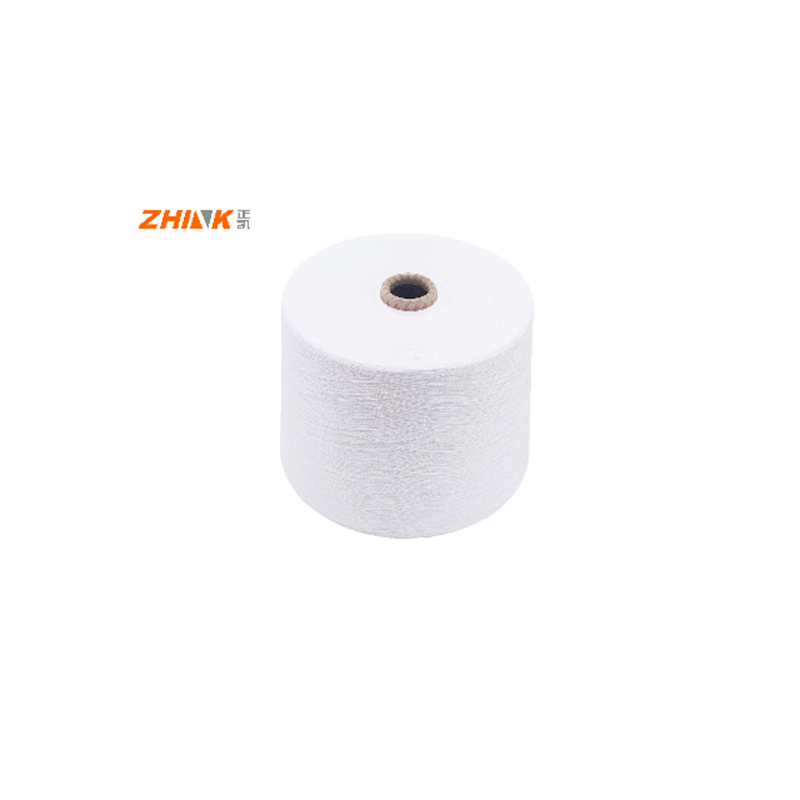
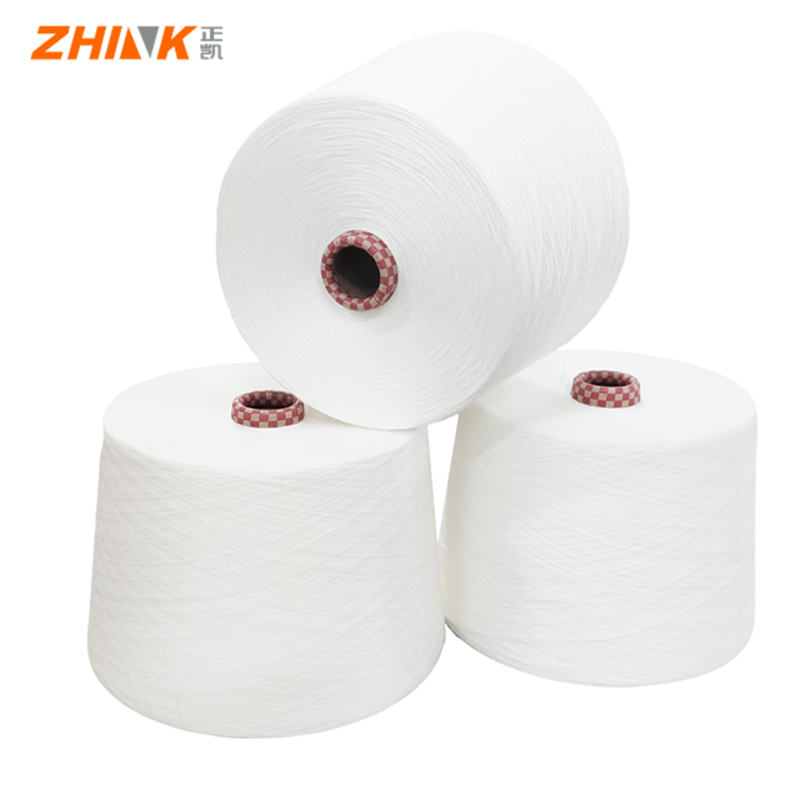
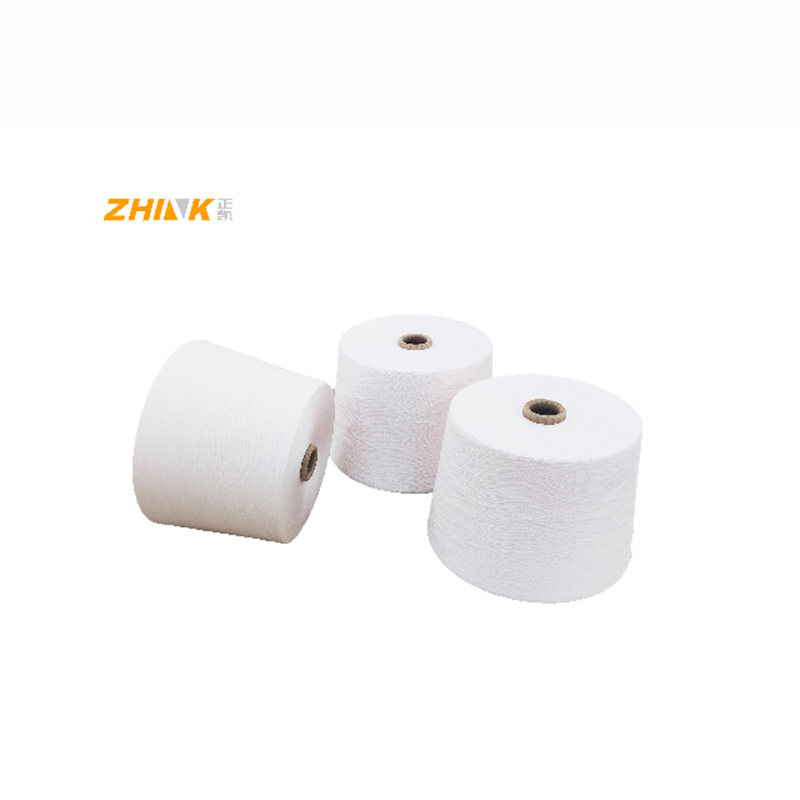
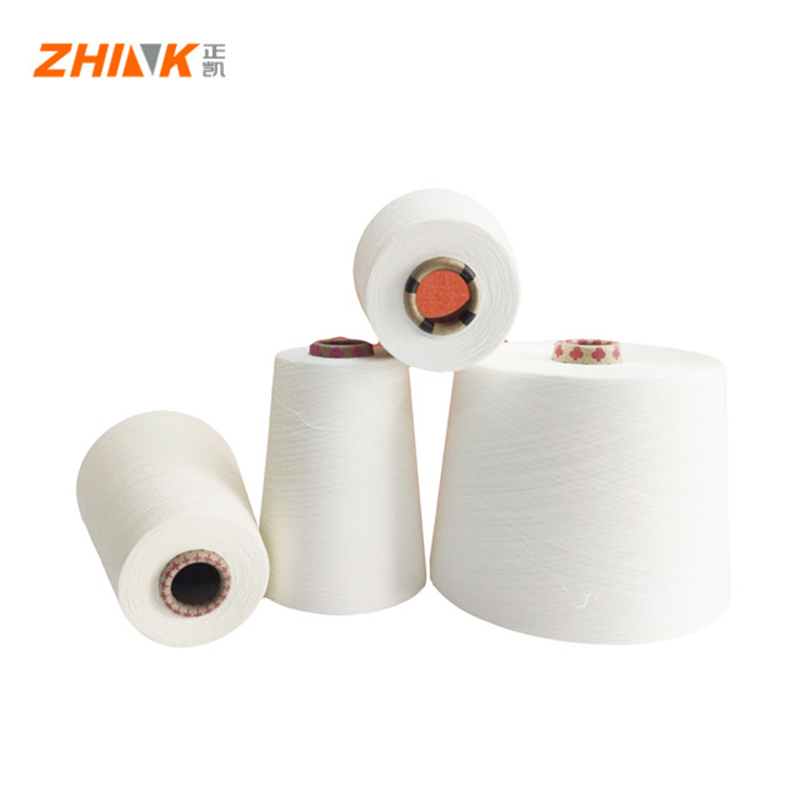
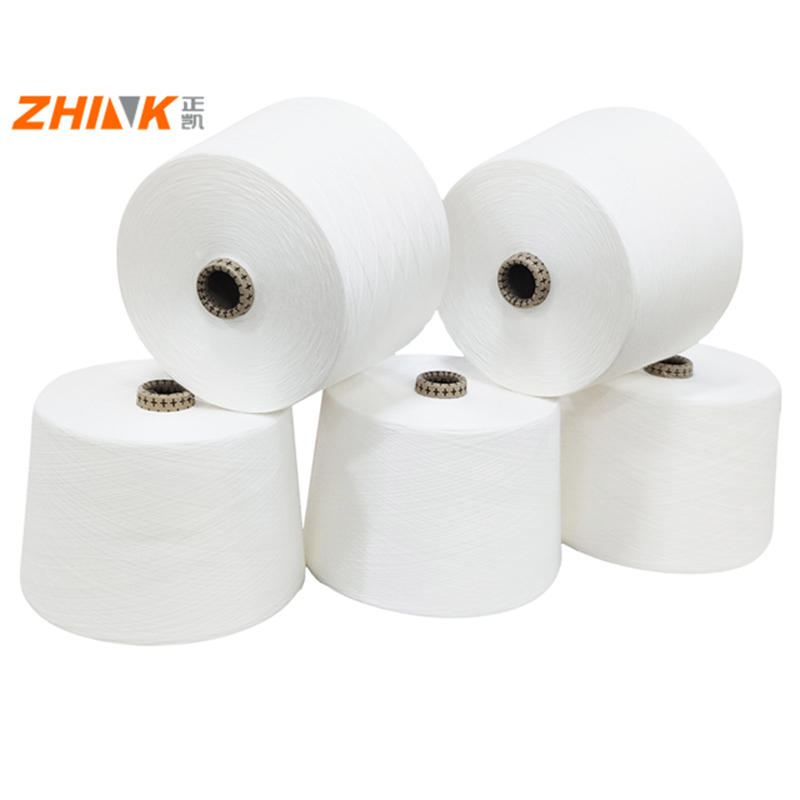
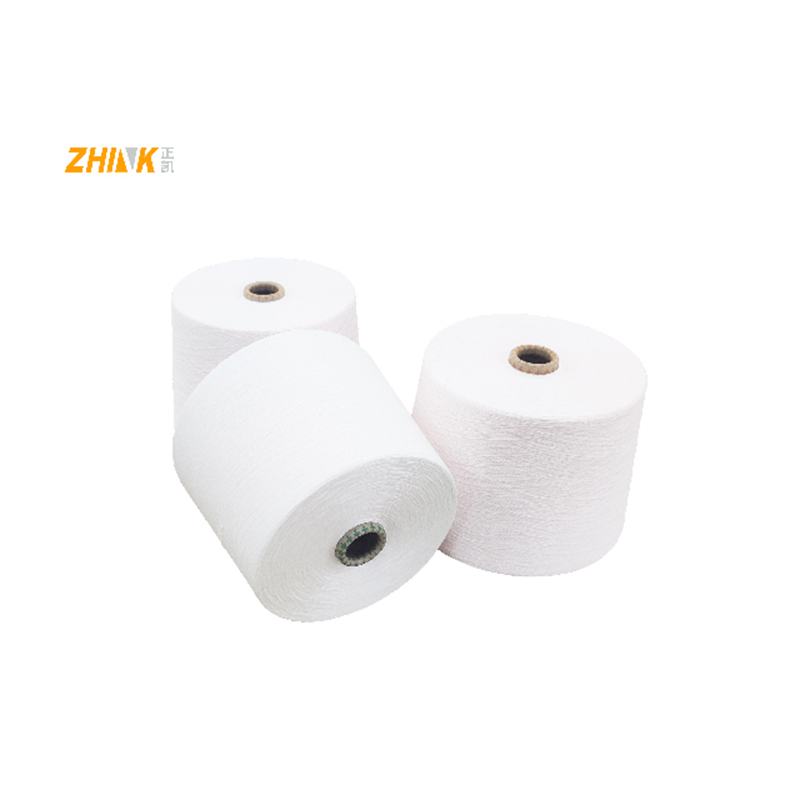
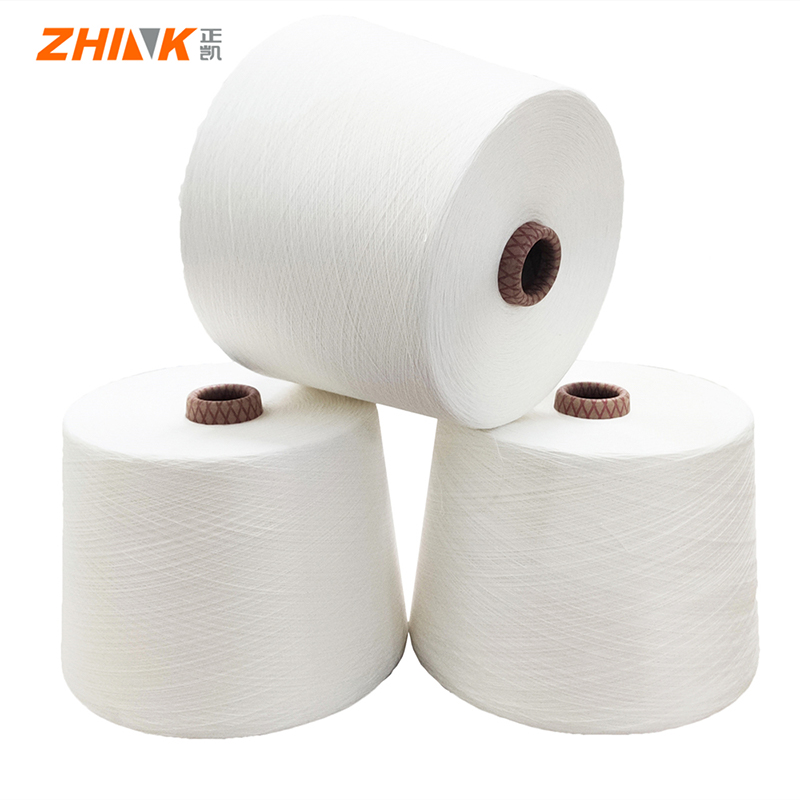
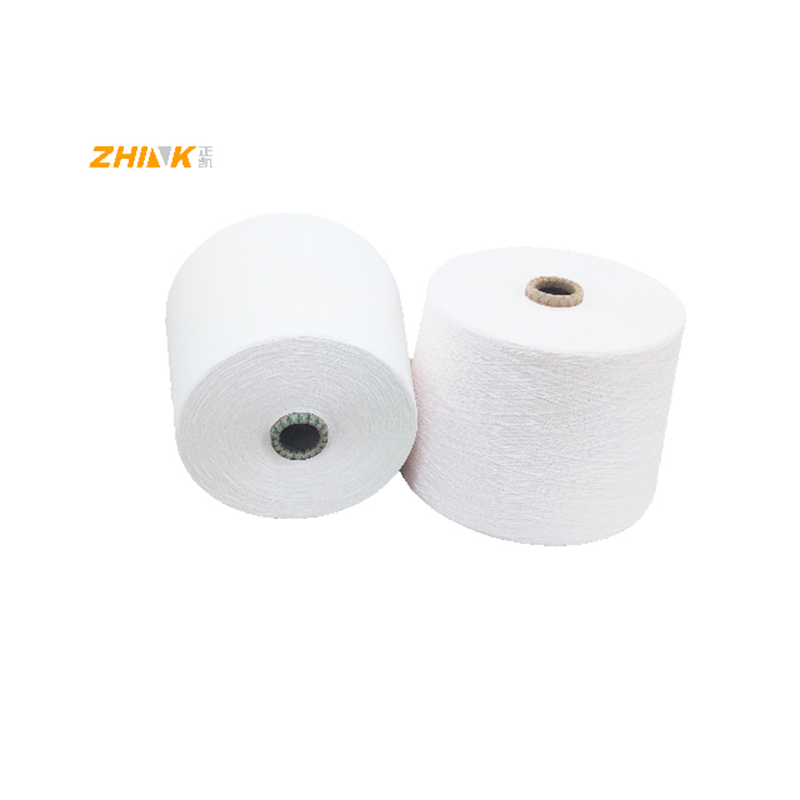
cotton viscose yarn
Understanding Cotton Viscose Yarn: A Blend Worth Exploring
Cotton viscose yarn often gets mentioned in textile circles, but understanding its properties and applications is where many stumble. After spending years in the industry, particularly with fibers and yarns, I’ve gathered insights and experiences that paint a clearer picture of this intriguing blend.
The Basics of Cotton Viscose Yarn
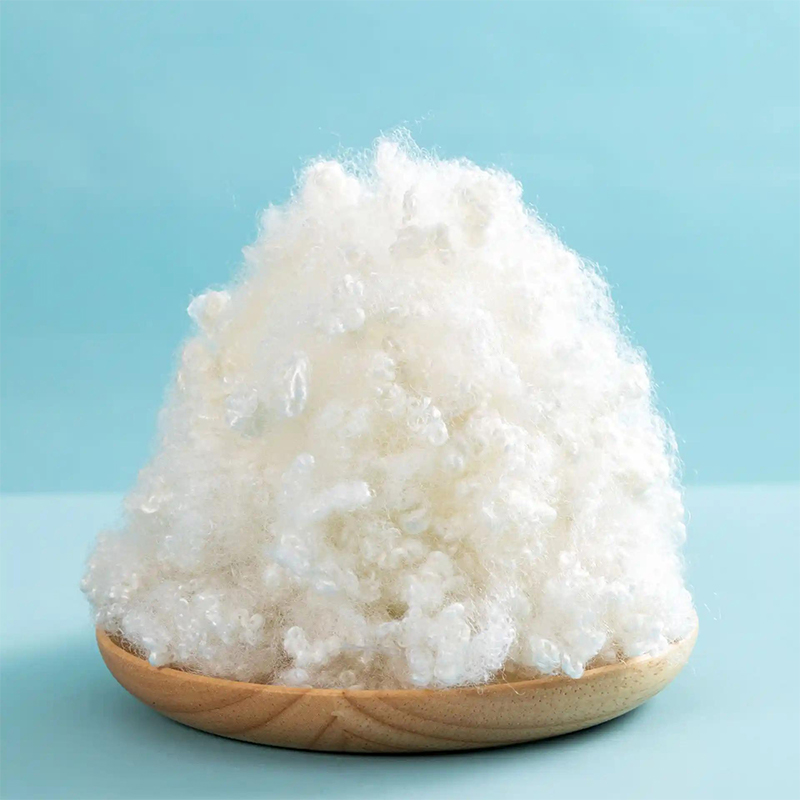
At its core, cotton viscose yarn combines the natural fiber of cotton with the semi-synthetic properties of viscose. This blend aims to harness the strengths of both materials, leading to a yarn that offers a unique balance of softness, durability, and breathability. But it’s not just about mixing fibers — the proportions and quality of each component play a crucial role.
In my early years, I remember diving into production processes where the blend ratios would be adjusted to get just the right texture. More cotton would increase the natural feel, while more viscose could enhance drape and sheen. It was a delicate balance that required a hands-on approach.
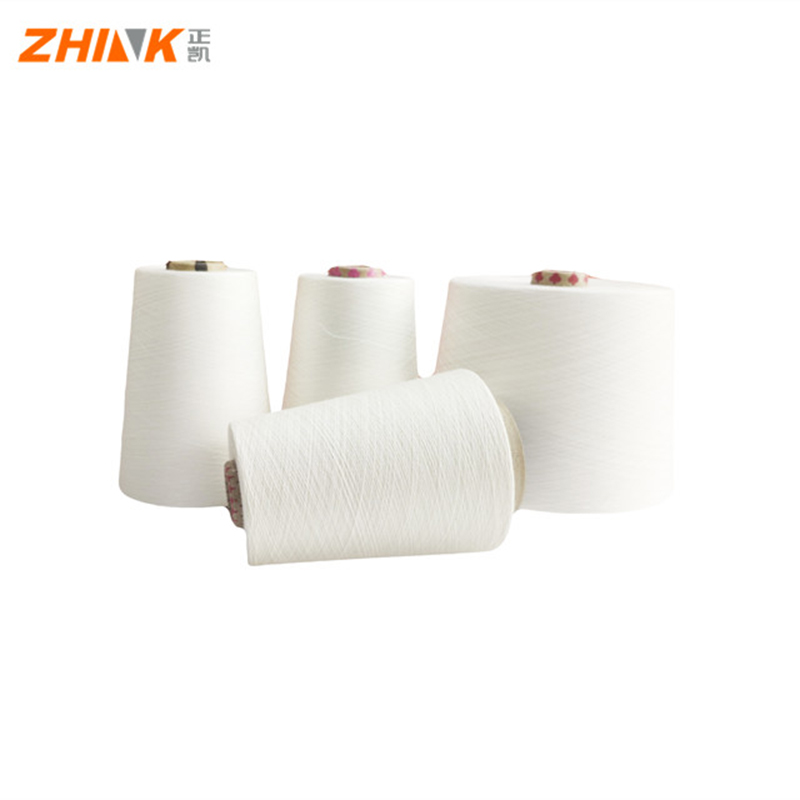
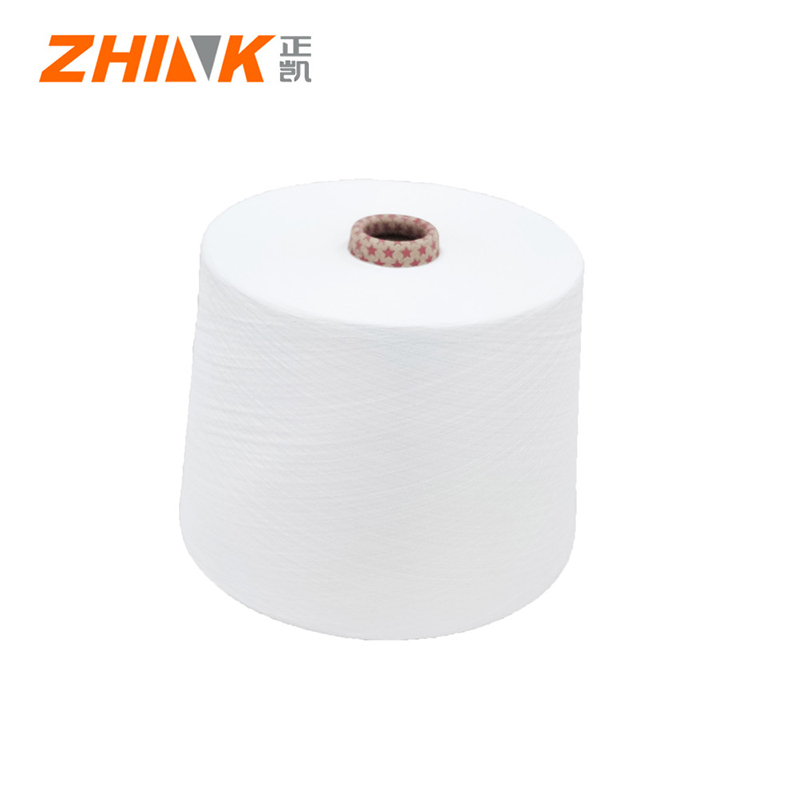
Visiting SHANDONG ZHINK NEW MATERIAL CO., LTD, I saw firsthand how technological integrations are helping refine this balance. The company, which you can explore more about at their website, leverages advanced machinery to ensure consistency and quality. With a focus on innovation, they ensure their yarn meets the varying needs of different textile applications.
Applications in the Textile Industry
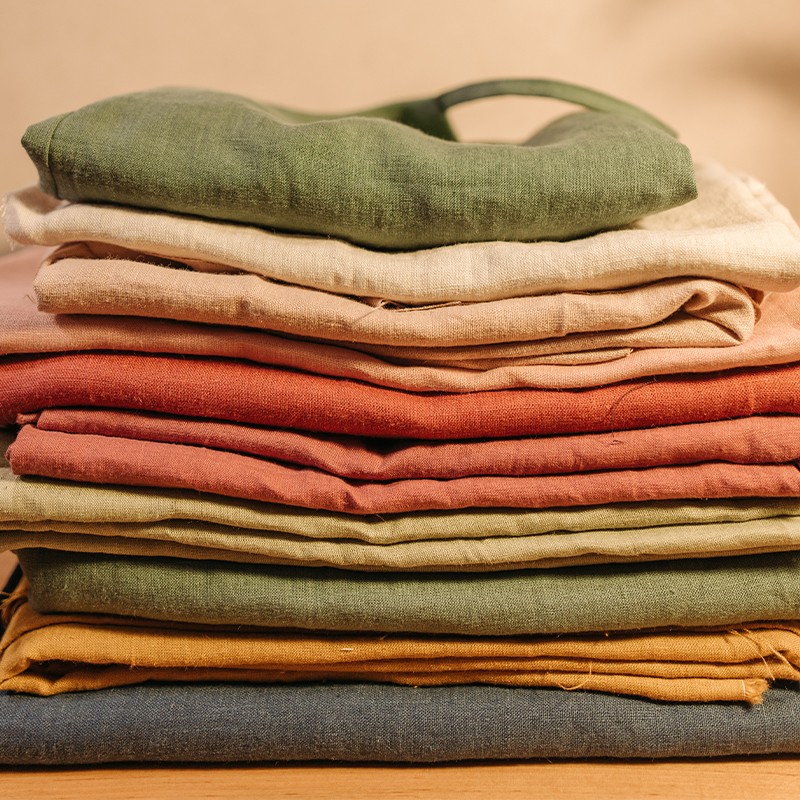
The blend of cotton and viscose has found a unique space in textiles — from casual wear to luxury garments. The softness and shine complement each other, making it a favorite in industries demanding comfort without compromising on aesthetics. For instance, many fashion designers opt for this blend in summer collections due to its breathability.
However, applying this yarn isn’t without challenges. I recall a project where improper storage conditions led to issues with humidity affecting the yarn’s integrity. It was a learning curve emphasizing the importance of environment control both in production and storage phases.
Another practical application is in home textiles — think curtains or cushion covers. The blend provides a subtle luster and a natural feel, elevating home decor without veering into overly synthetic territory. But achieving the right dye results with this yarn can be tricky; the interaction between cotton and viscose can yield unexpected shades, requiring expert dyeing techniques.
The Challenges and Solutions
Working with cotton viscose yarn brings its own set of challenges. The variances in moisture absorption between cotton and viscose often result in discrepancies during treatment. It’s not uncommon for the yarn to exhibit uneven stretches if tension is not carefully managed.
In one project, we faced dye lot variations which led to extensive reworks. This was a pivotal lesson in emphasizing quality control checks at every stage. Monitoring blend ratios more rigorously can alleviate some of these inconsistencies.
Thankfully, innovations in material science are providing solutions. Companies like Zhink New Material, with their commitment to R&D, are at the forefront of developing treatments that counteract these tendencies, making the yarn more predictable and user-friendly for manufacturers.
Insights from Industry Experience
Reflecting on my interaction with this material, there’s an appreciation for the subtle complexities that make up its design. Arguably, one of the overlooked aspects is its environmental footprint. While cotton is natural, the production of viscose involves significant chemical processes.
Thus, sustainability becomes a pressing conversation — one where industry leaders like SHANDONG ZHINK NEW MATERIAL CO., LTD can make an impact. Their focus on environmentally-conscious practices is crucial for aligning with industry standards and consumer expectations.
In the end, understanding and working with cotton viscose yarn isn’t just about mastering technical skills; it’s an exploration into the synergy of traditional and modern textile practices. The journey from raw material to finished product is as much about understanding the fibers as it is about adapting to new methods and addressing sustainability concerns.
The Future of Cotton Viscose Yarn
Looking forward, innovation in blends like cotton viscose will likely soar as more sustainable practices and enhanced production technologies emerge. The demand for materials that offer comfort, style, and environmental responsibility is growing, pushing manufacturers to think creatively.
Collaboration across the industry, such as between textile mills, designers, and suppliers, is essential. When I visited various production sites, the most successful ventures were those that had a strong network of partners willing to share insights and tackle challenges collectively.
For those venturing into the world of textiles, embracing this blend not only enhances one's product offerings but also ties into the broader narrative of innovation and sustainability. Understanding its nuances and applications furnishes designers and manufacturers with the tools necessary to move forward with confidence.
Related Products
Related Products