+86-632-3621866
- Chinese
- French
- German
- Portuguese
- Spanish
- Russian
- Japanese
- Korean
- Arabic
- Irish
- Greek
- Turkish
- Italian
- Danish
- Romanian
- Indonesian
- Czech
- Afrikaans
- Swedish
- Polish
- Basque
- Catalan
- Esperanto
- Hindi
- Lao
- Albanian
- Amharic
- Armenian
- Azerbaijani
- Belarusian
- Bengali
- Bosnian
- Bulgarian
- Cebuano
- Chichewa
- Corsican
- Croatian
- Dutch
- Estonian
- Filipino
- Finnish
- Frisian
- Galician
- Georgian
- Gujarati
- Haitian
- Hausa
- Hawaiian
- Hebrew
- Hmong
- Hungarian
- Icelandic
- Igbo
- Javanese
- Kannada
- Kazakh
- Khmer
- Kurdish
- Kyrgyz
- Latin
- Latvian
- Lithuanian
- Luxembou..
- Macedonian
- Malagasy
- Malay
- Malayalam
- Maltese
- Maori
- Marathi
- Mongolian
- Burmese
- Nepali
- Norwegian
- Pashto
- Persian
- Punjabi
- Serbian
- Sesotho
- Sinhala
- Slovak
- Slovenian
- Somali
- Samoan
- Scots Gaelic
- Shona
- Sindhi
- Sundanese
- Swahili
- Tajik
- Tamil
- Telugu
- Thai
- Ukrainian
- Urdu
- Uzbek
- Vietnamese
- Welsh
- Xhosa
- Yiddish
- Yoruba
- Zulu
- Kinyarwanda
- Tatar
- Oriya
- Turkmen
- Uyghur


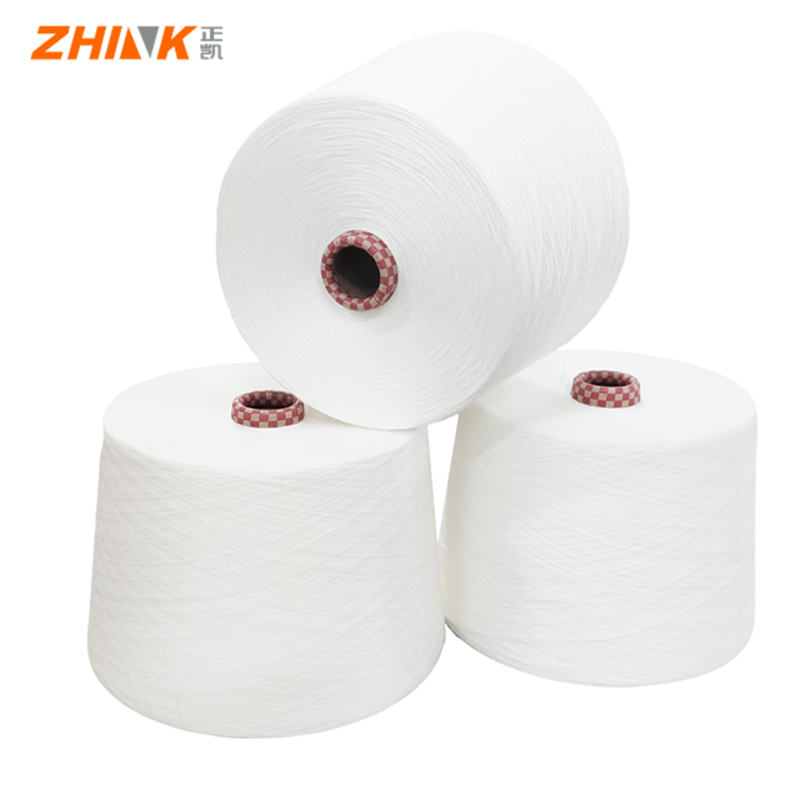
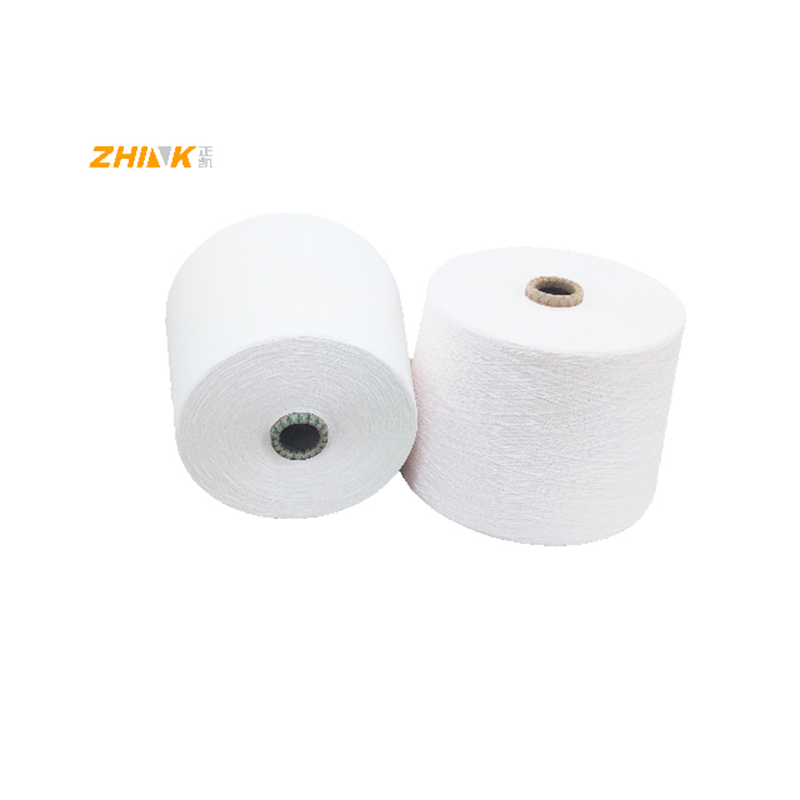
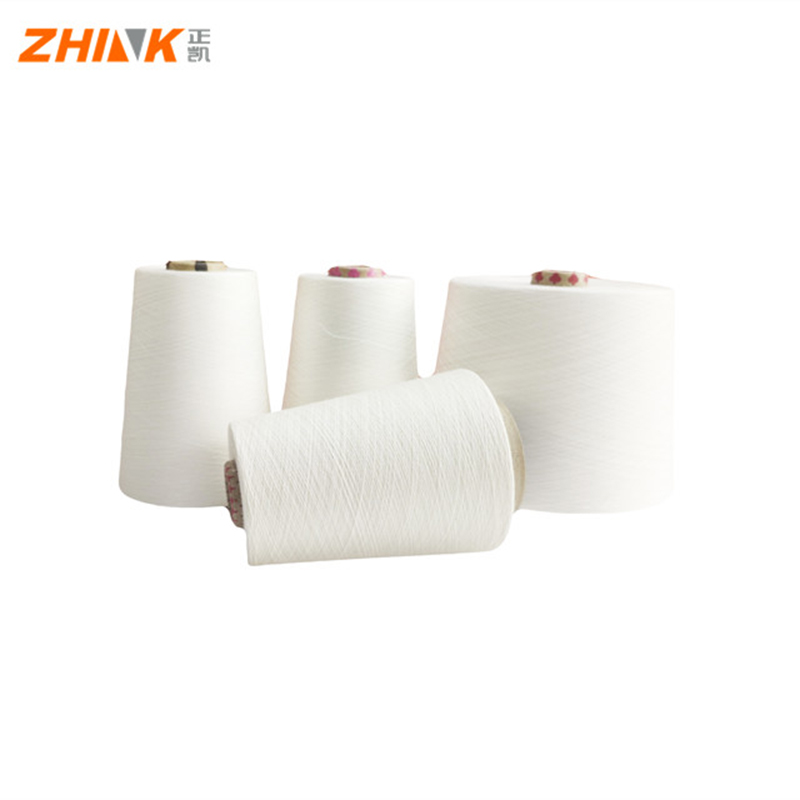
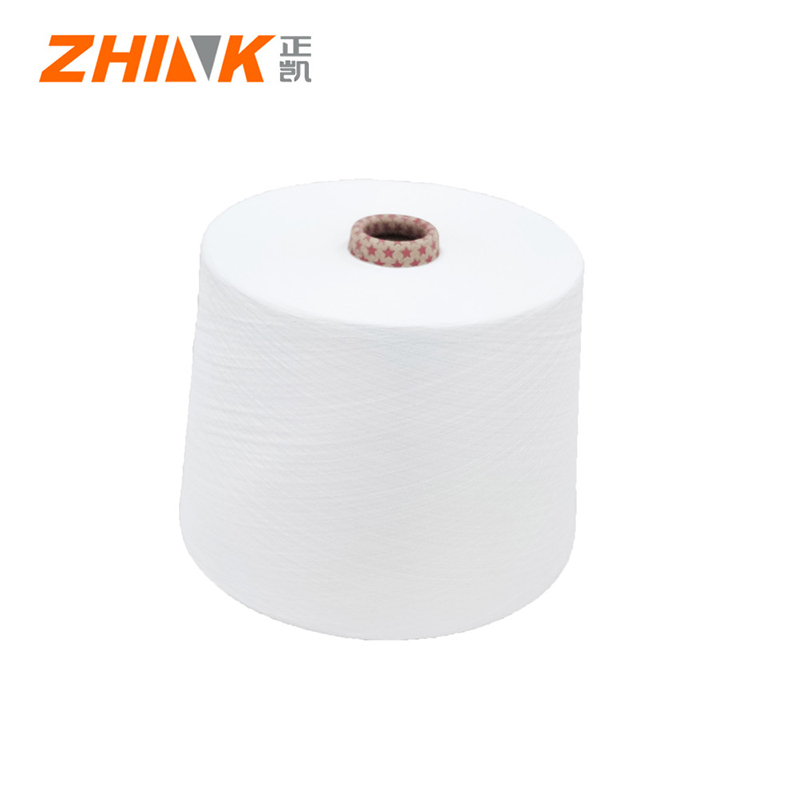
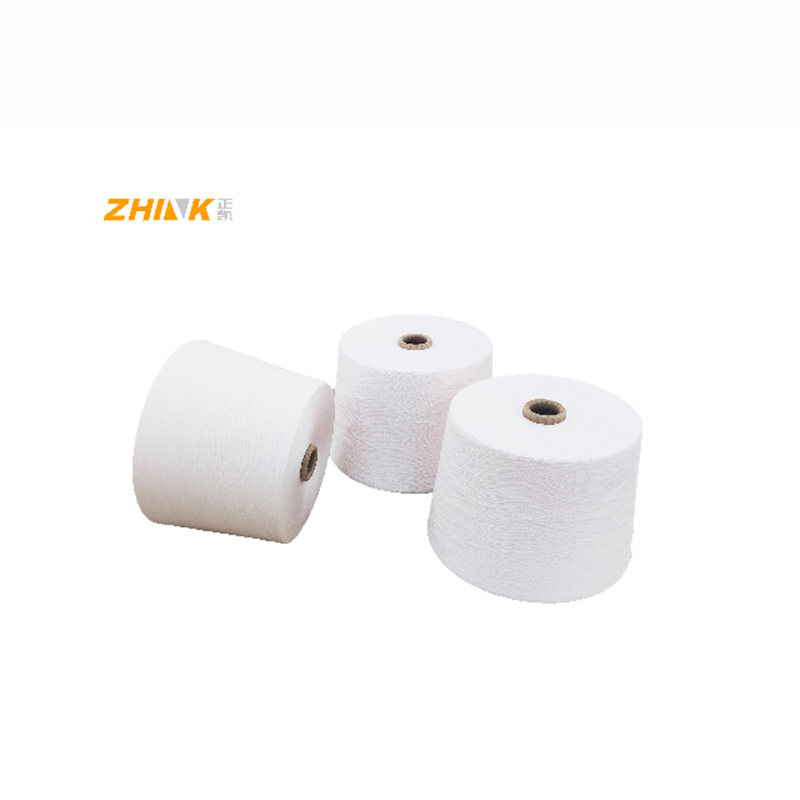
cotton viscose yarn suppliers
The Intricacies of Choosing Cotton Viscose Yarn Suppliers
In the textile industry, finding reliable cotton viscose yarn suppliers can make or break your product line. Whether you're new to the field or a seasoned professional, distinguishing quality suppliers from the rest is crucial for ensuring your materials meet the necessary standards for both compliance and consumer satisfaction.
Understanding Cotton Viscose Yarn
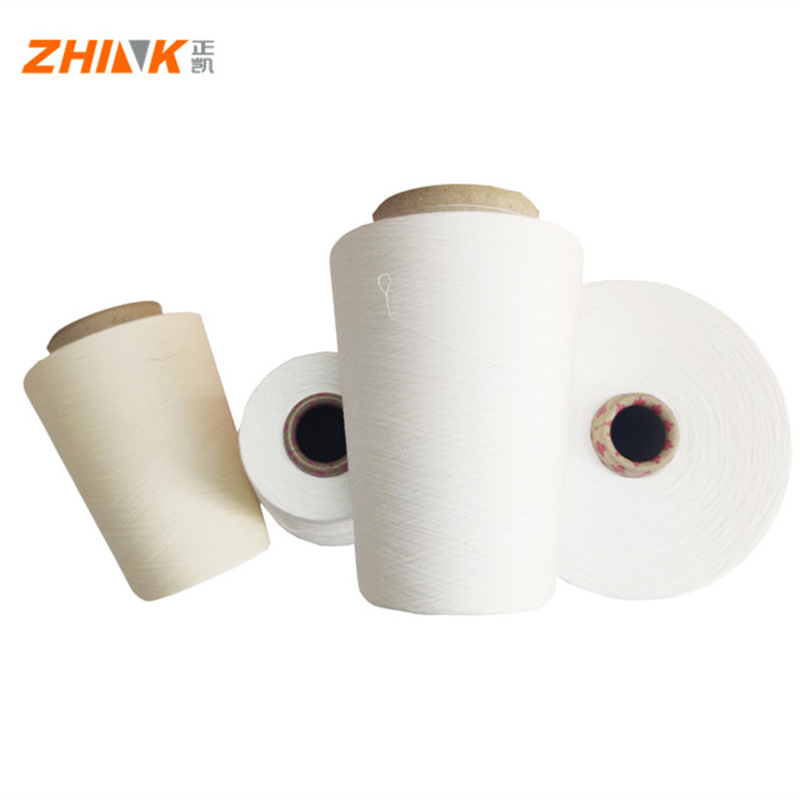
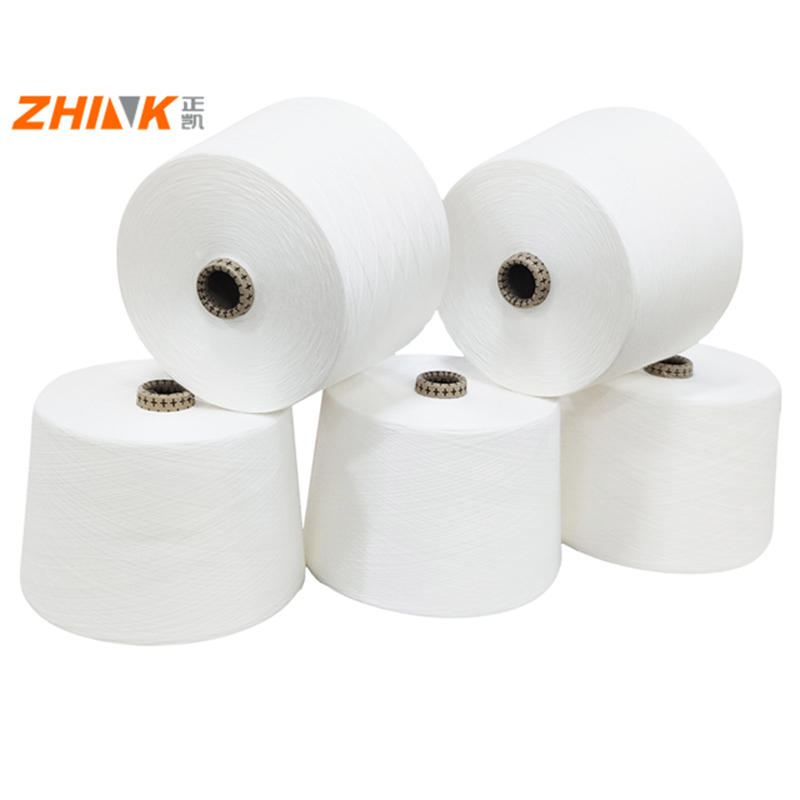
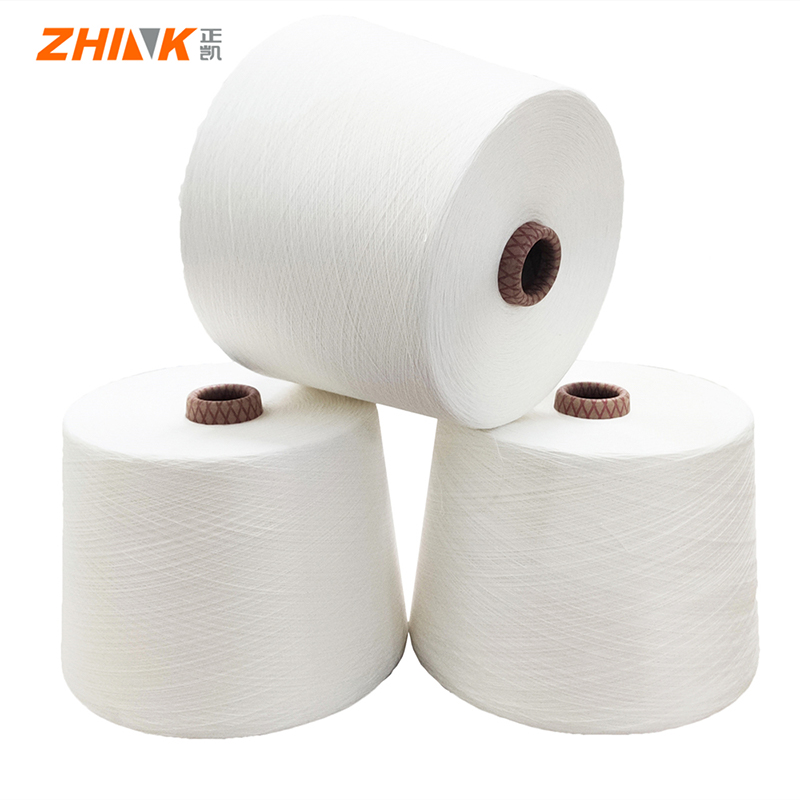
At a glance, cotton viscose yarn might seem like a simple, straightforward textile material. However, its unique blend offers a softness and durability which makes it a favorite in fashion and garment production. Viscose, derived from wood pulp, when mixed with cotton, enhances its breathability and comfort.
Despite its widespread use, misconceptions persist. Many assume that all yarns are virtually the same or that blends like cotton viscose lack any structural integrity. This couldn't be further from reality. Quality varies widely, influenced by factors such as sourcing, spinning techniques, and the attention to detail in production.
I remember my early days in the textile world, where my first deal with a supplier turned out to be a learning experience rather than a profitable venture. The yarns, though affordable, led to inconsistencies during dyeing processes, highlighting the importance of quality over cost.
Evaluating Yarn Quality
Identifying the best suppliers involves more than just price comparisons. It begins with a clear understanding of what defines good yarn. Attributes like tensile strength, consistency, and uniformity in the blend are vital. Ask for samples before making any bulk purchase decisions.
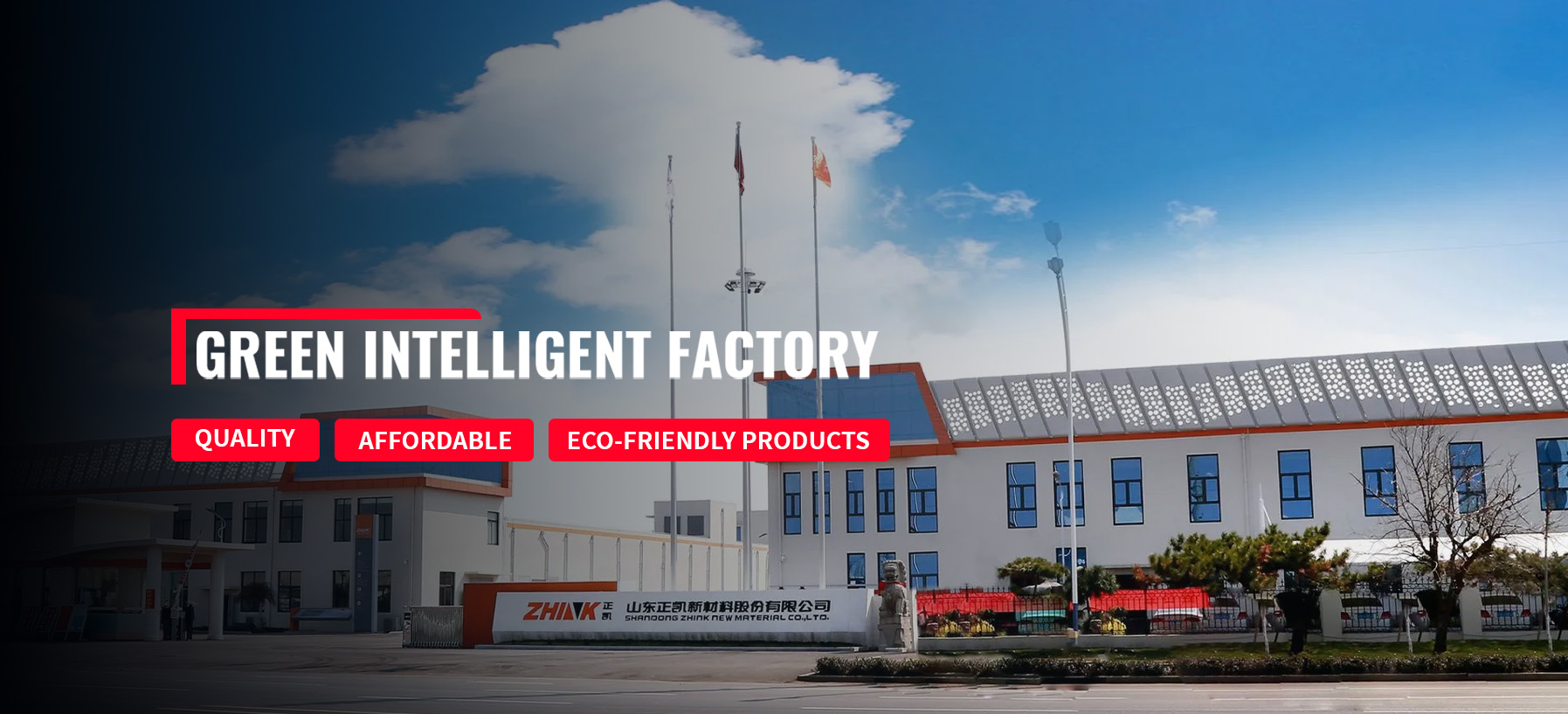
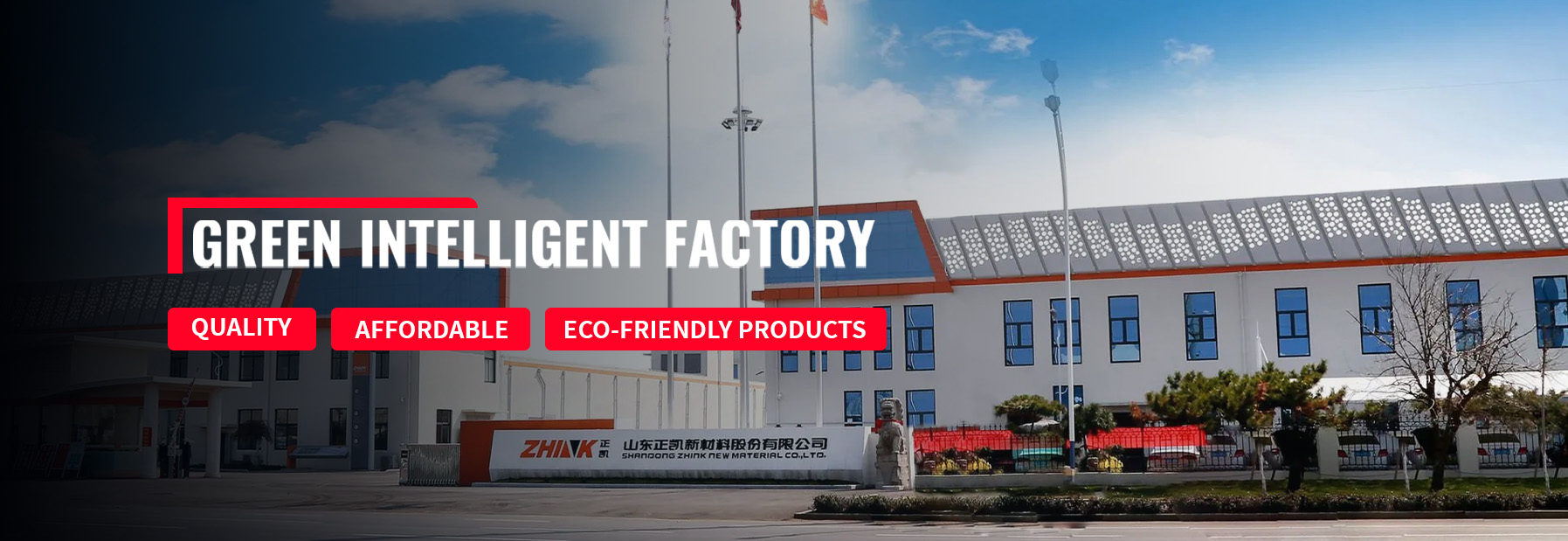
When evaluating, don't shy away from visiting facilities or requesting a tour. Seeing the production firsthand offers insights into their quality control measures. It was during one such visit that I noticed how organized and meticulous the operations at SHANDONG ZHINK NEW MATERIAL CO., LTD were, located at their site.
An often overlooked factor is the supplier's ability to provide documentation and certifications. This ensures compliance with international textile standards, something you can't afford to overlook if you're aiming for global markets.
Supply Chain Reliability
Your relationship with a supplier should be seen as a partnership. Good cotton viscose yarn suppliers don't just deliver on time; they also provide crucial forecasts and insights that help you plan and adapt to changes.
Effective communication is crucial here. Over time, I learned that a responsive supplier who proactively addressed potential delays or issues saved us more than I initially appreciated.
Zhink New Material, for example, often shared upcoming changes in raw material availability, allowing us to adjust our schedules accordingly. This sort of proactive approach is invaluable in avoiding last-minute scrambles and ensuring production remains uninterrupted.
Pricing and Payment Terms
Price negotiations are part and parcel of sourcing yarn. However, this should never be at the expense of quality. A lower price might be attractive initially but can lead to higher long-term costs if end-products face rejection due to poor quality.
It’s equally important to consider payment terms. Flexibility in terms might offer breathing space for cash flow management, particularly for startups or businesses expanding into new markets. This was a lesson I learned the hard way; having enough cash on hand is critical for operation continuity.
Establishing clear terms right from the onset avoids potential disputes and maintains a healthy relationship with your supplier. Always ensure these agreements are well-documented and understood by both parties.
Innovation and Sustainability
The textile industry is ever-evolving. Modern consumers are not just looking for quality but also sustainability. Working with suppliers who prioritize eco-friendly practices can significantly enhance your brand’s image.
SHANDONG ZHINK NEW MATERIAL CO., LTD, known for their innovation, often engage in R&D to develop sustainable materials. Visiting their website at zhinkyarn.com unveils their commitment to such sustainable practices.
Additionally, understanding and contributing to sustainability trends not only meet consumer demands but can also lead to cost-savings and operational efficiencies in the long run.
Building Long-term Partnerships
Ultimately, what you're after is a long-term partnership. The right supplier should grow with you, adapting and responding to your changing needs. Their expertise should be a guidance tool, helping you navigate industry challenges.
Regular reviews and face-to-face meetings often go a long way. They help keep the communication channel open, allowing both parties to align on objectives and resolve any brewing concerns swiftly. This practice has served me well, preserving many of my supplier relationships over the years.
Choosing the right cotton viscose yarn supplier is a nuanced process, demanding attention to detail and a willingness to explore. It's not just about transactions; it's about building mutually beneficial relationships that stand the test of time in a rapidly fluctuating market. With diligence and a focus on quality and sustainability, you can make choices that align with both your business and ethical values.
Related Products
Related Products