+86-632-3621866
- Chinese
- French
- German
- Portuguese
- Spanish
- Russian
- Japanese
- Korean
- Arabic
- Irish
- Greek
- Turkish
- Italian
- Danish
- Romanian
- Indonesian
- Czech
- Afrikaans
- Swedish
- Polish
- Basque
- Catalan
- Esperanto
- Hindi
- Lao
- Albanian
- Amharic
- Armenian
- Azerbaijani
- Belarusian
- Bengali
- Bosnian
- Bulgarian
- Cebuano
- Chichewa
- Corsican
- Croatian
- Dutch
- Estonian
- Filipino
- Finnish
- Frisian
- Galician
- Georgian
- Gujarati
- Haitian
- Hausa
- Hawaiian
- Hebrew
- Hmong
- Hungarian
- Icelandic
- Igbo
- Javanese
- Kannada
- Kazakh
- Khmer
- Kurdish
- Kyrgyz
- Latin
- Latvian
- Lithuanian
- Luxembou..
- Macedonian
- Malagasy
- Malay
- Malayalam
- Maltese
- Maori
- Marathi
- Mongolian
- Burmese
- Nepali
- Norwegian
- Pashto
- Persian
- Punjabi
- Serbian
- Sesotho
- Sinhala
- Slovak
- Slovenian
- Somali
- Samoan
- Scots Gaelic
- Shona
- Sindhi
- Sundanese
- Swahili
- Tajik
- Tamil
- Telugu
- Thai
- Ukrainian
- Urdu
- Uzbek
- Vietnamese
- Welsh
- Xhosa
- Yiddish
- Yoruba
- Zulu
- Kinyarwanda
- Tatar
- Oriya
- Turkmen
- Uyghur


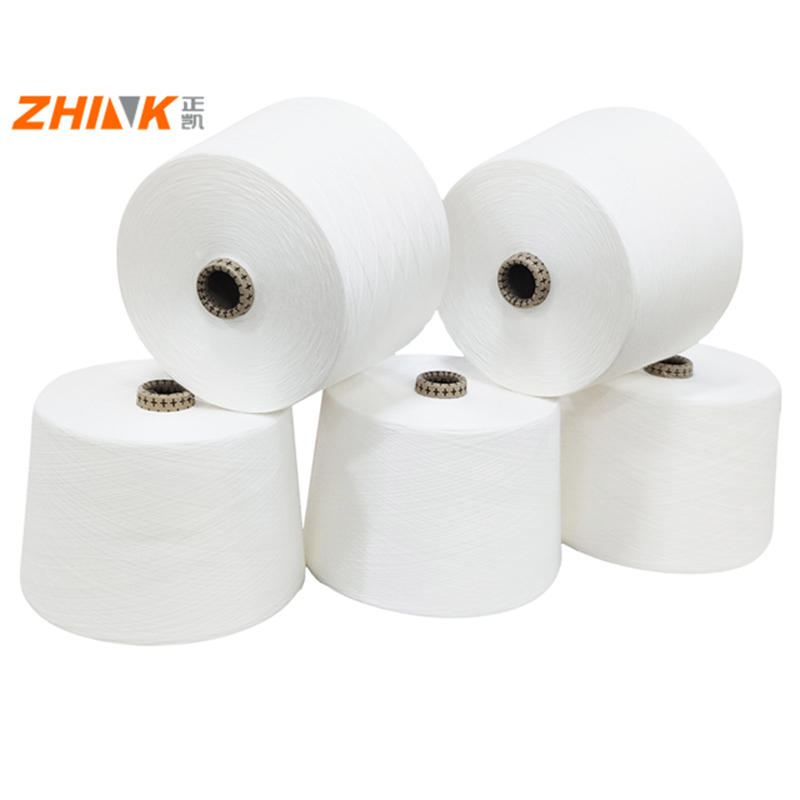
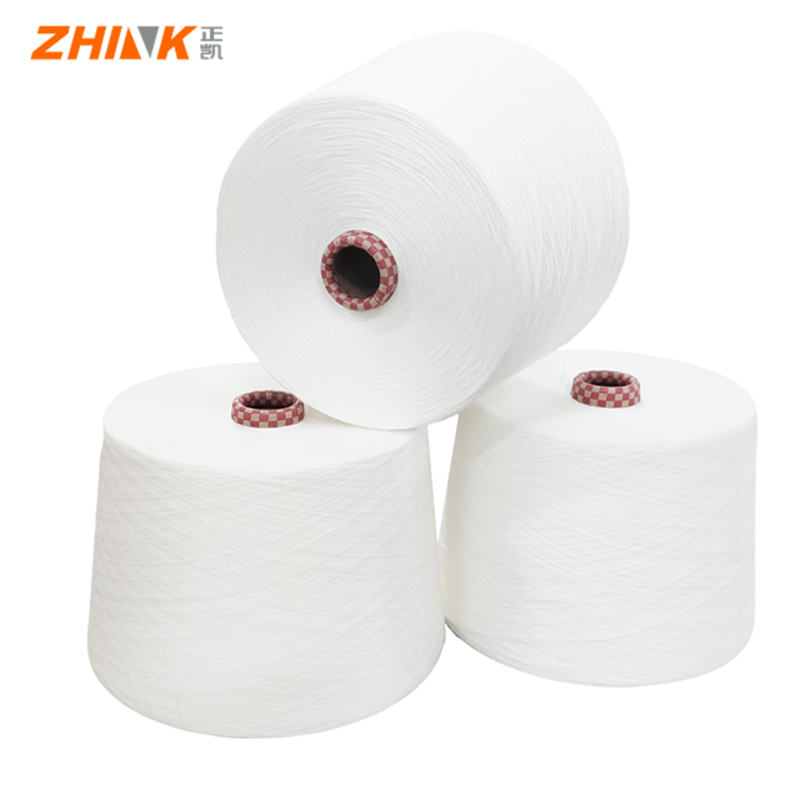
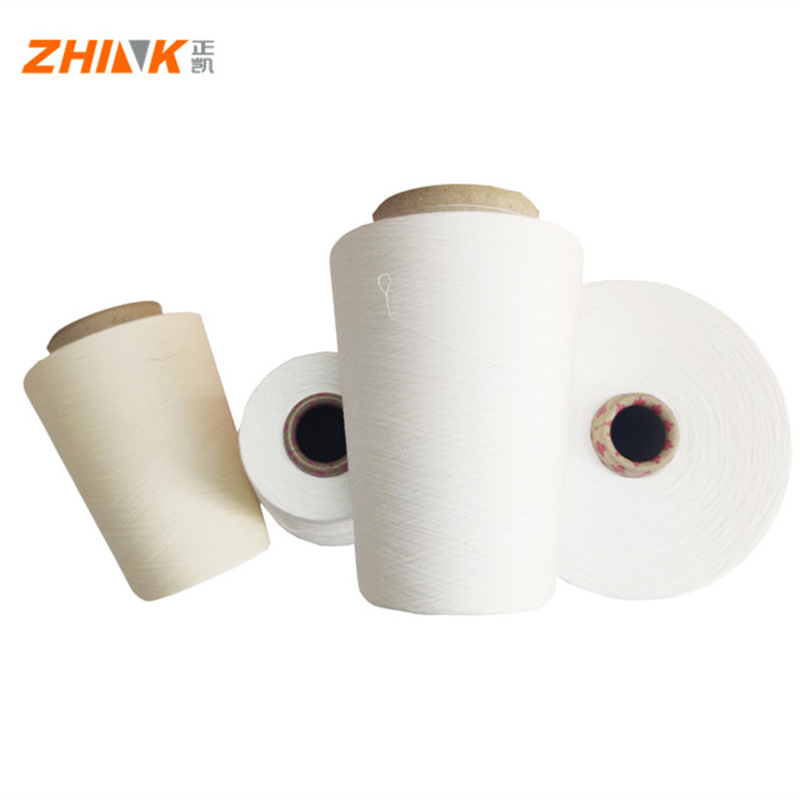
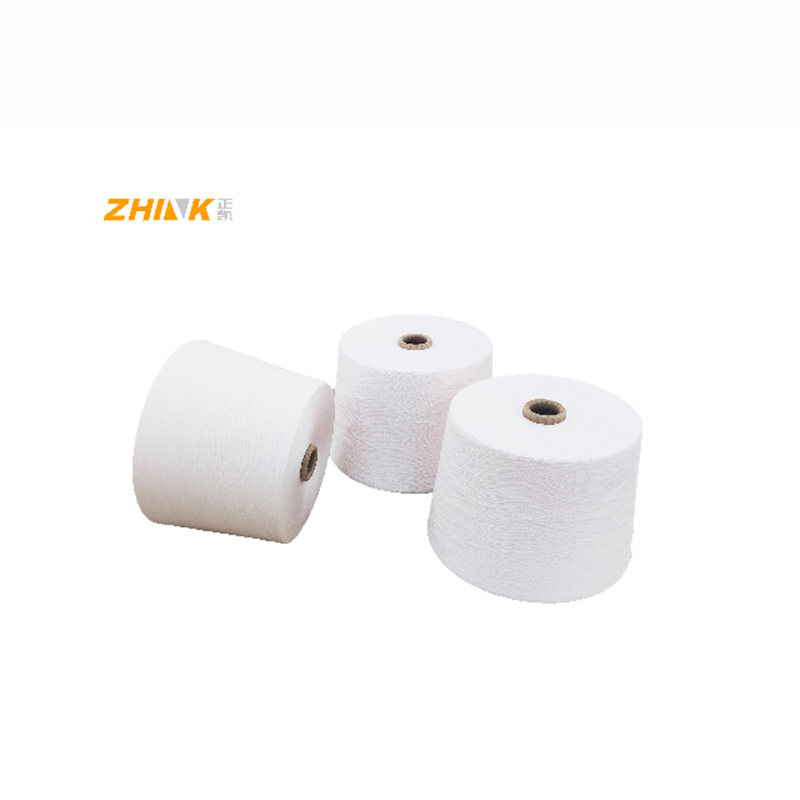
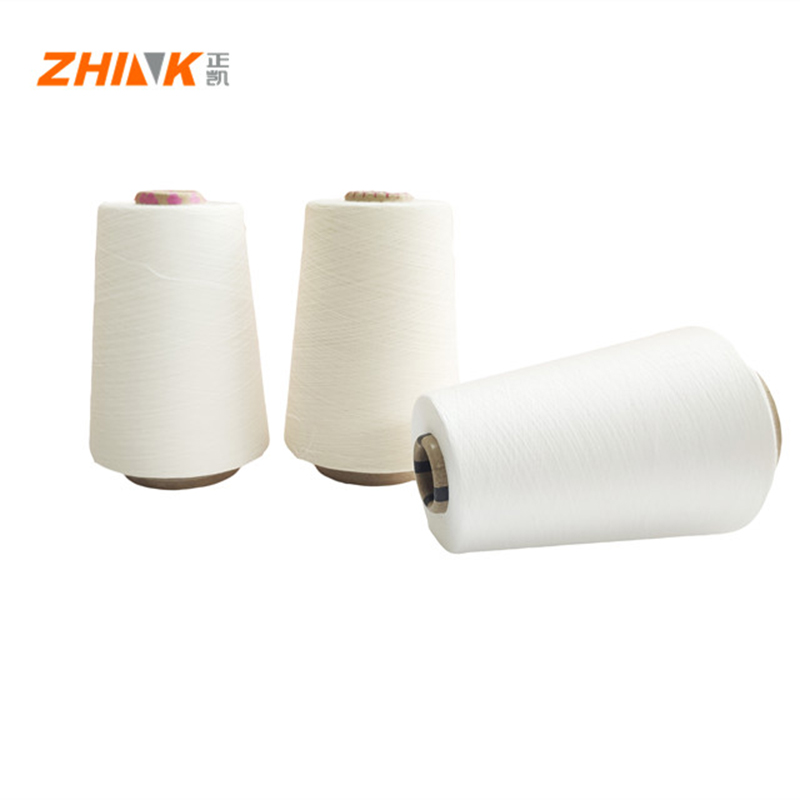
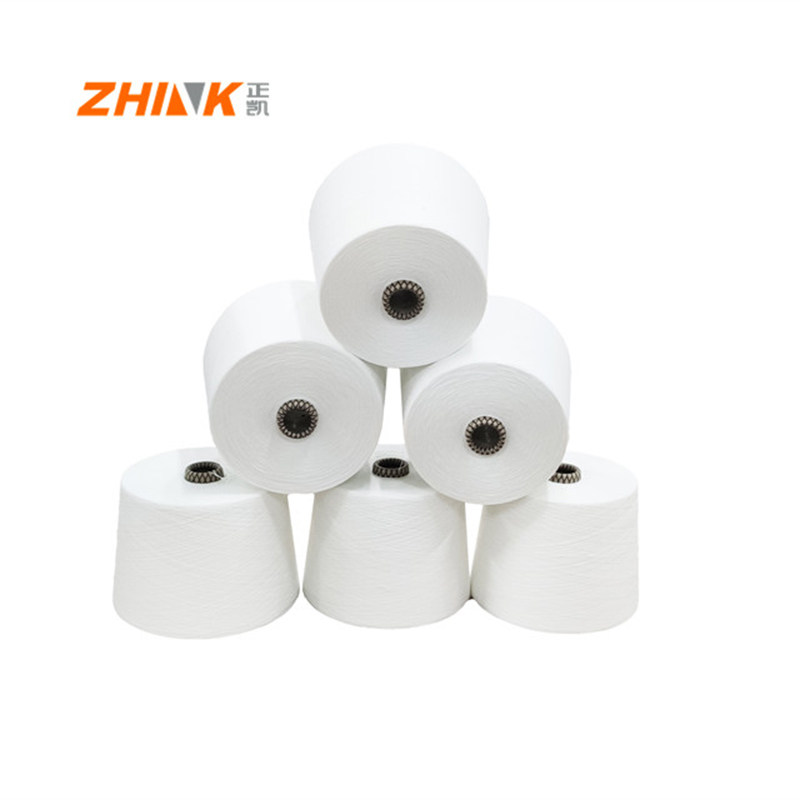
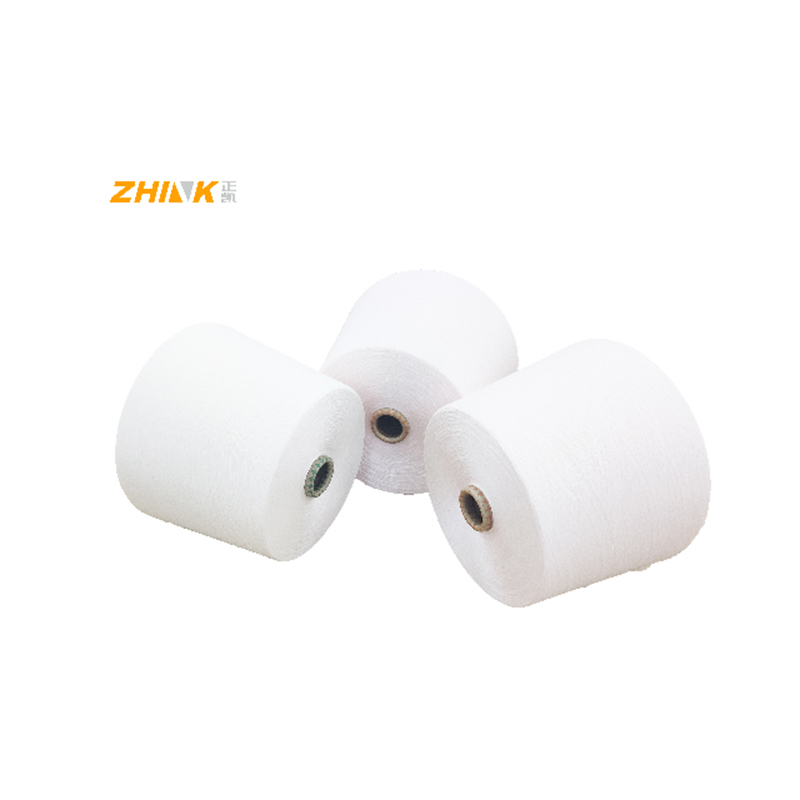
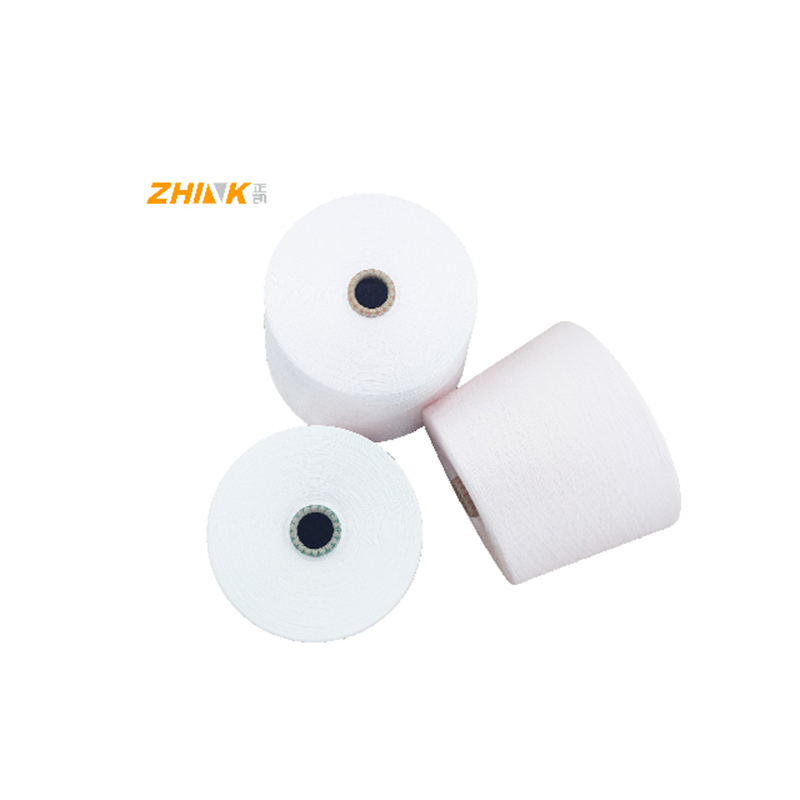
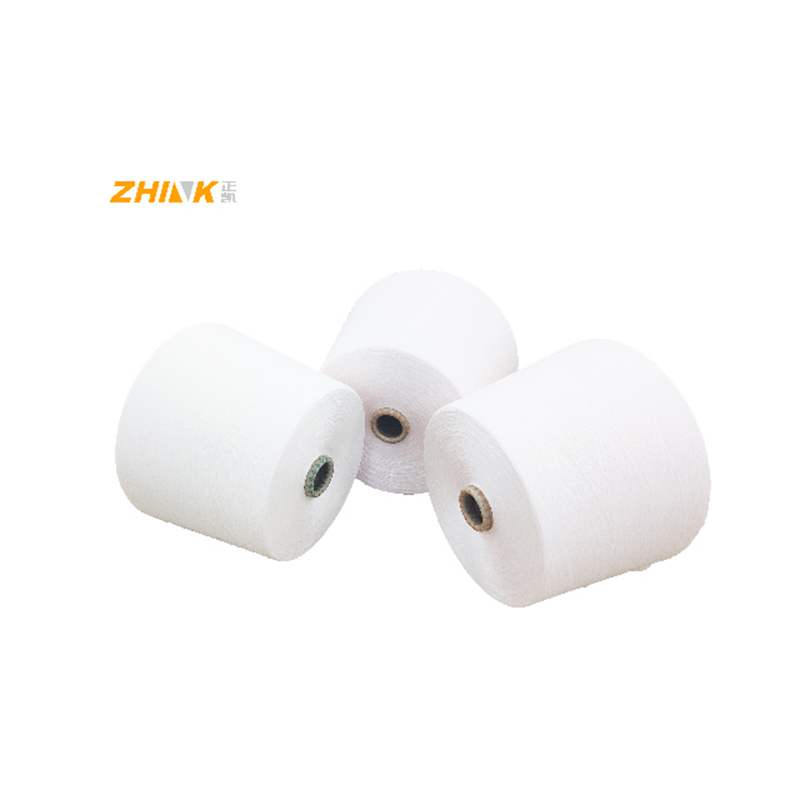
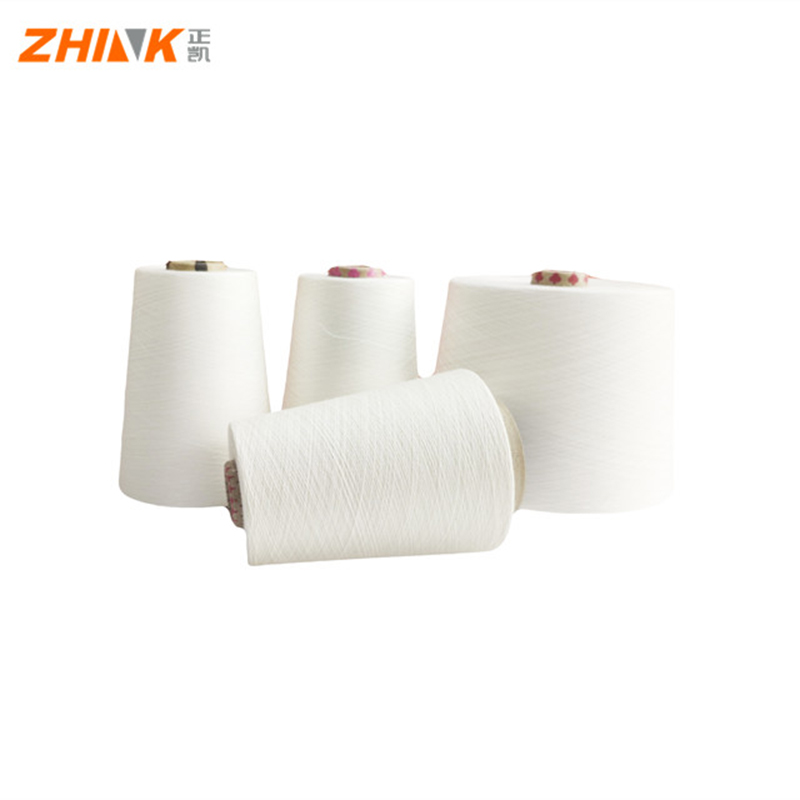
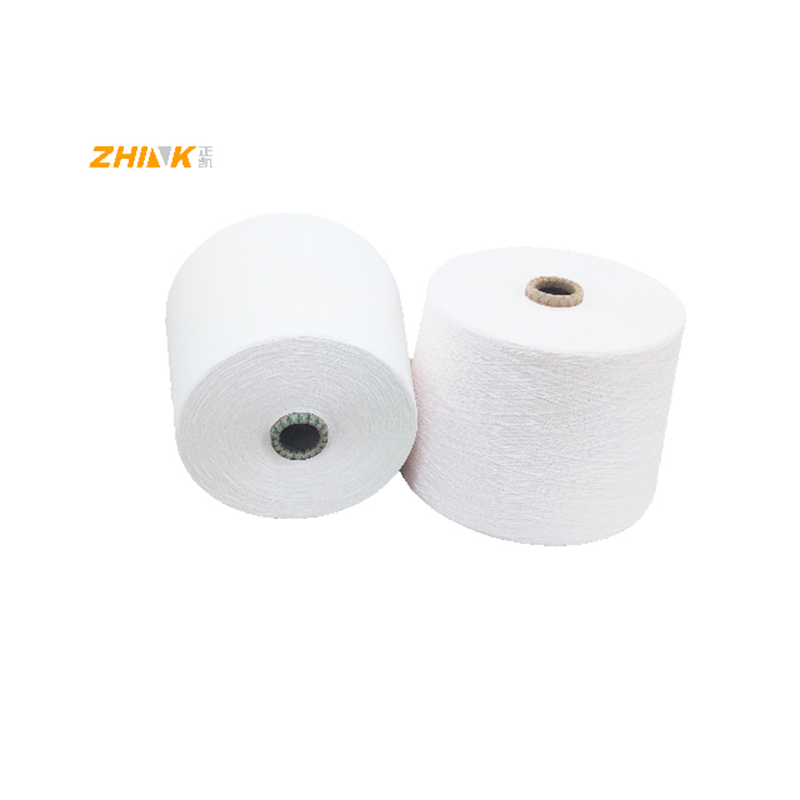
CV yarn
Understanding CV Yarn: Insights from the Textile Industry
Curious about CV yarn? Whether you're a seasoned textile professional or just venturing into the world of yarns, understanding this versatile material can transform your projects. From its unique properties to its applications, let's dive into what makes CV yarn a fascinating subject.
What Exactly is CV Yarn?
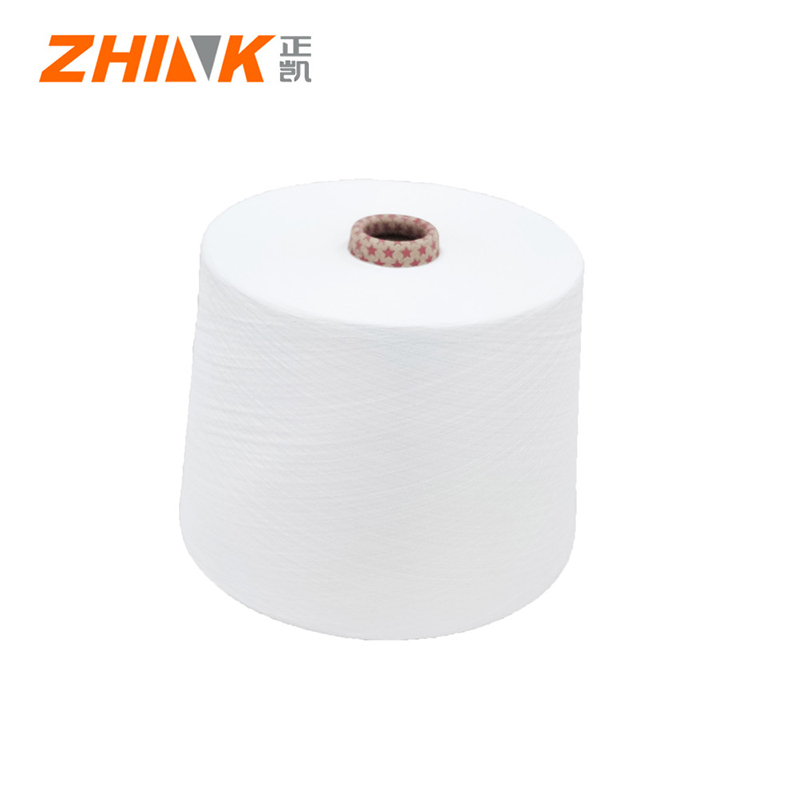
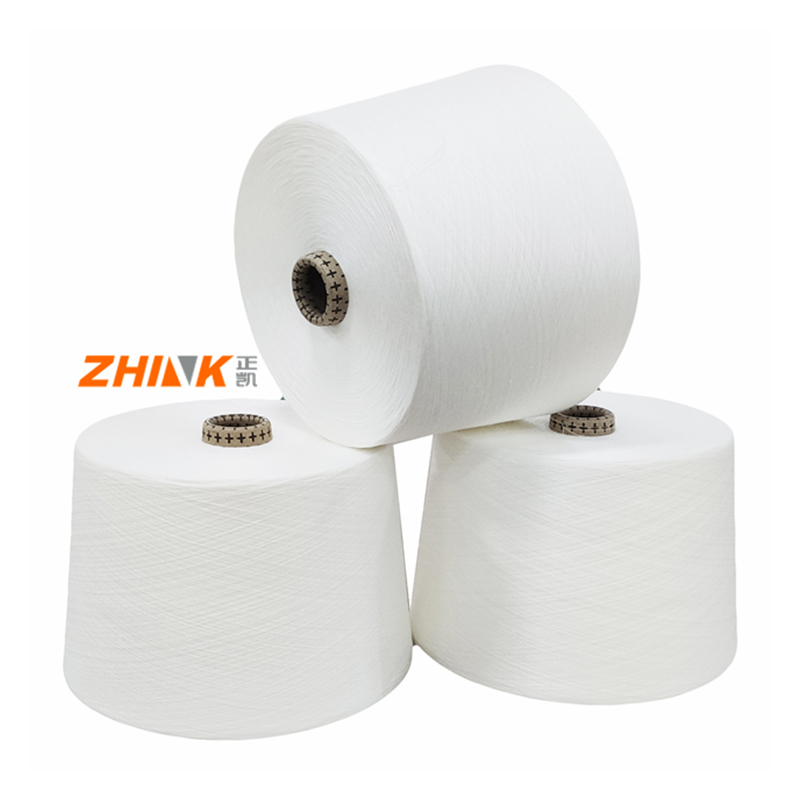
When we talk about CV yarn, we’re referring to a type of yarn commonly known as “viscose” yarn. It's derived from cellulose, primarily sourced from wood pulp. The process of creating CV yarn involves a lot of chemistry and engineering, which brings an edge to its applications in textiles.
One common misconception is that CV yarn is synthetic, when in fact, it’s semi-synthetic. The natural origin of its raw material gives the yarn a softer, more breathable quality than strictly synthetic yarns. In practice, this means garments made from CV yarn tend to have a luxurious sheen and are comfortable against the skin.
In my early experiences working with textiles, I once assumed work with CV yarn would be straightforward. But the devil is, as they say, in the details. Securing the right blend for various functionalities requires both skill and nuance—something I learned the hard way during an intense climate testing project.
Applications and Versatility in Textiles
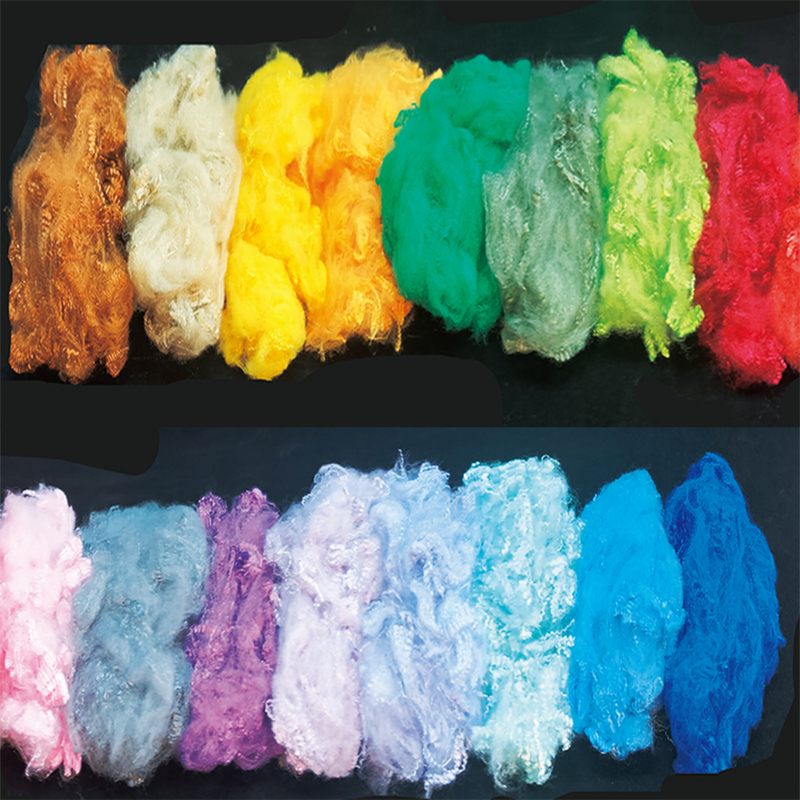
The versatility of CV yarn is apparent in its applications. It’s widely used in producing fashion fabrics, home textiles, and even technical fabrics. The yarn’s excellent drape and dyeing capabilities make it a top choice for printing vibrant colors, essential in fashion.
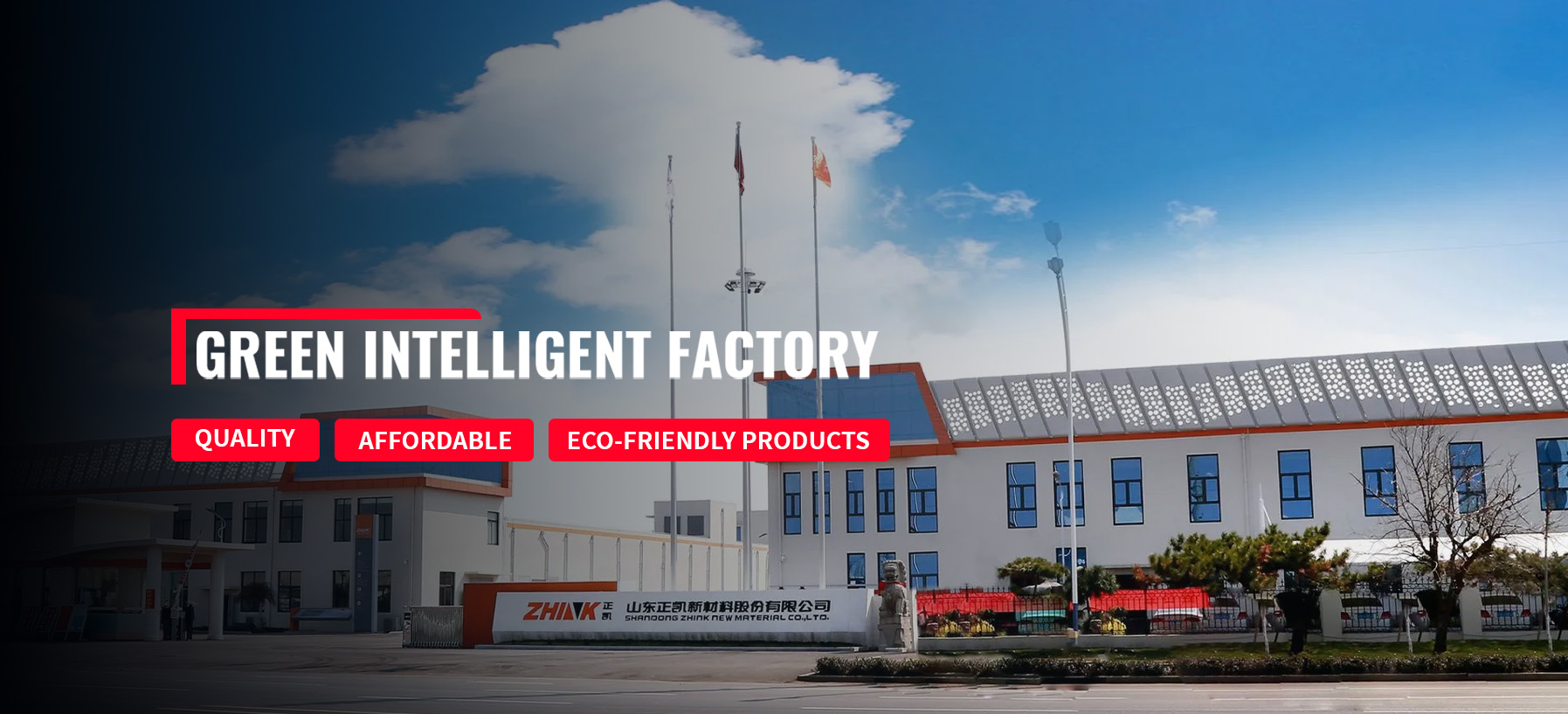
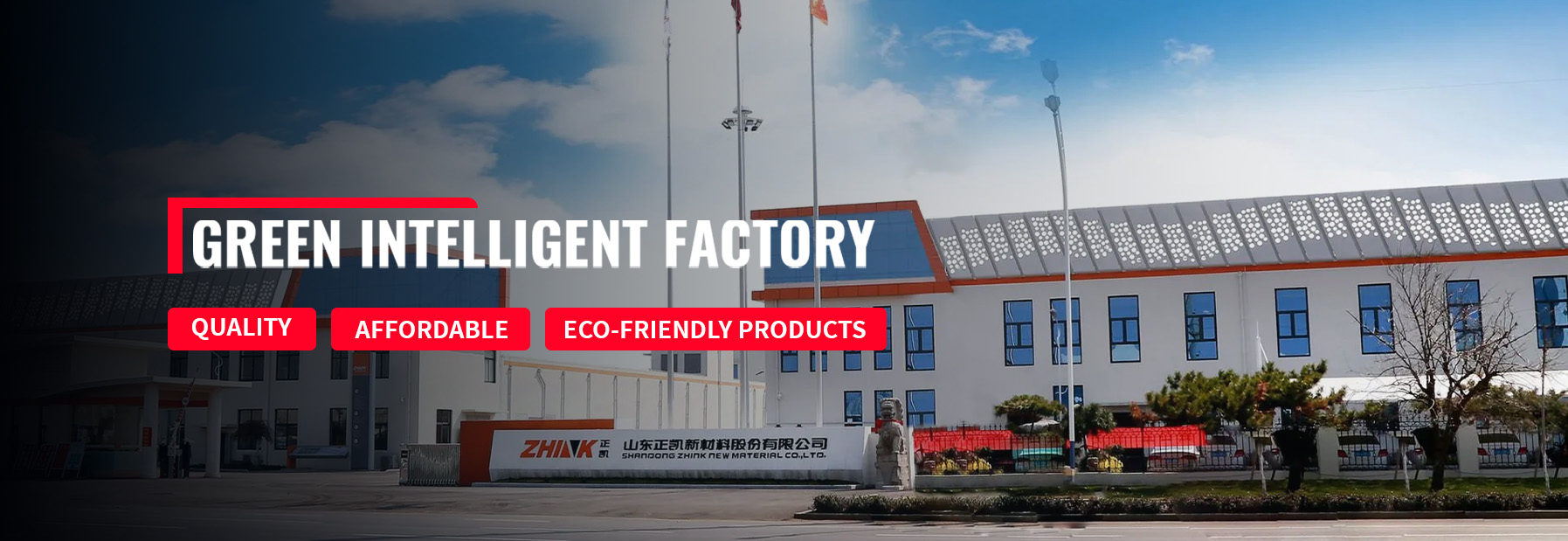
I’ve also seen its use extend to more innovative applications. Companies like SHANDONG ZHINK NEW MATERIAL CO., LTD are pushing the envelope by integrating advancements in R&D, as seen on their website, zhinkyarn.com. These developments are opening new opportunities within technical textiles, particularly in sustainable fabrications.
However, one critical point to consider is CV yarn's tendency to shrink when wet. This property means that precise measurements and careful treatment are vital during the design phase. Early in my career, an oversight in shrinkage calculations led to a batch of unusable fabric—and a valuable lesson learned.
Environmental Considerations
Another important aspect when discussing CV yarn is its environmental impact. Viscose production has traditionally been critiqued for its ecological footprint. However, advancements in sustainable practices are changing this narrative.
Zhink New Material, for example, is involved in innovating more eco-friendly processes by investing heavily in research. It’s reassuring to see companies dedicating effort to reduce harmful by-products and energy consumption during yarn production.
From a practical standpoint, understanding the supply chain and its environmental implications is crucial. As someone who’s been in meetings negotiating raw material contracts, I’ve witnessed firsthand how sustainable choices can influence not only contracts but also brand perception in this increasingly eco-conscious market.
Challenges in the Production Process
Anyone who's been on a factory floor understands that producing CV yarn isn’t without its challenges. The spinning process requires precision; inconsistent quality can lead to significant wastage.
Moreover, careful attention is needed to control the moisture content during storage and transportation—an element that can dramatically affect the yarn quality if not rigorously managed. This aspect isn’t always apparent until you find yourself troubleshooting material inconsistencies post-production.
To mitigate these issues, regular collaboration between R&D and production teams—as demonstrated by forward-thinking companies like SHANDONG ZHINK—is key. It’s encouraging to see businesses fostering environments where innovative solutions can be quickly implemented.
Future Prospects and Innovations
Looking ahead, the future of CV yarn appears promising. There's a growing trend towards hybrid yarns—blending CV with synthetic or other natural yarns to enhance performance characteristics.
Meeting the ever-shifting demands of the textile industry is no small feat. Nevertheless, the advancements spearheaded by companies such as Zhink New Material provide a glimpse into a future of more resilient, functional, and sustainable textiles—a future I’m excited to be part of.
Ultimately, immersing in the intricacies of CV yarn has taught me that true expertise is a blend of knowledge, continuous learning, and a readiness to innovate. It’s more than merely understanding the science; it's about envisioning new possibilities and realizing them through practical application. That’s the value of experience.
Related Products
Related Products