+86-632-3621866
- Chinese
- French
- German
- Portuguese
- Spanish
- Russian
- Japanese
- Korean
- Arabic
- Irish
- Greek
- Turkish
- Italian
- Danish
- Romanian
- Indonesian
- Czech
- Afrikaans
- Swedish
- Polish
- Basque
- Catalan
- Esperanto
- Hindi
- Lao
- Albanian
- Amharic
- Armenian
- Azerbaijani
- Belarusian
- Bengali
- Bosnian
- Bulgarian
- Cebuano
- Chichewa
- Corsican
- Croatian
- Dutch
- Estonian
- Filipino
- Finnish
- Frisian
- Galician
- Georgian
- Gujarati
- Haitian
- Hausa
- Hawaiian
- Hebrew
- Hmong
- Hungarian
- Icelandic
- Igbo
- Javanese
- Kannada
- Kazakh
- Khmer
- Kurdish
- Kyrgyz
- Latin
- Latvian
- Lithuanian
- Luxembou..
- Macedonian
- Malagasy
- Malay
- Malayalam
- Maltese
- Maori
- Marathi
- Mongolian
- Burmese
- Nepali
- Norwegian
- Pashto
- Persian
- Punjabi
- Serbian
- Sesotho
- Sinhala
- Slovak
- Slovenian
- Somali
- Samoan
- Scots Gaelic
- Shona
- Sindhi
- Sundanese
- Swahili
- Tajik
- Tamil
- Telugu
- Thai
- Ukrainian
- Urdu
- Uzbek
- Vietnamese
- Welsh
- Xhosa
- Yiddish
- Yoruba
- Zulu
- Kinyarwanda
- Tatar
- Oriya
- Turkmen
- Uyghur



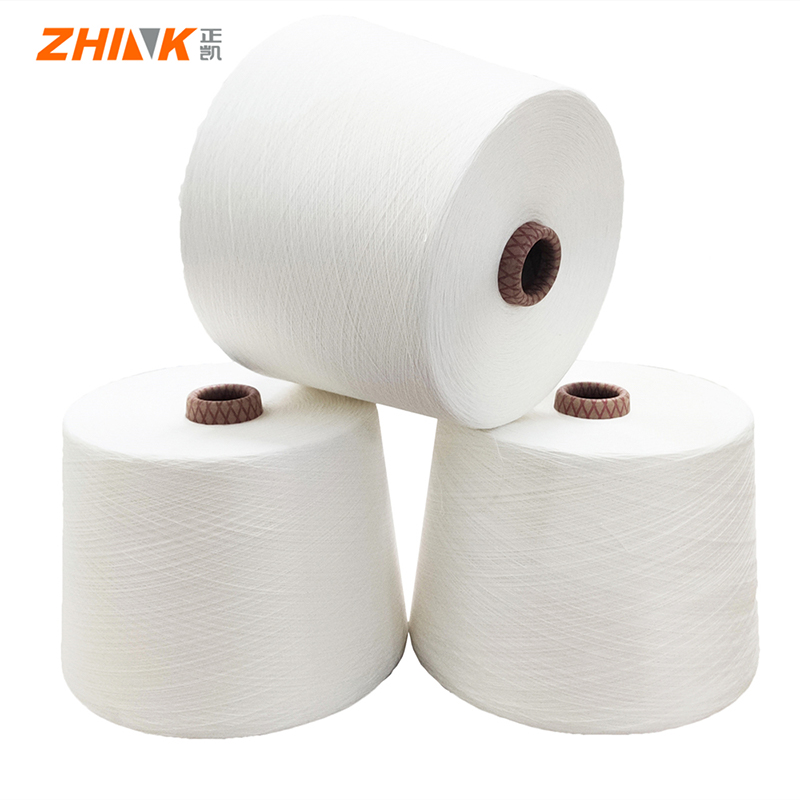
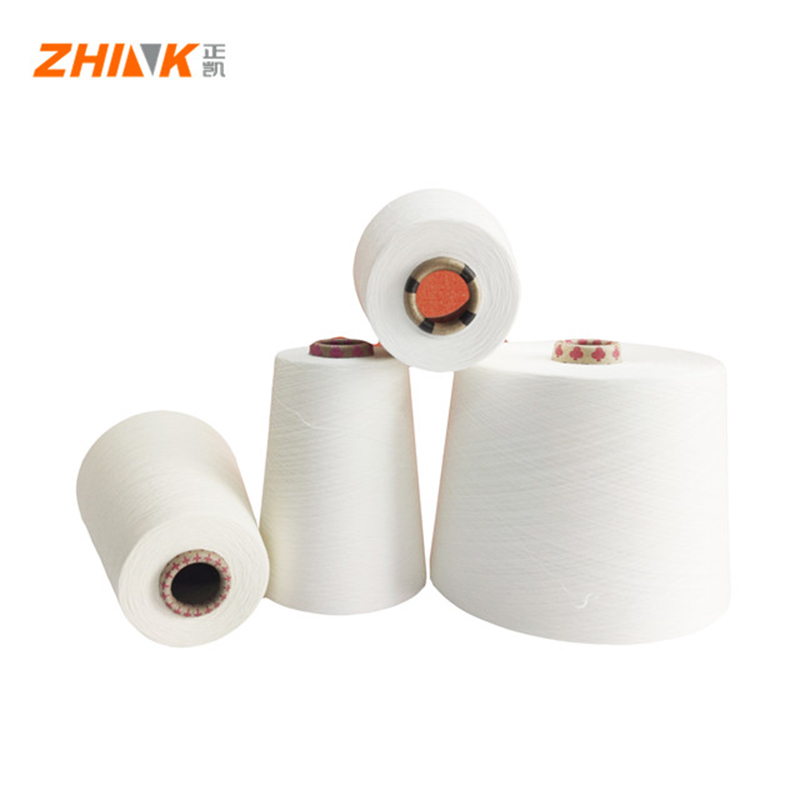
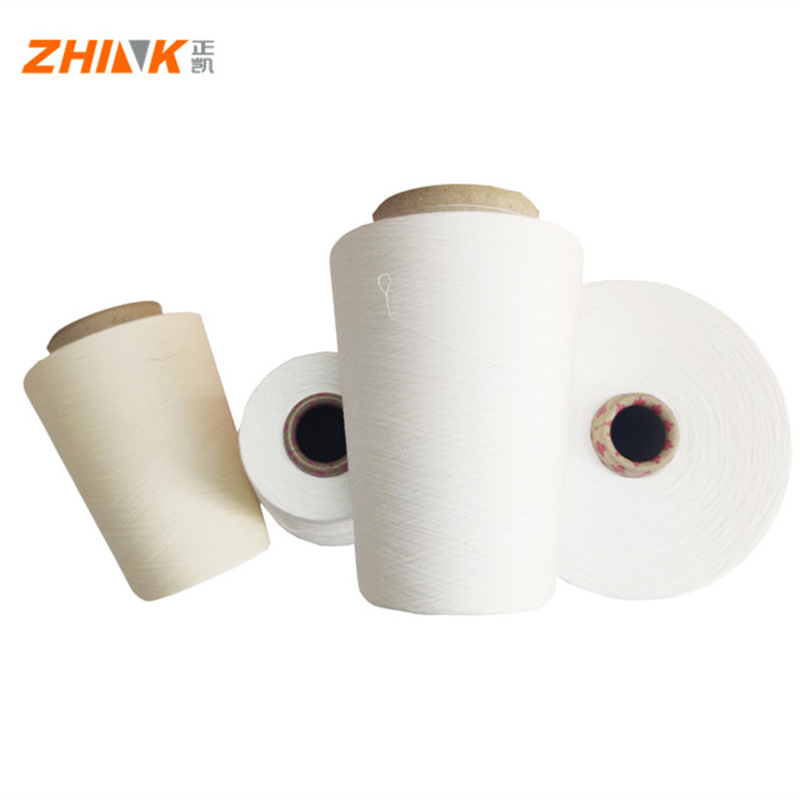
Dark camel polyester fiber
Understanding the Impact of Dark Camel Polyester Fiber
When we think about Dark Camel Polyester Fiber, it's not just a color or fabric type. It's an integration of technology with style, especially significant in contemporary textile applications. Often overlooked, this fiber is a quintessential element that bridges functionality and aesthetic appeal. Let's delve into what makes this fiber intriguing and sometimes challenging in the textile industry.
The Technological Edge of Polyester Fibers
Polyester as a material has been around for a good while. Its durability and resilience make it a staple in the textile sector. But when you specifically look at Dark Camel Polyester Fiber, there are nuances that only industry insiders might appreciate. It's not just about the color or basic functionality – it's about how this particular variation meets specific design and performance needs.
A real-world consideration I encountered was color fastness. Dark Camel requires a tone that doesn't fade quickly, especially in fashion items intended for outdoor use. The dyeing process must ensure long-term color retention, something manufacturers like SHANDONG ZHINK NEW MATERIAL CO., LTD (find more at their website www.zhinkyarn.com) focus extensively on.
Moreover, the production of this fiber is often intertwined with eco-friendly practices – a sector where Zhink New Material has been pioneering. The balance between maintaining environmental standards while delivering robust materials is delicate, and any misstep could affect both product quality and brand integrity.
Applications and Aesthetic Considerations
In terms of application, Dark Camel Polyester Fiber finds its way into various products – from high-fashion garments to everyday upholstery. The hue is particularly loved for its versatility, blending seamlessly into both formal and casual settings. It's the kind of material that designers love for its ability to enhance other colors while standing out in its own right.
One common pitfall lies in misjudging the fabric's weight and texture relative to its intended use. During a project involving outdoor apparel, I learned firsthand that matching the weight of the polyester fiber to unpredictable weather conditions is critical. Too light might be unsuitable for colder environments, whereas a heavier weave might overburden a summer collection.
Aesthetic considerations are equally vital. The subtlety of Dark Camel can either elevate a design or be lost in translation if not matched correctly with complementary tones. The creative challenge is where many designs either shine or falter, making experienced material selection crucial.
Challenges in Handling and Maintenance
Working with polyester fibers like Dark Camel isn't without its challenges. The biggest concern often revolves around maintenance. While polyester is known for its low-maintenance nature, care needs to be taken during washing and drying to prevent damage.
In one case, a batch of polyester garments mishandled during production shrank slightly, altering the fit dramatically. Understanding the blend and specific handling instructions is vital. Industry professionals and companies like SHANDONG ZHINK NEW MATERIAL CO., LTD stress the importance of following textile care guidelines meticulously.
Furthermore, consistent quality control is indispensable. From personal lessons learned, even slight deviations in fiber processing can lead to inconsistencies in color or texture, impacting the uniformity and overall appeal of the finished product.
Market Trends and Consumer Preferences
Today's consumers are more informed than ever. The demand for sustainable and high-performing fabrics is reshaping decisions for manufacturers and designers alike. The blend of practicality with eco-conscious design is not just a trend but a necessity.
Engaging directly with consumer feedback, I've seen a shift towards preference for materials that offer both economic and environmental value. This has pushed firms, including Zhink New Material, to innovate continuously, marrying advanced fiber technology with green practices.
A specific consumer feedback suggested that the tactile feel of Dark Camel Polyester Fiber played a significant role in purchasing decisions. This input is invaluable for tailoring future product offerings and strategic positioning in the market.
Future Directions for Polyester Fibers
Looking ahead, the future of Dark Camel Polyester Fiber seems promising, especially with ongoing advancements in textile technology. Companies are increasingly exploring how to enhance fiber properties to better meet evolving market needs.
At Shandong Zhink New Material, they focus on synergizing their R&D efforts with consumer demand predictions. The aim is to uncover innovative applications that leverage the fiber's inherent strengths while addressing its known limitations.
The challenge remains in achieving breakthroughs that marry form and function without compromising on sustainability. Continuous collaboration with technology partners, designers, and market strategists is key to navigating the complexities of modern textile production.
Related Products
Related Products