+86-632-3621866
- Chinese
- French
- German
- Portuguese
- Spanish
- Russian
- Japanese
- Korean
- Arabic
- Irish
- Greek
- Turkish
- Italian
- Danish
- Romanian
- Indonesian
- Czech
- Afrikaans
- Swedish
- Polish
- Basque
- Catalan
- Esperanto
- Hindi
- Lao
- Albanian
- Amharic
- Armenian
- Azerbaijani
- Belarusian
- Bengali
- Bosnian
- Bulgarian
- Cebuano
- Chichewa
- Corsican
- Croatian
- Dutch
- Estonian
- Filipino
- Finnish
- Frisian
- Galician
- Georgian
- Gujarati
- Haitian
- Hausa
- Hawaiian
- Hebrew
- Hmong
- Hungarian
- Icelandic
- Igbo
- Javanese
- Kannada
- Kazakh
- Khmer
- Kurdish
- Kyrgyz
- Latin
- Latvian
- Lithuanian
- Luxembou..
- Macedonian
- Malagasy
- Malay
- Malayalam
- Maltese
- Maori
- Marathi
- Mongolian
- Burmese
- Nepali
- Norwegian
- Pashto
- Persian
- Punjabi
- Serbian
- Sesotho
- Sinhala
- Slovak
- Slovenian
- Somali
- Samoan
- Scots Gaelic
- Shona
- Sindhi
- Sundanese
- Swahili
- Tajik
- Tamil
- Telugu
- Thai
- Ukrainian
- Urdu
- Uzbek
- Vietnamese
- Welsh
- Xhosa
- Yiddish
- Yoruba
- Zulu
- Kinyarwanda
- Tatar
- Oriya
- Turkmen
- Uyghur



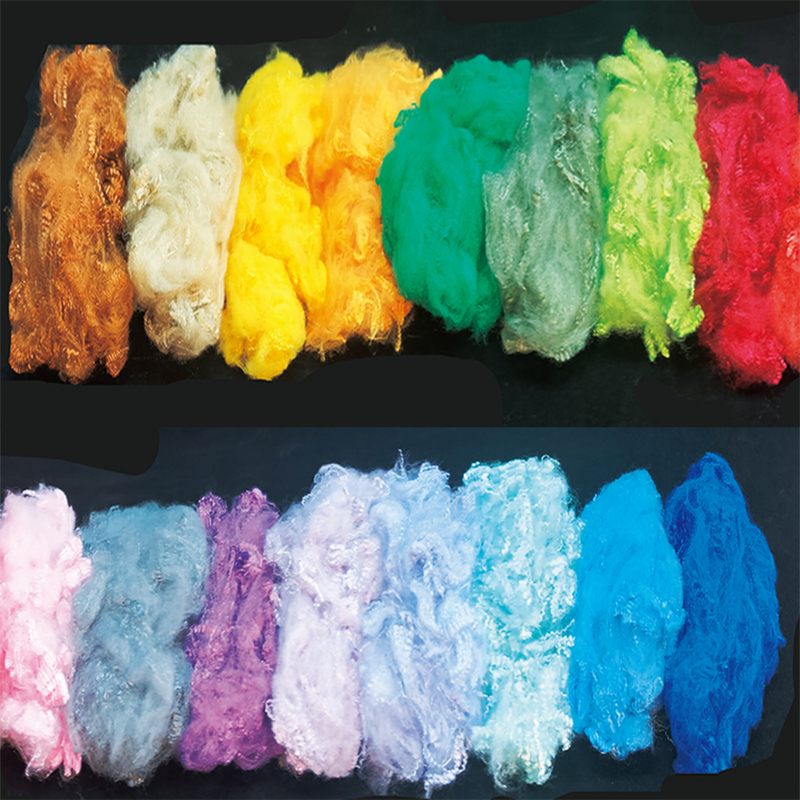
Dark green polyester fiber
Unlocking the Potential of Dark Green Polyester Fiber
In the textile industry, there’s a quiet revolution happening. The use of dark green polyester fiber is emerging as a sustainable and versatile choice, capturing the attention of designers and manufacturers alike. Yet, despite its growing popularity, many misconceptions hang in the air. Let’s delve into what makes this fiber unique and worth considering.
Understanding Dark Green Polyester Fiber
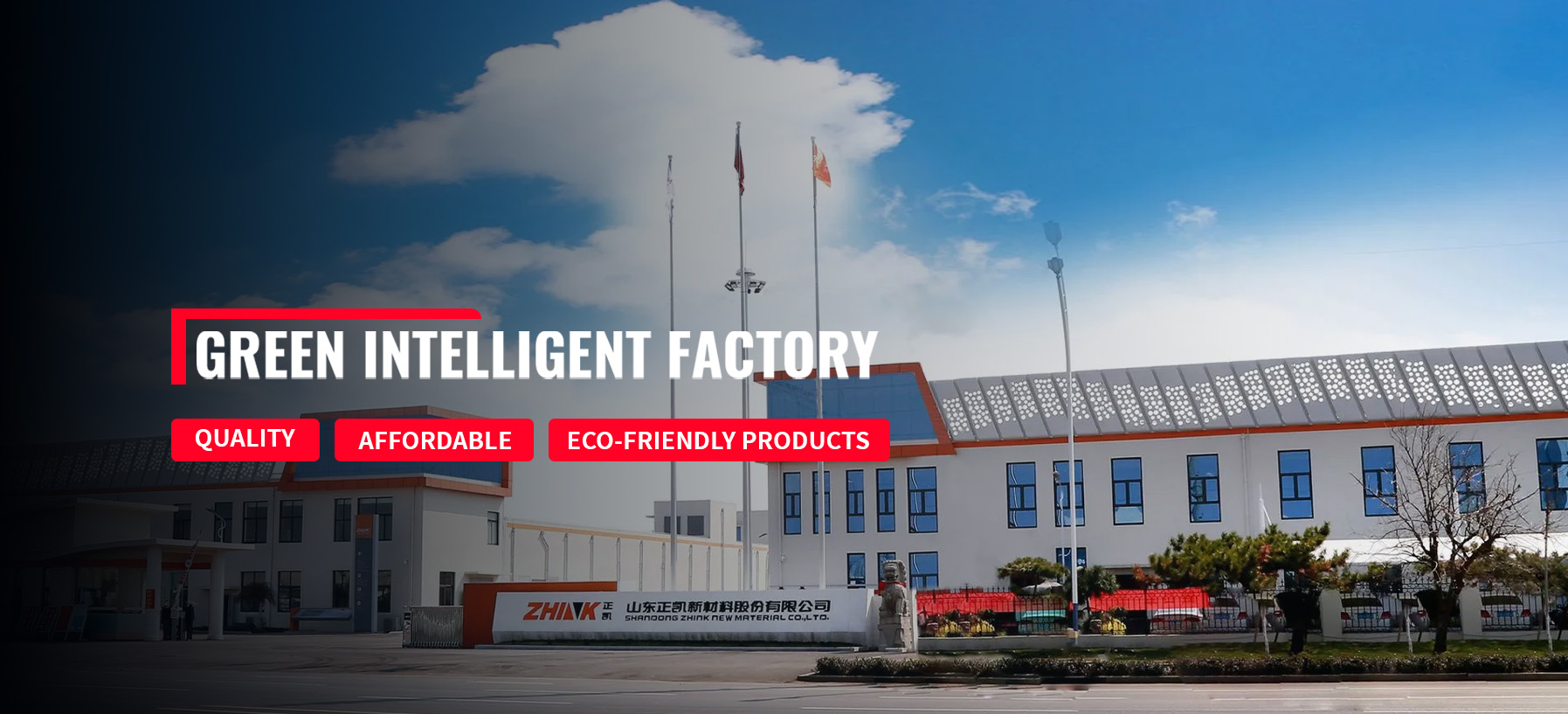
Dark green polyester fiber is more than just a trend; it's a response to a growing need for environmentally friendly textiles. This wasn’t always about aesthetics, though. Many initially dismissed colored fibers as mere fashion, but there's real science and strategy at play. At SHANDONG ZHINK NEW MATERIAL CO., LTD, for instance, the focus on innovation is clear. Their work in R&D at https://www.zhinkyarn.com is pushing boundaries in sustainable material.
What sets dark green polyester fiber apart is its durability and color retention. From personal experience, working with clients who demand long-lasting color, polyester fibers do stand the test of time. When I first handled this material, I was skeptical about claims of its colorfastness. But client feedback confirmed its robustness.
Practically speaking, one thing to watch for is how this fiber interacts in blends. Polyester, while strong, needs the right partners. Mixing it with other fibers inappropriately can lead to unexpected textures. Again, this is where industry experience plays a crucial role—the balance of materials must be precise.
The Practical Challenges
Despite its advantages, using dark green polyester fiber isn’t without challenges. For instance, during a production run I observed, static build-up was an issue. It affected not just handling but also machinery efficiency. Applying antistatic treatments became essential, but this added an unexpected layer of complexity.
Another practical hurdle is ensuring consistency in color. Even with automated dyeing processes, achieving that perfect dark green requires an intimate understanding of both chemistry and machine settings. This is where the expertise of Zhink New Material is invaluable—they’ve streamlined this with proprietary techniques.
Real-life applications showed me that while polyester is generally low-maintenance, subtle changes in its production, like temperature or pressure, can lead to significant variations in end products. Learning to adapt on the fly is key, offering exciting challenges for textile engineers.
Innovative Applications
In terms of applications, dark green polyester fibers offer intriguing possibilities. I’ve seen it used in everything from sportswear to industrial textiles. At Zhink, diversifying applications appears to be a strategic focus, allowing them to cater to multiple sectors—fashion being just one.
The fiber’s inherent strength and resistance to outdoor elements lead to its consideration in fields you wouldn’t typically think of, such as automotive interiors. Conversations with industry peers reveal ongoing trials worldwide, pushing this fiber’s capabilities further.
In a case study shared by a client, incorporating these fibers reduced wear-and-tear in outdoor apparel, vastly extending product lifecycles compared to traditional materials. This is not just a sales pitch; customers reported real savings and satisfaction.
Sustainability Angle
Given the increasing consumer demand for sustainability, dark green polyester fiber shines. The production processes at companies like Zhink emphasize reducing waste, a value-add that resonates deeply with eco-conscious markets.
From my perspective, the recycled variants of these fibers present an incredible step forward. They’re taking post-consumer and post-industrial waste and transforming it into valuable raw materials, something I’ve seen touted at textile expos with promising results.
Still, it’s a complex landscape—consumers are learning to differentiate between truly sustainable products and those merely advertised as such. This requires transparency, something that’s thankfully becoming more prevalent in industry practices.
Conclusion: Balancing Innovation and Practicality
In conclusion, while dark green polyester fiber offers undeniable benefits, realizing its full potential depends on balancing innovation with practicality. At SHANDONG ZHINK NEW MATERIAL CO., LTD, their comprehensive approach to textile development offers a lens through which to view these fibers differently. As they continue exploring new horizons in fiber technology, keeping the balance between forward-thinking innovation and practical, everyday application remains essential.
The journey isn’t without its bumps, but if approached with an informed eye and openness to innovation, dark green polyester fiber might just redefine how we think about textiles in a sustainable future.
Related Products
Related Products