+86-632-3621866
- Chinese
- French
- German
- Portuguese
- Spanish
- Russian
- Japanese
- Korean
- Arabic
- Irish
- Greek
- Turkish
- Italian
- Danish
- Romanian
- Indonesian
- Czech
- Afrikaans
- Swedish
- Polish
- Basque
- Catalan
- Esperanto
- Hindi
- Lao
- Albanian
- Amharic
- Armenian
- Azerbaijani
- Belarusian
- Bengali
- Bosnian
- Bulgarian
- Cebuano
- Chichewa
- Corsican
- Croatian
- Dutch
- Estonian
- Filipino
- Finnish
- Frisian
- Galician
- Georgian
- Gujarati
- Haitian
- Hausa
- Hawaiian
- Hebrew
- Hmong
- Hungarian
- Icelandic
- Igbo
- Javanese
- Kannada
- Kazakh
- Khmer
- Kurdish
- Kyrgyz
- Latin
- Latvian
- Lithuanian
- Luxembou..
- Macedonian
- Malagasy
- Malay
- Malayalam
- Maltese
- Maori
- Marathi
- Mongolian
- Burmese
- Nepali
- Norwegian
- Pashto
- Persian
- Punjabi
- Serbian
- Sesotho
- Sinhala
- Slovak
- Slovenian
- Somali
- Samoan
- Scots Gaelic
- Shona
- Sindhi
- Sundanese
- Swahili
- Tajik
- Tamil
- Telugu
- Thai
- Ukrainian
- Urdu
- Uzbek
- Vietnamese
- Welsh
- Xhosa
- Yiddish
- Yoruba
- Zulu
- Kinyarwanda
- Tatar
- Oriya
- Turkmen
- Uyghur


Deep coral polyester fiber
The Versatile World of Deep Coral Polyester Fiber
Deep coral polyester fiber isn't just a fancy term; it's a game-changer in the textile industry, offering a captivating hue that combines beauty with functionality. Let's dive into what makes this fiber so unique and why it's catching everyone's attention.
Understanding Deep Coral: More Than Just a Color
When we talk about deep coral polyester fiber, we're not just discussing a trendy color option. This shade—richer than traditional corals—embodies a balance between vibrancy and earthiness. From an industry insider's perspective, choosing the right color can dramatically affect a product's marketability. A hue like deep coral can evoke emotions, making it a favorite for designers looking to create eye-catching apparel.
However, the challenge lies in achieving consistency in this color across different batches of polyester fiber. The dyeing process must be meticulous. Variations can often occur due to temperature fluctuations or dye concentrations. When I first encountered this, it felt like more art than science, blending precision with creativity.
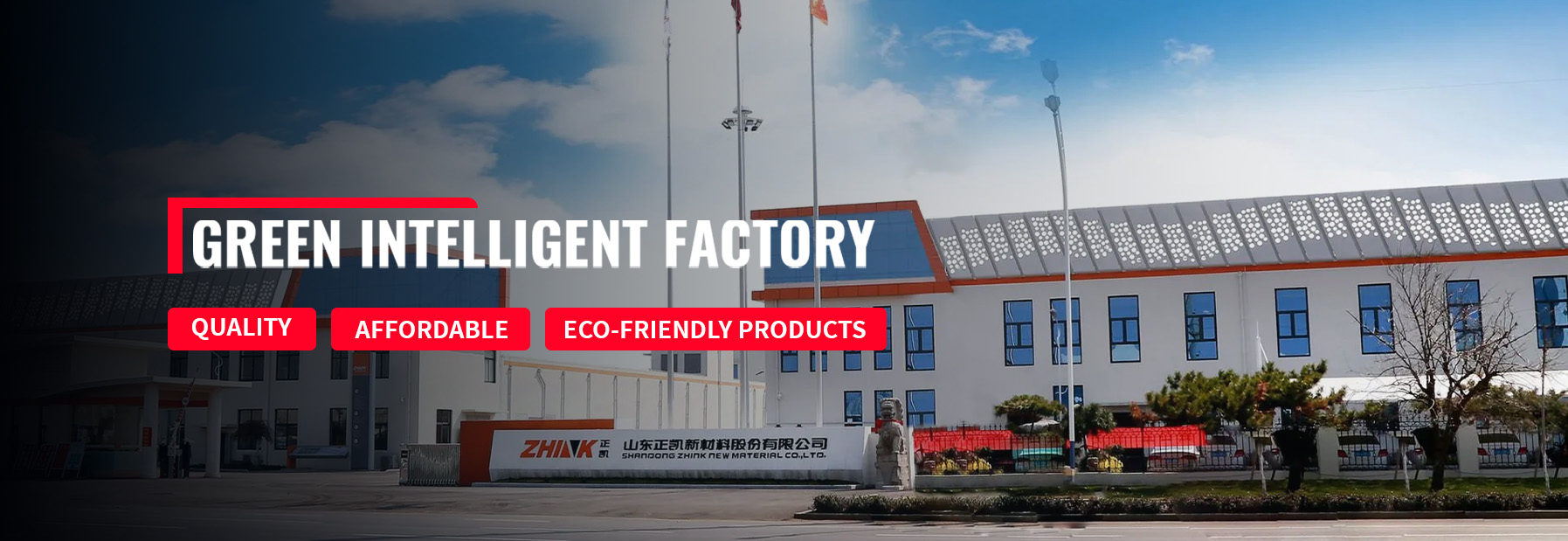
At SHANDONG ZHINK NEW MATERIAL CO., LTD, they've perfected this process, ensuring the deep coral tone remains consistent, batch after batch. If you’re curious, their website at Zhink Yarn offers detailed insights into their methods.
The Technical Edge of Polyester Fibers
One might wonder why polyester is a preferred material, especially when so many are turning to natural fibers. The answer lies in its inherent properties. Polyester provides durability, resilience, and ease of maintenance. For activewear, which demands a balance between comfort and longevity, polyester fits seamlessly. It doesn’t wrinkle easily, is resistant to most chemicals, and dries quickly.
In the past, working with polyester had its drawbacks—primarily because it wasn’t the most breathable fabric. But as technology advanced, developments in deep coral polyester fiber by leading companies like Zhink have significantly improved its breathability, making it a choice material for both fashion and function.
I recall a project where we had to source breathable materials for sports shirts. Opting for high-tech polyester was a shift that resonated well with consumers, who raved about its comfort and style blend.
The Environmental Angle: Polyester and Sustainability
Sustainability is more than a buzzword—it's an imperative. The textile world grapples with environmental impacts, making the sustainability of polyester a relevant discussion. While traditionally, polyester production involved non-renewable resources, innovations are paving the way for recycled variants.
Zhink New Material is at the frontline here, investing in recycled polyester fibers that don't compromise on quality. This shift not only helps the environment but reduces waste, aligning with global sustainability goals. Their commitment is evident in their eco-friendly initiatives, an approach increasingly mirrored by others in the industry.
During my tenure in textile development, observing such changes rooted in genuine environmental concern has been both inspiring and eye-opening. The shift to recycled materials requires reevaluating processes but promises long-term benefits for the planet.
Practical Applications of Deep Coral Polyester
From upholstery to high fashion, the application spectrum for deep coral polyester is broad. The color's adaptability allows it to fit into various contexts seamlessly, making it a favorite in interiors and clothing alike. The beauty of this fiber is its dual capability—working in functional contexts while looking aesthetically pleasing.
In recent projects, I've seen this fiber used innovatively, like in outdoor gear, where the color contrasts beautifully against nature, and in interior design, creating warm, inviting spaces. Each application requires understanding the fiber's properties—its UV resistance, colorfastness, and robustness against wear.
Manufacturers, especially those like SHANDONG ZHINK NEW MATERIAL CO., LTD, have developed products that meet these diverse needs, emphasizing both performance and style. This expertise is showcased on their site, offering a look at how they're adapting fibers for future trends.
Challenges and Future Prospects
No exploration of polyester's future is complete without acknowledging challenges. One ongoing issue is ensuring the biodegradability of these fibers. While recycled options mark a step forward, achieving complete biodegradability remains a key focus for researchers and companies alike.
There's also the constant evolution in fashion trends to consider. As a professional who’s weathered many shifts, staying ahead requires a keen eye on both market demands and technological advancements. Innovations in fabric technology, like integrating nano-materials, show promise in enhancing the fiber's functional aspects further.
In conclusion, the journey of deep coral polyester fiber is emblematic of the textile industry's broader trajectory—an intersection of tradition, innovation, and sustainability. As companies like Zhink continue to lead, keeping a pulse on these dynamics will be crucial for anyone involved in textiles, from designers to domestic producers.
Related Products
Related Products