+86-632-3621866
- Chinese
- French
- German
- Portuguese
- Spanish
- Russian
- Japanese
- Korean
- Arabic
- Irish
- Greek
- Turkish
- Italian
- Danish
- Romanian
- Indonesian
- Czech
- Afrikaans
- Swedish
- Polish
- Basque
- Catalan
- Esperanto
- Hindi
- Lao
- Albanian
- Amharic
- Armenian
- Azerbaijani
- Belarusian
- Bengali
- Bosnian
- Bulgarian
- Cebuano
- Chichewa
- Corsican
- Croatian
- Dutch
- Estonian
- Filipino
- Finnish
- Frisian
- Galician
- Georgian
- Gujarati
- Haitian
- Hausa
- Hawaiian
- Hebrew
- Hmong
- Hungarian
- Icelandic
- Igbo
- Javanese
- Kannada
- Kazakh
- Khmer
- Kurdish
- Kyrgyz
- Latin
- Latvian
- Lithuanian
- Luxembou..
- Macedonian
- Malagasy
- Malay
- Malayalam
- Maltese
- Maori
- Marathi
- Mongolian
- Burmese
- Nepali
- Norwegian
- Pashto
- Persian
- Punjabi
- Serbian
- Sesotho
- Sinhala
- Slovak
- Slovenian
- Somali
- Samoan
- Scots Gaelic
- Shona
- Sindhi
- Sundanese
- Swahili
- Tajik
- Tamil
- Telugu
- Thai
- Ukrainian
- Urdu
- Uzbek
- Vietnamese
- Welsh
- Xhosa
- Yiddish
- Yoruba
- Zulu
- Kinyarwanda
- Tatar
- Oriya
- Turkmen
- Uyghur


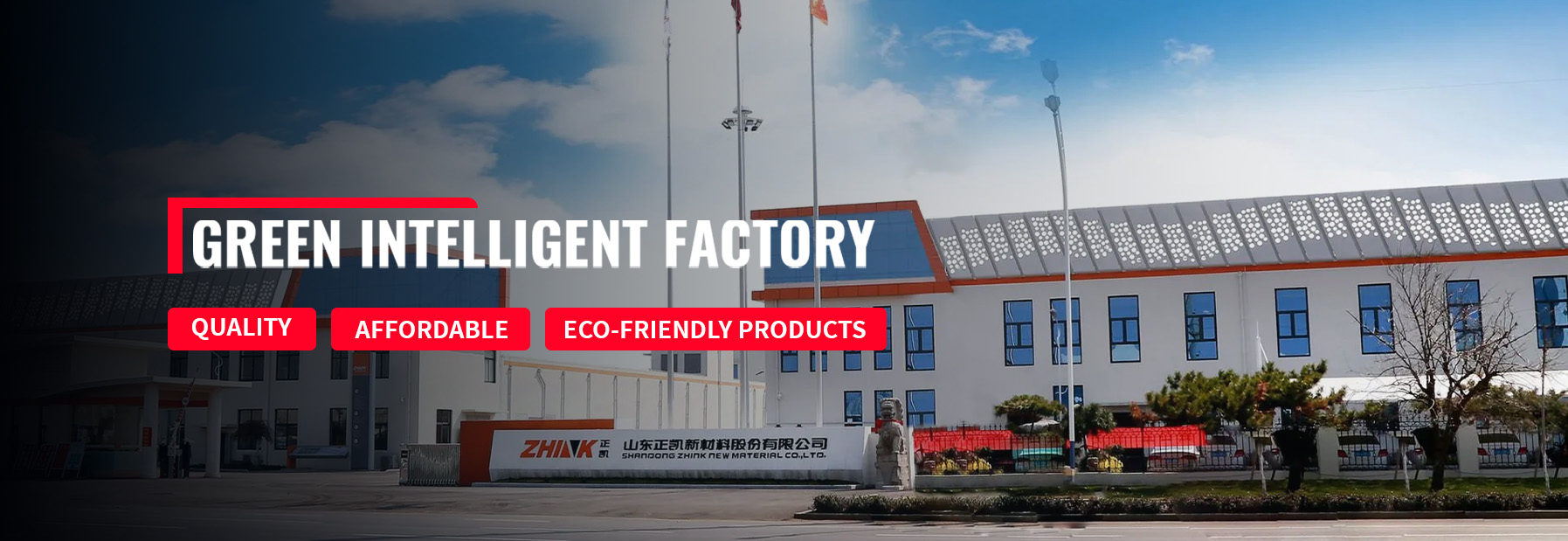
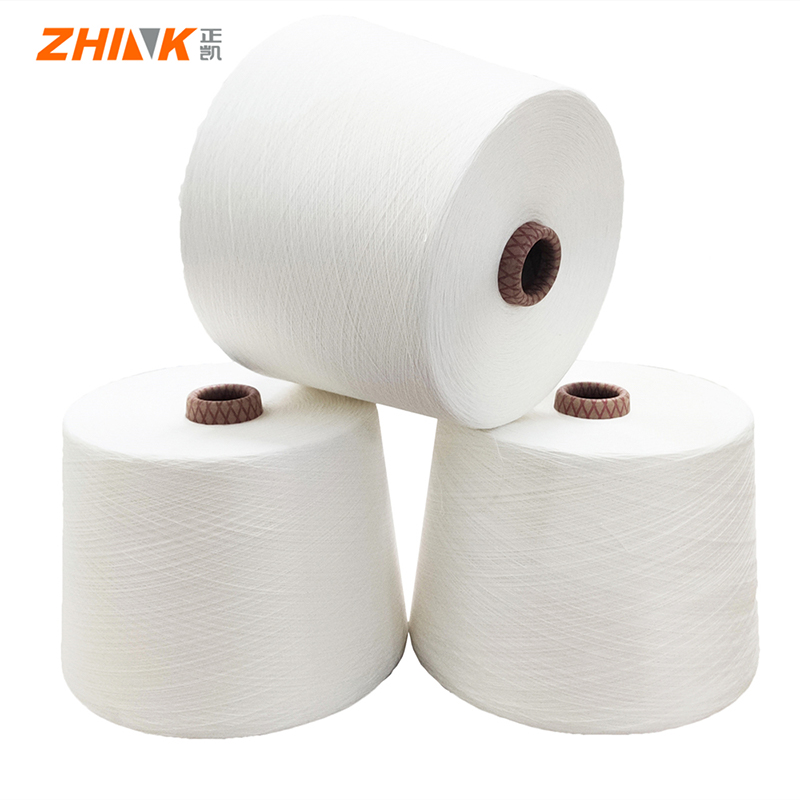
Deep green polyester fiber
The Intricacies of Deep Green Polyester Fiber
Exploring the world of deep green polyester fiber often becomes a journey into understanding not just a product, but a process that embodies the complexities of textile innovation. It's about more than just a color—a commitment to quality and sustainability in textiles.
Understanding Deep Green Polyester
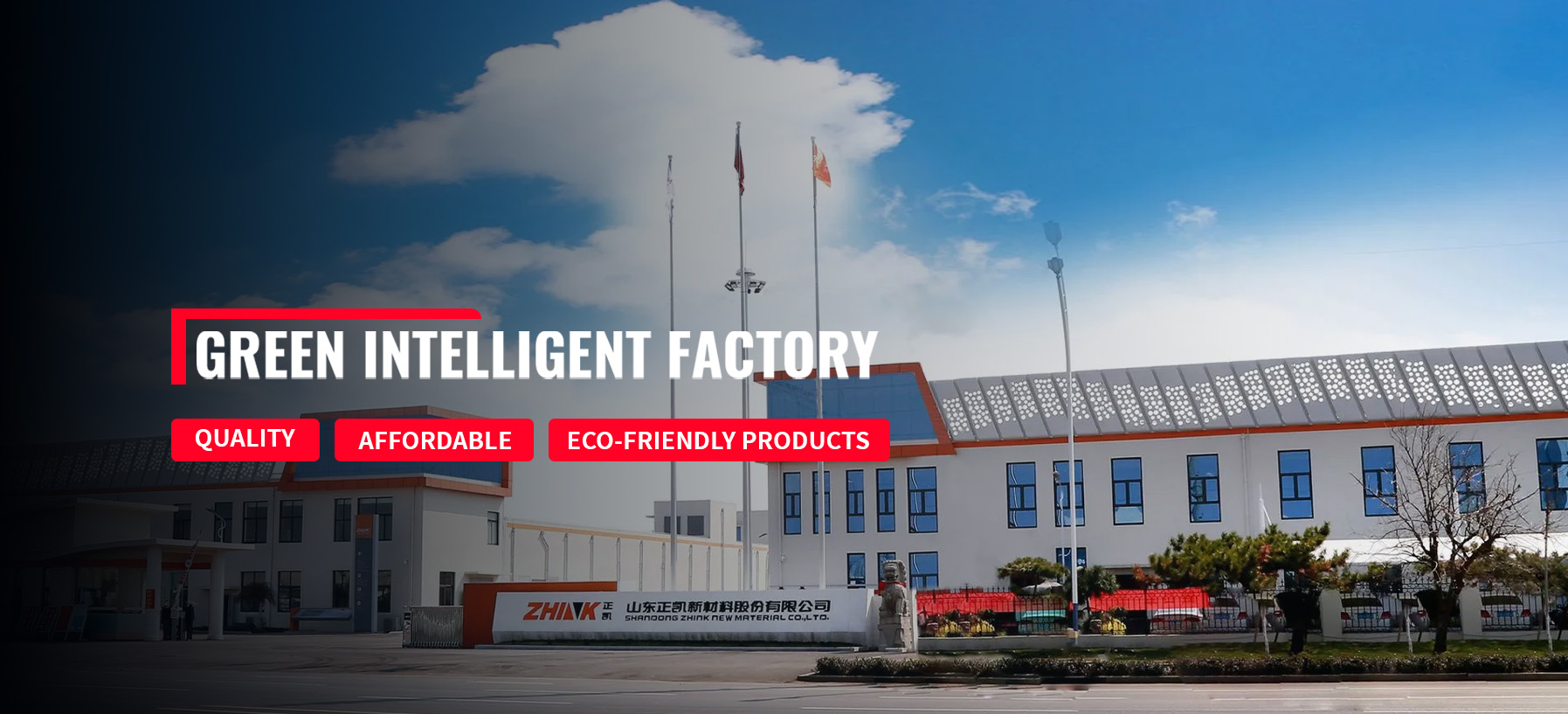
When discussing deep green polyester fiber, one might initially consider its vibrant hue. While the aesthetic appeal is significant, the true interest lies in its composition and applications. Polyester itself is renowned for durability and versatility, but achieving that deep green elegance requires precision in dyeing processes and material consistency. It's not uncommon to encounter variations, but that's where expertise like that of SHANDONG ZHINK NEW MATERIAL CO., LTD comes into play.
At Zhink New Material, the focus is on innovation and quality. They specialize in the research and development of new textile materials, notably emphasizing colorfastness and eco-friendliness in their polyester fibers. Their approach reflects an industry trend towards sustainable manufacturing. Visit their site at Zhink Yarn to explore further.
I've seen manufacturers struggle with maintaining color vibrancy over time, a persistent challenge in this sector. Ensuring that the deep green polyester fiber retains its brilliance through wash and wear is vital, and this often depends on precise chemical formulations and high-quality resource inputs.
The Production Challenges
Producing deep green polyester fiber efficiently involves a mix of sophisticated chemistry and advanced machinery. Temperature control, dye solution concentrations, and fiber cross-section are points of consideration. Mistakes happen in this field, perhaps more than we'd like to admit; even minor errors can lead to color inconsistency or reduced fiber strength.
The integration of eco-friendly practices poses another layer of complexity. There’s always a balance to be struck between meeting environmental standards and maintaining the integrity and cost-effectiveness of the fiber. By optimally selecting suppliers and employing environmentally-conscious dyeing techniques, companies like Zhink New Material are paving the way forward.
In my own experiences, debugging production lines for efficiency while minimizing waste has often required both technical savvy and creative problem-solving. There’s a craftsmanship to it, an art almost, especially when dealing with something as temperamental as color.
Applications of Deep Green Polyester Fiber
The applications for deep green polyester fiber are as varied as they are interesting. From high-fashion garments to durable outdoor gear, its resilience and color depth make it a favorite among designers. The fiber's adaptability goes hand-in-hand with its aesthetic appeal, influencing both the practical and artistic domains of fabric usage.
I recall a collaboration with a fashion line that aimed to integrate sustainable fibers without compromising on vibrancy. They opted for Zhink New Material's offerings, highlighting how innovation in textile materials can support creative vision without sacrificing environmental ethics.
Moreover, such fibers are gaining traction in upholstery and automotive industries where durability and color retention are critical. Here, the deep green adds a touch of luxury and robustness, aligning with consumer demands for both style and substance.
Sustainability and Innovation
As textile professionals increasingly turn towards sustainability, the role of high-quality fibers like those produced by Zhink New Material becomes pivotal. Their focus on new materials supports a larger industry shift towards ecological responsibility. At Zhink Yarn, there's a continuous push to innovate sustainably without compromising the physical and visual appeal of their products.
It’s fascinating to witness how such dedication to sustainability translates to real-world impacts. Reducing carbon footprints and enhancing lifecycle sustainability are more than trends—they’re necessities that companies are embracing, evidently with success.
The landscape is evolving, and fast. Textile experts must keep pace with not just technology but also market dynamics and consumer expectations. But then again, that’s the excitement of working in this field—where material science meets the art of design.
The Future of Deep Green Polyester
Looking ahead, the development of deep green polyester fiber signifies larger trends in textile innovation: increasing demands for longevity, aesthetics, and ecology. As the industry shifts, so too must our approaches adapt.
Companies like SHANDONG ZHINK NEW MATERIAL CO., LTD are setting the pace. Through relentless R&D, they’re not only meeting present demands but are actively shaping the future of textiles. Their role in advancing fiber technology is clearly aligned with the emerging priorities of quality and sustainability.
Ultimately, the journey with deep green polyester fiber is a testament to the evolution of textiles. Challenges persist, as they do in any field deeply rooted in material science. But with every challenge comes opportunity, and the experts willing to take them on are those driving the industry forward.
Related Products
Related Products