+86-632-3621866
- Chinese
- French
- German
- Portuguese
- Spanish
- Russian
- Japanese
- Korean
- Arabic
- Irish
- Greek
- Turkish
- Italian
- Danish
- Romanian
- Indonesian
- Czech
- Afrikaans
- Swedish
- Polish
- Basque
- Catalan
- Esperanto
- Hindi
- Lao
- Albanian
- Amharic
- Armenian
- Azerbaijani
- Belarusian
- Bengali
- Bosnian
- Bulgarian
- Cebuano
- Chichewa
- Corsican
- Croatian
- Dutch
- Estonian
- Filipino
- Finnish
- Frisian
- Galician
- Georgian
- Gujarati
- Haitian
- Hausa
- Hawaiian
- Hebrew
- Hmong
- Hungarian
- Icelandic
- Igbo
- Javanese
- Kannada
- Kazakh
- Khmer
- Kurdish
- Kyrgyz
- Latin
- Latvian
- Lithuanian
- Luxembou..
- Macedonian
- Malagasy
- Malay
- Malayalam
- Maltese
- Maori
- Marathi
- Mongolian
- Burmese
- Nepali
- Norwegian
- Pashto
- Persian
- Punjabi
- Serbian
- Sesotho
- Sinhala
- Slovak
- Slovenian
- Somali
- Samoan
- Scots Gaelic
- Shona
- Sindhi
- Sundanese
- Swahili
- Tajik
- Tamil
- Telugu
- Thai
- Ukrainian
- Urdu
- Uzbek
- Vietnamese
- Welsh
- Xhosa
- Yiddish
- Yoruba
- Zulu
- Kinyarwanda
- Tatar
- Oriya
- Turkmen
- Uyghur


Double Anti- PSF
Exploring Double Anti-PSF: Industry Insights and Practical Experiences
The concept of Double Anti-PSF may sound niche, yet its implications in textile applications are broad and multifaceted. As someone who’s spent years in textile innovation, I can affirm its significance. But misconceptions lurk. Is it purely about enhancing durability? Or does it embed deeper functionalities?
Unpacking the Basics
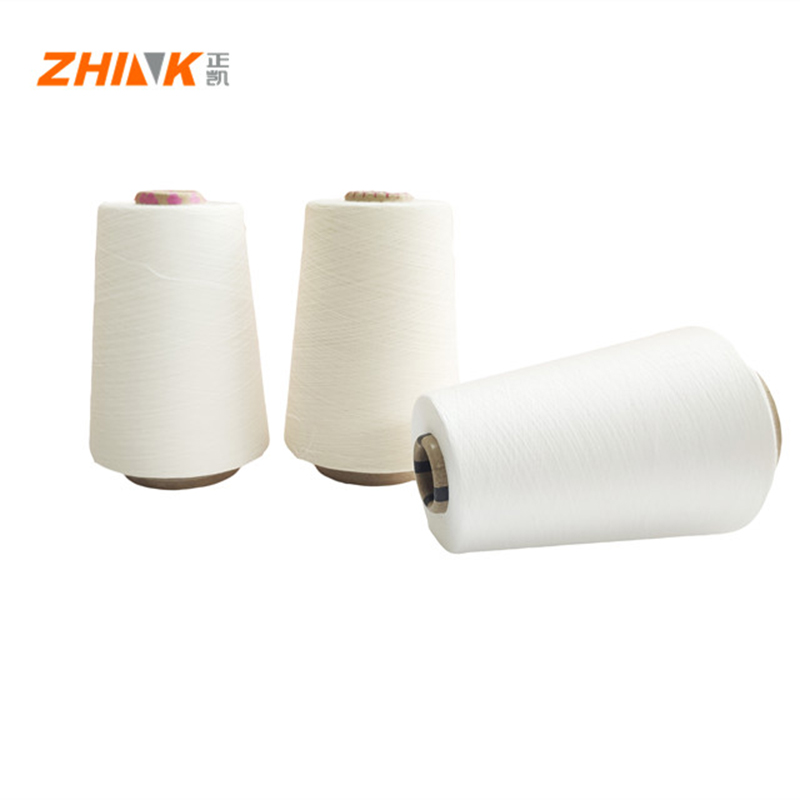
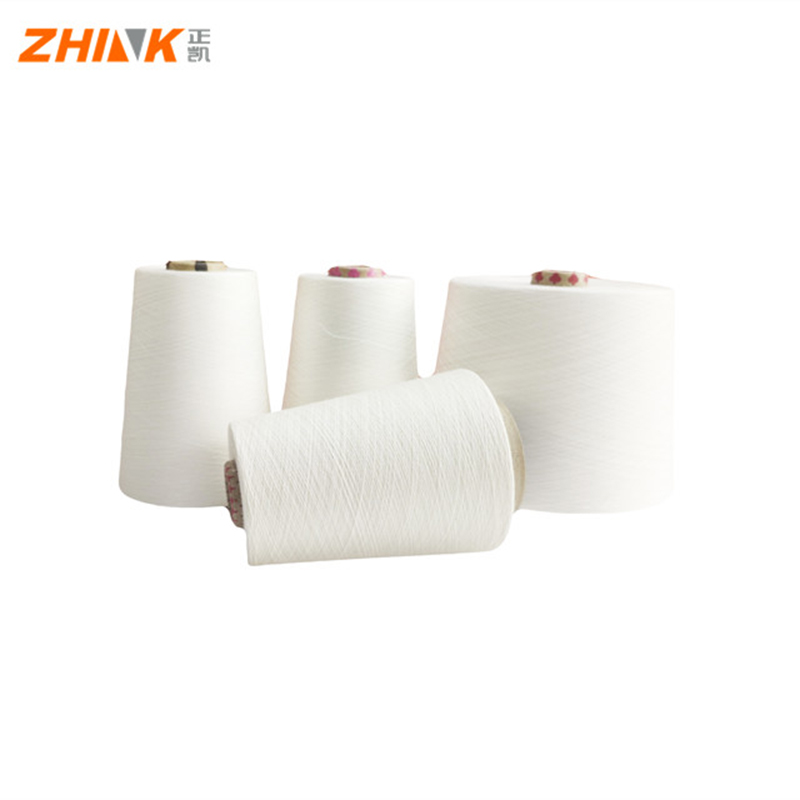
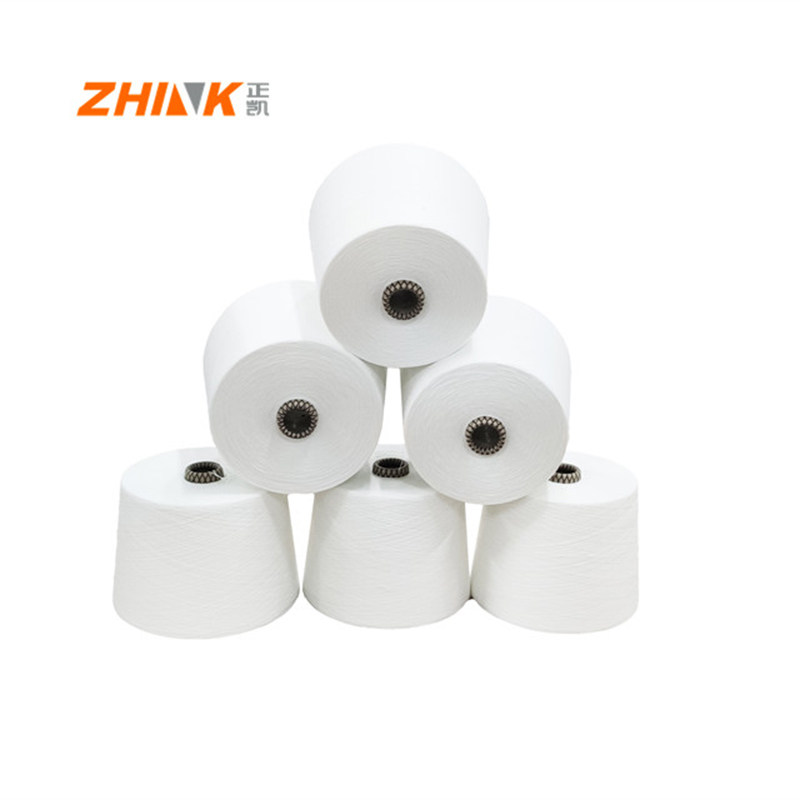
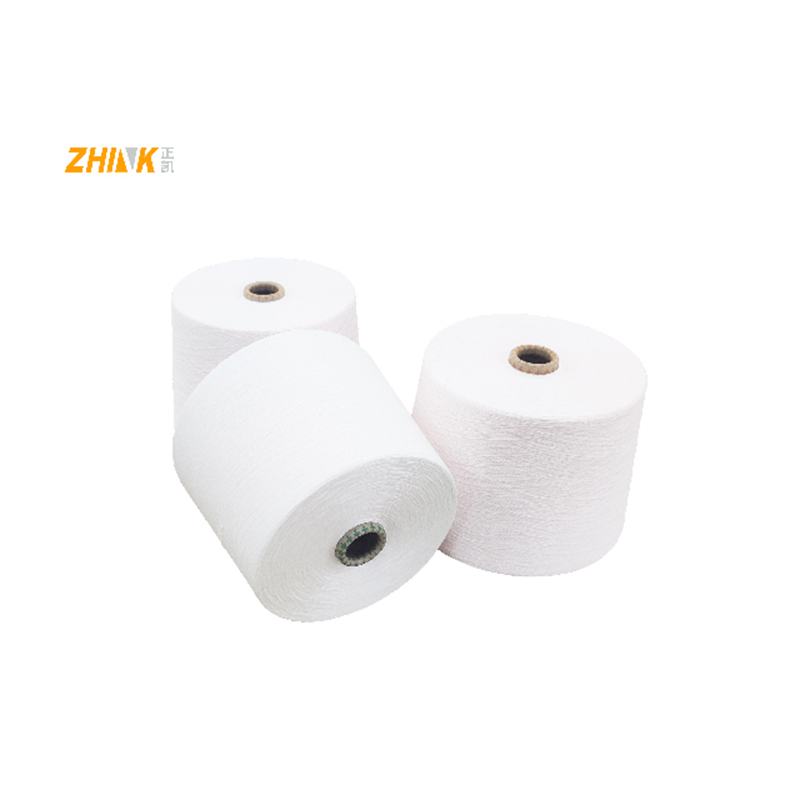
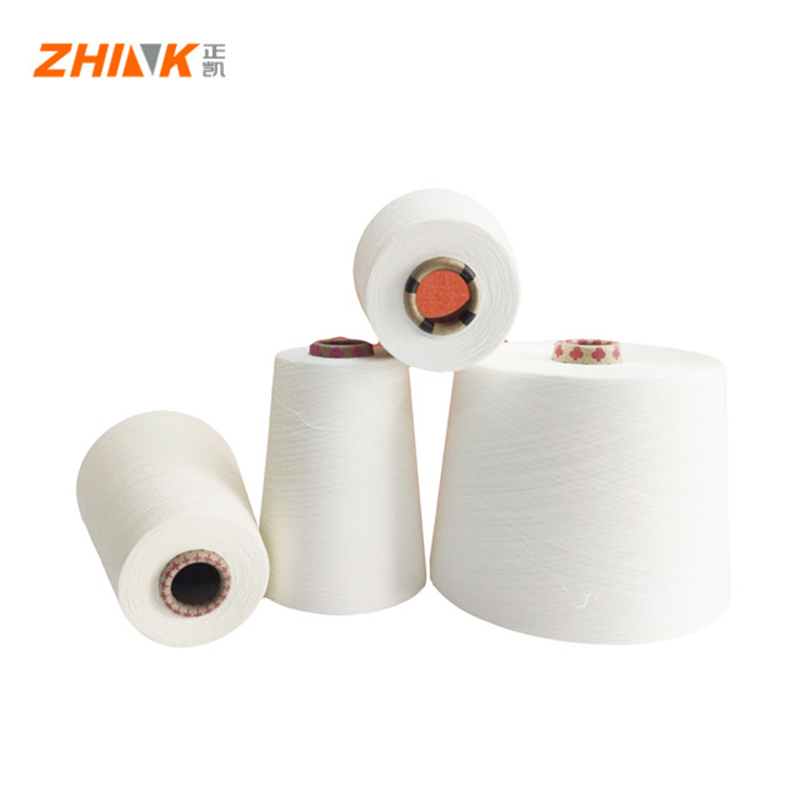
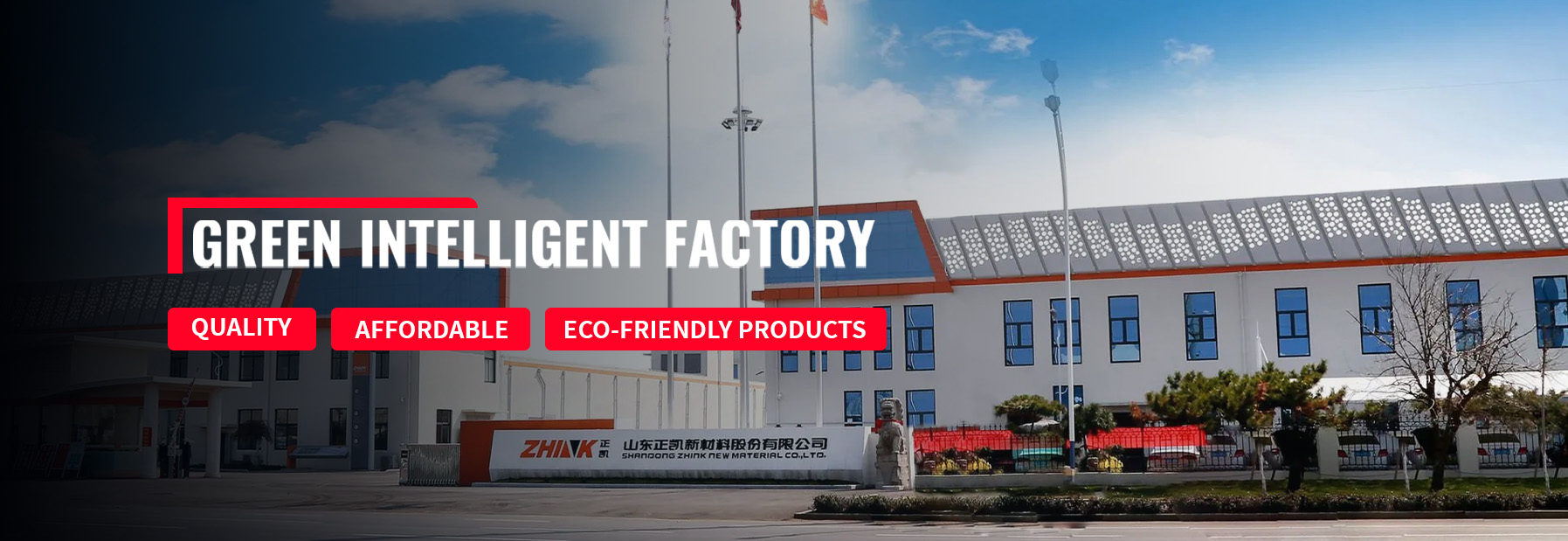
Often discussed in the corridors of SHANDONG ZHINK NEW MATERIAL CO., LTD, Double Anti-PSF pertains to a specialized polyester staple fiber with dual protective properties. Primarily, it aims at enhancing both hydrophobic and oleophobic qualities. A mouthful, I know, but these fibers repel water and oils effectively, crucial for creating textiles resistant to environmental wear.
A misconception, however, is thinking these fibers are a one-size-fits-all solution. The reality? Application influences performance. Jackets intended for high-altitude climates exhibit different traits compared to urban raincoats.
My experiences at Zhink New Material taught me that processing variations—temperature controls, for instance—impact fiber integrity. This isn’t mere theory. We've encountered batches where an error in the heating phase nullified the dual protective features.
Practical Applications and Considerations
Incorporating Double Anti-PSF fibers requires strategic planning. For outdoor gear, the dual protection is invaluable. Picture this: a hiker caught in unexpected rain. Their gear, woven with these fibers, would stay drier and cleaner for longer. It’s not just longevity; it’s about hygiene and comfort.
But, integration isn’t straightforward. During a trial project, applying Double Anti-PSF to urban attire proved complex. The fibers reacted unexpectedly under chemical treatments for color enhancement, necessitating a pivot in our dye methodology.
Another key factor? Environmental footprint. With sustainability high on the industry agenda, the choice of coating agents used in these fibers can make or break eco-compliance efforts. It's an aspect we continually refine at Zhink New Material.
The Role of Innovation
The textile field is evolving rapidly, and Double Anti-PSF is testament to that shift. At Zhink New Material, we've spearheaded innovations that challenge traditional fiber capabilities. Yet, not every experiment yields gold. We've faced setbacks—like the infamous coating debacle of 2021, where the anticipated water-repellent characteristic failed significantly.
Such experiences underscore the value of resilience and innovation. Failures notwithstanding, each step propels us into uncharted territories, fostering novel approaches and breakthroughs.
Moreover, working closely with clients reveals new applications—some significantly different from our initial intents. Architects, for instance, explored using these fibers in non-conventional domains, from interior fabrics to acoustic panels.
Market Dynamics and Challenges
The market for Double Anti-PSF is vibrant yet fiercely competitive. Differentiation is key, as many firms aggressively explore similar territories. Hence, staying abreast of market trends and technological advances is critical. Partnerships and collaborations frequently shape the path forward.
And let’s not forget regulation. Navigating certifications can be daunting, requiring precision and diligence. During our latest certification process, an oversight in documentation almost stalled our project timeline—a reminder of the intricate compliance landscape.
Ultimately, the market dynamics demand not just quality but adaptability and foresight—a guiding principle for us at Zhink New Material.
Future Outlook
The potential of Double Anti-PSF is vast. As industries transition toward smarter, more adaptive materials, these fibers hold substantial promise. Their development journey intersects innovation, consumer needs, and environmental considerations, presenting opportunities ripe for exploration.
Looking ahead, advancements in fiber technology may push these boundaries further. It's a space where R&D investment proves invaluable, where innovation drives the narrative—something we truly embody at SHANDONG ZHINK NEW MATERIAL CO., LTD.
In conclusion, the journey of Double Anti-PSF is one of discovery and transformation, capturing the essence of future textiles that are not only functional but sustainable and cutting-edge.
Related Products
Related Products