+86-632-3621866
- Chinese
- French
- German
- Portuguese
- Spanish
- Russian
- Japanese
- Korean
- Arabic
- Irish
- Greek
- Turkish
- Italian
- Danish
- Romanian
- Indonesian
- Czech
- Afrikaans
- Swedish
- Polish
- Basque
- Catalan
- Esperanto
- Hindi
- Lao
- Albanian
- Amharic
- Armenian
- Azerbaijani
- Belarusian
- Bengali
- Bosnian
- Bulgarian
- Cebuano
- Chichewa
- Corsican
- Croatian
- Dutch
- Estonian
- Filipino
- Finnish
- Frisian
- Galician
- Georgian
- Gujarati
- Haitian
- Hausa
- Hawaiian
- Hebrew
- Hmong
- Hungarian
- Icelandic
- Igbo
- Javanese
- Kannada
- Kazakh
- Khmer
- Kurdish
- Kyrgyz
- Latin
- Latvian
- Lithuanian
- Luxembou..
- Macedonian
- Malagasy
- Malay
- Malayalam
- Maltese
- Maori
- Marathi
- Mongolian
- Burmese
- Nepali
- Norwegian
- Pashto
- Persian
- Punjabi
- Serbian
- Sesotho
- Sinhala
- Slovak
- Slovenian
- Somali
- Samoan
- Scots Gaelic
- Shona
- Sindhi
- Sundanese
- Swahili
- Tajik
- Tamil
- Telugu
- Thai
- Ukrainian
- Urdu
- Uzbek
- Vietnamese
- Welsh
- Xhosa
- Yiddish
- Yoruba
- Zulu
- Kinyarwanda
- Tatar
- Oriya
- Turkmen
- Uyghur


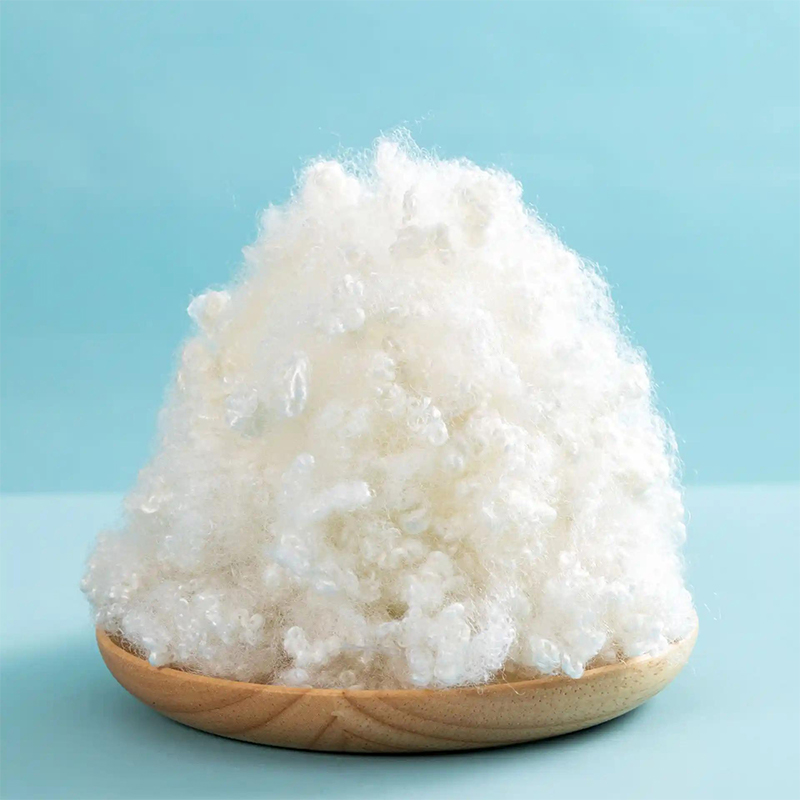
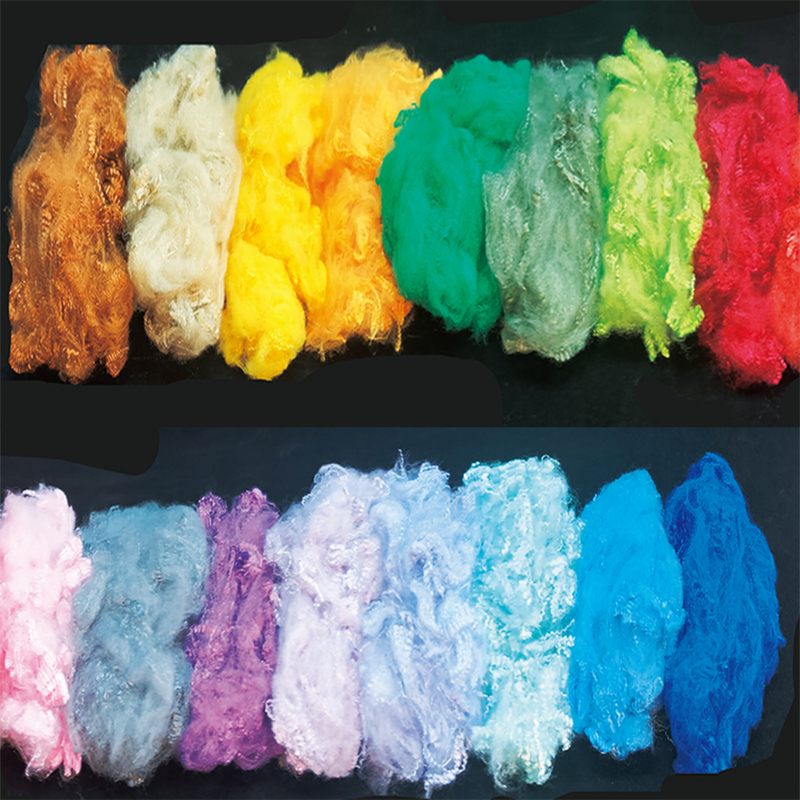
Dumbbell PSF
Exploring the Intricacies of Dumbbell PSF Design
Understanding the design and application of Dumbbell PSF often seems straightforward at first glance, but those who delve deeper often find a complex landscape. These fiber structures may appear simple, yet developing the perfect dumbbell profile requires attention to detail and a nuanced understanding of material mechanics.
A Deep Dive into Dumbbell PSF
The concept of Dumbbell PSF revolves around creating a fiber with a specific cross-sectional profile to manipulate its physical properties. Often used in various industries for their durability and flexibility, these fibers leverage their unique shape to offer enhanced performance. But achieving this isn't just about cutting fibers into a shape—it’s a careful balance of chemistry and engineering.
In my early days working with these fibers, the biggest challenge was maintaining consistency. The machinery used needs frequent recalibration. Without this, imperfections easily creep in, affecting tensile strength and elasticity. It’s a meticulous process, almost artful in its execution.
Moreover, the right polymer blend can make or break the process. Each batch sometimes reacts unpredictably during the extrusion process, needing an immediate tweak. And yes, sometimes we made errors—tiny adjustments led to huge improvements or not. That's the reality of experimenting.
The Influence of Design on Performance
The design of Dumbbell PSF directly impacts their performance in end-use applications. A common mistake is overlooking this during R&D, focusing too narrowly on the immediate material properties without thinking about how they integrate into the final product.
For instance, in the automotive sector, these fibers are prized for their enhanced shock absorption. However, if the cross-section is even slightly off the ideal, the fiber may fail to perform as expected. It’s a lesson I learned through several trials—understanding the client’s need often involves more collaboration than initially assumed.
Additionally, once these fibers are produced, testing becomes key. Each application might have a different stress pattern, and our job is to predict and adapt. Developing a unique test environment for each client became part of the routine.
Production Challenges and Solutions
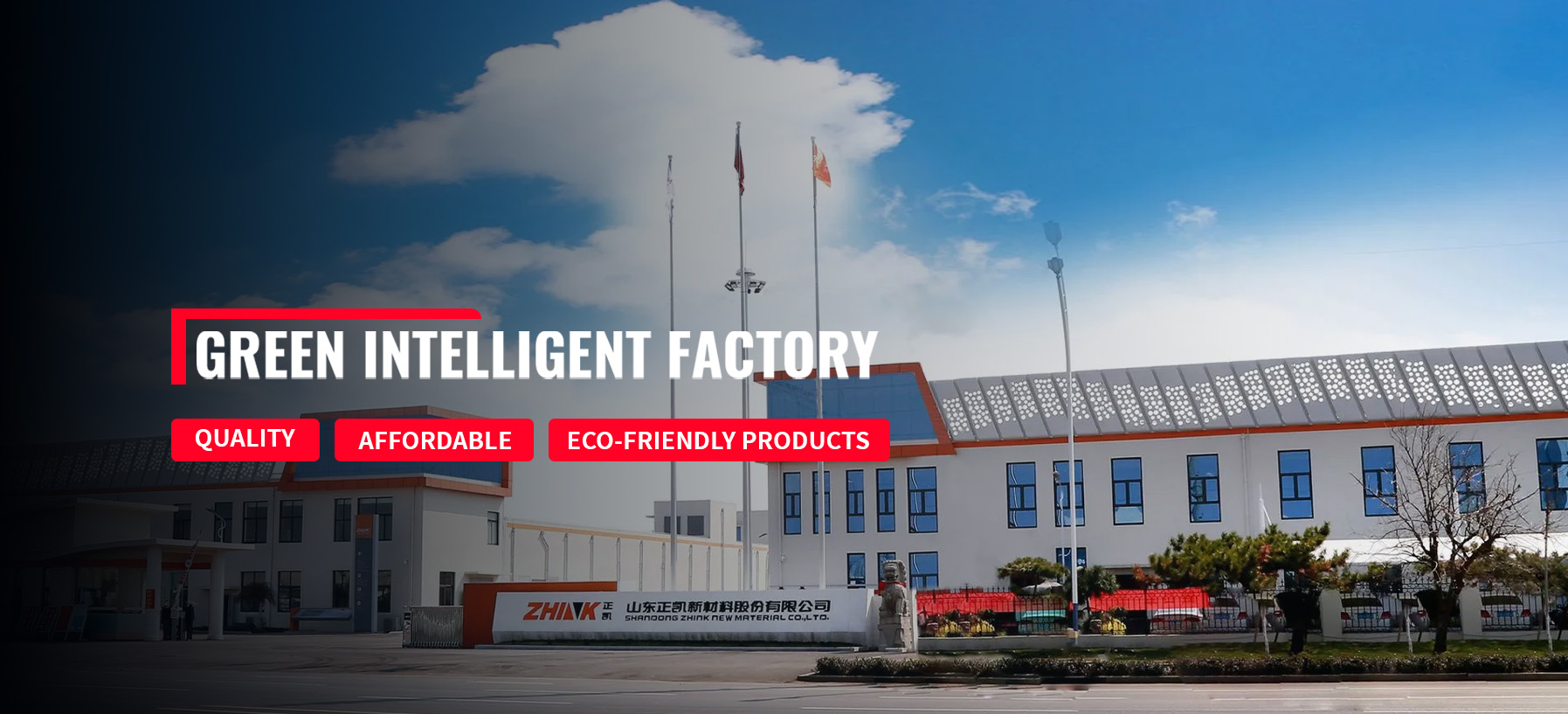
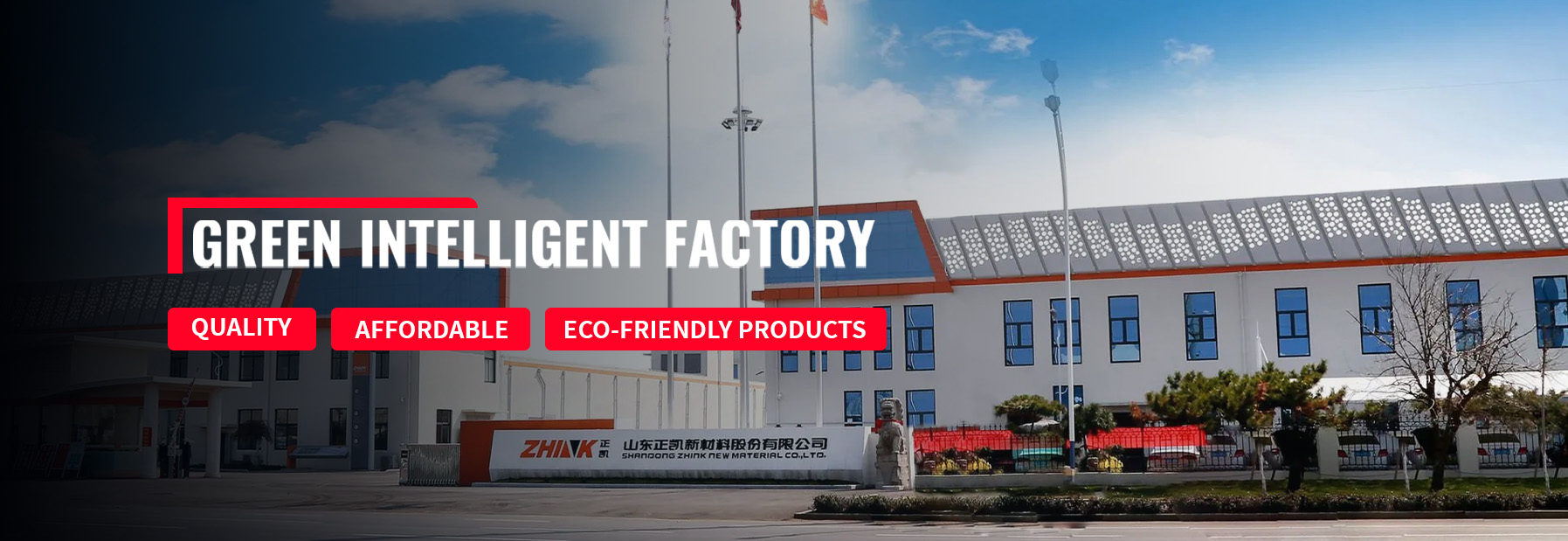
Production of Dumbbell PSF at scale presents unique sets of challenges. During my tenure at SHANDONG ZHINK NEW MATERIAL CO., LTD, I observed that scaling up production is not always a linear transition.
One particular hurdle is the extrusion line’s calibration, which often required personalized adjustments to cater to the specific batch of raw materials used. It’s here where real expertise comes to the fore. Operators who 'know' their machines make all the difference.
At Zhink, we constantly innovate to streamline these processes. Our team spends considerable time on the production floor, ensuring hands-on quality control. Being in Shandong, with our logistics network, also allows us prompt access to various raw materials, which mitigates delays—a common issue when sourcing from distant suppliers.
Market Trends and Technological Advances
The demand for Dumbbell PSF is rising, spurred by innovations in textile materials—an area where Zhink is leading. Whether it's enhanced moisture wicking in activewear or improved thermal insulation in outerwear, these fibers are integral to modern material engineering.
Technological innovation plays a pivotal role here. Automation and AI are beginning to revolutionize production, but direct human oversight remains irreplaceable. No algorithm yet matches the intuition of a seasoned technician when tweaks in the process are necessary.
Looking to the future, iterative improvements and clever material science innovations are where the advances will likely come. We strive to lead in this, investing in R&D as the key driver.
Case Studies and Practical Applications
Several successful partnerships with auto manufacturers have underscored the impact of optimized Dumbbell PSF. Our fibers used in car interiors have shown to significantly enhance durability while maintaining crucial flexibility.
Another noteworthy collaboration was with outdoor apparel brands, which capitalized on the fiber’s potential to improve insulation without adding weight. These case studies have become reference points, illustrating the practical utility of these textile innovations.
Each success bolsters a learning opportunity, driving home that understanding the material’s lifecycle—from polymer synthesis to finished product—involves a collective effort and continued learning. At Zhink, these experiences shape our approach to new projects, keeping us aligned with cutting-edge industry practices.
Related Products
Related Products