+86-632-3621866
- Chinese
- French
- German
- Portuguese
- Spanish
- Russian
- Japanese
- Korean
- Arabic
- Irish
- Greek
- Turkish
- Italian
- Danish
- Romanian
- Indonesian
- Czech
- Afrikaans
- Swedish
- Polish
- Basque
- Catalan
- Esperanto
- Hindi
- Lao
- Albanian
- Amharic
- Armenian
- Azerbaijani
- Belarusian
- Bengali
- Bosnian
- Bulgarian
- Cebuano
- Chichewa
- Corsican
- Croatian
- Dutch
- Estonian
- Filipino
- Finnish
- Frisian
- Galician
- Georgian
- Gujarati
- Haitian
- Hausa
- Hawaiian
- Hebrew
- Hmong
- Hungarian
- Icelandic
- Igbo
- Javanese
- Kannada
- Kazakh
- Khmer
- Kurdish
- Kyrgyz
- Latin
- Latvian
- Lithuanian
- Luxembou..
- Macedonian
- Malagasy
- Malay
- Malayalam
- Maltese
- Maori
- Marathi
- Mongolian
- Burmese
- Nepali
- Norwegian
- Pashto
- Persian
- Punjabi
- Serbian
- Sesotho
- Sinhala
- Slovak
- Slovenian
- Somali
- Samoan
- Scots Gaelic
- Shona
- Sindhi
- Sundanese
- Swahili
- Tajik
- Tamil
- Telugu
- Thai
- Ukrainian
- Urdu
- Uzbek
- Vietnamese
- Welsh
- Xhosa
- Yiddish
- Yoruba
- Zulu
- Kinyarwanda
- Tatar
- Oriya
- Turkmen
- Uyghur



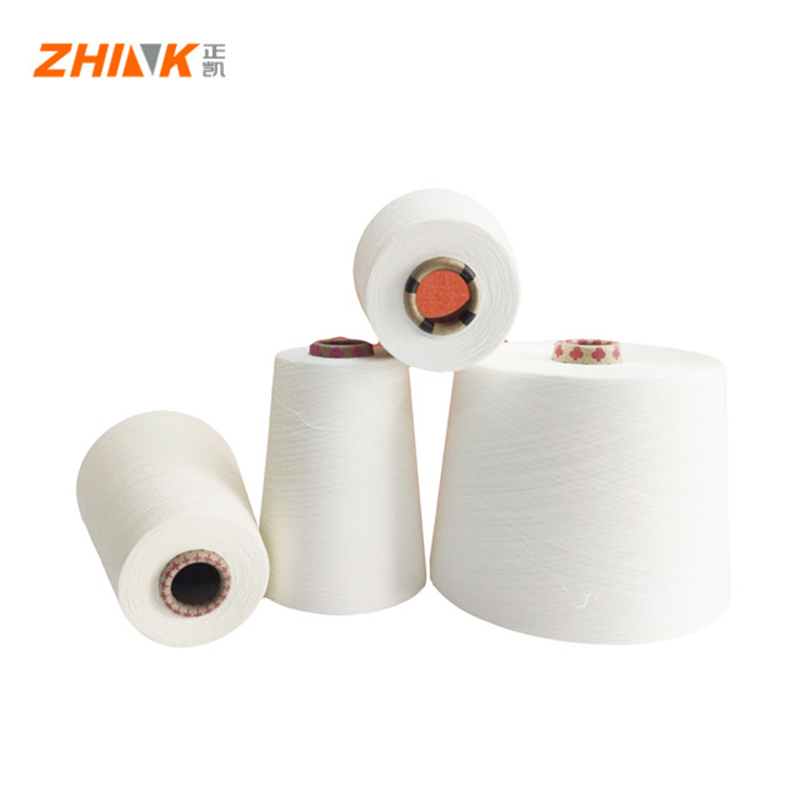
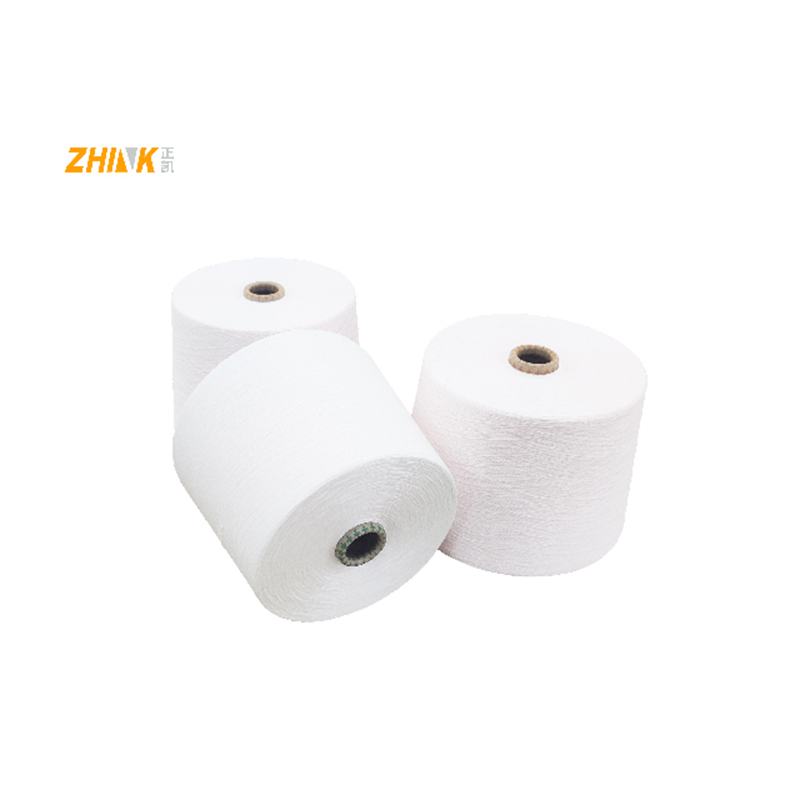
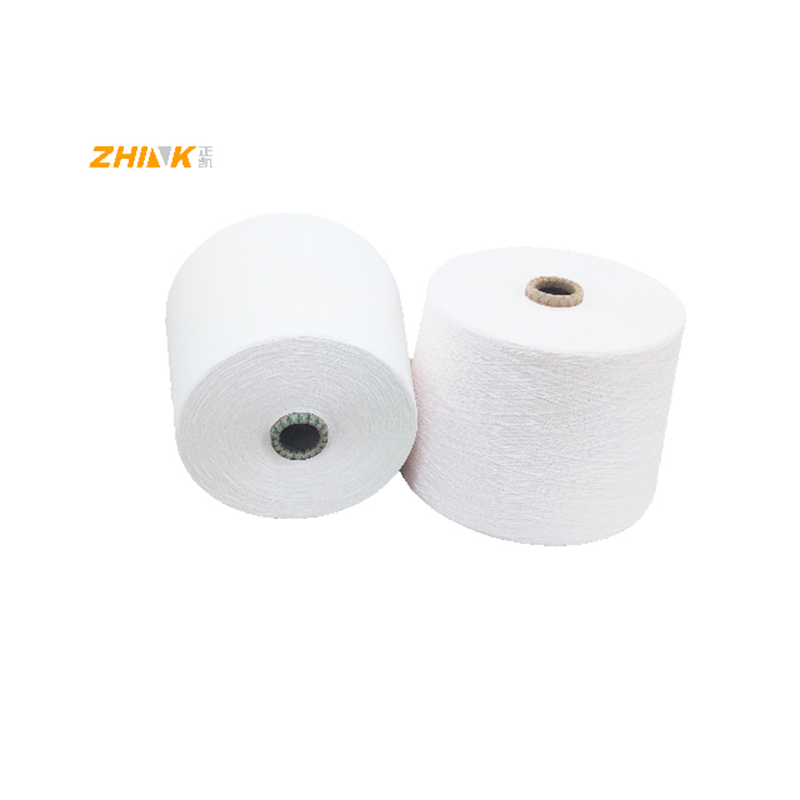
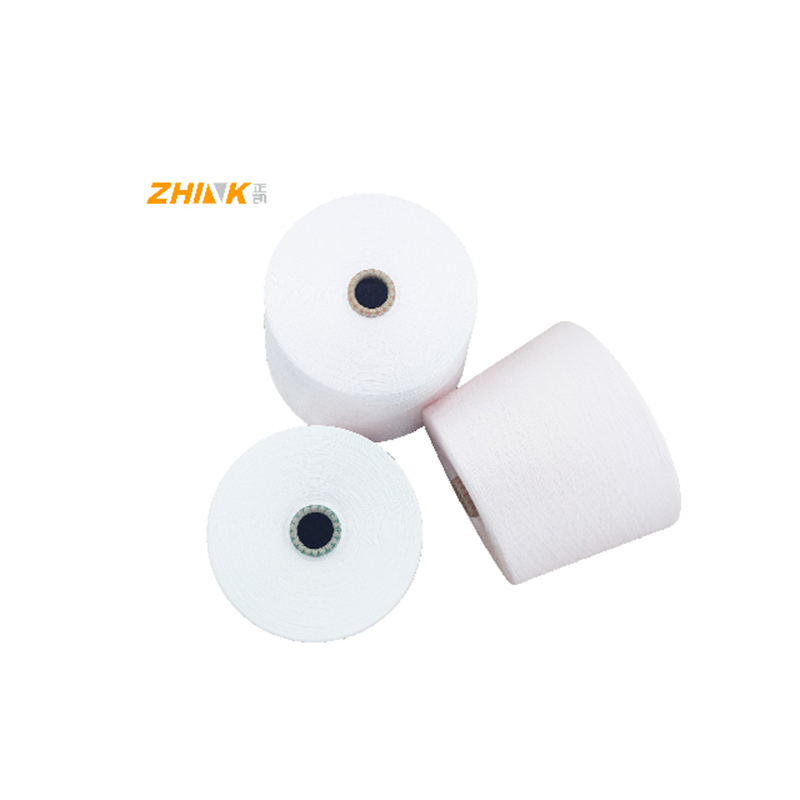
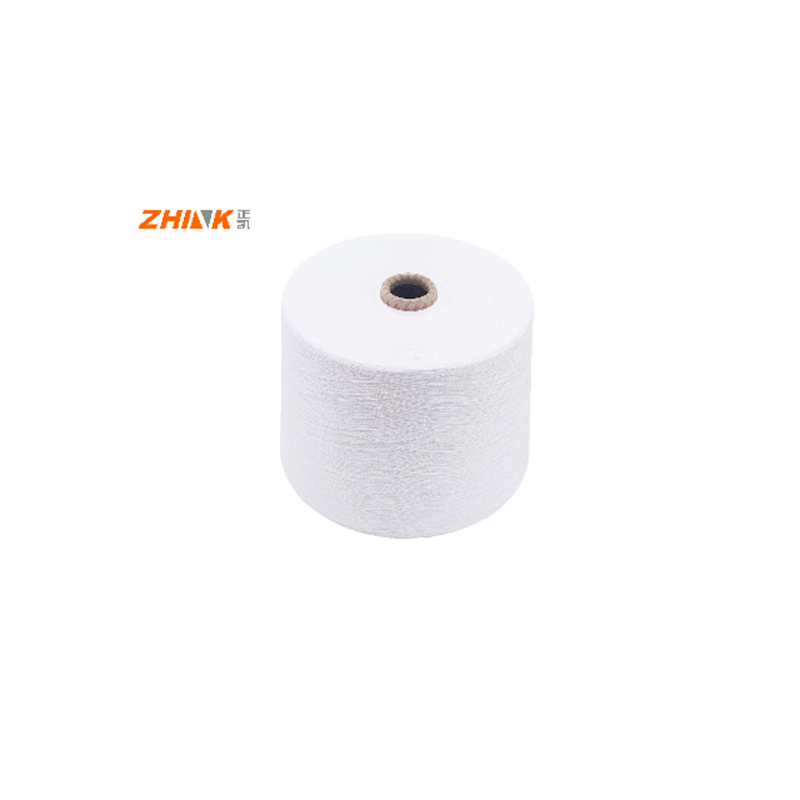
eco viscose yarn
html
The Essentials of Eco Viscose Yarn
Eco viscose yarn is making waves in the textile industry, yet misconceptions about its sustainability swirl around. Let's dig into the realities, practical insights, and the practical applications beyond the buzzwords.
Understanding Eco Viscose Yarn
When we talk about eco viscose yarn, we're diving into a realm that promises sustainability, but it's crucial to peel back the layers. What makes it truly eco? At the core is the source material—usually wood pulp—and the manufacturing process. Here, companies like SHANDONG ZHINK NEW MATERIAL CO., LTD are pushing the envelope with their innovative approaches.
I've worked hands-on with various yarn types, and the devil is often in the details. The term eco can be misleading. Just because it's derived from natural materials doesn't guarantee minimal environmental impact. The processing, chemicals, and energy consumption play pivotal roles.
When Zhink New Material explores new textile materials, they focus heavily on reducing solvents and water use, which is a commendable approach in shifting industry standards. Check their work at ZHINK's website for examples of their strategies.
The Production Challenges
Diving deeper, producing eco viscose isn't just about the initial material but the entire supply chain. I recall a project where we had to assess suppliers rigorously. Transparency in sourcing is non-negotiable. One can't overstate the importance of certified sustainable forests contributing to the raw material pool.
What many don't realize is the energy input during the production stage. A manufacturer might claim eco-friendly practices, yet the energy sources—whether renewable or not—add another layer to the sustainability claim. This was a hurdle we faced significantly during a recent audit.
For instance, SHANDONG ZHINK NEW MATERIAL CO., LTD has taken strides by investing in greener technologies, yet the global challenge remains in scaling these efforts industry-wide. Balancing cost with innovation is no small feat.
Incorporating Into Products
Once you've got your eco viscose yarn, the next step is incorporating it efficiently into products. I remember one of our projects where we integrated it into an existing line, which offered valuable lessons about its properties and limitations.
This yarn tends to be softer, highly absorbent, and drapes well, making it ideal for specific applications. However, blending it with other fibers is an art. Too much viscose can lead to weaker structures in certain weaves, which was a hard-learned lesson in our early designs.
Industry giants like Zhink are making headway by experimenting with blends that maximize eco benefits without compromising durability. Their ongoing projects in material innovation offer insights into future trends.
Environmental Considerations
The ecological footprint of viscose yarn isn't just in its creation. Disposal and lifecycle impact matter. It's a mistake to overlook such factors, which was evident in a seminar I attended recently where lifecycle analysis took center stage.
Biodegradability is one touted advantage, but how many consumers understand the conditions required for such claims? Context is key, and it’s this broader ecological perspective that companies like SHANDONG ZHINK NEW MATERIAL CO., LTD are embracing.
They’re advancing educational efforts to inform buyers and suppliers alike, which isn’t common enough. The push towards closing the knowledge gap can catalyze broader industry change.
Future Trends and Innovations
Looking forward, the field of eco viscose yarn is ripe for innovation. With the ongoing research at Zhink New Material, there’s potential for breakthroughs in reducing resource consumption further.
Incorporating technology in tracking and tracing yarn from source to sale could be a game changer. I've seen early prototypes of blockchain in supply chains that could enhance transparency, which is exciting.
The push towards using alternative plant sources—beyond the conventional bamboo—is another avenue worth exploring. It's an evolving sector, and businesses attuned to sustainable practices like SHANDONG ZHINK NEW MATERIAL CO., LTD are likely to lead the way.
Related Products
Related Products