+86-632-3621866
- Chinese
- French
- German
- Portuguese
- Spanish
- Russian
- Japanese
- Korean
- Arabic
- Irish
- Greek
- Turkish
- Italian
- Danish
- Romanian
- Indonesian
- Czech
- Afrikaans
- Swedish
- Polish
- Basque
- Catalan
- Esperanto
- Hindi
- Lao
- Albanian
- Amharic
- Armenian
- Azerbaijani
- Belarusian
- Bengali
- Bosnian
- Bulgarian
- Cebuano
- Chichewa
- Corsican
- Croatian
- Dutch
- Estonian
- Filipino
- Finnish
- Frisian
- Galician
- Georgian
- Gujarati
- Haitian
- Hausa
- Hawaiian
- Hebrew
- Hmong
- Hungarian
- Icelandic
- Igbo
- Javanese
- Kannada
- Kazakh
- Khmer
- Kurdish
- Kyrgyz
- Latin
- Latvian
- Lithuanian
- Luxembou..
- Macedonian
- Malagasy
- Malay
- Malayalam
- Maltese
- Maori
- Marathi
- Mongolian
- Burmese
- Nepali
- Norwegian
- Pashto
- Persian
- Punjabi
- Serbian
- Sesotho
- Sinhala
- Slovak
- Slovenian
- Somali
- Samoan
- Scots Gaelic
- Shona
- Sindhi
- Sundanese
- Swahili
- Tajik
- Tamil
- Telugu
- Thai
- Ukrainian
- Urdu
- Uzbek
- Vietnamese
- Welsh
- Xhosa
- Yiddish
- Yoruba
- Zulu
- Kinyarwanda
- Tatar
- Oriya
- Turkmen
- Uyghur


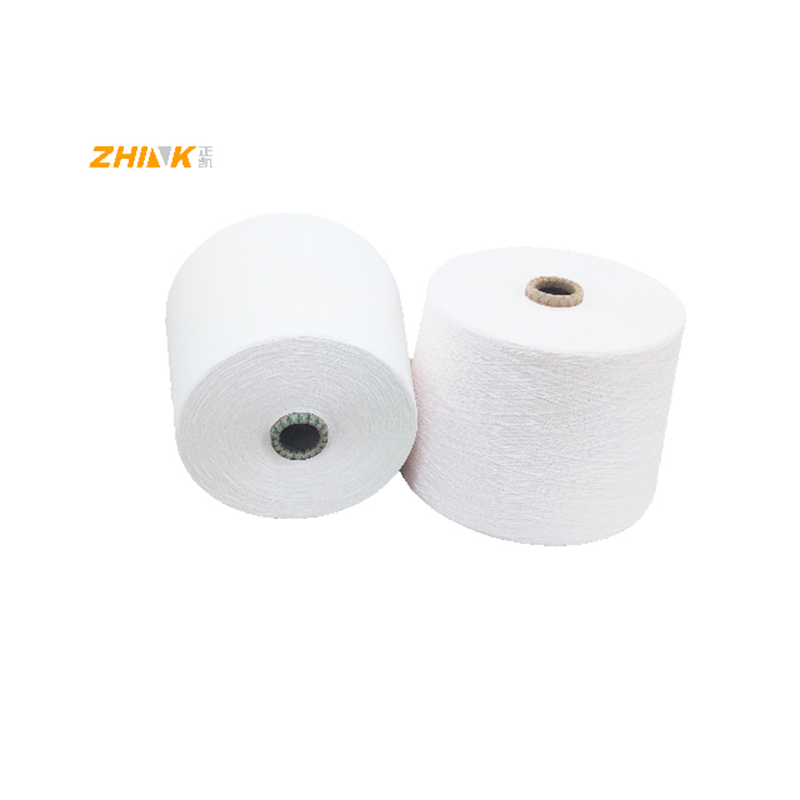
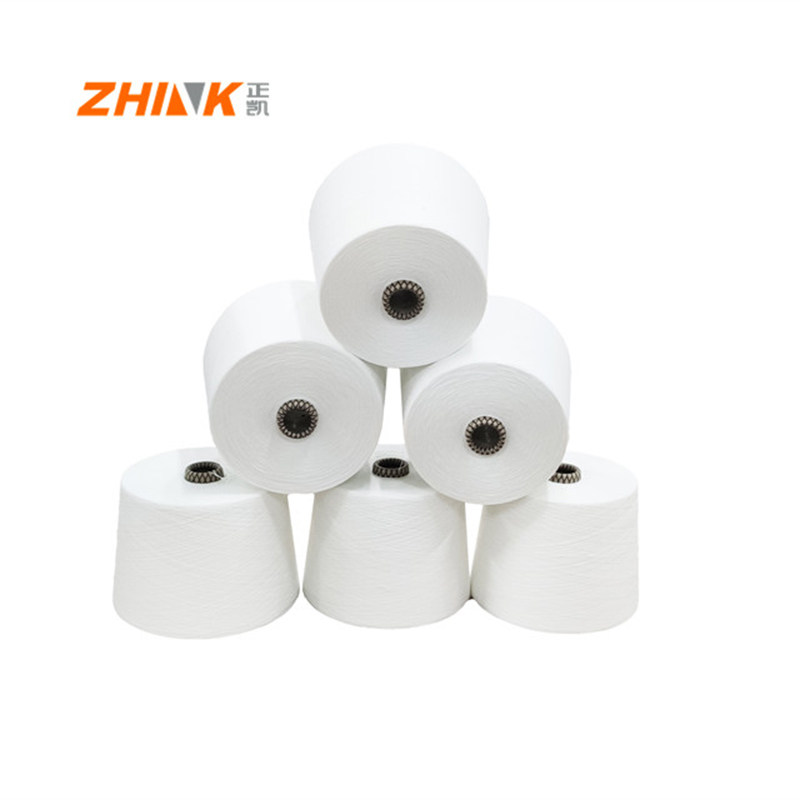
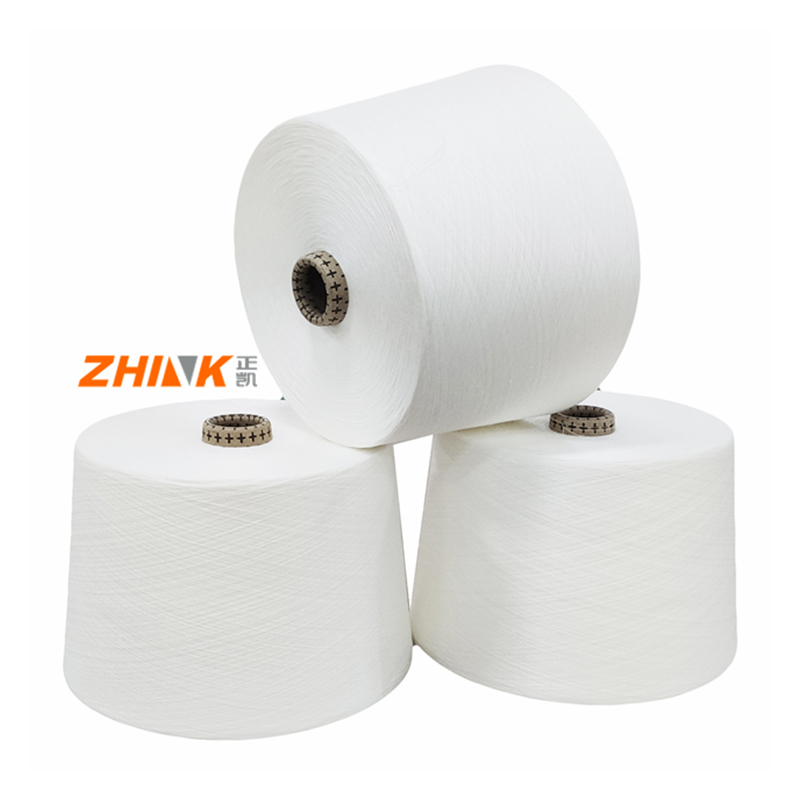
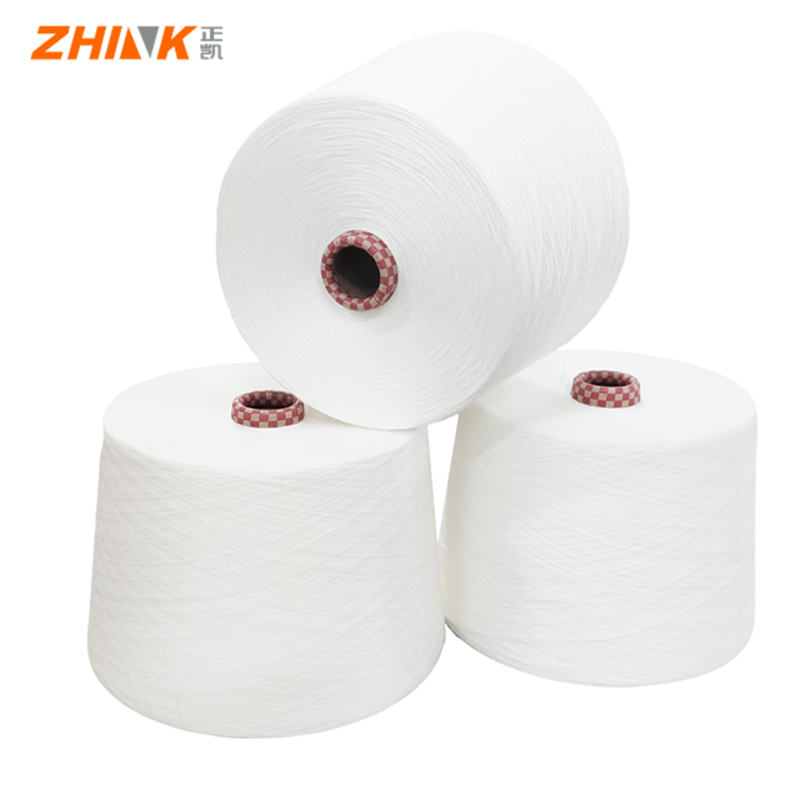
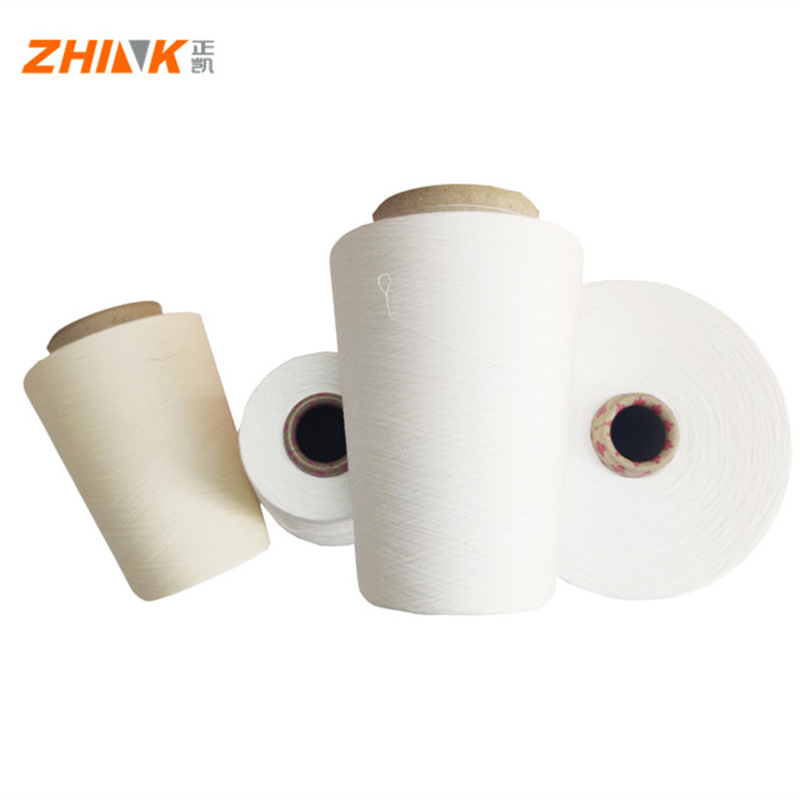
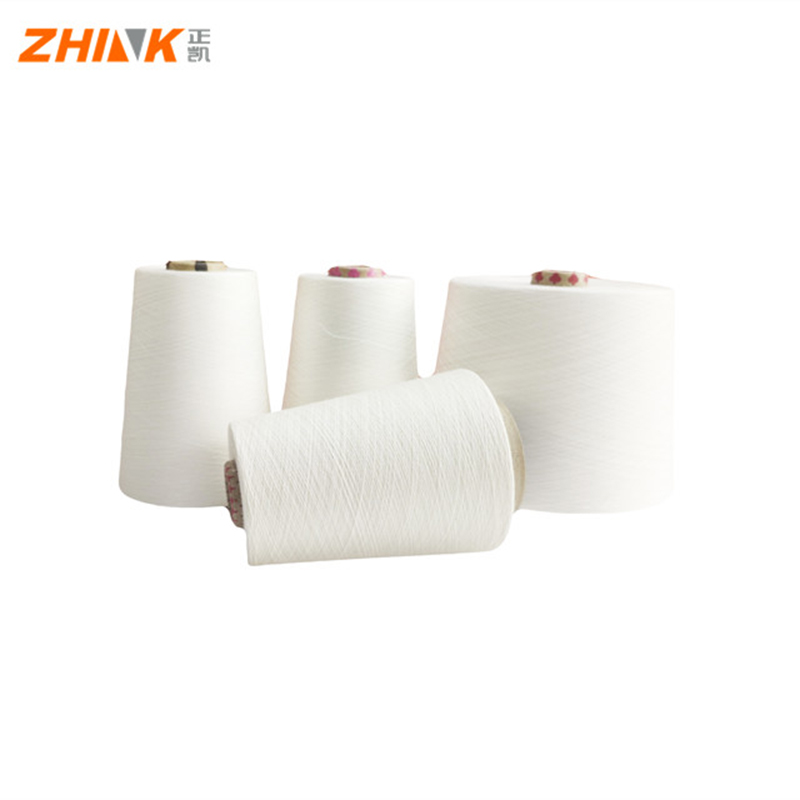
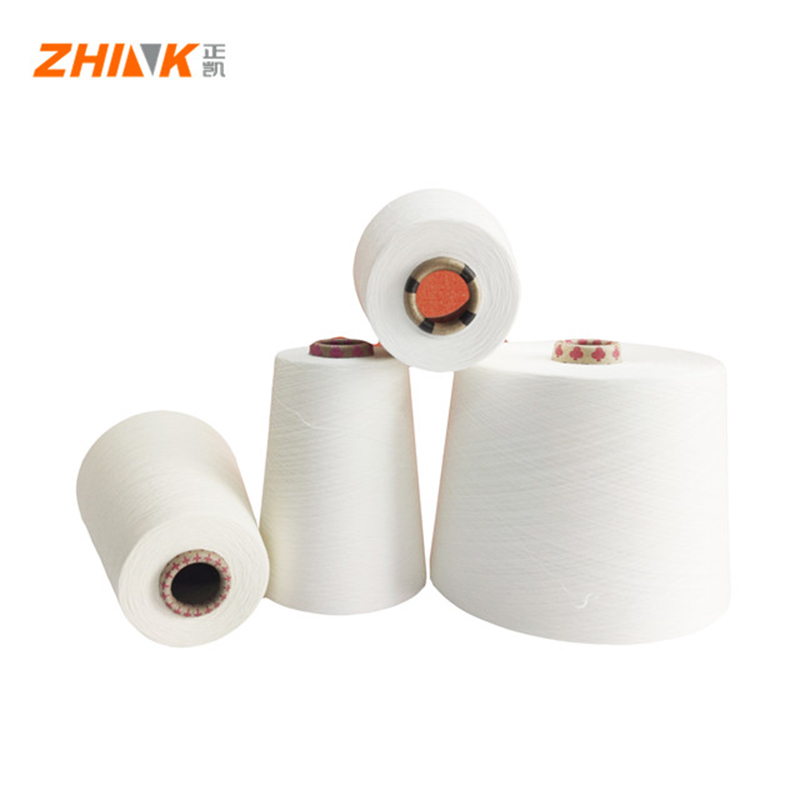
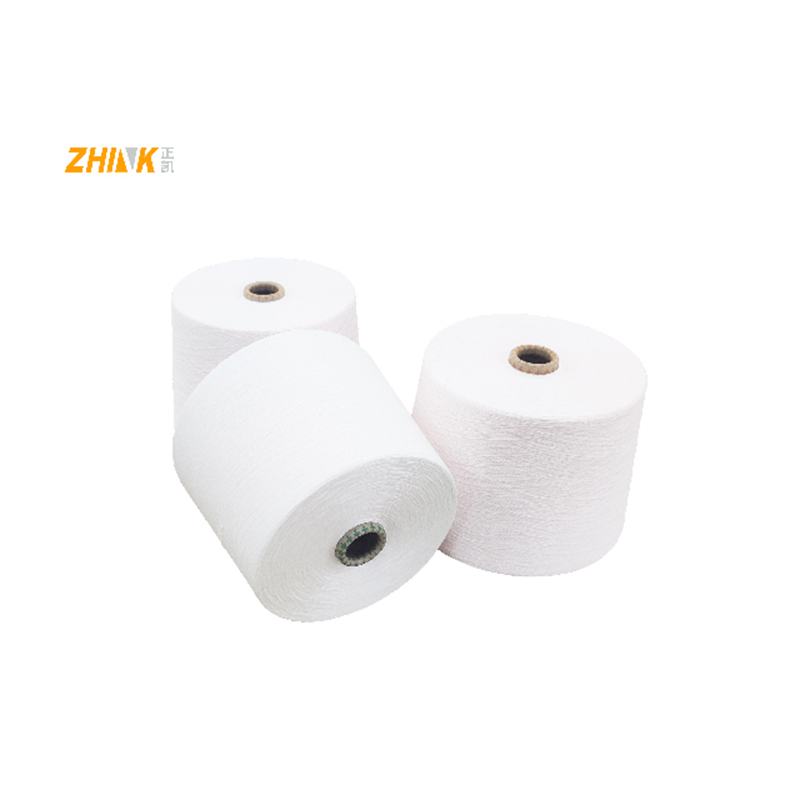
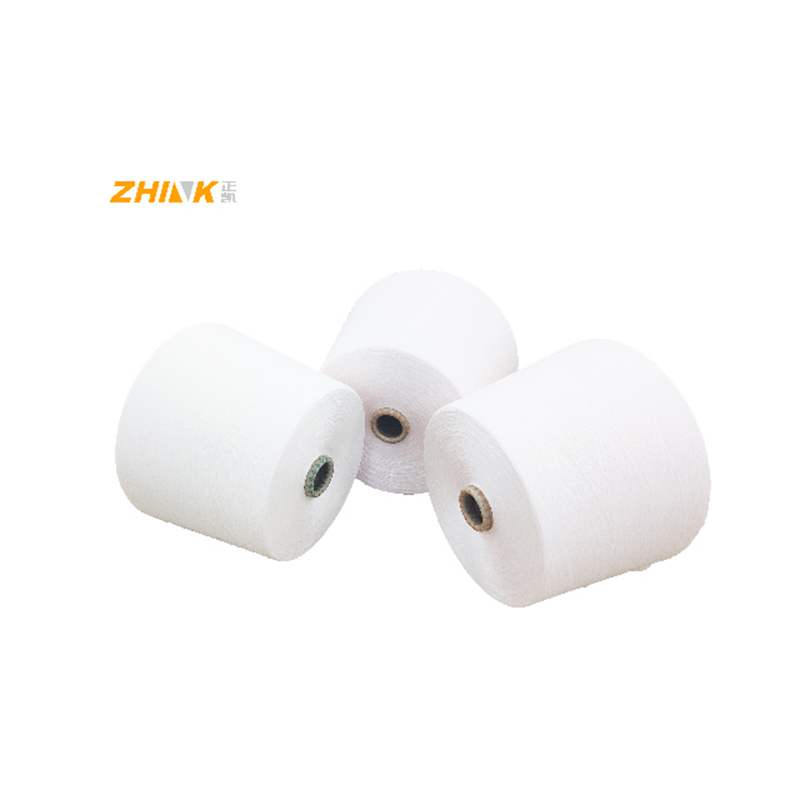
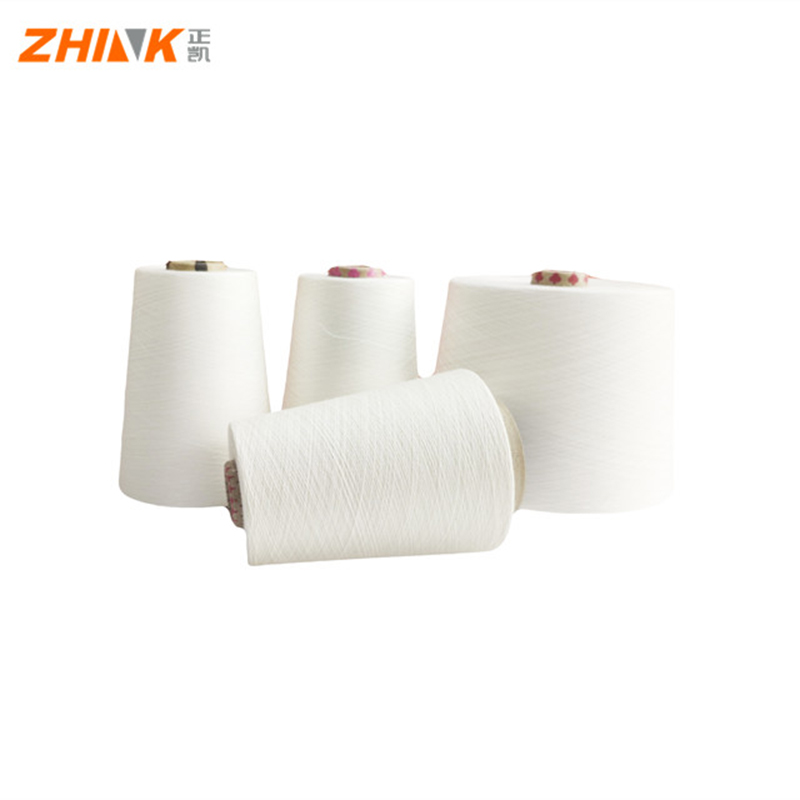
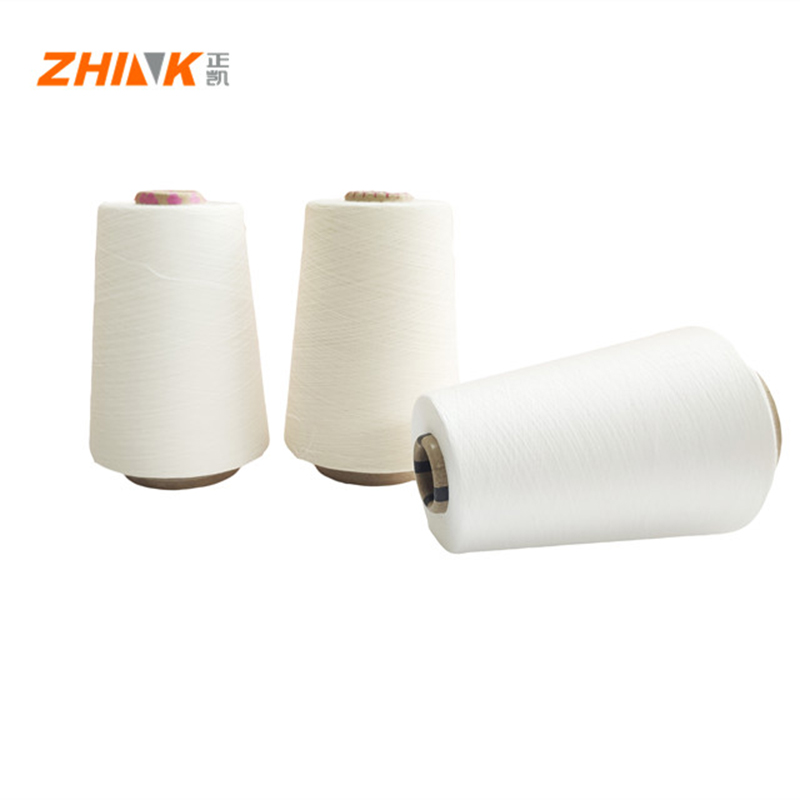
ecovero viscose yarn
The Versatile World of Ecovero Viscose Yarn
Considering the textile industry's evolution, Ecovero viscose yarn stands out for its sustainable properties and functional versatility. Dive into its unique fabric composition, market applications, and the subtle complexities that make it a favorite among eco-conscious manufacturers.
Understanding Ecovero Viscose Yarn
Ecovero viscose yarn isn't just another buzzword in the textile industry. It's a cellulose-based fiber obtained from wood pulp, specifically sourced from sustainable forests. This might sound straightforward, but the intricacies of its production and the stringent environmental standards involved set it apart from conventional viscose.
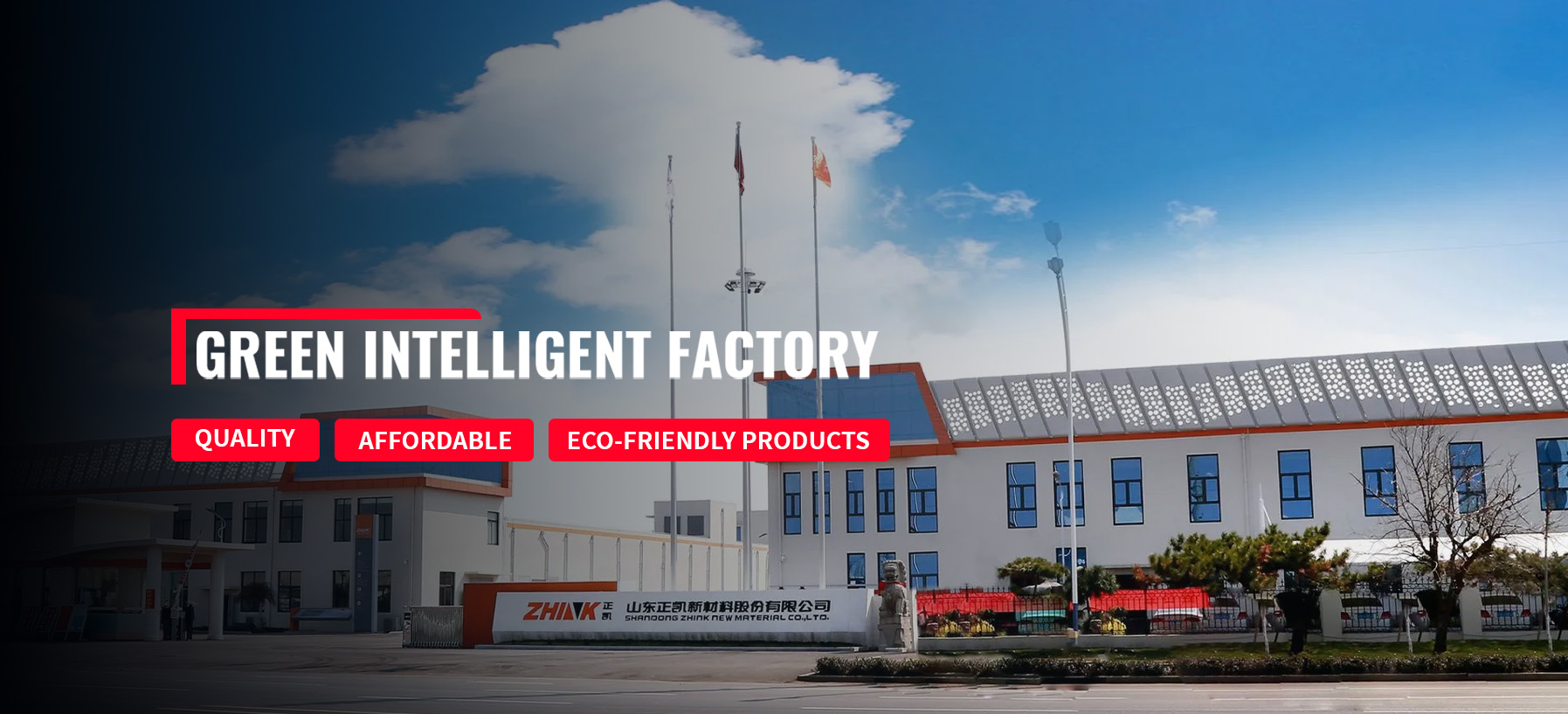
One common misconception is that all viscose is environmentally harmful. But with brands like Lenzing leading the charge, Ecovero has been developed with sustainability at its core — right from raw material procurement to production processes. SHANDONG ZHINK NEW MATERIAL CO., LTD, with its deep-rooted focus on new textile materials, provides crucial insights into these innovative processes.
ZHINK's website, www.zhinkyarn.com, highlights the nuances between Ecovero and its traditional counterparts. The efforts in sustainable production can't be overstated. Yet, achieving this balance between ecological responsibility and product performance is a tightrope walk that few manage well.
The Science Behind the Yarn
Deep diving into how Ecovero's produced offers a glimpse into its value proposition. The yarn is derived from certified renewable sources, undergoing a conscious transformation process. Unlike conventional viscose, Ecovero's production cycle results in 50% lower emissions.
What triggers genuine appreciation, especially for tech-savvy designers, is its ability to combine sustainability with functionality. The yarn is not just soft and durable but also possesses a remarkable affinity for dyes. So, when manufacturing vibrant textiles, there’s no compromise on the vibrancy or the eco-footprint.
These technological strides often challenge traditional misconceptions around synthetic materials. When I first came across Ecovero, like many, I was skeptical. The industry had long leaned towards production efficiencies over eco-concerns, yet here was a material striving to balance both. Visits to advanced production setups, especially those of SHANDONG ZHINK, would often reveal just how feasible this balance was.
Applications in the Real World
You might wonder where Ecovero viscose yarn truly shines. Well, its application is vast, stretching from luxe fashion lines to practical home textiles. It's especially favored in sectors where both aesthetics and environmental footprint matter.
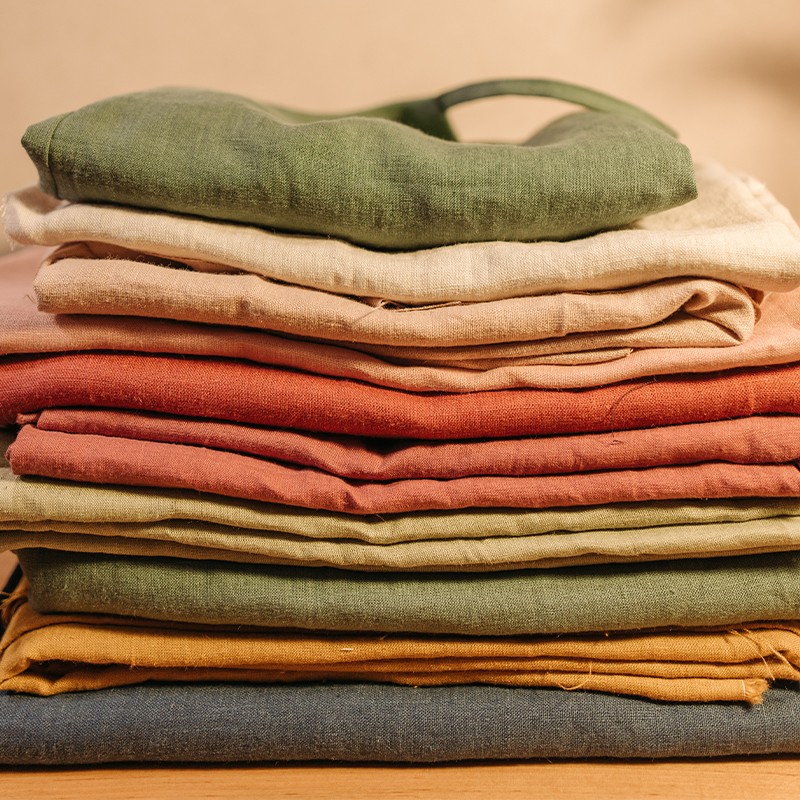
Fashion designers have turned to Ecovero for its sheer versatility in creating flowing dresses, elegant blouses, and even high-stake fashion runways. The yarn’s luxurious drape and comfort boost its appeal, making garments feel as good as they look.
At ZHINK, the innovation doesn’t stop at chic apparel. They’ve ventured into creating advanced industrial textiles, blending functionality with minimal environmental impact. Such developments aren’t transactional; they reflect a holistic approach to the industry's future trajectory.
Challenges on the Path
Of course, committing to eco-friendly materials like Ecovero doesn't come without its set of challenges. Initial cost implications, supply chain modifications, and consumer education are significant hurdles that need navigation.
Many companies find themselves at a crossroads, balancing between legacy production methods and embracing these innovative paths. Yet, those who’ve partnered with specialists, like SHANDONG ZHINK, often note that the long-term benefits overshadow the initial investments.
An interesting anecdote — during one of my consultations with a mid-sized textile firm, they hesitated to pivot entirely toward Ecovero due to perceived market readiness. However, months down the line, consumer demand had shifted, favoring sustainable options, proving timing is often as crucial as the product itself.
The Future of Ecovero in Textiles
Looking ahead, the trajectory of Ecovero viscose yarn appears promising. With increasing global emphasis on sustainable practices, its adoption is expected to grow considerably. Industry partnerships, like those cultivated by ZHINK on their platform, can provide a model for others aiming to venture into sustainable domains.
What's crucial for manufacturers is to stay informed, adaptable, and committed to advancing their material science capabilities. The market's appetite for responsible yet fashionable products isn't a passing trend but an evolving standard.
As with any innovation, the key lies in continual learning and adapting — hallmarks of any successful textile endeavor. Ecovero offers not just an opportunity, but perhaps a responsibility to pave the way for a more sustainable textile industry.
Related Products
Related Products