+86-632-3621866
- Chinese
- French
- German
- Portuguese
- Spanish
- Russian
- Japanese
- Korean
- Arabic
- Irish
- Greek
- Turkish
- Italian
- Danish
- Romanian
- Indonesian
- Czech
- Afrikaans
- Swedish
- Polish
- Basque
- Catalan
- Esperanto
- Hindi
- Lao
- Albanian
- Amharic
- Armenian
- Azerbaijani
- Belarusian
- Bengali
- Bosnian
- Bulgarian
- Cebuano
- Chichewa
- Corsican
- Croatian
- Dutch
- Estonian
- Filipino
- Finnish
- Frisian
- Galician
- Georgian
- Gujarati
- Haitian
- Hausa
- Hawaiian
- Hebrew
- Hmong
- Hungarian
- Icelandic
- Igbo
- Javanese
- Kannada
- Kazakh
- Khmer
- Kurdish
- Kyrgyz
- Latin
- Latvian
- Lithuanian
- Luxembou..
- Macedonian
- Malagasy
- Malay
- Malayalam
- Maltese
- Maori
- Marathi
- Mongolian
- Burmese
- Nepali
- Norwegian
- Pashto
- Persian
- Punjabi
- Serbian
- Sesotho
- Sinhala
- Slovak
- Slovenian
- Somali
- Samoan
- Scots Gaelic
- Shona
- Sindhi
- Sundanese
- Swahili
- Tajik
- Tamil
- Telugu
- Thai
- Ukrainian
- Urdu
- Uzbek
- Vietnamese
- Welsh
- Xhosa
- Yiddish
- Yoruba
- Zulu
- Kinyarwanda
- Tatar
- Oriya
- Turkmen
- Uyghur


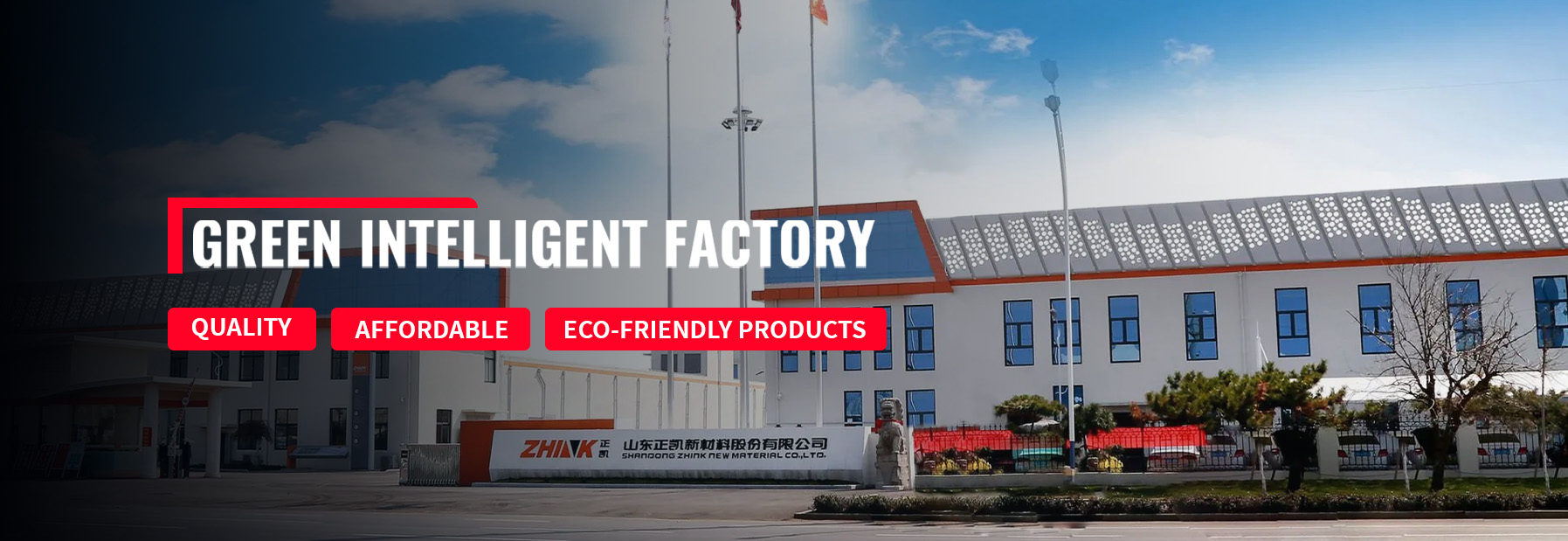
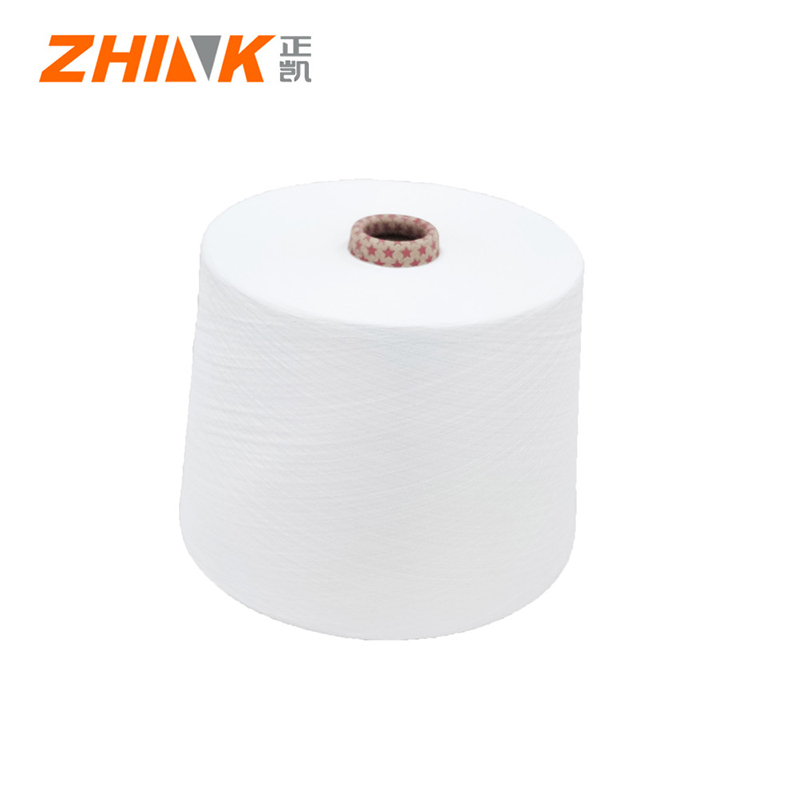
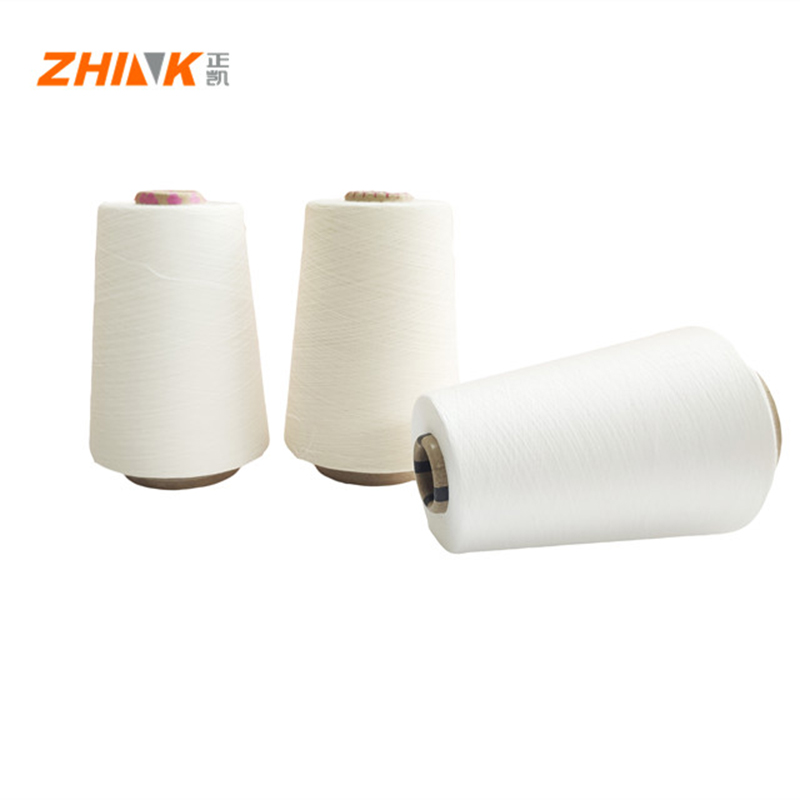
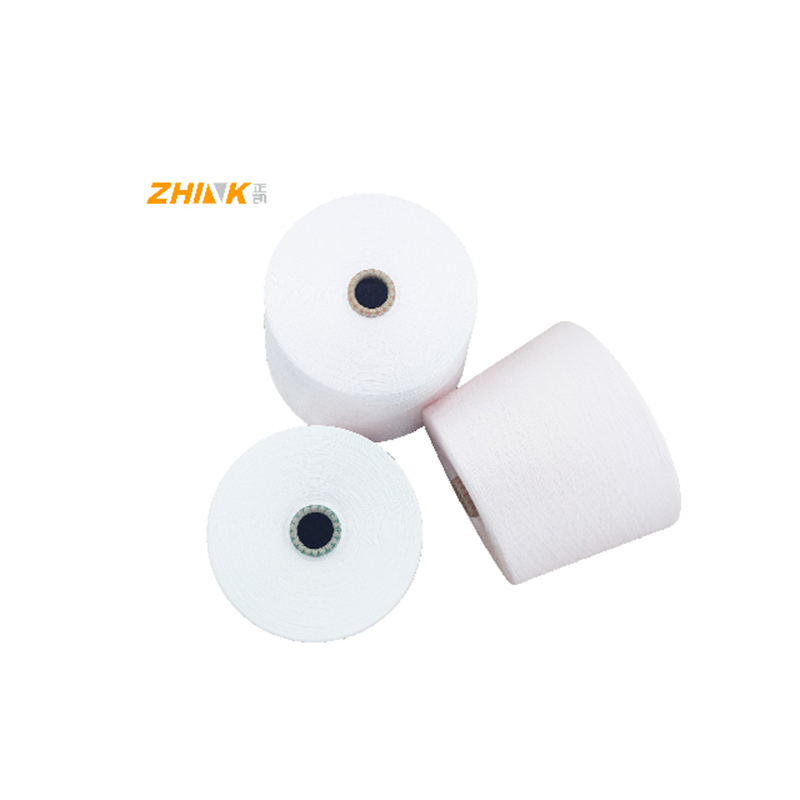
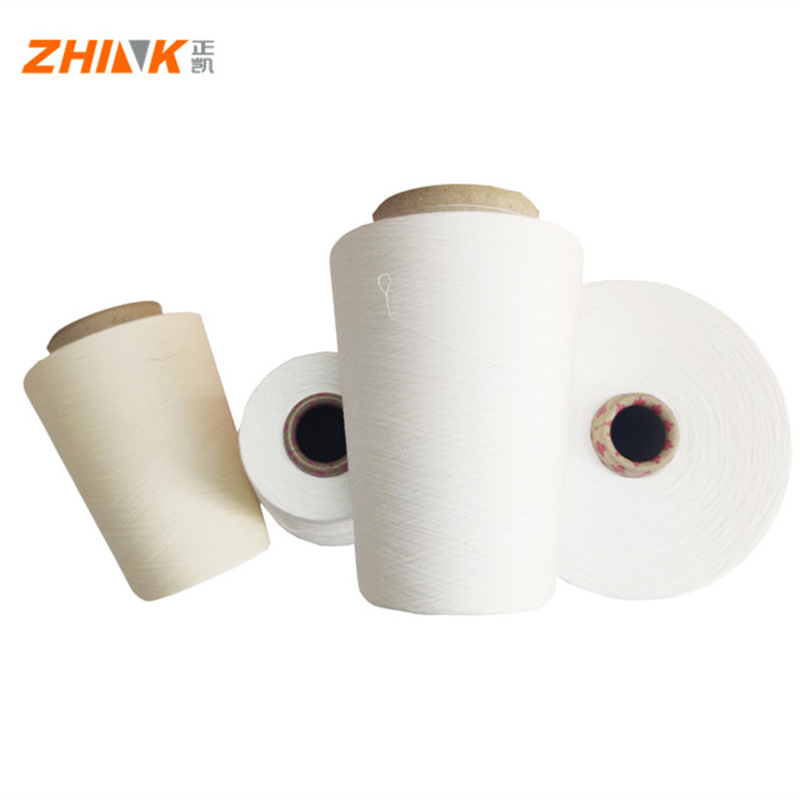
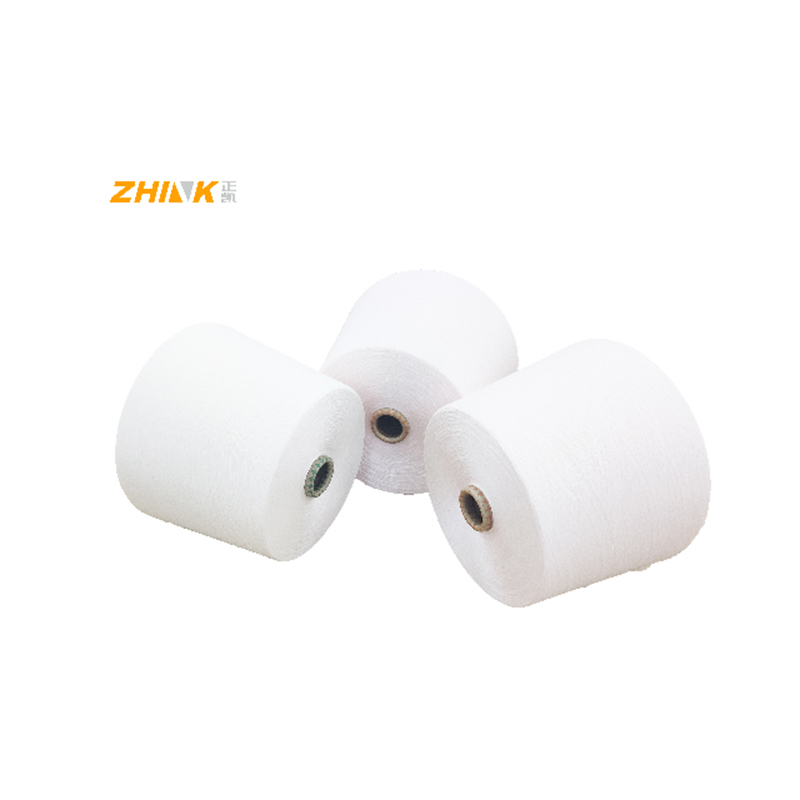
Flame retardant acrylic short fiber yarn
The Potential of Flame Retardant Acrylic Short Fiber Yarn in Modern Textiles
In the fast-evolving textile industry, flame retardant acrylic short fiber yarn stands out as a key innovation. It offers unique benefits and faces distinct challenges that many might overlook. This article delves into its attributes, industry applications, and practical insights drawn from real-world experience.
Understanding Flame Retardant Properties
When it comes to flame retardant materials, the primary objective is safety. These yarns are engineered to self-extinguish, preventing the spread of fire. Sounds straightforward, right? But achieving the right balance between effectiveness and fabric integrity is no small feat. Manufacturers like SHANDONG ZHINK NEW MATERIAL CO., LTD have dedicated extensive research hours to perfect this balance, constantly iterating based on real feedback and field testing.
In my experience, one critical aspect often underestimated is the treatment method. Many believe it’s merely about adding chemicals to the fibers. However, integrating these chemicals without compromising the yarn’s strength or feel requires precise techniques. For instance, during one of my projects, we experimented with various chemical blends to maintain the softness akin to non-treated fibers, a quality crucial for consumer acceptance.
Moreover, environmental impact is another consideration. The industry is gradually moving towards eco-friendly solutions, and flame retardant yarns are no exception. The challenges lie in meeting rigorous safety standards while adhering to environmental regulations. This balance demands constant innovation and adaptation, something Zhink New Material clearly understands, as reflected in their product lines.
Applications in Real-World Scenarios
When we talk about the applications of flame retardant acrylic yarn, the spectrum is broad, ranging from home textiles to advanced industrial fabrics. But beyond the obvious uses in safety gear or public transport upholstery, there’s another layer of interesting applications.
Take the automotive industry, for instance. Here, ensuring passenger safety is a top priority. Integrating flame retardant properties into headliners and seat covers can make a tangible difference during fire incidents. This is where acrylic short fiber yarns shine, providing not only safety but also the durability required in automotive interiors.
I recall a client project aiming to redesign aircraft cabin fabrics. The challenge was to meet aviation standards while maintaining aesthetic appeal. We found that the flexibility and resilience of flame retardant acrylic short fiber yarns were invaluable in achieving that, pushing the boundaries of what's possible in aircraft interior design.
Challenges in Processing and Manufacturing
Despite the promising advantages, processing these fibers isn’t without its hurdles. We’ve noticed that maintaining consistency in the yarn’s properties across different batches can be tricky. This is where the expertise of companies like SHANDONG ZHINK NEW MATERIAL CO., LTD comes into play.
They specialize not only in production but also in the R&D necessary to troubleshoot these issues. For example, process control is critical. Any variation in environmental conditions or raw material quality can significantly impact the final product’s characteristics.
Another practical hurdle is the equipment itself. Not all textile machinery is designed to handle treated fibers effectively. During a factory visit, I observed how adjustments to machinery settings could make a significant difference in the yarn's tensile strength and responsiveness. This level of detail reflects the advanced manufacturing processes at facilities like Zhink New Material.
Market Trends and Consumer Expectations
The market for flame retardant textiles is growing. Consumers today are more informed of safety standards, pushing manufacturers to innovate continuously. The demand isn’t just for functionality but also for comfort and style.
For instance, I’ve noticed a trend towards incorporating stylish designs in flame retardant home textiles. Gone are the days when safety meant compromising aesthetic appeal. With the right combination of dyes and treatments, these yarns cater to the dual demands of safety and style, making them a favorite in residential spaces.
This trend is echoed in the offerings of Zhink New Material, who seem particularly focused on bridging this gap. Their exploration into advanced dyeing techniques highlights their commitment to meeting evolving consumer expectations.
Future Prospects and Innovations
Looking forward, the potential for further innovation in flame retardant acrylic short fiber yarn is immense. The interplay between technology and textile engineering continues to open new doors for improved performance and sustainability.
Nanotechnology, for instance, offers exciting possibilities for enhancements in flame retardancy without the heavy use of chemicals. Though still emerging, this technology represents a future where textiles might self-adapt their properties based on environmental cues.
Ultimately, the success of these innovations hinges on continued collaboration between researchers, manufacturers like SHANDONG ZHINK NEW MATERIAL CO., LTD, and end-users. By fostering these relationships, we can anticipate a safer, more versatile future for textile applications.
Related Products
Related Products