+86-632-3621866
- Chinese
- French
- German
- Portuguese
- Spanish
- Russian
- Japanese
- Korean
- Arabic
- Irish
- Greek
- Turkish
- Italian
- Danish
- Romanian
- Indonesian
- Czech
- Afrikaans
- Swedish
- Polish
- Basque
- Catalan
- Esperanto
- Hindi
- Lao
- Albanian
- Amharic
- Armenian
- Azerbaijani
- Belarusian
- Bengali
- Bosnian
- Bulgarian
- Cebuano
- Chichewa
- Corsican
- Croatian
- Dutch
- Estonian
- Filipino
- Finnish
- Frisian
- Galician
- Georgian
- Gujarati
- Haitian
- Hausa
- Hawaiian
- Hebrew
- Hmong
- Hungarian
- Icelandic
- Igbo
- Javanese
- Kannada
- Kazakh
- Khmer
- Kurdish
- Kyrgyz
- Latin
- Latvian
- Lithuanian
- Luxembou..
- Macedonian
- Malagasy
- Malay
- Malayalam
- Maltese
- Maori
- Marathi
- Mongolian
- Burmese
- Nepali
- Norwegian
- Pashto
- Persian
- Punjabi
- Serbian
- Sesotho
- Sinhala
- Slovak
- Slovenian
- Somali
- Samoan
- Scots Gaelic
- Shona
- Sindhi
- Sundanese
- Swahili
- Tajik
- Tamil
- Telugu
- Thai
- Ukrainian
- Urdu
- Uzbek
- Vietnamese
- Welsh
- Xhosa
- Yiddish
- Yoruba
- Zulu
- Kinyarwanda
- Tatar
- Oriya
- Turkmen
- Uyghur


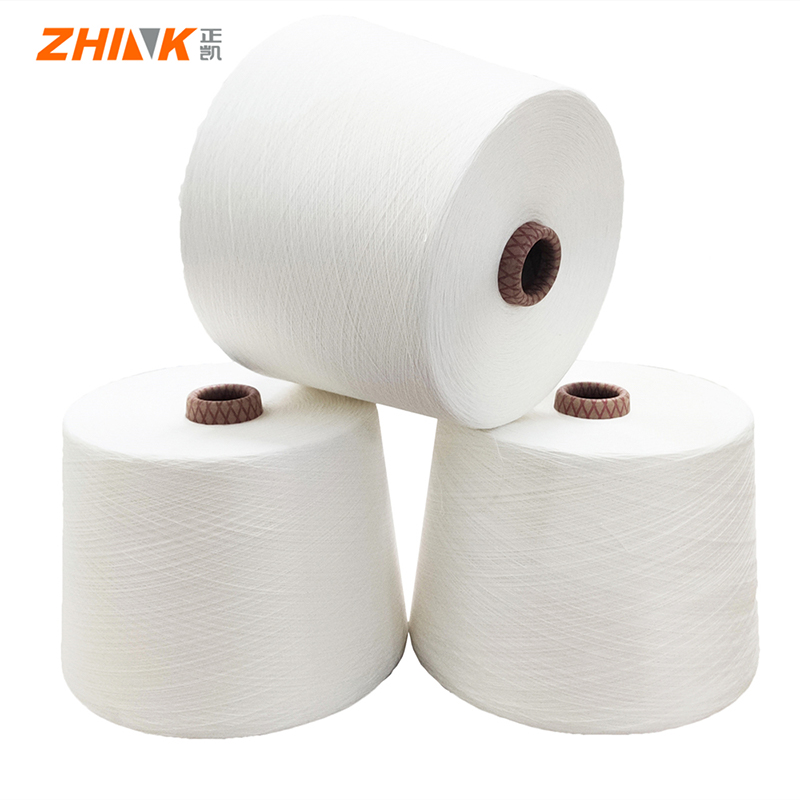
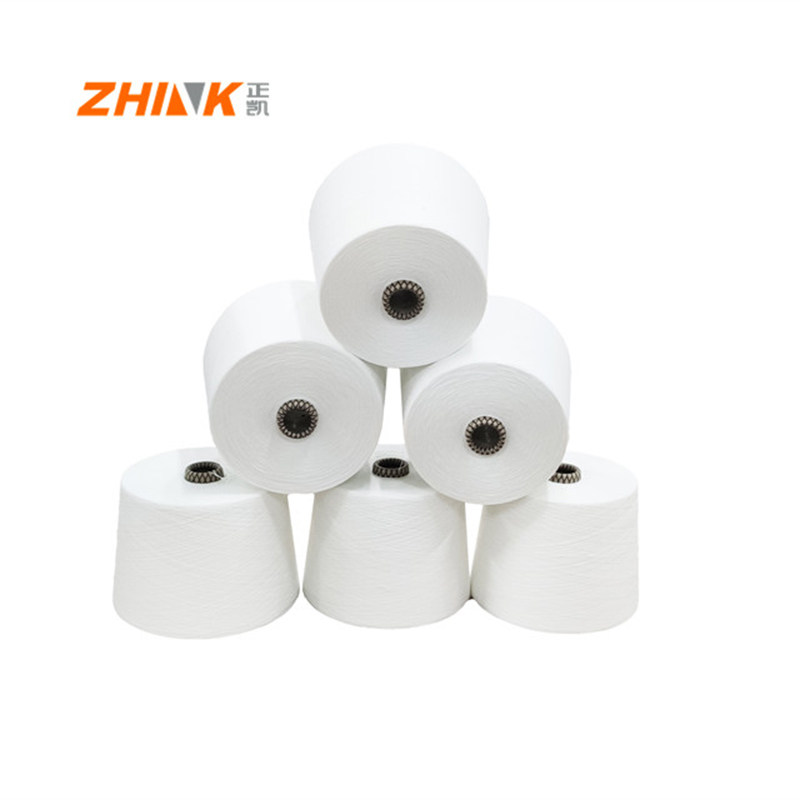
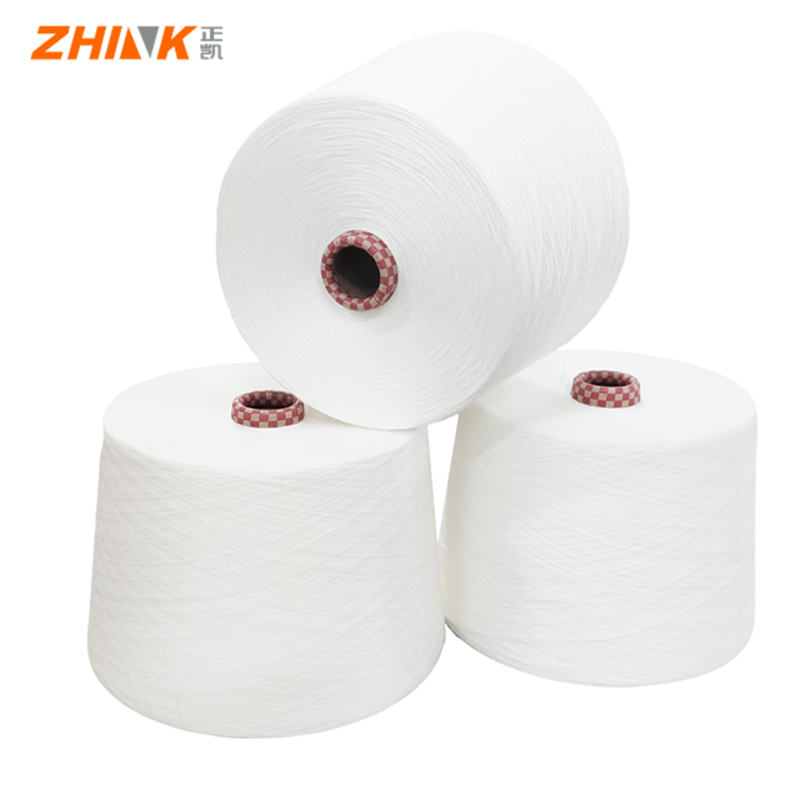
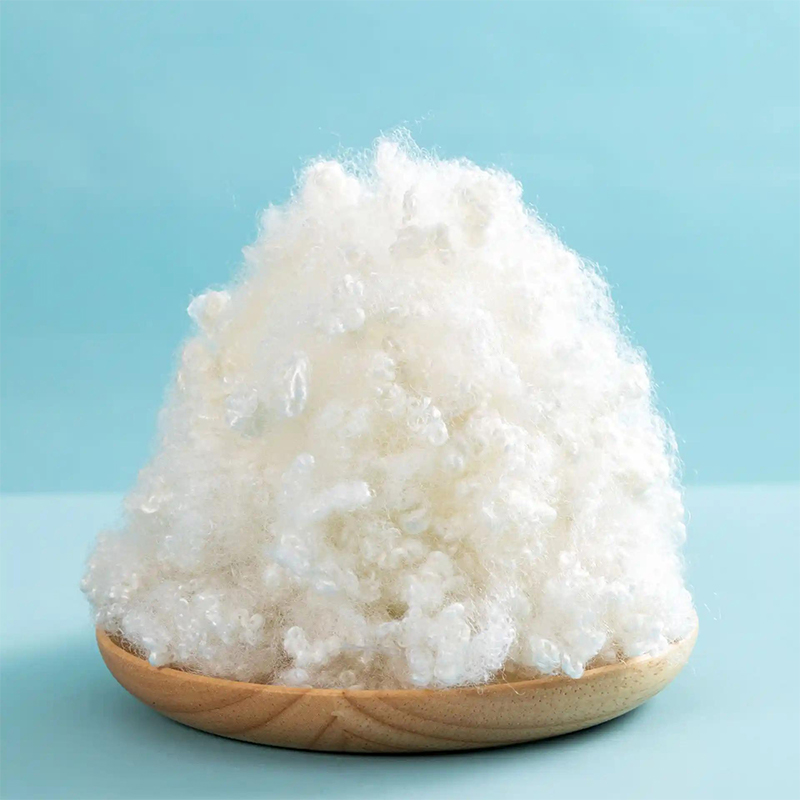
Flame retardant acrylic staple fiber yarn
Understanding Flame Retardant Acrylic Staple Fiber Yarn
Flame retardant acrylic staple fiber yarn might not be the first topic you think of when discussing textile innovations, yet it plays a critical role in the industry. From offering safety in apparel to innovation in home textiles, its significance is both broad and specific. But how exactly does it work, and what should industry insiders be aware of?
The Basics of Flame Retardant Yarn
Most people overlook the technical aspects of flame retardant fabrics. These yarns are engineered to resist ignition and prevent flames from spreading. The primary focus has been on safety, especially in environments with a higher risk of fire. The critical element here is the ability to blend safety with functionality, which is where flame retardant acrylic staple fiber yarn excels.
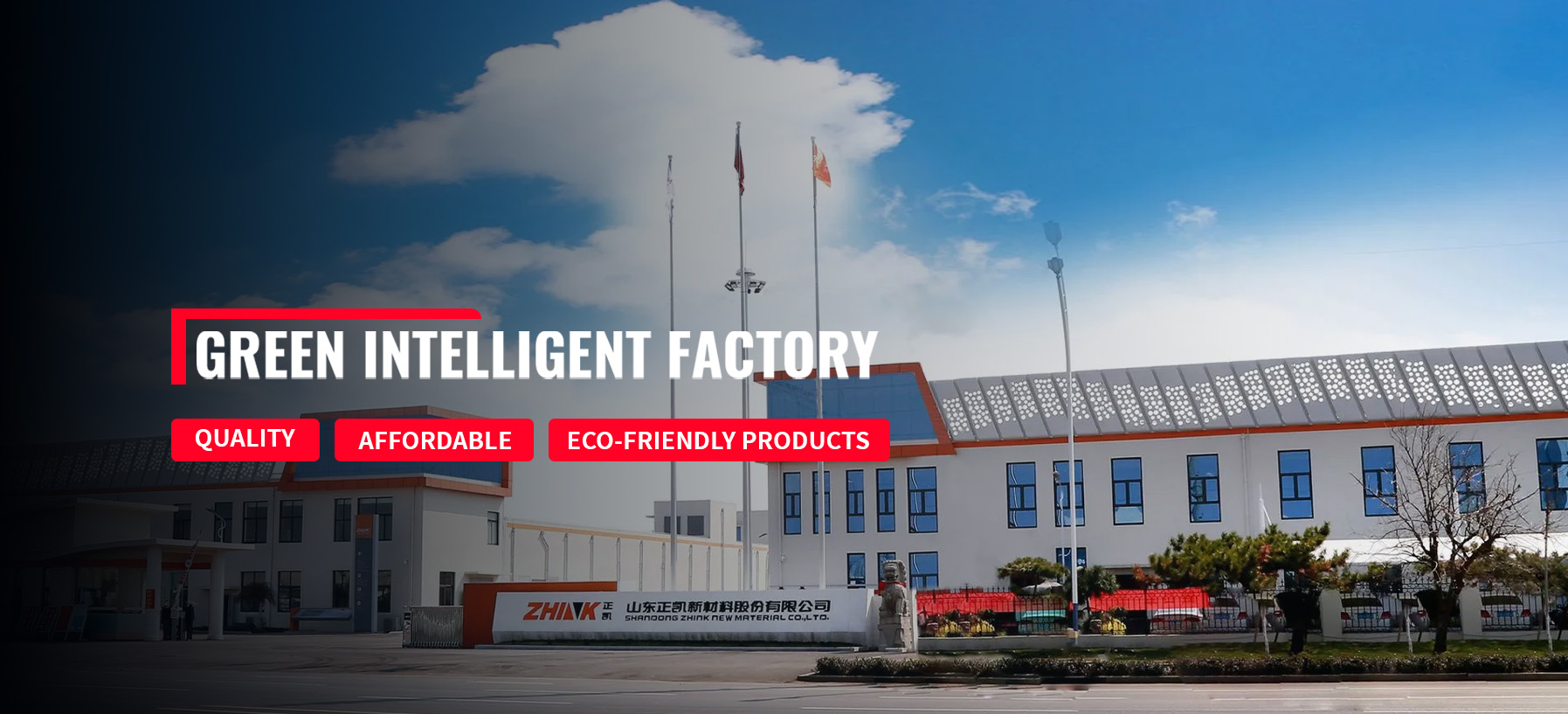
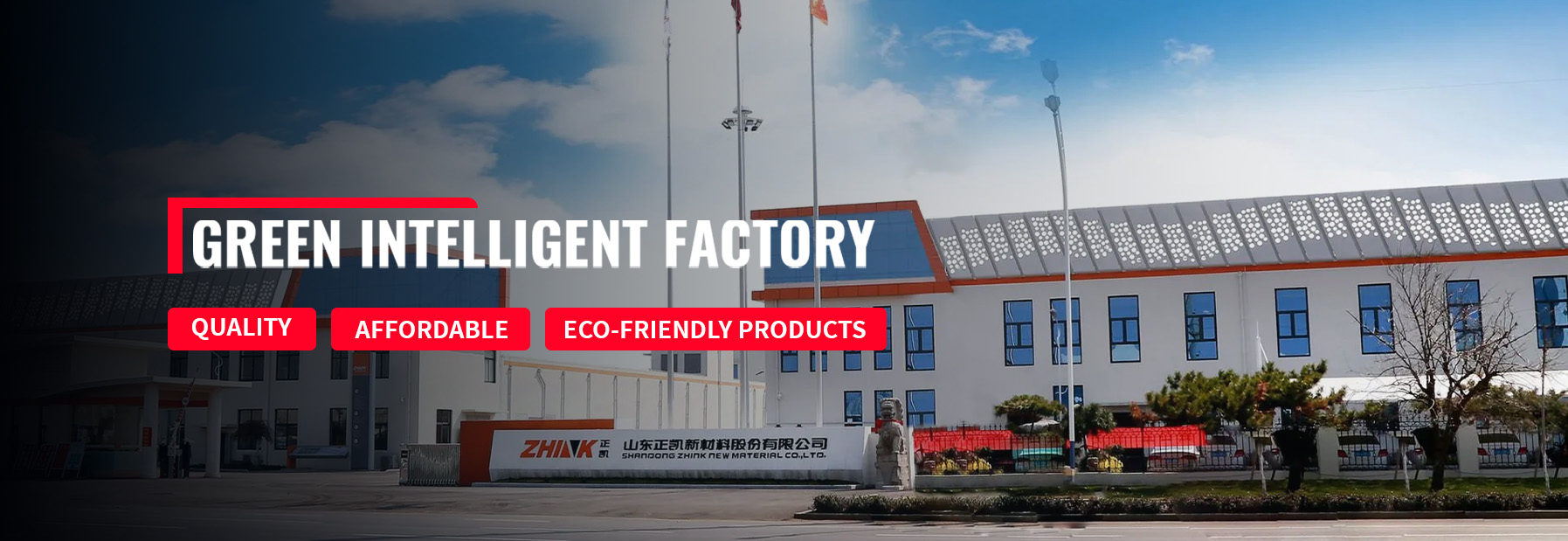
Now, let's break down the production process a bit. Companies like SHANDONG ZHINK NEW MATERIAL CO., LTD, found at their website, are at the forefront. They specialize in new textile materials, and their approach combines rigorous R&D with practical application. What’s particularly interesting is their method of integrating flame retardant properties without compromising the fabric's overall quality.
However, achieving this balance isn’t without its challenges. There’s always the trade-off between durability, cost, and the level of flame resistance needed. This is where experience comes into play. One common misconception is that all flame retardant fibers are essentially the same. The truth is, variations in acrylic compositions can significantly affect the outcome, making expertise crucial.
Real-world Applications
In practice, these yarns find their way into numerous applications. From protective clothing used by first responders to fabrics in public spaces like hotels and theaters, the range is vast. The balance of textile properties remains a key consideration. Too stiff, and the material becomes unwearable; too soft, and it might not provide enough protection.
At SHANDONG ZHINK NEW MATERIAL CO., LTD, the emphasis is on innovation, which often involves trial and error. Sometimes, a blend works flawlessly on paper but doesn’t perform as expected in real-world conditions. These insights are invaluable and shape future projects, ensuring that new products not only meet safety standards but are also practical.
It's also worth noting the environmental impact. As the industry pushes for sustainable practices, incorporating eco-friendly processes into creating flame retardant acrylic staple fiber yarn is an ongoing challenge that company like Zhink takes seriously.
Quality Control and Industry Standards
Quality control is crucial in this field. Given the safety implications, maintaining high standards is non-negotiable. Industry standards offer a baseline, but leading companies often go above these requirements. In-house testing, alongside third-party validation, ensures that products remain reliable.
For instance, SHANDONG ZHINK NEW MATERIAL CO., LTD. utilizes state-of-the-art testing facilities. On their website, you can find resources detailing their compliance with both local and international safety certifications. This not only guarantees product quality but also reassures clients of their commitment to safety.
Such rigorous quality assurance processes can sometimes be resource-intensive but pay off by building customer trust and long-term relationships.
Challenges and Innovations
Of course, the journey isn’t without its hurdles. Innovations in flame retardant fibers often run into unforeseen complications. Whether it's the unexpected interaction of chemicals or the shifting demands of the market, adaptability is key. Companies like Zhink pride themselves on their ability to pivot quickly and effectively in response to these challenges.
One major challenge is the constant demand for lightweight yet effective materials. Consumers want protection without the bulk, a request that pushes the limits of current fiber technology. It's a continuous balancing act that keeps professionals in the field on their toes.
And then, there’s the ever-present push towards value addition. Customers look beyond just fire resistance—durability, comfort, and cost are all factors that come into play, and it's all about delivering more for less.
Looking Ahead in the Industry
The future of flame retardant acrylic staple fiber yarn looks promising. With continuous advancements in material science, the gap between protection and comfort is narrowing. As manufacturers grow more adept at utilizing nanotechnology and composite materials, the possibilities seem endless.
For organizations like SHANDONG ZHINK NEW MATERIAL CO., LTD, it's about staying at the cutting edge. By actively engaging in research and development, they aim to lead the industry, setting trends rather than following them. They provide a unique glimpse into where the sector is heading, underscoring the importance of both innovation and tradition.
The journey of flame retardant yarns is a testament to how the textile industry continues to evolve in response to both challenges and opportunities, a journey that promises to remain as dynamic as it is critical.
Related Products
Related Products