+86-632-3621866
- Chinese
- French
- German
- Portuguese
- Spanish
- Russian
- Japanese
- Korean
- Arabic
- Irish
- Greek
- Turkish
- Italian
- Danish
- Romanian
- Indonesian
- Czech
- Afrikaans
- Swedish
- Polish
- Basque
- Catalan
- Esperanto
- Hindi
- Lao
- Albanian
- Amharic
- Armenian
- Azerbaijani
- Belarusian
- Bengali
- Bosnian
- Bulgarian
- Cebuano
- Chichewa
- Corsican
- Croatian
- Dutch
- Estonian
- Filipino
- Finnish
- Frisian
- Galician
- Georgian
- Gujarati
- Haitian
- Hausa
- Hawaiian
- Hebrew
- Hmong
- Hungarian
- Icelandic
- Igbo
- Javanese
- Kannada
- Kazakh
- Khmer
- Kurdish
- Kyrgyz
- Latin
- Latvian
- Lithuanian
- Luxembou..
- Macedonian
- Malagasy
- Malay
- Malayalam
- Maltese
- Maori
- Marathi
- Mongolian
- Burmese
- Nepali
- Norwegian
- Pashto
- Persian
- Punjabi
- Serbian
- Sesotho
- Sinhala
- Slovak
- Slovenian
- Somali
- Samoan
- Scots Gaelic
- Shona
- Sindhi
- Sundanese
- Swahili
- Tajik
- Tamil
- Telugu
- Thai
- Ukrainian
- Urdu
- Uzbek
- Vietnamese
- Welsh
- Xhosa
- Yiddish
- Yoruba
- Zulu
- Kinyarwanda
- Tatar
- Oriya
- Turkmen
- Uyghur


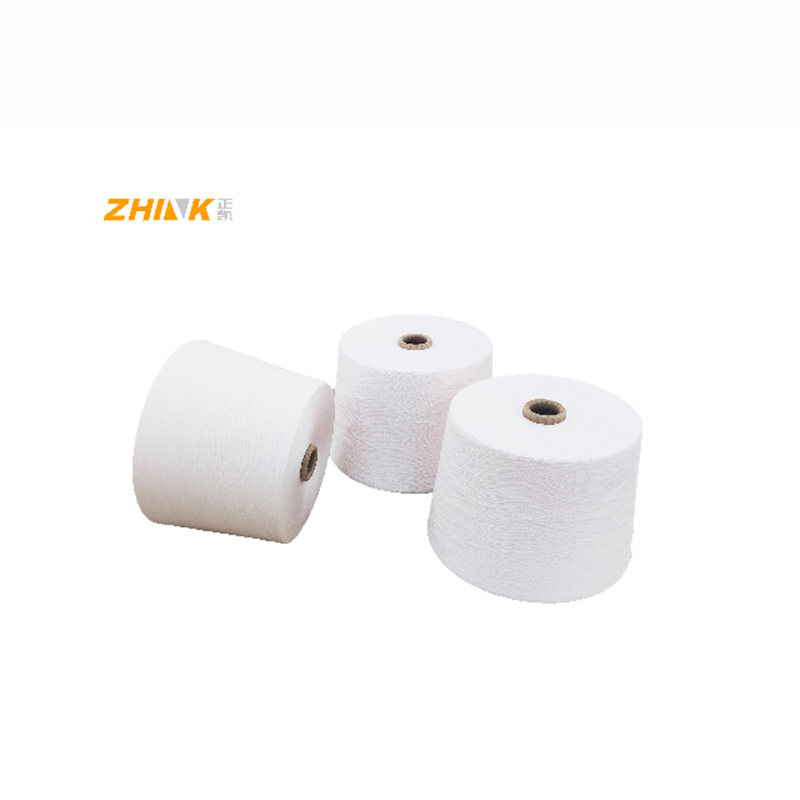
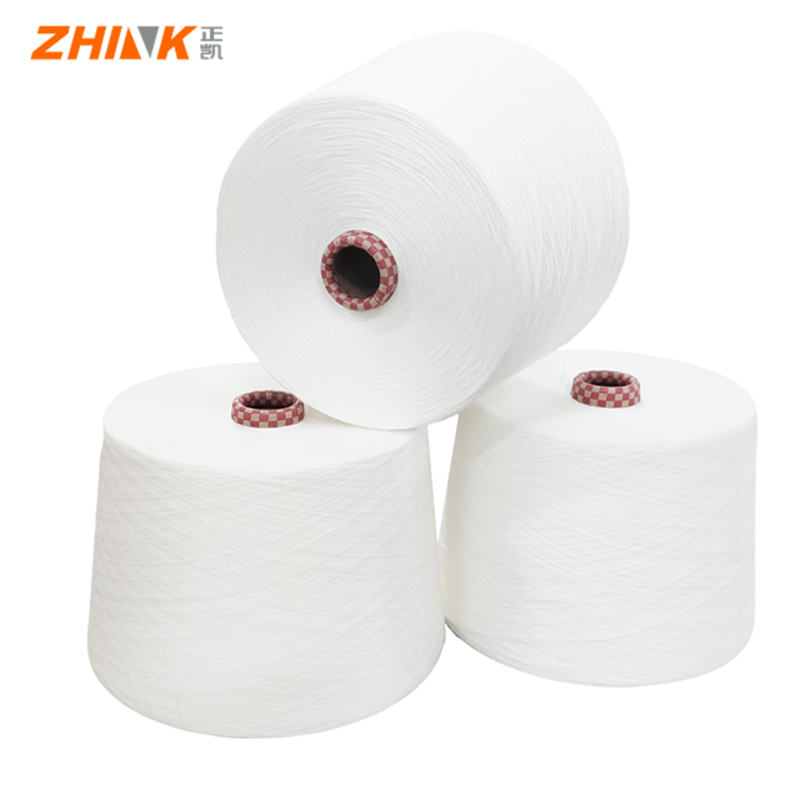
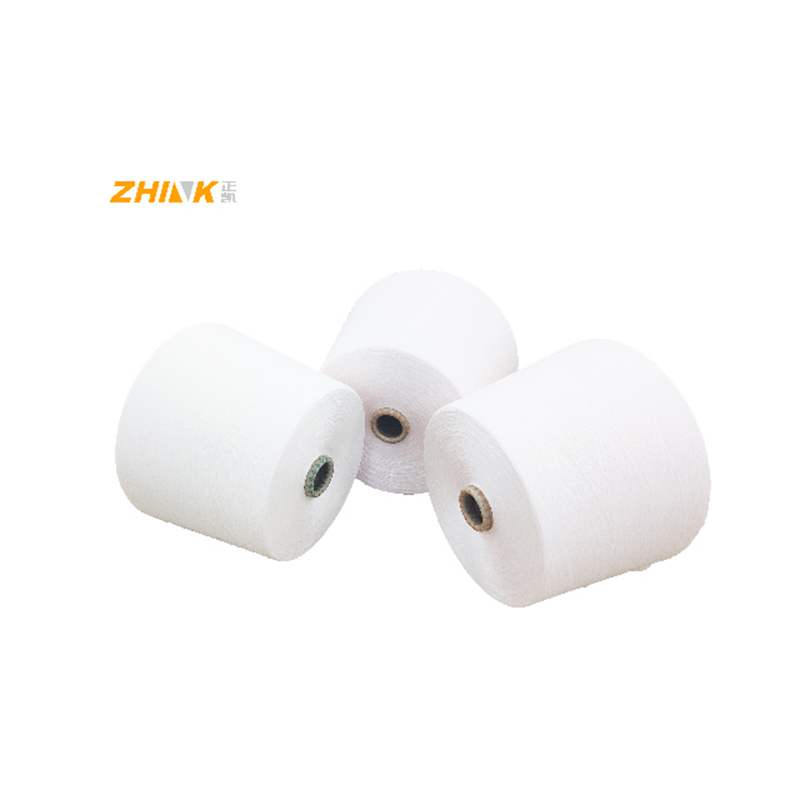
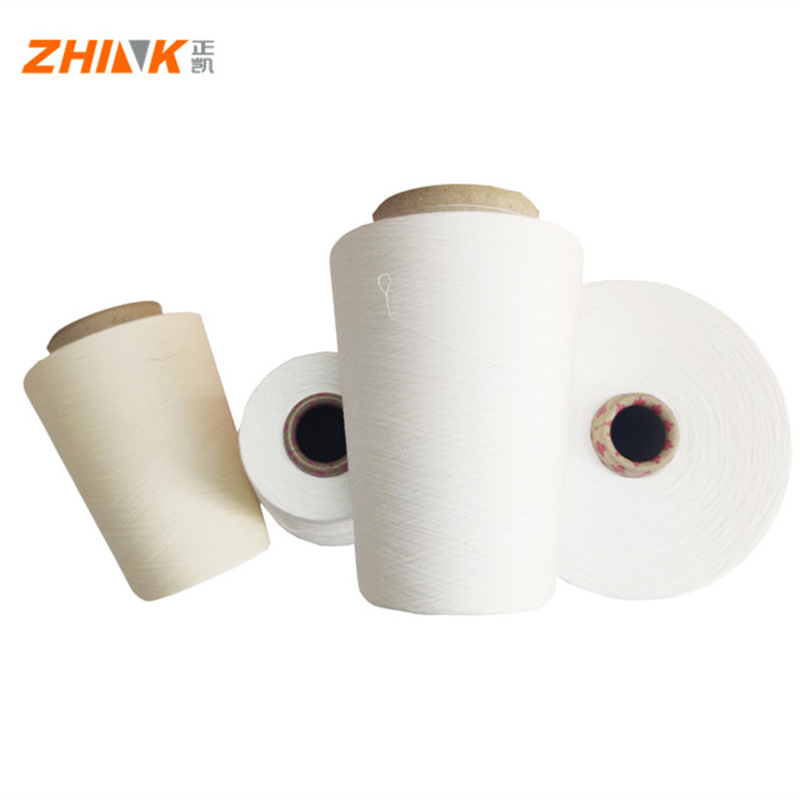
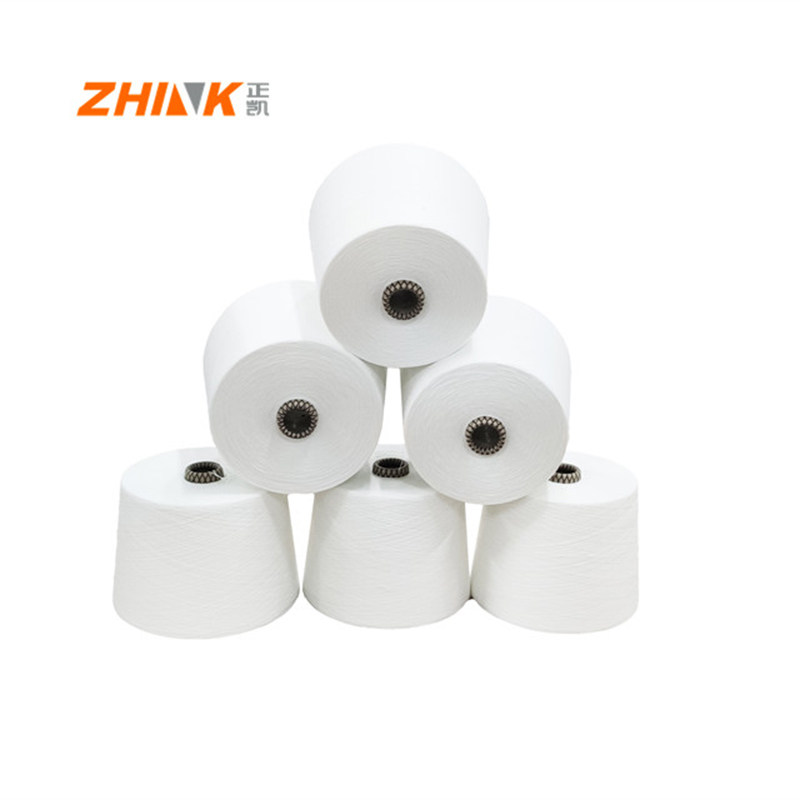
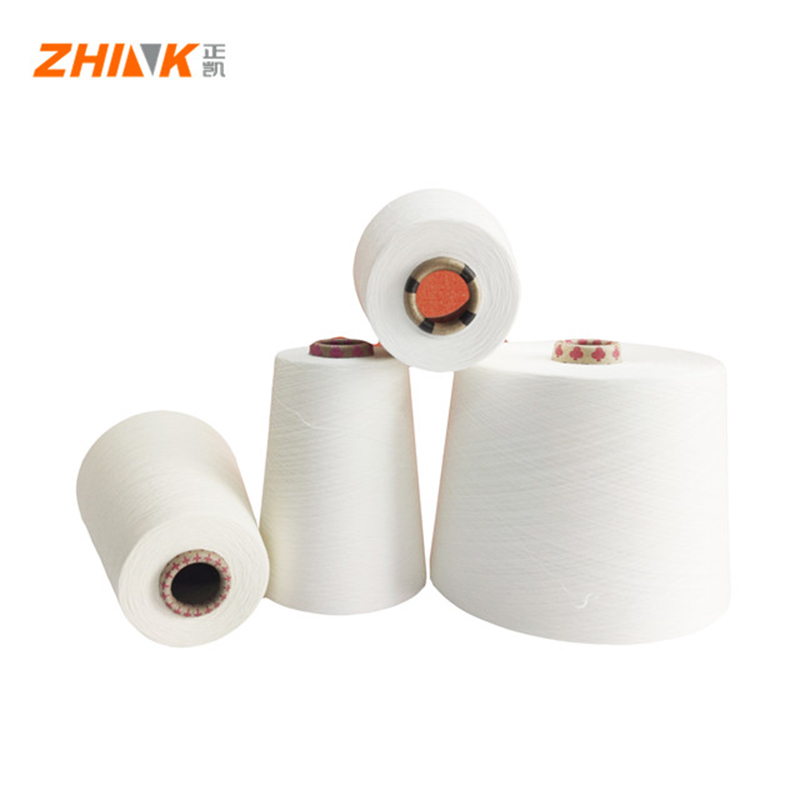
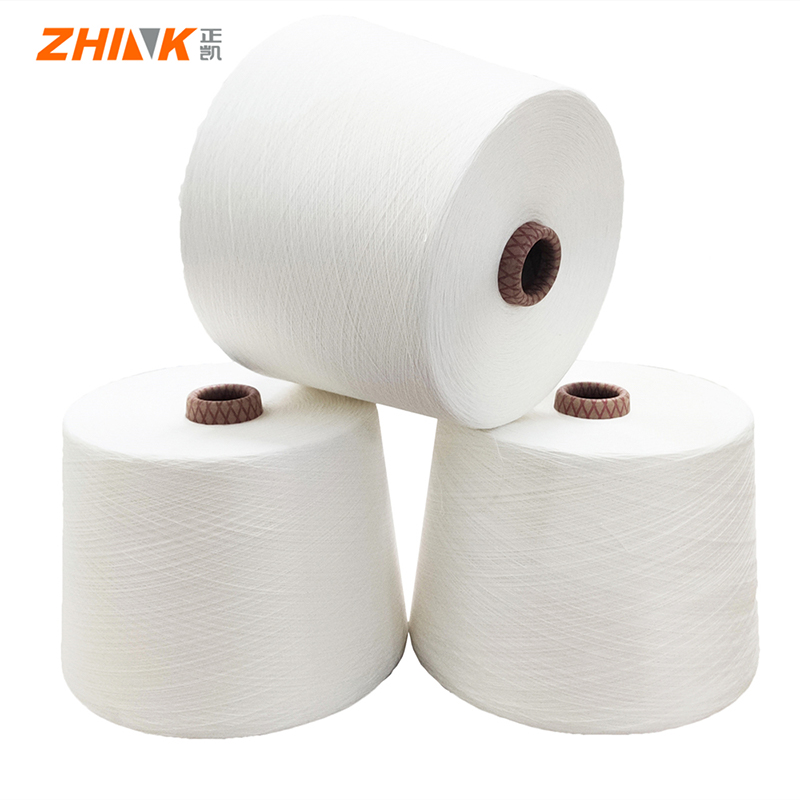
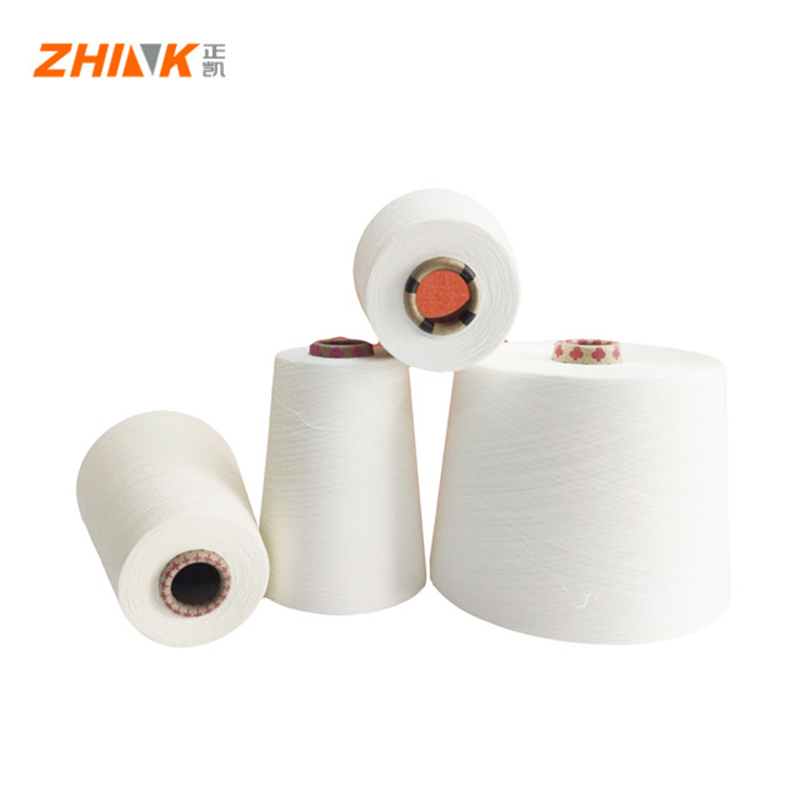
Flame retardant acrylic TFO yarn
Understanding the Ins and Outs of Flame Retardant Acrylic TFO Yarn
Flame retardant acrylic TFO yarn might sound like a specialized niche, but its applications and implications are far-reaching. The journey to perfecting this material isn't as straightforward as one might think. Here's a dive into the world where technology meets safety—crafted from a tapestry of trial, error, and practical know-how.
What Actually Makes Yarn Flame Retardant?
First off, it's essential to understand what gives flame retardant acrylic its unique characteristics. The process involves incorporating chemical additives that respond to heat in a specific way. But here's the catch: it's not just about dumping chemicals into the mix. Compatibility, proportions, and even the manufacturing environment can affect the final product.
In my experience, one common hiccup is the false assumption that more chemical means better performance. The real art lies in finding that sweet spot where safety, pliability, and cost meet. When working with clients at SHANDONG ZHINK NEW MATERIAL CO., LTD, we often emphasize balancing these factors. It's not just about safety codes; it’s about usability too.
This balance is where the magic happens. Sometimes lighter compositions can outperform their heavily-laden counterparts. That's not always intuitive, so testing becomes crucial. You can dive more into our approach on this via our website, here.
The Role of TFO Twisting in Yarn Production
Two-for-One (TFO) twisting is often misunderstood, sometimes even by those entrenched in the textile industry. It’s not just a technical term; TFO directly affects yarn strength, weight, and consistency. So, why do we care about it so much in acrylic TFO yarn? The answer lies in the interplay between mechanical strength and flame resistance.
TFO twisting impacts density, which in turn can influence how effectively the flame retardant works. Dense yarns might seem safer, but they sometimes trap more heat. On the flip side, too loose a twist can affect cloth durability. At Zhink New Material, our trials have shown that often, a medium-twist combines the best of both worlds.
Finding that balance requires expertise and sometimes old-fashioned intuition, qualities our team has developed over years. It's this nuanced understanding that often sets apart a great product from a good one.
Lessons Learned from Field Failures
Failures in the field? Absolutely, they’re a rich part of learning. I remember an early batch where the yarn turned out too brittle, a classic case of overly aggressive chemical use. It led to a reevaluation and, to be honest, a lesson in humility. It pushed us to revisit our methods and understand rather than assume customer needs.
Through tough lessons, we found that customers often prioritize consistent performance over experimental edge cases. Walk before you run, they say, and that wisdom guided us through subsequent designs which have been markedly successful.
If anything, these missteps underscore the importance of aligning technical capabilities with realistic applications. This alignment is something we are continually fine-tuning at SHANDONG ZHINK NEW MATERIAL CO., LTD. You can explore more of our insights and offerings at our site.
Practical Considerations in Manufacturing
In the manufacturing world, theory and practice often diverge. The best designs sometimes refuse to scale, and unforeseen challenges pop up. Automation could introduce efficiencies but might miss nuances identifiable only to a skilled eye. It's why, despite advances, I still trust experienced hands-on review in crucial stages of producing flame retardant acrylic yarn.
The other day, we encountered a supply chain hiccup with an additive, leading to slight delays. Sounds run-of-the-mill, but here, it taught us about contingency planning. Having multiple reliable suppliers isn’t just prudent—it’s vital.
This adaptability keeps things flowing smoothly, ensuring that our production not only meets quantity targets but maintains quality. You can learn more about our robust production processes by visiting our online resources.
The Future Trends and Emerging Technologies
Advancements in textile technologies suggest promising evolutions ahead. New non-toxic additives are under development, aiming to enhance the safety profile of acrylic TFO yarn. These will impact regulatory standards, consumer preferences, and industry competition.
When engaging in brainstorming at Zhink New Material, we're constantly looking for what’s next. Eco-friendly solutions that don’t compromise on effectiveness are on the horizon. Navigating this requires staying updated with tech advances while keeping a finger on the pulse of market demands.
In the end, flame retardant yarn isn’t just a product; it’s a continually evolving craft, intertwined with environmental, economic, and social dimensions. Keep an eye on our updates for the latest innovations in this field.
Related Products
Related Products