+86-632-3621866
- Chinese
- French
- German
- Portuguese
- Spanish
- Russian
- Japanese
- Korean
- Arabic
- Irish
- Greek
- Turkish
- Italian
- Danish
- Romanian
- Indonesian
- Czech
- Afrikaans
- Swedish
- Polish
- Basque
- Catalan
- Esperanto
- Hindi
- Lao
- Albanian
- Amharic
- Armenian
- Azerbaijani
- Belarusian
- Bengali
- Bosnian
- Bulgarian
- Cebuano
- Chichewa
- Corsican
- Croatian
- Dutch
- Estonian
- Filipino
- Finnish
- Frisian
- Galician
- Georgian
- Gujarati
- Haitian
- Hausa
- Hawaiian
- Hebrew
- Hmong
- Hungarian
- Icelandic
- Igbo
- Javanese
- Kannada
- Kazakh
- Khmer
- Kurdish
- Kyrgyz
- Latin
- Latvian
- Lithuanian
- Luxembou..
- Macedonian
- Malagasy
- Malay
- Malayalam
- Maltese
- Maori
- Marathi
- Mongolian
- Burmese
- Nepali
- Norwegian
- Pashto
- Persian
- Punjabi
- Serbian
- Sesotho
- Sinhala
- Slovak
- Slovenian
- Somali
- Samoan
- Scots Gaelic
- Shona
- Sindhi
- Sundanese
- Swahili
- Tajik
- Tamil
- Telugu
- Thai
- Ukrainian
- Urdu
- Uzbek
- Vietnamese
- Welsh
- Xhosa
- Yiddish
- Yoruba
- Zulu
- Kinyarwanda
- Tatar
- Oriya
- Turkmen
- Uyghur



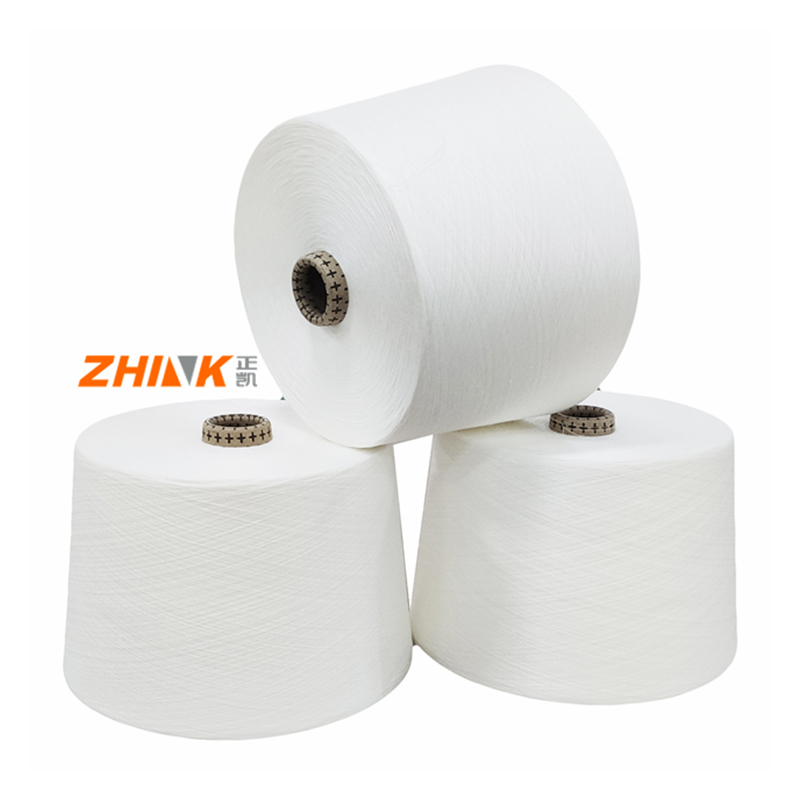
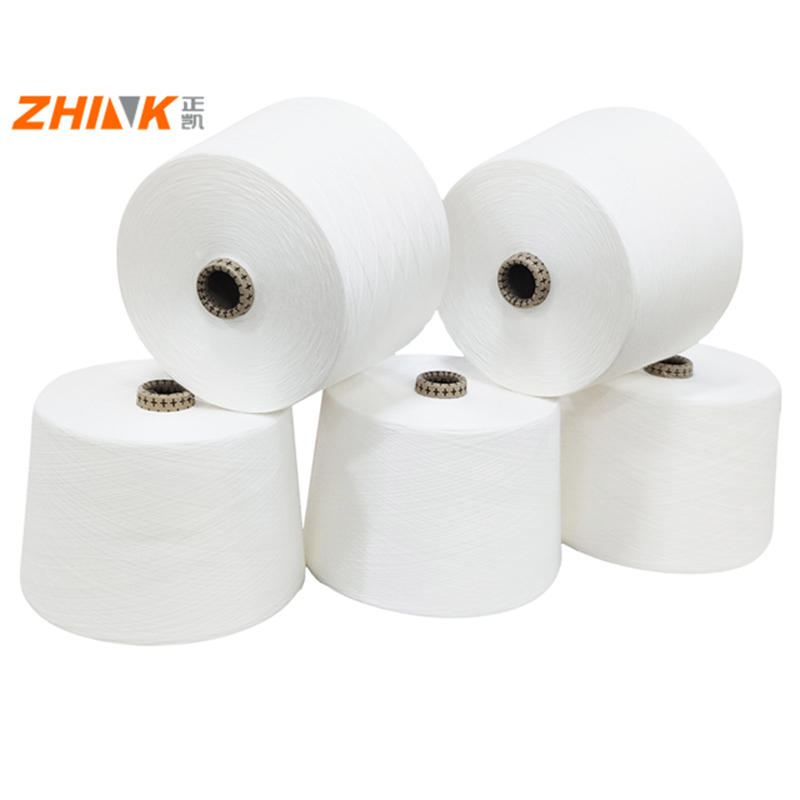
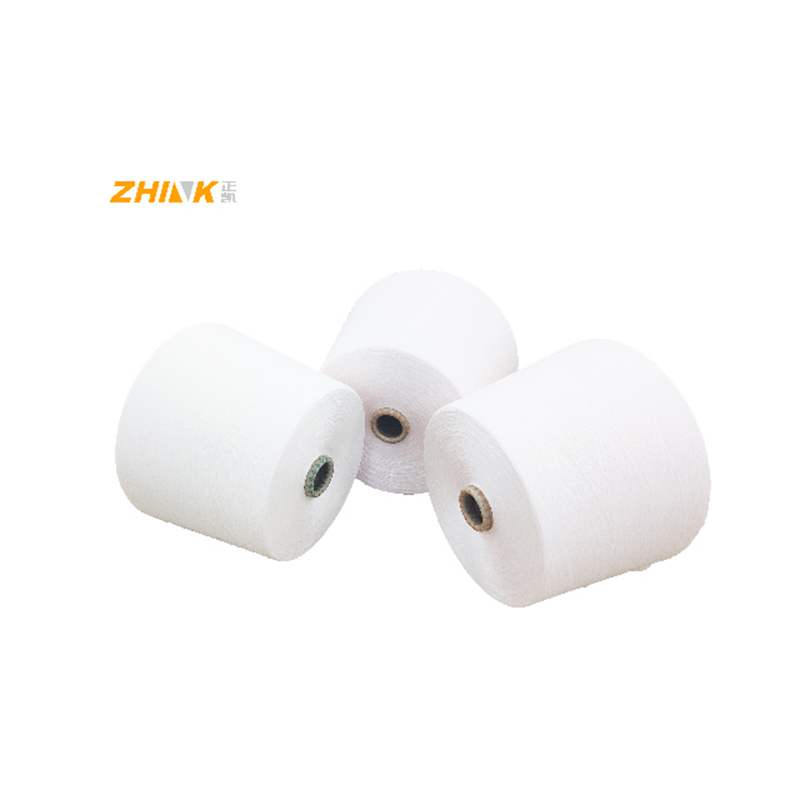
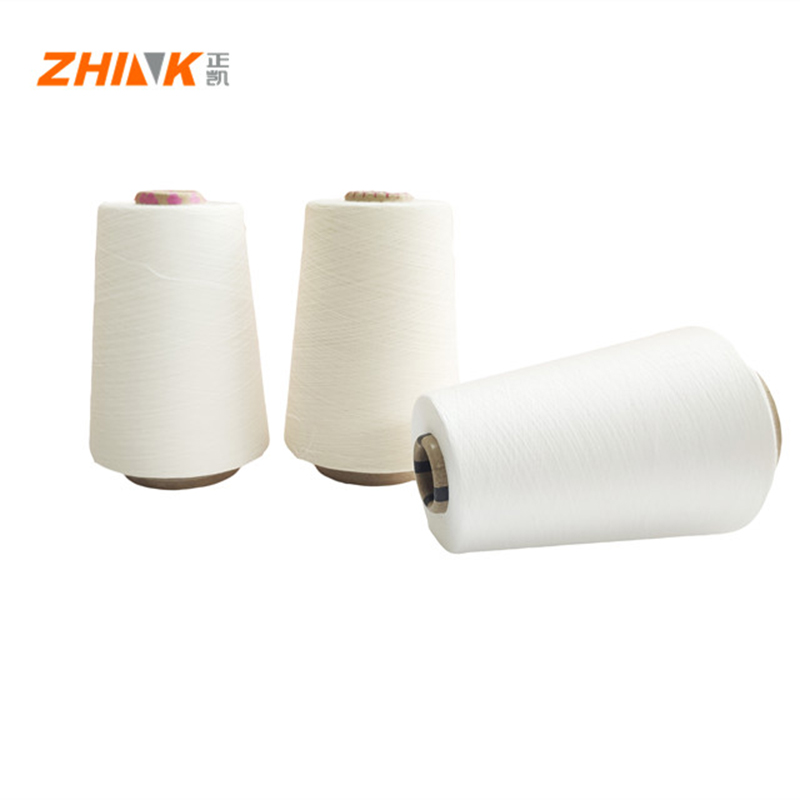
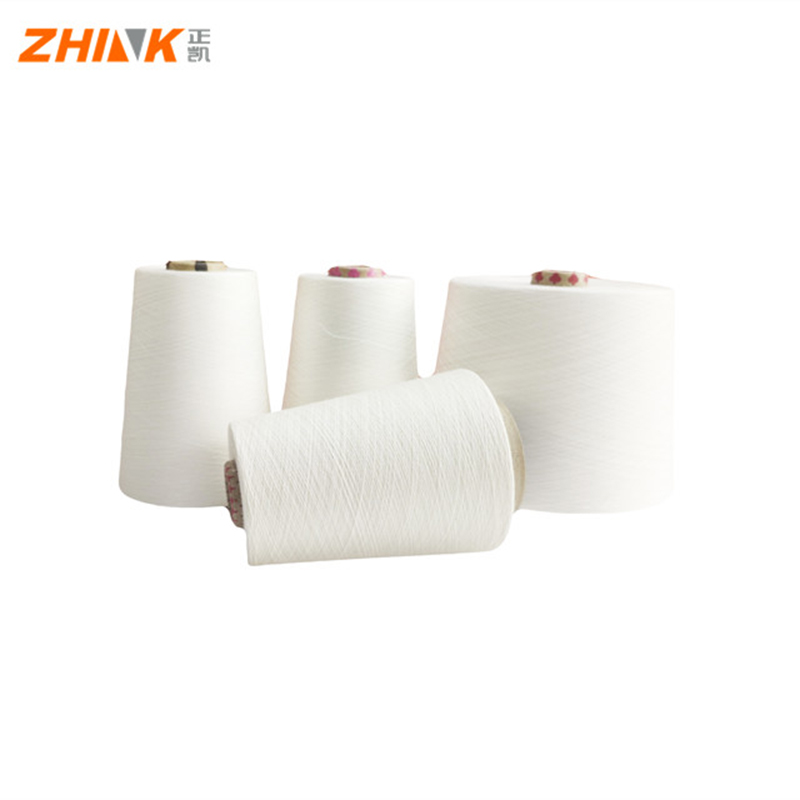
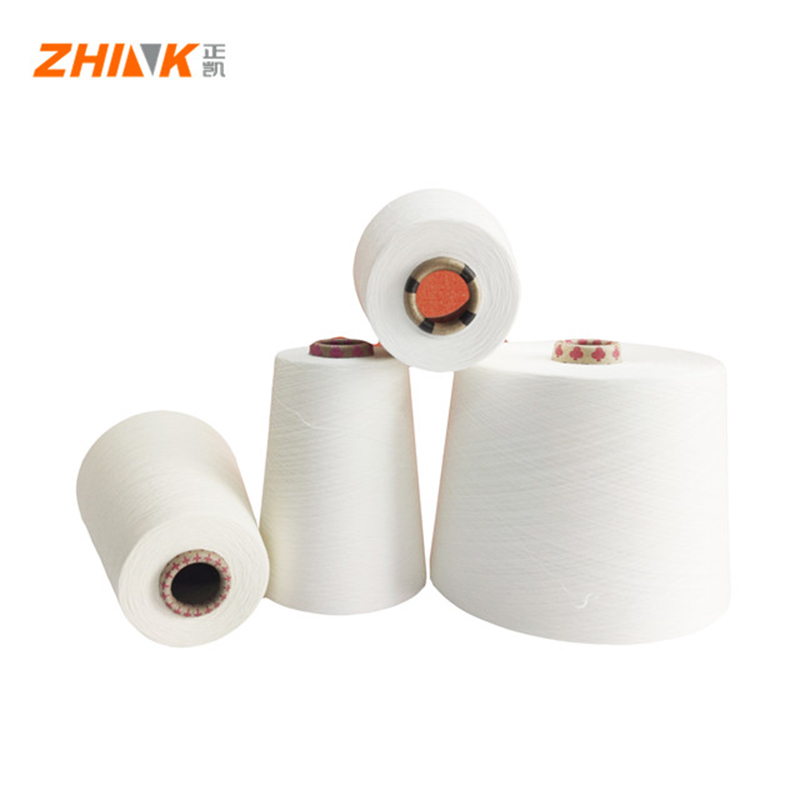
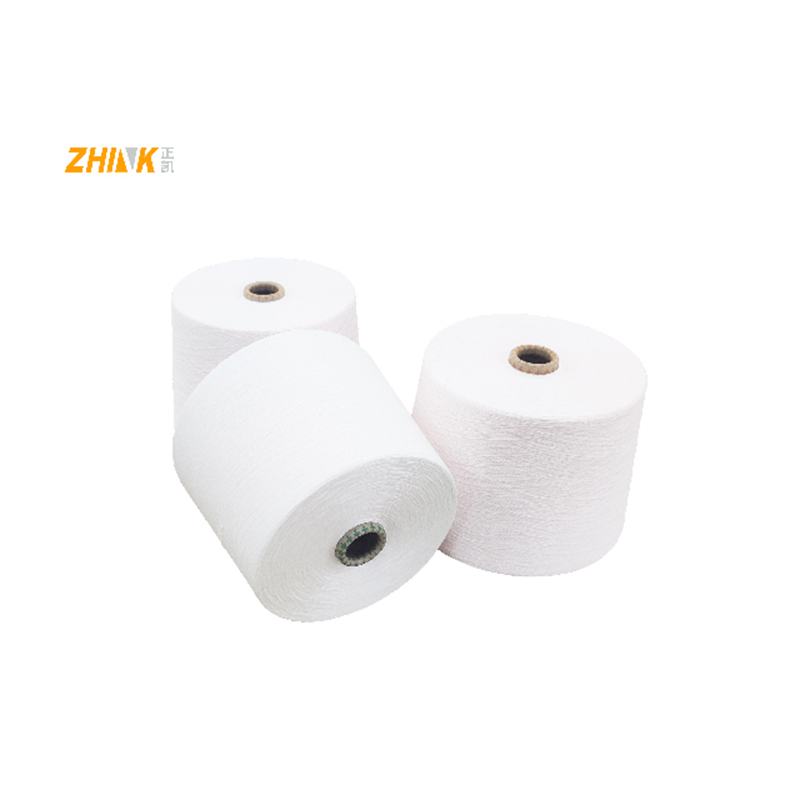
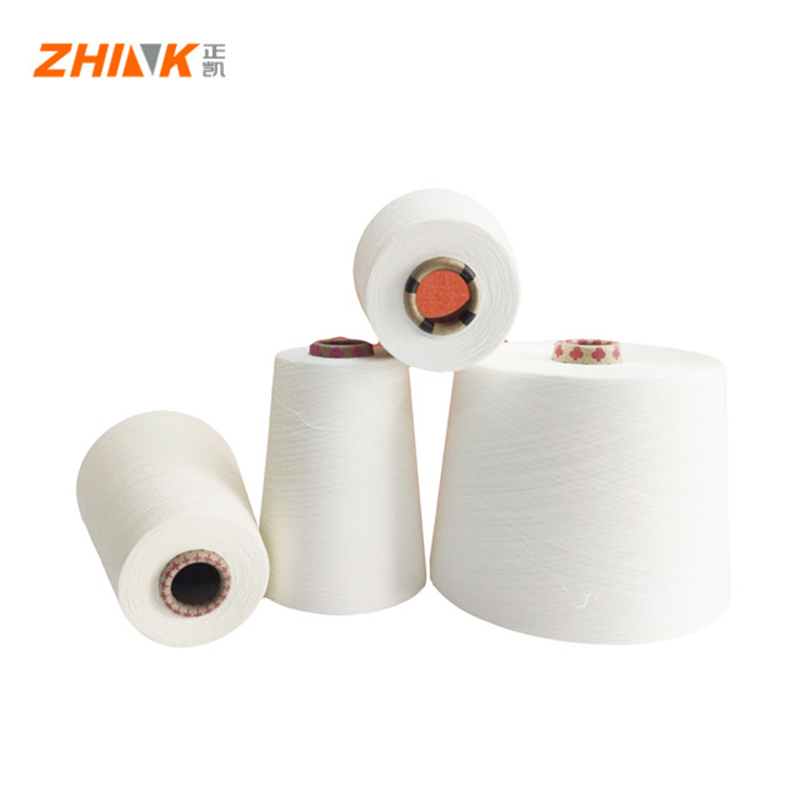
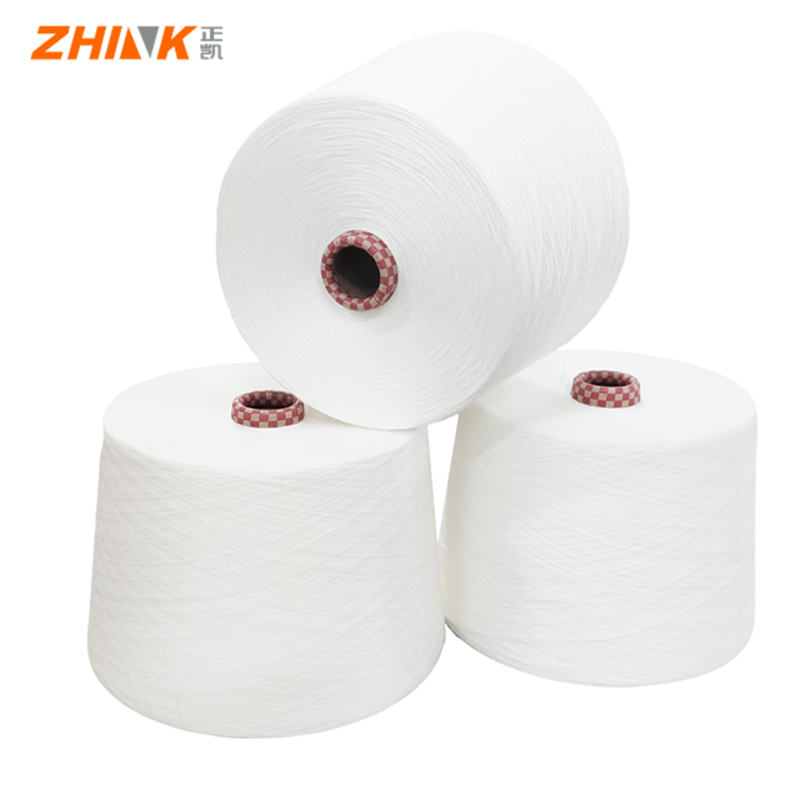
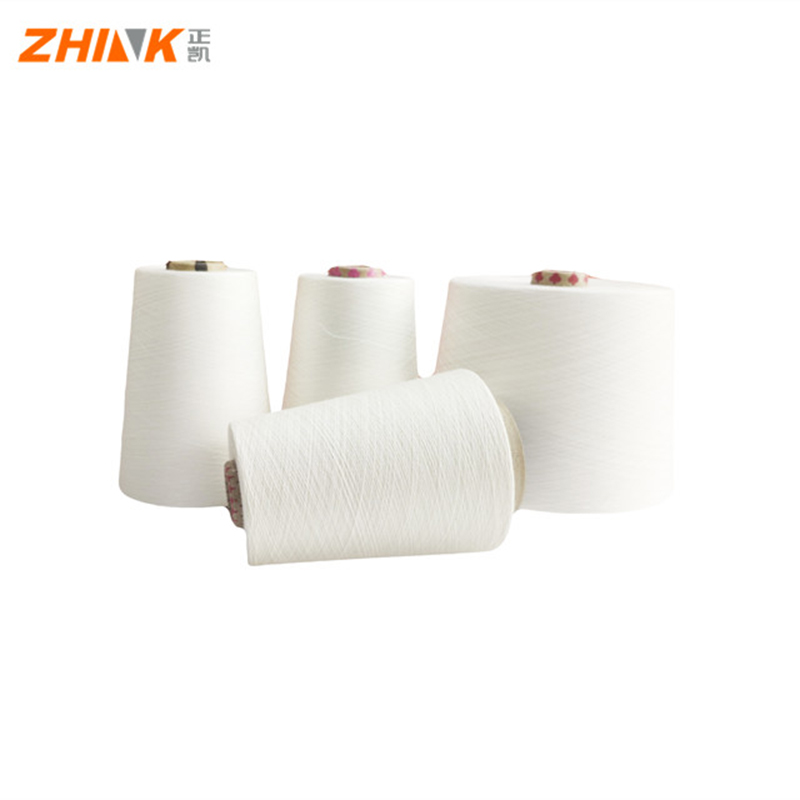
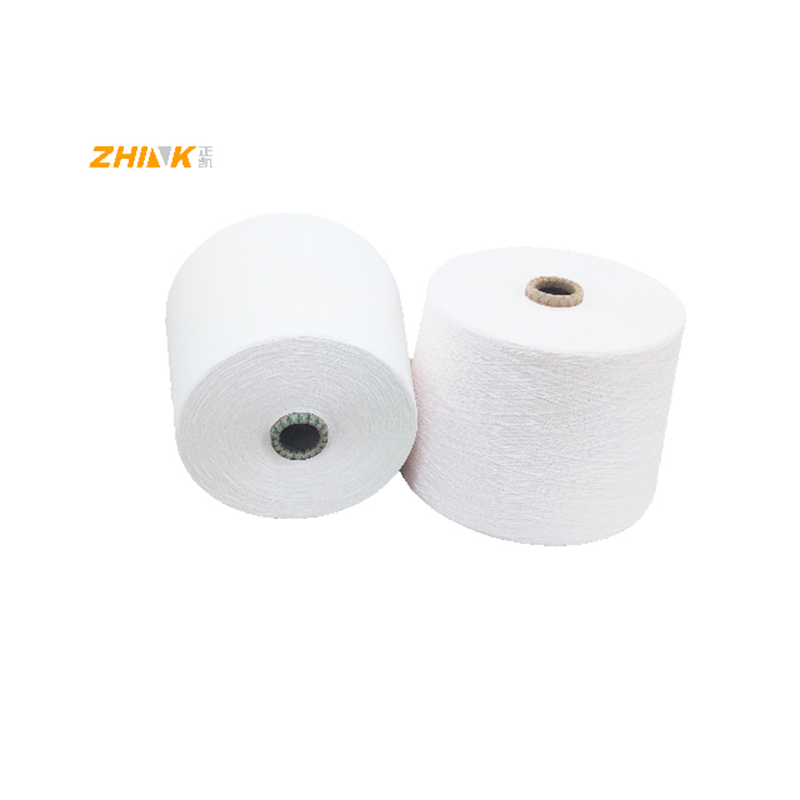
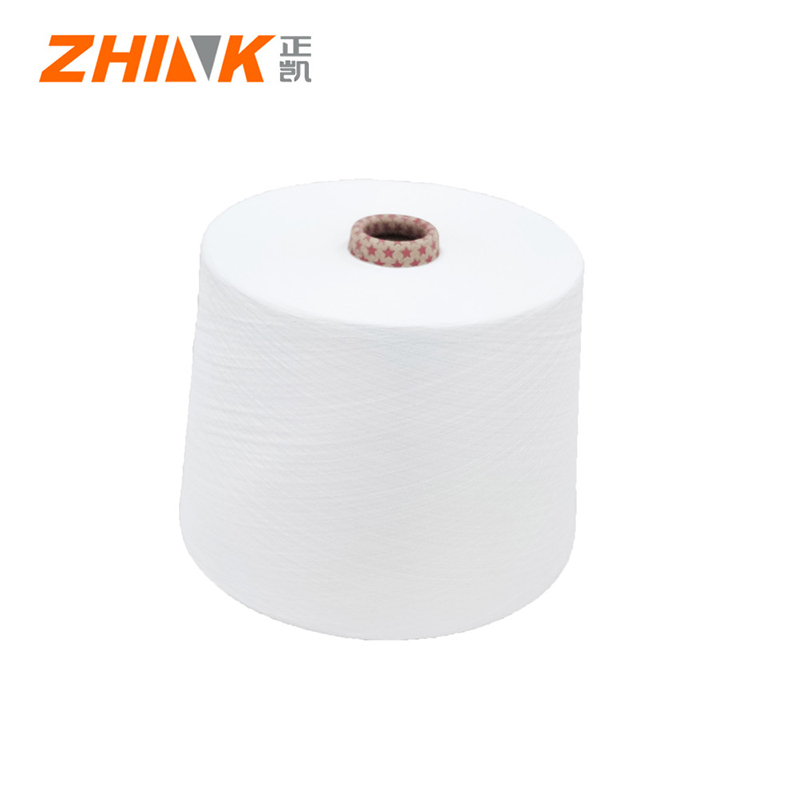
Flame retardant acrylic/viscose 50/50 yarn
The Intricacies of Flame Retardant Acrylic/Viscose 50/50 Yarn
Flame retardant yarns are not just about added safety; they embody a blend of science and practicality, especially when combining acrylic and viscose fibers. In this article, we unravel common misconceptions and dive into the nuances of this specialized textile, sharing insights from industry practices and experiences.
Understanding Flame Retardant Properties
When we talk about flame retardant acrylic/viscose 50/50 yarn, it's vital to grasp what's happening on a molecular level. Many assume it's simply about chemical additives. In reality, it’s a delicate balance of modifying fiber properties without compromising other aspects like texture or breathability. Zhink New Material stands out here by integrating innovative methods, ensuring their yarn doesn't just resist flames but retains its functional integrity over time.
My journey in textiles has shown me countless attempts to strike this balance. Early in my career, we experimented with various treatments that unfortunately altered the yarn’s hand feel, making it almost unrecognizable to touch. This taught us the importance of meticulous R&D, something Zhink excels in—blending expertise with innovation.
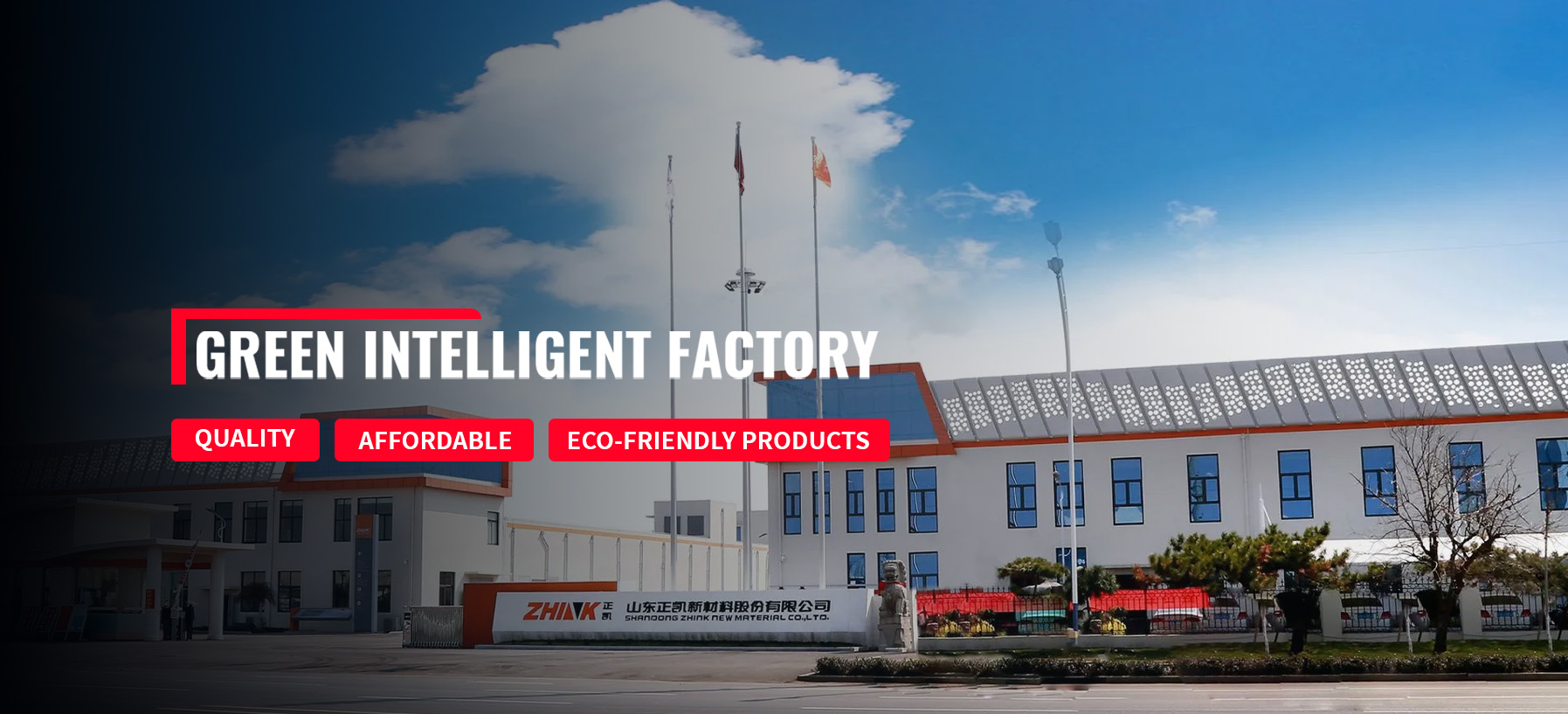
The real trick lies in keeping the blend homogeneous. Viscose and acrylic each bring unique challenges; maintaining compatibility without sacrificing performance isn’t a walk in the park. A visit to SHANDONG ZHINK NEW MATERIAL CO., LTD's facility opened my eyes to the processes ensuring consistency. Their website, https://www.zhinkyarn.com, showcases some behind-the-scenes practices that clarify this process.
Applications in Diverse Industries
Given its properties, this flame retardant yarn finds its way into various sectors. Apparel, home textiles, and even industry-specific applications like workwear and upholstery benefit from its safety features. It’s not just about aesthetics; it’s about securing a peace of mind for end-users whether at home, at work, or in industrial settings.
One intriguing application I’ve encountered is in public transportation upholstery, where resistance to ignition is non-negotiable. During a site inspection with a client, seeing the yarn perform under accelerated wear tests was impressive. It proves that careful material choice, like Zhink's offerings, plays a crucial role in safety protocols.
Another insight? The comfort factor. Often overlooked, workers need protection and comfort, and this yarn blend achieves both. The subtle softness of viscose paired with acrylic’s durability offers a tactical advantage in garment production.
Challenges in Production
While integrating flame retardancy in yarns, uniformity and performance stability are often hurdles. There've been setbacks, like ensuring the flame retardant chemicals don’t wash out over time — a common initial challenge in the industry. Thanks to ongoing advancements, companies like Zhink New Material are continually refining these features, ensuring a lasting effect.
Moreover, maintaining the color vibrancy after applying flame retardant treatments presents its own set of difficulties. I recall a project where maintaining the visual aspect while achieving flame retardancy challenged our dyeing process significantly.
Quality assurance becomes a relentless pursuit, with rigorous testing protocols put in place. By collaborating closely with suppliers, I've seen firsthand the benefits of adaptive strategies in overcoming these obstacles.
R&D: The Heart of Innovation
R&D is not just a department; it's the lifeblood of companies making strides in textile innovations. At Zhink, their focus on research ensures they’re always a step ahead. Regularly updated manufacturing processes keep pace with evolving safety standards, a testament to their commitment visible on their website.
The emphasis is on collaborative development. Industry players, researchers, and clients all voice needs, leading to tailored solutions. It's a dynamic environment requiring adaptability and forward-thinking — essential for sustaining textiles’ ever-evolving demands.
What fascinates me is the foresight in developing materials ready for next-gen applications. Flame retardant yarns are now being considered in smart textiles, paving the way for intelligent safety solutions.
Environmental Considerations
Sustainability can't be overlooked. Flame retardant treatments traditionally raise environmental concerns. The industry is now witnessing a shift towards eco-friendly alternatives, balancing safety with ecological responsibility.
Recyclability of treated yarns remains a looming question. At a recent panel discussion, strategies for biodegradable flame retardant compounds were explored, highlighting the industry's proactive stances.
It’s clear that as technology evolves, so does the potential to develop treatments that align with greener philosophies. Companies that prioritize this, like Zhink, are setting benchmarks, creating a ripple effect for broader industry change.
Related Products
Related Products