+86-632-3621866
- Chinese
- French
- German
- Portuguese
- Spanish
- Russian
- Japanese
- Korean
- Arabic
- Irish
- Greek
- Turkish
- Italian
- Danish
- Romanian
- Indonesian
- Czech
- Afrikaans
- Swedish
- Polish
- Basque
- Catalan
- Esperanto
- Hindi
- Lao
- Albanian
- Amharic
- Armenian
- Azerbaijani
- Belarusian
- Bengali
- Bosnian
- Bulgarian
- Cebuano
- Chichewa
- Corsican
- Croatian
- Dutch
- Estonian
- Filipino
- Finnish
- Frisian
- Galician
- Georgian
- Gujarati
- Haitian
- Hausa
- Hawaiian
- Hebrew
- Hmong
- Hungarian
- Icelandic
- Igbo
- Javanese
- Kannada
- Kazakh
- Khmer
- Kurdish
- Kyrgyz
- Latin
- Latvian
- Lithuanian
- Luxembou..
- Macedonian
- Malagasy
- Malay
- Malayalam
- Maltese
- Maori
- Marathi
- Mongolian
- Burmese
- Nepali
- Norwegian
- Pashto
- Persian
- Punjabi
- Serbian
- Sesotho
- Sinhala
- Slovak
- Slovenian
- Somali
- Samoan
- Scots Gaelic
- Shona
- Sindhi
- Sundanese
- Swahili
- Tajik
- Tamil
- Telugu
- Thai
- Ukrainian
- Urdu
- Uzbek
- Vietnamese
- Welsh
- Xhosa
- Yiddish
- Yoruba
- Zulu
- Kinyarwanda
- Tatar
- Oriya
- Turkmen
- Uyghur


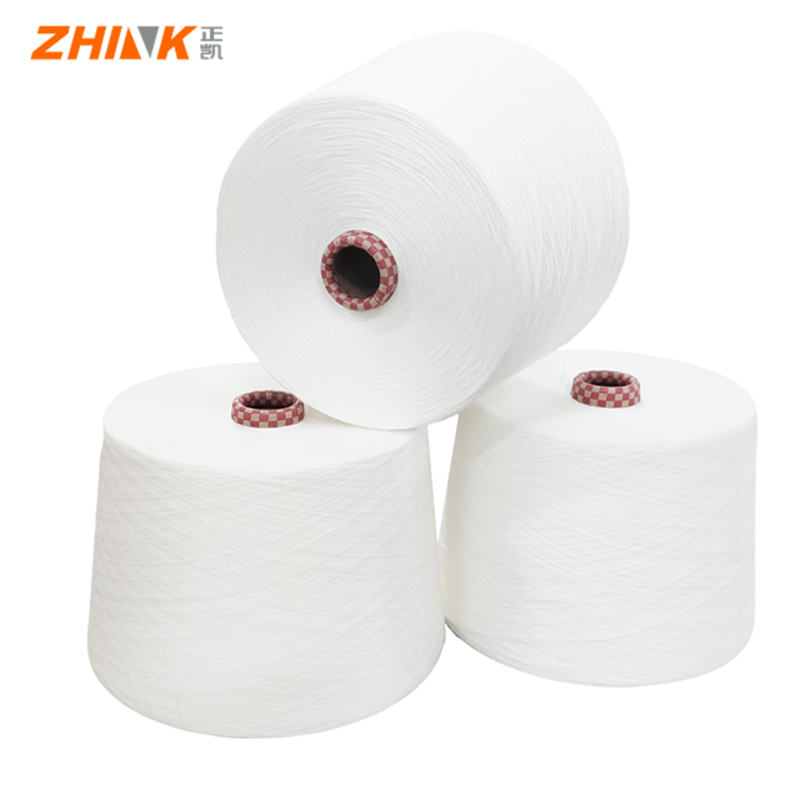
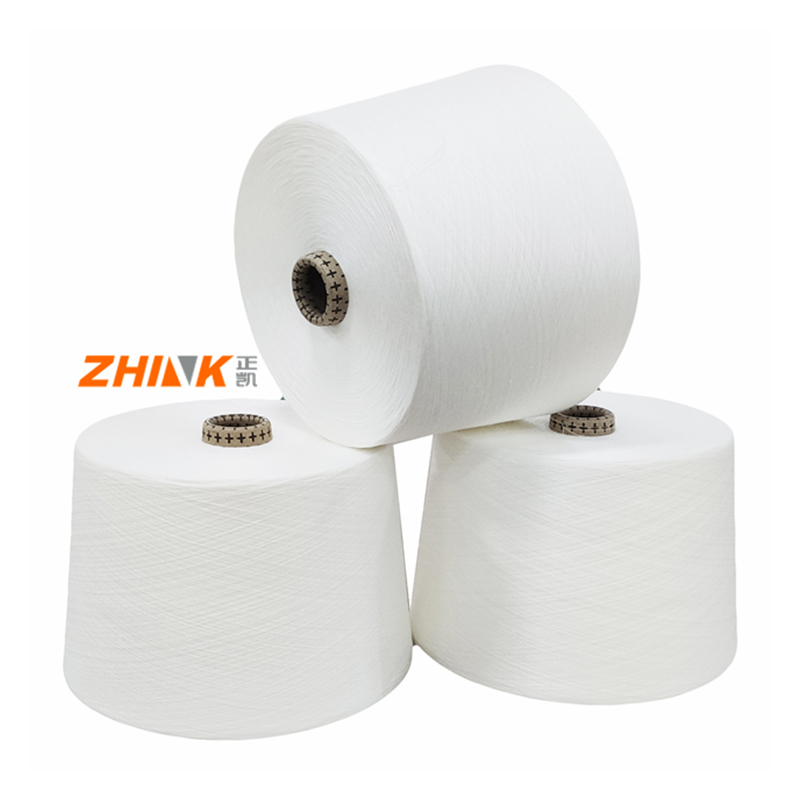
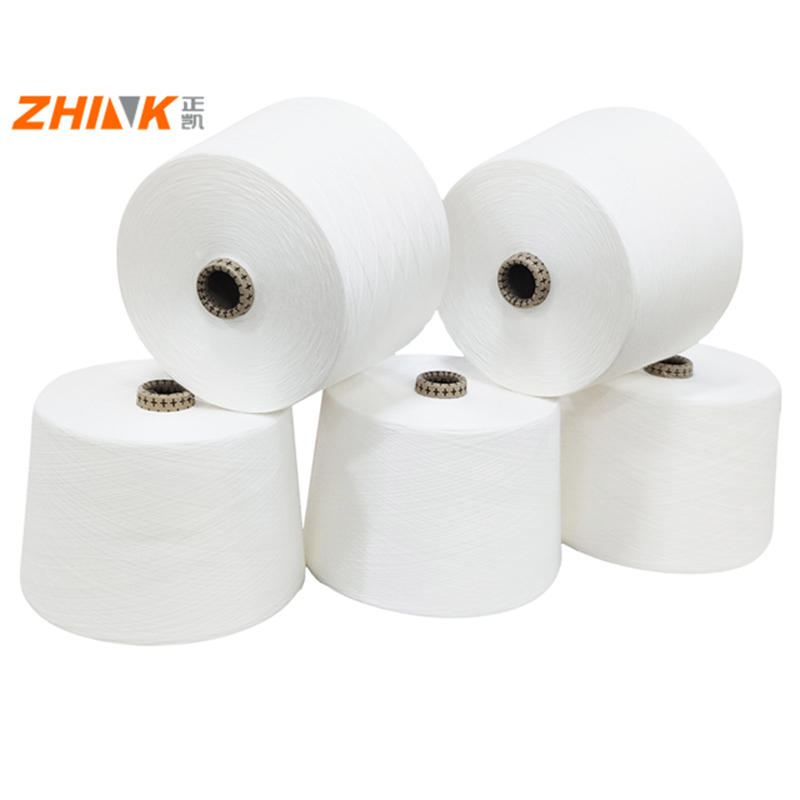
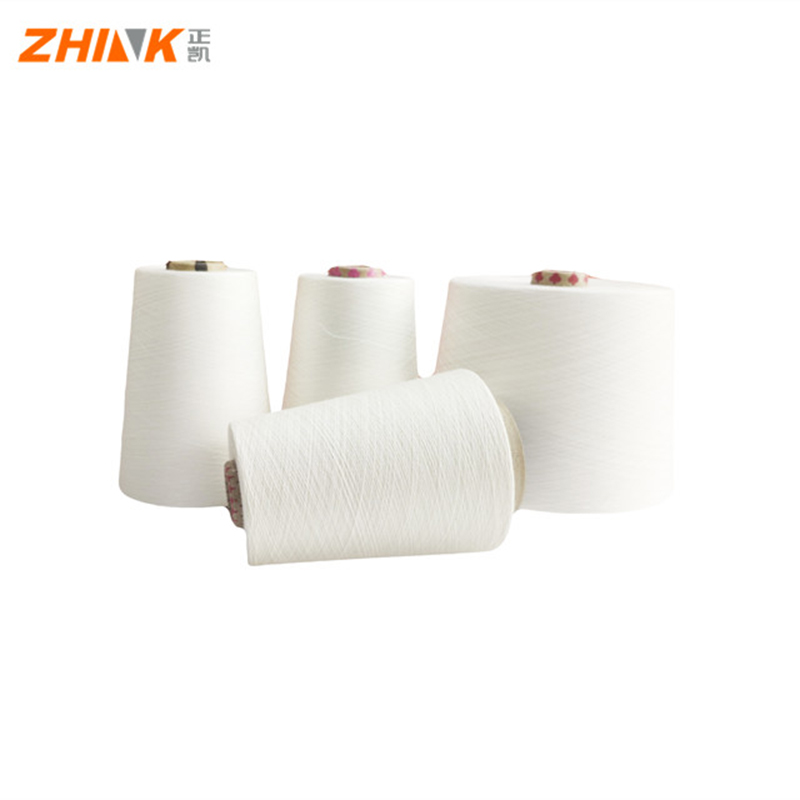
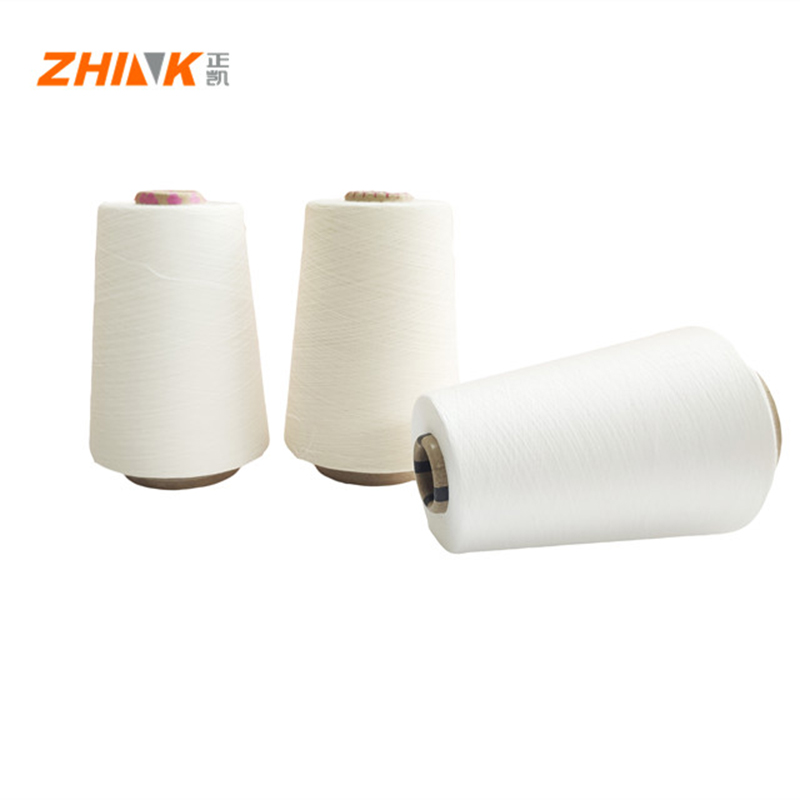
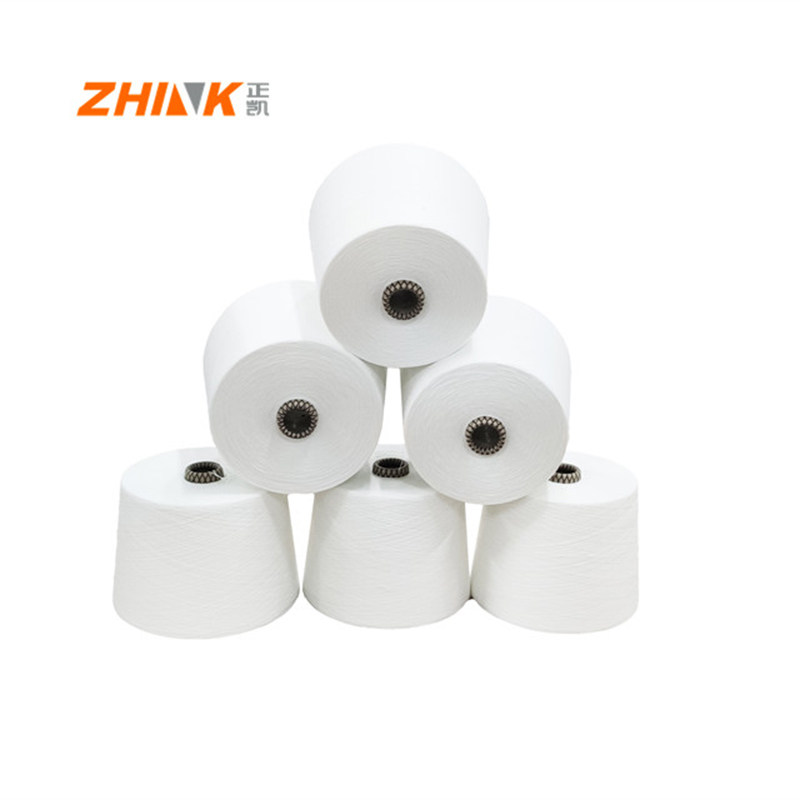
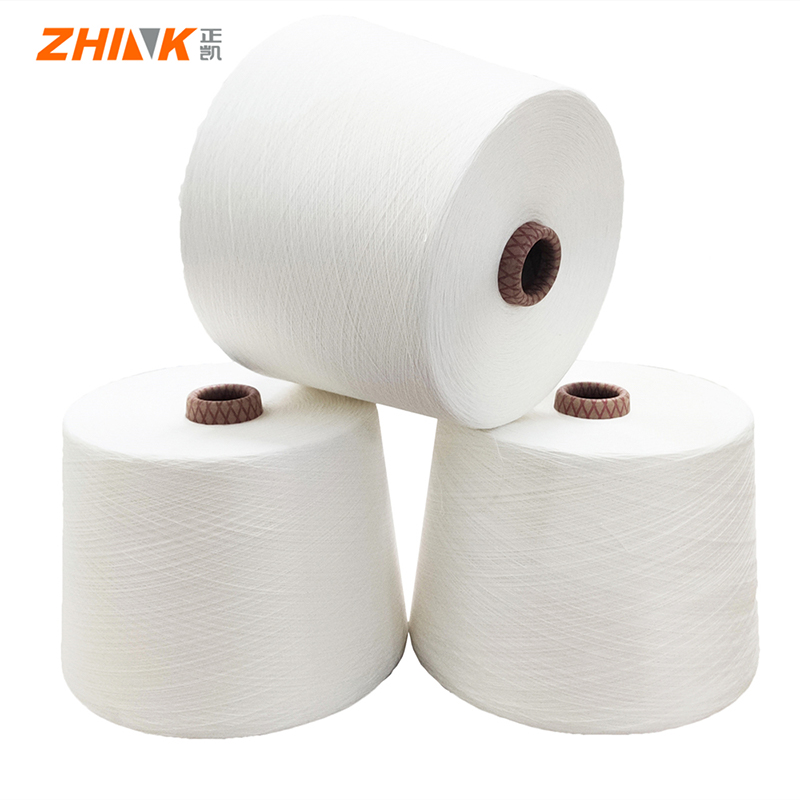
Flame retardant acrylic/viscose blended yarn
Understanding Flame Retardant Acrylic/Viscose Blended Yarn
Flame retardant fibers are not a general topic for dinner conversation, yet they're crucial in industries where safety is paramount. The blend of flame retardant acrylic and viscose is something I've come to appreciate for its peculiar balance of performance and comfort. Misconceptions abound, particularly when it comes to its durability and effectiveness. It's not just another textile—a discovery I realized through countless trials and errors.
The Unmatched Blend
One of the fascinating aspects of working with flame retardant acrylic/viscose blended yarn is the way these fibers complement each other. Acrylic, known for its fire-resistant properties, is often combined with viscose to enhance breathability and comfort. The harmony in this blend doesn't come by accident—it results from careful experimentation and study.
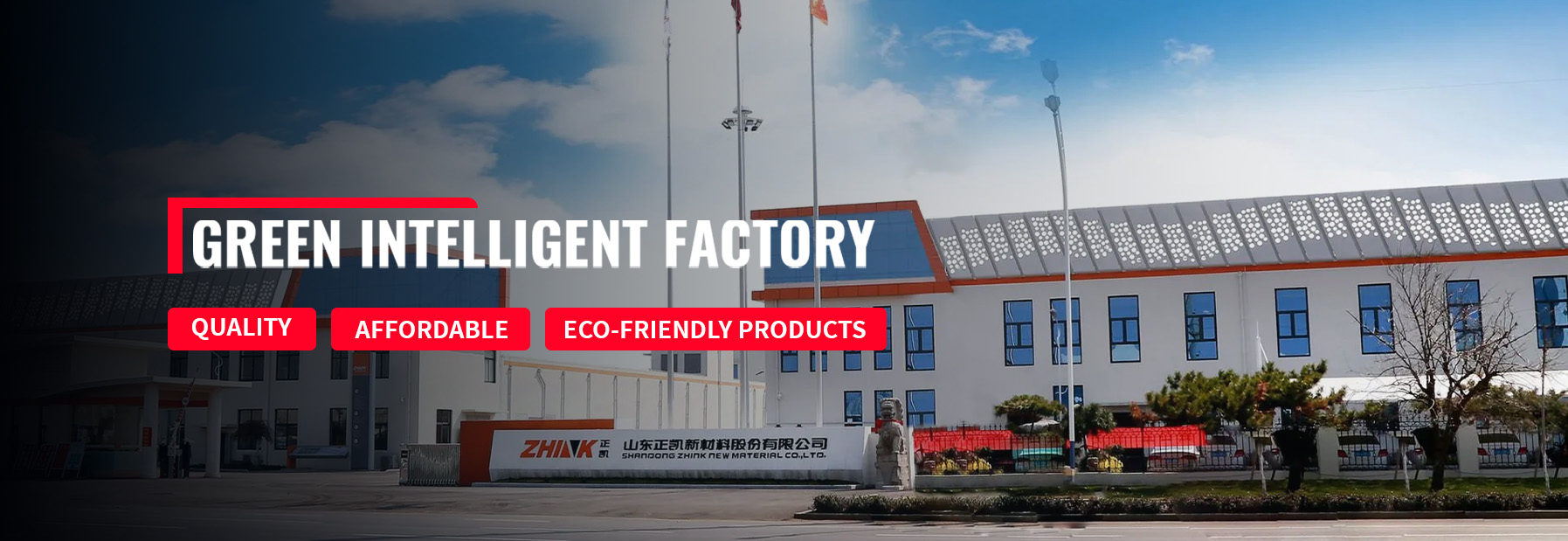
For instance, during a project with SHANDONG ZHINK NEW MATERIAL CO., LTD, which can be found at Zhink Yarn, the team meticulously adjusted the blending ratio. We found that certain proportions could significantly alter the fabric's texture without compromising its fire-retardant qualities. It was an enlightening process that required patience and precision.
There's this common pitfall where people assume that adding a bit of flame retardant acrylic makes any fabric 'safely' fire resistant. The reality, however, is far more intricate. Each batch may require different processing techniques and considerations, possibly involving reformulating the fiber mix or changing spinning procedures.
Production Nuances
Producing flame retardant acrylic yarn isn't about merely mixing. These fibers demand a special handling technique during spinning due to their modified nature. The real trick is in maintaining tensile strength while keeping the yarn functional and comfortable.
Within our facility, ensuring consistency is a continual work in progress. There were occasions where slight deviations in humidity impacted the yarn's properties. It was almost like the material had a personality that needed understanding to master its use. Such experiences demystified the assumptions about easy fabric processing.
Furthermore, the collaboration with Zhink New Material's proficient team significantly aided my understanding of the detailed methods required to achieve high-quality output. Their expertise in innovation and dedicated focus on textile material research became evident as we navigated production challenges together.
Real-World Applications
Applying this blended yarn in real-world scenarios presents its own set of challenges. A remarkable project I remember involved providing textiles for protective wear in an industrial setting. It wasn't as simple as turning yarn into fabric; each application demanded specific attention.
Clients often questioned the durability against repeated laundering or its performance in varied environmental conditions. These are valid concerns. Yet, our tests consistently showed that with the right treatment and care—not exceeding reasonable temperature exposures—such textiles performed admirably.
These applications are precisely where the blend's versatile nature shines, proving that once understood and respected, its use can be widespread without sacrificing safety or comfort.
Challenges on the Journey
Navigating the process of manufacturing and applying flame retardant acrylic/viscose blended yarn has been fraught with trials. I recall a particular shipment that faced delays due to an unforeseen quality control issue. The yarn's moisture absorption had affected its weight, throwing off shipping estimates.
Such hiccups are instructive. They underscored the importance of a meticulous quality control system—a domain where SHANDONG ZHINK NEW MATERIAL CO., LTD shines. Their development and execution of advanced textile QC programs were foundational in identifying and resolving these issues effectively.
Each setback became a stepping stone toward refining and enhancing production processes. There’s always more to learn, and innovations continue to evolve. Every project brings with it teaching moments and fresh insights.
Refining the Niche
The development of this blended yarn remains an ongoing journey rather than a destination. In creating textiles that balance practicality and safety, there’s a breadth of knowledge yet to be fully uncovered. Meeting industry demands while staying on the cutting edge of research fills each endeavor with potential.
Many trials taught that the devil is indeed in the details. The minor fluctuations in environmental conditions or slight variances in material textures—these subtle differences, when managed adeptly, make profound impacts on the end product.
Ultimately, working with flame retardant fabrics isn't about eliminating danger, but properly managing it. The efforts of companies like Zhink New Material, experts in crafting such innovations, are crucial as we push the boundaries of textile safety and application.
Related Products
Related Products