+86-632-3621866
- Chinese
- French
- German
- Portuguese
- Spanish
- Russian
- Japanese
- Korean
- Arabic
- Irish
- Greek
- Turkish
- Italian
- Danish
- Romanian
- Indonesian
- Czech
- Afrikaans
- Swedish
- Polish
- Basque
- Catalan
- Esperanto
- Hindi
- Lao
- Albanian
- Amharic
- Armenian
- Azerbaijani
- Belarusian
- Bengali
- Bosnian
- Bulgarian
- Cebuano
- Chichewa
- Corsican
- Croatian
- Dutch
- Estonian
- Filipino
- Finnish
- Frisian
- Galician
- Georgian
- Gujarati
- Haitian
- Hausa
- Hawaiian
- Hebrew
- Hmong
- Hungarian
- Icelandic
- Igbo
- Javanese
- Kannada
- Kazakh
- Khmer
- Kurdish
- Kyrgyz
- Latin
- Latvian
- Lithuanian
- Luxembou..
- Macedonian
- Malagasy
- Malay
- Malayalam
- Maltese
- Maori
- Marathi
- Mongolian
- Burmese
- Nepali
- Norwegian
- Pashto
- Persian
- Punjabi
- Serbian
- Sesotho
- Sinhala
- Slovak
- Slovenian
- Somali
- Samoan
- Scots Gaelic
- Shona
- Sindhi
- Sundanese
- Swahili
- Tajik
- Tamil
- Telugu
- Thai
- Ukrainian
- Urdu
- Uzbek
- Vietnamese
- Welsh
- Xhosa
- Yiddish
- Yoruba
- Zulu
- Kinyarwanda
- Tatar
- Oriya
- Turkmen
- Uyghur


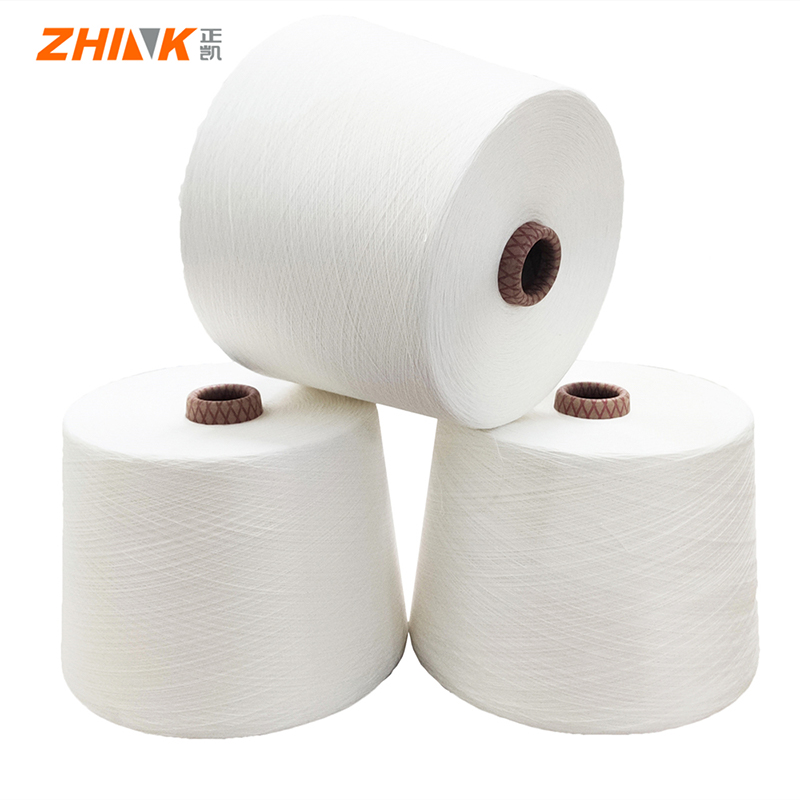
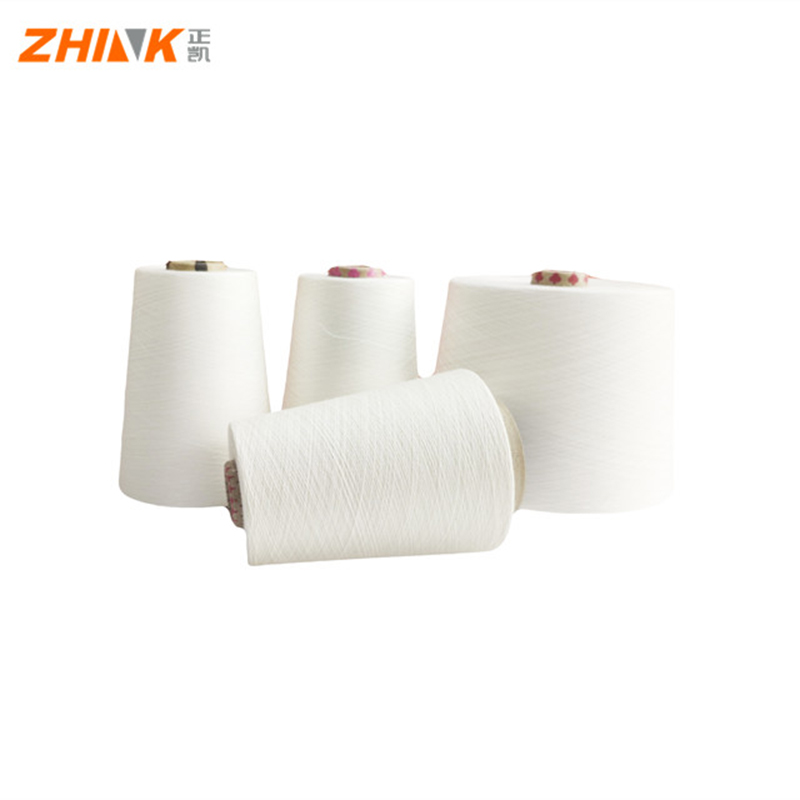
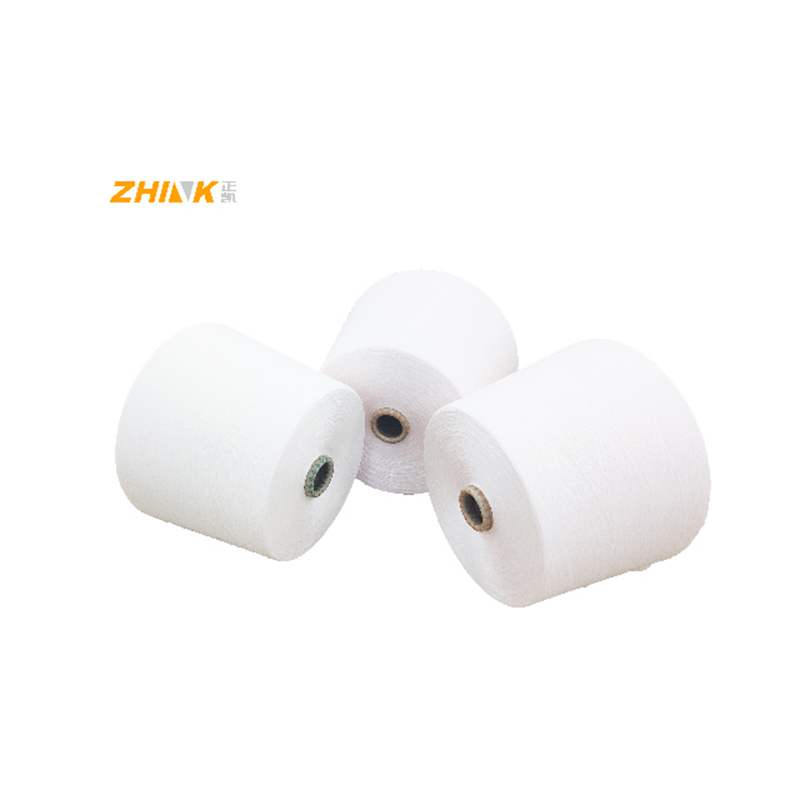
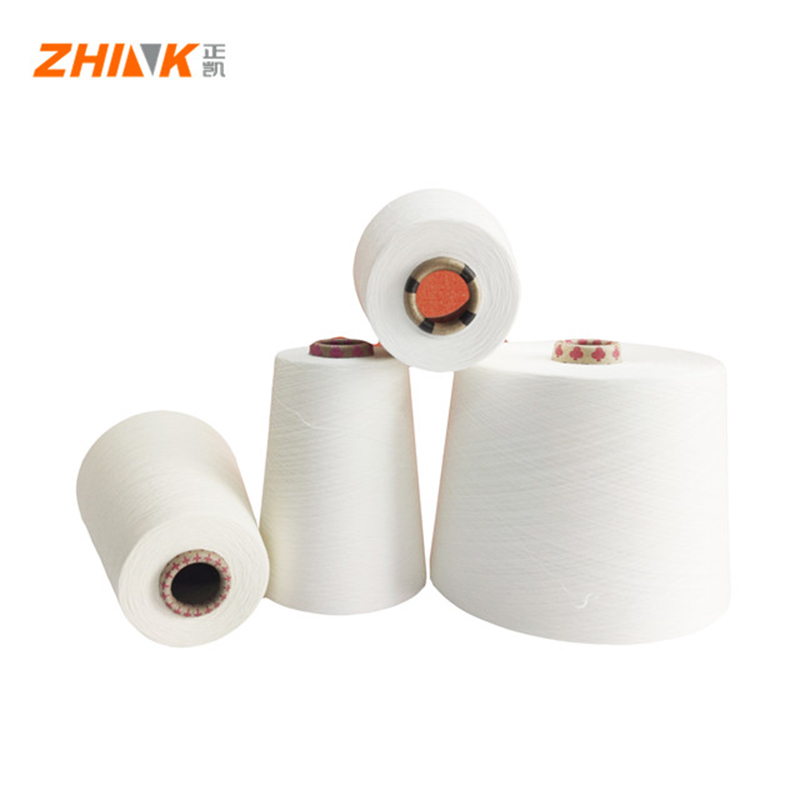
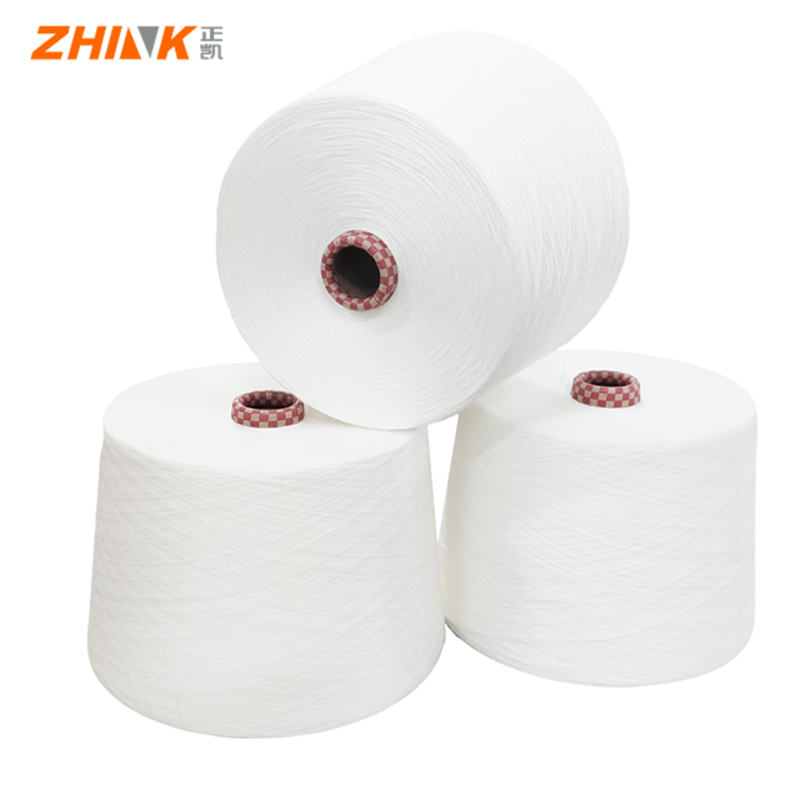
Flame retardant acrylic/viscose mvs yarn
Understanding Flame Retardant Acrylic/Viscose MVS Yarn
Flame retardant acrylic/viscose MVS yarn might sound like technical jargon, but it plays a crucial role in industries where safety and durability are key. What's fascinating about these yarns is their blend of innovation and practical application. Unlike conventional options, they offer enhanced resistance to flames while maintaining the comfort and versatility of traditional textiles. In practice, however, achieving this balance is more complex than one might assume.
The Basics of MVS Yarn
MVS, or Murata Vortex Spinning, technology represents a significant leap forward in yarn production. This process is different from traditional ring spinning and delivers a yarn that is not only strong but also possesses a smooth texture. It's especially suitable for blending fibers like acrylic and viscose to produce yarns that meet stringent safety standards.
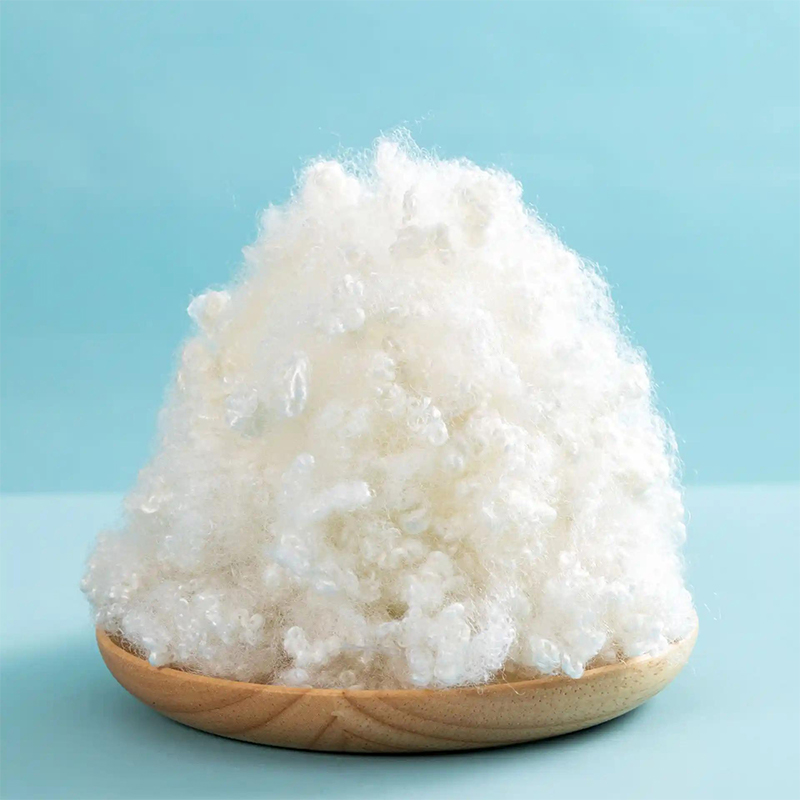
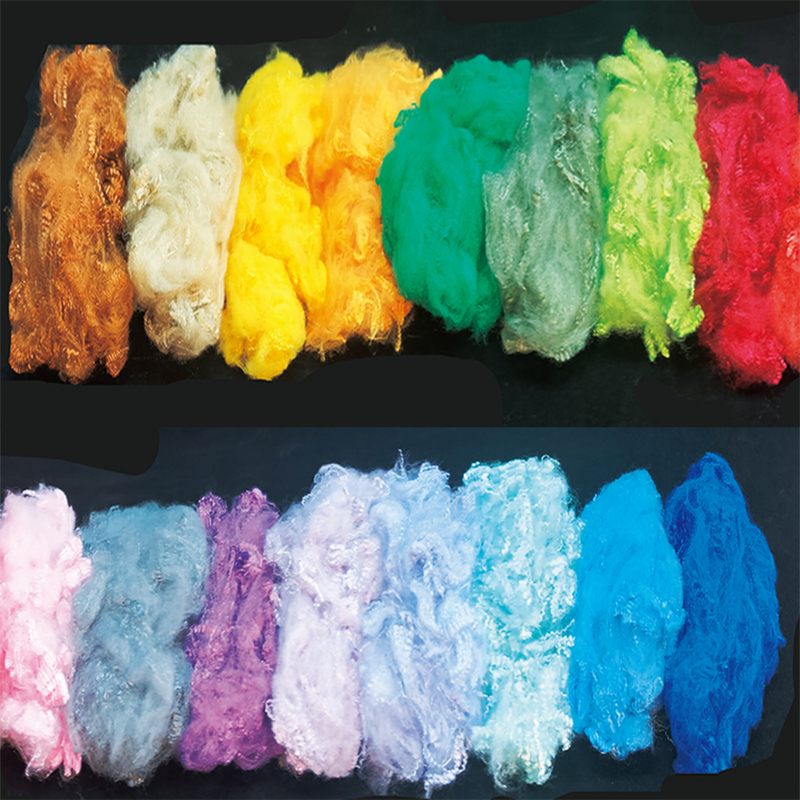
At the core, flame retardant properties come from either modifying the fiber structure or adding flame-resistant chemicals. Both methods have their pros and cons. Modifying the fiber, for instance, ensures that the flame retardancy is inherent and permanent. However, it can sometimes affect the fiber’s texture and feel, something we noticed when testing products for specific applications.
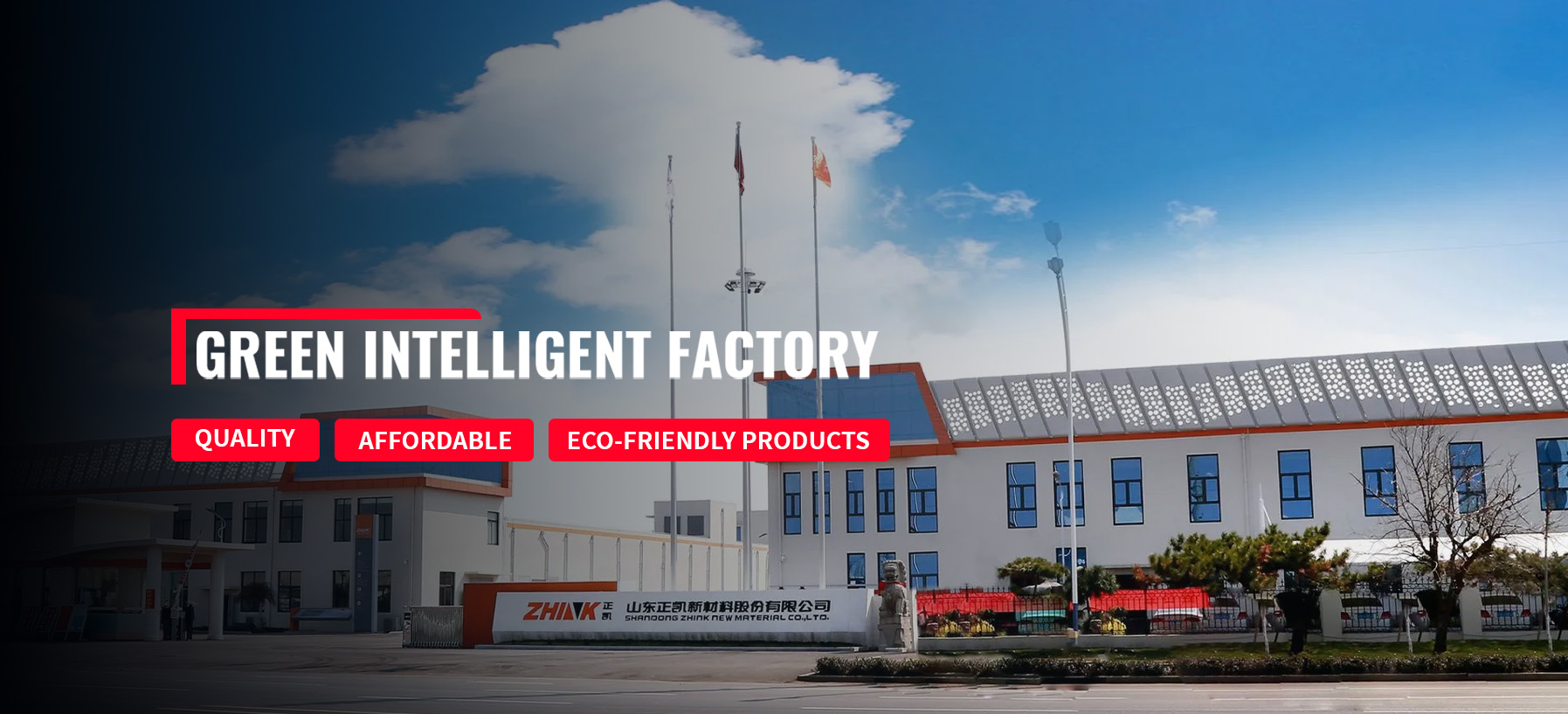
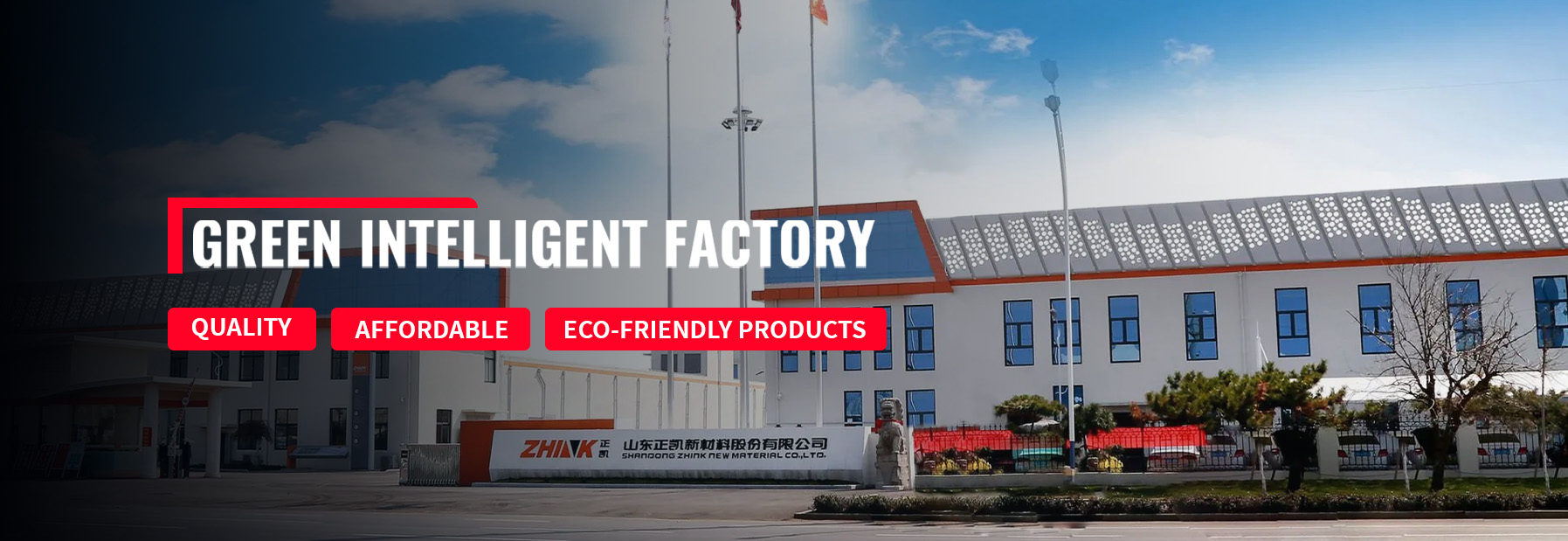
One common misconception is that these yarns sacrifice comfort for functionality. In reality, advances in technology, such as those employed by SHANDONG ZHINK NEW MATERIAL CO., LTD, are consistently pushing boundaries. Their focus (https://www.zhinkyarn.com) on R&D means that modern flame retardant yarns can maintain a soft hand fee despite high safety standards.
Challenges in Production
Developing the right flame retardant acrylic/viscose MVS yarn often involves a fair amount of trial and error. The blending ratio of viscose to acrylic, for one, affects not only the feel but also the performance. More viscose means better moisture absorption, but it might require more flame retardant treatment.
From my experience, ensuring uniformity in such blends is easier said than done. Inconsistencies in the yarn can lead to weak spots, creating potential safety hazards. This is where SHANDONG ZHINK NEW MATERIAL CO., LTD has excelled by leveraging cutting-edge technology to maintain quality and consistency across large batches.
Having observed the challenges firsthand, I find it’s not just about the technology. Skilled operators who understand the nuances of blending and spinning are equally crucial. A well-trained team can make a world of difference when producing these specialized yarns.
Applications and Benefits
Why all this emphasis on flame retardant properties? Well, these yarns find critical applications in sectors like transportation, construction, and even fashion, offering added peace of mind. Imagine workers in high-risk environments or passengers aboard a plane – the safety provided by these materials isn't just an afterthought.
What makes the acrylic/viscose blend particularly appealing is the balance between protection, comfort, and aesthetic appeal. For example, aviation uniforms need to ensure safety but can't compromise on appearance or comfort, a balance perfectly struck by these specialized yarns.
Moreover, these textiles are expanding into the consumer realm. People are increasingly aware of safety in their homes, seeking out flame retardant furnishings and clothing. The insights from companies like Zhink New Material highlight an industry shift towards more protective and consumer-friendly options.
Issues and Considerations
Yet, not all is smooth sailing. Ensuring these materials remain eco-friendly poses a significant challenge. The chemicals involved in imparting flame retardancy can affect sustainability efforts. This is a growing concern for manufacturers and consumers alike.
Some of my colleagues have experimented with natural flame retardant options, like those offered with inherently fire-resistant fibers, but the results often see a trade-off between eco-friendliness and effectiveness. Thankfully, companies like Zhink New Material are at the forefront of researching sustainable solutions that don't sacrifice performance.
It's a dynamic field, and staying current with regulations and standards worldwide is another challenge we regularly face. Flame retardant standards can vary significantly, requiring constant updates and adaptations in production techniques.
The Future of Flame Retardant Yarns
Looking ahead, the trajectory of flame retardant acrylic/viscose MVS yarn is promising. Innovations in fiber technology and spinning techniques continue to enhance both safety and comfort. As environmental concerns rise, the industry must pivot towards more sustainable production methods without losing sight of safety.
Engaging with industry leaders and continuous investment in R&D is crucial. I've witnessed firsthand how incorporating new technologies or adjustments in processes can yield surprising improvements. SHANDONG ZHINK NEW MATERIAL CO., LTD's work in this space offers a glimpse into how companies can lead through innovation and commitment to quality.
Ultimately, these yarns symbolize the confluence of safety and comfort—an essential pairing in today’s textile landscape, where one can't afford to compromise on either front.
Related Products
Related Products