+86-632-3621866
- Chinese
- French
- German
- Portuguese
- Spanish
- Russian
- Japanese
- Korean
- Arabic
- Irish
- Greek
- Turkish
- Italian
- Danish
- Romanian
- Indonesian
- Czech
- Afrikaans
- Swedish
- Polish
- Basque
- Catalan
- Esperanto
- Hindi
- Lao
- Albanian
- Amharic
- Armenian
- Azerbaijani
- Belarusian
- Bengali
- Bosnian
- Bulgarian
- Cebuano
- Chichewa
- Corsican
- Croatian
- Dutch
- Estonian
- Filipino
- Finnish
- Frisian
- Galician
- Georgian
- Gujarati
- Haitian
- Hausa
- Hawaiian
- Hebrew
- Hmong
- Hungarian
- Icelandic
- Igbo
- Javanese
- Kannada
- Kazakh
- Khmer
- Kurdish
- Kyrgyz
- Latin
- Latvian
- Lithuanian
- Luxembou..
- Macedonian
- Malagasy
- Malay
- Malayalam
- Maltese
- Maori
- Marathi
- Mongolian
- Burmese
- Nepali
- Norwegian
- Pashto
- Persian
- Punjabi
- Serbian
- Sesotho
- Sinhala
- Slovak
- Slovenian
- Somali
- Samoan
- Scots Gaelic
- Shona
- Sindhi
- Sundanese
- Swahili
- Tajik
- Tamil
- Telugu
- Thai
- Ukrainian
- Urdu
- Uzbek
- Vietnamese
- Welsh
- Xhosa
- Yiddish
- Yoruba
- Zulu
- Kinyarwanda
- Tatar
- Oriya
- Turkmen
- Uyghur


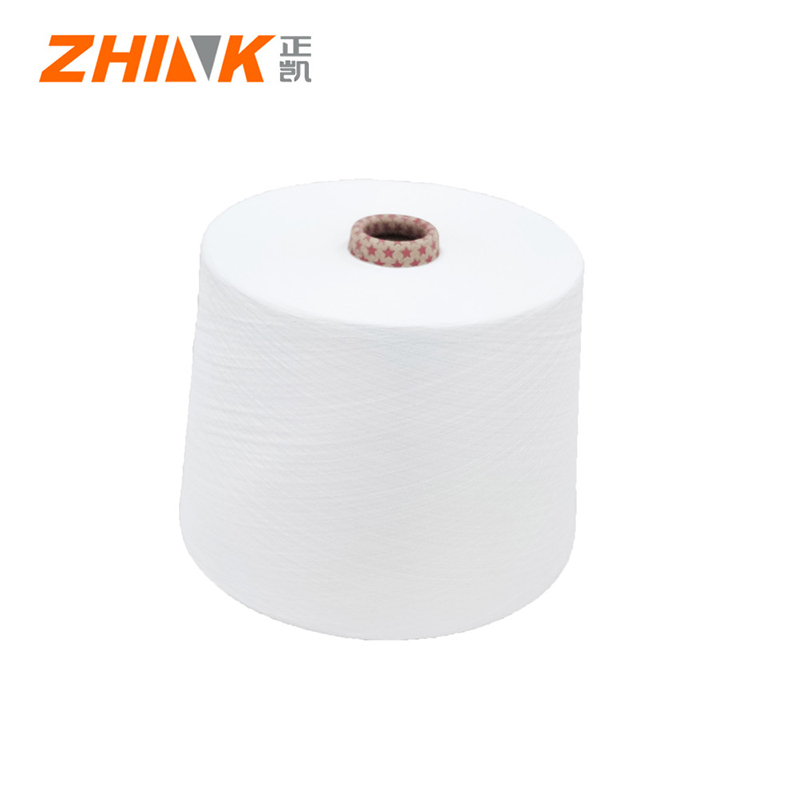
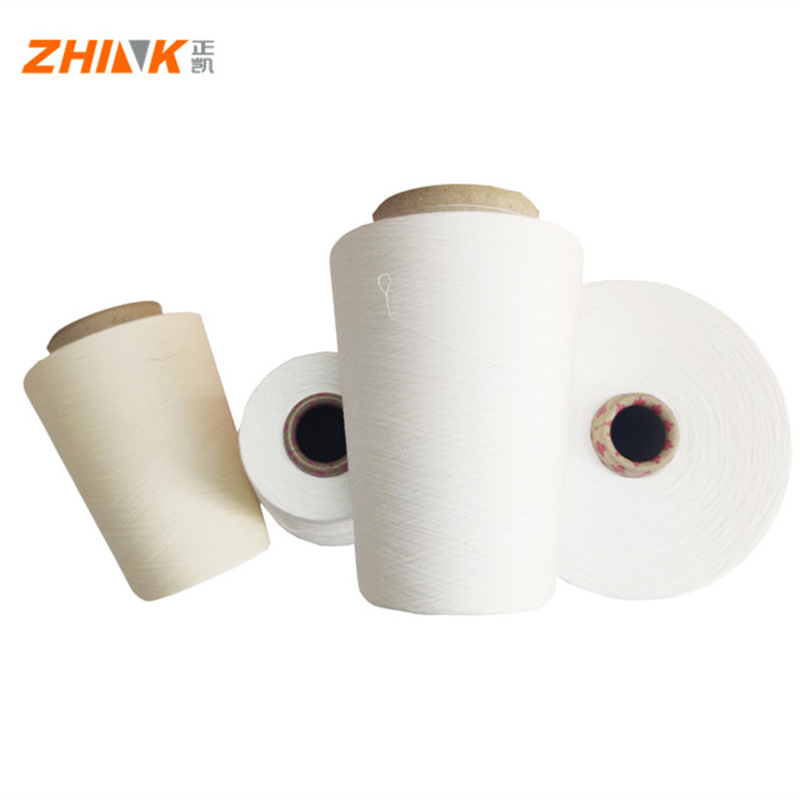
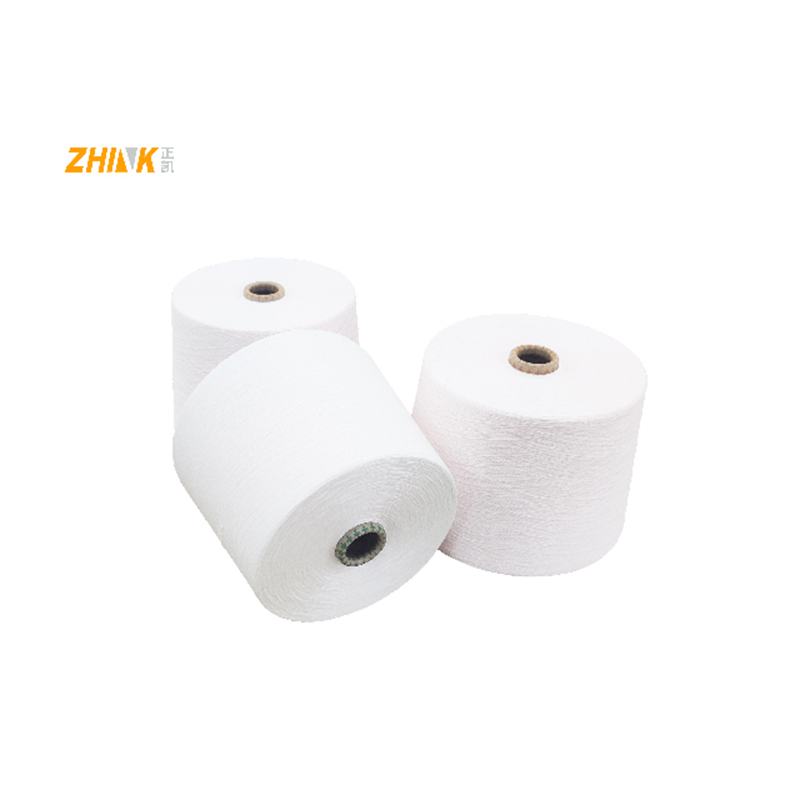
Flame retardant acrylic/viscose ring spun yarn
Understanding Flame Retardant Acrylic/Viscose Ring Spun Yarn
Flame retardant yarns are gaining traction, but what really sets flame retardant acrylic/viscose ring spun yarn apart? In the textile industry’s complex landscape, this material offers a unique blend of safety and versatility worth discussing.
What Makes It Unique?
The main draw of flame retardant acrylic/viscose ring spun yarn lies in its composition. Combining acrylic, known for durability, and viscose, valued for comfort, this yarn offers something special. To get a robust yet soft yarn that’s flame retardant is like hitting the jackpot in this field.
I remember a project with SHANDONG ZHINK NEW MATERIAL CO., LTD. Their innovation in this space is impressive, focusing on combining these fibers to enhance flame retardancy without sacrificing feel or appearance.
Sometimes, the challenge is maintaining that balance. You aim to protect, but if the garment isn’t wearable, it's wasted effort. That's where these blends shine.
Challenges in Production
Producing flame retardant acrylic/viscose ring spun yarn isn't without its hurdles. Ensuring consistent properties across batches can be daunting. From my experience, every adjustment in acrylic to viscose ratio might change the yarn's behavior.
I recall tweaking some parameters at Zhink New Material, where even minor changes in spinning speed had noticeable impacts. The key was relentless testing—it’s exhausting but worth the insights.
Another sticky point is ensuring the flame retardant properties are compliant with varying international standards. Each region might have nuances in requirements.
The Role of Technology
Without technology, advancements in flame retardant acrylic/viscose ring spun yarn wouldn’t be where they are today. Advanced machinery and precise control systems allow producers like Zhink New Material to push the boundaries.
I've seen firsthand how adopting digital monitoring systems minimizes errors. The blend ratios, spinning tension, and temperature settings get tracked meticulously.
Moreover, the integration of AI and machine learning in textile manufacturing is revolutionizing defect detection and efficiency, making consistent high-quality output feasible.
Real World Applications
Where does this yarn show up in the real world? Think of workwear, uniforms, and even some high-end apparel. Anywhere fire risk meets the need for comfort, this yarn stands out.
I’ve consulted on projects where this yarn was the backbone of protective clothing lines. The balance it strikes ensures that the end-products are not only safe but also viable in harsh working environments.
Feedback often emphasizes comfort, an aspect sometimes overshadowed by safety concerns, yet vital for user acceptance.
Potential Pitfalls
Despite its benefits, incorporating flame retardant acrylic/viscose ring spun yarn can have pitfalls. Cost is one. These materials are not always budget-friendly.
Efforts to innovate must weigh raw material costs, production expenses, and market pricing. At SHANDONG ZHINK NEW MATERIAL CO., LTD, balancing cost-effectiveness while retaining desired properties remains a regular discussion topic.
Another concern is environmental impact. As with many synthetics, there's always a continuous push towards sustainable practices, whether through recycling or refining production processes to minimize waste, as Zhink aims to do.
Conclusion
In summary, flame retardant acrylic/viscose ring spun yarn is a fascinating textile advancement. With its balance of safety and comfort, it meets the critical demands of various industries. As companies like Zhink New Material continue to innovate, the future looks promising for this unique blend.
In this ever-evolving field, staying informed and adaptable is key. For more details, have a look at https://www.zhinkyarn.com to see how the pioneers are shaping this industry.
Related Products
Related Products