+86-632-3621866
- Chinese
- French
- German
- Portuguese
- Spanish
- Russian
- Japanese
- Korean
- Arabic
- Irish
- Greek
- Turkish
- Italian
- Danish
- Romanian
- Indonesian
- Czech
- Afrikaans
- Swedish
- Polish
- Basque
- Catalan
- Esperanto
- Hindi
- Lao
- Albanian
- Amharic
- Armenian
- Azerbaijani
- Belarusian
- Bengali
- Bosnian
- Bulgarian
- Cebuano
- Chichewa
- Corsican
- Croatian
- Dutch
- Estonian
- Filipino
- Finnish
- Frisian
- Galician
- Georgian
- Gujarati
- Haitian
- Hausa
- Hawaiian
- Hebrew
- Hmong
- Hungarian
- Icelandic
- Igbo
- Javanese
- Kannada
- Kazakh
- Khmer
- Kurdish
- Kyrgyz
- Latin
- Latvian
- Lithuanian
- Luxembou..
- Macedonian
- Malagasy
- Malay
- Malayalam
- Maltese
- Maori
- Marathi
- Mongolian
- Burmese
- Nepali
- Norwegian
- Pashto
- Persian
- Punjabi
- Serbian
- Sesotho
- Sinhala
- Slovak
- Slovenian
- Somali
- Samoan
- Scots Gaelic
- Shona
- Sindhi
- Sundanese
- Swahili
- Tajik
- Tamil
- Telugu
- Thai
- Ukrainian
- Urdu
- Uzbek
- Vietnamese
- Welsh
- Xhosa
- Yiddish
- Yoruba
- Zulu
- Kinyarwanda
- Tatar
- Oriya
- Turkmen
- Uyghur



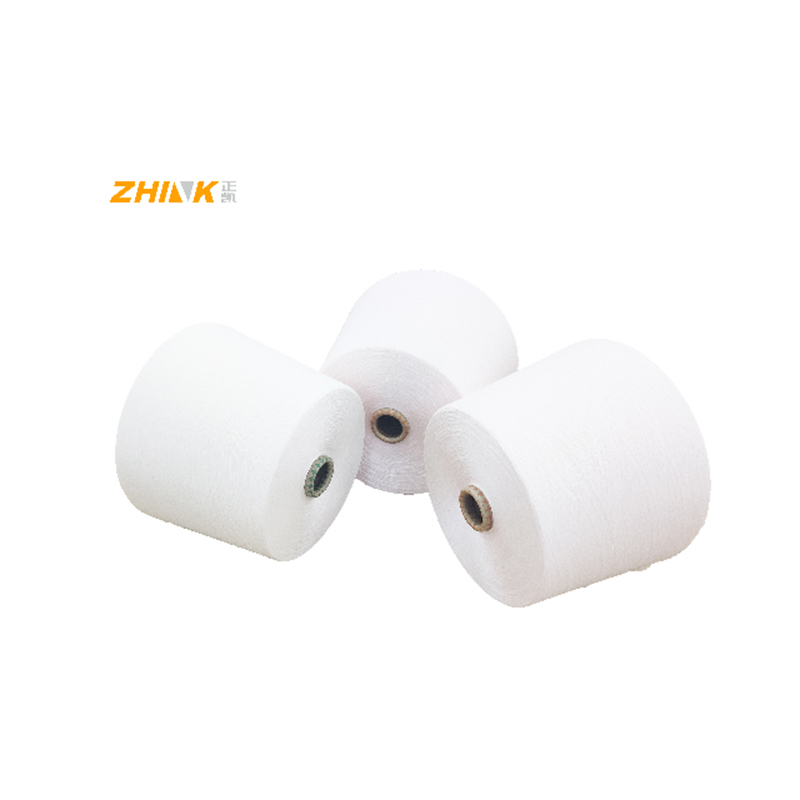
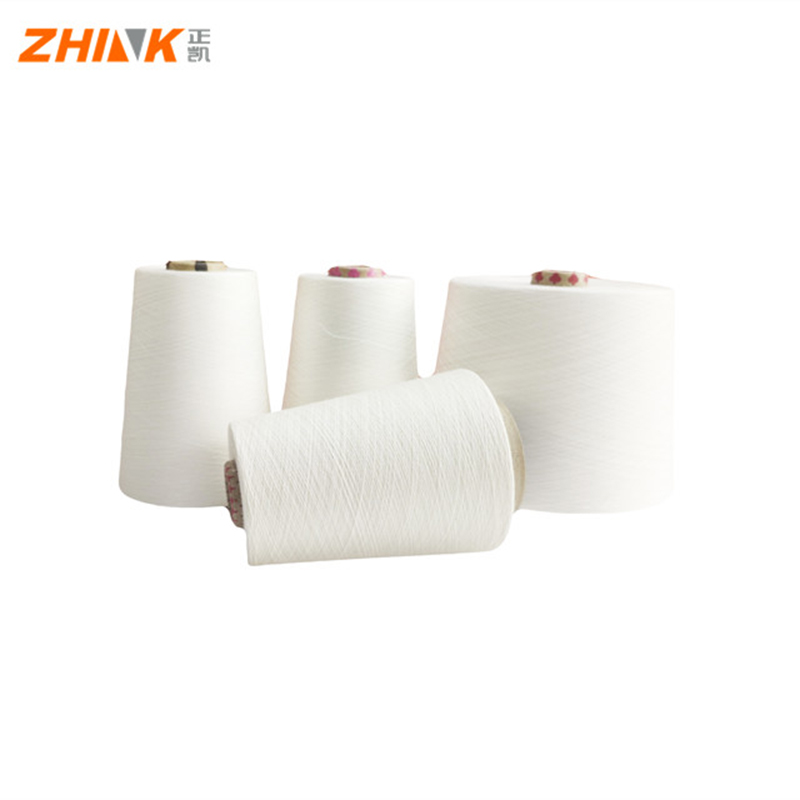
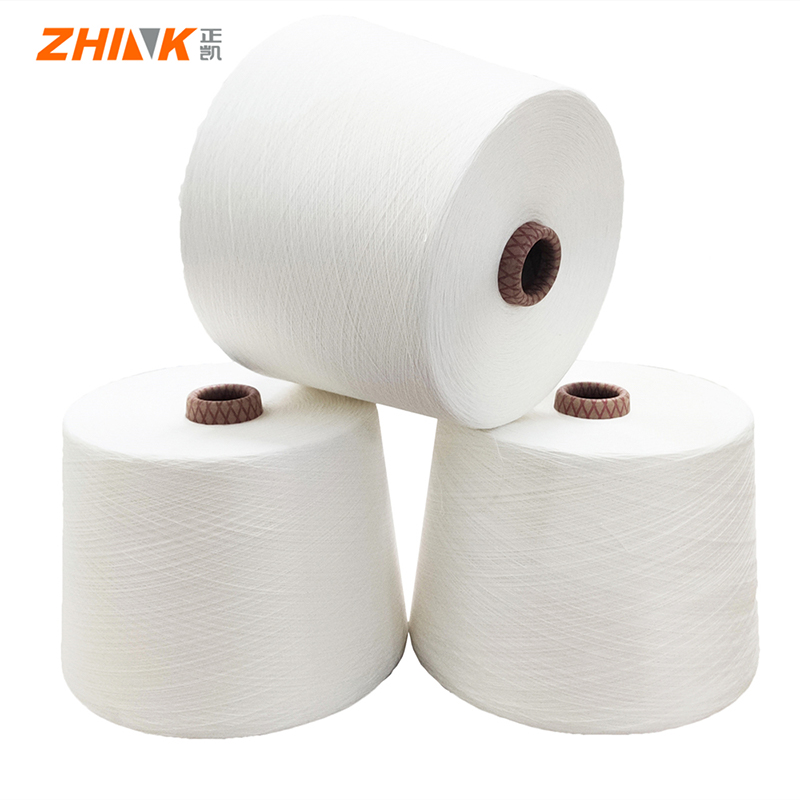
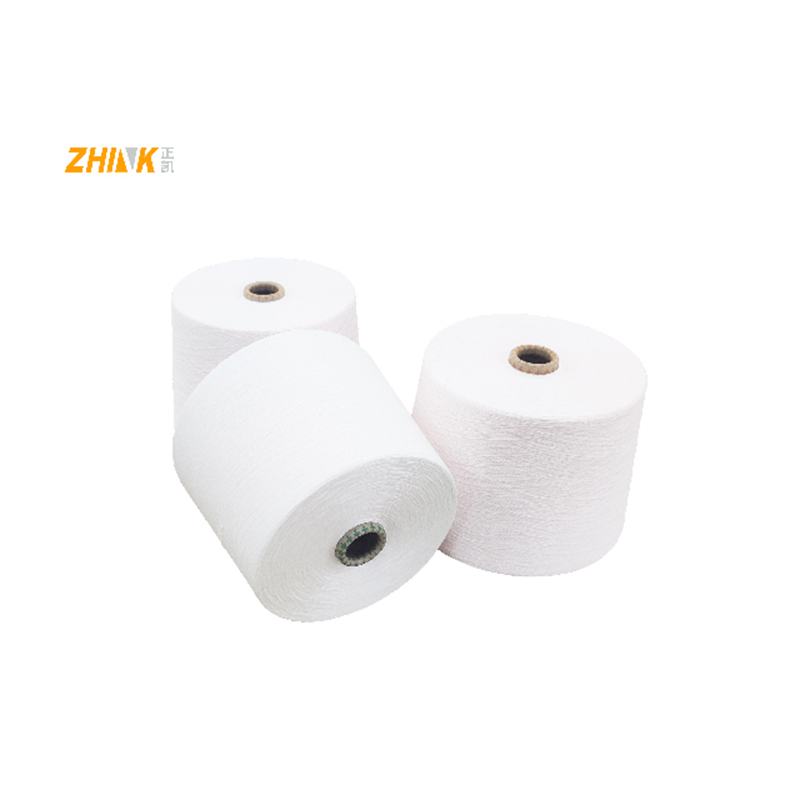
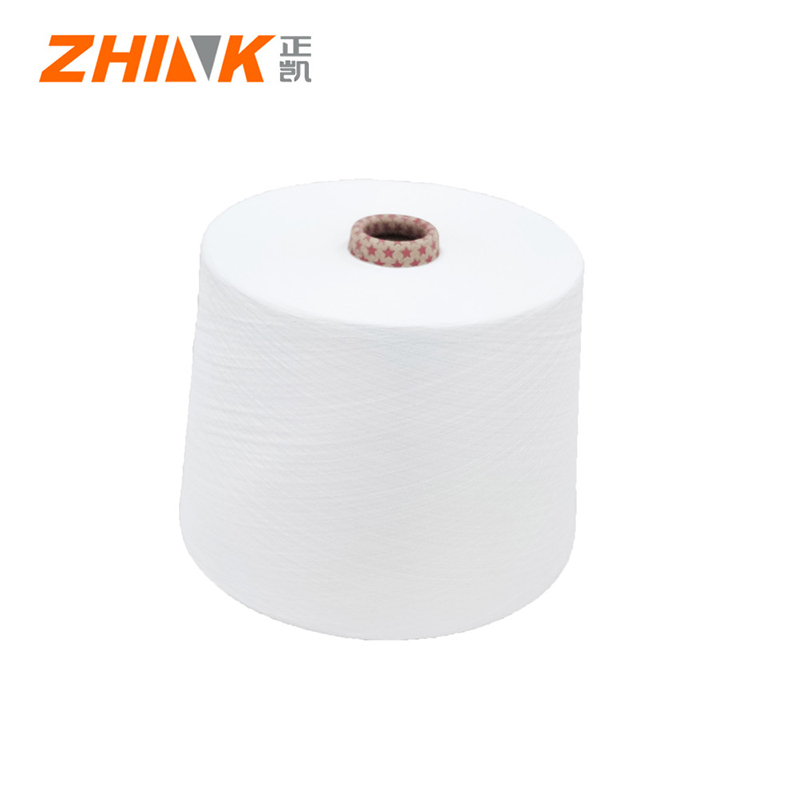
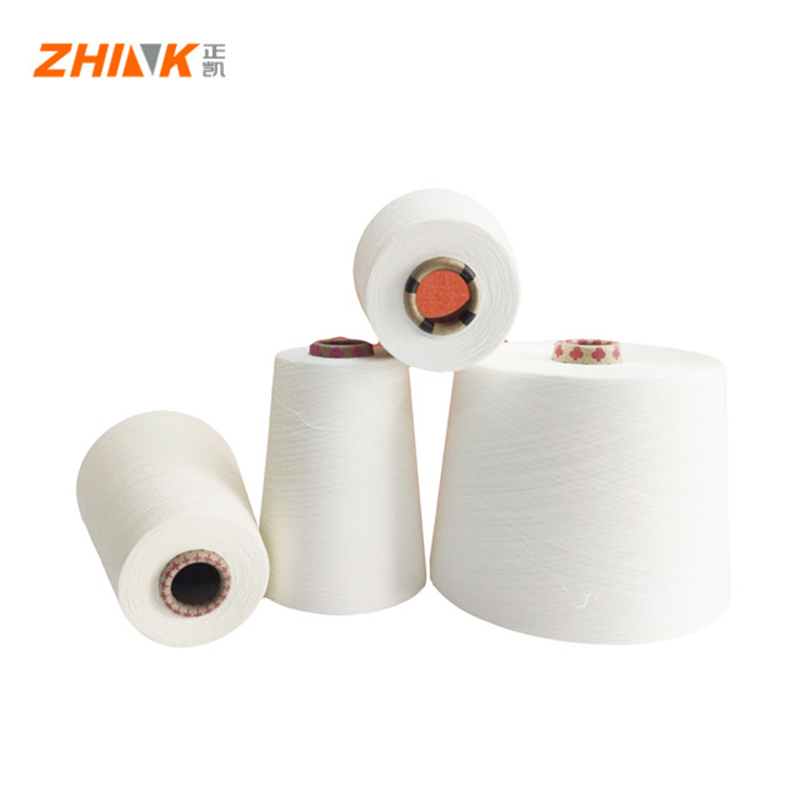
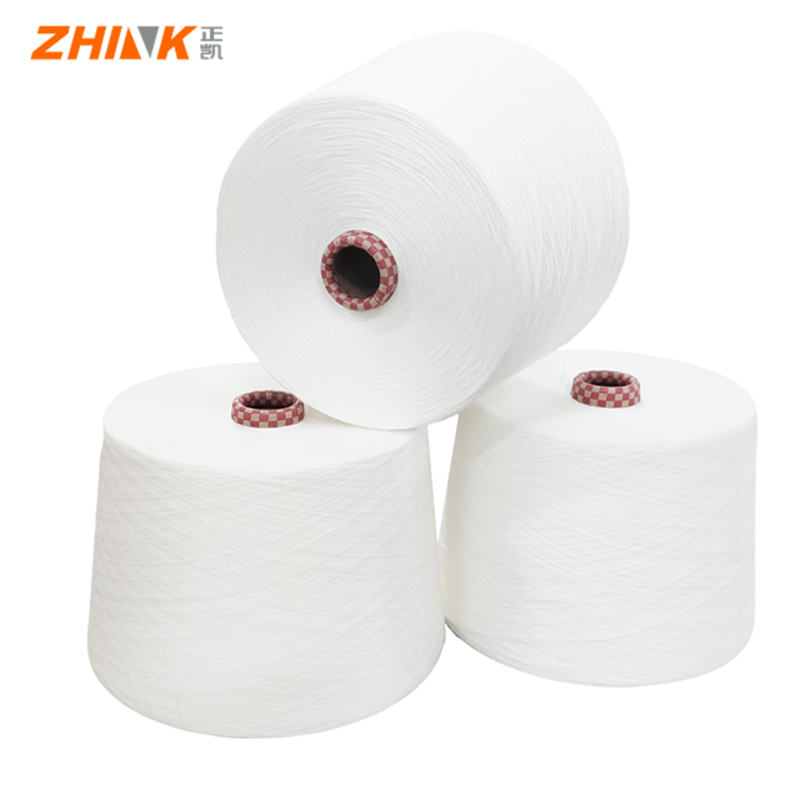
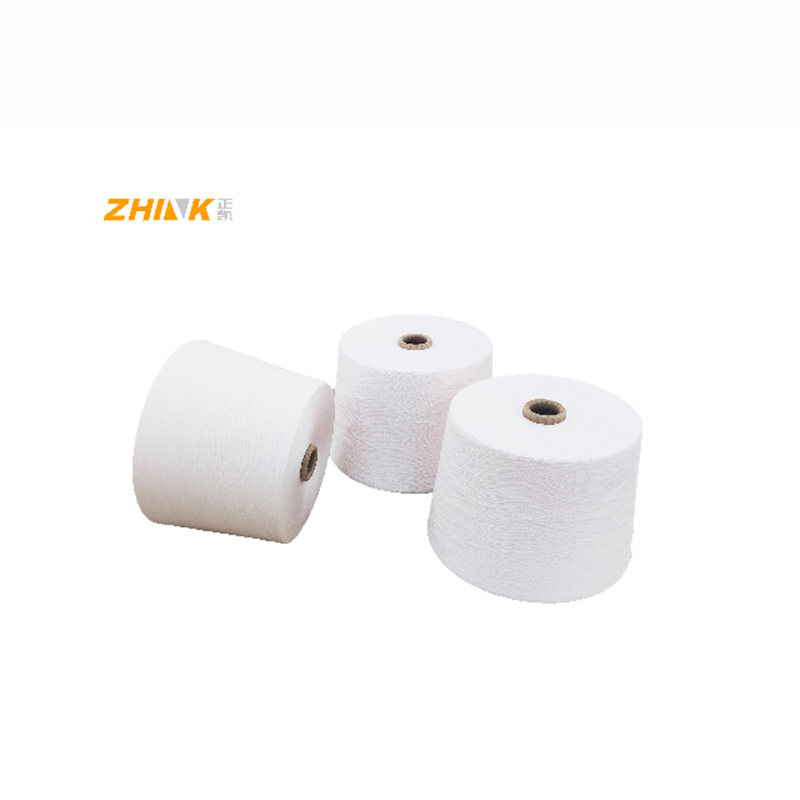
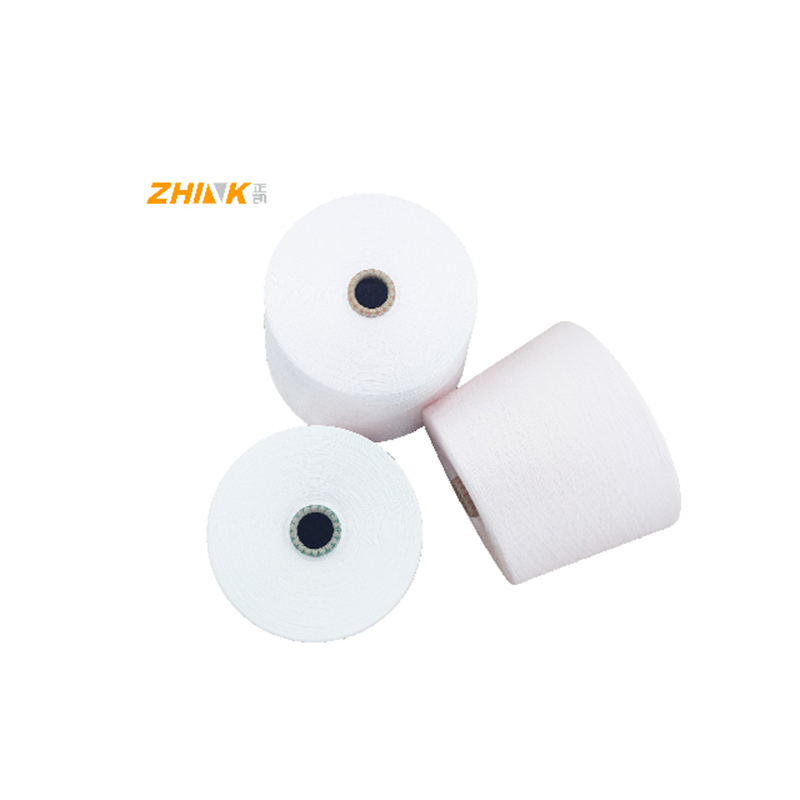
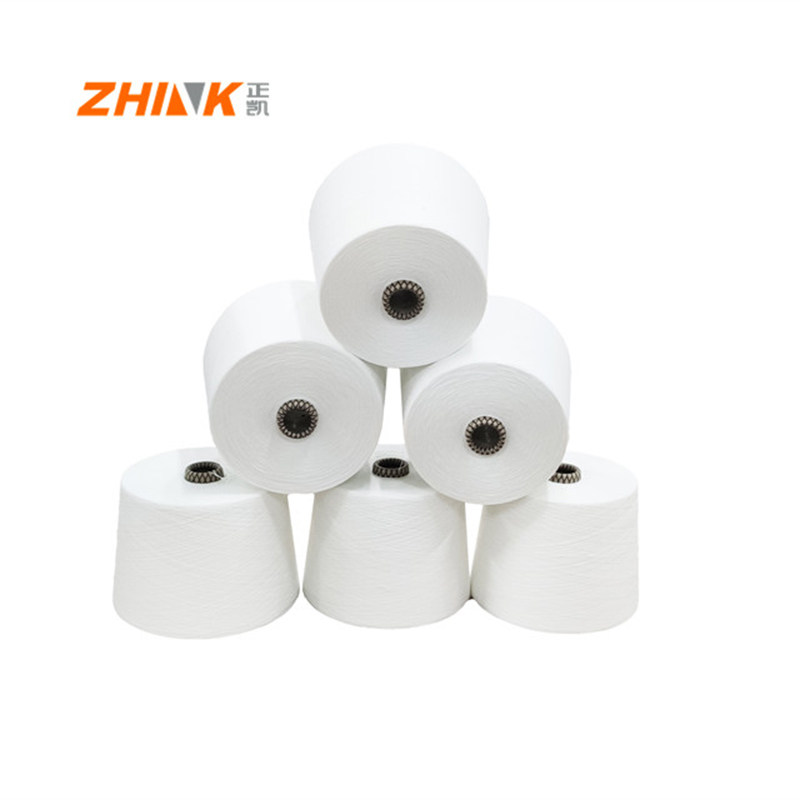
Flame retardant acrylic/viscose siro compact yarn
Exploring Flame Retardant Acrylic/Viscose Siro Compact Yarn
In the realm of textile innovation, there's a good chance you've stumbled upon the term flame retardant acrylic/viscose siro compact yarn. Despite its technical nature, this material has gained traction for its impressive safety features and versatile applications. From personal experience, I've noticed some common misconceptions, particularly regarding its manufacturing process and end-use potential.
Understanding the Basics
A lot of folks, even industry insiders, might initially think that adding flame retardant properties to any yarn could compromise the fabric’s comfort or look. However, the reality is quite different when it comes to this particular type of yarn. The process primarily involves integrating flame-retardant properties during the production stage, ensuring the material maintains a soft feel and durability.
What makes this yarn compelling is its blend of acrylic and viscose. Acrylic provides resilience and brightness, while viscose contributes to comfort and moisture retention. Combined, they offer a yarn that's not only fire-safe but also pleasant to the touch.
A lot of this was made possible thanks to advances in compact spinning technology. It allows for denser, stronger yarn — almost like working with a completely new breed of fabric. The compact spinning technique significantly reduces fiber fly and pill, making it ideal for both industrial and everyday use.
Production Challenges
One has to appreciate the complexities involved in the spinning of siro compact yarn. For instance, achieving the perfect blend ratio of acrylic to viscose can be a meticulous process. It demands precision to ensure that the yarn retains both its functional qualities and aesthetic appeal.
Another key challenge is maintaining quality consistently at scale. During my time on the floor, I've seen how temperature and humidity levels can alter the attributes of the yarn. Fine-tuning the environment thus becomes a crucial aspect of production.
While Zhink New Material, as detailed on their website https://www.zhinkyarn.com, specializes in cutting-edge textile solutions, they too occasionally face these production issues that call for real-time problem-solving.
Applications in Modern Industries
Now, you might wonder, where does flame retardant yarn go after it leaves the factory? The applications are abundant. Whether it’s in the realm of workwear for industries with stringent safety standards or in home textiles, this versatile yarn finds its place.
I've personally witnessed its transformation into modern permanent press fabrics used in transport upholstery or protective clothing. In these instances, safety isn’t just a feature — it's a necessity. The balance of strength and softness proves especially beneficial in these high-stakes environments.
Even in fashion, designers are beginning to appreciate its potential. The misconception that flame retardant fabric lacks style is slowly fading, as more are recognizing its ability to combine safety with aesthetics seamlessly.
Consumer Awareness
But what about the end consumer? There's an ongoing need to educate the market about what truly sets flame retardant acrylic/viscose siro compact yarn apart. I’ve found that many still harbor doubts about the fabric’s tactile quality.
This is where transparent communication comes into play. Producers like SHANDONG ZHINK NEW MATERIAL CO., LTD could consider more direct consumer engagement. Perhaps demonstrations at trade shows or detailed brochures could help bridge this gap in understanding.
The focus should be on illustrating how these products meet everyday needs while exceeding safety standards. In doing so, it becomes evident how this innovative yarn can fit into various lifestyle contexts.
Future Prospects
Looking ahead, you can't help but feel optimistic about the future prospects of this yarn. With ongoing research and technological improvements, it’s a field ripe with potential. SHANDONG ZHINK NEW MATERIAL CO., LTD is already making strides as per their website, especially in areas of sustainability and enhanced fabric performance.
The use of eco-friendly practices in yarn production is something to watch closely. As sustainability continues to take center stage, innovations in this area could redefine industry norms.
Ultimately, quality and innovation will likely guide this journey. With the right approach, we might soon see flame retardant acrylic/viscose siro compact yarn set new benchmarks in both safety and style.
Related Products
Related Products