+86-632-3621866
- Chinese
- French
- German
- Portuguese
- Spanish
- Russian
- Japanese
- Korean
- Arabic
- Irish
- Greek
- Turkish
- Italian
- Danish
- Romanian
- Indonesian
- Czech
- Afrikaans
- Swedish
- Polish
- Basque
- Catalan
- Esperanto
- Hindi
- Lao
- Albanian
- Amharic
- Armenian
- Azerbaijani
- Belarusian
- Bengali
- Bosnian
- Bulgarian
- Cebuano
- Chichewa
- Corsican
- Croatian
- Dutch
- Estonian
- Filipino
- Finnish
- Frisian
- Galician
- Georgian
- Gujarati
- Haitian
- Hausa
- Hawaiian
- Hebrew
- Hmong
- Hungarian
- Icelandic
- Igbo
- Javanese
- Kannada
- Kazakh
- Khmer
- Kurdish
- Kyrgyz
- Latin
- Latvian
- Lithuanian
- Luxembou..
- Macedonian
- Malagasy
- Malay
- Malayalam
- Maltese
- Maori
- Marathi
- Mongolian
- Burmese
- Nepali
- Norwegian
- Pashto
- Persian
- Punjabi
- Serbian
- Sesotho
- Sinhala
- Slovak
- Slovenian
- Somali
- Samoan
- Scots Gaelic
- Shona
- Sindhi
- Sundanese
- Swahili
- Tajik
- Tamil
- Telugu
- Thai
- Ukrainian
- Urdu
- Uzbek
- Vietnamese
- Welsh
- Xhosa
- Yiddish
- Yoruba
- Zulu
- Kinyarwanda
- Tatar
- Oriya
- Turkmen
- Uyghur



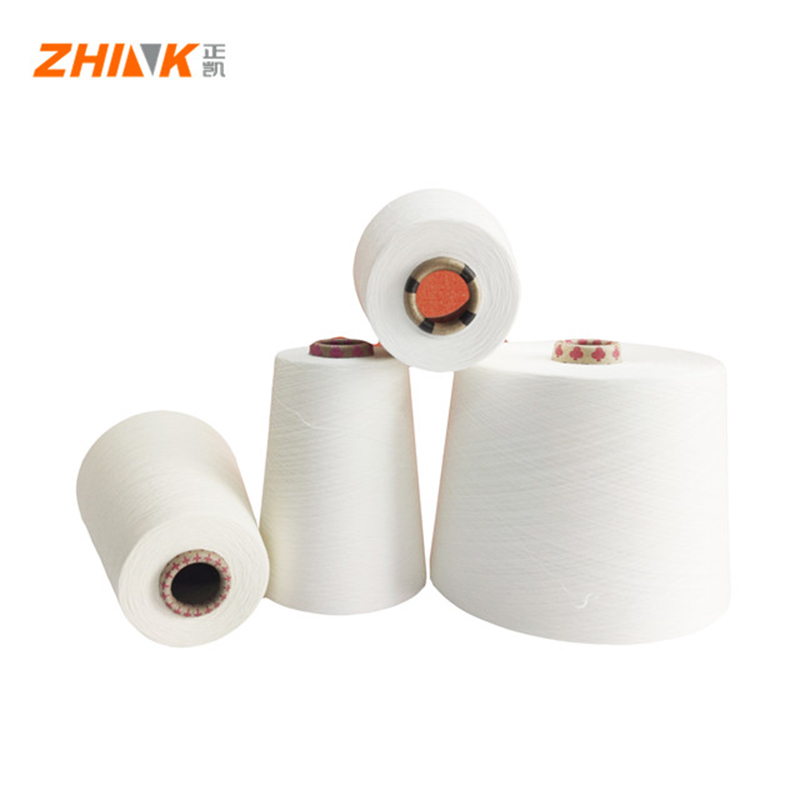
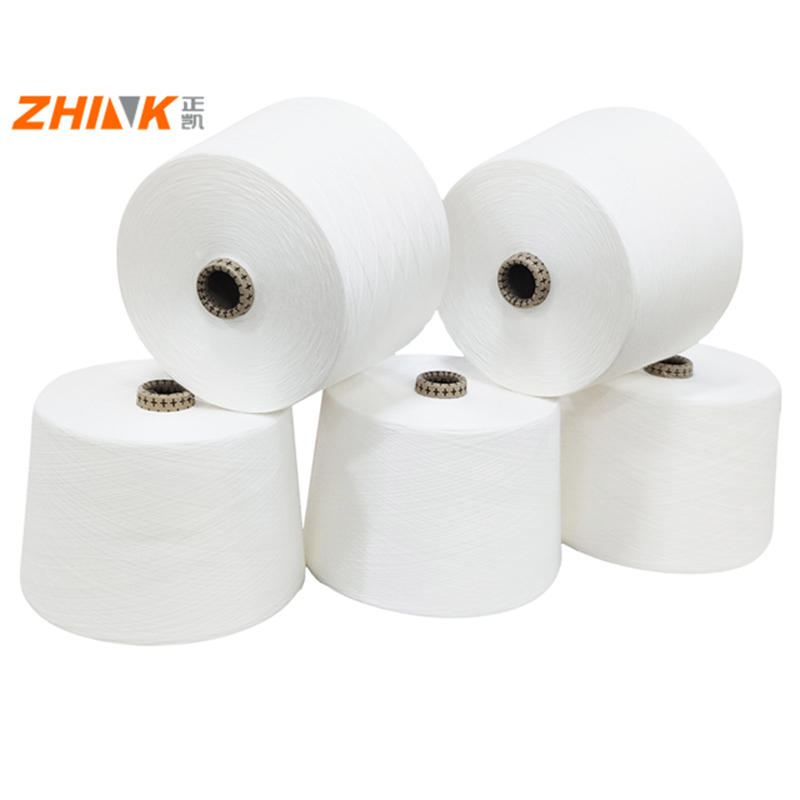
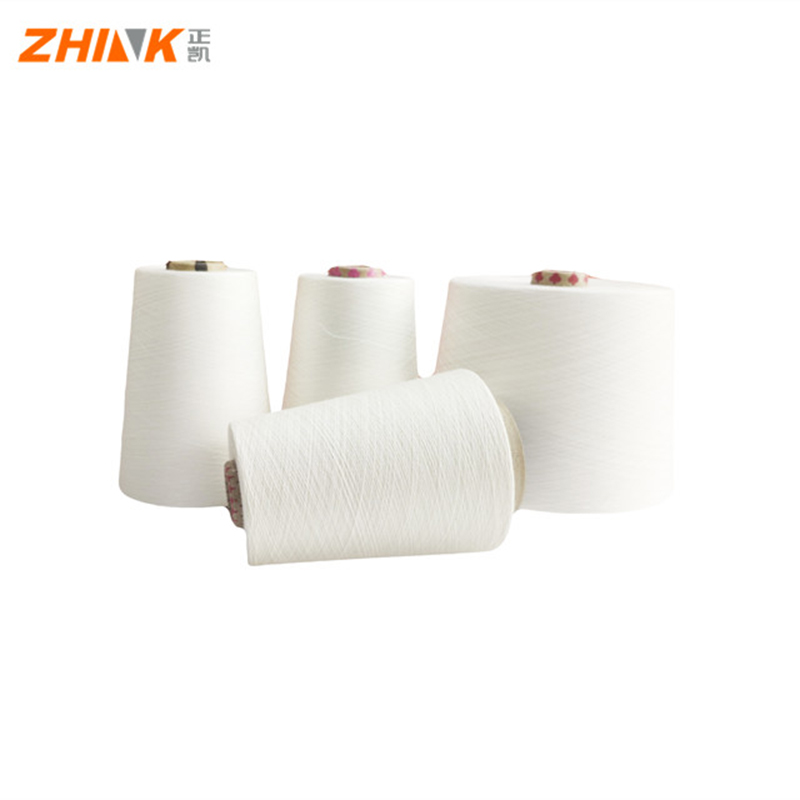
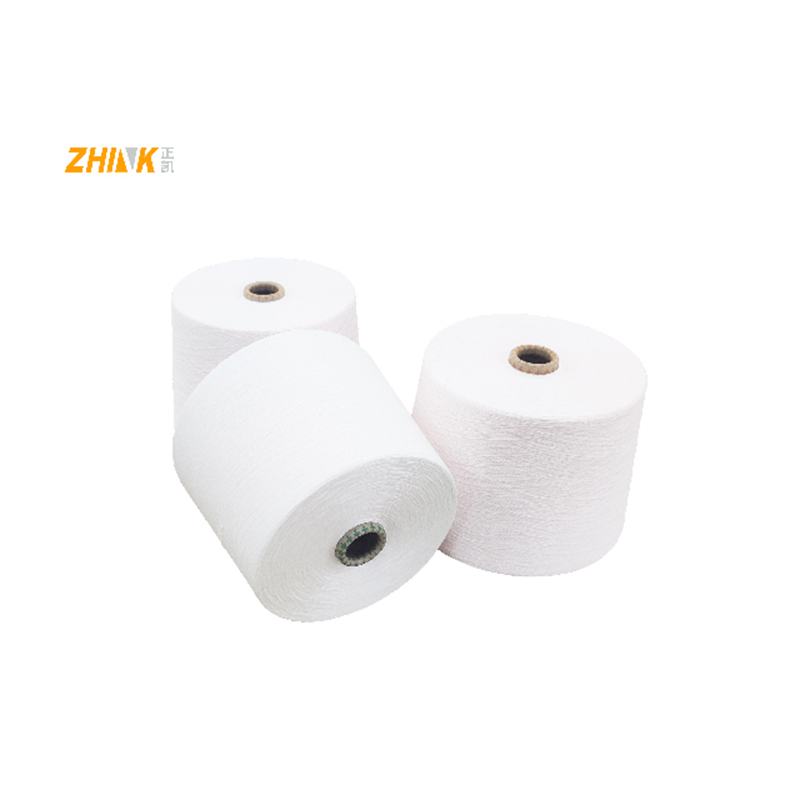
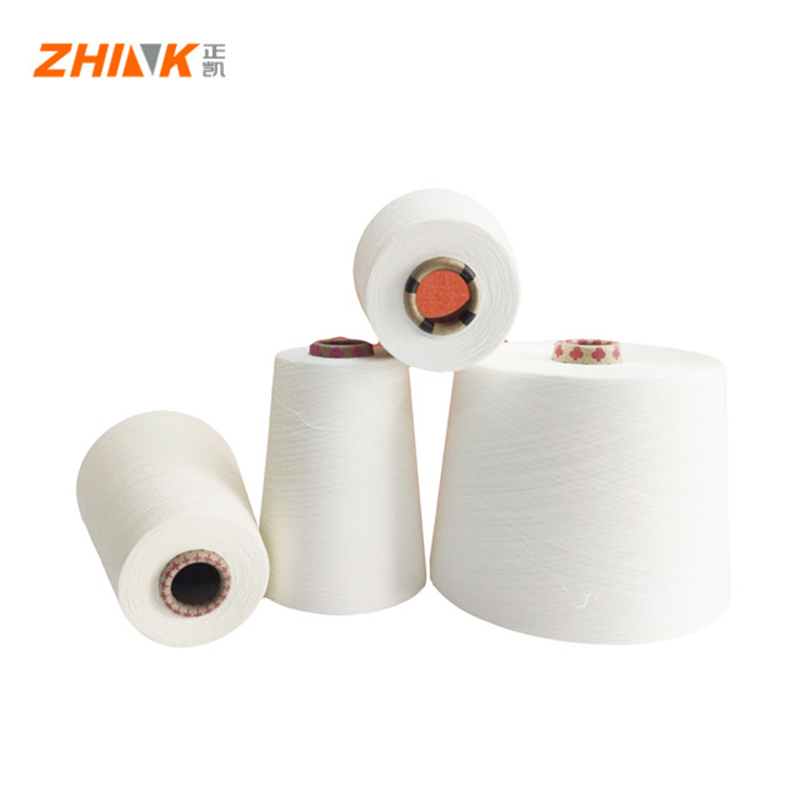
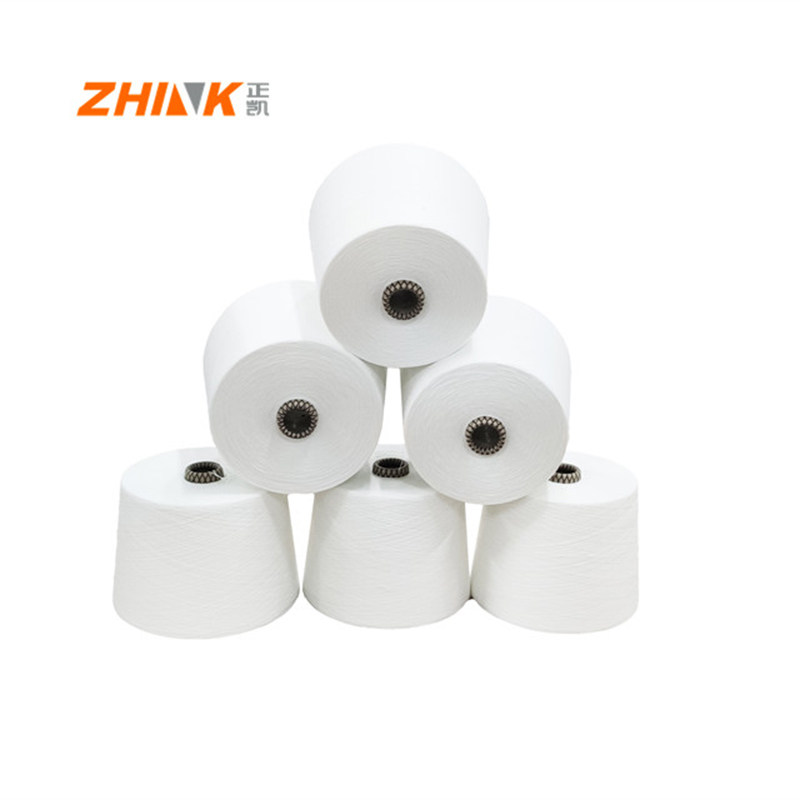
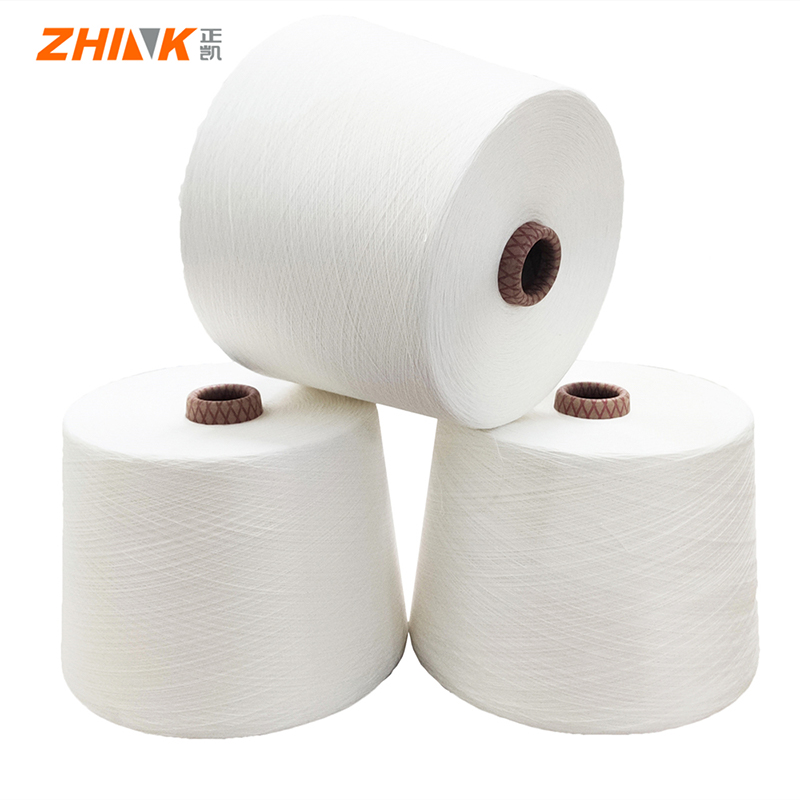
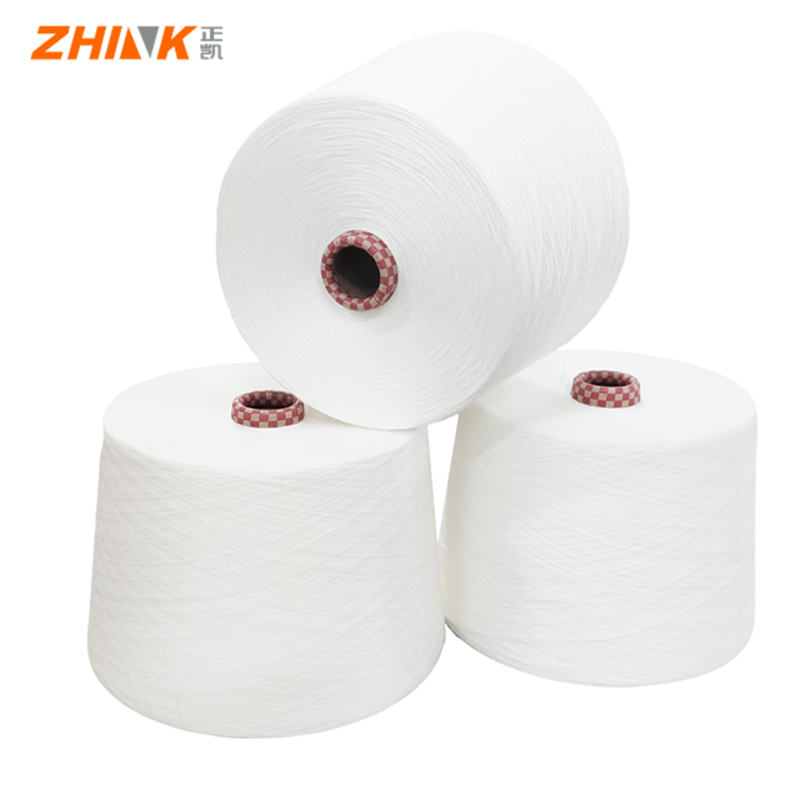
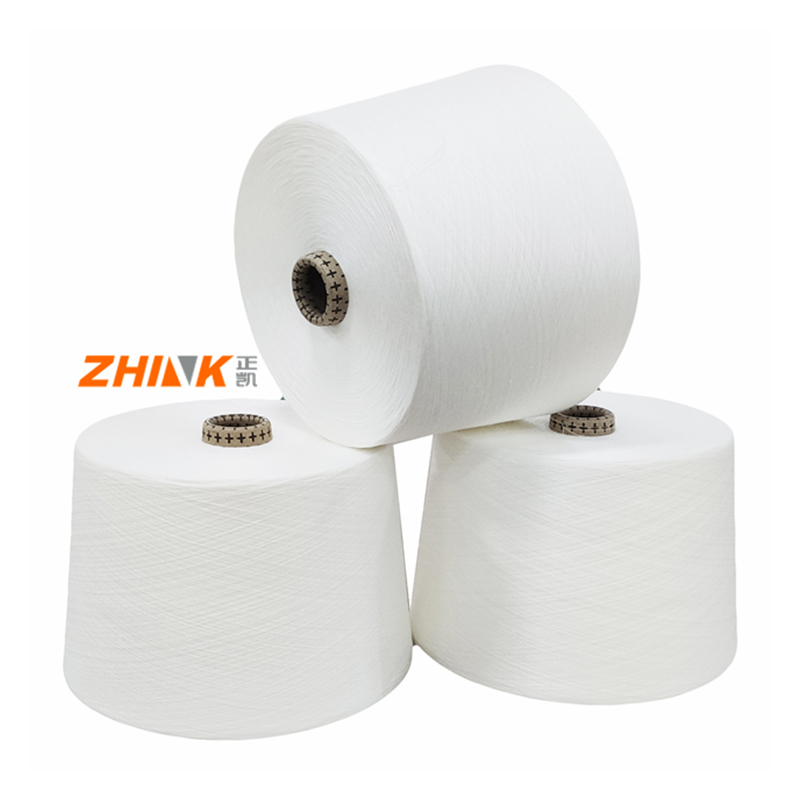
Flame retardant acrylic/viscose siro yarn
Understanding Flame Retardant Acrylic/Viscose Siro Yarn
Flame retardant acrylic/viscose siro yarn might sound like a mouthful, but it's a critical component in creating safer, more durable textiles. In the textile industry, especially where safety is paramount, knowing how to select and apply these materials can really make a difference. Let's unravel some common misconceptions and delve into the practical uses and real-world challenges of this remarkable yarn.
The Basics of Flame Retardant Yarns
When we talk about flame retardant yarns, many think it's all about adding a chemical finish that slows ignition. However, with acrylic/viscose siro yarn, it's a bit more intrinsic. The very composition of this yarn impacts its resistance. The blend of acrylic and viscose, prepared through the siro spinning process, provides both softness and safety—a combination often challenging to nail down.
It's here that companies like SHANDONG ZHINK NEW MATERIAL CO., LTD come into play. Their focus on research and development means they're continuously pushing boundaries to innovate materials that meet strict safety standards without compromising fabric quality.
One challenge I faced early on was ensuring uniform distribution of flame retardant properties across a batch. Small variations in the fiber blending process could lead to inconsistent results, which is why meticulous control during production is paramount.
Real-World Applications
These yarns are commonly used in environments where fire safety can't be ignored—think aviation, upholstery, and protective clothing. But what often goes unnoticed is the tactile comfort they offer. It's not enough for a material to be just flame retardant—it must also be something people want to wear or use daily.
This took me back to a project where we sourced materials from Zhink New Material. By the end of it, our end-users couldn’t distinguish between the flame-retardant fabric and their everyday apparel in terms of comfort, which speaks volumes about quality.
Yet, there's always this ongoing trade-off. Strength vs. comfort, safety vs. aesthetics. Balancing these is an art, and anyone in the industry should be prepared to make some tough decisions—often on the fly.
Material Composition and Benefits
The siro spinning technique plays a central role here, allowing for a finer yarn with better strength and reduced pilling. This method results in a material that not only resists ignition but also holds well against mechanical wear. When you're working on high-stakes projects, knowing this means fewer sleepless nights worried about failure in the field.
I remember going through the initial trials—the blend percentages, testing for tensile strength, abrasion resistance, the whole lot. It took multiple iterations, adjustments, and yes, a good deal of patience, but the eventual outcome was worth the struggle.
Besides, as with anything technical, nothing beats a hands-on experience to fully understand these subtleties. There are documentations galore, but it’s the tactile feedback and results from real-world conditions that validate any lab claim.
Challenges and Missteps
Sometimes, the best lessons are learned from mistakes. Early production runs often showed issues in maintaining yarn integrity during high-speed weaving. It was frustrating but also illuminating—it underscored the importance of a comprehensive quality check at every stage.
Another hurdle met was dye consistency. Acrylic fibers, when mixed with others, can react variably to dyes—something the folks at Zhink helped iron out, thanks to their robust dyeing processes.
By collaborating with others in the industry, solutions often emerge that aren’t apparent from isolated trials. Discussions with suppliers, clients, and fabric testers bring forward the collective knowledge that drives innovation.
Future Directions
The evolution of flame retardant acrylic/viscose siro yarn isn't slowing down. With advanced technologies and a growing emphasis on sustainable practices, the landscape is ripe with opportunities. At SHANDONG ZHINK NEW MATERIAL CO., LTD, there's a strong push towards integrating eco-friendly processes while maintaining their yarn's safety attributes.
Keeping an eye on market demands is crucial. For instance, the increasing interest in electric vehicles and their interiors has spurred a wave of interest in developing non-toxic, flame-resistant fabrics.
Ultimately, the future will likely see fibers playing more active roles not just in safety but in environmental conservation too. And that's a journey we're all keen to be part of.
Related Products
Related Products