+86-632-3621866
- Chinese
- French
- German
- Portuguese
- Spanish
- Russian
- Japanese
- Korean
- Arabic
- Irish
- Greek
- Turkish
- Italian
- Danish
- Romanian
- Indonesian
- Czech
- Afrikaans
- Swedish
- Polish
- Basque
- Catalan
- Esperanto
- Hindi
- Lao
- Albanian
- Amharic
- Armenian
- Azerbaijani
- Belarusian
- Bengali
- Bosnian
- Bulgarian
- Cebuano
- Chichewa
- Corsican
- Croatian
- Dutch
- Estonian
- Filipino
- Finnish
- Frisian
- Galician
- Georgian
- Gujarati
- Haitian
- Hausa
- Hawaiian
- Hebrew
- Hmong
- Hungarian
- Icelandic
- Igbo
- Javanese
- Kannada
- Kazakh
- Khmer
- Kurdish
- Kyrgyz
- Latin
- Latvian
- Lithuanian
- Luxembou..
- Macedonian
- Malagasy
- Malay
- Malayalam
- Maltese
- Maori
- Marathi
- Mongolian
- Burmese
- Nepali
- Norwegian
- Pashto
- Persian
- Punjabi
- Serbian
- Sesotho
- Sinhala
- Slovak
- Slovenian
- Somali
- Samoan
- Scots Gaelic
- Shona
- Sindhi
- Sundanese
- Swahili
- Tajik
- Tamil
- Telugu
- Thai
- Ukrainian
- Urdu
- Uzbek
- Vietnamese
- Welsh
- Xhosa
- Yiddish
- Yoruba
- Zulu
- Kinyarwanda
- Tatar
- Oriya
- Turkmen
- Uyghur



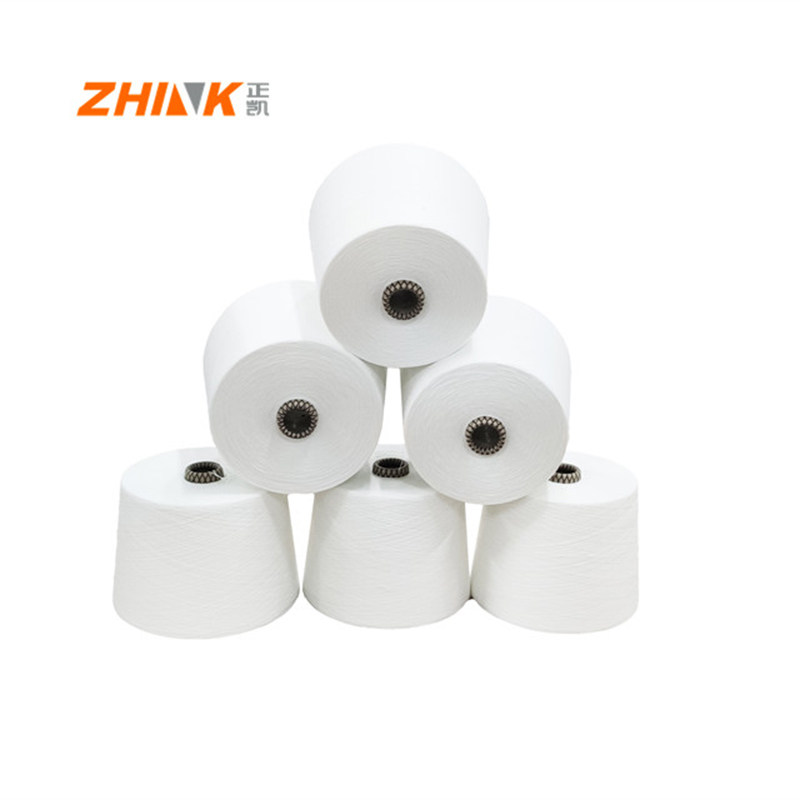
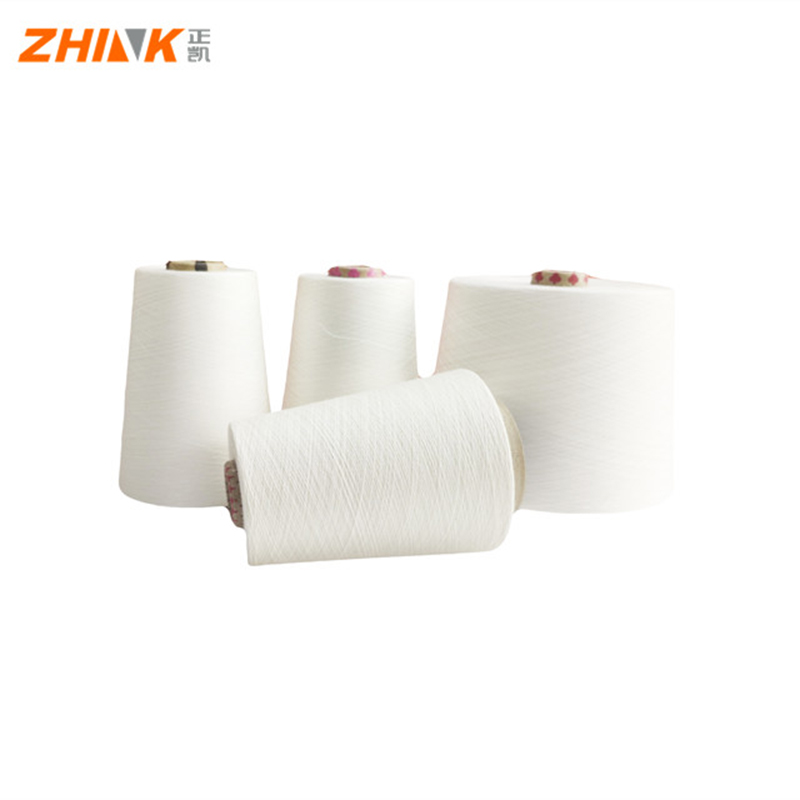
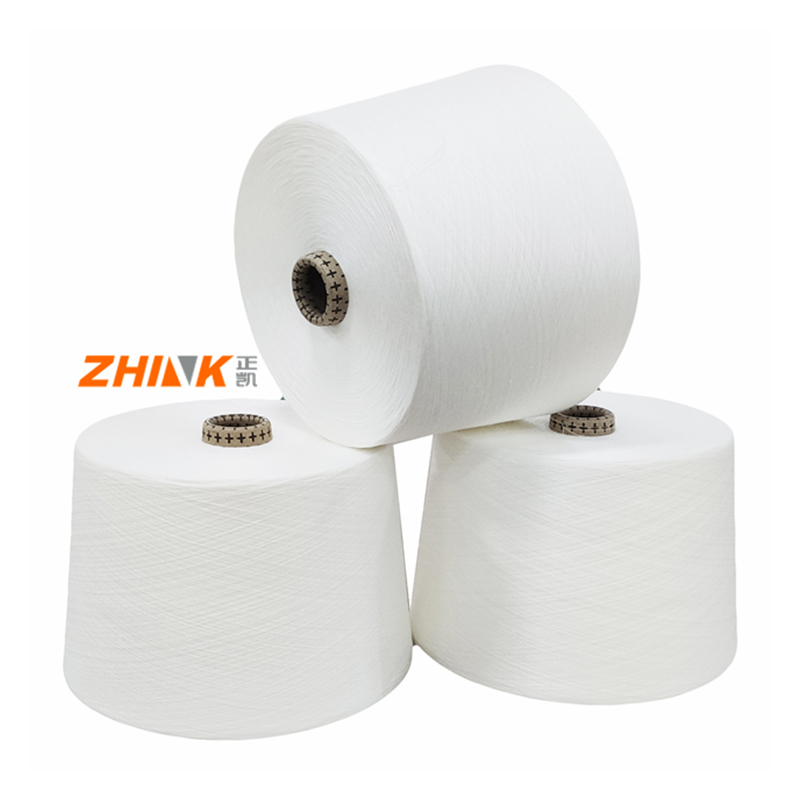
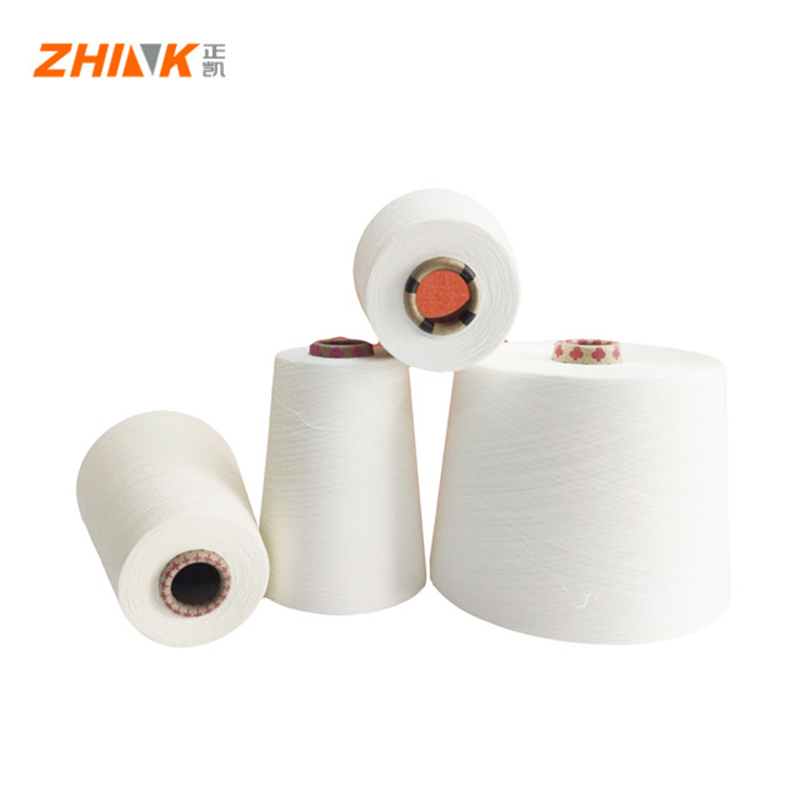
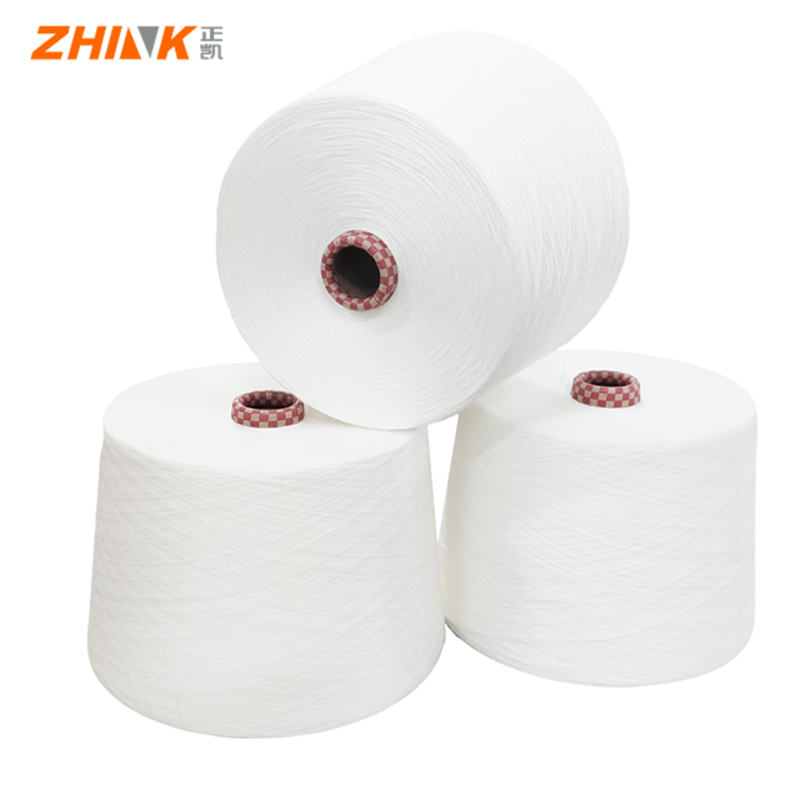
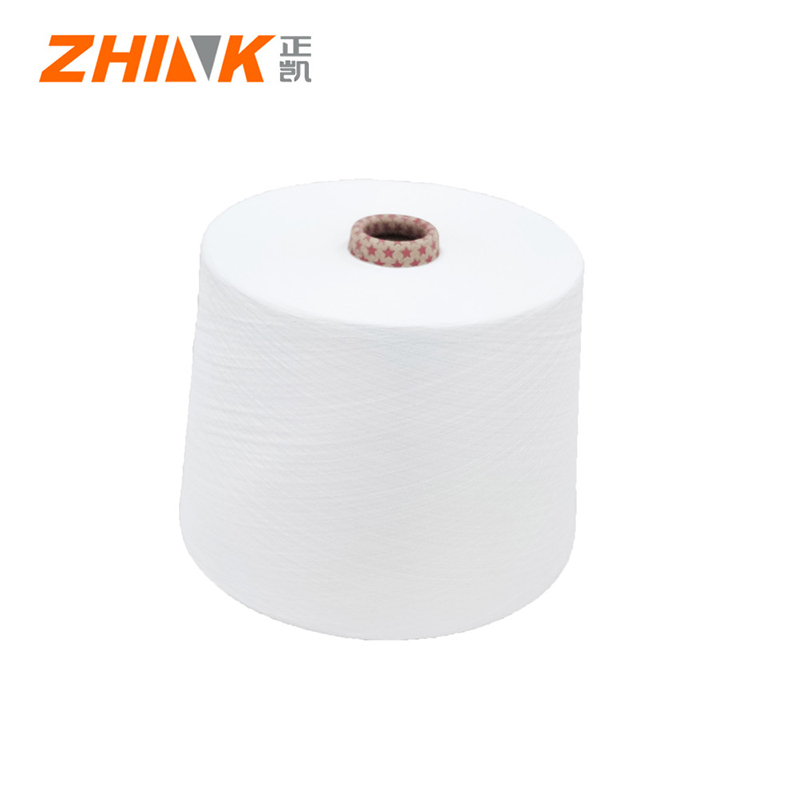
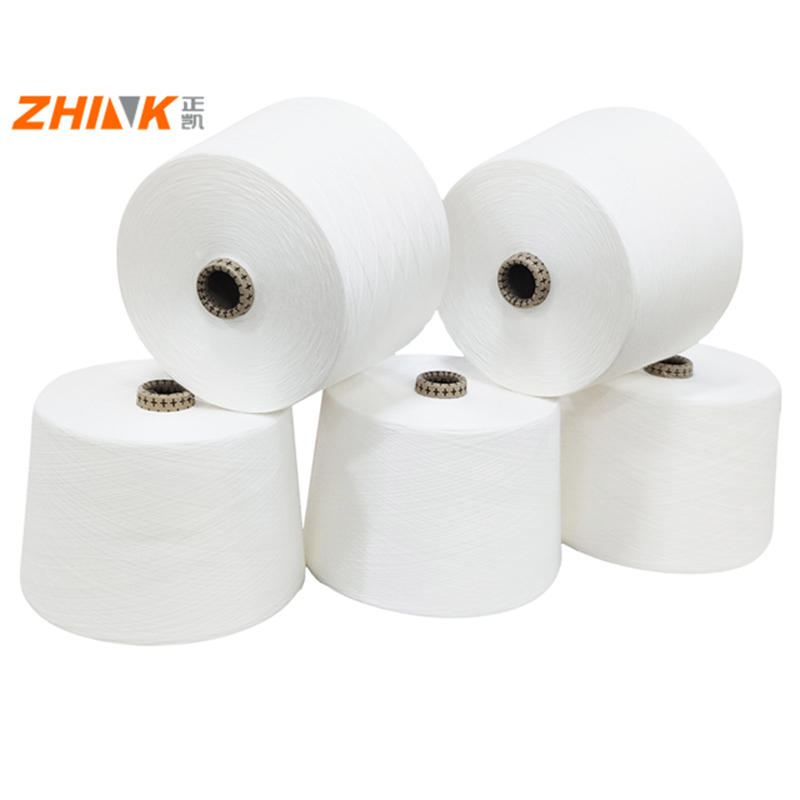
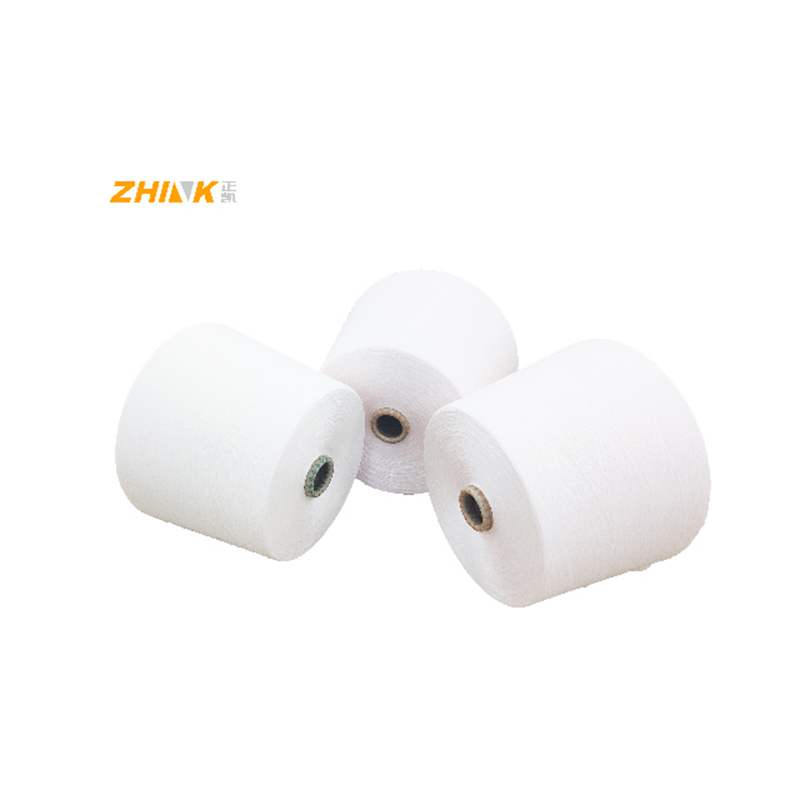
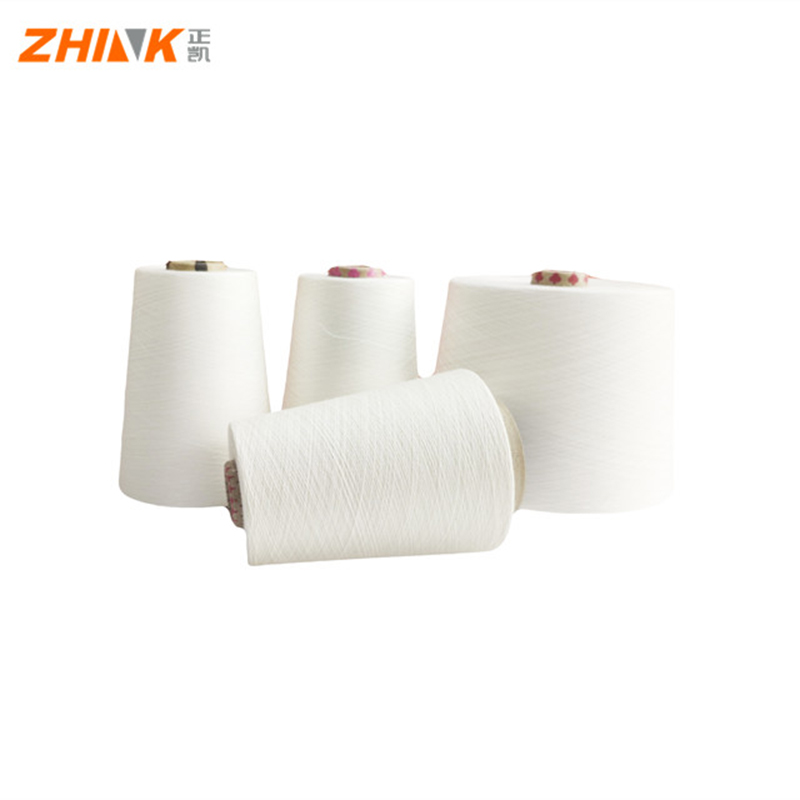
Flame retardant acrylic/viscose vortex yarn
Exploring Flame Retardant Acrylic/Viscose Vortex Yarn
In the ever-evolving textiles industry, understanding the intricacies of flame retardant acrylic/viscose vortex yarn can be a game-changer. This yarn presents potential for both innovative design and safety applications, yet misconceptions and challenges still linger in the field.
Understanding Flame Retardancy in Yarns
When we talk about flame retardancy, it's not just a buzzword but a critical component in ensuring safety in textiles. Flame retardant acrylic/viscose vortex yarn is designed to withstand high temperatures and prevent fire from spreading, an essential quality for industries requiring stringent safety measures. However, the balance between effectiveness and maintaining the fabric's integrity is a constant challenge faced by manufacturers.
At SHANDONG ZHINK NEW MATERIAL CO., LTD, where I spent time consulting, we encountered various hurdles when perfecting these yarns. The primary challenge was maintaining softness and aesthetic appeal while enhancing safety features. There's no one-size-fits-all solution, and we often found that minor tweaks in the chemical composition could significantly impact performance.
This type of yarn, blending acrylic and viscose, offers a durable yet flexible solution. Viscose provides the soft hand feel, while acrylic contributes to the durability and longevity, making it ideal for use in both apparel and industrial applications. The vortex spinning process itself helps in creating a more uniform yarn that's less prone to pilling, which is crucial when safety gear is worn repeatedly.
Key Misconceptions in Yarn Production
A common misconception is that enhancing yarn with flame retardant properties automatically means compromising on comfort. But when working with SHANDONG ZHINK NEW MATERIAL CO., LTD, this myth was debunked. For instance, in trials with various chemical formulations at our lab, we noticed that even a slight adjustment in the flame retardant agent can hugely improve the fabric's texture while keeping its safety features intact.
The vortex spinning technique, in particular, plays a pivotal role. It allows for a more stable twist, reducing hairiness and improving uniformity. This contributes not only to a neater appearance but also to consistent flame retardant performance. The key is in perfecting the balance of components during yarn spinning.
There's a genuine intrigue in observing how these elements play out in practice. It's one thing to theorize but seeing the effects firsthand on the production line always brought new insights. We often compared results with other methods, like ring spinning, to evaluate cost-effectiveness versus performance metrics.
Challenges and Solutions in Production
As one might expect, developing new textile materials comes with its fair share of challenges. During my tenure at Zhink New Material, I observed that one significant hurdle was maintaining consistency across large batches. While pilot tests might succeed in controlled environments, scaling up always brings unforeseen obstacles.
The introduction of the vortex technique helped streamline this process at our facility. Yet, there's always the issue of raw material quality. We had to establish rigorous checks and controls to ensure that no batch was compromised, as even slight variations could lead to inconsistencies in flame retardant properties.
Adaptability turned out to be the key. Working closely with suppliers ensured that the base materials met our exacting standards. Our technicians also played a vital role in monitoring the production lines, as real-time data collection facilitated prompt adjustments whenever necessary.
Practical Applications and Benefits
So why should one consider using flame retardant acrylic/viscose vortex yarn? The practical applications are vast, from protective clothing to upholstery in public spaces where fire hazards are a concern. The material's ability to resist ignition makes it suitable for diverse environments requiring robust safety measures.
In my experience at Zhink New Material, we collaborated on projects involving public transport textiles where high FR standards were a given. The yarn's inherent properties, enhanced by our specific finishing processes, meant it could withstand stringent burn tests, providing clients with peace of mind.
These endeavors demonstrated firsthand how material science can impact everyday safety. Our team often showcased these applications in field tests, corroborating lab results with real-world outcomes, and the feedback was overwhelmingly positive, particularly in sectors prioritizing safety.
Reflecting on Industry Trends and Future Prospects
The industry is witnessing a shift towards smarter material choices, with increasing demand for sustainability alongside safety. Flame retardant textiles have a part to play in this landscape, and innovations such as the ones produced by SHANDONG ZHINK NEW MATERIAL CO., LTD are crucial.
Looking ahead, the prospects for flame retardant acrylic/viscose vortex yarn are promising, albeit with challenges. Navigating material innovation while meeting environmental and regulatory standards will require ongoing research and collaboration across sectors. It's essential to stay informed about developments and be open to adaptation.
Ultimately, the intersection of safety, comfort, and sustainability will guide the industry's future. The work being done at Zhink New Material is a testament to how comprehensive research and development can advance these objectives, ensuring that textile solutions evolve with the demands of modern life.
Related Products
Related Products