+86-632-3621866
- Chinese
- French
- German
- Portuguese
- Spanish
- Russian
- Japanese
- Korean
- Arabic
- Irish
- Greek
- Turkish
- Italian
- Danish
- Romanian
- Indonesian
- Czech
- Afrikaans
- Swedish
- Polish
- Basque
- Catalan
- Esperanto
- Hindi
- Lao
- Albanian
- Amharic
- Armenian
- Azerbaijani
- Belarusian
- Bengali
- Bosnian
- Bulgarian
- Cebuano
- Chichewa
- Corsican
- Croatian
- Dutch
- Estonian
- Filipino
- Finnish
- Frisian
- Galician
- Georgian
- Gujarati
- Haitian
- Hausa
- Hawaiian
- Hebrew
- Hmong
- Hungarian
- Icelandic
- Igbo
- Javanese
- Kannada
- Kazakh
- Khmer
- Kurdish
- Kyrgyz
- Latin
- Latvian
- Lithuanian
- Luxembou..
- Macedonian
- Malagasy
- Malay
- Malayalam
- Maltese
- Maori
- Marathi
- Mongolian
- Burmese
- Nepali
- Norwegian
- Pashto
- Persian
- Punjabi
- Serbian
- Sesotho
- Sinhala
- Slovak
- Slovenian
- Somali
- Samoan
- Scots Gaelic
- Shona
- Sindhi
- Sundanese
- Swahili
- Tajik
- Tamil
- Telugu
- Thai
- Ukrainian
- Urdu
- Uzbek
- Vietnamese
- Welsh
- Xhosa
- Yiddish
- Yoruba
- Zulu
- Kinyarwanda
- Tatar
- Oriya
- Turkmen
- Uyghur



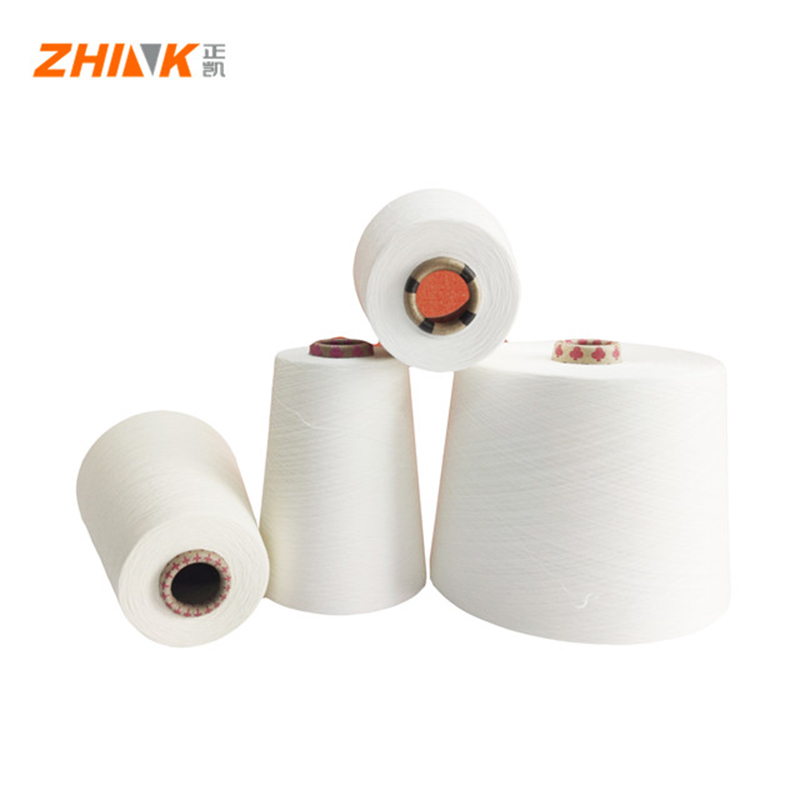
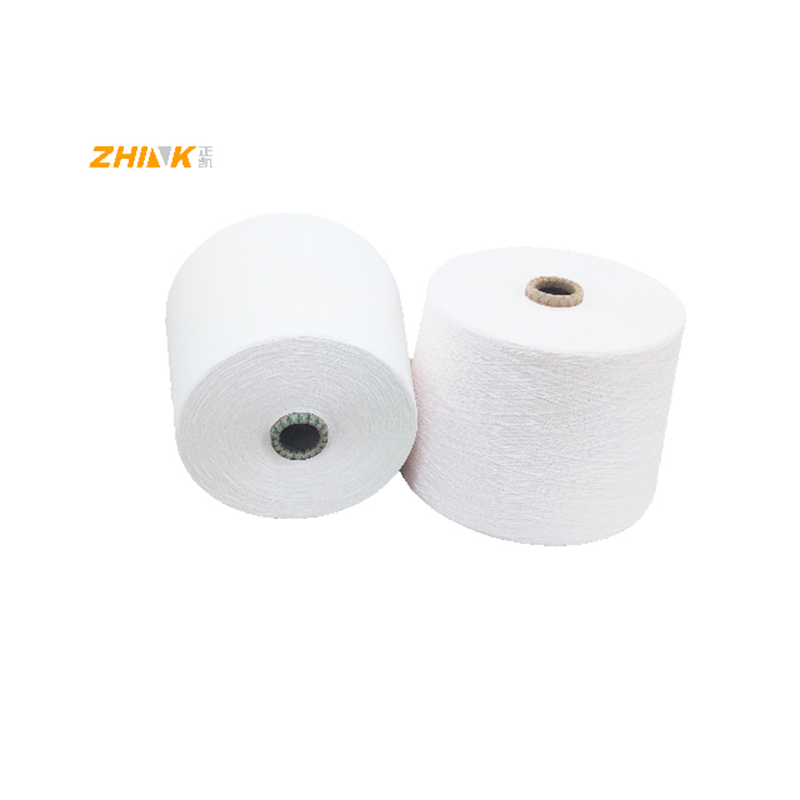
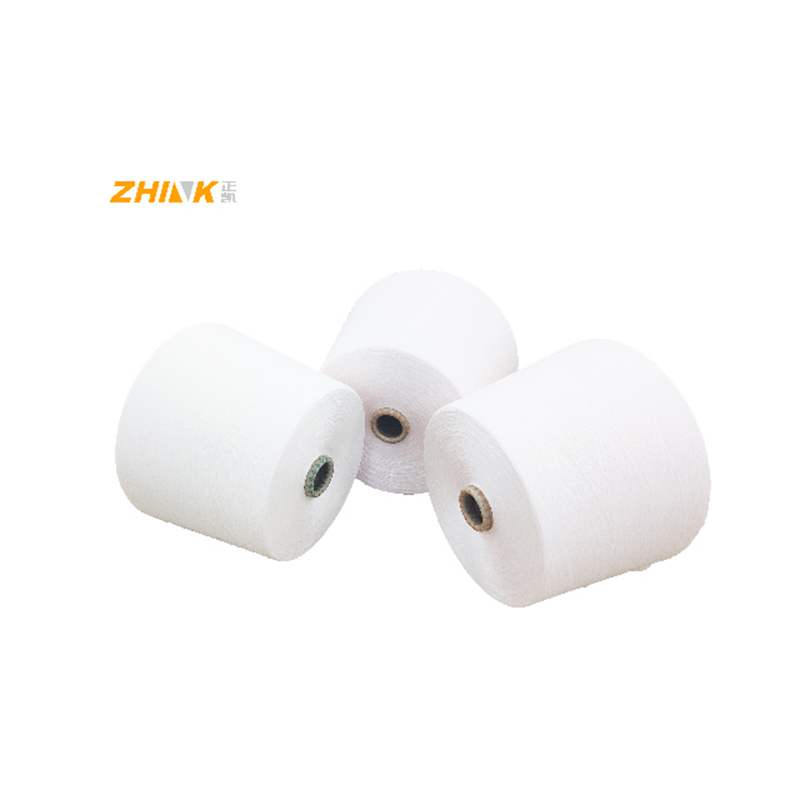
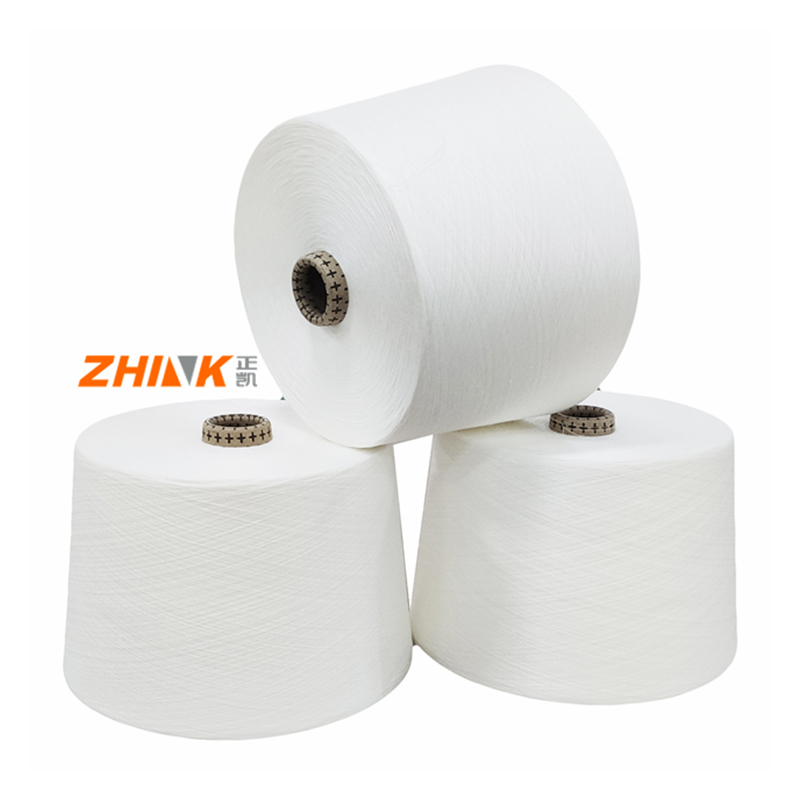
Flame retardant acrylic yarn for weaving
Exploring Flame Retardant Acrylic Yarn for Weaving
Flame retardant acrylic yarns have become indispensable in modern textile manufacturing, boasting unique properties suitable for safety-focused applications. However, misconceptions about their uses and characteristics still circulate, even among industry veterans.
Understanding Flame Retardancy in Acrylic Yarns
Initially, many assume that any flame retardant yarn would compromise the tactile qualities of the fabric, but that’s not necessarily the case. These yarns maintain the soft, wool-like feel of acrylics while offering enhanced safety features which are crucial in specific industries such as hospitality and transport.
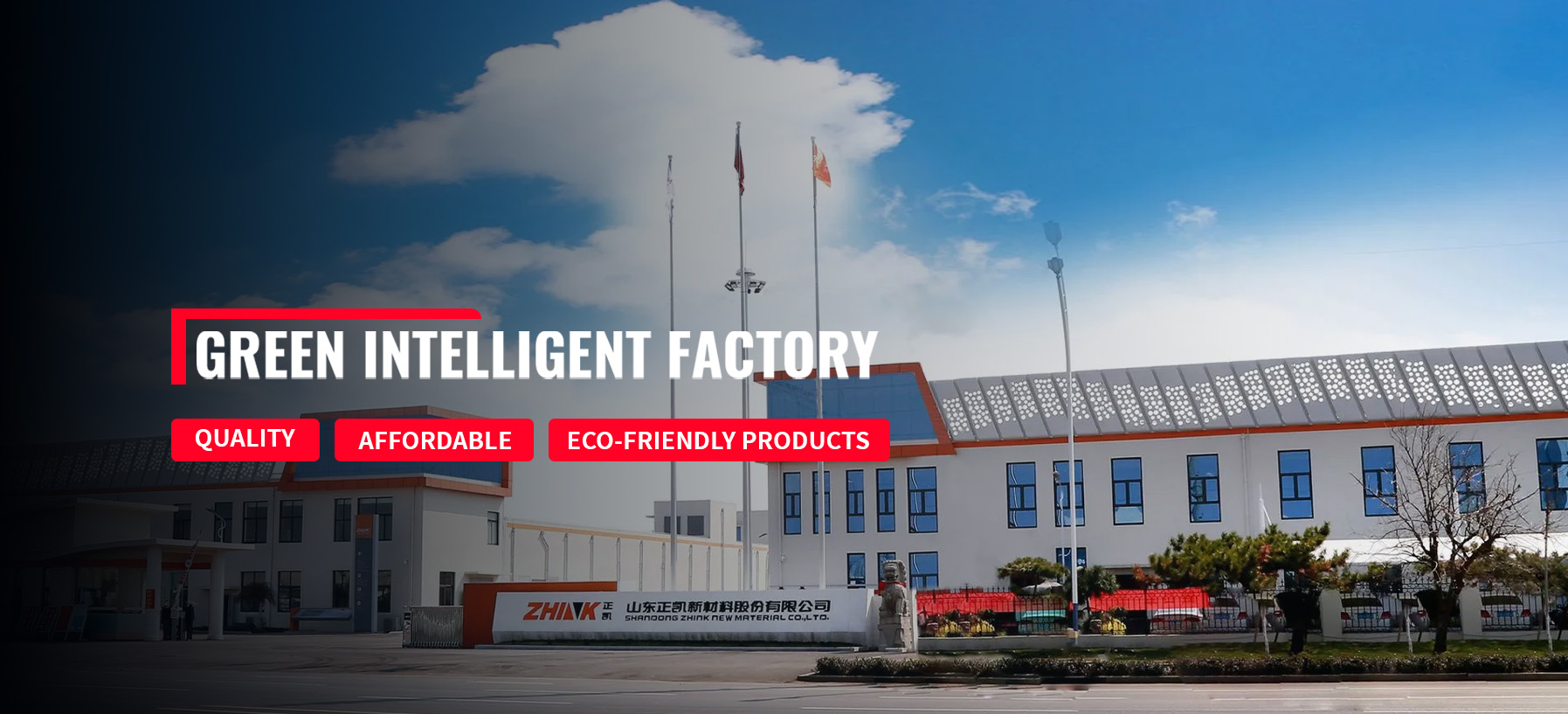
Working with these yarns, I've noticed their versatility firsthand. The addition of flame-retardant properties doesn’t just bring an extra layer of safety; it opens up opportunities for innovation in places you wouldn’t expect, like home furnishings and apparel. However, it's essential to bear in mind the balance between performance and feel, something companies like SHANDONG ZHINK NEW MATERIAL CO., LTD, which specializes in new textile materials, have mastered.
Visiting Zhink New Material’s facility was insightful. Their R&D team is dedicated to pushing boundaries, ensuring the yarn performs without the rough texture that historically came with flame-retardant treatments. This opens doors for their products across diverse markets.
Challenges in Production and Application
A common issue faced is ensuring uniform flame retardancy throughout the yarn, but with precise chemical engineering, this can be achieved. Zhink’s technologies have made significant strides here, integrating these properties without sacrificing quality.
In practical terms, applying these yarns in weaving can sometimes be challenging due to the special treatments applied, but modern machinery and techniques have largely mitigated these complications. Personal experience showed me that making small adjustments in tension and weave structure could yield perfect results.
The industry continuously evolves, requiring constant adaptation. Anecdotally, integrating flame retardant yarns into existing product lines can initially slow production, but once processes are tailored, efficiency quickly rebounds.
Innovative Uses Across Industries
Beyond safety apparel, these yarns have found use in public spaces like theaters and hotels. I recently saw an exceptional use case in an upscale cinema, where curtains made from flame retardant acrylic yarn combined aesthetics with necessary safety precautions.
One innovative application that caught my eye was outdoor furniture. Using this yarn meant that safety didn’t have to compromise design—a key selling point provided by Zhink New Material's offerings. It’s these developments that help redefine market standards.
Experimenting with these materials can be incredibly rewarding. If you get the chance, feel the texture of a properly made acrylic fabric; it’s indistinguishable from its non-treated counterpart, yet offers much more.
Environmental and Economic Considerations
There's no overlooking the environmental impact. Some flame retardant chemicals are under scrutiny, which calls for industries to develop cleaner processes. Zhink's commitment to sustainability reflects in their rigorous testing and certifications to ensure their products meet environmental standards.
Economically, while the initial cost might seem higher, the durability and safety of flame retardant acrylic yarn offer a longer-term saving against potential fire-related damages. From my business perspective, investing in reliable textile technology pays off.
With increasing regulations on safety, industries must look towards these materials not just as an option, but as a necessity. Transforming challenges into opportunities is part of what drives progress.
Looking Forward
The journey with flame retardant acrylic yarn is ongoing. In my years of involvement, each step has been a lesson in balancing innovation with practicality. And companies like Zhink New Material lead the way through their continuous improvement and client-focused approach.
It's not merely about weaving fabric; it’s about weaving the future of safety and style. The dynamic landscape of textile manufacturing consistently offers something new to tackle—a challenge to embrace.
If you're curious, I suggest visiting their website to explore the potential these yarns hold. It’s a space where tradition meets cutting-edge technology, crafting the textiles of tomorrow.
Related Products
Related Products