+86-632-3621866
- Chinese
- French
- German
- Portuguese
- Spanish
- Russian
- Japanese
- Korean
- Arabic
- Irish
- Greek
- Turkish
- Italian
- Danish
- Romanian
- Indonesian
- Czech
- Afrikaans
- Swedish
- Polish
- Basque
- Catalan
- Esperanto
- Hindi
- Lao
- Albanian
- Amharic
- Armenian
- Azerbaijani
- Belarusian
- Bengali
- Bosnian
- Bulgarian
- Cebuano
- Chichewa
- Corsican
- Croatian
- Dutch
- Estonian
- Filipino
- Finnish
- Frisian
- Galician
- Georgian
- Gujarati
- Haitian
- Hausa
- Hawaiian
- Hebrew
- Hmong
- Hungarian
- Icelandic
- Igbo
- Javanese
- Kannada
- Kazakh
- Khmer
- Kurdish
- Kyrgyz
- Latin
- Latvian
- Lithuanian
- Luxembou..
- Macedonian
- Malagasy
- Malay
- Malayalam
- Maltese
- Maori
- Marathi
- Mongolian
- Burmese
- Nepali
- Norwegian
- Pashto
- Persian
- Punjabi
- Serbian
- Sesotho
- Sinhala
- Slovak
- Slovenian
- Somali
- Samoan
- Scots Gaelic
- Shona
- Sindhi
- Sundanese
- Swahili
- Tajik
- Tamil
- Telugu
- Thai
- Ukrainian
- Urdu
- Uzbek
- Vietnamese
- Welsh
- Xhosa
- Yiddish
- Yoruba
- Zulu
- Kinyarwanda
- Tatar
- Oriya
- Turkmen
- Uyghur



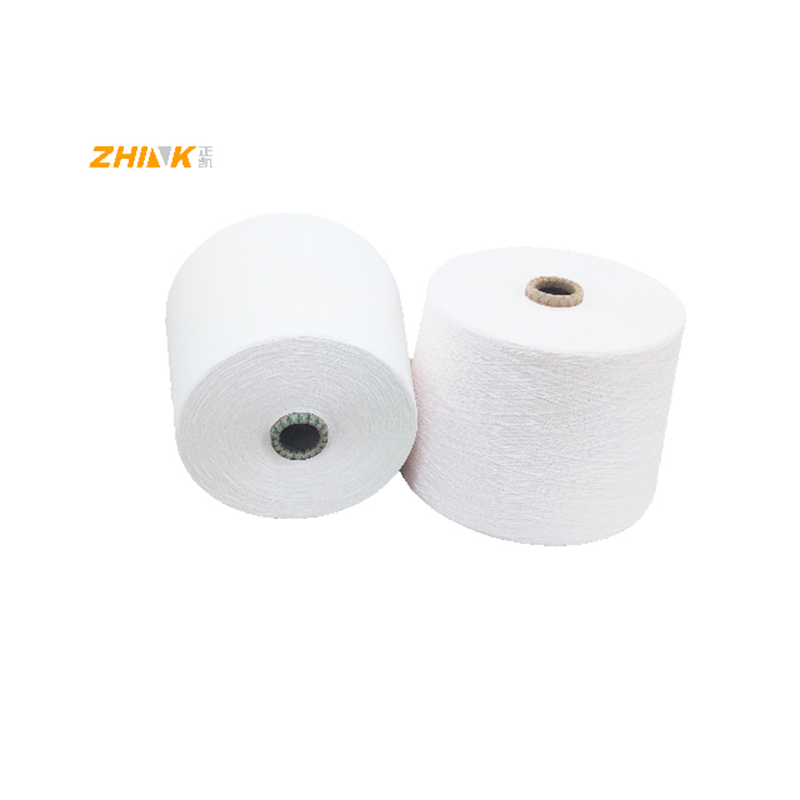
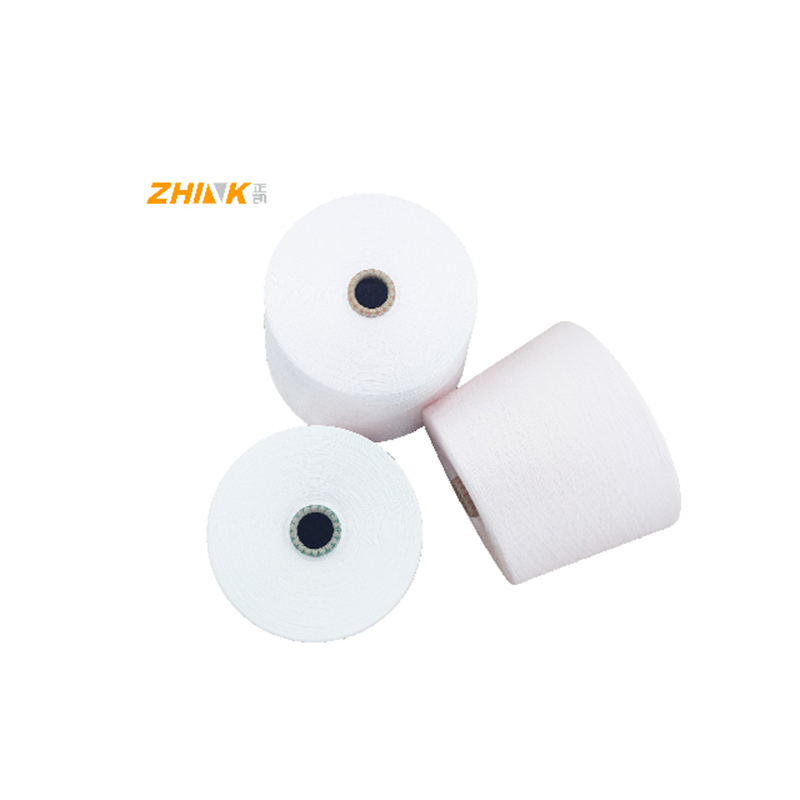
Flame retardant polyester fiber yarn
Understanding Flame Retardant Polyester Fiber Yarn
Flame retardant polyester fiber yarn is more than just a technical material—it’s a safety essential in numerous industries. Yet, understanding its characteristics can be tricky for both novices and seasoned professionals. This article sheds light on the nuances, potential pitfalls, and everyday applications of this important textile innovation.
The Fundamentals of Flame Retardant Polyester Fiber
Let’s start with the basics. Producing flame retardant polyester fiber yarn involves integrating chemical treatments to enhance the inherent fire resistance of the polyester. Unlike natural fibers, polyester can be engineered to meet specific safety standards, making it indispensable in both industrial and consumer applications. At SHANDONG ZHINK NEW MATERIAL CO., LTD, this is a focal area of development, as outlined on their website, https://www.zhinkyarn.com.
From my experience, one crucial aspect to monitor is the balance between durability and flame resistance. There’s a common misconception that enhancing flame retardancy might compromise the fiber's strength. However, with the right formulations, both characteristics can co-exist harmoniously. Zhink New Material focuses precisely on this balance, ensuring that their products are both reliable and secure.
We’ve seen cases where inadequate treatment results in a false sense of security. For the uninitiated, it’s vital to check certifications and compliance with safety standards. Trust but verify, as the saying goes—something we advocate based on countless field experiences.
Practical Applications and Challenges
In practical terms, flame retardant polyester is widely used in furniture upholstery, automotive interiors, and public transport fabrics. Why? Simply put, regulations often mandate its use, not just for compliance but for real world safety. Yet every industry has its unique needs. For instance, in automotive applications, the yarn must be lightweight yet robust—a tricky balancing act.
A challenge many manufacturers face is maintaining the aesthetic flexibility of the fabric while enhancing its fire resistance. It’s a constant dialogue with designers who want vibrant colors and luxurious textures without compromising safety. At Zhink, the R&D team often has brainstorming sessions just to resolve such dilemmas—innovation doesn’t happen in a vacuum.
Another key lesson learned through field testing is about environmental considerations. There’s increasing demand for eco-friendly solutions alongside compliance with safety standards. Some successful trials involved bio-based additives, though scaling such solutions is a hurdle we’re still navigating.
Lessons from the Field: Effective Solutions
When embedding flame retardant properties in polyester yarn, the selection of additives plays a critical role. Typically, halogen-free compounds are favored for their lower environmental impact. Witnessing the transition in real-time from traditional halogenated treatments to more sustainable solutions has been industry-defining.
SHANDONG ZHINK NEW MATERIAL CO., LTD has been proactive in adopting these sustainable approaches. Their investments in innovative R&D have allowed a pivot to eco-friendlier treatments without losing effectiveness. Again, it’s about embracing change but not rushing—it’s about prudent adaptation.
In practice, close collaboration between researchers and manufacturers is essential. We’ve found that iterative testing, rather than skipping stages, saves resources in the long run. Customization is key—what works for one application might not suit another.
Regulatory Landscapes and Standards
Understanding the regulatory landscapes can be daunting but is essential for compliance and ultimately, safety. Whether it’s REACH in Europe or CFR norms in the US, each regulation has nuanced requirements. From working with clients, often surprising hiccups arise during audits not because of the technical shortfalls, but due to documentation and traceability lapses.
This is where companies like Zhink, with their commitment to transparency and compliance, shine. Ensuring proper labeling and consistent communication with suppliers can be as important as the physical properties of the yarn itself. Overlooking these aspects could lead to costly recalls or unwanted legal scrutiny.
Experience shows the importance of regulatory training for all involved—not just the compliance teams. Educating the production teams down to the last detail about standards and expectations has made substantial differences in outcomes.
Why Choose Flame Retardant Polyester Fiber?
At its core, selecting flame retardant polyester fiber yarn starts with a clear understanding of its purpose. It’s about reconciling the seemingly mundane with purpose and precision. For suppliers and end-users alike, making informed choices secures both lives and livelihoods.
The key takeaway? It’s an evolving field—a balance of art and science, requiring partnership and adaptability. In working with Zhink New Material, whose details can be explored further at their website, those involved find themselves on this progressive journey toward safer, high-performance textile solutions.
In essence, success with these materials stems not only from technical mastery but also from collaboration, foresight, and steadfast commitment to safety.
Related Products
Related Products